
For most West Oahu families, the decision of whether to renovate an existing home or buy new construction comes down to a tough financial and lifestyle calculation. The core question we hear from homeowners in Makakilo, Ewa Beach, and Kapolei is this: Is it smarter to invest nearly half a million dollars into a 25-year-old house, or does it make more sense to sell and put that money toward a brand-new home in a community like Ho’opili? The answer isn’t simple, but based on 2026 numbers, renovating a structurally sound older home often provides a better financial return and a more personalized result. However, the risk of uncovering expensive hidden issues during a renovation is real, while a new build offers predictability and a warranty. This guide breaks down the real-world costs, hidden expenses, and ultimate value in the Kapolei renovate vs buy new debate, giving you the data to make the right choice for your ohana.
Here at Warrior Construction, we’ve managed countless projects on both sides of this equation. We’ve taken 1990s-era Makakilo homes down to the studs and rebuilt them into modern, open-concept spaces. We’ve also consulted for clients who ultimately decided the certainty of a new production home was the better path. This analysis is based on our direct experience on job sites across West Oahu, from navigating Honolulu DPP permits to sourcing materials through Campbell Industrial Park. We’ll compare a typical $450,000 gut renovation against the purchase of a $950,000 new home, exploring not just the sticker price but the deeper costs that can make or break your budget and your decision.
How much does a gut renovation cost for a Makakilo home in 2026?
A comprehensive gut renovation of a typical 25-year-old, 1,600-square-foot home in Makakilo currently runs between $250 and $300 per square foot. This puts the total project cost in the range of $400,000 to $480,000.[1] For our financial comparison, we’ll use a working budget of $450,000. This isn’t just a kitchen and bath update; this is a full-scale renovation where we take the interior down to the studs, reconfigure layouts, and replace all major systems and finishes. It’s the most effective way to make an older house feel brand new.
This figure covers a high-quality, but not ultra-luxury, project. It assumes you’re keeping the existing foundation and overall building envelope intact. If we discover significant structural rot, termite damage, or foundation issues, that number can climb. That’s why a healthy contingency fund of 15-20% is non-negotiable for a project of this scale on an older Hawaii home. A detailed understanding of the budget is the first step in the Kapolei renovate vs buy new decision.
Breaking Down the $280/sf Renovation Budget
To understand where the money goes, it helps to see a line-item view. For a $450,000 renovation on a 1,600 sq. ft. home, the budget allocation our team typically plans for looks something like this:
- Design, Engineering & Permitting: $35,000 – $45,000 (8-10%). This includes architectural plans, structural engineering for any wall changes, and navigating the Honolulu Department of Planning and Permitting (DPP).
- Demolition & Site Prep: $15,000 – $20,000 (3-4%). This involves gutting the interior, hauling away debris, and preparing the site for new work.
- Structural Work & Framing: $40,000 – $55,000 (9-12%). This covers any changes to load-bearing walls, sistering joists, and addressing any discovered termite or water damage. This is a common line item for older Makakilo homes.
- Plumbing & Electrical (Full Reroute/Rewire): $60,000 – $75,000 (13-17%). Replacing old galvanized or cast-iron pipes with modern copper or PEX and upgrading the entire electrical system to current code is a major, but critical, expense.
- HVAC System Replacement: $15,000 – $25,000 (3-5%). Installing a new, energy-efficient split AC system.
- Windows & Exterior Doors: $30,000 – $40,000 (7-9%). Upgrading to modern, salt-air resistant vinyl or aluminum windows.
- Insulation, Drywall & Paint: $45,000 – $55,000 (10-12%). Properly insulating, hanging new drywall, and professional interior/exterior painting.
- Interior Finishes (Flooring, Cabinets, Counters, Tile): $120,000 – $150,000 (27-33%). This is the largest category and includes all the visible upgrades that define the new space.
- Contingency Fund (15%): ~$67,500. While technically part of the total, we treat this as a separate bucket to cover the unforeseen issues common in older homes.
Why West Oahu’s Labor Market Impacts Your Renovation
The cost to renovate a house in Oahu is heavily influenced by labor. According to the University of Hawaii Economic Research Organization (UHERO), the skilled labor market remains extremely tight, especially in West Oahu.[2] This has driven residential renovation labor rates up by about 5% from last year alone. For example, large-scale developments in Kapolei and Ko Olina attract a huge portion of the available trade talent with steady, large-contract work. Consequently, a one-off gut renovation in Makakilo is competing for the best electricians, plumbers, and drywall finishers. At Warrior Construction, we mitigate this by maintaining long-standing relationships with our subcontractors, ensuring we have reliable, high-quality crews for our clients’ projects. However, the market reality is that you are paying a premium for that top-tier talent on a custom renovation compared to the labor costs absorbed by a large production builder.
What is the price of a new production home in Kapolei?
In 2026, a brand new single-family production home in a West Oahu community like Ho’opili or Koa Ridge, comparable in size to our 1,600 sq. ft. Makakilo example, is priced at approximately $950,000.[1] While this is more than double the cost of our sample renovation, it’s important to analyze what you get for that price. This Ho’opili new home price reflects a turnkey product with zero deferred maintenance, modern amenities, and a builder’s warranty.

Furthermore, developers like D.R. Horton or Castle & Cooke achieve significant economies of scale. They buy materials by the container load and have dedicated crews moving from one house to the next. Pacific Business News analysis shows these large developers can deliver a finished home for under $500 per square foot, a number that’s simply impossible for a one-off custom home project, which rarely comes in under $600 per square foot.[3] This efficiency is passed on to the buyer, making the sticker price of a new production home more competitive than it might first appear when you consider the cost to build from scratch.
What You Get for Your Money in Ho’opili
For that $950,000 price tag, you’re not just buying a house; you’re buying into a master-planned community with a specific lifestyle. Here’s a realistic look at the package:
- Modern Building Codes: The home will be built to the very latest hurricane-resistant building codes, including hurricane straps on every truss and impact-rated windows. This provides immense peace of mind and can lead to lower homeowner’s insurance premiums.
- Energy Efficiency: New homes are required to meet strict energy codes. This means better insulation, high-efficiency windows, and modern appliances, which translate directly to lower monthly HECO bills.
- Zero Deferred Maintenance: Everything is new. The roof, the water heater, the AC system, the plumbing—you shouldn’t have to worry about a major capital expense for at least 10-15 years.
- Builder’s Warranty: Typically, you get a one-year warranty on workmanship and materials and a longer structural warranty. If the dishwasher fails or a leak appears, you call the developer, not a handyman.
- Community Amenities: These developments often include community pools, parks, recreation centers, and sometimes even schools and commercial centers within walking distance.
- The Downsides: The trade-offs are significant. You’ll likely have a much smaller lot size than in an older Makakilo neighborhood. Customization is limited to a few pre-selected finish packages. You’ll also be subject to HOA rules and fees.
What are the hidden costs of renovating an older Oahu home?
The biggest variable in the Kapolei renovate vs buy new debate is the risk of unforeseen problems in an older structure. A $450,000 budget can quickly swell to $550,000 or more if we uncover serious issues once the walls are opened up. This is the single greatest point of anxiety for homeowners, and it’s where an experienced general contractor proves their worth by anticipating problems before they derail the project.
Unforeseen Structural and Code Issues
Homes built in Makakilo in the 1990s and early 2000s are susceptible to a few common expensive problems. The biggest culprit is always termites. On a recent project in Ewa Gentry, we pulled off drywall to move a light switch and discovered that an entire 16-foot load-bearing wall’s bottom plate had been turned to dust by ground termites. The repair involved building temporary support walls, removing the entire damaged section, and replacing it with new, treated lumber. This was an unexpected $18,000 change order. Another issue is unpermitted work done by previous owners. If we find shoddy framing or electrical work that isn’t to code, we are legally required to bring it up to current standards, which adds cost and time to the project. This is a crucial factor when considering the real Makakilo home renovation cost.
The Risk of Old Wiring and Plumbing
Even if the structure is sound, old systems can hide costly secrets. Many homes from that era were built with galvanized steel plumbing, which corrodes from the inside out. You might not see a problem until we open a wall and find pipes that are almost completely clogged with rust, restricting water flow and on the verge of leaking. A full home repipe can cost between $15,000 and $25,000. Similarly, we often find electrical panels that are undersized for modern needs. A family with multiple computers, large TVs, and an electric vehicle charger needs more power than a standard 100-amp panel from 1998 can provide. Upgrading to a 200-amp service with a new panel can run $8,000 to $12,000. These are the kinds of ‘hidden’ costs that a new build completely avoids.
What are the hidden costs of selling your home to buy new?
Choosing the new build path seems simpler, but it has its own set of significant, often-underestimated costs. These are not construction costs, but transaction and logistical costs that can easily consume tens of thousands of dollars of your home’s equity. Answering the question “is it cheaper to renovate or buy new Hawaii” requires looking beyond the builder’s price list.
Calculating Realtor Commissions and Closing Costs
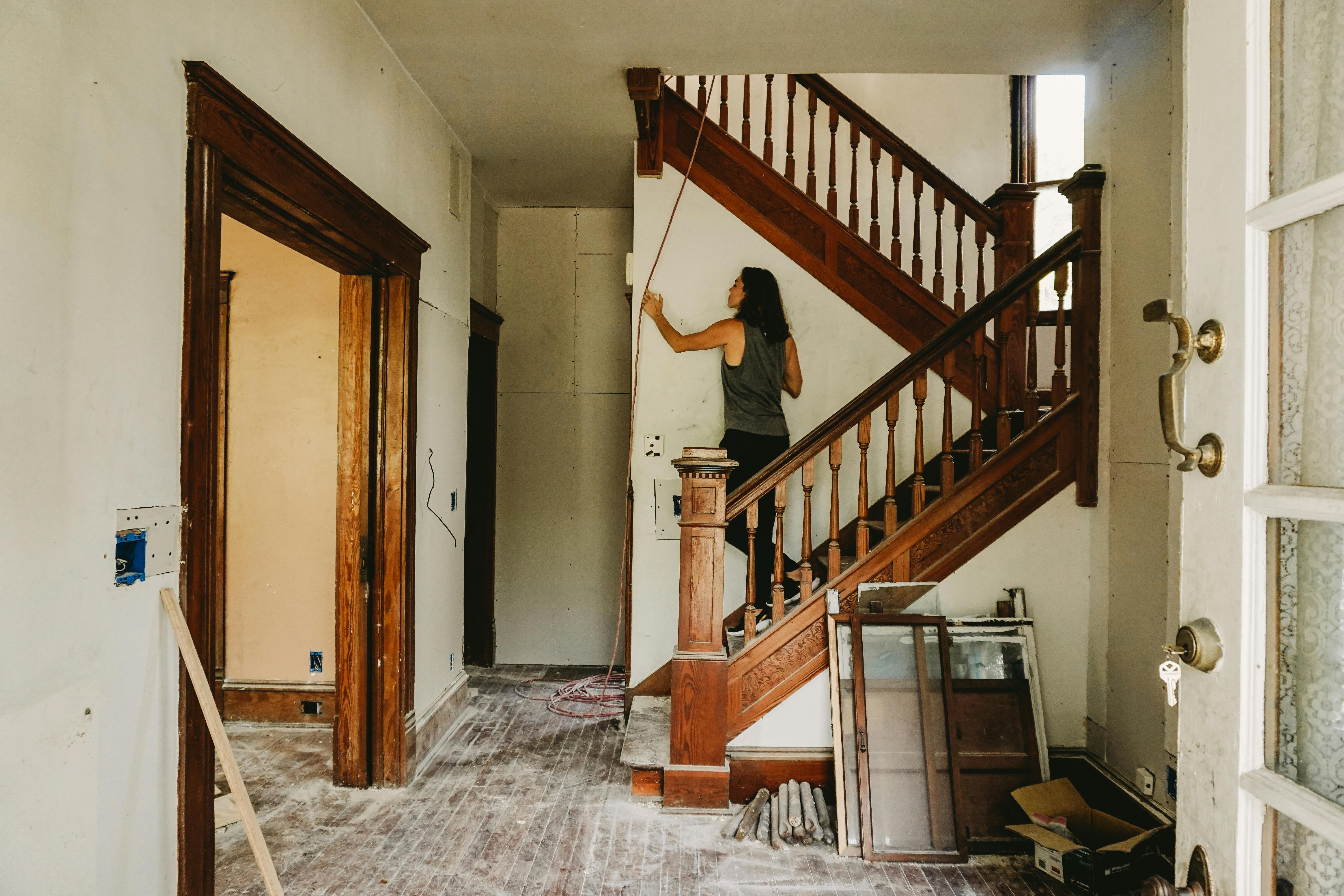
This is the big one. Let’s assume your 25-year-old Makakilo home has a market value of $900,000 in 2026. When you sell, the standard realtor commission is 6% of the sales price, which is a staggering $54,000. On top of that, you have to pay Hawaii’s conveyance tax, escrow fees, and other closing costs, which can add another $5,000 to $10,000. So, right off the top, you’re losing over $60,000 of your equity just to make the transaction happen. This money doesn’t improve your living situation or go toward your new home; it’s simply the cost of selling. This is a massive financial hurdle that a renovation completely avoids.
Factoring in Moving and Temporary Housing
The timeline for a new production home can be unpredictable. Even after you’re under contract, the completion date can be pushed back by months due to supply chain issues or developer delays. If you’ve already sold your existing home, you’ll need to find temporary housing. Renting a suitable home in the Kapolei area for a family can easily cost $4,000 to $5,000 per month. If you need to rent for six months, that’s $24,000 to $30,000. You’ll also need to pay for professional movers (often twice – once into storage and again into the new house) and the cost of a storage unit for your belongings. These logistical costs can easily add another $30,000 to $40,000 to your total expense, none of which builds equity.
Is a renovated home or a new build a better final product?
Beyond the financials, the end result is a critical part of the decision. Both paths can lead to a beautiful, functional home, but they offer fundamentally different advantages. The choice often comes down to what you value more: total personalization or turnkey predictability.
The Advantage of Renovating: A Fully Custom Home
When you undertake a major home renovation, you are in complete control. You get to work with our team and a designer to create a space that is perfectly tailored to your family’s lifestyle. Do you want to knock down three walls to create a massive open-concept kitchen and living area? We can do that. Do you want a spa-like master bathroom with a specific type of tile you saw online? We can source it. You can choose every single finish, from the cabinet hardware to the flooring to the light fixtures. You also get to keep your location, your larger lot size, your mature landscaping, and your relationships with neighbors in an established community. For many, this level of personalization and stability is worth the potential risks of the renovation process.
The Advantage of Buying New: Zero Maintenance and a Warranty
The primary advantage of a new build is peace of mind. For the first several years, you simply live in the home without worrying about repairs. There is a profound sense of security in knowing that everything is new and under warranty. You won’t get a call from your spouse that the water heater exploded or that the AC compressor died. The home is also built to the latest safety and efficiency standards, which is a tangible benefit. For a busy family that values predictability and low-maintenance living above all else, the slightly more sterile, less-customized feel of a new production home is a worthwhile trade-off. This is a key consideration in the Kapolei renovate vs buy new equation.
A West Oahu Renovation Case Study: The Kim Ohana
To make these numbers more concrete, let’s consider a real-world scenario our team recently consulted on. The Kim ohana lived in a 1,700 sq. ft. home in Makakilo built in 1999. They loved their neighborhood and their large, terraced backyard but felt the choppy, closed-off layout was outdated. Their dilemma was the classic Kapolei renovate vs buy new problem.
Path 1: The New Build Option. They looked at new homes in Ho’opili priced at $980,000. Their current home was valued at $920,000. Here’s the math they ran:
- Sale of Makakilo Home: $920,000
- Less 6% Realtor Commission: -$55,200
- Less Closing Costs/Taxes: -$8,000
- Net Proceeds from Sale: ~$856,800
- Less Remaining Mortgage: -$350,000
- Equity Available for New Home: $506,800
- Price of New Ho’opili Home: $980,000
- Less Equity Down Payment: -$506,800
- New Mortgage Needed: $473,200
Plus, they estimated about $20,000 in moving and temporary housing costs. Their mortgage would increase by over $120,000.
Path 2: The Renovation Option. We worked with them to develop a budget for a complete gut renovation that would create the open layout they wanted.
- Total Renovation Cost: $485,000
- Financing: They used a cash-out refinance on their existing mortgage, pulling out equity to fund the project.
- New Mortgage Total: $350,000 (original) + $485,000 (reno) = $835,000
- Post-Renovation Appraised Value: ~$1,250,000
By renovating, the Kims ended up with a mortgage that was higher than their original but significantly lower than what they would have needed for the new build. They got a fully custom home in the neighborhood they loved and instantly gained over $400,000 in equity. For them, the decision was clear.
So, should I renovate in Makakilo or buy new in Kapolei?
Ultimately, the decision rests on your financial situation, your tolerance for risk, and what you value most in a home. There is no single right answer, but we can offer a clear framework based on our experience.
When Renovating is the Better Choice
Renovating your existing Makakilo or Ewa home is likely the smarter move if:
- Your home has “good bones”: A solid foundation, a good roof, and no major, widespread structural damage are essential.
- You love your neighborhood: If your location, lot size, and neighbors are important to you, staying put is a huge plus.
- You have significant equity: Having equity to tap for a renovation loan or cash-out refinance makes the financing much simpler.
- You value customization: If you have a specific vision for your home that a production builder can’t deliver, a full renovation is your only path.
When Buying New Makes More Sense
Opting to sell and buy a new home in Kapolei is probably the better path if:
- Your current home has major structural issues: If an initial inspection reveals foundation problems or severe termite damage, the cost of repairs could make a renovation financially impractical.
- You have a low tolerance for risk: If the thought of unexpected discoveries and potential budget overruns keeps you up at night, the price certainty of a new build is worth the premium.
- You prioritize low maintenance and modern amenities: For those who want a turnkey lifestyle with community features and a warranty, a new home is ideal.
- You don’t have deep roots in your current neighborhood: If you’re not attached to your specific street or neighbors, the move is less of an emotional hurdle.
What this means for Hawaii homeowners
Navigating the Kapolei renovate vs buy new decision is one of the biggest financial choices a West Oahu family can make. The numbers often lean toward renovation, especially when you factor in the high transaction costs of selling real estate in Hawaii. Losing over $60,000 in commissions and taxes is a significant financial drag that doesn’t exist if you stay and improve your property.
However, that financial advantage can be wiped out by one major unforeseen issue. The key is to reduce your risk by doing thorough due diligence before you commit to a renovation. Here are the actionable first steps our team at Warrior Construction recommends:
- Hire a Structural Engineer: Before you even talk to a contractor, pay a licensed structural engineer a few thousand dollars to conduct a thorough inspection of your home’s foundation, framing, and overall integrity. Their unbiased report is the single most valuable piece of information you can have. It will tell you if your home has the “good bones” necessary for a successful renovation.
- Engage a Contractor for a Feasibility Study: Once you have the engineer’s report, bring in a reputable general contractor for a pre-construction or feasibility assessment. We can walk the property with you, discuss your goals, and develop a preliminary, high-level budget. This will give you a realistic idea of the all-in cost to renovate your house in Oahu before you commit tens of thousands to architectural plans.
- Speak with a Lender: Talk to a mortgage broker who specializes in construction and renovation loans. Understand your financing options, whether it’s a HELOC, a cash-out refinance, or a construction-to-permanent loan. Knowing exactly how much you can borrow is critical to defining the scope of your potential project.
By taking these steps, you transform a daunting emotional decision into a clear, data-driven business case. You’ll either gain the confidence to move forward with a renovation or see clearly that selling and buying new is the safer, more practical path for your family.
Frequently Asked Questions
Is it cheaper to renovate or buy new in Hawaii?
Generally, renovating an existing, structurally sound home is cheaper than selling it and buying a brand new one. When you factor in the 6% realtor commission and closing costs on the sale of your current home (which can exceed $60,000), a renovation budget of $450,000 often results in a lower total mortgage and greater equity gain than purchasing a $950,000 new build.
What is a realistic contingency budget for a major renovation on Oahu?
For a gut renovation of an older home (20+ years) in Hawaii, our team at Warrior Construction advises a contingency fund of 15-20% of the total construction cost. This covers common unforeseen issues like termite damage, outdated electrical systems that need full replacement, or unpermitted work from previous owners that must be brought up to code.
How long does a permit for a gut renovation take in Honolulu?
As of 2026, securing a building permit from the Honolulu DPP for a major gut renovation is typically taking 6 to 9 months from the date of initial submission. This timeline can be affected by the complexity of the project, the need for structural engineering, and the current backlog at the permitting office. It’s a significant part of the project schedule that needs to be planned for upfront.
What are the biggest risks when renovating a 1990s Makakilo home?
The primary risks are hidden termite damage, especially in load-bearing walls; corroded galvanized plumbing that requires a full repipe; and original single-pane jalousie windows that are inefficient and no longer meet code. We also frequently encounter electrical panels that are undersized for modern power demands, requiring a costly service upgrade.
Does the Makakilo home renovation cost add more value than what you spend?
A well-executed gut renovation almost always adds more value than its cost in the current West Oahu market. For instance, investing $450,000 into a home valued at $900,000 can result in a post-renovation appraised value of $1.25M to $1.35M. You not only recoup the cost but also generate significant new equity, which is something you don’t get from the transaction costs of selling.
Are new Ho’opili homes built to withstand hurricanes?
Yes, all new construction in Hawaii, including homes in Ho’opili, must comply with the latest International Building Code standards for hurricane resistance. This includes requirements for hurricane straps connecting the roof to the walls, impact-rated windows and doors, and reinforced garage doors, providing a much higher level of storm protection than a non-retrofitted home from the 1990s.
Making the right call between renovating and buying new is a complex process. It requires a clear understanding of your finances, a realistic view of your current property’s condition, and a trusted partner to guide you through the construction process. If you’re weighing your options and need a professional assessment of your home’s renovation potential, our team can help.
Ready to explore the real numbers for your Makakilo home renovation? Contact Warrior Construction today for a comprehensive project feasibility consultation.


