
“
A VA renovation loan on Oahu is one of the most powerful—and underutilized—tools for military families PCSing to Hawaii. In essence, it’s a single mortgage that allows you to purchase a home and finance necessary repairs or upgrades, all based on the property’s future, “as-completed” value. Instead of getting discouraged by the lack of perfect, turn-key homes, you can confidently buy a fixer-upper in a prime neighborhood like Ewa Beach or Mililani and transform it into the home your family actually needs.
For service members arriving at Schofield Barracks, MCBH, or Joint Base Pearl Harbor-Hickam, the sticker shock is real. The Oahu housing market has a massive inventory of properties built in the 70s, 80s, and 90s. As a result, these homes have fantastic locations but are often functionally obsolete. For example, many have single-wall construction that leaks cool air, no AC system, and original electrical panels that can’t safely charge an EV. This is exactly the gap the VA Renovation Loan is designed to bridge.
As a contractor at Warrior Construction (License BC-34373) with over 20 years on Oahu, our team has guided dozens of military families through this exact process. It’s a strategic move that opens up a much wider pool of potential homes and allows you to build immediate equity. In this guide, we’ll walk you through the entire seven-step process, from getting a required contractor bid for VA loan approval before you even close, to navigating construction draws and final inspections. Most importantly, we’ll use real 2026 numbers to show you exactly how it works on the ground here in Hawaii, which is a critical piece of the puzzle as discussed in our PCS Renovation Guide for military families.
What Is a VA Renovation Loan and How Does It Work on Oahu?
A VA Renovation Loan fundamentally combines the purchase price of a home and the total cost of its renovations into a single mortgage with one monthly payment. This means you don’t need a separate, high-interest construction loan or a personal loan to cover repairs. Instead, you use your VA home loan entitlement to finance the entire package. The key detail is this: the lender calculates the loan amount based on the “as-completed” value, which is the projected market value after our team completes all the specified renovations. A VA-approved appraiser determines this value by reviewing our detailed bid and plans before you close.
This provides a massive advantage for any military home renovation Oahu project. You’re not limited by the property’s current state. For example, a lender might only approve a standard VA loan for $975,000 on a rundown home in Aiea. However, if our professional renovation plan will add $125,000 in functional value, the VA appraiser might value the as-completed home at $1.1 million. This gives you the borrowing power to fund the entire project. The powerful VA renovation loan Oahu program makes this possible.
One Loan, One Closing: Buying and Renovating a Fixer-Upper
The efficiency of this process from a financial perspective is its greatest strength. You go through the entire mortgage underwriting process just once. At closing, the lender pays the seller for the house, and they place the remaining funds allocated for the renovation into a protected escrow account. It’s not a blank check for you or for us. As your contractor, we receive payment in stages, known as “draws,” only after completing specific, pre-agreed-upon milestones. Before releasing each payment, the lender sends an inspector to our job site to verify the work has been completed to standard. This system protects you, the lender, and keeps the project accountable and on budget.
Why This Loan is a Lifeline in Oahu’s Tight Housing Market
Let’s be direct: the inventory of modern, move-in-ready homes on Oahu is razor-thin, and the competition is intense, especially during peak PCS season. According to July 2026 data from the Honolulu Board of REALTORS®, the supply of ‘turn-key’ homes is at a five-year low.[1] This reality transforms the VA Renovation Loan from a financing tool into a powerful strategic advantage.
Furthermore, it opens up a massive pool of older homes—the classic 1980s Ewa by Gentry house or the 1970s Mililani single-wall home—that other buyers will immediately dismiss. These properties are often in fantastic neighborhoods with mature trees and top-rated schools, but they scare away buyers who don’t have an extra $100,000 in cash for immediate repairs. With this loan, you can confidently make an offer on an Ewa Beach fixer upper, knowing you already have financing secured to replace leaky jalousie windows, tear out 30-year-old carpet, and install a modern, energy-efficient split AC system. Consequently, you can create the home you want, rather than settling for someone else’s outdated style.
How Do I Get a Contractor’s Bid Before I Even Own the House?
This is the most frequent question we get from military families, and it’s the part of the process that feels completely backward. Your lender will not approve the renovation portion of your loan without a highly detailed, line-item bid from a licensed and insured general contractor. You absolutely must have this contractor bid for VA loan approval *before* you can close on the property. This step is non-negotiable, as our bid validates the cost, scope, and feasibility of the project for the VA appraiser and the lender’s underwriting team.
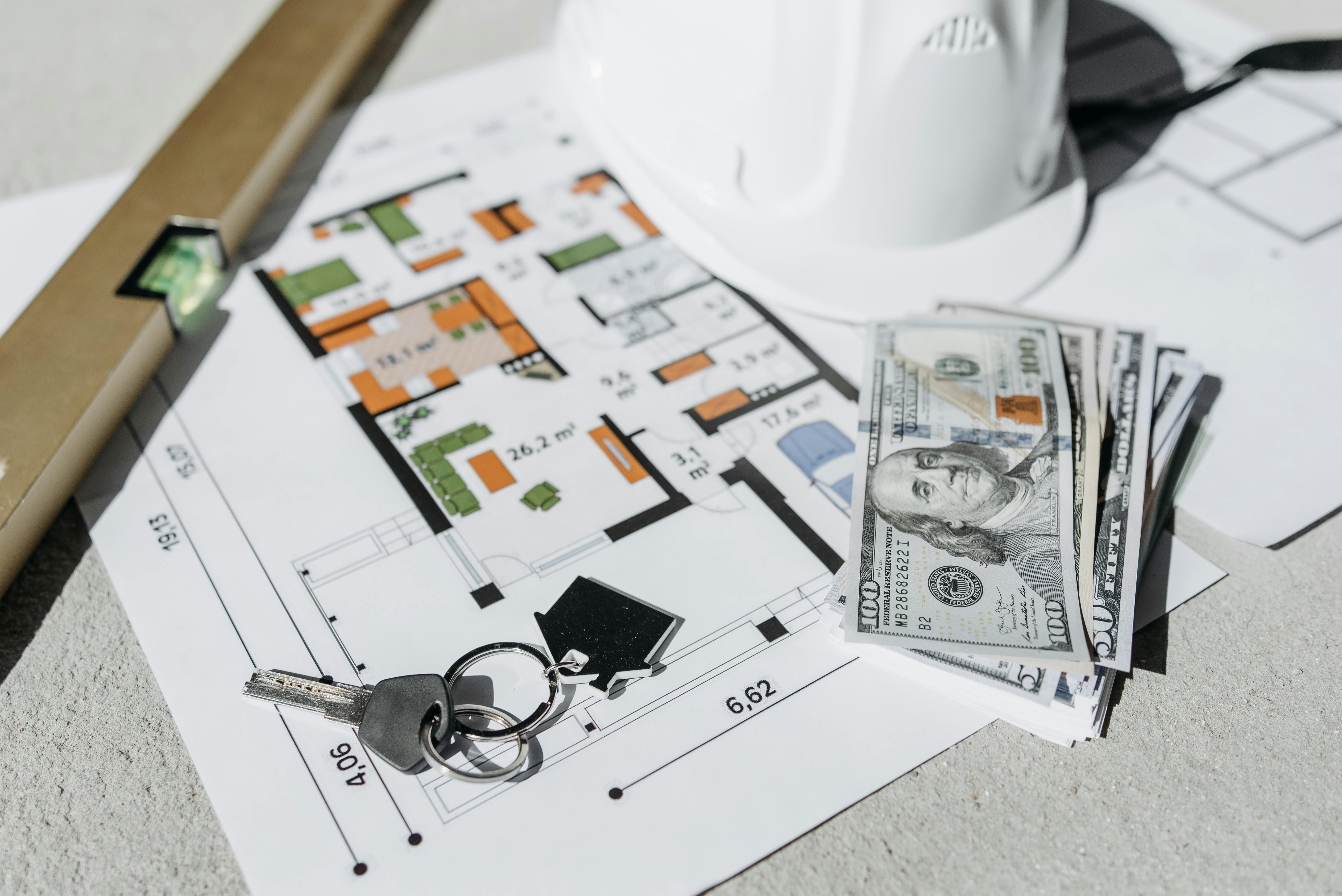
The process might seem complicated, but it’s a workflow our team has perfected over dozens of these projects. Here’s exactly how it works:
- You Get Pre-Approved for the Right Loan: First, you must talk to a lender who is experienced with VA Renovation Loans in Hawaii—not just standard VA loans. They’ll pre-approve you for a total amount, giving you a clear budget for both the purchase and the renovation.
- You Find a House & Get an Accepted Offer: You and your realtor identify a potential fixer-upper. You make an offer with a proper inspection period and a financing contingency specifically structured to allow time for the contractor bid and appraisal process.
- You Call Us Immediately: As soon as your offer is accepted, your realtor needs to call our office. They will schedule a time for our project manager and estimators to access the property, typically during your inspection window.
From that moment on, we take over the heavy lifting of scoping out the project and producing the documentation your lender needs.
The Critical Pre-Closing Site Walk with Your Contractor
The pre-closing site walk is where your renovation plan moves from an idea to a concrete scope of work. We aren’t just there to provide a ballpark number; our goal is to build the exact document the lender requires for approval. During this essential 60-90 minute walkthrough, our team will:
- Listen to Your Family’s Vision: What are your non-negotiables? A modern, open kitchen? A second bathroom for the kids? Upgrading the electrical for your Tesla? We always start with how your family needs the home to function.
- Identify Critical System Repairs: We use our 20+ years of experience on Oahu to spot mandatory repairs. We check for termite damage, look for old cast iron plumbing, inspect the electrical panel’s capacity, and identify structural issues.
- Measure, Photograph, and Document Everything: Our team takes detailed measurements and photographs existing conditions. This provides critical evidence for the appraiser to justify the as-completed value.
- Provide On-the-Spot Feasibility Feedback: We’ll tell you right then and there what’s realistic. For example, removing a load-bearing wall adds significant cost and permitting time. In contrast, a cosmetic kitchen update within the existing footprint is more straightforward. This conversation helps you prioritize effectively.
This is a deeply collaborative process. We blend your wishlist with the practical realities of the house, non-negotiable code requirements, and the strict documentation standards of the VA loan program.
What Your Lender Needs to See in Our Bid
A simple one-page estimate will be instantly rejected. The VA requires a comprehensive bid package that leaves no room for ambiguity. Our proposals are typically 10-15 pages long and include:
- A Granular Scope of Work: A room-by-room breakdown of every task, from demolition to final paint.
- Line-Item Cost Breakdown: We provide separated costs for labor, all specified materials, and our trusted subcontractors (plumbing, electrical, HVAC).
- Proposed Draw Schedule: A clear schedule of payments tied to completing specific project milestones.
- Detailed Project Timeline: An estimated start and completion date, which realistically accounts for material shipping to Hawaii and Honolulu permitting delays.
- Mandatory Contingency Reserve: The VA requires a 10-15% contingency fund. It’s built directly into the loan to cover unforeseen issues we might uncover once we open up the walls.
- Our Credentials: We include copies of our Hawaii General Contractor license (BC-34373), our general liability insurance, and workers’ compensation coverage.
We typically turn this entire comprehensive package around within 5-7 business days of the site walk. This detail gives the lender and VA appraiser the confidence they need to approve your loan and fund your vision for the home.
Can I See a Real-World Cost Breakdown for an Oahu VA Reno?
Yes, talking in abstracts doesn’t help when you’re creating a real budget. For a military family buying a $995,000 fixer-upper in Ewa Beach, a $95,000 renovation budget is very realistic in 2026. This brings the total loan amount to just under $1.1 million, well within the current VA loan limits. Let’s walk through a common scenario we see for military families buying a home near a base on the Ewa Plain, using current 2026 data.
The key variable that makes this possible is the Honolulu VA loan limits 2026, which currently stands at an impressive $1,185,500. This high limit provides significant buying and renovating power, especially in desirable neighborhoods like Ewa Beach, Kapolei, and Mililani.
The Ewa Plain Scenario: Buying a $995k Home with a $95k Reno
Let’s imagine you find a 30-year-old, 1,800 sq. ft. single-family home in Ewa Beach. It’s in a great school district, but it hasn’t been updated since 1996.
- Purchase Price: $995,000 (The average price for a single-family home in the Ewa Plain as of July 2026 is right around this mark.[1])
- Warrior Construction Renovation Bid: $95,000 (This is the average renovation project size we’re seeing for military families this year, according to local banking analysis.[2])
- Loan Contingency (10%): $9,500 (Required by the lender and held in escrow)
- Total Renovation Escrow: $104,500
- Total Loan Amount: $1,099,500 (Comfortably within the $1,185,500 VA loan limit)
So, what does that $95,000 renovation budget actually get you on Oahu in 2026? Here’s a realistic breakdown of the work:
- Hurricane Code Upgrades: $18,000. This is the non-negotiable starting point. It covers new impact-rated windows for key areas and installing hurricane clips to properly strap the roof to the walls.
- Kitchen Gut & Remodel: $35,000. This includes new semi-custom cabinets, quartz countertops, a new appliance package, modern plumbing fixtures, and durable luxury vinyl plank (LVP) flooring.
- Master Bathroom Update: $20,000. A new vanity with dual sinks, a quartz countertop, all new fixtures, converting the old tub/shower combo to a walk-in shower with modern tile, and new flooring.
- Split AC System: $15,000. A four-zone ductless system to efficiently cool the main living area and all three bedrooms. This is an absolute must-have.
- Electrical Panel Upgrade: $7,000. Upgrading the old 100-amp panel to a modern 200-amp panel to safely handle the new AC system, modern appliances, and a future EV charger.
The New 2026 Hurricane Code: A Non-Negotiable $15k-$25k Upgrade
A critical financial factor for any major renovation on Oahu is the updated 2026 Honolulu Building Code. Following lessons from recent hurricane seasons, the new codes mandate significantly higher wind-resistance ratings. If your renovation project touches the exterior envelope—meaning replacing windows, doors, or roofing—you must bring those components up to the stricter standard.
For a typical VA home renovation loan Hawaii project, this has two major implications:
- Hurricane Clips and Straps: We must verify or create a continuous load path from the roof to the foundation. This often involves retrofitting hurricane clips in the attic to securely connect each roof truss to the top plates of the walls. It’s a labor-intensive but critical safety upgrade.
- Impact-Rated Windows: While you may not need to replace every window, any new windows being installed, especially large picture windows or sliding glass doors, will likely need to be impact-rated. These add significant cost but are essential for safety and code compliance.
The Hawaii Contractors Association has been very clear that these safety upgrades are mandatory for any permitted work.[3] This is why our team automatically budgets between $15,000 and $25,000 for these items on most whole-home renovations. It’s a cost you need to be aware of from day one, as it directly impacts how far the rest of your budget will stretch.
What Are the Most Common Projects for Military Families on Oahu?
Over the past two decades, we’ve seen clear patterns in the projects requested by military families using their VA benefits. The focus is almost always on improving safety, comfort, and modern efficiency. Essentially, the goal is to turn an older Hawaii house into a home that functions for a modern family. Here are the top three projects we tackle week in and week out in neighborhoods from Kapolei to Kaneohe.
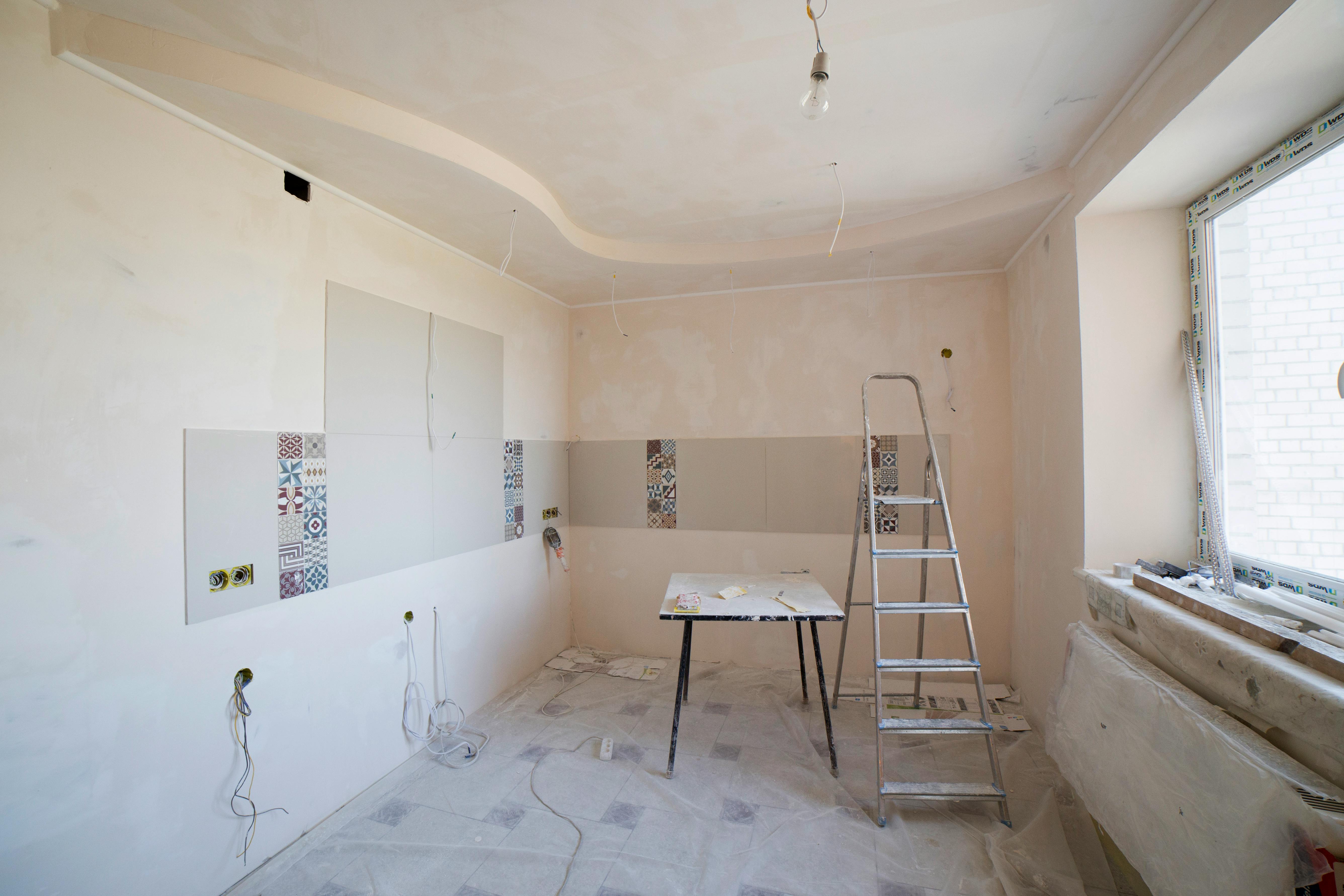
Replacing Old Single-Wall Construction
If you are house-hunting in older areas like Kailua, Kaneohe, or parts of Mililani, you will encounter single-wall construction. Instead of the standard layered wall (studs, insulation, drywall), these homes were built with solid tongue-and-groove planks that serve as both the interior and exterior surface. While it was a fast building method in the 1960s, it’s woefully inadequate today.
Why is it such a problem? Firstly, there’s zero insulation, meaning your home becomes an oven and any AC you install is incredibly inefficient. Secondly, there is no empty cavity to run new electrical wiring or plumbing, forcing unsightly surface-mounted conduits. Thirdly, sound travels directly through the walls. Finally, they offer little protection from termites. A common project for us is to frame out new, modern walls on the interior side. We install proper insulation, run new electrical circuits, and hang smooth drywall. This single upgrade transforms the comfort and functionality of the home, typically costing between $60 and $85 per linear foot of wall.
Installing Split AC Systems
For families arriving from the mainland, the lack of central air conditioning is a major shock. Most older homes were designed around natural ventilation with jalousie windows, which fails during the hot, humid summer months. Window AC units are noisy, inefficient, and a security risk. This is why installing a ductless split AC system is one of the very first items on nearly every client’s list.
A typical 3- or 4-zone system costs between $12,000 and $18,000 fully installed. This provides a quiet, energy-efficient way to cool only the specific rooms you are using. The biggest related cost is often the required electrical work. These systems need a dedicated circuit, and many older homes require a full panel upgrade to 200 amps to handle the load, which we always bundle into the overall project cost.
Upgrading Electrical Panels for EV Chargers
The rapid shift to electric vehicles has created a new, non-negotiable renovation item. Charging an EV at home safely requires a 240-volt, 40- or 50-amp dedicated circuit. The vast majority of homes built before 2000 in places like Pearl City and Waipahu simply do not have the electrical capacity for this. On a recent project in Aiea Heights, the client’s 100-amp panel was already maxed out, so adding an EV charger was impossible without a major service upgrade.
A full service panel upgrade from 100 to 200 amps is a significant job that costs between $5,000 and $8,000. It’s a complex process involving coordination with Hawaiian Electric (HECO), a licensed electrician, and city inspectors. Because it’s a major expense, rolling it into a VA renovation loan Oahu package is the most logical and affordable way to finance it. This upgrade not only enables an EV charger but also future-proofs the home for other modern electrical demands, adding significant long-term value.
What’s the Step-by-Step Process After I Get My Keys?
Congratulations, you’ve closed on your house! The seller has been paid, and the renovation funds are secure in an escrow account. Now the real work begins. While you are coordinating the shipment of your household goods, our team is already deep into pre-construction. The timeline from getting keys to move-in day is a structured three-step process involving permits, scheduled payments, and multiple inspections.
Step 1: Finalizing Plans & Permitting with Honolulu DPP
The very first thing we do is convert our detailed bid into a full set of plans ready for submission to the Honolulu Department of Planning and Permitting (DPP). Any work beyond simple cosmetic finishes—like moving walls, altering plumbing, or upgrading electrical service—requires a building permit. There is no skipping this step; it’s the law and a loan requirement.
Unfortunately, this is often the longest part of the pre-construction phase. As of 2026, DPP review times for a standard residential remodel can range from 4 to 8 months, depending on project complexity and their backlog. Our team handles the entire submission process and manages all communication. While we wait for the permit, we’re proactively ordering long-lead-time materials like custom cabinets and impact-rated windows. This ensures they are on-island and ready to go the moment the permit is in hand.
Step 2: Construction Draws from Escrow
Once the building permit is issued, construction begins. The lender does not pay us in a single lump sum. Instead, they release funds in a series of draws based on the verified completion of specific phases. A typical five-draw schedule might look like this:
- Draw 1 (15%): After permits are issued and demolition is complete.
- Draw 2 (25%): After framing, rough plumbing, and rough electrical pass city inspections.
- Draw 3 (25%): After insulation, drywall, and new windows are installed.
- Draw 4 (20%): After cabinets, countertops, flooring, and paint are complete.
- Draw 5 (15%): The final payment, released only after the project passes final city and VA inspections.
Before releasing each draw, the lender sends their inspector to the job site to verify our progress. This system ensures the money is being used as intended. Our project managers coordinate all of these inspections and handle the paperwork to ensure a smooth, continuous flow of funding and progress.
Step 3: Managing the Timeline & Final VA Inspection
Throughout the construction phase, which typically lasts 3-5 months for a project of this size, we provide regular weekly updates with photos and detailed reports. We understand you may still be on the mainland, so clear communication is our top priority. Our team manages all subcontractors, material deliveries from the port, and the sequence of city inspections.
The final crucial step, after we pass our final building inspection, is the final VA inspection. The same VA appraiser who determined the “as-completed” value returns to the home. Their job is to confirm that all work outlined in our original, approved bid has been completed in a professional manner. Once they sign off, the lender releases the final payment to us from escrow, and the renovation is officially complete. You are then free to move your family into your beautifully renovated, modern, and safe home.
What this means for Hawaii homeowners
For a military family facing a PCS to Oahu, understanding the VA Renovation Loan isn’t just about financing—it’s about fundamentally changing your home-buying strategy. Instead of getting into bidding wars for the few overpriced, ‘HGTV-ready’ homes, you can focus on what truly matters in Hawaii: location, school district, and community. This loan allows you to buy the ‘worst house in the best neighborhood’ and systematically transform it into your ideal home using the bank’s money, not your cash reserves.
Here are the key takeaways for your family:
- Widen Your Search Criteria: Start looking at homes built in the 80s and 90s in areas like Mililani, Ewa Beach, and Kaneohe. These often have larger lots and are in established neighborhoods but are cosmetically dated, which scares off other buyers.
- Budget for Systems, Not Just Surfaces: While a new kitchen is exciting, the most important investments are in the home’s core systems. Plan for the non-negotiables first: the hurricane upgrades, the electrical panel, and the AC system. These add the most real value and safety.
- Engage a Contractor Early: Don’t wait until you’re under contract. Start a conversation with a qualified, VA-savvy contractor like our team at Warrior Construction as soon as you begin your home search. We can help you spot potential red flags and opportunities before you even make an offer.
- Build Your Timeline Realistically: Factor in a 4-8 month permitting period and a 3-5 month construction period *after* you close on the house. This means from the day you get your keys, it could be 7-13 months before you move in. Plan your temporary housing accordingly.
Ultimately, the VA renovation loan Oahu program rewards patience and planning. It’s a path that requires more upfront work but delivers a home that is customized to your family’s needs, compliant with modern safety codes, and has equity built-in from day one.
Frequently Asked Questions
Can I do any of the renovation work myself with a VA loan?
Unfortunately, no. The VA requires that all work be performed by a licensed, insured, and VA-approved general contractor. This is a strict rule designed to protect both you and the lender, ensuring all work is done to code and the home’s value is properly increased. You cannot act as your own GC or use the loan for “DIY” projects.
How long does the contractor bid and appraisal process take before closing?
From the time you call us for a site walk, we typically deliver our comprehensive bid package within 5-7 business days. Once the lender has our bid, they order the VA appraisal. In the current 2026 market on Oahu, that appraisal can take 2-3 weeks to be completed and returned. All in, you should budget at least 3-4 weeks in your closing timeline just for this contractor and appraisal process.
What happens if the renovation costs go over the initial bid?
This is precisely what the mandatory 10-15% contingency reserve is for. If we open a wall and discover unforeseen issues, like hidden termite damage or corroded pipes, we use that reserve fund to cover the cost of the additional work. We manage this budget carefully and communicate with you and the lender about any potential use of contingency funds before proceeding.
Can I finance luxury items like a swimming pool or a hot tub?
The VA Renovation Loan is intended for repairs and improvements that become a permanent part of the property and increase its functional value. Luxury items like swimming pools, outdoor kitchens, or standalone hot tubs are generally not eligible for financing under this specific program. The primary focus is on making the home safe, sanitary, and functional for modern living.
Does the 2026 hurricane code apply to an interior-only kitchen remodel?
Generally, if your project is strictly interior and does not involve altering the exterior envelope, the hurricane code upgrades may not be triggered. However, many kitchen remodels involve moving or replacing a window or exterior door, which would then require that specific new unit to be impact-rated per the 2026 code. It’s a case-by-case determination we make with the Honolulu DPP during the permitting phase.
What’s the biggest unexpected delay for a military home renovation on Oahu?
Aside from the notoriously slow Honolulu DPP permit reviews, the biggest variable is material shipping. Everything from cabinets and windows to specific tiles is shipped to the island, and mainland logistics delays can have a cascading effect on our schedule. At Warrior Construction, we mitigate this by ordering all materials as early as possible—often before the permit is even issued—to get them in the shipping queue and on their way to Hawaii.
Can I live in the house while the renovation is happening?
For a project of the scale we’ve described ($95k+), it is highly disruptive and often unsafe to live in the home during construction. Major renovations involving kitchens, bathrooms, and flooring create significant dust and require water and power to be shut off for extended periods. We strongly advise our clients to arrange for temporary housing during the 3-5 month construction phase.
What are the VA’s Minimum Property Requirements (MPRs) for a Hawaii home?
The VA has baseline standards for safety, security, and sanitation called MPRs. For an older Oahu home, this often means we must address issues like an aging roof (no more than 3 layers of shingles, with at least 5 years of life left), active termite infestation, unsafe electrical (like old knob-and-tube or a Federal Pacific panel), and ensuring safe drinking water. Our bid will always include any mandatory MPR-related repairs required to get loan approval.
Navigating the VA Renovation Loan process requires a team that understands the specifics of military life, the Oahu real estate market, and the complexities of Hawaii construction. It’s not just about building a beautiful kitchen; it’s about managing a federally regulated loan process, a meticulous draw schedule, and the unique challenges of permitting and logistics on an island.
If you’re a military family with a PCS to Oahu on the horizon, don’t let the island’s older housing stock discourage you. The perfect home might just be a fixer-upper waiting for the right vision and the right financing tool. Our team at Warrior Construction is experienced in providing the detailed bids and professional execution that VA lenders require. We’re here to be your partner on the ground, turning a complicated process into a clear path to your new home in paradise.
If you have a property in mind and are ready to explore the possibilities, contact our team to discuss your home remodeling and renovation needs. Let’s schedule a site walk and start building a plan together.


