
The first step in learning how to hire a general contractor Hawaii involves much more than just comparing bids. The most crucial steps are clear for homeowners. You must first vet their license status. Secondly, examine their strategy for navigating Honolulu’s permitting backlog. Finally, check their real-world experience. This experience is key with island-specific supply chain logistics. Getting this wrong can lead to catastrophic delays and budget overruns that are unfortunately common here on Oahu. Construction costs continue to climb. Permit timelines are stretching longer than ever in 2026. Asking the right questions upfront is the single best way. It protects your investment and ensures your project succeeds. Many homeowners find that understanding how to hire a general contractor hawaii is the most important research they will do for their project.
For over two decades, our team at Warrior Construction has seen firsthand what separates a smooth, successful build from a nightmare. It always comes down to the homeowner’s diligence during the selection process. A slick portfolio means nothing if the contractor can’t get your permit approved or their material shipments are stuck at the port. This guide gives you the seven essential questions we would ask if we were in your shoes. These aren’t just conversation starters; they are data-backed inquiries designed to expose a contractor’s true operational capabilities. By the end, you’ll have a clear framework. It helps identify a genuine professional. This person can deliver on their promises. This is important in Hawaii’s uniquely challenging construction environment. This is the core of how to hire a general contractor hawaii effectively.
1. What is Your Hawaii Contractor License Number and Can I Verify It?
Why This is the First and Most Important Question
This is the first question you should ask, bar none. A legitimate contractor will have their license number ready—ours is BC-34373—and will expect you to check it. If they hesitate, get defensive, or try to brush it off, that’s a massive red flag. Walk away. Hiring an unlicensed individual isn’t just risky; it’s a gamble with no safety net. You have no recourse through the state’s contractor recovery fund if they take your deposit and disappear. Furthermore, they likely don’t carry the proper insurance, including general liability and workers’ compensation. If someone gets hurt on your property, it means you’re exposed, and the liability could fall squarely on you as the homeowner. In 2025 alone, the DCCA reported a 15% increase in complaints against unlicensed operators, a trend we’re unfortunately seeing continue in 2026.[1] This is a critical first check in the process of how to hire a general contractor hawaii.
The process of an oahu contractor license check is your first line of defense. It validates that the contractor has met the state’s minimum requirements for experience, financial stability, and examination. Consequently, it confirms they are a real business, accountable to a regulatory body. This isn’t a formality; it’s the foundation of a professional relationship. Without a valid license, you aren’t hiring a contractor. You’re hiring a handyman and just hoping for the best. This is a terrible strategy for any six-figure renovation project. Mastering this step is fundamental to how to hire a general contractor hawaii.
Checking the DCCA’s PVL Database
Verifying a license is simple and takes less than five minutes. Here’s exactly how to do it:
- Go to the Hawaii Department of Commerce and Consumer Affairs (DCCA) Professional & Vocational Licensing (PVL) search website. You can find it by searching for “Hawaii PVL search.”
- Select “Contractors” from the license type dropdown menu.
- Enter the business name or the license number the contractor provided. This is a key step in how to hire a general contractor hawaii.
- Review the results carefully. You should see the contractor’s official business name. Check their license status, which should be “Active.” Also, note the expiration date. Look for any public complaints or disciplinary actions filed against them.
An active license is just the starting point. Additionally, you should ask for proof of their general liability insurance and workers’ compensation coverage. A professional contractor will have a certificate of insurance (COI) ready to provide. This ensures that you are protected from any accidents or property damage that might occur during construction. We’ve been called in to rescue projects. An unlicensed operator caused significant damage. This left the homeowner with a huge bill and no insurance to cover it. Don’t let that be you. This initial step is the most critical part of learning how to hire a general contractor in Hawaii.
How to Hire a General Contractor Hawaii: The DPP Permitting Question
The 6- to 8-Month Backlog Reality
Any contractor on Oahu who tells you permitting is quick and easy in 2026 is either inexperienced or being dishonest. As of the third quarter of this year, the Honolulu Department of Planning and Permitting (DPP) is taking an average of 6 to 8 months just for the initial architectural plan review on major renovations and new builds.[2] That’s before any revisions are requested and before the permit is actually issued. This crippling honolulu dpp permit timeline is the single biggest cause of project delays on the island right now. Understanding this is a massive part of how to hire a general contractor hawaii.

We see the financial impact of this backlog every day. A UHERO report from this year made a calculation. It found that a 6-month delay adds over $50,000 in holding costs. These include interest, taxes, and insurance. This applies to a typical new build project in Kailua. This cost accrues before a single shovel of dirt is even moved.[3] For a homeowner, this means your timeline and budget can be shattered before construction even begins. This is why a contractor’s answer to this question is so telling. It reveals their entire operational process. A good strategy for DPP is a must for anyone you consider; this is essential to knowing how to hire a general contractor hawaii.
Proving They Have a Real Permitting Strategy
A vague answer like, “We submit the plans and wait,” is unacceptable. A professional contractor with island experience will have a proactive, multi-faceted strategy. Here are the specifics you should listen for when trying to figure out how to hire a general contractor hawaii:
- Dedicated Permit Expeditor: Do they have an in-house person or a trusted third-party expeditor whose job is to manage the DPP process? This person should know the plan checkers by name. They need to understand the nuances of the ePlan digital submission system. Furthermore, they must be able to get clear answers on any revision requests. Simply uploading plans and waiting for an email is a recipe for disaster.
- Experience with Third-Party Review (TPR): For larger projects, the DPP allows for a certified Third-Party Reviewer to vet the plans before submission. This adds an upfront cost of $4,000 to $6,000. But recent analyses show it can cut the total permit issuance time. It goes from over 6 months down to around 10 weeks. A savvy contractor will present this as an option and be able to explain the cost-benefit analysis.
- Pre-Check Meetings: Does their process include scheduling pre-check meetings with DPP staff for complex projects? This can help identify potential red flags—like zoning issues or shoreline setback discrepancies—before the plans enter the long review queue.
- Detailed Permitting Timeline: Their proposed project schedule shouldn’t just have a single line item for “Permitting.” It should break it down into phases: plan completion, submission, first-round review, anticipated revisions, and final approval, with realistic timeframes for each. For a deeper dive into how these timelines impact projects, check out our guide on the complete Oahu ADU timeline.
Differentiating a Passive Filer from an Active Manager
Most importantly, ask pointed questions about their process. This is how you learn how to hire a general contractor in Hawaii who can navigate bureaucracy, not just build walls. Their answer will tell you something important. Are they actively managing your project’s biggest risk? Or just passively waiting for the city to act? A contractor who blames every delay on the DPP without offering solutions is not managing the process. Consequently, they are simply a victim of it, and your project will suffer. The right contractor takes ownership of this challenging phase. This distinction is paramount in the procedure of how to hire a general contractor hawaii.
3. What is a Realistic Timeline for My Renovation on Oahu?
From Design to Final Walkthrough: The 11-14 Month Standard
One of the biggest disconnects we see is between homeowner expectations and the on-the-ground reality of project timelines in Hawaii. A contractor who promises a full gut renovation in six months is selling you a fantasy. Right now, in 2026, a comprehensive renovation is a long process. This applies to a standard 1,500-square-foot home on Oahu. It takes 11 to 14 months from start to finish. That timeframe runs from signing the design agreement to the final walkthrough. And that’s with an efficient, experienced team. This timeline is a fact of life you must accept in your search for how to hire a general contractor hawaii.
Here’s a realistic breakdown of that timeline:
- Phase 1: Design & Engineering (2-3 Months): This involves working with an architect and/or designer to create the construction drawings, making selections for all finishes, and getting structural engineering plans completed and stamped. Rushing this phase is a critical mistake that leads to costly changes later.
- Phase 2: Permitting (6-8 Months): As discussed, this is the longest and least predictable phase. The clock starts once the completed plans are submitted to the Honolulu DPP. Nothing physical happens on site during this time. A key aspect of how to hire a general contractor hawaii is finding one who is honest about this wait.
- Phase 3: Construction (3-4 Months): This is the part people think of as the “renovation.” It includes demolition, framing, plumbing, electrical, drywall, painting, and finishes. This is often the shortest phase of the entire project.
It’s crucial to understand that nearly two-thirds of your project’s total duration can be spent on paperwork and waiting for approvals. A contractor who isn’t transparent about this is setting you up for frustration and disappointment. The market data from the Honolulu Board of REALTORS® confirms this. Homes with modern, permitted renovations do command a premium. But achieving that value requires patience. You must take the time to do it right.[4] This realism is a sign of a good partner in your quest for how to hire a general contractor hawaii.
Identifying Unrealistic Promises
When you’re asking questions to ask contractor hawaii, listen carefully to their timeline promises. An unrealistic timeline is a major red flag. It indicates they don’t understand the current market. Or they are willing to tell you what you want to hear. This is just to get the job. Here’s how to spot the fluff:
- Ignoring the Permit Lag: If their proposed start date is just a few weeks after you sign the contract, they are completely ignoring the 6+ month DPP backlog. Ask them, “Does this start date assume we already have a permit in hand?”
- Overlapping Phases Improperly: While some minor procurement can happen during permitting, a contractor can’t start demolition or foundation work without an approved permit. Any schedule showing significant on-site work before the permit is issued is not based in reality. This is a crucial check when you’re looking at how to hire a general contractor hawaii.
- Not Accounting for Material Lead Times: A schedule that doesn’t explicitly block out time for material shipping is a work of fiction. As we’ll discuss next, getting windows, cabinets, or special-order tile to the island takes months, not weeks.
A trustworthy contractor will give you a sober, realistic timeline and explain each phase in detail. They will manage your expectations from day one. That’s a key part of how to hire a general contractor in Hawaii who will be a partner, not just a vendor.
4. How Do You Protect Me From Rising Material & Shipping Costs?
Battling the 8% Jump in Shipping Fees
The cost of building materials in Hawaii is a two-part problem: the cost of the material itself and the cost to get it here. In 2026, the cost to ship a container of finishing materials from the mainland to Honolulu Harbor has jumped another 8%. That’s on top of previous increases, and it affects everything from lumber and drywall to appliances and light fixtures. These escalating shipping fees are a significant driver of high hawaii construction costs. A key part of how to hire a general contractor hawaii is finding someone with a strategy for this.
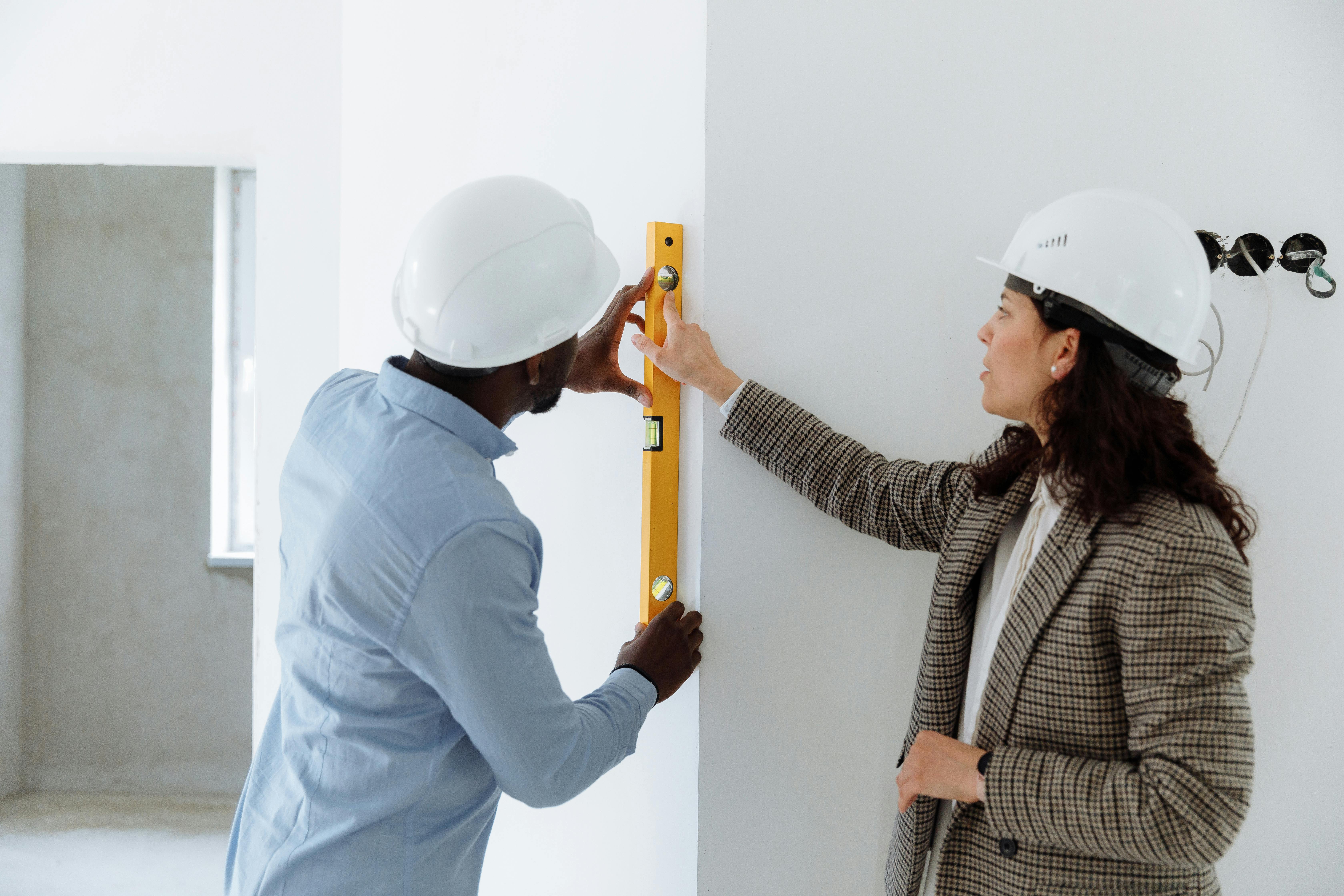
A good contractor doesn’t just pass these costs on to you; they have active strategies to mitigate them. This is where a contractor’s relationships and logistical expertise become incredibly valuable. For instance, we had a recent project in Kapolei. We bundled our client’s window order with two other projects. This allowed us to fill an entire container. It saved them nearly $3,000 in individual shipping fees. This kind of proactive management is what separates a project manager from a simple order-taker. You need someone who is fighting to protect your budget from factors outside the job site itself. This logistical skill is a major plus in your search for how to hire a general contractor hawaii.
The Importance of Price-Lock Clauses in Your Contract
The most important tool for protecting you from price volatility is the contract itself. Ask a potential contractor how they handle material price escalation. Here’s what you should look for:
- Early Procurement and Price Locks: A contractor should have a procurement schedule that aligns with locking in prices early. As soon as finishes are selected, and the contract is signed. They should immediately place orders for long-lead items. These include cabinets, windows, and flooring. This locks in the current price for your project.
- Clear Contract Language: The construction agreement should clearly state how material price increases are handled. A strong, fixed-price contract offers certainty. It will often state that the price is locked upon signing. This shifts the risk of future increases to the contractor. Be wary of contracts with vague escalation clauses. These clauses allow them to pass on any and all cost increases to you. This happens without your prior approval. The best process for how to hire a general contractor hawaii includes a rock-solid contract.
- Supplier Relationships: Ask them who their primary suppliers are and how long they’ve worked with them. Contractors with long-standing accounts exist. Places like HPM Building Supply or Servco are good examples. These contractors get preferential pricing and reliable delivery schedules. This helps insulate your project from market shocks.
Another major factor is lead times. Custom window orders that used to take 8 weeks to arrive now take a staggering 14-16 weeks. A contractor who isn’t ordering those windows the moment plans are finalized is creating a big problem. They are building a four-month delay into your project from the very beginning. This logistical planning is a core competency you must vet when learning how to hire a general contractor in Hawaii.
5. What Kind of Construction Contract Do You Use and Why?
Fixed-Price vs. Cost-Plus: Protecting Your Budget
The type of contract a builder uses says a lot about their process and how they manage risk. The two most common types in residential construction are “Fixed-Price” (also called a lump sum) and “Cost-Plus” (also called time and materials). Understanding the difference is critical to protecting your budget and part of the education in how to hire a general contractor hawaii.
- Fixed-Price Contract: In this model, the contractor agrees to complete the project for a set, predetermined price. The scope of work, materials, and finishes are all detailed extensively upfront. The contractor assumes the risk of cost overruns. This is the model we use at Warrior Construction. We apply it to most of our residential projects. It provides the homeowner with cost certainty. It also forces discipline in the planning phase.
- Cost-Plus Contract: Here, the homeowner agrees to pay for the actual cost of all labor and materials, plus a percentage or fixed fee for the contractor’s overhead and profit. This model can be useful for certain projects. The scope might be undefined or expected to change significantly. But it places all the financial risk on the homeowner. If material prices spike or labor takes longer than expected, your budget grows accordingly.
Some custom, high-end architectural builds might necessitate a cost-plus arrangement. However, for most home renovations, a fixed-price contract is truly superior. It offers the best budget protection. It requires more work from you and the contractor. This happens during the preconstruction phase. We must define every single detail. But that upfront effort prevents financial surprises down the road. This is a smart approach for anyone learning how to hire a general contractor hawaii.
How a Vague Scope Leads to 18-22% Overruns
The single biggest cause of budget blowouts is an incomplete or vaguely defined scope of work. Industry data and our own experience confirm this. Projects with a poorly defined scope are seeing average budget overruns of 18-22% on Oahu right now. This is where the danger of a cost-plus contract without a disciplined process becomes apparent.
A vague line item like “Install new kitchen cabinets – $15,000 allowance” is a recipe for an overrun. A proper scope of work, which forms the basis of a strong fixed-price contract, will specify:
- Manufacturer and Model: e.g., “KraftMaid, Thornton style, Maple, in Dove White finish.”
- Hardware: e.g., “Top Knobs, model TK3100, Honey Bronze finish.”
- Features: e.g., “Including three sets of pot-and-pan drawers, soft-close hinges on all doors and drawers, and one double-bin pull-out trash unit.”
This level of detail leaves no room for ambiguity. When you are interviewing contractors, ask to see a sample scope of work from a previous project. If it’s a two-page document with broad categories, they are not doing the necessary planning to protect your budget. A detailed scope of work might be 20 pages long. But those pages are your best insurance. They protect against change orders and cost increases. These problems often plague poorly planned projects. Understanding these contract nuances is fundamental to knowing how to hire a general contractor in Hawaii.
6. Who Are Your Subcontractors and How Long Have You Used Them?
Navigating Oahu’s Skilled Labor Shortage
A general contractor is a manager, coordinating a team of specialized tradespeople—plumbers, electricians, drywallers, painters, and more—to execute the project. Your contractor is only as good as the weakest member of that team. And in 2026, Oahu is facing a severe skilled labor shortage. The latest UHERO construction forecast is clear: there are not enough experienced, licensed tradespeople to meet the demand.[5] This is a challenge you must consider in your search for how to hire a general contractor hawaii.
This shortage has two major effects: it drives up costs, and it creates scheduling bottlenecks. Contractors are all competing for the same small pool of reliable subcontractors. The GC with the best, most loyal relationships gets their projects staffed with A-team players and keeps their schedules on track. The GC who is constantly scrambling to find new subs for every job faces delays and quality control issues. For instance, we had a recent North Shore build. Our electrician of 12 years spotted a conflict. It was between the architectural and structural plans. That saved our client thousands in rework costs. That kind of value comes from experience and loyalty, not from finding the cheapest guy on short notice. This is a prime example of why vetting the team is part of how to hire a general contractor hawaii.
The Value of Long-Term Relationships
This is why one of the most important questions to ask a contractor in Hawaii is about their team. Don’t be shy about digging into this. Specific questions you should ask include:
- “Who is your go-to plumbing company? How many years have you been working with them?”
- “Can you tell me about the lead electrician you’d use on my project? Is he an employee or a subcontractor?”
- “What happens if your primary tiler is booked? Who is your backup, and have you used them before?”
A contractor who values relationships will be proud to talk about their team. They’ll tell you about their plumber who has been with them for a decade, or their painter whose quality is unmatched. These long-term partnerships are a sign of a stable, well-run business. It means they pay their bills on time. They treat their partners with respect. They also demand high-quality work. These qualities directly benefit you as the homeowner. A contractor with high subcontractor turnover is a major red flag, suggesting potential issues with payment, scheduling, or management. That instability will inevitably spill over into your project. This insider knowledge is key to understanding how to hire a general contractor hawaii.
7. Can You Show Me a Project Schedule That Includes Material Lead Times?
Beyond the Construction Phase
Asking for a sample project schedule is the ultimate test of a contractor’s planning ability. Many will show you a simple bar chart with tasks like “Demolition,” “Framing,” and “Painting.” That’s not good enough. A professional, detailed project schedule is key. It’s often created with software like Microsoft Project or Procore. This schedule is a logistical roadmap that integrates every facet of the project. A key part of how to hire a general contractor hawaii is verifying this planning capability.
The key thing to look for is the inclusion of “soft” milestones and procurement tasks, not just the physical construction work. A real schedule will include line items for:
- Client Selections: Deadlines for you to finalize tile, plumbing fixtures, lighting, etc.
- Shop Drawings: Time for cabinet makers or window manufacturers to produce detailed drawings for approval.
- Permit Submission & Review: The 6-8 month period we discussed earlier.
- Material Procurement & Shipping: Specific line items for ordering and tracking long-lead items.
This level of detail shows that the contractor understands a project is an interconnected system. They know a delay in selecting a faucet can have a domino effect, pushing back the plumber, countertop installer, and backsplash tiler. For a look at how hidden costs can derail a project without this kind of planning, see our guide on the 5 budget-busters we plan for in Hawaii.
Factoring in the 14-16 Week Wait for Windows
Let’s use a real-world example: custom windows. As we’ve mentioned, the lead time for windows to get to Oahu is now a minimum of 14-16 weeks. This has a huge impact on the construction sequence. We can’t “dry in” the house—meaning make it weatherproof—until the windows are installed. And we can’t start installing drywall until the house is dried in. A failure to order windows at the very beginning of the project is serious. It can bring the entire job site to a standstill for months.
When you review a sample schedule, look for that window order. It should be one of the very first tasks, happening concurrently with the permit review process. The schedule should show a 16-week delivery period. The start of framing and drywall installation must also be shown. These tasks should be dependent on that specific delivery date. If the schedule they show you is just a simple list of tasks, that is a red flag. It’s a sign that they lack the logistical foresight required for a complex Hawaii renovation. This final check is a powerful tool to help you learn how to hire a general contractor in Hawaii who truly knows how to manage a project from start to finish.
What this means for Hawaii homeowners
Navigating the process of a major renovation or new build on Oahu in 2026 requires more diligence than ever before. Persistent permitting delays are a factor. So are rising shipping costs and a tight labor market. This combination means you can’t afford to hire the wrong team. The financial and emotional toll is simply too high. These seven questions are designed to cut through the sales pitches and get to the core of a contractor’s competence. This is your playbook for how to hire a general contractor hawaii.
Your key takeaways should be:
- Trust, but Verify Everything: Start every conversation by asking for a license number and checking it on the PVL database. This is non-negotiable.
- Focus on Logistics, Not Just Construction: The best builder in the world can’t help you if they can’t manage the DPP and the supply chain. A contractor’s permitting and procurement strategies are more important than their portfolio. This is central to how to hire a general contractor hawaii correctly.
- Demand a Detailed Plan: Don’t accept vague promises. A professional contractor will provide a detailed scope of work. They will offer a realistic timeline that accounts for delays. Plus, a contract that protects your budget.
- Understand the Real Timeline: Internalize the fact that a major project is a 12+ month journey, with most of that time spent in planning and permitting. Adjust your expectations accordingly to avoid frustration.
By using this framework, you shift the dynamic from simply receiving a price to conducting a thorough professional interview. You are hiring a partner for one of the largest financial commitments you’ll ever make. Take the time to ask tough, specific questions upfront. This is the single best investment you can make to ensure the success of your project. This is truly how to hire a general contractor hawaii.
Frequently Asked Questions
What is a reasonable contingency fund for an Oahu renovation in 2026?
For older home renovations in Hawaii, we recommend a contingency fund. It should be 15-20% of the total construction cost. This fund is not for changing your mind on finishes. Instead, it covers true unforeseen conditions. For example, you might discover extensive termite damage in a Manoa home’s walls. Or we might hit blue rock during excavation in Hawaii Kai. It also covers hidden structural issues common in single-wall construction homes.
How much are building permit fees in Honolulu?
Permit fees from the Honolulu DPP are calculated based on the valuation of the project. As a general rule of thumb for 2026, remember this. You should budget approximately 1-2% of your total construction cost for the permit fees themselves. For a $500,000 renovation, you can expect to pay between $5,000 and $10,000. This amount covers city permit fees alone. It is separate from any architectural or engineering costs.
Can I save money by sourcing my own materials for my Hawaii renovation?
While it might seem like a way to save, we generally advise against it. Contractors get trade pricing that is often better than retail. More importantly, when the contractor sources the materials, they are responsible for quantities, quality control, and warranty. If you provide the tile, it might arrive broken. Or you might be short by 20 square feet. The resulting labor delays and re-shipping costs will add up. This quickly erases any initial savings.
How can I compare bids from different contractors accurately?
You can only compare bids if they are based on the exact same, highly detailed scope of work and set of architectural plans. This is called an “apples-to-apples” comparison. If one contractor’s bid is significantly lower, it’s often because they have omitted items or are using lower-quality materials that weren’t specified. Demand a detailed breakdown of costs from each bidder and question any major discrepancies. This is a core skill for how to hire a general contractor hawaii.
Does the new 2026 Hawaii building code significantly increase construction costs?
Yes, particularly for homes near the coast. The new code mandates impact-rated windows and enhanced roof tie-downs in wind-borne debris regions. On a typical 2,200 sq. ft. home, hurricane-hardening requirements exist. These can add $25,000 to $30,000 to the material package, compared to the old code. While it’s a significant cost, it also often leads to substantial discounts on your hurricane insurance premiums.
What’s the most common mistake homeowners make when learning how to hire a general contractor in Hawaii?
The most common mistake is focusing solely on the final price instead of the contractor’s process and experience. The lowest bid often comes from a contractor. This contractor might lack a sophisticated permitting strategy. They may also lack stable subcontractor relationships. Such bids often end up costing more. They also take longer in the end. This is due to change orders, delays, and rework. Vetting the process is more important than vetting the price. This is the secret of how to hire a general contractor hawaii successfully.
Choosing the right general contractor is the most important decision you’ll make for your home. These questions provide a roadmap. It helps you look beyond just the portfolio. You can vet the systems, relationships, and expertise. This truly delivers a successful project. It will be on time and on budget in Hawaii. If you’re planning a project on Oahu, we can help. We value a transparent process built on decades of local experience. Our team is here for you.
At Warrior Construction, we manage every detail from initial design and permitting through final construction, providing the strategic oversight your investment deserves. If you’re ready to discuss your project with a team that has proven solutions for Hawaii’s unique challenges, let’s start the conversation. The path to a successful build starts with knowing how to hire a general contractor hawaii.
Learn more about our General Contracting services and how we can bring your vision to life.
References
- Hawaii Professional & Vocational Licensing Search, Department of Commerce and Consumer Affairs
- Building Permits, Honolulu Department of Planning and Permitting
- Assessing the Economic Drag of Permit Delays in Hawaii, UHERO
- Market Statistics, Honolulu Board of REALTORS®
- Hawaii Construction Forecast, University of Hawaii Economic Research Organization (UHERO)


