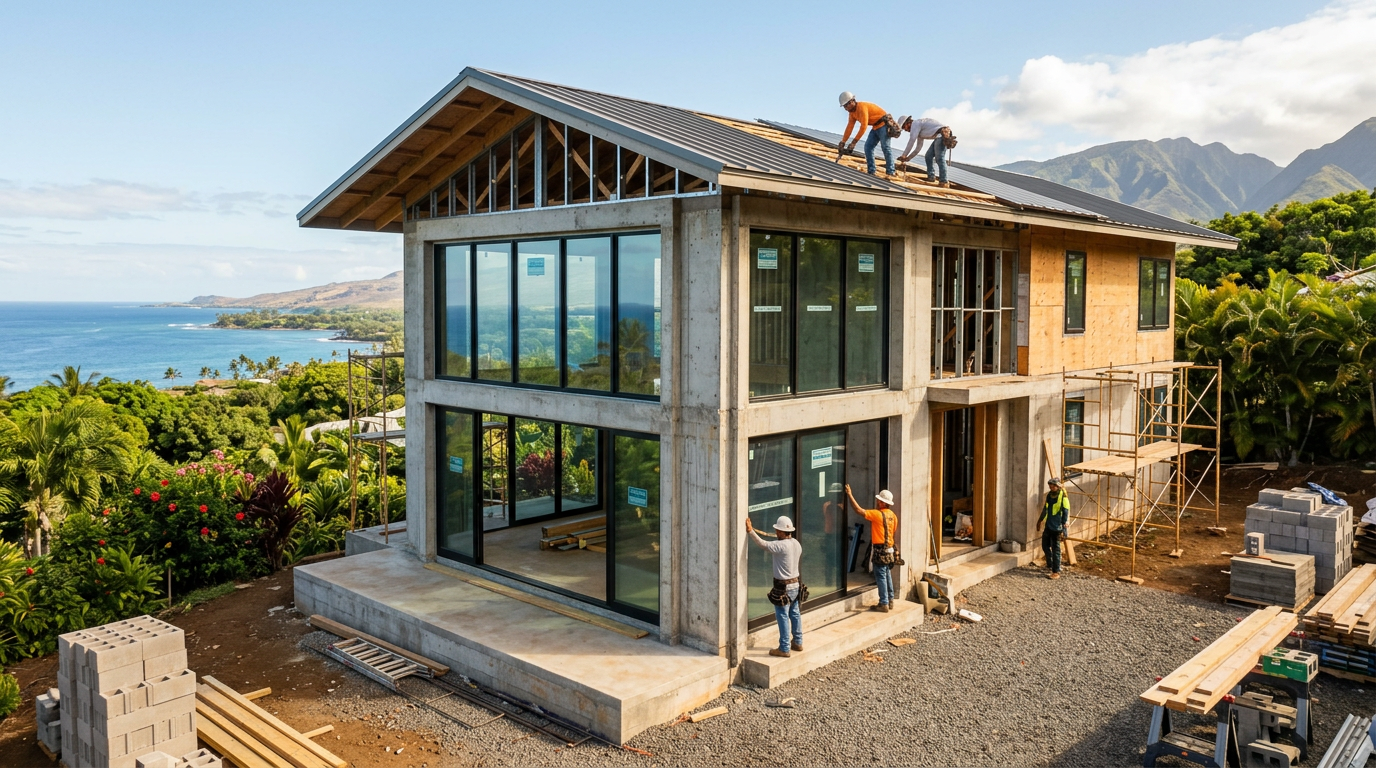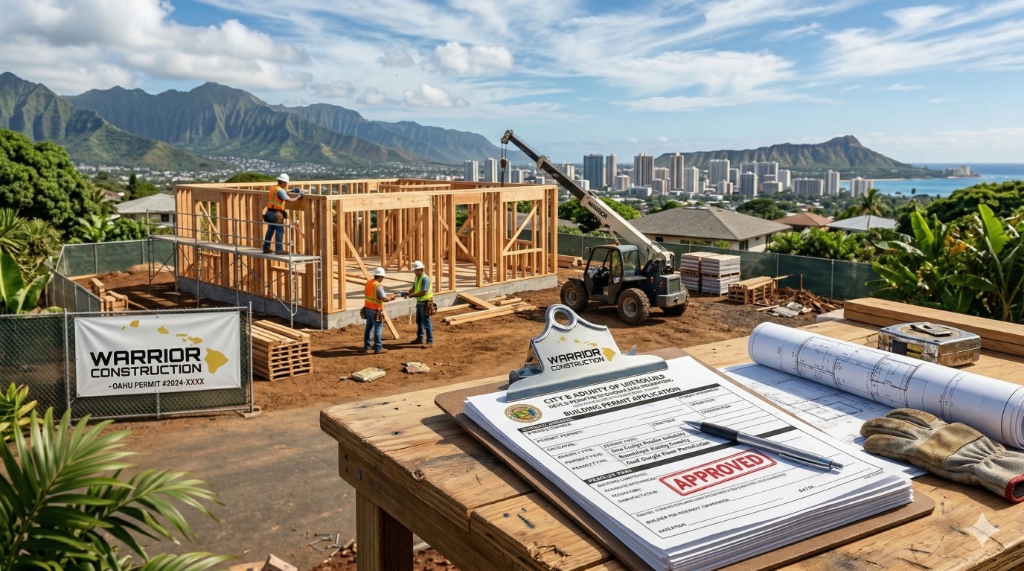
Accessory Dwelling Units (ADUs) — known locally as ohana units — have become one of the most popular construction projects on Oahu. Whether you’re looking to house extended family, generate rental income, or maximize your property’s value, building an ADU is a smart investment. But before you break ground, you need to understand Oahu’s ADU permitting requirements. This guide covers everything you need to know.
ADU Basics: What’s Allowed on Oahu
An ADU is a secondary dwelling unit on a lot that already has a primary residence. On Oahu, ADUs are permitted in most residential zoning districts under City Ordinance 19-18, which was updated to encourage ADU construction as part of Honolulu’s strategy to address the housing shortage. To be eligible, your lot must have an existing legal single-family dwelling and meet minimum lot size requirements for your zoning district.
Size Limits by Zoning District
- R-5 zoning (most common): ADU up to 800 SF
- R-3.5 zoning (smaller lots): ADU up to 400 SF
- R-7.5 / R-10 zoning: ADU up to 800 SF
- Size limits apply to living area only — covered lanais and garages are excluded
- Lot coverage limits also apply (typically 50% combined for primary + ADU)
Setback Requirements
Setback requirements determine where on your lot the ADU can be placed:
- Standard side and rear setbacks: 5 feet
- Front yard setback: same as primary dwelling
- ADU above legal garage: reduced setbacks of 3 feet may apply
- Height limit: 25 feet or the height of the primary dwelling, whichever is less
Parking Requirements
Current Oahu regulations require one off-street parking stall for the ADU in addition to existing requirements for the primary dwelling. This stall can be a garage, carport, or open parking pad. Properties within a half-mile of a rail transit station may qualify for a parking waiver — a significant benefit for properties near the Skyline rail corridor in Ewa Beach, Kapolei, and downtown Honolulu.
Step-by-Step ADU Permitting Process
- Verify zoning eligibility at the DPP website or in person
- Check lot coverage, setbacks, and parking availability for your specific lot
- Engage a licensed architect to prepare construction drawings
- Submit building permit application to DPP (include structural, electrical, plumbing)
- Complete DPP plan review (4–8 weeks for residential)
- Address any plan review comments and resubmit if needed
- Obtain building permit — construction may begin
- Pass all required inspections (foundation, framing, rough MEP, insulation, final)
- Receive Certificate of Occupancy — unit is now legal for occupancy
ADU Construction Costs on Oahu
As of 2025–2026, ohana unit construction costs on Oahu:
- Detached ADU (400–800 SF): $180,000–$450,000 all-in
- Attached ADU (converted garage or addition): $120,000–$280,000
- Junior ADU (studio within existing home): $60,000–$120,000
Oahu ohana units typically rent for $2,000–$3,500/month depending on size and location, offering an attractive return on investment compared to other real estate investments in Hawaii.
Frequently Asked Questions
- Can I rent my ohana unit on Oahu?
- Yes, with conditions. Standard ohana units require a minimum 30-day rental term under Honolulu’s transient accommodation regulations. Short-term vacation rentals require a separate Nonconforming Use Certificate (NUC) and are tightly restricted. Most new ohana units are used for long-term residential rentals or family housing.
- Do I need to owner-occupy my property to build an ADU on Oahu?
- Under Oahu’s current ordinance, the property owner is not required to live on-site for an ADU, but the property must have an existing legal single-family dwelling as the primary residence. Verify current requirements with DPP, as regulations are periodically updated.
- How long does it take to build an ADU on Oahu?
- Total timeline from design start to Certificate of Occupancy is typically 12–18 months: 3–4 months for design and permitting, 4–8 months for construction. Simple garage conversions may be faster.