Understanding Quality Assurance in Construction
In the dynamic landscape of construction in Hawaii, advanced quality assurance practices have become essential for both residential and commercial projects. These practices not only help in meeting the stringent building codes outlined by local authorities but also enhance the overall quality and durability of the structures being built. Advanced quality assurance ensures that every aspect of construction meets high standards, benefits from continual monitoring, and adheres to the latest quality management systems.
Importance of Quality Assurance in Hawaii
The unique environmental conditions in Hawaii, such as high humidity and seismic activity, require rigorous quality assurance to mitigate potential risks. Builders and contractors must ensure that their projects are safe, sustainable, and compliant with updated regulations. By leveraging advanced quality assurance techniques, companies like Warrior Construction can enhance customer satisfaction, minimize costly rework, and ensure safety on the job site, thus avoiding the common pitfalls faced in Hawaiian construction projects1.
Best Practices for Quality Assurance
Implementing best practices for quality assurance in construction encompasses several core strategies that can be adapted for Hawaii’s specific needs.
Regular On-site Inspections
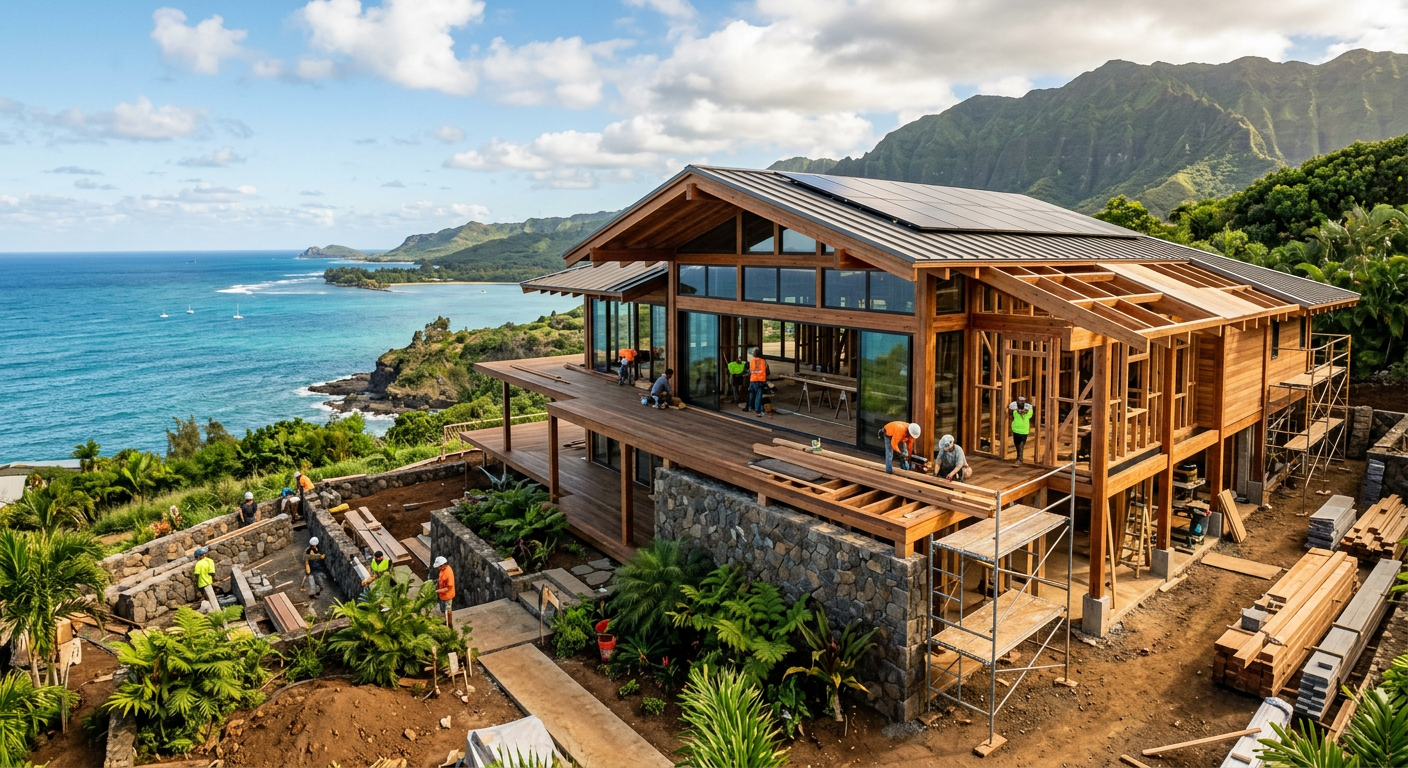
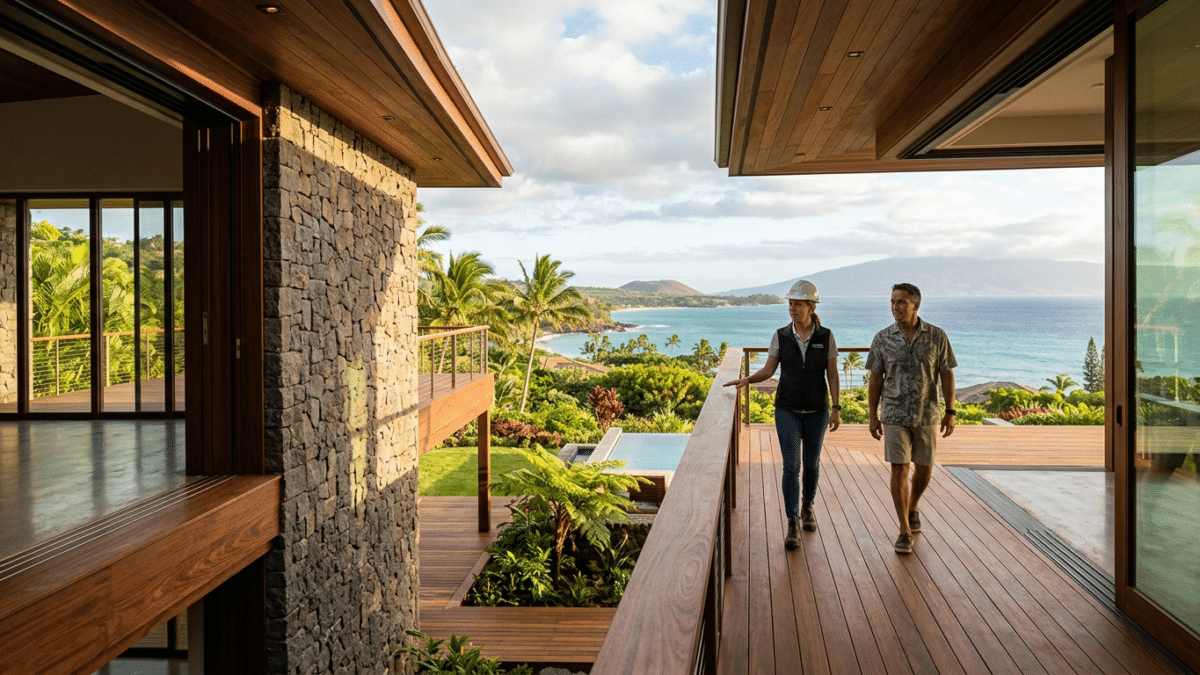
Frequent inspections allow for early detection of potential issues. On-site quality assurance teams should be equipped not just to enforce compliance with current building codes but also to identify any deviations from the construction plan. This proactive approach helps in addressing issues before they escalate into significant problems.
Utilizing Technology for Tracking
Employing modern technology such as drones and project management software can streamline the tracking of quality assurance processes. Real-time data can provide instant feedback on project status, ensuring contractors stay aligned with building codes and standards. This helps reduce errors and enhances the overall efficiency of the construction process, making it vital in today’s market2.
Navigating Hawaii’s Building Codes
With the evolving landscape of construction regulations, understanding and adhering to Hawaii’s building codes is paramount.
Recent Changes to Building Codes in 2026
As of 2026, Hawaii’s building codes reflect an increased emphasis on sustainability and efficiency. Stricter energy efficiency standards and robust seismic safety practices have been instituted3. Contractors must stay updated on these changes to ensure compliance, which not only affects project timelines but also impacts funding options for new builds.
Staying Compliant and Avoiding Pitfalls
To navigate the complexities of Hawaii’s building codes successfully, contractors and homeowners alike should engage in continuous education and training. Participating in workshops offered by the Department of Planning and Permitting (DPP) can equip builders with essential updates and insights into the regulatory landscape, thus avoiding potential pitfalls that can lead to delays and legal issues1.
What this means for Hawaii homeowners
For homeowners embarking on construction projects, understanding advanced quality assurance techniques is crucial. Engaging with contractors who employ these practices ensures that your project is executed to the highest standards, which can enhance both the longevity of your investment and your family’s safety. When selecting a contractor, ensure they are up to date on Hawaii’s building codes and have a solid quality management system in place to oversee all construction phases.
Frequently Asked Questions
What are the key quality assurance practices?
Key quality assurance practices include regular site inspections, adherence to updated building codes, and the use of technology for project tracking to ensure compliance and quality throughout the construction process.
How do recent building codes impact construction?
Recent building codes impose stricter regulations regarding energy efficiency and safety. Compliance with these codes is essential for securing permits and ensuring the safety and sustainability of new constructions.
Why is quality assurance important in Hawaii’s construction?
In Hawaii, quality assurance is vital due to unique environmental challenges. It helps maintain structural integrity, ensures compliance with local regulations, and boosts homeowner confidence in their investments.
How can homeowners ensure their projects meet quality standards?
Homeowners can ensure quality standards by working with reputable contractors who implement quality management systems and regularly communicate about compliance with updated building codes.
For any residential or commercial construction project in Hawaii, partnering with a contractor that prioritizes quality assurance is essential for a successful outcome. Warrior Construction is committed to implementing advanced quality assurance practices tailored to meet Hawaii’s unique requirements. Contact us today to learn how we can help bring your construction project to fruition with the utmost quality and safety in mind.