Understanding Quality Assurance in Construction
In 2026, the landscape of construction in Hawaii has evolved significantly, emphasizing the need for advanced quality assurance techniques in both commercial and residential projects. Quality assurance ensures that all aspects of construction meet the required standards and specifications, providing homeowners and contractors with peace of mind. This article explores how contractors and clients can implement these advanced techniques to boost the quality and sustainability of their projects.
Importance of Quality Assurance Techniques
Implementing quality assurance (QA) techniques in construction is critical for several reasons. Firstly, QA plays a vital role in ensuring compliance with local building codes, which are frequently updated; thus, staying informed is essential for Hawaii contractors. Furthermore, QA enhances the durability of structures by identifying potential flaws before they escalate into serious issues. Ultimately, effective quality assurance can significantly reduce costs over time by preventing rework and ensuring client satisfaction.
Challenges in Hawaii’s Construction Industry
Hawaii’s unique geographical and cultural context presents distinct challenges for construction projects. These challenges necessitate a tailored approach to implementing quality assurance techniques.
Common Pitfalls and Solutions
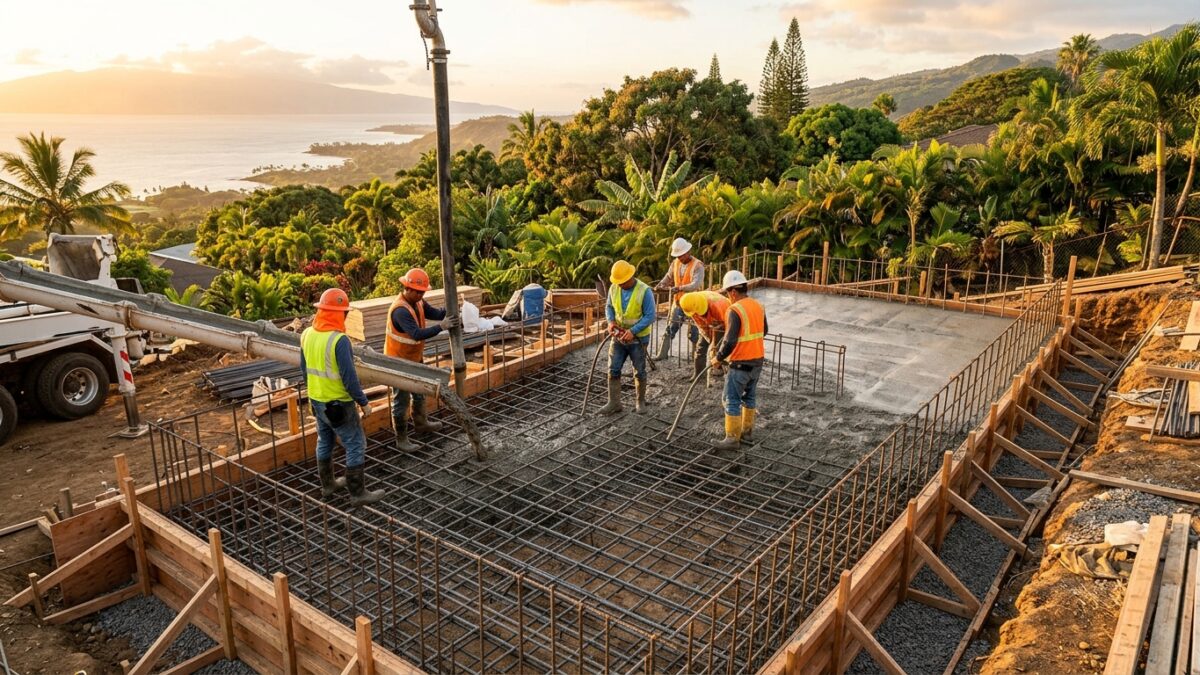
Common construction pitfalls in Hawaii include issues related to delayed permits, unforeseen site conditions, and the challenges of sourcing local materials. To avoid these pitfalls, contractors are encouraged to maintain proactive communication with local government agencies and engage in thorough site assessments before project initiation. Additionally, developing strong relationships with local suppliers can mitigate material delays, which are especially pertinent given Hawaii’s unique logistical considerations[1].
Best Practices for Quality Assurance
To promote advanced quality assurance in Hawaii construction projects, the following best practices should be adopted:
Real-time Monitoring in Construction
Real-time monitoring technologies are becoming increasingly important in construction QA. By utilizing tools for project tracking and compliance checks, contractors can ensure that every phase meets rigorous local and federal standards. These technologies allow for immediate feedback and adjustments, which can significantly enhance overall project quality[2].
- Integrate Technology: Deploy drones and IoT devices to keep track of ongoing site operations and material conditions.
- Regular Check-ins: Schedule weekly meetings to review progress and address challenges promptly.
- Write Reports: Maintain detailed records of QA checks and site assessments to ensure transparency.
Latest Building Codes and Compliance
The construction industry in Hawaii is subject to a variety of building codes that are regularly updated for enhanced safety and sustainability. As of 2026, Hawaii has adopted several updated building codes emphasizing sustainability and disaster resilience. Compliance with the latest International Building Code (IBC) has become essential, focusing on wind and seismic considerations due to the state’s unique geography[3].
Updates on Hawaii Building Codes
These updates require contractors to adapt their strategies and implement new safety practices that promote worker safety and environmental stewardship. This includes mandatory reporting protocols for incidents and investing in safe site management strategies. Staying up-to-date with these codes not only fulfills legal obligations but also enhances the overall quality of construction projects.
What this means for Hawaii homeowners
For Hawaii homeowners, understanding advanced quality assurance techniques can lead to safer and more sustainable housing. Here are some actionable tips:
- Ask about QA Plans: Always inquire about the quality assurance plans your contractor has in place before commencing work.
- Stay Informed: Know the latest building codes applicable to your project to ensure compliance and safety.
- Regular Site Visits: Take the time to visit the construction site and engage with the project manager about quality checks being performed.
- Document Everything: Keep records of communications and agreements related to construction quality.
- Trust Local Expertise: Work with contractors who have in-depth knowledge of Hawaiian conditions and challenges.
FAQs on Quality Assurance Techniques
Frequently Asked Questions
What are advanced quality assurance techniques in construction?
Advanced quality assurance techniques include the use of real-time monitoring systems, proactive inspections, and detailed reporting processes to ensure compliance with industry standards.
How can I ensure my contractor implements quality assurance?
You can ensure your contractor implements quality assurance by asking for their QA plans, checking their compliance with building codes, and encouraging regular updates on project progress.
What are some common pitfalls in Hawaii construction projects?
Common pitfalls include delayed permits, sourcing local materials, and inadequate site assessments. Engaging proactive communication and thorough planning can help mitigate these issues.
What role do building codes play in quality assurance?
Building codes establish the minimum safety and quality standards that must be adhered to in construction projects; compliance is essential for both legal and quality assurance reasons.
How often should quality checks be conducted during a project?
Quality checks should be conducted regularly throughout the project’s lifecycle, with weekly inspections being ideal for ongoing assessment and timely adjustments.
In conclusion, implementing advanced quality assurance techniques is vital for successful construction projects in Hawaii. By utilizing modern technology, staying updated with building codes, and engaging in proactive communication, contractors can enhance the quality and sustainability of their work.
If you’re a homeowner looking to ensure the highest quality in your construction project, contact us at Warrior Construction. Let us help you build with confidence!