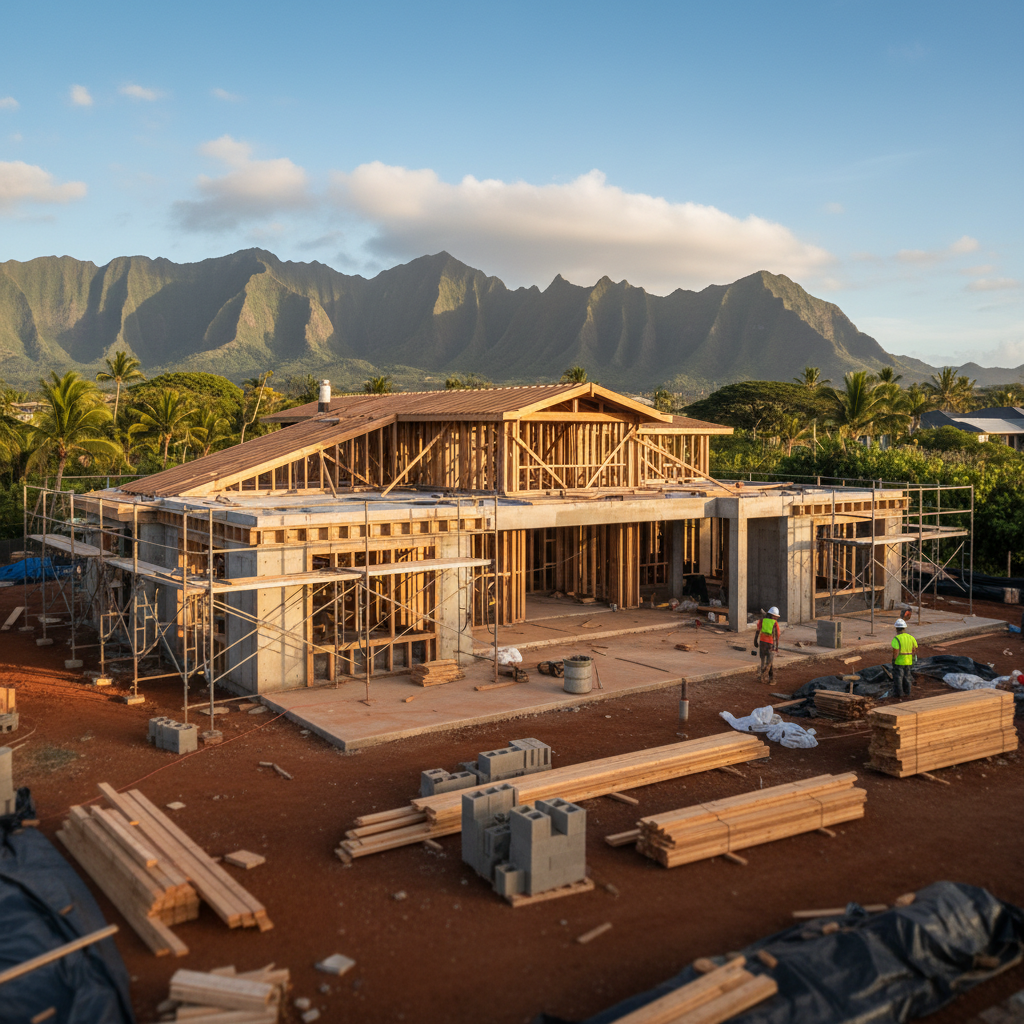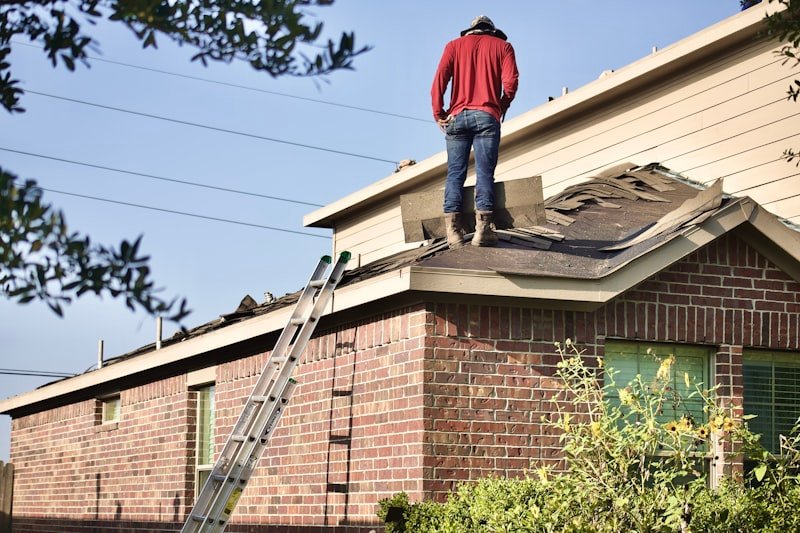
Hawai’i’s tropical climate presents unique challenges for roofing materials that mainland homeowners and builders rarely encounter. The combination of intense UV radiation, salt-laden trade winds, heavy tropical rains, and the occasional hurricane-force storm means that roofing material selection in Hawai’i isn’t just about aesthetics — it’s a critical decision that affects the longevity and integrity of your entire structure.
Standing Seam Metal Roofing: Top Performer in Hawaii
Standing seam metal roofing has emerged as one of the top-performing options for Hawai’i construction. Modern aluminum and Galvalume steel panels offer exceptional resistance to salt air corrosion — a critical factor on an island where ocean breezes carry salt particles miles inland. Standing seam systems handle Hawai’i’s heavy rainfall efficiently due to their interlocking panel design, which minimizes leak points. With proper coatings, metal roofs can last 40–60 years in Hawai’i’s climate — roughly twice the lifespan of standard asphalt shingles.
Best for: Coastal properties, new residential construction, commercial buildings seeking longevity and low maintenance.
Concrete and Clay Tile: Classic Island Durability
Concrete and clay tile roofing remains popular throughout Hawai’i, particularly on residential properties. These materials offer outstanding durability and fire resistance, and their thermal mass helps regulate indoor temperatures — reducing air conditioning costs in Hawai’i’s warm climate. However, tile roofs are significantly heavier than other options, requiring stronger structural framing, and require periodic inspection for cracked or displaced tiles during high wind events.
Best for: Mid-to-high-end residential construction where traditional aesthetics are desired and structural framing can accommodate the weight.
Synthetic Roofing Products: Modern Performance
Synthetic roofing products have improved dramatically and are gaining traction in Hawai’i. Composite shingles made from polymer-based materials can mimic the appearance of slate, wood shake, or tile while offering superior resistance to UV degradation and salt air. Many synthetic products are rated for winds up to 130 mph, meeting Hawai’i’s stringent building code requirements for hurricane-prone regions.
Best for: Homeowners seeking the look of premium materials at lower cost, with excellent warranty coverage and wind resistance.
TPO and Modified Bitumen: Commercial Flat Roof Leaders
TPO (Thermoplastic Polyolefin) and modified bitumen systems dominate the commercial flat-roof segment in Hawai’i. These single-ply membrane systems offer excellent UV resistance and reflectivity, helping commercial buildings reduce cooling costs. Cool-roof rated TPO membranes can reduce rooftop temperatures by up to 50°F compared to traditional dark-colored roofing, translating directly into lower electricity bills — critical in Hawaii where commercial electricity costs exceed $0.35/kWh.
Best for: Commercial and multifamily buildings with low-slope or flat roof sections.
Roofing Material Comparison for Hawaii
| Material | Lifespan (Hawaii) | Wind Rating | Salt Air Resistance | Relative Cost |
|---|---|---|---|---|
| Standing Seam Metal | 40–60 yrs | 130+ mph | Excellent | $$$$ |
| Concrete/Clay Tile | 30–50 yrs | 110–130 mph | Very Good | $$$ |
| Synthetic Composite | 25–40 yrs | 130 mph | Excellent | $$$ |
| TPO (flat/low-slope) | 20–30 yrs | 90–130 mph | Excellent | $$ |
| Asphalt Shingles | 10–20 yrs | 90–130 mph | Poor–Fair | $ |
Installation Quality Matters as Much as Material Choice
Regardless of material choice, proper installation is paramount in Hawai’i. Wind uplift is one of the most common causes of roof failure during tropical storms. At Warrior Construction, we ensure all roofing installations meet or exceed Hawai’i’s building code requirements for wind resistance, which vary by location and elevation. Our crews are trained in the specific installation techniques required for each roofing system, because even the best materials will fail if improperly installed.
Frequently Asked Questions
- How often should roofs be inspected in Hawaii?
- Annual inspections are recommended for all Hawaii roofs due to the combination of UV exposure, salt air, and storm risk. Tile roofs should be inspected after any significant wind event to check for displaced tiles.
- Does Hawaii have specific roofing code requirements?
- Yes. Hawaii’s building code requires roofing to meet specific wind uplift resistance standards based on location. Coastal and elevated areas face higher wind exposure requirements. All roofing must be certified to meet applicable ASCE 7 wind load requirements.
- Is asphalt shingle roofing a good choice in Hawaii?
- Asphalt shingles are the least-recommended option for Hawaii. UV degradation, salt air, and heat cause premature failure — typical lifespan is 10–15 years versus 20–30+ years on the mainland. The cost savings aren’t worth the reduced lifespan and performance.