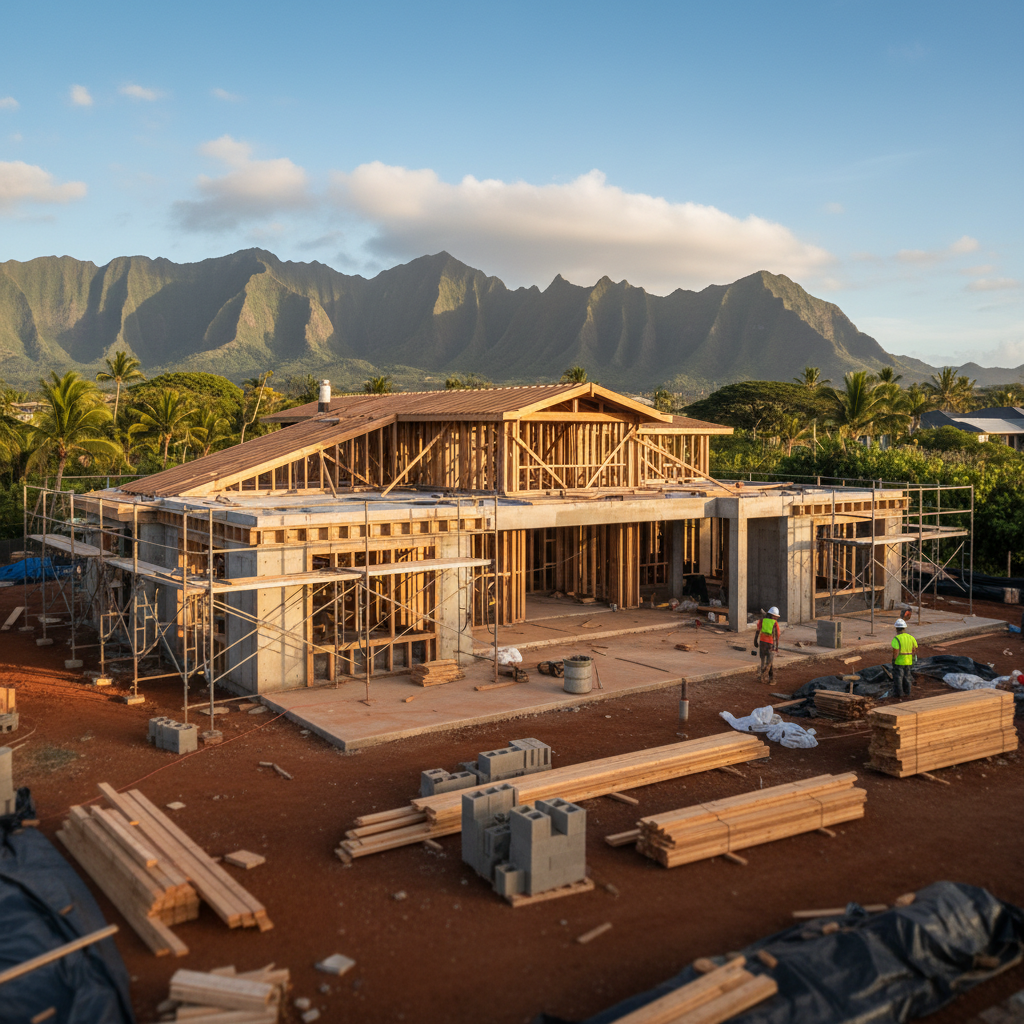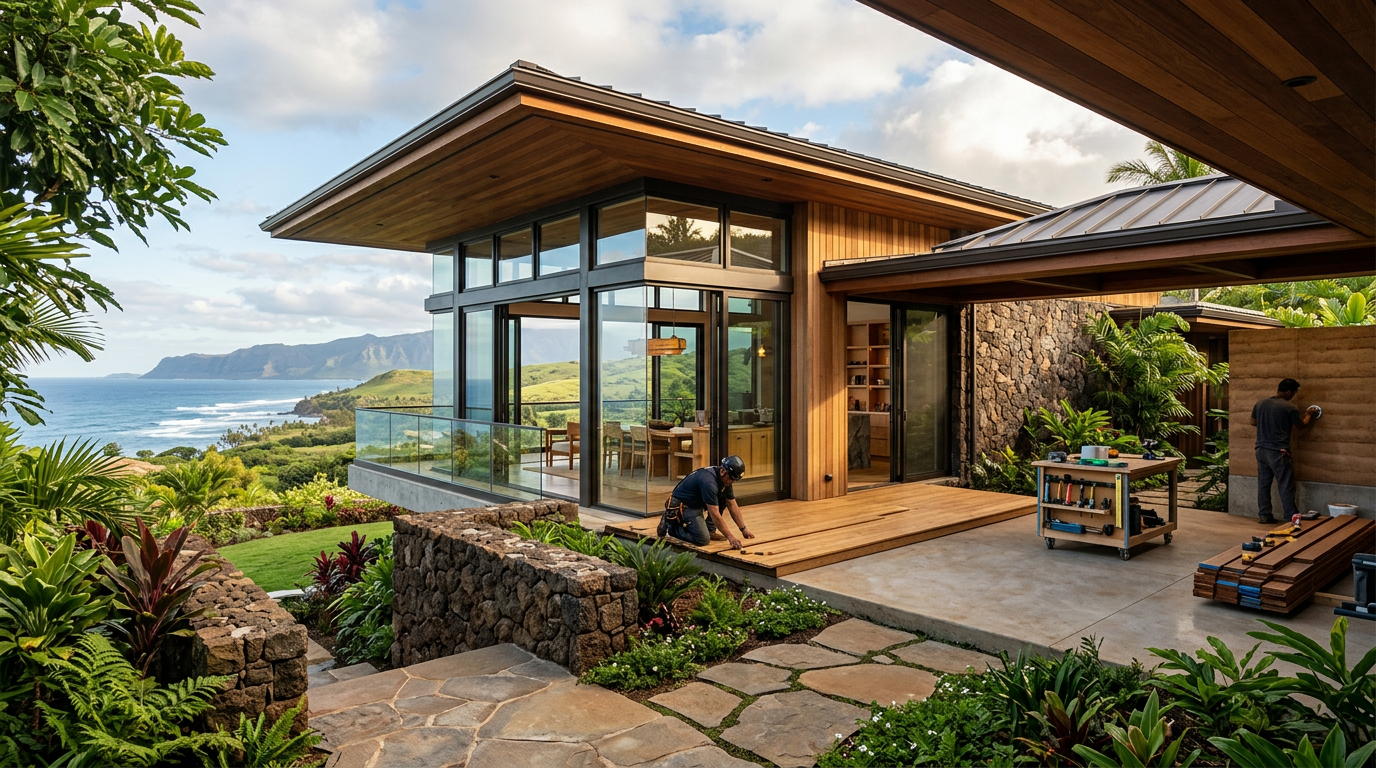
Introduction to Construction Pitfalls in Hawaii
The construction industry in Hawaii is rich with unique opportunities but also fraught with common pitfalls that can significantly impact project timelines and budgets. In 2026, navigating these challenges effectively requires a strategic approach that takes into account local design issues, material selection, and compliance with stringent building regulations.
Understanding Design Challenges
This picturesque state presents specific design challenges due to its varied geography and climate. From ensuring adequate drainage in heavy rainfall to avoiding coastal erosion hazards, architects and contractors must consider all site-specific elements. Incorporating local knowledge early in the design phase can prevent costly redesigns and delays.
Material Selection Issues
Choosing the right materials is critical in Hawaii’s construction projects, given the island’s unique climatic conditions. Materials need to withstand humidity, salt exposure, and intense sunlight to ensure longevity and resilience. Specifying materials that are environmentally friendly and suited for coastal environments not only enhances durability but also aligns with current sustainability goals.
Best Practices for Successful Projects
Effective Communication with Local Authorities
Engaging with local authorities from the onset can mitigate many potential pitfalls associated with permitting delays. In 2026, ongoing updates to building regulations necessitate clear and open lines of communication. Homeowners and contractors should establish relationships with officials to ensure all permits and approvals are obtained smoothly, thus avoiding unforeseen project halts[1].
Choosing the Right Materials for Hawaii’s Climate
Given the unique environmental factors in Hawaii, thoughtful material selection remains paramount. Incorporating sustainable and weather-resistant materials reduces maintenance and enhances the overall resilience of the construction[2]. Builders are encouraged to maintain a close relationship with suppliers to ensure timely procurement and quality assurance.
Navigating the Regulatory Landscape
Importance of Compliance with Building Codes
Hawaii’s updated building codes emphasize sustainability, especially in areas prone to natural disasters. Compliance with these regulations not only avoids penalties but also promotes safety for residents and advances environmental protection efforts. This includes requiring elevated foundations in flood-prone areas, which has become essential in ensuring structural safety[3].
Energy Efficiency and Storm Resilience Regulations
In light of climate change concerns, 2026 has seen Hawaii implementing stricter guidelines for energy efficiency and storm resilience. Contractors must be diligent in adhering to these regulations while also promoting the sustainable practices that benefit both the environment and homeowners. Failing to comply can lead to significant project setbacks and financial implications.
Conclusion and Final Thoughts
Navigating the common pitfalls in Hawaii’s construction projects demands a comprehensive understanding of design specifics, material selections, and adherence to regulatory requirements. By engaging local authorities early, using appropriate materials, and maintaining compliance with updated building codes, contractors and homeowners can contribute to more successful and sustainable construction outcomes.
What this means for Hawaii homeowners
For homeowners planning a construction project in Hawaii, it’s essential to do thorough research and work with qualified professionals who understand the local landscape. Starting the process early, selecting the right materials, and ensuring clear communication with contractors and authorities can help streamline your project and avoid unexpected issues.
Frequently Asked Questions
What are the most common construction pitfalls in Hawaii?
Common pitfalls include delays in permitting, poor material selection, and failing to comply with updated building codes. Engaging local experts can help mitigate these issues.
How can homeowners avoid permitting delays?
Homeowners can avoid permitting delays by engaging with local authorities early in the planning process and ensuring all documents are complete and accurate.
What materials are best for construction in Hawaii?
Materials that are resistant to humidity and salt, such as treated wood and certain composites, are ideal. Sustainable options like bamboo are also becoming popular.
Why is compliance with building codes important?
Compliance ensures the safety and longevity of the structure, helps in disaster resilience, and avoids costly fines. It is essential for the well-being of the inhabitants.
As a homeowner or contractor in Hawaii, understanding these pitfalls can greatly enhance the success of your projects. For professional assistance in navigating these challenges, consider our general contracting services to ensure high-quality and compliant construction.