Understanding Ohana Units and Their Purpose
In recent years, Ohana units have become an essential solution for families in Hawaii navigating the challenges of rising housing costs. These versatile living spaces cater to the needs of multigenerational living, allowing families to stay close while maintaining their independence. Oftentimes integrated into single-family properties, Ohana units can function as in-law suites, guest houses, or rental units, making them a popular choice among homeowners looking to enhance their living arrangements.
According to the latest market trends, the demand for such units has surged as families seek innovative ways to accommodate their loved ones without sacrificing their comfort. In this article, we will explore the benefits of multigenerational living through Ohana units, design considerations tailored for Hawaii’s unique landscape, and valuable insights into the construction and permitting processes required.
Benefits of Multigenerational Living
Opting for multigenerational living through Ohana units offers several advantages, particularly in Hawaii’s diverse cultural fabric. Here are some key benefits:
- Cost Savings: By sharing expenses like mortgage payments, utilities, and maintenance costs, families can significantly reduce their financial burden.
- Convenient Care: Having elderly family members close by helps in providing necessary care and support, allowing for peace of mind.
- Community Connection: Living together fosters stronger familial bonds and a greater sense of community, particularly in Hawaiian culture where family ties are paramount.
- Adaptability: Ohana units can adjust to evolving family needs, whether accommodating teenagers, elderly relatives, or even renters for supplementary income.
Design Options for Ohana Units
The beauty of Ohana units lies in their versatility. Homeowners can choose from a variety of design options suited to their space, budget, and style preferences:
- Detached Units: Standalone structures provide privacy for both parties while still being close enough for family interaction.
- Garage Conversions: Transforming an existing garage into an Ohana unit maximizes square footage and provides functional living spaces.
- Above-Garage Apartments: Building a unit atop a garage not only creates additional living space but often captures scenic views.
As families envision their Ohana units, it’s crucial to consider local aesthetics, functional layouts, and sustainable materials that withstand Hawaii’s unique climate.
Construction and Permitting Processes in Hawaii
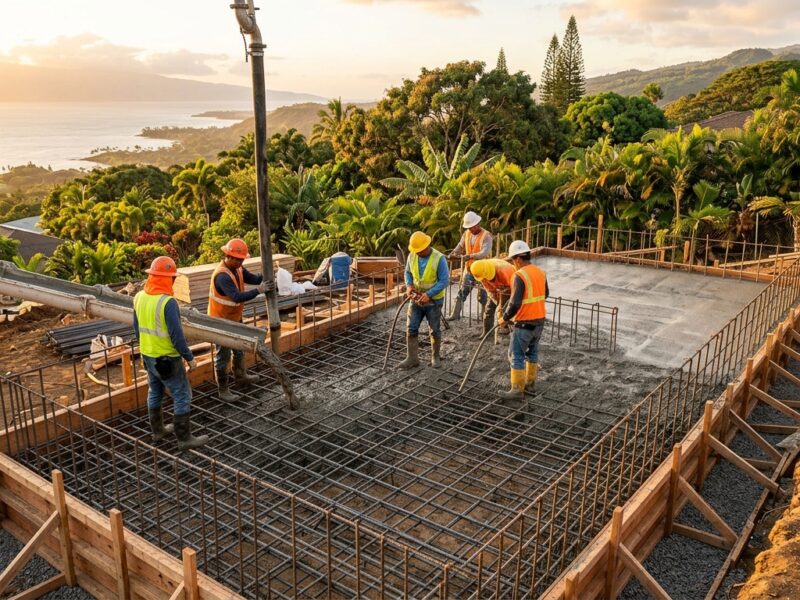
While the advantages of building an Ohana unit are compelling, homeowners must navigate the complex construction and permitting processes in Hawaii. Understanding the necessary steps is vital to ensure a smooth project timeline.
Steps to Plan Your Ohana Unit
The following steps are essential when planning for your Ohana unit:
- Research Local Regulations: Start by reviewing the Hawaii Department of Planning and Permitting (DPP) guidelines to understand the eligibility and design parameters.
- Design the Unit: Work with licensed architects or builders to design a unit that meets your needs while adhering to local codes.
- Secure Permits: Acquire the necessary permits from the local DPP, which can take between two to four months, depending on the complexity of your project[1].
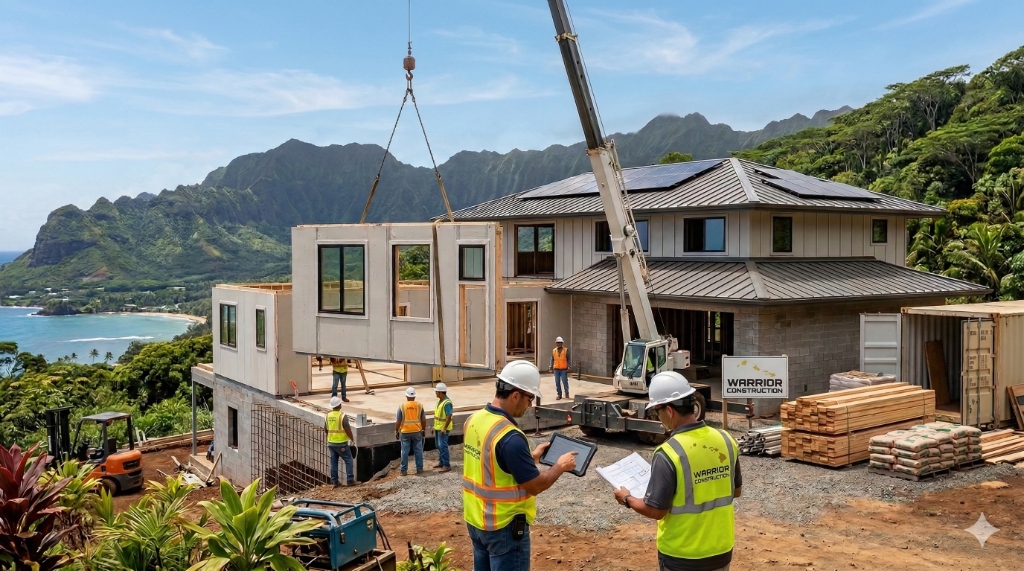
- Choose a Contractor: Collaborate with a licensed contractor experienced in constructing Ohana units to handle the build-out efficiently.
Working with Licensed Contractors
One of the most important decisions in the construction process is selecting a licensed contractor. A skilled contractor can ensure quality construction, timely completion, and adherence to regulations. Look for contractors with experience in local projects and strong reviews from past clients. This will help avoid common pitfalls associated with construction in Hawaii.
Trends in Ohana Units and Multifunctional Living Spaces
In 2026, the trend for Ohana units continues to evolve. As families adapt their living situations to economic conditions, several design innovations and construction practices have emerged:
Current Popular Designs in Hawaii
Today’s Ohana units often incorporate sustainable design practices and multifunctional layouts, such as:
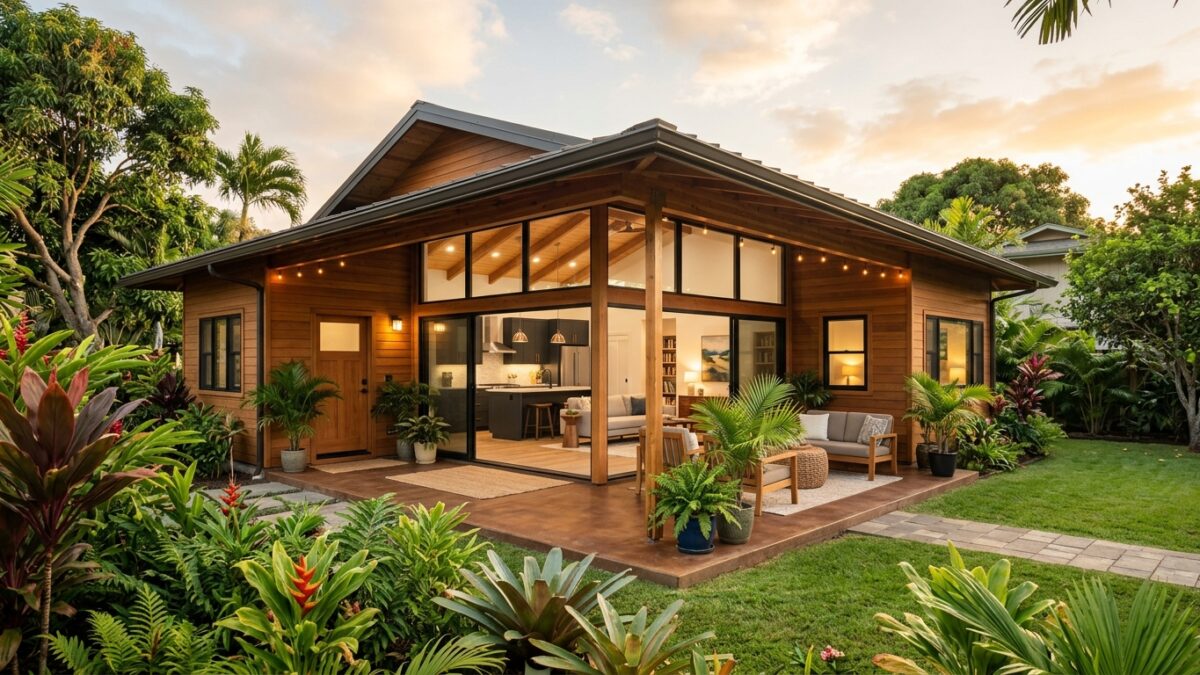
- Pocket Sliding Doors: These space-saving doors create a seamless connection between indoor and outdoor living areas.
- Open-Concept Living: Open floor plans are popular for maximizing space and allowing natural light to flood in.
- Eco-Friendly Materials: Increasing awareness of sustainability drives the integration of green materials, such as bamboo and repurposed wood, into construction.
These design trends reflect a growing commitment to sustainability and functionality in Hawaii’s housing market.
Costs and Timeline for Construction
As of March 2026, constructing an Accessory Dwelling Unit (ADU) in Hawaii can range between $350,000 to $550,000, depending on factors like design complexity and materials used[2]. The construction timeline will typically vary from six to twelve months, influenced by both permitting and site preparation phases.
Homeowners are encouraged to begin planning early due to ongoing supply chain challenges impacting availability and costs in the market[3].
What this means for Hawaii homeowners
For homeowners in Hawaii, the rise of Ohana units presents an opportunity to creatively expand living spaces while embracing family togetherness. Here are actionable tips for navigating the process:
- **Research Options:** Identify which design style fits your property best—detached, converted garage, or above-garage units.
- **Consult Experts:** Engage with licensed contractors and architects familiar with Hawaii construction trends to ensure your project meets current codes.
- **Plan Early:** Start the permitting process as soon as possible to avoid delays and unexpected costs.
- **Invest in Sustainability:** Consider eco-friendly designs that enhance the longevity of your new unit and align with modern aesthetics.
Frequently Asked Questions
What are Ohana units?
Ohana units are additional living spaces commonly used for multigenerational living in Hawaii. These units can be fully detached, integrated into a main home, or created through the conversion of garages.
Do I need a permit to build an Ohana unit?
Yes, a permit is required to construct an Ohana unit in Hawaii. Homeowners must comply with local regulations set forth by the Department of Planning and Permitting.
What costs should I expect when building an Ohana unit?
The costs for building an Ohana unit can range from $350,000 to $550,000, influenced by the design complexity and materials used. It’s advisable to budget for permits and contractor fees as well.
How long does it take to build?
Typically, the construction of an Ohana unit can take anywhere from six to twelve months, depending on permit approvals and construction schedules.
Can I rent out my Ohana unit?
Yes, you can rent out your Ohana unit, helping to alleviate mortgage costs and return investment. However, ensure compliance with any local rental regulations.
What design features are trending for Ohana units?
Trending design features include open-concept layouts, sustainable materials, and pocket sliding doors that enhance indoor-outdoor living capabilities.
Investing in an Ohana unit not only increases your property value but provides flexibility for family arrangements in Hawaii’s unique living dynamics. If you’re considering building a new Ohana unit or seeking advice on how best to navigate the construction process, contact us today. Our team at Warrior Construction specializes in bringing your vision to life while ensuring quality craftsmanship and adherence to all local regulations.