Understanding Sustainable Building in Hawaii
Sustainable building practices in Hawaii are more important than ever, reflecting the state’s commitment to environmental stewardship and energy efficiency. As of 2026, the construction landscape is rapidly evolving, with an increasing emphasis on incorporating sustainable design elements into residential and commercial projects.
Overview of Hawaii’s Construction Industry Regulations
The construction industry in Hawaii is governed by various local and state regulations that aim to promote sustainability and safety. Homeowners are encouraged to engage with the Department of Planning and Permitting (DPP) to ensure compliance with building codes, especially those that align with sustainable practices. Building in accordance with these regulations not only promotes energy-efficient homes but also contributes to the overall resilience of structures against Hawaii’s unique environmental conditions.
Best Practices for Energy-Efficient Homes
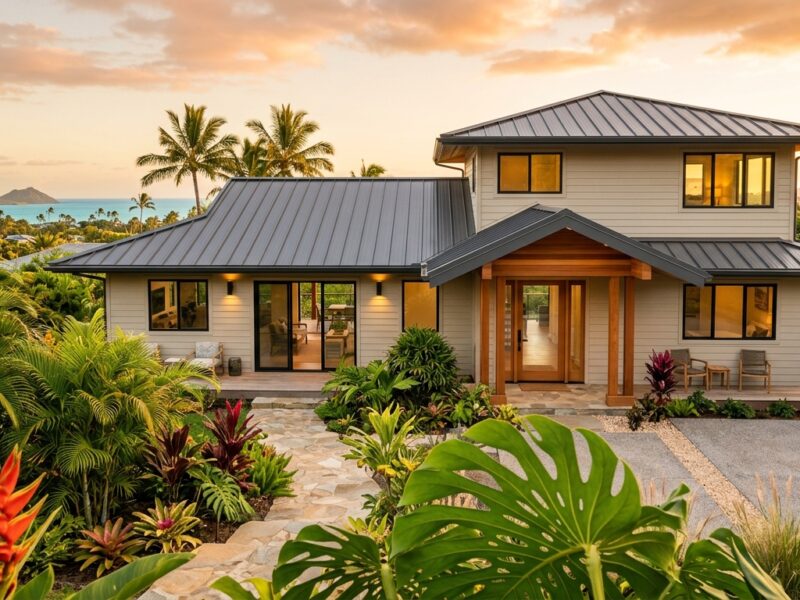
Creating energy-efficient homes in Hawaii involves using innovative design and construction methods that reduce energy consumption and improve comfort.
Utilizing Green Materials
The selection of green building materials is essential for achieving energy-efficient homes in Hawaii. When building or renovating, consider materials that are both sustainable and durable, such as bamboo flooring, recycled steel, and low-VOC paints. These materials not only reduce environmental impact but also improve indoor air quality.
Emphasizing Hurricane Resiliency
Given Hawaii’s vulnerability to hurricanes, integrating hurricane-resistant features into homes is critical. This includes using impact-resistant windows, reinforced roofing systems, and advanced structural design techniques. Implementing these features not only enhances safety but can qualify your home for reduced insurance premiums.
Navigating the Permit Process
Understanding DPP Guidelines
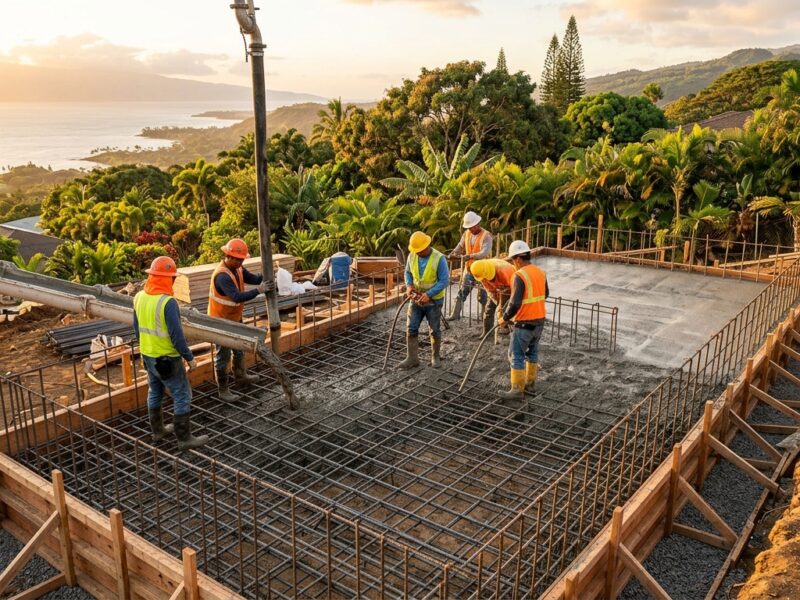
Navigating the permitting process in Hawaii can be complex, especially for new construction projects. Homeowners are advised to familiarize themselves with DPP guidelines, which provide a step-by-step approach to obtaining the necessary approvals. This typically includes submitting detailed plans and attending public meetings.
The Importance of Compliance
Compliance with local building codes is crucial for ensuring safety and avoiding costly fines. Adhering to sustainability regulations also positions homeowners to potentially qualify for tax credits and other incentives aimed at promoting energy efficiency in construction.
Trends in Sustainable Construction
Market Demand for Green Homes
As of 2026, there is a notable shift in the market towards energy-efficient homes in Hawaii. According to recent reports, many prospective homeowners specifically seek properties that showcase sustainable building practices. This trend not only enhances property values but also contributes to lowering the overall carbon footprint of the construction sector.
Incentives for Energy Efficiency
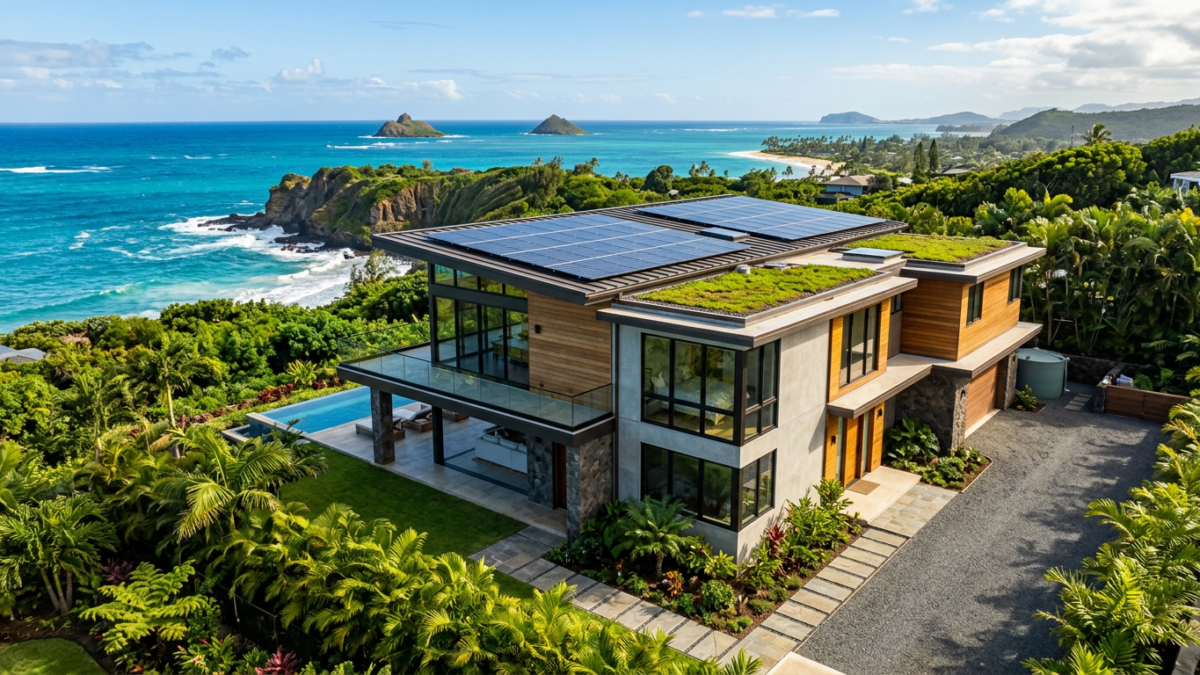
Homeowners are encouraged to explore local incentives for energy efficiency improvements. Programs may exist that offer rebates or tax credits for utilizing sustainable technologies such as solar panels, energy-efficient appliances, and retrofitting projects that enhance a home’s efficiency.
What this means for Hawaii homeowners
For homeowners in Hawaii, embracing sustainable building practices means not only contributing positively to the environment but also enjoying long-term cost savings through reduced energy consumption. Conduct thorough research on available green materials, check for building incentives, and engage with qualified contractors who can help you navigate sustainability in your building project.
Client FAQs about Sustainable Building
Frequently Asked Questions
What are sustainable building practices?
Sustainable building practices involve designing and constructing homes in a way that minimizes environmental impact, reduces energy consumption, and promotes resource efficiency. These practices often include using renewable resources, energy-efficient appliances, and sustainable materials.
How can I make my home more energy-efficient?
You can enhance your home’s energy efficiency by installing energy-efficient windows, using insulation made from sustainable materials, and incorporating smart home technologies that control energy consumption. Regular maintenance and upgrades to HVAC systems also contribute to energy savings.
Are there financial incentives for building sustainably in Hawaii?
Yes, there are several financial incentives available in Hawaii for homeowners who invest in sustainable building practices. This can include tax credits for solar energy installations, grants for energy efficiency improvements, and potential discounts on insurance premiums for hurricane-resistant homes.
Why is it essential to work with a general contractor for sustainable building?
Working with a reputable general contractor ensures that your project adheres to local building codes, incorporates sustainable practices effectively, and stays within budget. A GC can provide expertise in sourcing sustainable materials and navigating permitting processes.
At Warrior Construction, we prioritize integrating sustainable practices into our construction projects. Our experienced team can help you select the right materials and processes to create a home that is not only beautiful but also energy-efficient and resilient against Hawaii’s climate challenges.
If you’re ready to build your sustainable dream home, contact us today for a consultation!