Understanding Termite Risks in Hawaii
Hawaii’s tropical climate presents a unique set of challenges for homeowners and builders alike, especially concerning pest control. Among these pests, termites are particularly notorious for their timber-destroying capabilities. As of 2026, the prevalence of termites in Hawaii has led to heightened awareness and adoption of termite-resistant materials in Hawaii to enhance construction durability. This comprehensive guide will equip you with critical insights on effective building materials and practices while providing actionable steps to safeguard your home or business from these pests.
Why Termite Resistance is Essential
Termites can cause extensive structural damage, leading to costly repairs and safety hazards for homeowners and businesses. According to recent reports from the Hawaii Contractors Association, the integration of termite-resistant materials has become more critical than ever due to the increase in termite infestations exacerbated by the state’s suitable environment for these pests[1]. Moreover, the financial implications of neglecting termite risk can be devastating, often amounting to thousands of dollars in lost property value.
Implementing termite prevention in Hawaii requires taking proactive measures as part of the building process, ensuring the longevity and safety of properties.
Best Termite-Resistant Materials
Treated Lumber
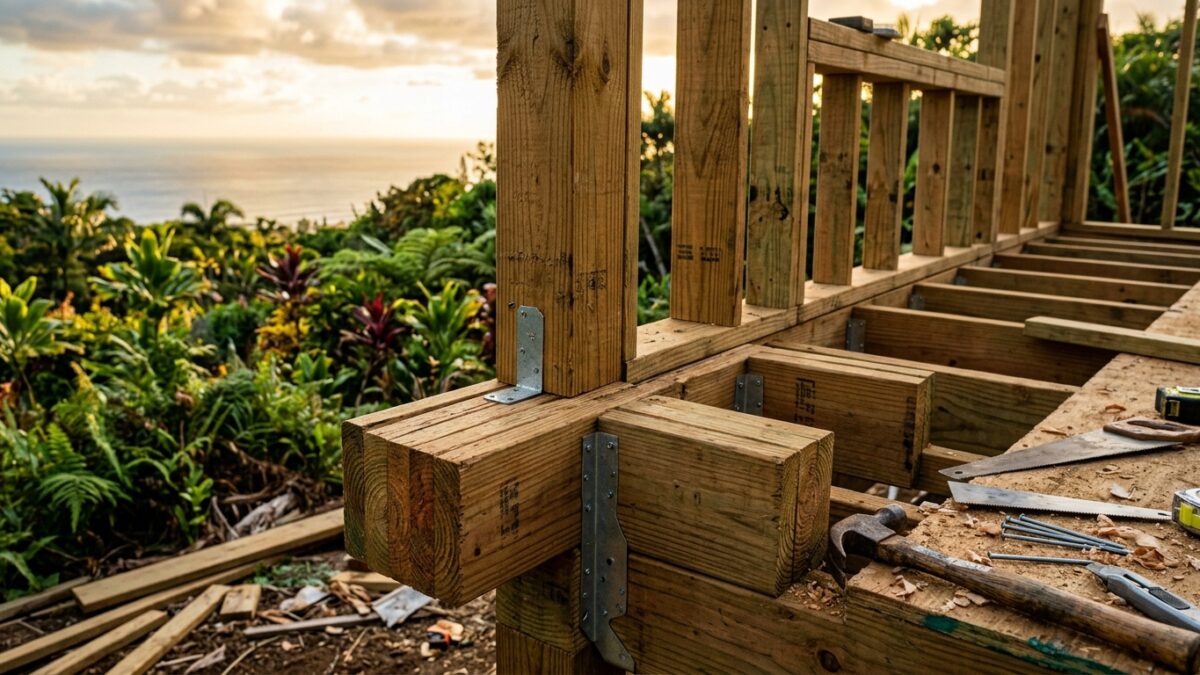
Treated lumber is one of the most widely used termite-resistant materials in Hawaii. This material undergoes a chemical treatment process that makes it less appealing to termites, helping to ensure structural integrity over time. In 2026, numerous construction projects in Hawaii have specified treated lumber as a standard practice for framing and flooring, given its efficacy in termite resistance and availability. Builders recommend this kind of lumber for its longevity and cost-effectiveness, making it a staple in both residential and commercial projects.
Steel Frames
Another prime option for homeowners looking for ways to boost their resistance to termite damage is steel framing. Unlike wood, steel is invulnerable to termite infestations, offering an incredibly durable structure. Given the rising popularity of steel frames among commercial construction, these materials are increasingly used in residential settings as well. Steel framing also aligns well with Hawaii’s stringent building regulations, enhancing the overall resilience of structures to natural disasters, particularly earthquakes and high winds. Moreover, steel framing is a sustainable option, as it is recyclable and reduces the pollution associated with traditional lumber harvesting.
Composite Materials
Composite materials, which combine wood fibers with various synthetic materials, provide another innovative solution for termite resistance. Many manufacturers produce composite decking and siding explicitly designed to resist insect damage while maintaining an aesthetic appeal. These materials are often more durable than traditional wood and less prone to warping, cracking, and weathering, making them an excellent choice for Hawaii’s fluctuating climate. Furthermore, they help streamline construction processes due to their lightweight properties and ease of installation.
Preventative Measures for Termite Control
Regular Inspections
Conducting regular inspections for indications of termite activity is integral to maintaining the integrity of your home. Homeowners should aim for annual inspections, ideally conducted by certified pest control professionals. These checks can identify early signs of infestation and allow for prompt action to mitigate any potential damage. Termite inspection protocols include examining the perimeter of your foundations, transmission lines, and any wooden structures in contact with the ground.
Use of Termiticides
In addition to utilizing termite-resistant materials in Hawaii, another beneficial strategy is the application of termiticides. These chemical barriers create a continuous line of defense against termite entry points. Homeowners should consider environmentally friendly options when possible, aligning with Hawaii’s commitment to sustainability in construction. It’s vital to engage licensed professionals for the correct treatment application and adhere to local regulations regarding pest control in Hawaii.
What this means for Hawaii homeowners
For Hawaii homeowners looking to protect their properties from termite infestations, it is essential to adopt both preventive and remedial practices. Here are a few actionable steps:
- Utilize Termite-Resistant Building Materials: When planning new construction or renovations, be proactive by employing treated lumber, steel frames, and composite materials.
- Schedule Regular Pest Inspections: Adapt an annual inspection routine to catch termite activity early on. Stay informed by consulting local pest control services.
- Engage Professionals: For best results in applying termiticides or tackling infestations, hire certified pest control professionals.
- Remain Updated on Building Codes: Keep yourself informed about any changes in local building codes concerning pest-resistant construction to ensure compliance.
- Educate Yourself: Knowledge about moisture control techniques and how they contribute to termite prevention is invaluable.
Frequently Asked Questions
What types of materials are considered termite-resistant?
Termite-resistant materials include treated lumber, steel framing, and composite materials. These options are specifically designed to withstand termite entry and damage.
How do I know if my home is at risk for termites?
Signs of termite risk include cracked wood, mud tubes on walls, and hollow-sounding wood. Conduct regular inspections to catch early signs of infestation.
Can I treat termites myself?
While some DIY methods exist, it is highly recommended to hire a licensed professional for effective treatment and prevention against termites, ensuring compliance with local regulations.
What are the benefits of using composite materials?
Composite materials offer durability, resistance to warping, and lower maintenance needs compared to traditional wood. They are also pest-resistant and provide aesthetic flexibility.
How often should I have my home inspected for termites?
It is advisable to have your home inspected for termites at least once a year. This proactive measure helps catch infestations early on.
Conclusion & Best Practices
In conclusion, protecting your property from termite damage hinges on selecting termite-resistant materials in Hawaii and implementing effective preventive measures. By using treated lumber, steel frames, and composite materials, homeowners can significantly enhance their structures’ durability against these pests. Coupling these effort with regular inspections and professional applications of termiticides ensures comprehensive protection from infestations. The construction landscape is continually evolving, drawing attention to sustainable practices, especially as Hawaii faces the challenge of maintaining its natural beauty while ensuring safety and structural integrity.
Don’t wait for termites to compromise your investment. Contact Warrior Construction today to discover more about our termite-resistant construction services. Safeguard your home with our expertise and commitment to quality.