
“
Your most critical role in a Hawaii construction project is making clear, confident, and timely decisions. Our team at Warrior Construction manages all the day-to-day logistics, from scheduling subcontractors to ordering materials. However, the project’s ultimate success hinges heavily on your active partnership. This isn’t about you wearing a hard hat. It’s about understanding Hawaii’s unique environment. We deal with shipping delays, permitting backlogs, and skilled labor shortages here. Your indecision has a far greater impact on the timeline and budget. That impact is worse than a week of bad weather. Effective hawaii homeowner project management isn’t about knowing how to pour concrete—it’s about knowing exactly what tile you want six months before it needs to be installed.
For over 20 years, we’ve seen countless projects succeed or stumble based purely on the client’s involvement. The projects that finish on schedule and on budget share a common thread. The homeowners embraced their role as the project’s chief decision-maker. They understood that here, everything is connected. A delayed cabinet choice doesn’t just push back the cabinet install. It also pushes back countertop templating. This then delays the plumber’s final hookups and the backsplash tiler. Finally, it pushes back the final electrical inspection. It’s a domino effect that can add tens of thousands of dollars in carrying costs and delay your move-in by months. A solid grasp of hawaii homeowner project management principles is your best defense against these costly chain reactions.
This playbook details the five specific actions you, the homeowner, must take to be an effective partner. We will explain why acknowledging the ‘Hawaii Factor’ is non-negotiable. Our team will show you how to navigate the infamous Honolulu Department of Planning and Permitting (DPP). We will also detail what the true cost of a change order really is. This is the insider guide to proactive hawaii homeowner project management that will save you time, money, and a whole lot of stress.
What Is the Core of a Successful Hawaii Homeowner Project Management Strategy?
The core of a successful hawaii homeowner project management strategy is recognizing that you are the starting point for every major dependency in the schedule. Here in Hawaii, we operate in an environment with extreme logistical friction. Materials travel 2,500 miles over the ocean. Skilled labor is also a finite resource. Every decision you make, or delay, creates a significant ripple effect that a mainland project simply doesn’t experience. We can have the best crew and the most detailed schedule. But we cannot order your windows, frame a wall, or pour a foundation. Not without your final sign-off. Your proactive involvement is the essential lubricant that keeps the complex machinery of a Hawaii build moving forward.
Think of it this way. On the mainland, if a client changes their mind on a faucet, it’s often simple. A contractor can run to a local superstore. They can have three other options in hand that same day. Here in Hawaii, that specific Moen or Kohler faucet you wanted might be a four-week special order. If that delay holds up the plumber, he moves on to his next job. Often, that next job is in Kailua. It might be another two weeks before we can get him back on our schedule. A simple faucet choice just created a six-week delay. This is the reality of managing a renovation in hawaii. It’s not about poor planning on our part; it’s the fundamental nature of building on an island, a key lesson in hawaii homeowner project management.
Action 1: Acknowledge the ‘Hawaii Factor’ From Day One
The very first step in successful hawaii homeowner project management is a mental one: you have to fully accept what we call the ‘Hawaii Factor’. This is the baked-in reality that everything takes longer and costs more here. It’s not an excuse; it’s a logistical constant we must plan for. This factor is a combination of several forces:
- Supply Chain Logistics: Nearly every nail, window, and appliance has to travel across the Pacific Ocean. UHERO’s latest supply chain reports confirm that shipping from the West Coast is still running 10-14 days longer than pre-2022 norms.[1] This means a 6-week lead time for custom windows on the mainland becomes an 8-week lead time here, best case. Then it has to clear the port, get picked up, and if you’re on a neighbor island, ride a Young Brothers barge. Each step is a potential point of delay.
- Skilled Labor Shortage: The Hawaii Contractors Association’s 2026 report highlights what we see every day: a persistent 15% shortfall in crucial trades like electricians and finish carpenters.[2] When we schedule a top-tier crew for your job, we’re booking them months in advance. If a decision is delayed and we miss that window, it’s not a simple matter of calling another crew. The next available slot with a team that meets our standards might be a month or more away.
- Weather & Environment: While we have beautiful weather, we also have hurricane season, flash floods, and Kona storms that can shut down a job site for a week. Furthermore, the salt air in places like Lanikai or the North Shore dictates material choices. It also dictates installation methods. These are more time-consuming, but they are essential for durability.
Understanding Island Logistics vs. Mainland Expectations
Acknowledging this doesn’t mean being pessimistic. It means being realistic. This mindset helps you understand why we ask for your tile selection. We request this before we have even broken ground. It also explains why we build a ‘30% Hawaii Buffer’ into our schedules. This isn’t padding; it’s a best practice discussed at the latest HCA Symposium, designed to absorb the inevitable, uncontrollable delays.[3] By embracing this reality from our first meeting, you shift your mindset from fighting the constraints to strategically planning around them. This shift is the cornerstone of effective hawaii homeowner project management.
How Do You Keep the Project Moving During the Permitting Phase?
To keep your project moving during the permitting phase, focus on one powerful action. Invest heavily in flawless architectural and structural plans. Do this before they are ever submitted to the Honolulu Department of Planning and Permitting (DPP). The permit review itself is a waiting game. It is outside of our direct control. However, the quality of the submission is entirely within your control. A clean, complete, code-compliant application that anticipates reviewer questions is the single best way to minimize delays. A sloppy or incomplete set of plans is the fastest way to get sent to the back of the line. This turns a long wait into an excruciating one.
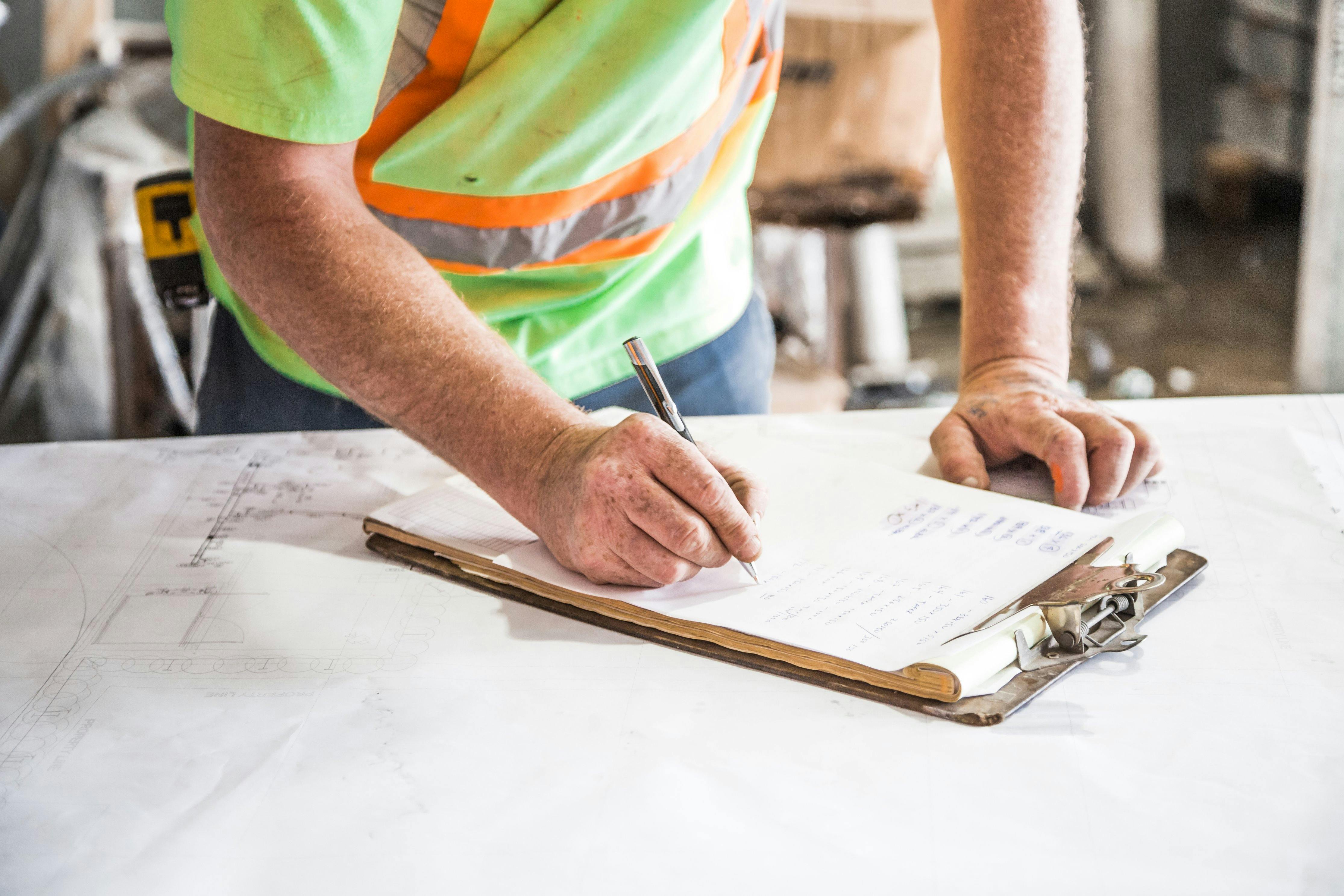
The oahu building permit process is notoriously slow and detailed; it’s not a rubber stamp. Examiners in each department—planning, building, structural, electrical, wastewater—will scrutinize every detail. On a recent Manoa project, an application was kicked back for a minor miscalculation of the home’s floor-area-ratio (FAR). That simple math error cost the homeowner an extra three months of waiting. This is why our preconstruction planning service is so intensive. We work with you and your architect to double- and triple-check every aspect of the plans before they get anywhere near the DPP, a fundamental step in hawaii homeowner project management.
Action 2: Perfect Your Plans Before They Hit the DPP
The adage “measure twice, cut once” is never more true than with DPP submissions. Your goal is to achieve a “one-and-done” submission. This means the plans are so thorough. They sail through each review department with no comments or corrections. The DPP’s own 2026 homeowner guide suggests a minimum 6-8 month review period. This is for a standard renovation permit. And that’s specifically for a clean application.[4] Any error, no matter how small, can trigger a rejection notice that sends your application back into the queue, effectively resetting the clock.
Here’s what perfecting your plans really means for your role in hawaii homeowner project management:
- Finalize Your Layout Early: Do not submit plans with the idea that you’ll “figure out the kitchen layout later.” Moving a wall by six inches after submission is not a minor tweak; it can be a major revision that requires a whole new review cycle. Lock in your floor plan, window and door locations, and the general placement of plumbing and electrical systems with your architect.
- Don’t Skimp on Engineering: Especially with Hawaii’s volcanic soil, high-wind zones, and seismic activity, structural engineering is paramount. Ensure your engineer has thoroughly addressed soil reports, shear wall requirements, and the latest hurricane-tie specifications. A plan that looks good but is structurally ambiguous will be flagged immediately by the DPP’s structural examiners.
- Confirm Product Specifications: If you plan to use specific hurricane-rated windows or a particular type of roofing, get the technical specification sheets from the manufacturer. Including these documents in the initial permit package is important. It demonstrates that your chosen materials meet Hawaii building codes. This also heads off potential questions from the reviewer.
The Financial Impact of a DPP Rejection
The time and money spent on refining your plans before submission is the highest-return investment you can make in the entire project. An extra month working with your architect is far cheaper. It is better than six extra months of carrying costs. These costs include property taxes, insurance, and loan interest. Your rejected plans would sit in a pile at the DPP during that time. This proactive approach is the essence of smart hawaii homeowner project management. It’s about preventing problems, not just reacting to them.
When Must You Finalize Material and Finish Decisions?
You must finalize material and finish decisions for long-lead items. Do this the moment your construction contract is signed. In many cases, it should happen even before the building permit is issued. This may feel premature, but it is absolutely essential for maintaining the project schedule in Hawaii. Waiting until the permit is in hand for selections is a mistake. This includes windows, cabinets, appliances, or custom tile. It’s a recipe for immediate and significant delays. The procurement timeline in Hawaii is the primary driver of the construction schedule. We must build the schedule around the delivery dates of your chosen materials.
For mainland projects, construction often follows a linear path: permit, foundation, framing, then material selections. Here, the process must be concurrent. We use the 6-8 months of the DPP waiting period to handle the entire procurement process. This is a crucial phase of hawaii homeowner project management that often surprises clients. While we wait for the city’s stamp of approval, our team should be working with you. We will finalize, order, and confirm shipping for everything. This includes items from your front door to your bathroom faucets. If we wait, we add the full lead time of those materials. This goes onto the backend of the project. It guarantees the project will run over schedule.
Action 3: Make Selections the Moment the Contract is Signed
Your job as the project’s chief decision-maker kicks into high gear as soon as we have a signed agreement. Our project manager will provide you with a detailed selection schedule. This outlines exactly when we need each decision. It helps to keep the procurement process on track. Sticking to this schedule is non-negotiable for an on-time finish and a core discipline of good hawaii homeowner project management.
Here’s a breakdown of what this looks like in practice:
A Sample Procurement Timeline
- Immediately Post-Contract (during permitting): This is when we need final decisions on the items with the longest lead times. These are the project-stoppers if they’re not ordered correctly.
- Windows & Exterior Doors: Custom hurricane-rated windows and large sliding door systems can have a 12-16 week lead time *before* shipping.
- Custom Cabinetry: Whether for a kitchen or bathroom, custom cabinets are built to order and can take 8-12 weeks.
- Appliances: High-end or specific models can have unpredictable availability. Ordering them early ensures they arrive when needed.
- Roofing Material: Certain types of metal roofing or specialty tiles may need to be ordered well in advance.
- Mid-Permitting Phase: As we get closer to the permit issuance, we move on to finishes that require less lead time but are still critical for scheduling the right subcontractors.
- Plumbing Fixtures: Faucets, shower systems, toilets, and sinks.
- Flooring: This includes tile, engineered wood, or luxury vinyl plank. Custom or imported tile can easily become a long-lead item.
- Exterior Finishes: Siding, stucco color, and stone veneers.
- Just Before Groundbreaking: These are the final touches. While they have shorter lead times, making these decisions early prevents decision fatigue later in the project.
- Light Fixtures & Electrical Devices
- Paint Colors
- Hardware (door knobs, cabinet pulls)
On a recent home renovation in Kapolei, the client’s quick decision on a specific Sub-Zero refrigerator allowed us to frame the kitchen walls to the exact appliance specifications months before it arrived. Another client on the same street waited. Their chosen model was then backordered. We had to perform costly and time-consuming framing changes after the fact. Proactive decision-making is the most powerful tool in your hawaii homeowner project management toolkit.
What is the True Cost of a Change Order in Hawaii?
The true cost of a change order in Hawaii is significant. It is far more than the price of the materials and labor for the change itself. The real cost is measured in schedule delays, subcontractor rescheduling fees, and potential re-permitting, which can have a compounding effect on your budget. A $1,000 change in materials can easily trigger $5,000 in delay-related costs. This is why we say a change order is really a ‘schedule order’. You are ordering a change to the project’s timeline. This comes with all the associated costs.

This is one of the hardest concepts for homeowners to grasp, but it’s central to effective hawaii homeowner project management. Let’s say we’re building your home, and the drywall is scheduled to go up next Monday. On Friday, you decide you want to add two recessed lights in the living room ceiling. On the mainland, this might be a minor issue. But here in Hawaii, the electrician we have scheduled is booked solid for the next five weeks. We can’t hang the drywall until he runs the new wires. So now the drywall crew, the tapers, and the painters are all pushed back. We miss our slot with them, and they move on to other jobs. The ripple effect of adding two simple lights can create a month-long delay and thousands in extended supervision and financing costs. Understanding these downstream consequences is vital for any homeowner involved in a build here.
Action 4: Understand That a Change Order is a ‘Schedule Order’
To effectively manage your project, you must treat the initial plans as final and view any deviation as a significant event. While some changes are unavoidable—like discovering unforeseen conditions during demolition—elective changes based on new ideas should be minimized at all costs. This is where the exhaustive work you did in the preconstruction phase pays off. A well-executed hawaii homeowner project management plan anticipates and minimizes these late-stage changes.
When a change becomes necessary, you need to understand the full scope of its impact. Here’s how we break down the cost of construction change orders hawaii for our clients:
The True Cost Breakdown of a Change
- Direct Costs: This is the straightforward part: the cost of the additional labor and materials required for the new work.
- Indirect (Ripple Effect) Costs: This is where the real budget damage happens. These costs can include:
- Rescheduling Fees: Some subcontractors charge a fee if we have to cancel and rebook them due to a client-driven change.
- Lost Efficiency: Stopping work to address a change means our crew is non-productive. We still have to cover labor and supervision costs during this downtime.
- Material Restocking/Return Fees: If we have to return materials that were already ordered, suppliers often charge a restocking fee.
- Re-permitting Costs: If the change is significant enough to alter the original permitted plans (e.g., moving a wall, adding a window), we may have to submit a revision to the DPP. This can halt all work on site and add months to the timeline.
- Extended General Conditions: For every week or month the project is delayed, you continue to pay for things like job site security, temporary utilities, project management and supervision, and equipment rentals.
- Extended Carrying Costs: This is your money. For every month of delay, you are making another interest payment on your construction loan without being able to move into your home.
The best strategy for hawaii homeowner project management is to invest your time and energy upfront, exploring every possibility with your architect and our team. Use 3D renderings, walk through similar homes, and create physical mockups if needed. Do everything you can to be 100% certain of your decisions before we break ground. This discipline will have a bigger positive impact on your budget and schedule than almost any other action you can take.
How Can You Help Keep Your Project on Schedule?
The single most effective way you can help keep your project on schedule is by being decisive and responsive in your communications. When your project manager sends you an email or a request through our project management software, a prompt reply is essential. As we’ve discussed, the entire project is a series of dependencies. Our ability to execute the next step often depends on your approval. It also depends on your decision on the current one. Beyond responsiveness, you can help by internalizing a realistic mindset about the hawaii construction timeline and understanding that a buffer isn’t a sign of inefficiency, but a mark of experienced, local planning. Good hawaii homeowner project management is 90% proactive communication.
Homeowners in Kapolei and Ewa Beach often ask us a question. They want to know why a project here takes longer. This is compared to a similar one their friend just completed in Arizona. The answer lies in managing expectations. Building in the middle of the Pacific requires a different approach. We can’t just drive to the next town over for a missing part. Your understanding and acceptance of this reality, and your commitment to clear communication, are your greatest contributions to keeping the job moving.
Action 5: Embrace the ‘30% Hawaii Buffer’ Mentality
At Warrior Construction, we are firm believers in what the Hawaii Contractors Association calls the ‘30% Hawaii Buffer’.[3] This is a scheduling contingency we build into our projects from the very beginning. If a project on the mainland would realistically take 10 months, we schedule it for 13 months here. This is a critical component of our hawaii homeowner project management strategy, and it’s vital that you understand and embrace it.
This buffer is not for us; it’s for the project. It’s designed to absorb the inevitable and uniquely Hawaiian delays that are out of everyone’s control, such as:
- Shipping Anomalies: A container gets held up in customs, a barge is delayed due to rough seas, or an item is damaged in transit and needs to be re-ordered.
- Weather Events: A week of torrential rain makes excavation impossible, or high winds from a passing storm prevent us from safely doing roof work.
- Inspection Delays: A city inspector gets sick or is overwhelmed with projects in your area, pushing your scheduled inspection back by a few days.
- Unforeseen Site Conditions: We discover a lava tube during excavation on a Big Island project, or find termite damage in a wall during a Honolulu renovation that needs to be addressed before we can proceed.
By building this buffer into the initial schedule, we create a realistic timeline that is much more likely to be met. It prevents the constant stress and disappointment that comes from a schedule that was unrealistic from day one. Your role is to accept this timeline and trust the process. Do not view the buffer as slack. It’s not to be filled with changes or delayed decisions. When you see your project tracking along with this buffered schedule, you know things are going according to a well-thought-out, realistic plan—the result of excellent hawaii homeowner project management.
How Should You Communicate with Your Contractor for a Smooth Project?
For a smooth project, you should establish a single point of contact with your contractor. You also need to commit to using their designated project management software for all decisions and updates. Always schedule regular, structured check-ins with our team. Ambiguous communication is a project killer. Having clear, documented channels prevents misunderstandings that lead to errors, delays, and friction. This structured communication is a pillar of successful hawaii homeowner project management.
At Warrior Construction, we’ve refined our communication process over hundreds of projects. Here’s what we’ve found works best:
- Centralize Everything in Software: We use Procore, a professional project management platform. We provide you with a client portal where every selection, change order, photo, and question is documented. As Pacific Business News has noted, local firms using this tech see significantly shorter project durations. This system eliminates the “he said, she said” confusion that can arise from scattered texts and emails. Your role is to embrace this system and use it for all project-related communication.
- Designate a Single Point of Contact: On our team, you will have one dedicated Project Manager who is your primary contact. Funneling all questions and decisions through them ensures nothing gets lost. On your end, it’s best if one person in your family is designated as the final decision-maker. This will help us avoid conflicting instructions.
- Schedule Weekly Check-ins: We schedule a standing 30-minute call each week to review progress, look ahead at upcoming decisions, and address any questions. This regular rhythm ensures you’re always informed and we’re always aligned. This is a key part of our hawaii homeowner project management service.
- Plan Site Visits: We love showing you the progress on your home, but for safety and efficiency, all site visits must be scheduled in advance with your Project Manager. Active job sites have hazards, and unannounced visits can disrupt subcontractor workflow. A planned walkthrough is far more productive and safe for everyone.
Mastering these communication protocols is just as important as making timely material selections. It builds trust and ensures the entire team—you, the architect, and our crew—is working from the same set of plans and expectations. Good hawaii homeowner project management is about clarity and documentation.
What Are the Real Costs and Timelines for a Hawaii Build?
Effective hawaii homeowner project management is built on a foundation of data, not guesswork. Understanding the real numbers behind building in the islands is essential for creating a realistic budget and timeline. Vague mainland estimates simply don’t apply here. The following are the baseline figures our team at Warrior Construction uses for initial planning in 2026.
Baseline Construction Costs
The cost of construction itself is the biggest line item. According to the state’s 2026 Residential Construction Cost Guide, you should plan for a baseline construction cost of $450-$525 per square foot on Oahu for a standard-finish custom home. It is critical to understand this is a starting point for your hawaii construction costs.
This “standard-finish” cost typically includes:
- Foundation, framing, and roofing
- Basic electrical and plumbing
- Drywall, interior/exterior paint
- Builder-grade windows, doors, and cabinets
- Mid-range appliances and fixtures
- Modest flooring (LVP or carpet)
Factors that significantly increase this baseline include:
- Site Work: Working on a sloped lot in Manoa or dealing with volcanic rock can add $50,000-$100,000+ in site prep costs compared to a flat lot in Ewa Beach.
- High-Wind Zone Requirements: Building on the North Shore or the windward side requires additional structural hardware, impact-rated windows, and specific roofing systems, which can add 10-15% to the structural costs.
- High-End Finishes: Luxury appliances (think Wolf or Sub-Zero), custom cabinetry, and imported stone can easily push the cost per square foot over $700.
- Neighbor Islands: Expect to add a 15-25% ‘Neighbor Island Tax’ for projects on Maui, Kauai, or the Big Island to cover inter-island shipping, logistics, and flying in specialized crews.
Timeline Realities
Time is money in construction, especially when you have a construction loan. Your hawaii construction timeline must account for lengthy administrative periods before we ever break ground. This is a crucial element of hawaii homeowner project management.
| Project Phase | Typical Duration (Oahu, 2026) | Key Homeowner Action |
|---|---|---|
| Design & Engineering | 4-6 Months | Finalize layout, make all major design decisions. |
| DPP Permit Review | 6-10 Months | Wait patiently; work with GC on material procurement. |
| Material Procurement | 4-6 Months (Concurrent with Permitting) | Make all finish selections per the provided schedule. |
| Active Construction | 10-14 Months | Respond quickly to any questions, avoid change orders. |
| Total Project Duration | 20-30 Months (from design start) |
Investment & Return
While the costs are high, strategic renovations offer strong returns. The Honolulu Board of REALTORS®’ latest data shows this. A well-executed kitchen or bath remodel can recoup over 85% of its cost at resale. This is especially true in a desirable neighborhood like Kailua. This makes your investment in quality and thoughtful design not just a lifestyle improvement but a sound financial decision. Proper hawaii homeowner project management ensures you protect this investment by avoiding costly overruns that erode your potential ROI.
What this means for Hawaii homeowners
For you, the Hawaii homeowner, this all boils down to a fundamental shift in mindset. You are not a spectator in your construction project; you are a key player whose performance directly impacts the outcome. Your active participation is not a ‘nice-to-have’—it is a non-negotiable requirement for success in this challenging environment. Approaching your project with this understanding will transform your experience from one of frustration to one of empowered partnership. This mindset is the key to hawaii homeowner project management.
Here are the core takeaways for your hawaii homeowner project management strategy:
- Front-Load Your Effort. Your most intense period of work is not during construction, but during the design and preconstruction phases. Dedicate the time and energy here to make every single decision, from the floor plan down to the grout color. This diligence upfront will pay for itself tenfold in saved time and money later.
- Budget for Time. Your budget must include a significant line item for ‘carrying costs’ during the 12+ month period before construction even begins. This includes property taxes, insurance, and interest on your land or construction loan. Forgetting to budget for this ‘waiting period’ is one of the most common and painful financial mistakes we see. This is a huge part of hawaii homeowner project management.
- Communication is Your Best Tool. Establish a clear communication rhythm with your project manager. Respond to emails and calls promptly. If you don’t understand something, ask immediately. A question that goes unasked can lead to an assumption, and assumptions on a construction site are dangerous and expensive.
- Trust the Professionals You Hired. You hired an architect, an engineer, and a general contractor for their expertise. Trust in their process and their advice, especially when it comes to the realities of the ‘Hawaii Factor’. We have been navigating these challenges for decades. Our systems and schedules are designed specifically to mitigate these risks. Lean on our experience; that’s what we’re here for.
Ultimately, embracing your role in hawaii homeowner project management means taking ownership of your decisions and understanding their far-reaching consequences. It’s about being a proactive, prepared, and decisive partner to the team you’ve entrusted to build your home.
Frequently Asked Questions
What’s the biggest mistake homeowners make with hawaii homeowner project management?
Indecision on long-lead items is the single biggest and most costly mistake. Waiting to finalize choices for windows, cabinets, or specialty tile is a problem. Doing so until after the project starts is the number one cause of preventable delays. It also causes budget overruns in Hawaii. A successful hawaii homeowner project management approach requires making these critical decisions during the permitting phase, so items can be ordered and in transit while we wait for the DPP.
How much should I really budget for contingency in Hawaii in 2026?
While 10% used to be the standard, we now advise all clients to carry a 15% contingency fund. In fact, many local lenders now mandate a 15% contingency for neighbor island projects due to increased shipping and logistical risks. This fund is for true unforeseen conditions. An example is discovering hidden termite damage or unexpected rock formations during excavation. It is not for elective changes or upgrades.
Can I manage my own renovation in Hawaii to save money?
It’s extremely risky and generally not recommended unless you are a licensed contractor. Beyond the complexities of the oahu building permit process and code compliance, you lack the established relationships with quality, licensed subcontractors and the purchasing power we have with suppliers. The small amount you might save on a GC fee is often lost. This happens many times over through scheduling delays and rework. You also end up paying higher prices for materials and labor. Effective hawaii homeowner project management requires deep local connections.
How do rising Hawaii construction costs affect my fixed-price contract?
A true fixed-price contract should protect you from general market fluctuations. At Warrior Construction, we mitigate this risk. We order and secure pricing for all major materials as soon as you make your selections. This happens long before they are needed on site. This locks in the price and protects your budget. Be wary of contracts with vague material allowances or price escalation clauses that pass all the risk onto you.
What part of the Oahu building permit process takes the longest?
Based on the DPP’s own data, the architectural and structural reviews are consistently the longest stages.[4] These departments are responsible for ensuring the design meets all zoning codes, building codes, and life-safety requirements. This is why submitting a perfectly detailed and engineered set of plans is crucial. It is the most important step you can take. This will shorten the overall wait time.
Why does a simple change order add so much time to my Hawaii construction timeline?
A simple change creates a complex ripple effect. It’s not the time it takes to perform the change, but the time lost in re-mobilizing the entire sequence of trades. Adding an outlet can force us to reschedule our electrician, which in turn delays the drywaller, taper, and painter. Each of these tradespeople may not have another opening for weeks due to our skilled labor shortage here in Hawaii. This is the reality of construction change orders hawaii.
Do I need my own project management software to track the build?
No, you don’t. A professional general contractor will use a comprehensive platform, like Procore, which we use at Warrior Construction. We provide our clients with access to a portal. There, they can see daily logs and view progress photos. They can also approve selections and track the schedule. This keeps you fully informed without needing to learn or pay for a separate software system. Your role in hawaii homeowner project management is providing the decisions, not managing the software.
Is homeowner project management different for a condo renovation versus a single-family home?
Yes, significantly. For a condo, your hawaii homeowner project management duties expand to include the AOAO (Association of Apartment Owners). You must get their approval for your plans. These plans can have strict rules on noise and working hours. They also cover material deliveries and even what types of flooring are allowed. This adds another layer of approvals and coordination that must be managed alongside the DPP process. We handle this coordination, but it requires your active participation in providing documentation to the AOAO board.
Your Partner in Proactive Project Planning
Understanding your role is the first step, but you don’t have to navigate it alone. The right general contractor acts as your guide. We will lead you through this entire process. Our team anticipates your questions and provides clear deadlines for decisions. We manage the immense logistical puzzle of a Hawaii build. A successful project is a testament to a strong partnership between an informed homeowner and an experienced construction team.
Our preconstruction process is specifically designed to front-load these critical decisions, giving you a clear and predictable roadmap before we ever break ground. If you’re ready to take a proactive approach to your next home renovation or custom build, let’s talk about how our process makes your role in hawaii homeowner project management clear and effective.
Start a conversation with our team about our Preconstruction Planning services today.


