
For a Honolulu restaurateur, the most critical decision you’ll make before you even think about a menu happens when you review a lease. The choice between a cold shell vs warm shell Honolulu lease will define your budget, timeline, and overall stress level for the next two years. A warm shell gives you a head start with basic utilities, while a cold shell is a bare concrete box requiring everything from scratch. The right choice can save you over a year in permitting and hundreds of thousands of dollars, while the wrong one can sink your dream before the doors ever open. Here at Warrior Construction, we’ve seen both scenarios play out across Oahu, and the financial and logistical differences are staggering.
This guide breaks down the five most critical factors in the cold shell vs warm shell Honolulu debate for 2026. We’ll cover the true build-out costs that landlords don’t mention, the painful reality of Honolulu DPP permit times, the growing gap in Tenant Improvement (TI) allowances, the impact of Hawaii’s unique construction challenges, and how to make the smartest decision for your specific restaurant concept. The bottom line is this: a cold shell offers total creative freedom at a premium price and timeline, while a warm shell offers speed and budget control with some design constraints. Understanding the real numbers behind that trade-off is the key to success.
What’s the Real Difference Between a Cold Shell and a Warm Shell Lease?
Before we get into the heavy numbers, let’s get the definitions straight. Landlords and brokers throw these terms around, but what you actually get delivered can vary wildly. We always recommend getting the delivery condition defined in excruciating detail in your lease agreement. Never assume.
Cold Shell: A Blank (and Expensive) Canvas
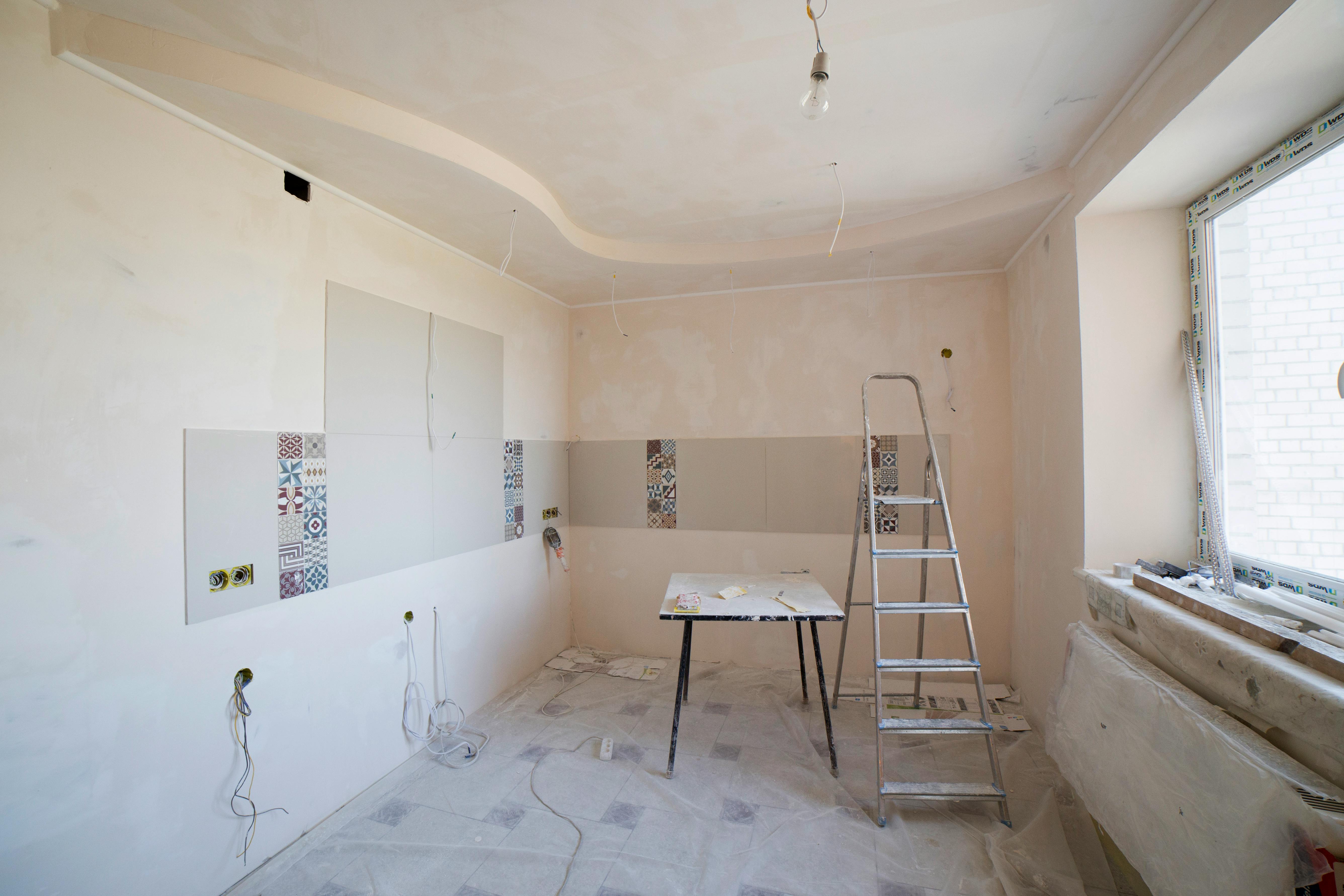
A cold shell, sometimes called a “gray shell,” is the absolute bare minimum. Think of an empty concrete box. When we take over a cold shell space for a client, here’s what we typically see:
- Unfinished concrete floors
- Unfinished exterior walls (often just studs or CMU block)
- No interior walls or partitions
- No ceiling or lighting
- No plumbing stub-outs for sinks or restrooms
- No HVAC system (just a space for a future unit)
- Basic electrical service to a panel, but no distribution throughout the space
- No fire protection or alarm systems
Essentially, the landlord has provided a weatherproof space, and that’s it. Every single thing needed to operate a restaurant—from the grease trap and vent hoods to the toilets and light switches—is your responsibility to design, permit, purchase, and install. This offers complete design freedom, which is appealing for high-end concepts with very specific kitchen flows or branding requirements. However, this freedom comes at a massive cost in both time and money. The sheer scope of work means a much more complex and lengthy permitting process with the Honolulu Department of Planning and Permitting (DPP), a topic we’ll dive into deeply.
Warm Shell: The Smarter Head Start
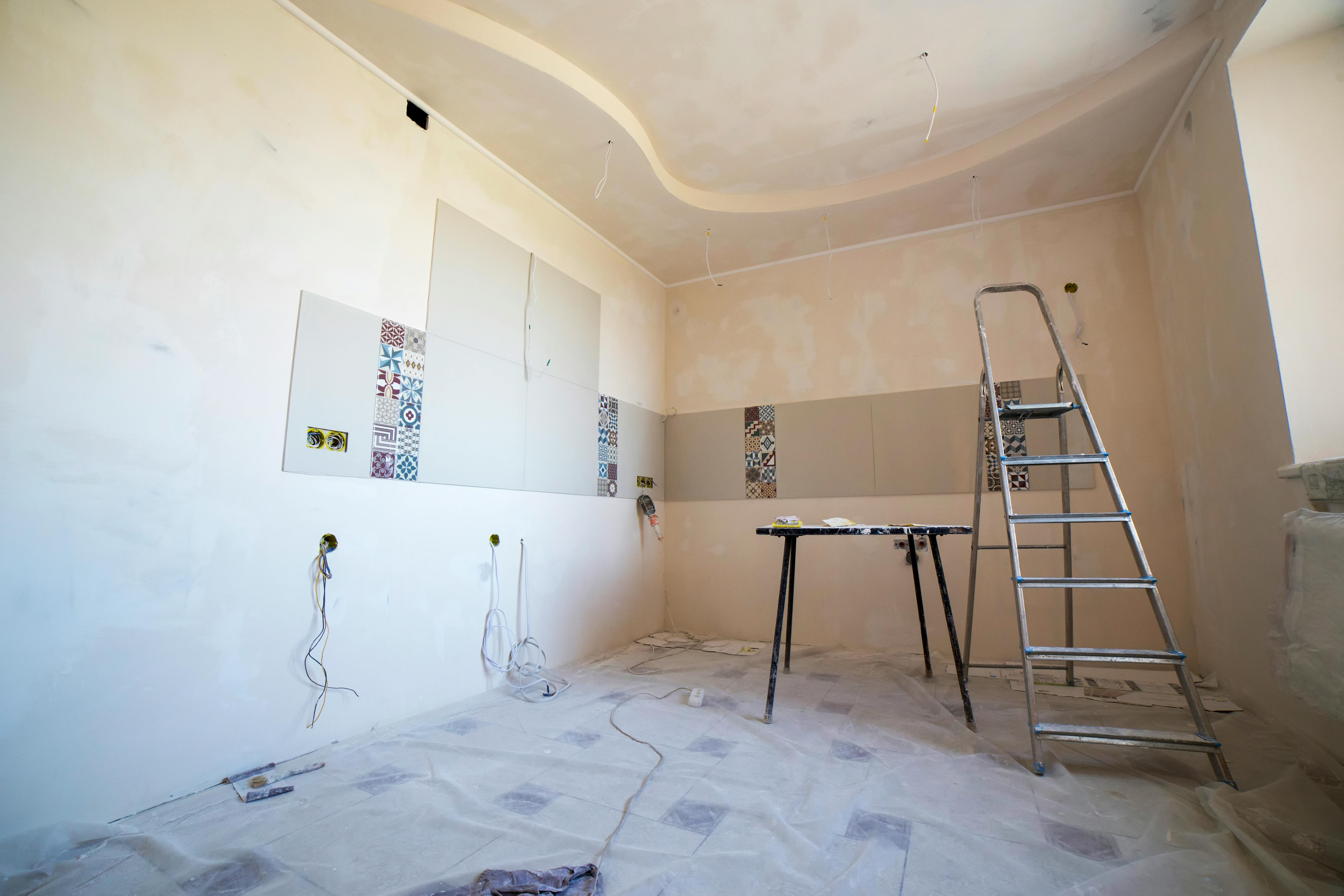
A warm shell, or “vanilla shell,” is a space that’s much closer to being business-ready. The landlord has made significant improvements to bring the space up to a basic, habitable standard. The exact condition varies, but a standard warm shell delivery in a Honolulu commercial space usually includes:
- A finished ceiling (often a drop ceiling with a standard grid)
- Basic lighting installed (e.g., fluorescent fixtures)
- A functioning HVAC unit with ductwork distributed throughout the space
- Finished exterior walls (drywalled, taped, and primed)
- Basic electrical outlets and switches installed
- At least one ADA-compliant restroom built out
- Plumbing and sewer connections stubbed out to key locations
- A fire sprinkler and alarm system already in place
For a restaurateur, this is a huge advantage. The most expensive and time-consuming parts of the build-out—the core MEP (mechanical, electrical, plumbing) systems and life safety features—are already done. Your Tenant Improvement (TI) project then focuses on the specifics of your restaurant: building the commercial kitchen, installing your service counter, putting up interior partition walls, and applying your final finishes (flooring, paint, decor). Consequently, both the budget and the permit timeline are significantly more manageable. The trade-off is that you have to work within the existing framework. For example, moving the location of the provided restroom is often prohibitively expensive, so your layout needs to accommodate its current placement. Making the right choice in the cold shell vs warm shell Honolulu market starts with understanding these foundational differences.
How Much Does a Full Restaurant Build-Out Cost in Honolulu?
This is the million-dollar question, and sometimes, that’s not an exaggeration. The restaurant build out cost Hawaii restaurateurs face is among the highest in the nation due to island logistics, labor shortages, and high material costs. The difference between starting with a cold or warm shell is the single biggest factor affecting your final budget. Based on our 2026 project data, a cold shell restaurant build-out in a prime Honolulu location like Kaka’ako or Ala Moana now costs between $350 and $475 per square foot. For a modest 2,000 square foot space, you’re looking at a budget of $700,000 to $950,000 before you even buy your first plate or chair.
A warm shell, on the other hand, dramatically lowers that number. Because the expensive core systems are already in place, the build-out cost for a warm shell typically falls in the $225 to $350 per square foot range. That same 2,000 square foot space might cost $450,000 to $700,000. That’s a potential savings of over a quarter-million dollars, money that can be used for marketing, staffing, and operating capital—all critical for a new restaurant’s survival.
The Tenant Improvement (TI) Allowance Gap: Why $150/sf Isn’t Enough
Landlords often lure tenants with a Tenant Improvement (TI) allowance, which is a contribution toward your construction costs. In today’s market, this is a key negotiation point. A recent report from Pacific Business News highlighted that landlords in prime areas like Kaka’ako are offering TI allowances up to $150 per square foot for a cold shell to attract premier restaurant concepts.[1]
Here’s the trap: a $150/sf allowance sounds fantastic, but it masks a massive funding gap. As we just saw, the actual build-out cost for that same cold shell is $350-$475/sf. This means the tenant is responsible for the remaining $200 to $325 per square foot out of their own pocket. For our 2,000 sq. ft. example, a $300,000 TI allowance still leaves the restaurateur with a $400,000 to $650,000 construction bill. This gap is the number one reason restaurant projects go over budget or fail before they even start. Many first-time entrepreneurs see the big TI number and underestimate their own cash contribution. When comparing cold shell vs warm shell Honolulu leases, you have to look past the TI offer and calculate your real out-of-pocket exposure.
Why Are Oahu’s MEP Costs Driving Up Cold Shell Budgets?
The core reason for the huge cost difference in the cold shell vs warm shell Honolulu discussion lies in the MEP systems—mechanical, electrical, and plumbing. These are the guts of your restaurant, and in a cold shell, you’re building them from zero. This is where costs spiral, especially in Hawaii’s current market.
UHERO’s Spring 2026 construction forecast points to a painful reality: a 6.5% year-over-year increase in costs for specialized MEP trades on Oahu.[2] This is driven by a chronic shortage of skilled electricians, plumbers, and HVAC technicians. For a cold shell project, where MEP can account for 40-50% of the entire budget, this inflation is a killer. Consider what’s involved:
- Mechanical: You need a full commercial kitchen ventilation system with exhaust hoods, makeup air units, and extensive fire-rated ductwork. You also need to purchase and install a appropriately sized HVAC system for your dining room and kitchen, which have wildly different cooling needs.
- Electrical: A restaurant kitchen is a power hog. We have to run dedicated high-amperage circuits for ovens, walk-in coolers, dishwashers, and more. This requires a full electrical distribution system from the main panel, which a cold shell lacks.
- Plumbing: This is more than just restrooms. We have to install floor drains, multiple hand sinks, prep sinks, a 3-compartment sink, and, most importantly, a large underground grease trap or interceptor, which can involve cutting the concrete slab and extensive trenching. This item alone can be a $50,000-$80,000 line item.
A warm shell, by contrast, already has the expensive bones. The main electrical distribution, the base HVAC units, and the primary plumbing mains are already in place. Your costs are limited to extending these systems to your specific equipment, which insulates you from the worst of the MEP trade cost hikes. This is a crucial factor when analyzing any potential commercial permits Oahu will require.
How Long Does a Restaurant Permit Take at the Honolulu DPP?
If the cost of a cold shell doesn’t scare you, the timeline will. Time is money, especially when you’re paying rent on a space you can’t even begin to build out. The single greatest delay in any Oahu restaurant project is the permitting process at the Honolulu Department of Planning and Permitting (DPP). The complexity of your project, dictated largely by your choice of shell, directly impacts how long you’ll wait for that magic piece of paper.
The 9-11 Month Wait for a Cold Shell Permit
The Honolulu DPP permit times for new construction are notoriously long, and a cold shell build-out is treated as new construction. According to the DPP’s own Q1 2026 data, a full commercial building permit for a new restaurant in a cold shell space is averaging a staggering 9 to 11 months from submission to approval.[3] That’s nearly a year of paying rent on an empty space before we can swing a hammer.
Why so long? Because every single system must be reviewed from scratch by multiple city agencies:
- Department of Health (DOH): Before we can even submit to DPP, your full architectural plans and kitchen equipment specs must be reviewed and approved by the DOH. This process alone can take 3-4 months.
- Full Plan Review at DPP: Once DOH signs off, we submit to DPP. A cold shell triggers a full review by every department: structural, electrical, plumbing, mechanical, fire, and disability access. A rejection or request for clarification from any one of these departments can send your plans to the back of the line, adding months to the wait.
- Complexity: The sheer volume of drawings required for a cold shell—detailing everything from ductwork routes to grease trap plumbing—creates more opportunities for questions and delays from plan reviewers.
We recently worked with a client opening a new concept in Kapolei. They signed a lease on a cold shell in January, thinking they’d be open by the holidays. Our architectural team submitted plans to the DPP in May after getting DOH approval. We didn’t receive the approved permit until the following March—a 10-month wait. That was 14 months of rent payments with zero revenue.
The 4-6 Month Advantage of a Warm Shell Permit
Now, compare that to a warm shell. Because the core life safety and utility systems are already in place and approved, the permit is treated as a renovation or Tenant Improvement, not new construction. This is a much simpler category. The same Q1 2026 DPP report shows that these types of permits are clearing the system in a much more manageable 4 to 6 months.[3]
This 5-month difference is a massive competitive advantage. It means five fewer months of burning through your startup capital on rent. It means opening your doors a whole season earlier, capturing revenue from the summer rush instead of missing it. For many restaurants operating on thin margins, this timeline difference in the cold shell vs warm shell Honolulu decision can be the determining factor between success and failure. The complexity of commercial permits Oahu requires cannot be overstated, and a warm shell simplifies this process immensely.
Which Lease is Right for My Hawaii Restaurant?
So, after looking at the stark differences in cost and time, how do you decide? The choice between a cold shell vs warm shell Honolulu lease isn’t just about the numbers; it’s about aligning the space with your business model, brand identity, and financial reality. There isn’t a single right answer, but there’s definitely a right answer for *you*.
When to Choose a Warm Shell
For the vast majority of independent restaurateurs, especially those opening their first or second location, a warm shell is almost always the smarter, safer bet. We recommend a warm shell if:
- Budget is a Primary Concern: The potential savings of $100-$150 per square foot can be the difference between being fully funded and constantly scrambling for cash. This preserves capital for operations, marketing, and the inevitable surprises of opening a new business.
- Speed to Market is Critical: If your business plan relies on opening by a specific date to catch a seasonal tourist wave or a holiday season, the 4-6 month permit time for a warm shell is a significant advantage over the 9-11+ month wait for a cold shell.
- Your Concept is Flexible: If your restaurant layout can adapt to existing features like restroom locations and HVAC distribution, you can save a fortune. This is perfect for cafes, quick-service restaurants (QSRs), and smaller casual dining concepts.
- You are a First-Time Operator: The reduced complexity of a warm shell build-out means fewer variables and less risk. It’s a more predictable process, which is invaluable when you’re already juggling a thousand other startup tasks.
A great example is a bubble tea or poke bowl shop. These concepts have relatively simple kitchen needs and can easily adapt their service counter and seating to an existing warm shell layout, saving immense time and money.
When a Cold Shell Might Make Sense
Despite the high hurdles, there are specific situations where a cold shell is not only viable but necessary. The decision to take on a cold shell should be a deliberate strategic choice, not something you fall into because the location is great. Consider a cold shell if:
- You Have a High-End, Design-Intensive Concept: If you are opening a fine-dining establishment where the ambiance and kitchen layout are integral to the brand (think Michelin-star aspirations), you need total control. A cold shell allows your architect to design the perfect space from scratch without compromises.
- Your Kitchen is Highly Specialized: Concepts with unique or extensive equipment—like a large-scale bakery with multiple deck ovens, a brewery with fermentation tanks, or a commissary kitchen—often cannot be shoehorned into a warm shell’s existing infrastructure. A cold shell is needed to properly engineer the heavy-duty power, specialized plumbing, and complex ventilation these require.
- You are a Well-Funded, Experienced Operator: A cold shell should only be tackled by seasoned restaurant groups with deep pockets and a realistic understanding of Honolulu’s construction landscape. They have the capital to float a year of pre-opening costs and the experience to manage a complex, lengthy project.
- The Landlord Offers an Unusually High TI Allowance: In a soft market, a landlord might offer a TI allowance that truly covers the majority of the cold shell build-out cost (e.g., $300+/sf). While rare, these deals can make a cold shell financially viable if you have the patience for the timeline. It’s a key part of negotiating your tenant improvement allowance Honolulu package.
On a recent project for a national franchise expanding to Hawaii, a cold shell was the only option. Their kitchen layout was non-negotiable and required specific floor trenching for plumbing lines that a warm shell’s existing slab couldn’t accommodate. They had the funding and the 18-month timeline baked into their expansion plan, making the cold shell the correct, albeit expensive, choice.
How Can I Avoid These Build-Out Mistakes Before Signing a Lease?
The biggest mistake we see is restaurateurs signing a lease before understanding the full construction implications. The excitement of securing a great location in Waikiki or Kailua often clouds the harsh reality of the build-out process. Before you sign anything, you need to do your homework.
First, engage a qualified commercial general contractor early—even during your lease negotiation. At Warrior Construction, we offer preconstruction planning services where we can review a potential lease and the space itself. We can provide a preliminary budget and timeline estimate based on the shell condition. This gives you incredible leverage in your negotiations. If we estimate a cold shell build-out will cost $400/sf, you can go back to the landlord and argue for a higher TI allowance based on real-world data.
Second, have an architect or designer do a quick test-fit. Can your concept actually work in the space? Does your kitchen flow fit within the building’s columns and utility connection points? A test-fit can reveal fatal flaws before you’re legally committed to a 10-year lease on a space that won’t work.
Third, understand the building’s infrastructure. For a cold shell, what is the actual electrical capacity being delivered to the space? Is there access for a grease trap installation? Where will your HVAC condenser units go? For a warm shell, is the provided HVAC system powerful enough for a restaurant’s heat load, or will it need to be supplemented? Answering these questions upfront can save you from six-figure surprises down the road. The cold shell vs warm shell Honolulu decision is too important to make based on a brochure or a landlord’s promises. You need professional construction advice before you sign on the dotted line.
Frequently Asked Questions
What is the biggest hidden cost in a Honolulu cold shell restaurant build-out?
The grease trap. Installing a new, code-compliant grease interceptor for a restaurant in Honolulu often involves extensive saw-cutting of the concrete slab, excavation, plumbing, and patching. Depending on the size and location, this single item can cost between $50,000 and $80,000 and is a requirement you simply can’t avoid. It’s an expense that is completely absent in most warm shell deliveries.
Can I get a faster permit for my restaurant from the Honolulu DPP?
While you can’t pay to skip the line, the best way to speed up Honolulu DPP permit times is by submitting a perfect application. This means hiring an experienced local architect who understands DPP’s specific requirements and having your general contractor review the plans for constructability *before* submission. A clean, complete submission that anticipates reviewer questions is the key to avoiding months of back-and-forth delays. A warm shell project is inherently simpler, leading to a cleaner submission and a faster 4-6 month timeline.
Does the tenant improvement allowance cover architectural fees and furniture?
Typically, no. Most TI allowances from Honolulu landlords are strictly for “hard costs”—the physical construction managed by the contractor. Soft costs like architectural and engineering fees, permit fees, legal fees, and FF&E (Furniture, Fixtures, and Equipment) are usually excluded and must be paid for out of pocket by the tenant. Always clarify in the lease exactly what the TI funds can be used for.
How much should I budget for a restaurant build-out contingency fund in Hawaii?
For any restaurant build-out in Hawaii, we advise our clients to hold a contingency fund of at least 15-20% of the total construction cost. For a complex cold shell project, 25% is safer. This covers unforeseen conditions, such as discovering issues within the building’s existing structure once demolition begins, or the volatile cost of shipping materials to the island, which can add unexpected freight surcharges.
Is it cheaper to take over a second-generation restaurant space?
Sometimes, but it comes with its own risks. A second-generation space (a former restaurant) is the ultimate warm shell, with a full kitchen infrastructure. However, you’re inheriting systems that might be old, inefficient, or not compliant with current codes. We often find that bringing an old kitchen’s electrical and ventilation systems up to 2026 standards can cost almost as much as starting fresh, so a thorough due diligence inspection is critical.
Choosing between a cold shell and a warm shell lease is the first, and most consequential, step in your journey to opening a restaurant in Honolulu. It sets the foundation for your budget, your timeline, and your ability to execute your vision. While the creative freedom of a cold shell is tempting, the financial and logistical realities of building in Hawaii make a warm shell the more prudent, predictable, and profitable choice for most operators.
Before you get swept up in the excitement of a new location, let our team at Warrior Construction provide the realistic data you need to make an informed decision. A pre-lease consultation and feasibility study can be the best investment you make, protecting your capital and setting your project on the path to success from day one.
Ready to turn your restaurant concept into a reality? If you’re evaluating a commercial lease and need a clear, no-nonsense budget and timeline for your tenant improvements, contact our team. We specialize in Honolulu restaurant construction and can help you navigate the complexities before you sign.


