
“
Using the VA’s Specially Adapted Housing (SAH) grant in Hawaii is a multi-stage process that typically takes over a year from application to project completion. This journey involves a rigorous 6 to 9-month VA approval phase. This is followed by a 4 to 6-month Honolulu permit review. No construction can begin before this is complete. A project like this often utilizes the full $117,000+ grant amount. For Hawaii’s service-disabled veterans, the VA SAH grant Hawaii program is more than just a benefit; it’s a critical lifeline, providing the funds necessary for a veteran home renovation that allows for independence and safety in their own homes.
However, turning that grant money into a finished, functional, and code-compliant accessible home on Oahu is a complex undertaking. It requires a deep understanding of the VA’s meticulous process. You need patience to navigate Honolulu’s permitting realities. Finally, a strategic plan is needed. This manages Hawaii’s unique and high construction costs. Our team at Warrior Construction has managed these specialized projects for years. We are a Honolulu ADA contractor. We know success hinges on getting these three things right. This must happen from the very beginning.
Many veterans and their families are understandably surprised. They learn the VA’s administrative process alone can take the better part of a year. This happens before a single hammer swings. This isn’t a simple home improvement loan. It’s a federal grant with strict guidelines. There is detailed paperwork and multiple review stages. All of this must be followed to the letter. Consequently, this guide is our playbook, sharing what we’ve learned on job sites from Kapolei to Kailua. We’ll break down the lengthy VA approval timeline. We will also show you what a $117,000+ Oahu accessibility remodel really costs here. Our team will explain how we structure these projects. This meets the dual requirements of the VA and the Honolulu Department of Planning and Permitting (DPP). This is the step-by-step guide I’d share over coffee if you were just starting out with the VA SAH grant Hawaii.
What is the VA Specially Adapted Housing (SAH) Grant for Hawaii Veterans?
At its core, the VA Specially Adapted Housing (SAH) grant is a benefit from the U.S. Department of Veterans Affairs specifically designed to help veterans with certain severe, service-connected disabilities live more independently at home. This isn’t about a cosmetic upgrade or a simple remodel. It’s about fundamentally re-engineering a home’s layout to accommodate a wheelchair, provide barrier-free access to essential living areas, and ensure a safe environment. The VA SAH grant Hawaii helps qualifying veterans build a new adapted home, remodel an existing home, or apply the funds against the unpaid principal of a mortgage for an already adapted house. For most of our clients on Oahu, the grant is used for a major veteran home renovation.
The operative phrase here is “service-connected disability.” The VA maintains a very specific list of qualifying conditions. Eligibility isn’t subjective; it’s based on your official VA disability rating. These typically include:
- The loss or loss of use of both lower extremities (such as through amputation or paralysis).
- Blindness in both eyes with only light perception, plus the loss or loss of use of one leg.
- The loss or loss of use of one lower extremity together with residuals of organic disease or injury affecting balance and mobility.
- Certain severe burns or respiratory injuries.
Because these requirements are so precise, the absolute first step is to work directly with the VA to confirm your eligibility. Misunderstanding this critical point is the first place where the process can stall for months. Our team always advises families to get that official eligibility determination in writing from the VA before we even begin discussing project scope.
Understanding the Grant’s Purpose and Funding
The entire purpose of the grant is to create what the VA calls a “barrier-free living environment.” As a result, the funds are strictly earmarked for specific types of modifications that directly support this goal. You can’t use the grant for a swimming pool or a new roof unless it’s a medically required part of the adaptation. The focus is on functionality. We install true roll-in showers and 36-inch wide doorways. Wheelchair ramps are included. We also lower kitchen counters and install accessible light switches. Other universal design features are also part of our work. Every proposed modification must directly serve the end goal of enabling a veteran to navigate their home independently and safely.
For 2026, the maximum grant amount is $117,856.[1] This is a significant sum, but it’s crucial to understand how quickly it can be allocated in Hawaii’s high-cost construction market. Unlike on the mainland, our material costs are inflated by 20-30%. This is due to ocean shipping. Our skilled labor pool is also smaller and more expensive. That $117,000 must be managed with extreme care to cover the full scope of a necessary whole-home remodel. Furthermore, the grant can be used up to six times over a veteran’s lifetime, but the total funding cannot exceed the current maximum. This flexibility is helpful for veterans whose needs may change over time, but it underscores the importance of a strategic approach to using the VA SAH grant Hawaii to maximize its impact from the very first project.
How Long Does the VA SAH Grant Approval Process Take on Oahu?
The single most important fact to understand about the VA SAH grant Hawaii is that the approval process on Oahu is a marathon, not a sprint. Our team cannot order a single piece of lumber or apply for a building permit yet. You must first plan for a 6 to 9-month journey. This goes through the VA’s administrative pipeline. This timeline is a non-negotiable reality of working with a federal program, and it directly impacts your overall project schedule. You cannot start any construction work. You must first have final, official approval from the VA. Doing so without it would mean paying for it out-of-pocket. There would be no reimbursement. We have learned to build this mandatory waiting period into every project plan for a VA SAH grant Hawaii renovation.
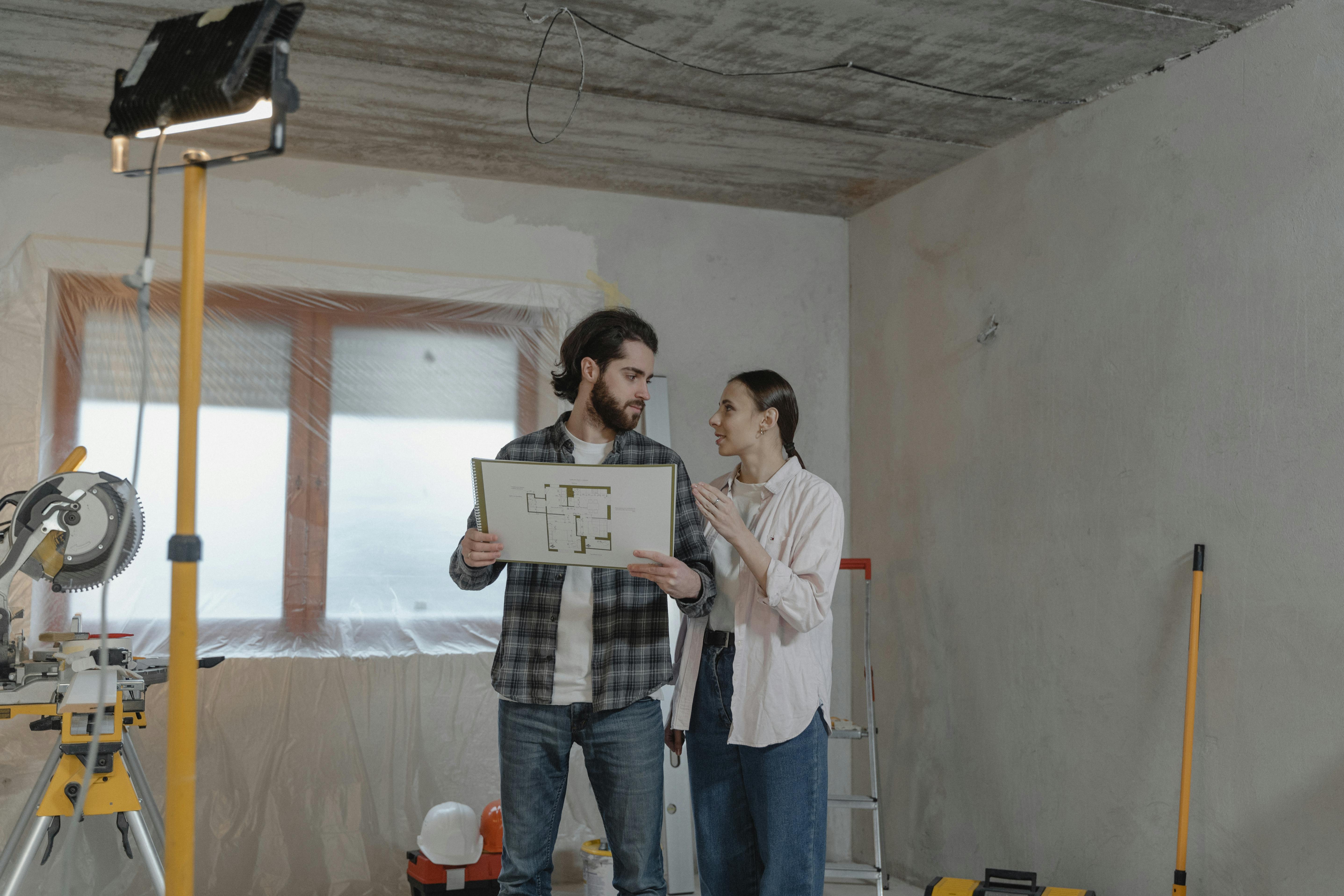
Mapping the 9-Month Journey: From Application to Approval
The VA housing grant process is thorough and has multiple checkpoints. It’s not a single form you fill out and forget. Here’s what that 9-month timeline typically looks like for our veteran clients on Oahu:
- Month 1: Application & Initial Eligibility Confirmation. The process kicks off when the veteran submits VA Form 26-4555. This is the “Veteran’s Application in Acquiring Specially Adapted Housing.” The VA then reviews their disability rating and service record. This determines if they meet the strict eligibility criteria. Getting this initial green light usually takes about 30-45 days.
- Month 2-3: SAH Agent Assignment. Once eligibility is confirmed, the VA assigns a Specially Adapted Housing (SAH) agent to the case. This agent is a VA employee who becomes your primary point of contact. They are responsible for guiding you through the process, reviewing all documents, answering questions, and ultimately approving the project scope and funding. Getting an agent assigned can sometimes take a few weeks, depending on the caseload here in the VA’s Pacific Islands Health Care System.
- Month 4-5: Scope Development & Contractor Bids. This is where our team gets heavily involved. We meet with you and often the SAH agent (sometimes via video call) at your home. We’ll conduct a thorough walkthrough of the property, discuss your specific daily challenges and needs, and develop a detailed scope of work. This isn’t a simple one-page estimate. It’s a multi-page, line-item proposal. This specifies every single modification. This ranges from the exact model of grab bars. It includes the precise slope of the new concrete ramp. The VA requires at least two, and sometimes three, detailed bids from licensed contractors to ensure fair market pricing.
- Month 6-7: VA Review, Revisions, and Justification. The SAH agent meticulously reviews our proposed scope and bids, scrutinizing every detail to ensure it meets their “medically necessary” guidelines. It is very common for the agent to come back with questions or request revisions. For example, on a Kailua project, the agent approved a roll-in shower but questioned our use of a premium waterproofing membrane. We had to provide a written justification. We explained that the home’s proximity to the ocean and high salt content in the air were factors. A superior membrane was necessary there. This prevented future water intrusion and mold. The VA ultimately accepted this justification. This back-and-forth can take several weeks of coordination.
- Month 8-9: Final Approval & Grant Fund Obligation. After all revisions are made and the scope is finalized and justified, the SAH agent gives the final approval. The VA then officially obligates the grant funds to the project. Only at this point are we authorized to take the next critical step: submitting plans to the Honolulu Department of Planning and Permitting.
Why You Need a Contractor Who Knows the VA Paperwork
Navigating this nine-month process without an experienced guide is incredibly challenging. The VA has its own language, its own forms, and its own unwritten expectations. A contractor who has never worked with the SAH grant before can inadvertently cause major delays. This happens by submitting a bid that isn’t detailed enough. They might propose modifications the VA won’t cover. Or they might not understand the level of documentation required. We’ve seen projects get stuck in the review phase for an extra three months simply because the initial paperwork was formatted incorrectly.
Our role at Warrior Construction is to act as the translator between your needs, the VA’s requirements, and the realities of Honolulu construction. We know how to format the scope of work. It is exactly how the SAH agents need to see it. Our team anticipates their questions. We then provide the answers upfront. We also handle all the communication with the VA office. This experience is what keeps the process moving forward and prevents unnecessary delays in getting your home adapted. The right Honolulu ADA contractor is a partner in the process, not just a builder. A successful VA SAH grant Hawaii project absolutely depends on this expertise.
What Does a $117,000+ Accessibility Remodel Look Like in Honolulu?
A grant amount of over $117,000 for a VA SAH grant Hawaii project sounds like a massive amount of money, and it certainly is. Construction costs are some of the highest in the nation on Oahu. That budget must be managed with surgical precision. This is needed to achieve a truly comprehensive home modification. A whole-home Oahu accessibility remodel is not just one or two small projects. It’s an extensive undertaking. This often touches multiple areas of the house. Let’s break down where that money typically goes for a veteran home renovation in Honolulu.
The Core: A True Roll-In Shower & ADA Bathroom ($28,000 – $45,000)
The bathroom is almost always the centerpiece of an SAH project and the top priority for safety and accessibility. According to the Hawaii Contractors Association’s 2026 cost data, a full ADA-compliant bathroom remodel in Honolulu now averages between $28,000 and $45,000.[2] This high cost is driven by the complexity of the work, which goes far beyond just new tile.
- The Zero-Threshold, Roll-In Shower: This is the most difficult and expensive component. Many homes in Hawaii are built on concrete slab foundations. These include older single-wall construction homes in Manoa. Newer tract homes in Ewa Beach also have them. To create a true, zero-entry shower floor, our team has to saw-cut the existing concrete slab. This allows a wheelchair to roll directly onto it. We also jackhammer the slab. Just the act of cutting, removing, and re-pouring the concrete to recess the shower pan can cost $5,000 to $7,000 alone. This is a non-negotiable step for true accessibility and a topic we cover in our detailed guide to Oahu curbless showers.
- Structural Blocking for Grab Bars: We can’t just screw grab bars into drywall with plastic anchors; that’s a recipe for disaster. Proper installation requires opening up the walls and installing solid 2×8 or 2×10 wood blocking between the studs. This ensures the bars are anchored to the home’s structure and can support an adult’s full body weight during a transfer.
- Specialized Plumbing and Fixtures: This includes installing a handheld, adjustable showerhead, an accessible anti-scald thermostatic valve, a comfort-height toilet (typically 17-19 inches high), and a wall-mounted or pedestal sink that provides clear knee space for a wheelchair to roll underneath. These specialized fixtures are more expensive than standard off-the-shelf items from a big-box store.
- Required Turning Radius: A key part of ADA compliance is ensuring a 60-inch diameter clear floor space for a wheelchair to turn around. In many of Oahu’s smaller, older bathrooms, achieving this requires moving walls, which triggers more demolition, framing, drywall, and electrical work, further increasing the cost.
Beyond the Bathroom: Widening Doors, Building Ramps, and Modifying Kitchens
The remainder of the SAH grant budget is typically allocated to making the entire home accessible. An Oahu accessibility remodel is a holistic project, and the VA SAH grant Hawaii is designed to fund this comprehensive approach.
- Doorway Widening ($1,500 – $2,500 per door): Standard interior doors are 28-30 inches wide. For wheelchair access, we must widen them to a minimum clear opening of 32 inches, which usually means a 36-inch door. This involves removing the old door and frame, cutting back the drywall and studs, installing a new, wider header, and then reframing the opening. If the doorway is in a load-bearing wall or has electrical wiring for switches nearby, the cost can be even higher.
- Entry Ramps ($3,000 – $15,000+): A simple, small wooden ramp might be on the lower end, but for most homes, a permanent, low-slope concrete ramp is required for durability. Ramp costs vary wildly. This depends on the height from the ground to the door threshold. That height dictates the length required. This maintains a safe 1:12 slope. That means one inch of rise for every 12 inches of length. On the windward side, like in Kaneohe, we build concrete ramps. These use epoxy-coated rebar and a special concrete mix. This prevents premature spalling and corrosion from the salt air.
- Kitchen Modifications ($10,000 – $30,000): This can range from simple changes to a significant kitchen remodel. Common modifications include installing a section of lowered countertop. This is 30-32 inches high for food preparation from a seated position. We also add a roll-under sink. The microwave can be moved to a below-counter location. Standard base cabinets are replaced with pull-out shelves or drawers for easier access. For a full breakdown of kitchen costs, see our Honolulu kitchen remodel cost guide.
- Flooring & Pathways ($5,000 – $12,000): Tearing out plush carpet and installing a smooth, hard surface like Luxury Vinyl Plank (LVP) is often necessary to allow for easy wheelchair movement. We also have to ensure there are clear 36-inch pathways throughout the home, which can sometimes require minor, non-structural wall removals.
Factoring in Hawaii’s High Material and Labor Costs
Every number above is amplified by our island reality. A sheet of drywall that costs $12 on the mainland is $18 here by the time it lands in Honolulu. That specialized, wall-mounted sink might have a six-week lead time because it has to be shipped from the mainland. Our licensed electricians, plumbers, and tile setters are in high demand, and their labor rates reflect that. The VA SAH grant Hawaii is generous, but we have to account for this “paradise tax” on every single line item to ensure the project stays on budget and delivers the maximum possible benefit to the veteran.
What Honolulu Permitting Is Required for a VA SAH Project?
Yes, a building permit from the Honolulu Department of Planning and Permitting (DPP) is almost always required for a VA SAH grant Hawaii project. This is because the necessary work typically involves structural changes (widening doorways, moving walls), significant plumbing work (reconfiguring a bathroom), and electrical modifications. In 2026, the DPP’s plan review process is taking a solid 4 to 6 months after we submit the plans.[3] This is a separate waiting period that begins *after* the 9-month VA approval is complete. There is no way to expedite this. It’s simply the reality of our city’s workload. It must be factored into the overall project timeline.
Navigating the Honolulu DPP: A 4 to 6 Month Reality
The permit process is an active phase requiring professional plans and documentation, not just a passive waiting period. Here’s what it involves for a VA accessibility remodel:
- Creating Permit-Ready Plans: Our team can’t just walk into the DPP with our construction bid. We work with a local architect or licensed draftsman to create a formal set of architectural drawings. These plans detail every proposed change. They show existing and new layouts. Our team specifies all structural, electrical, and plumbing modifications. This is to meet the stringent requirements of the Honolulu building code.
- Plan Submission and Initial Review: We submit the plans to the DPP, typically through their online portal. The plans are assigned to a reviewer who checks them for compliance with all applicable codes—building, electrical, plumbing, and accessibility.
- Corrections and Resubmission Cycle: It is extremely rare for a set of plans for a complex remodel to be approved on the first submission. The DPP reviewer will almost always return a list of comments or required corrections. This is often called a “correction list.” This could be a request for more detail on how a grab bar is blocked. Or it might be a question about the specific waterproofing method for the roll-in shower. Our team works with the architect to make these corrections and resubmit the plans. This back-and-forth can happen two or three times and is the main reason the process takes months.
- Final Approval and Permit Issuance: Once the reviewer is satisfied that all code requirements are met, they approve the plans. We then pay the permit fees and receive the official, stamped permit. Only then, with the permit card posted on the job site, can construction legally begin.
Budgeting for ‘Soft Costs’: Plans and Engineering
The permit process comes with its own set of expenses, often called “soft costs,” which are incurred before any physical construction begins. For a typical SAH remodel, you should budget between $3,500 and $5,000 for an architect or qualified draftsman to produce the permit-ready drawings. If we are moving load-bearing walls or making other significant structural changes, a licensed structural engineer must review and stamp the plans, which can add another $1,500 to $2,500 to the project cost. These soft costs are a legitimate part of the project and are typically covered by the VA SAH grant Hawaii, but they must be included in the initial bids we submit to the VA for approval.
How Do We Structure a VA Grant Project for Success in Hawaii?
Successfully completing a veteran home renovation funded by a VA SAH grant Hawaii is about much more than just good construction; it requires meticulous project management and constant, clear communication. The project involves three key stakeholders: you (the veteran and your family), the VA (represented by the SAH agent), and us (the contractor). Our most important job is to be the hub of that wheel, ensuring information flows smoothly and that everyone is on the same page from the initial application all the way through to the final punch list.
Our Team Approach: You, the VA, and Warrior Construction
We view every SAH project as a true partnership. Here’s how we make it work:
- You are the expert on your needs. Our process starts by listening. We don’t come in with a preconceived notion of what you need. We ask questions: Where are the daily frustrations? Is the biggest barrier getting into the shower, reaching the kitchen sink, or navigating a narrow hallway? Your lived experience is the absolute foundation of the entire project design.
- The VA is the expert on the rules. The SAH agent holds the official rulebook. They have the final say on what is “medically necessary” and therefore fundable by the grant. We don’t argue with their rules; we work within them. Our extensive experience with the VA SAH grant Hawaii process means we can often anticipate what an agent will or will not approve, which helps us design a realistic and approvable scope from the very start.
- We are the expert on building in Hawaii. We are the bridge between your needs and the VA’s rules, translating it all into a buildable plan that complies with Honolulu building codes. Our team handles the detailed cost estimating. We also manage the project scheduling. Material procurement is included; we plan for long shipping times. We navigate the complex permitting process. Finally, we handle the day-to-day management of all our skilled subcontractors. We know which waterproofing products hold up to Kailua’s salt air and how to properly prep a foundation on Kapolei’s expansive soil.
Building a Scope of Work That Meets VA and Honolulu Code
The single most important document in this entire process is the detailed Scope of Work we submit to the VA. It has to be incredibly precise. A vague line item like “Remodel bathroom – $35,000” will be instantly rejected. Instead, our scope for a project using the VA SAH grant Hawaii looks more like this:
- Bathroom Demolition (5’x8′): Remove existing bathtub, toilet, vanity, flooring, and associated drywall. Saw-cut and remove 5’x3′ section of concrete slab to a depth of 6 inches for recessed shower pan. – $2,800
- Framing & Blocking: Re-frame shower walls to new dimensions. Install 2×8 solid wood blocking between studs for three (3) L-shaped grab bars at specified ADA heights (33-36 inches). – $1,500
- Plumbing Rough-In: Reroute hot/cold supply and drain lines for new shower location. Install thermostatic anti-scald mixing valve. Install handheld shower on slide bar. Install new comfort-height toilet flange. – $4,500
- Concrete Pour: Pour new recessed shower pan with integrated linear drain, sloped at 1/4″ per foot towards drain. – $2,200
- Waterproofing: Apply two coats of RedGard liquid-applied waterproofing membrane to all shower walls and floor, extending 6 inches outside the curb-less entry. – $950
- Tile Installation: Install client-selected, non-slip (DCOF > 0.42) porcelain tile on shower floor and walls. Grout and seal. – $5,700
…and so on, for every single task in every room. This level of detail gives the SAH agent confidence. They can then approve the funding. It also serves as our clear construction plan. This ensures there are no misunderstandings about what is included in the project. This document aligns the VA’s requirements for medical necessity. It matches them with Honolulu’s building codes for safety and structural integrity. This creates a blueprint for a successful project.
Are There Other Hawaii Grants for Home Accessibility?
While the VA SAH grant Hawaii is the most significant financial resource for qualifying veterans, we are often asked about other potential sources of funding for accessibility modifications. The main state-level program is the Residential Accessibility Program, which is administered by Hawaii’s Disability and Communication Access Board (DCAB). It’s a well-intentioned program, but it’s critical for homeowners to understand its severe limitations.
The DCAB program offers small, matching grants, which are typically capped at around $10,000. These funds can be used for specific, smaller-scale projects like installing a wheelchair ramp, a stairlift, or adding a few grab bars. It can be a helpful supplement for a minor project or for non-veterans who need assistance. The major issue, however, is that the program is chronically underfunded relative to the immense demand across the state. As of late 2026, the waitlist for the DCAB grant is over a year long.[4] This means that while we always encourage eligible clients to apply, it absolutely cannot be relied upon for timely funding of a large-scale or urgent renovation.
Some veterans have urgent needs. Others do not qualify for the SAH grant. Their project costs might also exceed the SAH maximum. In these cases, other options are available. These include a VA-backed cash-out refinance loan or a home equity line of credit (HELOC). Of course, these are loans. They must be repaid, unlike the SAH grant. However, they can provide the necessary capital to complete a critical project. We are a comprehensive Honolulu ADA contractor. Our role often extends to helping clients understand these different funding mechanisms. This helps them make the best choice for their family and financial situation.
What’s the Action Plan for a VA SAH Grant in Hawaii?
Navigating a home accessibility renovation in Hawaii, especially when using a federal grant, is a long journey with many distinct steps. It requires patience, meticulous planning, and the right professional team. Based on our two decades of experience managing these projects on Oahu, here are the most critical takeaways for veterans and their families who are considering the VA SAH grant Hawaii program.
Your Strategy for a Successful Project
To move forward effectively and avoid unnecessary delays, you need a clear strategy. Here are the steps our most successful clients take:
- Start the Process Yesterday. The VA approval timeline is 6-9 months. Honolulu DPP permitting adds another 4-6 months. Combined, you are looking at roughly a full year of administrative work before construction can even begin. If you know you will need these modifications, start the VA application process immediately. The paperwork is the longest lead time item in the entire project.
- Hire a Contractor Who is Also a Project Manager. For this type of project, you need more than just a builder; you need a guide. Hire a licensed, insured general contractor who can show you proof of successfully completed VA SAH grant Hawaii projects. Ask them specifically how they handle VA paperwork, how they communicate with SAH agents, and how they build Hawaii’s long timelines into their schedules. This is absolutely not the job for a handyman or a contractor who is new to government grant administration.
- Focus on Necessity, Not Luxury. The VA’s mandate is to fund modifications that are medically necessary for barrier-free living. While you can certainly have a beautiful, accessible bathroom, the grant is not intended to cover high-end luxury finishes. We help our clients design a space that is both highly functional and aesthetically pleasing while staying within the VA’s guidelines. For instance, the grant will cover durable, non-slip porcelain tile but likely not imported Italian marble.
- Understand the True Local Costs. Be realistic about what the $117,000+ grant can cover in Honolulu. As we’ve detailed, a full bathroom and a concrete ramp can easily consume half the budget. Always prioritize the most critical modifications first. Our team provides a detailed, line-item budget. This budget shows exactly where every dollar is going. This helps you make informed decisions about how to best allocate the grant funds.
Preparing for the Construction Phase
Once the approvals and permits are finally in hand, the physical work begins. A major accessibility remodel is disruptive. We will be cutting concrete, moving walls, and temporarily turning off water and power. Our team works closely with you to create a detailed schedule and a plan to minimize the impact on your daily life. However, you should be prepared for a period of noise, dust, and general inconvenience. This occurs during the construction phase. It can last from 2 to 4 months. This depends on the project’s scope. Clear communication during this phase is key to a smooth process. Ultimately, a successful veteran home renovation project is about creating a safe, comfortable, and independent life for those who have served our country. With proper planning and an experienced team, the VA SAH grant Hawaii can make that a reality.
Frequently Asked Questions
Can I choose my own contractor for the VA SAH grant in Hawaii?
Yes, you absolutely have the right to choose your own contractor. The VA requires that the contractor be licensed and insured. This applies in the State of Hawaii. We must be able to provide extremely detailed bids. These are needed for approval. Because the VA has a specific payment process and rigorous documentation requirements, we highly recommend choosing a contractor with previous, verifiable experience successfully managing a VA SAH grant Hawaii project to avoid significant delays.
Does the $117,000+ VA SAH grant Hawaii cover 100% of the renovation cost on Oahu?
It depends entirely on the scope of the necessary modifications. While over $117,000 is a significant amount, Hawaii’s high construction costs mean that an extensive whole-home renovation could potentially exceed the grant limit. A project might include a $45,000 bathroom remodel. It could also have a $15,000 concrete ramp. We often see $30,000 in kitchen modifications. Plus, there might be $12,000 in new flooring. This already totals $102,000. This is before adding costs for doorway widening or electrical work. We provide a detailed budget upfront to determine if the VA SAH grant Hawaii will cover the full cost or if supplemental funding may be needed.
What’s the biggest delay for a VA accessibility remodel in Honolulu?
The two biggest delays are sequential and unavoidable. First is the VA’s own 6 to 9-month administrative approval process for the grant itself. No work can begin during this time. Once that’s complete, the next major delay starts. This is the Honolulu Department of Planning and Permitting (DPP) plan review. It currently takes another 4 to 6 months. Combined, you’re looking at 10 to 15 months of administrative waiting before we can even begin construction for your VA SAH grant Hawaii remodel.
Can I use the VA SAH grant to build a new accessible home in Hawaii?
Yes, the grant can be used to help build a new, specially adapted home from the ground up. The process is even more complex, involving land acquisition, architects, engineering, and a much larger overall budget, but the VA SAH grant Hawaii funds can be applied toward the construction costs. This is an excellent option for veterans who cannot find an existing home in their desired area that can be suitably and cost-effectively modified.
What happens if the remodel costs more than the VA grant amount?
If the total cost of the medically necessary modifications exceeds the maximum grant amount for the VA SAH grant Hawaii, the veteran is responsible for covering the difference. This can be done through personal savings, a home equity loan, or a VA-backed supplemental loan. A key part of our job as your contractor is to design a scope of work. This scope maximizes the grant’s value. It also provides a transparent, detailed picture of any potential out-of-pocket costs. We do this well before construction begins.
How is the Specially Adapted Housing (SAH) grant different from the Special Home Adaptation (SHA) grant?
The VA offers two main housing grants. The VA SAH grant Hawaii is the larger grant (over $117k in 2026) intended for veterans with severe mobility-related disabilities, such as the loss of use of both legs. It funds radical modifications to create full wheelchair accessibility. The Special Home Adaptation (SHA) grant is smaller. It is around $23k in 2026. This grant is for veterans with specific disabilities like blindness. It also applies to the loss of use of both hands. It funds adaptations that do not necessarily require full wheelchair access.
Is it harder to get a VA SAH grant Hawaii project approved on a neighbor island like Maui or Kauai?
The VA approval process itself is the same statewide for the VA SAH grant Hawaii. The main challenge on the neighbor islands is logistical and financial. Construction costs can be 15-25% higher than on Oahu. This is due to the added expense of barge shipping for all materials. There is also a smaller pool of specialized subcontractors. This means the $117,000+ grant may not go as far. Careful, detailed budgeting with a contractor who understands neighbor island logistics is absolutely crucial for success.
The journey to creating a fully accessible home for a disabled veteran is long and requires significant patience, but the result is truly life-changing. It restores dignity, fosters independence, and provides a safe harbor for those who have sacrificed for our country. At Warrior Construction, we consider it an honor to guide our local veterans through this complex process. If you or a family member are starting to explore the VA SAH grant Hawaii, our team has the direct, hands-on experience to help you navigate the paperwork, the permits, and the construction with clarity and confidence.
Ready to discuss your project? If you’re a Hawaii veteran planning an accessibility renovation, our team can help. We create a clear plan for you. This aligns with the VA’s requirements and Honolulu’s building codes. Contact us today to schedule a consultation for your ADA compliance upgrades.
References
- Specially Adapted Housing (SAH) Grant, U.S. Department of Veterans Affairs
- 2026 Oahu Residential Remodel Cost Guide, Hawaii Contractors Association
- Guidelines for ADA Residential Renovations, Honolulu Department of Planning and Permitting
- Residential Accessibility Program, Hawaii Disability and Communication Access Board


