“\n
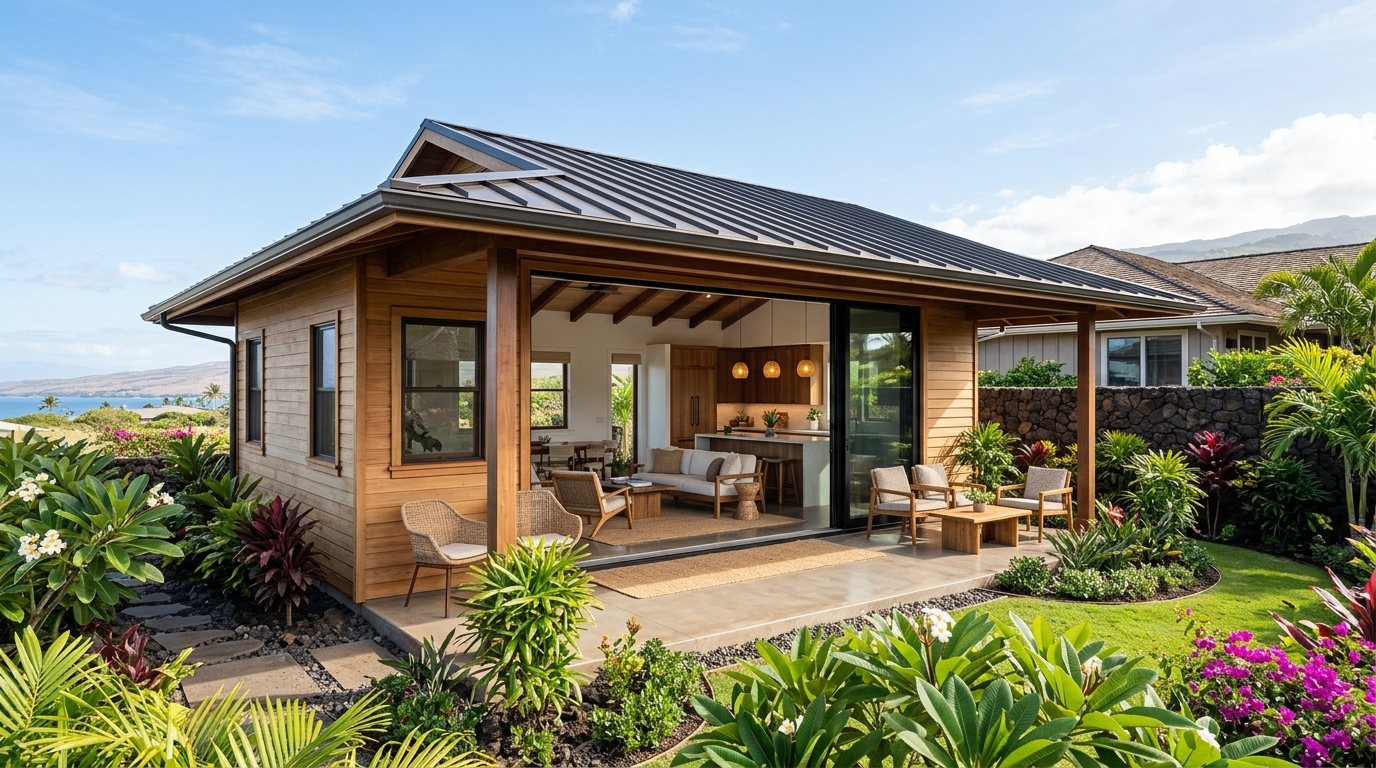
Finding a trustworthy adu builder lahaina means navigating a complex landscape of new regulations, material sourcing challenges, and the unique environmental demands of West Maui. In 2026, building an 800-square-foot Accessory Dwelling Unit (ADU) or ohana unit in Lahaina will typically cost between $440,000 and $560,000 and take roughly 12 to 16 months from initial design to final inspection. At Warrior Construction (Hawaii License BC-34373), our team has spent over 20 years on the ground here, managing these projects from start to finish. We understand the specific hurdles, from Maui County’s permitting process to specifying materials that can withstand the intense sun and corrosive salt air that sweeps in from the Pailolo Channel.
\n\n
Building an ADU is more than just adding a small house to your property; it’s a significant investment in your family’s future or a new source of rental income. But getting it wrong can lead to costly delays, failed inspections, and a structure that deteriorates quickly. The key is working with a general contractor who not only knows how to build, but knows how to build *here*. This guide walks you through the essential considerations for 2026, covering realistic costs, timelines, permitting headaches, and how to select the right ADU contractor Lahaina for your specific needs. We’ll pull back the curtain on the real process, giving you the information you need to move forward with confidence. If you’re ready to explore the numbers for your property, you can always request a free estimate from our team.
\n\n
Why Lahaina Homeowners Trust Warrior Construction for ADU Builder
\n\n
Lahaina homeowners trust Warrior Construction as their ADU builder because we bring over two decades of dedicated, on-island experience specifically to Maui projects. We are not a mainland company trying to figure out local conditions; we live here, we build here, and our reputation (License BC-34373) is built on successfully navigating the island’s unique construction environment. This local expertise is not a small detail—it’s the foundation of a successful project. It means we have long-standing relationships with Maui’s best subcontractors, we know the inspectors at the Maui County Department of Public Works, and we understand the supply chain logistics of getting quality materials to the island without crippling delays.
\n\n
Our approach is rooted in transparency and meticulous planning. Before we ever break ground, we conduct exhaustive preconstruction planning to identify potential issues. For example, on a recent project in Launiupoko, we identified a complex drainage issue due to the volcanic rock substrate common in the area. Instead of discovering this mid-project, which would have caused a month-long delay and a $25,000 change order, our geotechnical survey allowed us to engineer the foundation and site work correctly from the start. This foresight saved the homeowner significant time and money. It’s this level of detail that sets our team apart.
\n\n
Furthermore, we are a design-build firm, which streamlines the entire process for you. Instead of you hiring an architect, then a separate engineer, and then trying to get bids from general contractors, we manage the entire team under one roof. This integrated approach offers several key advantages for a Lahaina ADU project:\n
- \n
- Single Point of Contact: You have one person to call for everything. No finger-pointing between the designer and the builder if an issue arises.
- Budgetary Control: Because our builders and designers work together from day one, we design to your budget. We can tell you in the architectural phase if a specific design choice will push you over your target cost, allowing for adjustments before plans are finalized.
- Faster Timelines: The design and construction phases can overlap. We can begin ordering long-lead-time items like custom windows or specialized roofing while the final permit drawings are still being approved, shaving weeks off the total project duration.
\n
\n
\n
\nWe combine this efficient process with an uncompromising commitment to quality, ensuring every ohana unit builder lahaina project we undertake is built to last against the harsh Hawaiian climate.
\n\n
What Does ADU Builder Cost in Lahaina?
\n\n
In 2026, the all-in cost to build a new ADU in Lahaina ranges from $550 to $700 per square foot. This means a standard 800-square-foot, two-bedroom ADU will typically cost between $440,000 and $560,000. For a smaller 500-square-foot studio unit, you can expect a budget of around $275,000 to $350,000. It’s crucial to understand that these figures represent the total project cost, not just the physical construction. Homeowners often get sticker shock because they only budget for the structure itself, forgetting the significant costs associated with site preparation, utilities, and professional services.
\n\n
Let’s break down a realistic budget for an 800-square-foot ADU in Lahaina, which is a common size we build:\n
- \n
- Soft Costs (15-20%): $66,000 – $88,000. This category includes architectural and engineering plans, surveying, soil testing, and all Maui County permit fees. Forgetting this chunk is one of the biggest budgeting mistakes we see. Permit fees alone can easily reach $10,000 – $15,000 depending on the complexity and valuation.
- Site Work & Foundation (15%): ~$66,000. This covers excavation, grading, trenching for utilities, and pouring the concrete slab foundation. Costs can increase if your lot is on a steep slope, which is common in areas like the West Maui Mountains, or if we hit unexpected blue rock that requires extensive hammering.
- Framing & Exterior (25%): ~$110,000. This includes the lumber for the structure, shear walls for hurricane code compliance, siding (we recommend fiber cement for its resistance to salt air), roofing, and hurricane-rated windows and doors. The cost of barging materials from the mainland to Kahului Harbor is baked into these numbers.
- Interior Finishes (25%): ~$110,000. This is where you have the most control over the budget. It includes insulation, drywall, flooring, paint, cabinetry, countertops, tile, and light fixtures. A basic vinyl plank floor might cost $8 per square foot installed, while an engineered hardwood could be $18.
- Plumbing & Electrical (15%): ~$66,000. This covers running new water, sewer, and electrical lines from the main house, installing all fixtures, the water heater, and the electrical panel. If a separate cesspool or septic system is required, this cost can climb significantly.
- Contingency (5-10%): $22,000 – $44,000. We always advise clients to hold a 10% contingency fund. Here in Hawaii, you never know when a barge strike will delay materials or an unexpected site condition will pop up. It’s better to have it and not need it.
\n
\n
\n
\n
\n
\n
\nThese numbers reflect the realities of building on Maui. Everything from lumber to appliances has to be shipped in, adding a 20-30% premium over mainland prices. As your ADU contractor Lahaina, our job is to provide a detailed, line-item budget upfront so there are no surprises down the road.
\n\n
How Long Does a ADU Builder Take in Lahaina?
\n\n
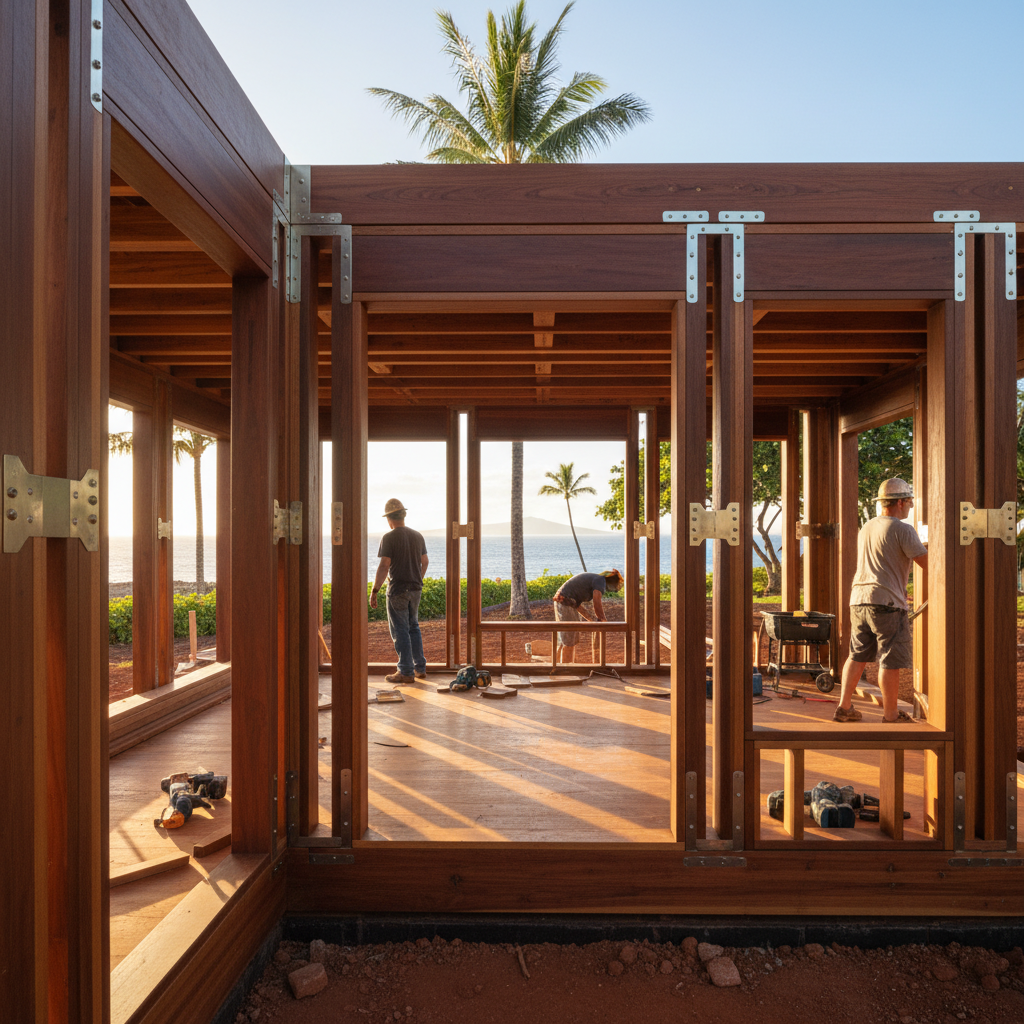
A realistic timeline for building an ADU in Lahaina, from the first conversation with an architect to receiving your certificate of occupancy, is currently 12 to 16 months in 2026. Many homeowners are surprised by this, expecting a 6-month process. The reality is that the physical construction is often the shorter part of the journey. The pre-construction phase—design, engineering, and especially permitting—is what dictates the overall schedule on Maui.
\n\n
Here’s a phase-by-phase breakdown of what a typical 14-month ADU project timeline looks like:\n\n
- \n
- Phase 1: Design & Planning (2-3 months). This is where we work with you to develop the floor plan, elevations, and site plan. It involves back-and-forth revisions to get every detail right, from window placement to the kitchen layout. During this phase, we also engage structural engineers and other consultants as needed.
- Phase 2: Permitting with Maui County (5-8 months). This is the most unpredictable part of the process. Submitting plans to the Maui County Department of Planning and the Department of Public Works is just the beginning. The plans go through multiple reviews: zoning, building, electrical, plumbing, and sometimes wastewater. Each department can have a backlog, and it’s common to receive comments that require revisions from the architect and engineer, which resets the review clock. For example, a recent project in Napili got held up for six weeks because the reviewer wanted additional calculations for our hurricane tie-down system, even though it already exceeded code. This is where having a contractor who knows the system and can communicate effectively with the plan reviewers is invaluable.
- Phase 3: Site Prep & Foundation (1 month). Once the permit is in hand, things move quickly. Our crew will be on-site to clear and grade the lot, dig trenches for utilities, and pour the concrete foundation.
- Phase 4: Framing and Dry-In (1.5 months). This is when you see the structure take shape. We’ll frame the walls, set the roof trusses, and install sheathing, roofing, windows, and exterior doors. The goal is to make the building watertight as quickly as possible.
- Phase 5: Interior & Exterior Rough-Ins (1 month). With the building dried-in, plumbers, electricians, and HVAC technicians will run all the pipes, wires, and ducts through the walls. This is also when we install siding.
- Phase 6: Interior Finishes & Completion (2.5 months). This is the longest construction phase. It includes insulation, drywall, painting, flooring, cabinet and countertop installation, tile work, and setting all the final plumbing and electrical fixtures.
- Phase 7: Final Inspections & Occupancy (2-3 weeks). After a final clean, we schedule a series of inspections with the county. Once all inspections are passed, we receive the Certificate of Occupancy, and you can officially move in or rent out your new ohana unit.
\n
\n
\n
\n
\n
\n
\n
\nUnderstanding this timeline helps set realistic expectations. While we do everything possible to expedite the process, especially during permitting, the Maui County timeline is the major variable we all must work with.
\n\n
What Permits Do You Need for ADU Builder in Lahaina?
\n\n
Securing the right permits for an ADU in Lahaina is a multi-layered process that requires careful coordination with the Maui County Department of Planning and the Department of Public Works (DPW). It’s far more than just submitting a single application. As your general contractor, we manage this entire complex sequence, but it’s essential for homeowners to understand what’s involved. The primary permit you’ll need is a Building Permit, but getting it requires a series of precedent approvals and supporting documents.
\n\n
The journey begins with a zoning verification to confirm your property is eligible for an ADU. Most residential-zoned lots are, but there are nuances related to lot size, existing structures, and specific community plan rules. Following zoning approval, a complete set of construction drawings must be prepared. These aren’t just floor plans; they are highly detailed blueprints that include:\n
- \n
- Architectural Plans: Floor plans, elevations, sections, and details.
- Structural Engineering Plans: Foundation design, framing details, and calculations for lateral loads (wind and seismic) to meet Hawaii’s stringent hurricane code.
- Site Plan: Shows the location of the new ADU, setbacks from property lines, driveway access, and utility connections.
- Wastewater System Plan: Details on connecting to the county sewer or designing a new septic system or individual wastewater system (IWS), which requires additional Health Department approval.
- Energy Compliance Forms: Calculations showing the building meets Hawaii’s energy efficiency codes.
\n
\n
\n
\n
\n
\nOnce this package is assembled, it’s submitted to the DPW’s Development Services Administration. This is where the long review process begins. Different departments review the plans concurrently, and each has its own checklist. For instance, the Grading Division will check your site plan for drainage and erosion control, while the Building and Safety Division scrutinizes the structural plans. A common point of delay we see in Lahaina is the wastewater review. Many properties are not on the county sewer line, requiring a new septic system. The review and approval for a septic system alone can add 2-3 months to the permit timeline.
\n\n
We use a permit expediter who is at the county building almost daily, checking on the status of our applications and speaking directly with plan reviewers. This hands-on approach is critical. It allows us to quickly address any comments or questions, preventing a simple query from turning into a month-long delay. For example, a reviewer might question the species of lumber specified for a structural beam. Instead of waiting for a formal letter, our expediter can get the engineer on the phone with the reviewer that day to resolve it. This proactive management of the permitting process is a core service a professional ADU builder Lahaina provides. You are not just hiring us to build; you’re hiring us to get you permission to build.
\n\n
Lahaina-Specific Considerations: Climate, Materials, Regulations
\n\n
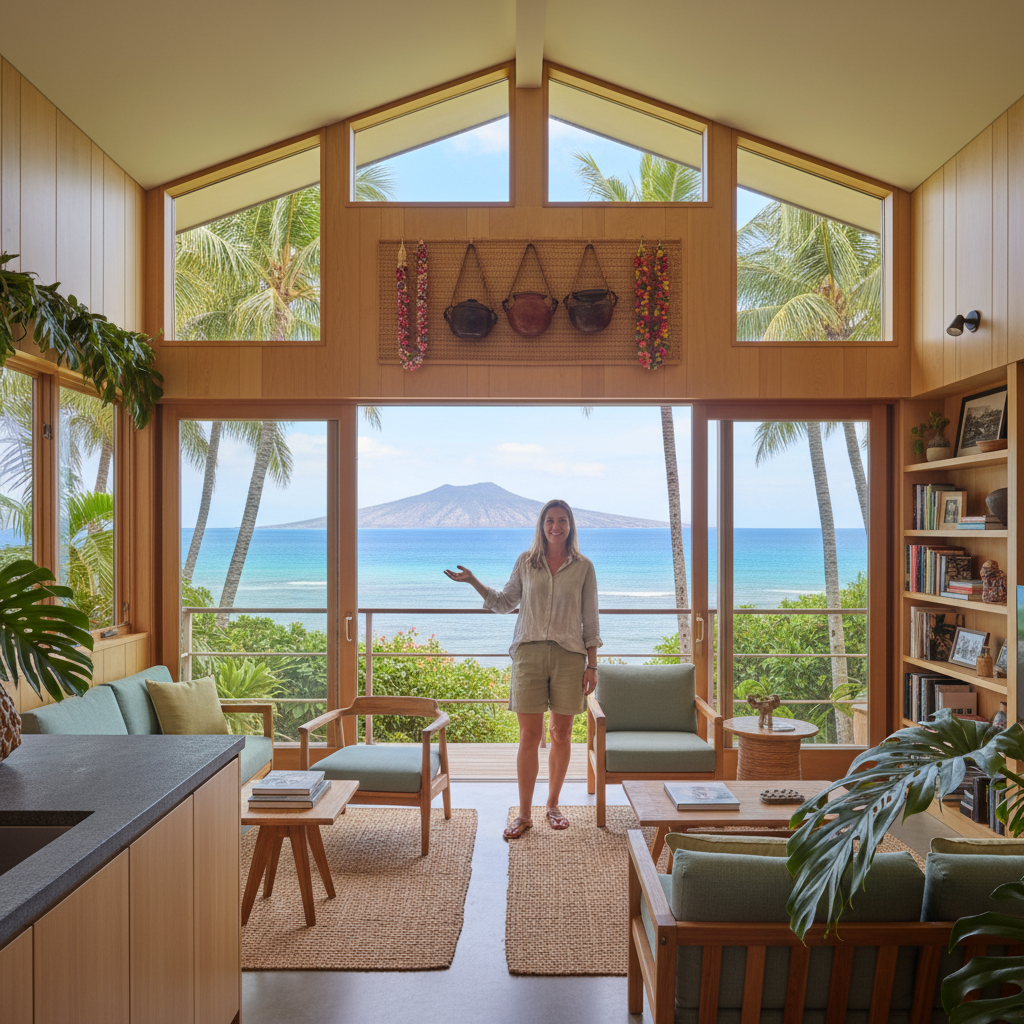
Building an ADU in Lahaina isn’t like building anywhere else, not even like building in Upcountry Maui or on Oahu. The unique combination of intense sun, corrosive salt air, high winds, and specific local regulations requires a specialized approach to design and material selection. Getting this wrong means your beautiful new ohana unit could look worn and require expensive repairs in as little as five years. At Warrior Construction, we build with a 50-year-plus mindset, and that starts with acknowledging Lahaina’s specific environmental challenges.
\n\n
First and foremost is the impact of salt-air corrosion. The prevailing trade winds carry a fine, salty mist that is relentless. It eats away at metal, fades paint, and degrades wood. Our standard building practice for any project within a mile of the coast includes:\n
- \n
- Stainless Steel Fasteners: Every nail, screw, and connector used on the exterior must be 316-grade stainless steel. Standard galvanized hardware will rust and fail, leading to structural weakness and ugly rust stains.
- High-Performance Windows: We recommend fiberglass or vinyl window frames, as they are impervious to salt. If a client wants aluminum, it must be AAMA 2605 powder-coated, the highest grade available, to stand a chance.
- Durable Siding: Fiber cement siding (like James Hardie) is our go-to choice. It doesn’t rot, is impervious to termites, and holds paint far better than wood siding in the harsh UV light.
\n
\n
\n
\nSecond is the need for hurricane-resistant construction. Hawaii’s building code is one of the toughest in the nation for a reason. For an ADU in Lahaina, this means designing the structure to withstand winds of up to 157 mph. This isn’t just about using strong materials; it’s about creating a continuous load path that ties the roof to the walls and the walls to the foundation. Key elements include:\n
- \n
- Hurricane Straps and Clips: We install metal connectors at every critical joint, from the roof rafters down to the foundation sill plate.
- Impact-Rated Glass: All windows and glass doors must be impact-rated, which means they have a laminated inner layer that prevents shattering even if struck by flying debris.
- Reinforced Garage Doors: If the ADU has a garage, the door is often the most vulnerable point. We use heavily reinforced doors designed for high-wind zones.
\n
\n
\n
\nFinally, we have to consider Maui-specific regulations, particularly the rules around ADUs established under Hawaii’s Bill 7 and subsequent county ordinances. While the state law encouraged ADU construction, each county has its own implementation. On Maui, this includes specific rules on maximum size (typically 800 sq. ft.), parking requirements (usually one additional space), and owner-occupancy clauses. Navigating the latest version of the “Bill 7 ADU Lahaina” rules is critical. For instance, recent clarifications from the planning department may affect how lanai space is counted towards the total square footage, which can impact your design. We stay current on every ordinance change to ensure our clients’ plans are compliant from day one, avoiding redesigns and permit rejection.
\n\n
How to Choose the Right ADU Builder Contractor in Lahaina
\n\n
Choosing the right ADU builder contractor in Lahaina is the single most important decision you will make for your project. The quality of your experience and the final product depend entirely on the team you hire. With the high demand for housing, many new or less-experienced contractors have appeared. It’s crucial to perform due diligence to separate the seasoned professionals from the rest. Here are the key criteria our most successful clients use to vet their builders.
\n\n
First, verify their license and insurance. This is non-negotiable. Any legitimate contractor in Hawaii will have a general contractor license (like our BC-34373). You can and should verify this on the state’s Professional & Vocational Licensing (PVL) website[1]. The license should be current, active, and in good standing. Additionally, ask for proof of general liability insurance and workers’ compensation insurance. If a worker gets injured on your property and the contractor isn’t properly insured, you could be held liable. A professional firm will provide these documents without hesitation.
\n\n
Second, look for a deep portfolio of *local* work. A contractor from Honolulu who decides to take on a Maui project might not have the local relationships or understanding of Maui County’s specific processes. Ask to see examples of their completed ADUs or similar projects right here in West Maui. A good portfolio, like the one on our website, shows a history of successful projects. Even better, ask for addresses of projects they’ve completed so you can drive by and see the quality of their exterior work firsthand. You can tell a lot about a builder by how their projects look five years after completion.
\n\n
Third, evaluate their communication and professionalism. From your very first interaction, are they responsive? Do they answer your questions clearly and thoroughly? Do they provide a detailed, transparent bid, or is it a vague one-page estimate? A comprehensive proposal should break down the costs by category and clearly state what is and isn’t included. During a project, we provide our clients with weekly progress reports and regular budget updates. A lack of clear communication during the bidding process is a major red flag for how they will behave once the project is underway.
\n\n
Here’s a checklist to use when interviewing potential contractors:\n
- \n
- Is their Hawaii General Contractor license active and in good standing?
- Can they provide current certificates of general liability and workers’ comp insurance?
- Do they have a portfolio of at least 3-5 ADU or similar residential projects completed on Maui?
- Can they provide a list of 3 recent client references you can call?
- Do they have established relationships with local architects, engineers, and suppliers?
- Is their proposal detailed, professional, and transparent about costs?
- What is their process for handling change orders?
- Who will be the dedicated project manager for your job?
\n
\n
\n
\n
\n
\n
\n
\n
\nTaking the time to thoroughly vet your ohana unit builder lahaina is an investment that pays dividends in peace of mind and project success.
\n\n
Real Lahaina ADU Builder Project Example
\n\n
To make these concepts concrete, let’s walk through a recent ADU project we completed for a family in the Wahikuli neighborhood of Lahaina. The homeowners, a couple with two grown children, wanted to build an ADU for their aging parents to live in, allowing the family to be close while maintaining independence.
\n\n
The Goal: To build a comfortable, accessible, and durable 750-square-foot, two-bedroom, one-bathroom ADU that would blend with the existing main house and withstand the coastal environment.
\n\n
The Challenges:\n
- \n
- Tight Lot: The property had a large backyard, but access was limited by the main house on one side and a steep, rocky slope on the other. This made getting heavy equipment and materials to the building site difficult.
- Accessibility Needs: The unit needed to be designed for aging-in-place, requiring a no-step entry, wider doorways, a curb-less shower, and reinforced walls for future grab bars.
- Budget Constraints: The homeowners had a firm all-in budget of $450,000.
\n
\n
\n
\n\n
Our Solution & Process:\nAs a design-build ADU contractor, our first step was to create a site plan that solved the access issue. We determined that a smaller concrete pump truck could reach the foundation area from the street, and we scheduled material deliveries carefully to avoid cluttering the tight space. Our architects then designed the ADU with all the accessibility features integrated seamlessly, so it felt like a modern home, not a clinical facility. The floor plan was open-concept to feel spacious, with large windows oriented to capture the trade winds for natural cooling.
\n\n
To meet the budget, we worked with the clients on material selections. We specified durable but cost-effective vinyl plank flooring, quartz countertops instead of high-end marble, and semi-custom cabinets. Critically, we did not compromise on the building envelope. We used high-performance, hurricane-rated windows, fiber cement siding, and a standing seam metal roof with a Kynar 500 finish for maximum longevity against the salt air. This “good bones” approach ensures the structure is sound and low-maintenance, even if interior finishes are upgraded later.
\n\n
The Outcome:\n
- \n
- Timeline: Permitting took 7 months, and construction took 6 months, for a total project duration of 13 months. This was right within our initial projection.
- Budget: The final project cost came in at $442,500, just under their budget. This was achieved through careful planning and by using our design-build process to value-engineer the project from the start.
- Result: The family now has a beautiful, safe, and functional home for their parents. The new ADU not only provides a solution for multi-generational living but has also significantly increased the property’s overall value. This project is a perfect example of how thoughtful planning and experienced execution can overcome the challenges of building in Lahaina.
\n
\n
\n
\n\n
What this means for Hawaii homeowners
\n
For homeowners in Lahaina and across Maui, the opportunity to build an ADU in 2026 is a powerful tool for generating rental income, housing family members, or simply increasing property value. However, the process is more complex and expensive than ever before. The key takeaway is that success hinges on meticulous planning and partnering with a seasoned, local general contractor who understands the specific hurdles of building in our island environment.
\n\n
Here are the actionable steps you should take:\n
- \n
- Start with a Financial Feasibility Study: Before you fall in love with a design, have a frank conversation about your all-in budget. Using the $550-$700 per square foot range, determine what you can realistically afford. Remember to account for soft costs and a 10% contingency.
- Verify Your Property’s Eligibility: Don’t assume you can build an ADU. Contact the Maui County Planning Department or have a contractor like us run a preliminary zoning check to confirm your lot qualifies and understand any specific constraints.
- Think Long-Term with Materials: Resist the temptation to save a few thousand dollars by using standard galvanized fasteners or cheaper windows. In Lahaina’s salt air, that decision will cost you tens of thousands in repairs down the road. Invest in the building envelope—the roof, windows, siding, and structure.
- Embrace the Timeline: Understand that the permitting process on Maui is a marathon, not a sprint. A 12-16 month timeline is realistic. Anyone promising a 6-month turnaround is not being truthful about the realities of the county review process. Patience and a good partner to manage the process are essential.
\n
\n
\n
\n
\nThe dream of building an ohana unit is absolutely achievable. By approaching it with realistic expectations, a solid budget, and the right professional team, you can successfully add a valuable asset to your Lahaina property.
\n\n
Frequently Asked Questions About ADU Builder in Lahaina
\n
What are the 2026 size limits for an ADU in Lahaina?
\n
As of 2026, Maui County generally limits a new detached ADU to a maximum of 800 square feet of living area. This does not typically include garages or covered lanais, but the specific interpretation can vary. It’s crucial to have your plans reviewed by the planning department, as certain zoning designations or community plan areas may have different restrictions. Our team always confirms these details for your specific property before starting design.
\n
\n
Do I need a separate water meter for my ADU on Maui?
\n
This is a critical question. The answer depends on the size of your existing water meter. Most older homes have a 5/8\” meter, which is often deemed insufficient to serve both a main house and a new ADU. In many cases, you will be required to upgrade to a 1\” or larger meter, which can be a significant expense, sometimes costing $15,000 or more, and can involve a lengthy waitlist with the Department of Water Supply.
\n
\n
How does Hawaii’s Bill 7 affect my ADU plans in Lahaina?
\n
Hawaii’s Bill 7 was a state-level law designed to encourage ADU construction to ease the housing crisis. However, each county, including Maui, has adopted its own specific ordinances to implement it. For Lahaina homeowners, this means you must follow Maui County’s rules regarding setbacks, parking, and owner-occupancy requirements, which may be more restrictive than the original state bill. A knowledgeable ADU contractor in Lahaina will be up-to-date on the current Maui County code.
\n
\n
Can I build a two-story ADU in Lahaina?
\n
Generally, yes, you can build a two-story ADU in Lahaina, provided it meets the county’s height restrictions for your specific zoning (typically 25-30 feet) and the total square footage does not exceed the maximum allowed (usually 800 sq. ft.). A two-story design can be an excellent way to preserve yard space on a smaller lot or to capture ocean views over the main house.
\n
\n
What are the biggest hidden costs when building an ohana unit?
\n
The most common hidden costs homeowners face are related to site work and utilities. These include unexpected excavation needs (hitting hard blue rock), the cost of a new septic system if you can’t connect to the sewer, and the expense of upgrading your water meter or electrical service. A thorough site analysis during the preconstruction phase is the best way to uncover and budget for these potential expenses upfront.
\n
\n
How much value does an ADU add to a Lahaina property?
\n
While the exact value depends on the quality of construction and the market, a well-built ADU can add significant value. In many cases, the value added is greater than the cost to build, providing an immediate equity boost. Furthermore, with Lahaina rental rates, a two-bedroom ADU can generate substantial monthly income, often in the range of $3,500 to $4,500 per month, making it a powerful financial investment.
\n
\n
Do I have to live on the property to build an ADU in Lahaina?
\n
Yes, Maui County currently has an owner-occupancy requirement for properties with an ADU. This means the property owner must reside in either the main house or the ADU as their primary residence. This is an important regulation to be aware of, especially if you are considering the property purely as an investment rental.
\n
\n
\n\n
Building an ADU is one of the smartest investments a Lahaina homeowner can make in 2026. It adds flexibility, housing for ohana, and significant value to your property. But the path is filled with unique Maui-specific challenges, from permitting delays to fighting salt-air corrosion. Don’t navigate it alone.
\n
The team at Warrior Construction (BC-34373) has the local knowledge and design-build expertise to guide your project from a simple idea to a finished, high-quality home. If you’re ready to start a conversation about your ADU, we’re here to help. Learn more about our ADU & Ohana Unit construction services and let our experienced team turn your vision into a reality.
\n\n
References
\n
- \n
- State of Hawaii Professional & Vocational Licensing
- Honolulu Department of Planning and Permitting
\n
\n
\n