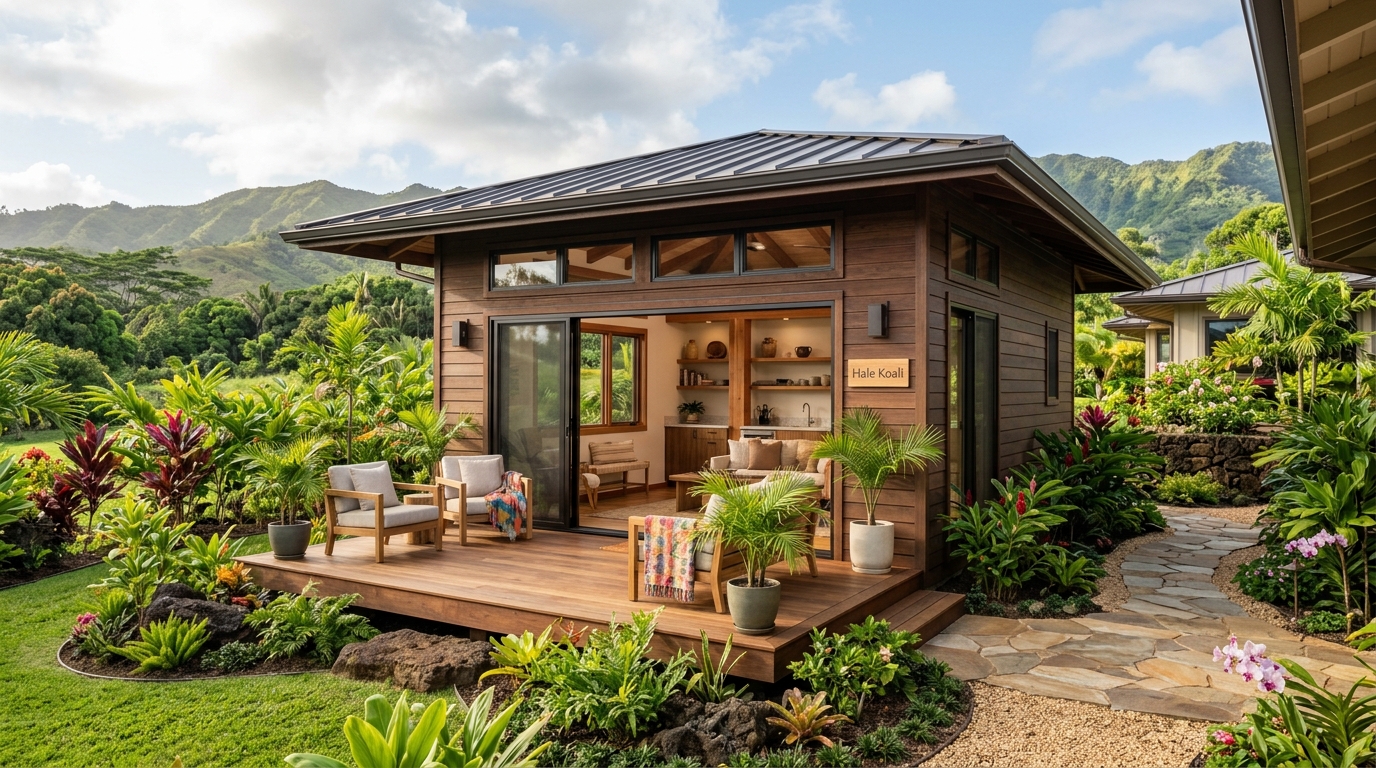
Building an Accessory Dwelling Unit (ADU) in Lihue in 2026 typically costs between $450 and $600 per square foot, meaning a standard 800-square-foot unit will run from $360,000 to $480,000 for the structure itself. The entire process, from initial design to handing you the keys, usually takes between 12 to 21 months. As a dedicated adu builder lihue homeowners trust, we’ve seen firsthand how these projects can transform a property, whether it’s for keeping ohana close or generating rental income. But getting it right on Kaua’i requires local knowledge that goes far beyond what you’ll find in a mainland construction manual.
The Garden Isle has its own rhythm, its own rules, and its own challenges. From navigating the Kaua’i County Planning Department to sourcing materials via the Young Brothers barge and engineering for our specific soil conditions, every step needs a seasoned hand. Our team at Warrior Construction has spent over two decades navigating these exact waters, building everything from custom homes to complex renovations right here in Hawaii. We understand the nuances of building an ohana unit that will stand up to the Lihue climate and meet all local codes.
This article isn’t just a generic overview. It’s a look inside the real process of building an ADU on Kaua’i, based on our years of on-the-ground experience. We’ll break down the real costs you can expect in 2026, map out a realistic timeline, demystify the permitting process, and cover the critical island-specific factors that can make or break your project. Thinking about an ADU? Get a realistic estimate from our team today.
Why Lihue Homeowners Trust Warrior Construction for ADU Builder
Choosing an ADU builder in Lihue is about more than just finding someone who can swing a hammer. It’s about finding a partner who understands the unique logistics and environment of Kaua’i. At Warrior Construction, our license (BC-34373) is just the starting point. Our real value comes from decades of experience specifically within the Hawaiian Islands, which presents a completely different set of challenges than building on the mainland.
First, there’s the logistical reality. Every single piece of lumber, every window, every box of screws has to arrive on a barge. We have long-standing relationships with suppliers and a deep understanding of shipping schedules from Honolulu and the West Coast. This means we can anticipate delays and order materials far in advance, preventing your project from stalling for weeks while waiting for a specific truss package. A less experienced ADU contractor Lihue might build a schedule that looks great on paper but falls apart the first time a shipment is delayed.
Furthermore, we build for the Lihue climate. It’s not just about rain; it’s about the constant humidity, the salt in the air if you’re anywhere near the coast, and the intense UV exposure. Our material selection reflects this reality. We use stainless steel fasteners to prevent corrosion, recommend fiber cement siding that resists moisture and termites, and design for optimal cross-ventilation to combat mold growth naturally. We saw this on a recent project near Nawiliwili Harbor, where the salt spray is a real factor. The initial spec called for standard galvanized hardware, but we immediately upgraded everything to 316 stainless steel to ensure the structure’s longevity. It’s a small change that adds immense value over the life of the home.
Finally, our team is comprised of professionals who live and work here. We aren’t flying in a crew from Oahu. We understand the local permitting process at the Kaua’i County offices, we know the building inspectors, and we respect the local community. This local presence ensures a smoother process from start to finish. When you work with us, you’re working with a team that is deeply invested in the quality and durability of the homes we build in our own community.
What Does ADU Builder Cost in Lihue?
Let’s get straight to the numbers for 2026. The most common question we get is about cost, and providing a realistic budget is crucial. For a turnkey ADU in Lihue, you should budget for a construction cost of approximately $450 to $600 per square foot. This is the cost for the physical structure, from foundation to roof, including standard finishes. For a typical 800-square-foot, 2-bedroom ohana unit, this translates to a construction budget of $360,000 to $480,000.
However, that’s not the total project cost. There are several other critical budget items to account for before construction even begins. We call these “soft costs” and “site costs,” and they can add a significant amount to the bottom line.
Here’s a more detailed breakdown of what a Lihue homeowner can expect:
- Pre-Construction & Design Fees: This includes architectural plans, structural engineering, soil testing, and surveys. For a standard ADU, budget between $25,000 and $45,000. This phase is non-negotiable; solid plans are the foundation of a successful build.
- Permitting Fees: Submitting plans to the Kaua’i County Planning Department involves various fees. Depending on the project’s complexity and valuation, these can range from $5,000 to $10,000.
- Site Work & Utilities: This is a major variable. Costs can fluctuate dramatically based on your property. This includes excavation, grading, trenching for utilities (water, sewer, electric), and pouring the foundation. If your lot has a steep slope, is covered in blue rock, or requires extensive drainage solutions for Lihue’s red dirt, costs can easily be in the $30,000 to $60,000 range, sometimes more. On a recent project in Kapa’a, we encountered a massive lava rock shelf right where the foundation was planned, which required an extra week of work with a hydraulic hammer and added about $18,000 to the site work budget.
- Landscaping & Hardscaping: Driveways, walkways, fencing, and basic landscaping are often overlooked. A simple concrete driveway and some grass can cost $10,000 to $20,000.
So, a more realistic all-in budget for that same 800-square-foot ADU would be:
Total Estimated Project Cost (800 sq. ft. ADU in Lihue, 2026): $430,000 – $615,000+
It’s also important to factor in the “neighbor island premium.” Materials, fixtures, and specialized labor often cost 10-15% more on Kaua’i than on Oahu due to shipping. We build this into our estimates from day one so there are no surprises.
How Long Does a ADU Builder Take in Lihue?
Building an ADU in Lihue is a marathon, not a sprint. A realistic timeline from our first conversation to you moving in is typically 12 to 21 months. Homeowners are often surprised by this, especially the lengthy pre-construction phase. The actual on-site building is only one part of the equation. Rushing the planning and permitting stages is the single biggest mistake you can make.
Our team at Warrior Construction breaks the process into three distinct phases to manage expectations and ensure everything is done correctly.
Phase 1: Design & Planning (2-4 Months)
This is where your vision takes shape. It involves:
- Initial Consultation: We meet on your property to discuss your goals, budget, and assess the site’s feasibility.
- Conceptual Design: Our design partners create initial floor plans and sketches.
- Construction Documents: Once the design is approved, the architect and engineers create the detailed blueprints required for permitting and construction. This includes architectural, structural, electrical, and plumbing plans.
This phase requires a lot of back-and-forth communication to ensure the final plans are exactly what you want. It feels slow, but every decision made here saves time and money later.
Phase 2: Permitting with Kaua’i County (4-8 Months)
This is often the longest and most unpredictable phase. After submitting the construction documents to the Kaua’i County Planning Department, the plans go through a series of reviews by different departments. Each department checks for compliance with building codes, zoning regulations, and other local ordinances. A simple request for more information from a plan reviewer can add weeks or even months to the timeline. For example, if your property is near a wetland or has specific drainage concerns, additional environmental reviews might be required. Patience is key here. Our extensive experience means we submit complete and accurate plan sets, which helps minimize delays, but we are ultimately on the county’s schedule.
Phase 3: Construction (6-9 Months)
Once we have the approved permits in hand, we can finally break ground. This is the most visible and exciting part of the project for homeowners. The timeline for this phase can be affected by weather (especially during the rainy season in Lihue), material availability, and subcontractor schedules. A typical construction sequence looks like this:
- Site Prep & Foundation (3-5 weeks): Excavation, utility trenching, and pouring the concrete slab.
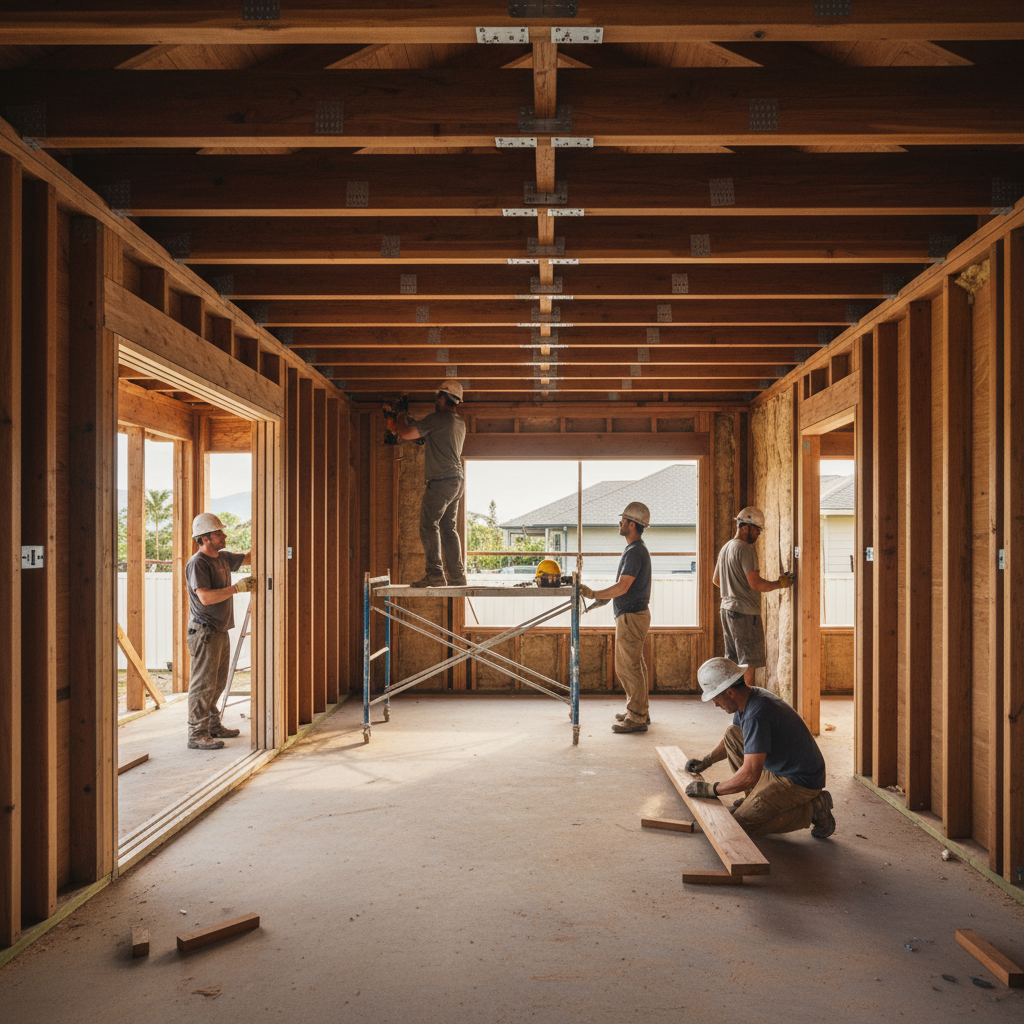
- Framing (3-4 weeks): The walls and roof structure go up.
- Rough-ins & Exterior (6-8 weeks): Plumbing, electrical, and HVAC systems are installed within the walls, and windows, siding, and roofing are completed.
- Interior Finishes (8-12 weeks): Drywall, painting, flooring, cabinets, countertops, and fixtures are installed.
- Final Inspections & Punch List (2-3 weeks): The county inspector signs off on the completed work, and we walk through the project with you to address any final details.
Setting a realistic timeline from the start is essential for a low-stress building experience. We build these timelines into our contracts and provide regular updates so you always know where your project stands.
What Permits Do You Need for ADU Builder in Lihue?
Navigating the permitting process for an ADU in Lihue requires a clear understanding of the Kaua’i County system. It’s not as simple as just submitting a floor plan. A complete permit application is a comprehensive package of documents that demonstrates the project is safe, compliant, and correctly designed. As your general contractor, our team manages this entire process, but it’s important for homeowners to know what’s involved.
For a standard ADU project, you will need a Building Permit. This is the primary permit that covers the construction of the structure itself. To get it, we must submit a detailed application package to the Kaua’i County Planning Department. This package typically includes:
- Final Construction Drawings: Stamped by a licensed Hawaii architect and structural engineer.
- Site Plan: Showing the location of the new ADU on your property, setbacks from property lines, existing structures, and utility connections.
- Energy Compliance Forms: Demonstrating the design meets Hawaii’s energy code requirements.
- Wastewater System Approval: Confirmation from the Department of Health that your existing septic system can handle the additional load or plans for a new system.
- Grading and Drainage Plans: Especially important on Kaua’i, detailing how stormwater will be managed on site.
In addition to the main building permit, separate permits are often required for the trades:
- Electrical Permit: For all wiring, outlets, fixtures, and the panel.
- Plumbing Permit: For all supply lines, drains, and fixtures.
One common point of confusion for homeowners is the term “Bill 7 ADU Lihue.” People hear about Honolulu’s ADU rules and assume they apply statewide. While Honolulu’s Bill 7 (now Ordinance 19-19) was groundbreaking for Oahu, Kaua’i has its own set of rules outlined in the Comprehensive Zoning Ordinance (CZO). The spirit is similar—to encourage more housing—but the specifics on setbacks, lot size, and parking are unique to Kaua’i. Our team is well-versed in the Kaua’i CZO and ensures your ADU design complies from day one, which is critical for a smooth permit approval.
Finally, depending on your property’s location, you may need additional approvals. If you are in a Special Management Area (SMA) near the shoreline, a separate SMA permit is required, which can be a lengthy process. If you are in a flood zone, you’ll need to meet specific FEMA building requirements. We identify these needs early in the planning phase to avoid major delays down the road.
Lihue-Specific Considerations: Climate, Materials, Regulations
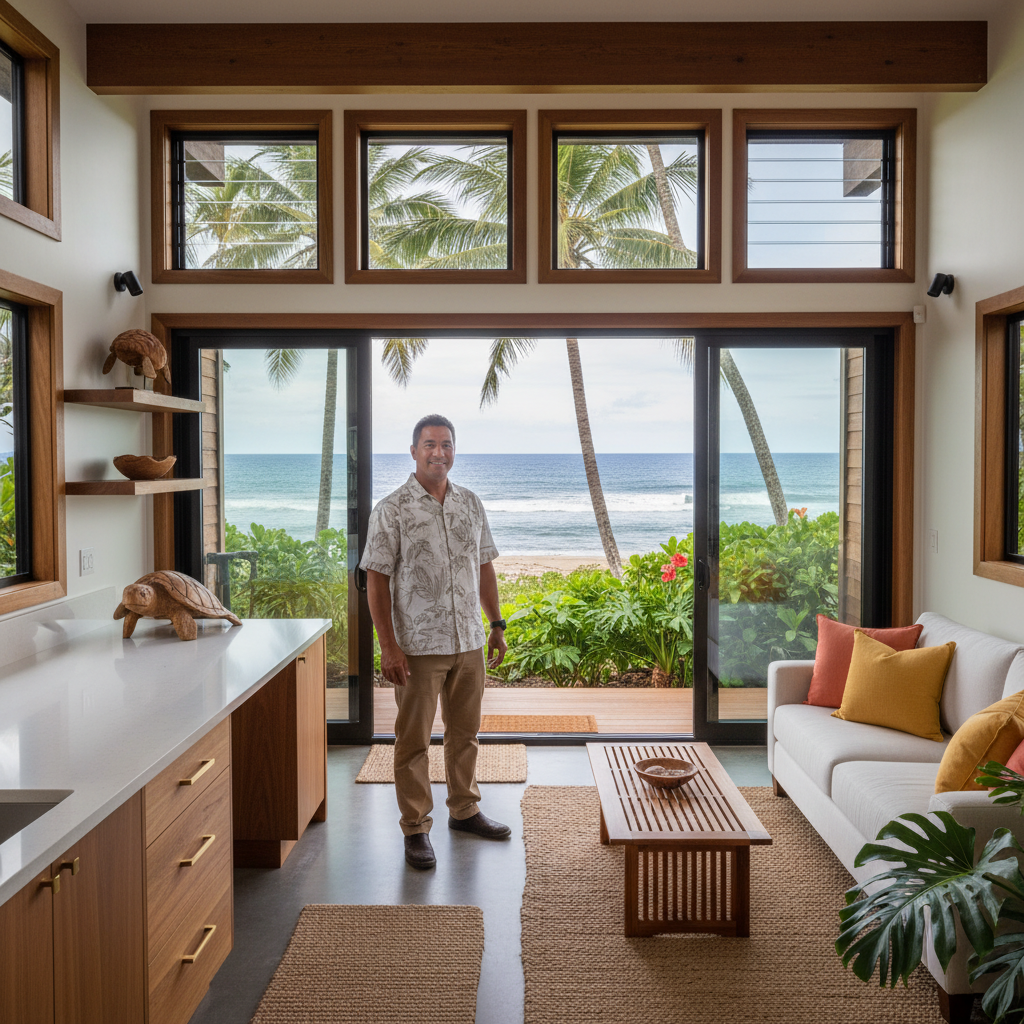
Building on Kaua’i is fundamentally different from building anywhere else. An ADU design that works perfectly in Arizona would fail spectacularly in Lihue within a few years. As a local adu builder lihue specialist, we engineer every project to handle our unique island environment. Here are the key factors our team always addresses.
Climate and Material Selection
Lihue’s climate is a beautiful but formidable force. The combination of high humidity, frequent rain, and intense sun dictates our material choices.
- Corrosion: Salt-laden air, even a few miles inland, is highly corrosive. We specify stainless steel or hot-dipped galvanized connectors, fasteners, and flashing. Using cheaper, electro-galvanized nails is a recipe for rust streaks and structural weakness down the line. It’s a non-negotiable for us.
- Moisture & Mold: We design for constant airflow. This includes things like properly vented attics, jalousie windows for cross-breezes, and using mold-resistant drywall in bathrooms. Waterproofing is also critical. We use high-quality house wraps and window flashing systems to create a tight building envelope that keeps Lihue’s driving rain out.
- Termites: Subterranean termites are a constant threat. We use pre-treated lumber for framing (like Hi-bor® treated wood), install physical termite barriers like Termimesh around foundation penetrations, and ensure proper ground treatment before pouring the slab.
- Sun & Heat: We often recommend light-colored metal roofing to reflect solar heat, and properly sized roof overhangs to shade windows from the high afternoon sun. This reduces cooling costs and makes the home more comfortable.
Kaua’i Regulations and the CZO
As mentioned, Kaua’i’s ADU rules are governed by its own Comprehensive Zoning Ordinance (CZO), not Oahu’s Bill 7. While you may see people searching for “Bill 7 ADU Lihue,” it’s the CZO that matters here. Some key differences and requirements in 2026 include:
| Requirement | Kaua’i CZO Guideline (Typical) | Why It Matters |
|---|---|---|
| Maximum Size | Generally 800 sq. ft. of living area, depending on zoning district. | This determines the maximum footprint for your design. |
| Parking | At least one additional off-street parking space is required for the ADU. | You must have space on your property for this extra stall. |
| Setbacks | ADUs must meet the same setback requirements as the main house for the specific zoning district. | This dictates where on your property the unit can be placed. |
| Owner Occupancy | The property owner must reside in either the primary dwelling or the ADU. | This prevents properties from becoming duplexes owned by off-island investors. |
We handle the zoning review during the initial design phase to ensure your project is compliant before we ever draw a line.
Logistics and Sourcing
Everything comes to Kaua’i on a boat. This simple fact impacts every phase of construction. We work with a network of trusted suppliers on both Oahu and the mainland, but we have to plan with shipping in mind. A custom window order can have a 12-week lead time, so we order it the moment the plans are finalized. We consolidate material shipments to fill containers efficiently, reducing costs. This level of logistical planning is something an off-island contractor simply cannot replicate. It’s an expertise earned over decades of building here.
How to Choose the Right ADU Builder Contractor in Lihue
Hiring the right ADU contractor in Lihue is the single most important decision you will make for your project. A great contractor will guide you through the process, manage a complex team of subcontractors, and deliver a high-quality home. A bad one can lead to budget overruns, endless delays, and shoddy workmanship. Here’s a checklist to use when vetting potential builders.
- Verify Their License and Insurance. This is the absolute first step. Any legitimate contractor in Hawaii will have a license number. Ours is BC-34373. You can and should verify this using the state’s Professional & Vocational Licensing (PVL) search tool.[1] Also, ask for proof of general liability insurance and worker’s compensation insurance. Without these, you could be held liable for accidents on your property.
- Demand Kaua’i-Specific Experience. Ask to see their portfolio of projects specifically on Kaua’i. A contractor who primarily works on Oahu might not have the local relationships with suppliers, subcontractors, or the Kaua’i County Planning Department.[2] Ask them about their experience with Lihue’s soil conditions or their process for managing barge shipments. Their answers will quickly reveal their level of local expertise.
- Get a Detailed, Itemized Bid. Never accept a one-page estimate with a single number. A professional bid from a company like ours will be several pages long, breaking down the costs for each phase of the project: demolition, foundation, framing, roofing, electrical, plumbing, finishes, etc. This transparency allows you to see exactly where your money is going and helps compare different bids on an apples-to-apples basis.
- Check References and Talk to Past Clients. Don’t just rely on testimonials on a website. Ask the contractor for the contact information of their last three clients. Call them and ask specific questions: Did the project stay on budget? How did the contractor handle unexpected issues? How was the communication throughout the process? Were you happy with the final quality?
- Assess Their Communication Style. Building an ADU is a long-term relationship. You will be communicating with your contractor for over a year. Find someone who is responsive, clear, and professional. Do they answer your questions thoroughly? Do they have a process for regular updates? A good contractor will make you feel like a partner in the process, not just a client.
Choosing the cheapest bid is rarely the best choice. A bid that is significantly lower than others often means the contractor has missed something, is using subpar materials, or is hiring unlicensed labor. Investing in a qualified, experienced, and professional ohana unit builder lihue is the best way to protect your investment and ensure a successful project.
Real Lihue ADU Builder Project Example
To make all this information concrete, let’s walk through a typical project our team recently completed. This provides a real-world look at the process, timeline, and costs for a Lihue ADU.
The Client: The Nakamura family in the Puhi area of Lihue. They owned a 12,000-square-foot property and wanted to build an ADU for their aging parents, allowing them to live independently but stay close by.
The Goal: A comfortable and accessible 750-square-foot, 2-bedroom, 1-bathroom ohana unit. Key requirements included a no-step entry, wide doorways, and a walk-in shower to accommodate future mobility needs.
The Process & Timeline:
- Month 1-3 (Design): We worked with our architectural partner to design a unit that matched the main home’s plantation style while incorporating the accessibility features. The design went through two revisions to get it just right.
- Month 4-10 (Permitting): We submitted the full plan set to Kaua’i County. The plans received initial comments from the planning and building divisions, which required minor revisions to the drainage plan and an updated energy calculation. The final building permit was issued just over six months after submission. This was a relatively smooth process.
- Month 11-18 (Construction): Once the permit was in hand, our crew got to work. The site had a gentle slope, requiring about $15,000 in grading and a small retaining wall. The build itself was straightforward. We managed a steady flow of materials from our Honolulu suppliers, with only one minor delay waiting for the custom kitchen cabinets to arrive. The total construction time was just under 8 months.
Total Project Duration: 18 months from the first meeting to move-in.
The Final Budget:
- Design & Engineering: $32,000
- Permits & Fees: $8,500
- Site Work & Foundation: $55,000
- Construction Costs (750 sq. ft. @ ~$510/sqft): $382,500
- Landscaping & Driveway: $16,000
- Total Project Cost: $494,000
The Outcome: The Nakamura family was thrilled with the result. Their parents have a safe, comfortable, and beautiful new home, and the whole family has the peace of mind that comes with being close. The project was completed on schedule and within 3% of the original budget, with the small overage due to a client-requested upgrade to the flooring. This project is a perfect example of how a well-planned and professionally executed ADU can be a fantastic investment for Lihue families.
Frequently Asked Questions About ADU Builder in Lihue
How much value does an ADU add to my property in Lihue?
While it varies, a well-built ADU can add significant value, often more than its cost to build. In the 2026 Lihue market, an ADU not only adds appraisal value but also creates a potential rental income stream of $2,500-$3,500 per month, which is highly attractive to buyers. This makes it one of the best home improvement investments a Kaua’i homeowner can make.
Can I build an ADU myself to save money?
As a licensed general contractor, we strongly advise against this unless you are a professional builder yourself. The complexity of Hawaii’s building codes, the permitting process, and the logistics of construction on Kaua’i are substantial. Mistakes can lead to costly rework, failed inspections, and safety issues. Hiring a professional adu builder lihue like us ensures the job is done right, to code, and often saves money in the long run by avoiding errors.
What are the 2026 size limits for an ADU on Kaua’i?
According to the Kaua’i County Comprehensive Zoning Ordinance (CZO), the maximum size for an ADU is typically 800 square feet of living area. This does not include garages or lanai space. The specific size and placement are also contingent on your property’s zoning and lot size, so a feasibility study is always our first step.
Is it better to build a detached or attached ADU in Lihue?
This depends on your property layout, budget, and privacy goals. Detached ADUs offer more privacy for both the main house and the unit, making them ideal for renters or independent family members. Attached ADUs or conversions can sometimes be more cost-effective as they can share a foundation and utilities, but they offer less separation. We can help you evaluate the pros and cons for your specific lot.
How does the permitting process in Kaua’i differ from Honolulu?
While both aim to ensure safe construction, the departments, specific forms, and review timelines are completely different. The Kaua’i County Planning Department has its own staff and interpretation of the building code. It is a smaller office than Honolulu’s DPP, which can sometimes mean more direct access to reviewers but also means fewer staff to handle the workload. An experienced local contractor knows the specific submission requirements and personnel, which is a major advantage.
What are the biggest unexpected costs for an ADU build on Kaua’i?
The most common surprises come from below the ground. Discovering unexpected blue rock during excavation can add thousands in equipment and labor costs. Another is septic system capacity; if your existing system is deemed inadequate for the extra bedroom, a full system upgrade can cost $20,000-$40,000. We always recommend a soil analysis and septic capacity check early in the design phase to minimize these surprises.
Can I rent my ADU out as a short-term vacation rental (TVR)?
No. Under current Kaua’i County law, ADUs cannot be used as short-term or vacation rentals (TVRs). They can only be rented for terms of six months or longer. This is a critical regulation to be aware of, as it is strictly enforced. The purpose of ADUs is to provide long-term housing for residents.
Ready to Build Your Lihue Ohana Unit?
Building an ADU is a significant investment, but it’s one that can pay dividends for your family and your property value for decades to come. The key is to partner with an experienced, licensed, and local ADU builder who understands the unique challenges of building on Kaua’i. At Warrior Construction (BC-34373), we have the team, the expertise, and the local knowledge to guide you through every step of the process.
If you’re ready to explore the possibility of adding an ADU to your Lihue property, the next step is a conversation. Let’s discuss your vision and provide you with a clear, realistic plan. Learn more about our ADU & Ohana Unit construction services or contact us today for a no-obligation consultation.