“
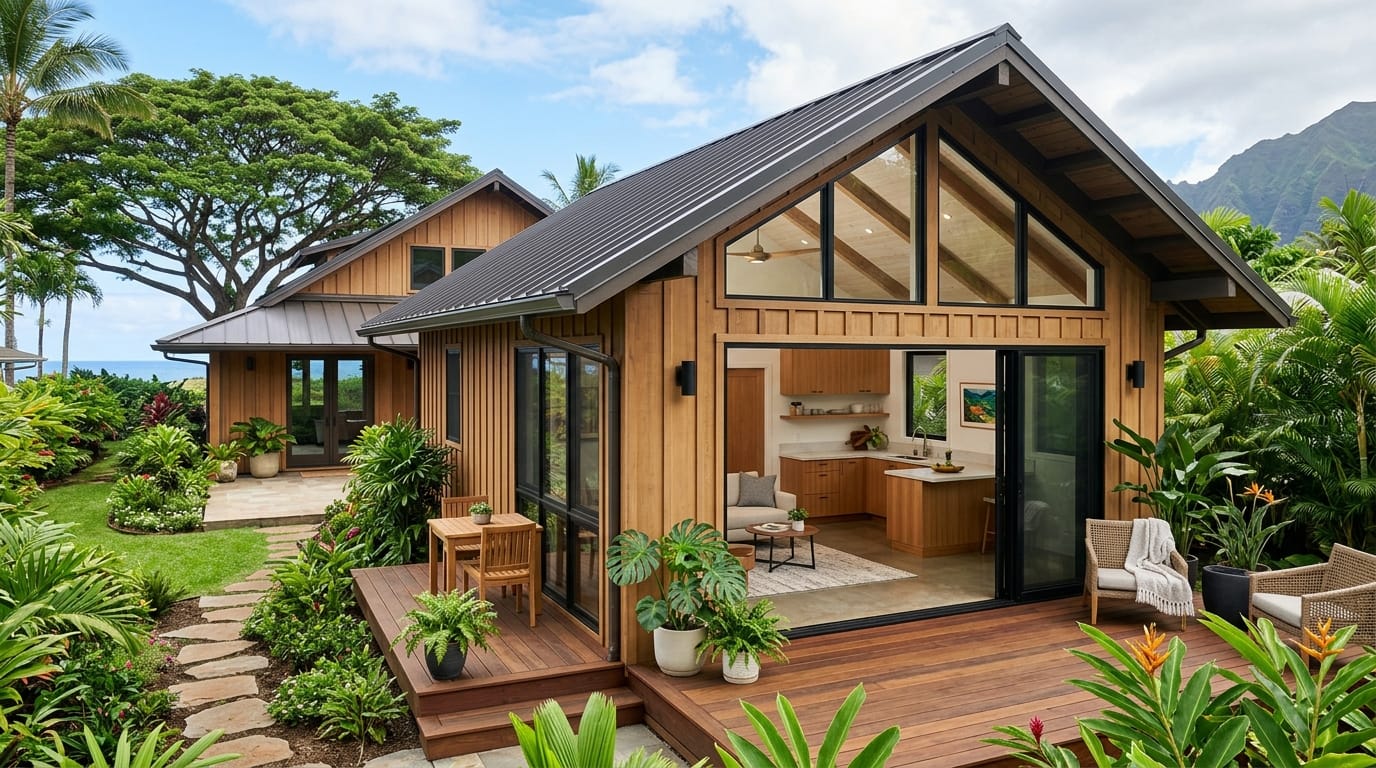
If you’re considering adding an Accessory Dwelling Unit (ADU) in Kapa’a, the first numbers you need to know for 2026 are the cost and timeline. Based on our recent projects on Kaua’i’s East side, a quality-built ADU will run you between $375 and $550 per square foot, and the entire process, from initial design sketches to final inspection, will take anywhere from 10 to 16 months. These aren’t mainland numbers; this is the reality of building on an island, specifically in a place like Kapa’a where salt air, shipping logistics, and Kaua’i County permitting have to be factored in from day one. As a dedicated adu builder kapa’a homeowners trust, we’ve seen too many families get sticker shock or timeline fatigue because they were given unrealistic expectations by someone who doesn’t understand the Garden Isle.
\n\n
An ADU, or what we’ve called an ohana unit for generations, is one of the smartest investments a Hawaii homeowner can make. It can house family members, generate significant rental income, and increase your property value. But getting it right involves navigating a very specific set of local challenges. It’s not just about building four walls and a roof; it’s about choosing materials that won’t rust out in two years from the Kapa’a salt spray, designing a foundation that works with our volcanic soils, and knowing the Kaua’i County planning department’s process inside and out. Our team at Warrior Construction (License BC-34373) has been building in these conditions for over two decades. We understand the unique rhythm of neighbor island construction and the importance of getting every detail right, from the hurricane straps on the roof to the stainless steel fasteners on the lanai.
\n\n
This article will walk you through the essential things you need to know before you break ground. We’ll cover the real costs you can expect in 2026, the detailed timeline from start to finish, the specific permit requirements for Kaua’i, and how to select a qualified ADU contractor in Kapa’a who won’t let you down. This is the practical advice we share with our clients over coffee, born from years of hands-on experience right here on Kaua’i.
\n\n
Why Kapa’a Homeowners Trust Warrior Construction for ADU Builder
\n\n
When you decide to build an ADU, you’re not just hiring a crew with hammers; you’re choosing a partner to manage a complex, multi-stage project that represents a major investment in your property. Homeowners in Kapa’a trust Warrior Construction because we bring more than just construction expertise—we bring deep, localized Kaua’i knowledge. We’ve been a licensed general contractor in Hawaii (BC-34373) for over 20 years, and that time on the ground, especially on the neighbor islands, makes all the difference.
\n\n
Here’s the thing: building on Kaua’i is fundamentally different from building on Oahu. The supply chain is longer, the pool of specialized subcontractors is smaller, and the county’s review process has its own unique quirks. Our team has established, long-term relationships with local suppliers in Lihue, which means we can better anticipate material availability and manage the logistics of barge shipments. We know which window suppliers stock products with the right salt-air resistant coatings and which lumber yards treat their wood to the proper specifications for Hawaii’s termite pressure. A contractor flying in from Honolulu simply won’t have these crucial relationships.
\n\n
Furthermore, our experience extends to navigating the specific environmental challenges of Kapa’a. On a recent project near Kealia Beach, we had to design a foundation system that accounted for both the corrosive salt spray and potential high-wind loads in that coastal zone. This meant specifying hot-dip galvanized structural connectors and engineering the shear walls to exceed hurricane code requirements. It’s this proactive, site-specific planning that prevents costly change orders and future maintenance headaches. We don’t just build to code; we build for the specific microclimate of your Kapa’a property. We believe that’s the standard any reputable ohana unit builder kapa’a should meet.
\n\n
Our commitment to transparency is another reason clients choose us. We provide detailed, line-item budgets and realistic schedules. We want you to understand where every dollar is going and what every week of the project entails. Building an ADU is a significant journey, and our job is to be your expert guide, ensuring the process is as smooth and predictable as possible. We live and work in these communities, and our reputation is built on the success of every project and the satisfaction of every homeowner.
\n\n
What Does ADU Builder Cost in Kapa’a?
\n\n
Let’s get straight to the point on cost, because vague answers don’t help you plan. For a standard-finish 800-square-foot ADU in Kapa’a in 2026, you should budget for a total project cost between $300,000 and $440,000. That works out to a blended rate of $375 to $550 per square foot. Anyone quoting you significantly less is likely cutting corners on materials, insurance, or skilled labor—all of which will cost you more in the long run.
\n\n
This price isn’t just the physical structure. It’s an all-in number that includes everything from the architect’s plans to the final coat of paint. A common mistake we see homeowners make is underestimating the “soft costs” and site work, which can easily account for 25-30% of the total budget. Our estimates are comprehensive because there are no shortcuts to a successful build.
\n\n
Here’s a realistic breakdown of where that money goes for an 800 sq. ft. ADU in Kapa’a:
\n
- \n
- Pre-Construction (Design, Engineering, & Permitting): $28,000 – $45,000. This includes architectural plans, structural engineering calculations (critical for hurricane zones), septic or sewer capacity studies, and the fees paid directly to Kaua’i County.
- Site Prep & Foundation: $25,000 – $50,000. This varies hugely depending on your lot. Is it flat or sloped? Is it rocky? Does it require a new septic system? This covers grading, trenching for utilities, and pouring a concrete slab-on-grade or building a post-and-pier foundation.
- Framing & Structure: $70,000 – $90,000. This is the skeleton of your ADU, including lumber, shear panels, and all the hurricane straps and connectors required by code.
- Exterior Finishes (Roofing, Siding, Windows, Doors): $60,000 – $85,000. In Kapa’a, this is not the place to save money. We insist on using materials designed for our salt-laden, humid environment, like standing seam metal roofing, fiber cement siding, and vinyl or fiberglass windows with stainless steel hardware.
- Interior Finishes (Drywall, Flooring, Paint, Cabinets, Counters): $80,000 – $110,000. This is where your personal taste comes in. The cost can fluctuate based on whether you choose stock cabinets from a local supplier or custom-built ones, laminate countertops or quartz.
- MEP (Mechanical, Electrical, Plumbing): $40,000 – $60,000. This covers running new sewer and water lines, the electrical panel and all wiring, plumbing for the kitchen and bathroom(s), and any ventilation or AC systems.
- Neighbor Island Logistics Premium: We typically add a 15-20% factor to material costs to account for barge shipping from Oahu, freight to the job site in Kapa’a, and potential delays. This is a real, unavoidable cost of building on Kaua’i.
\n
\n
\n
\n
\n
\n
\n
\n\n
A crucial factor is whether your property needs a new septic system or can connect to the county sewer. A brand new engineered septic system on Kaua’i can add $30,000 to $50,000 to your site work costs. It’s one of the first things we investigate during our feasibility study for a new ADU project. Getting this wrong can derail a project’s budget before a single nail is hammered.
\n\n
How Long Does a ADU Builder Take in Kapa’a?
\n\n
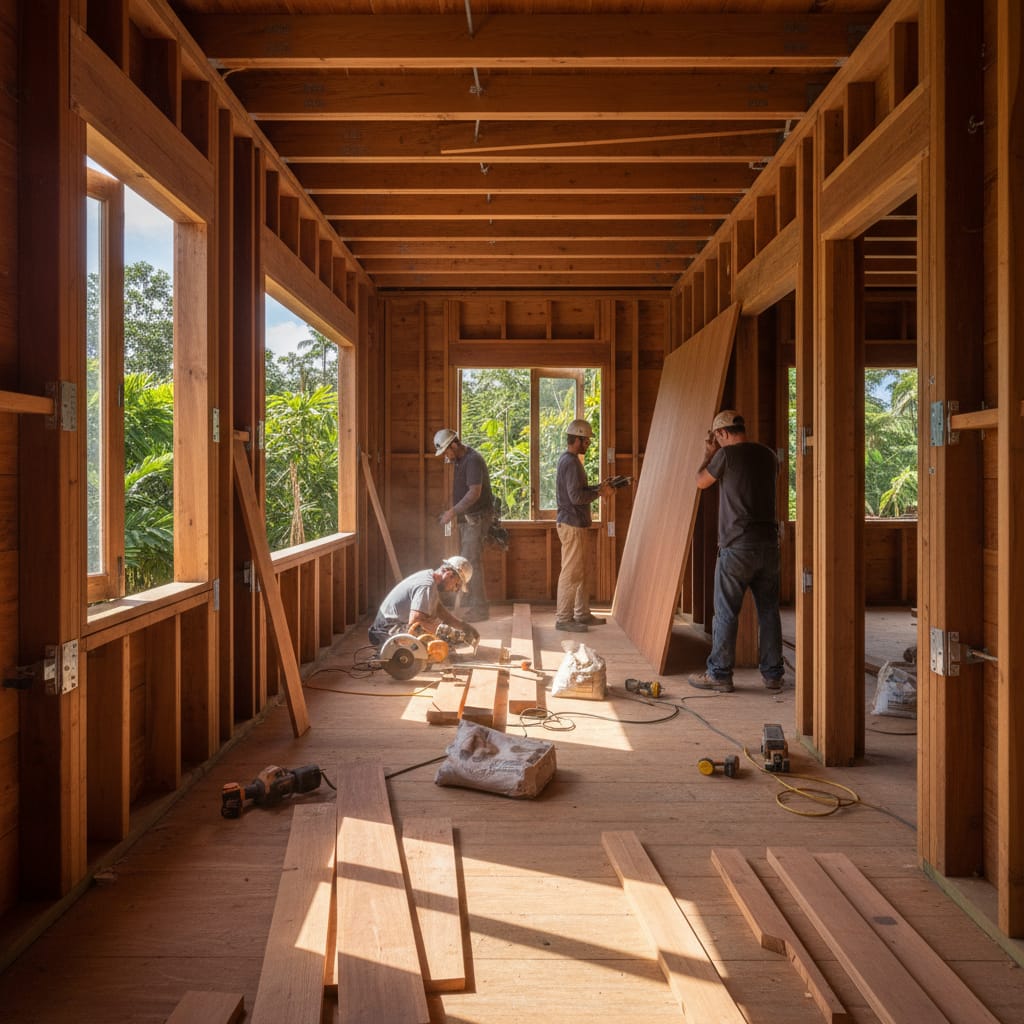
Building an ADU is a marathon, not a sprint, especially on Kaua’i. A realistic timeframe, from our first conversation to you getting the keys, is 10 to 16 months in 2026. Many homeowners are surprised by this, often because they only picture the construction phase. In reality, the work that happens before we ever break ground—the planning and permitting—often takes as long, if not longer, than the build itself.
\n\n
Our process is broken down into distinct phases, each with its own timeline. Understanding this helps set clear expectations and milestones.
\n\n
Here’s the typical project schedule for an adu builder kapa’a project:
\n
- \n
- Phase 1: Feasibility, Design & Planning (8 – 12 weeks): This is the crucial homework phase. We start with a feasibility study to confirm your property is zoned for an ADU and identify any potential red flags like utility capacity or setback issues. Then, we work with you and our architect to design a unit that fits your needs, your lot, and your budget. This phase concludes with a complete set of construction-ready blueprints and engineering plans.
- Phase 2: Permitting with Kaua’i County (4 – 7 months): This is the biggest variable and often the most frustrating part for homeowners. Once we submit your plans to the Kaua’i County Planning Department and Department of Public Works, they go through a series of reviews. Unlike Honolulu’s more streamlined (though still lengthy) process[1], Kaua’i’s departments can have significant backlogs. We’ve seen simple plans take four months and more complex ones, especially those in flood zones or with septic systems, take over half a year. We manage this process closely, responding to reviewer comments promptly to keep things moving.
- Phase 3: Site Preparation & Foundation (3 – 5 weeks): Once we have the approved permit in hand, physical work can begin. This involves clearing and grading the site, trenching for utilities (water, sewer/septic, electrical), and forming and pouring the concrete foundation. Weather is a big factor here; a week of heavy Kapa’a rain can easily halt all groundwork.
- Phase 4: Construction & Finishing (5 – 7 months): This is the phase everyone looks forward to. It includes framing the structure, installing the roof and windows, running electrical and plumbing, putting up drywall, and installing all the finishes like flooring, cabinets, and fixtures. The timeline here is heavily dependent on material logistics. For example, if your custom windows are delayed on a barge from the mainland, it can pause the entire project for weeks. We order long-lead-time items the moment the permit is approved to minimize these delays.
- Phase 5: Final Inspections & Handover (2 – 3 weeks): After construction is complete, the county building inspectors will visit the site multiple times to sign off on the electrical, plumbing, and final construction. Once we have that final green tag, we do a thorough walkthrough with you, hand over the keys, and your ADU is officially ready.
\n
\n
\n
\n
\n
\n
Patience and proper planning are key. Rushing the design phase or trying to start work before a permit is issued will only lead to more significant delays and costs down the line. We build the timeline into our project plan from day one so you know exactly what to expect.
\n\n
What Permits Do You Need for ADU Builder in Kapa’a?
\n\n
Navigating the permitting process is one of the most critical services an experienced ADU contractor provides. In Kapa’a, this means working with the Kaua’i County Planning Department and the Building Division. It’s a meticulous process, and any mistakes on the application or plans will send you to the back of the line, adding months to your project timeline. An ADU is a new dwelling, so it requires the same level of scrutiny and documentation as building a new primary home.
\n\n
Many homeowners on Kaua’i search for “Bill 7 ADU Kapa’a,” thinking the rules are the same across the state. This is a common misconception. Bill 7 was a Honolulu-specific ordinance designed to encourage ADU construction on Oahu. Kaua’i has its own distinct set of rules, primarily governed by Chapter 8 of the Kaua’i County Code, which outlines zoning regulations. Your contractor must be an expert in Kaua’i’s code, not Honolulu’s.
\n\n
Here is a checklist of the permits and documents required to build an ADU in Kapa’a:
\n
- \n
- Building Permit Application: This is the main application submitted to the Kaua’i County Building Division.
- Complete Construction Plans: These are not simple sketches. You need professionally drafted architectural plans that include floor plans, elevations, sections, and site plans showing property lines, setbacks, and the location of the new unit.
- Structural Engineering Plans & Calculations: A licensed structural engineer in Hawaii must design the foundation and framing to withstand our specific wind and seismic loads. This is non-negotiable.
- Drainage Plan: You must show how you will manage stormwater runoff from the new roof and impervious surfaces to prevent impacting your neighbors.
- Wastewater System Clearance: You’ll need approval from the Department of Health for a new septic system or a letter from the Department of Public Works confirming the existing sewer line has adequate capacity.
- Electrical & Plumbing Plans: Detailed schematics for all wiring and plumbing, to be reviewed for code compliance.
- Property Survey: A recent survey from a licensed surveyor may be required to verify property lines and setbacks.
\n
\n
\n
\n
\n
\n
\n
\n\n
The process itself involves multiple steps. First, the Planning Department reviews the plans for zoning compliance—making sure the ADU meets setback, height, and lot coverage requirements. Once they sign off, the plans go to the Building Division for a technical review of the construction details against the building code. This can involve several rounds of comments and revisions. For example, on a recent Kapa’a project in a Special Flood Hazard Area, we had to coordinate with a surveyor to provide a flood elevation certificate and engineer the foundation to be above the Base Flood Elevation, which added an extra layer of review.
\n\n
At Warrior Construction, we handle the entire permitting process on your behalf. We prepare the submission package, submit it to the county, and manage all communication with the plan reviewers. This expert management prevents unnecessary delays and ensures your project starts off on the right foot, fully compliant with all Kaua’i County regulations.
\n\n
Kapa’a-Specific Considerations: Climate, Materials, Regulations
\n\n
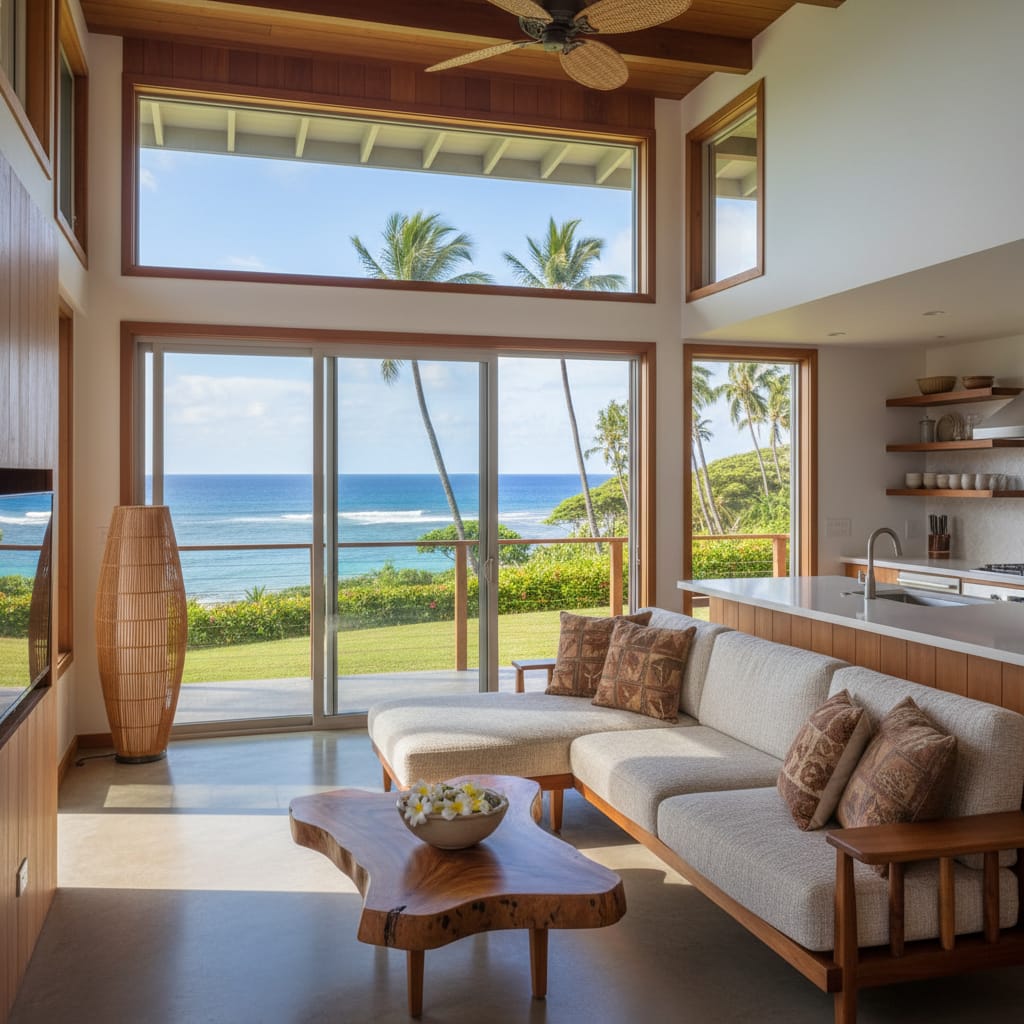
Building in Kapa’a isn’t like building anywhere else, not even in Poipu or Hanalei. The East side of Kaua’i has a unique combination of relentless trade winds, heavy rainfall, and corrosive salt spray that dictates how we design and build. An ADU built with standard mainland materials or methods will look worn and have problems within five years. As a local ADU contractor kapa’a, we engineer our projects specifically for these conditions.
\n\n
Climate and Materials
\n
The number one enemy of any structure in Kapa’a is the combination of salt and moisture. The constant onshore breeze carries a fine mist of salt that settles on every surface, accelerating corrosion on metal and promoting mold and rot on untreated wood. This reality guides all of our material selections:
\n
- \n
- Fasteners and Connectors: We use only stainless steel or hot-dip galvanized screws, nails, and structural connectors. Using cheaper electro-galvanized hardware is a recipe for disaster; we’ve seen lanai decks fail prematurely because the joist hangers rusted through.
- Windows and Doors: Vinyl or fiberglass frames are superior to aluminum, which can pit and corrode. We also specify windows with high-performance coatings that protect against salt degradation and UV rays. All hardware, from hinges to locks, must be stainless steel.
- Siding: Fiber cement siding (like James Hardie) is our go-to choice. It’s impervious to termites, resists rot and moisture, and holds paint far better than wood in our humid climate.
- Roofing: A standing seam metal roof with a Kynar 500 paint finish is the best long-term investment. It offers superior protection against wind-driven rain and the finish is specifically designed to resist fading and chalking from the intense Hawaiian sun and salt air.
- Ventilation: Proper ventilation is critical to prevent moisture buildup and mold. We design our ADUs with effective ridge and soffit vents and recommend high-quality, humidity-sensing bathroom fans to actively manage indoor air quality.
\n
\n
\n
\n
\n
\n\n
Logistics and Supply Chain
\n
Everything you build with in Kapa’a arrived on a barge. This simple fact has huge implications for project management. Unlike on the mainland where you can get materials delivered next-day, we have to plan for a supply chain that can be weeks or months long. Young Brothers’ barge schedule dictates our construction schedule. If we need a special-order window package or a specific type of flooring, our team orders it the day your permit is approved, knowing it could take 10-14 weeks to arrive in Lihue. An inexperienced contractor might wait until the week before, causing a massive project delay while the crew waits for materials. We have dedicated logistics staff who track every shipment, from the factory on the mainland to the port in Honolulu, and then on the inter-island barge to Kaua’i.
\n\n
Local Regulations and Site Conditions
\n
Beyond the building code, Kapa’a has specific zoning and land use considerations. Many properties are on sloped terrain, requiring more complex and expensive foundations like post-and-pier or engineered retaining walls. We also frequently deal with lots that require archaeological monitoring if they are near historical or culturally sensitive sites. On one project, we had to have an archaeologist on-site during all ground-disturbing work, a requirement we identified early in the planning process to avoid surprising the client with the cost and schedule impact. Understanding these local nuances is what separates a truly experienced Kaua’i builder from the rest.
\n\n
How to Choose the Right ADU Builder Contractor in Kapa’a
\n\n
Choosing the right contractor is the single most important decision you will make for your ADU project. The right partner will make the process smooth and deliver a high-quality home; the wrong one can turn your dream into a nightmare of delays, budget overruns, and shoddy workmanship. Here’s a practical checklist of what to look for in an ADU builder in Kapa’a.
\n\n
1. Verify Their License and Insurance
\n
This is the absolute first step. Don’t just take their word for it. Every legitimate general contractor in Hawaii must have a license issued by the Department of Commerce and Consumer Affairs (DCCA). Our license is BC-34373. You can and should verify any contractor’s license online using the state’s Public Visual License Search tool[2]. Ensure their license is “Active” and in good standing. Additionally, ask for proof of both General Liability insurance and Worker’s Compensation insurance. If a worker gets hurt on your property and the contractor isn’t properly insured, you could be held liable.
\n\n
2. Demand Kaua’i-Specific Experience
\n
Don’t settle for a contractor whose experience is primarily on Oahu or the mainland. Ask them to show you a portfolio of projects they have completed *on Kaua’i*, preferably on the East side. Ask for the addresses so you can drive by and see the quality of their work. A builder with deep Kaua’i experience will have established relationships with local inspectors, suppliers, and subcontractors, which is invaluable for keeping a project on track.
\n\n
3. Get Local References
\n
Talk to their past clients on Kaua’i. Don’t just ask if they were happy with the final product. Ask about the process:
\n
- \n
- How was the communication throughout the project?
- Did they stick to the budget? If not, were the change orders clearly explained and justified?
- Did they keep the job site clean and safe?
- How did they handle unexpected problems or delays?
- Would you hire them again?
\n
\n
\n
\n
\n
\n
The answers to these questions will tell you more about a contractor than any glossy brochure. As a trusted ohana unit builder kapa’a, we are always happy to provide a list of recent clients you can speak with.
\n\n
4. Review Their Contract and Bidding Process
\n
A professional contractor will provide a detailed, transparent contract and a line-item bid. Be wary of a one-page estimate with a single lump-sum price. You should be able to see a breakdown of costs for materials, labor, permits, and subcontractor work. The contract should clearly outline the payment schedule, the project scope, a process for handling change orders, and the warranty they provide on their work. A vague contract is a major red flag. At Warrior Construction, our contracts are comprehensive to protect both you and our team, ensuring there are no misunderstandings down the road.
\n\n
Real Kapa’a ADU Builder Project Example
\n\n
To make this all more concrete, let’s walk through a typical ADU project our team recently completed in the Kapa’a Homesteads area. This provides a real-world look at the process, challenges, and outcomes.
\n\n
The Client & Goal: A local family with a 15,000 square foot lot. Their goal was to build a comfortable and accessible 750-square-foot, two-bedroom, one-bathroom ADU for their aging parents. They needed it to be single-level with wider doorways and a zero-threshold shower for potential future accessibility needs.
\n\n
The Challenge: The ideal location for the ADU on their property was on a slight slope with challenging soil conditions—a common issue in that part of Kapa’a. A standard slab-on-grade foundation would have required extensive, costly grading and retaining walls. Furthermore, their existing septic system was undersized and too old to support a second dwelling.
\n\n
Our Solution:
\n
- \n
- Foundation: After a geotechnical evaluation, we designed a post-and-pier foundation. This minimized the need for extensive earthwork, preserving the natural landscape of the property and saving the client nearly $20,000 in site prep costs compared to a slab. It also allowed for better air circulation under the structure, which helps manage moisture.
- Wastewater: We coordinated with a local civil engineer to design a new, appropriately sized septic system to serve both the main house and the new ADU. We handled the entire Department of Health permitting process for the new system concurrently with the building permit application.
- Design: Our architectural partner designed a smart, efficient layout that maximized the 750 sq. ft. footprint. We included a covered lanai facing the trade winds to create a comfortable outdoor living space, a key feature for island living. Materials were specified from the start for durability in Kapa’a’s climate, including a standing seam metal roof and fiber cement siding.
\n
\n
\n
\n\n
The Numbers:
\n
- \n
- Total Project Timeline: 12.5 months (3 weeks for design, 5.5 months for permitting, 6 months for construction).
- Total Construction Cost: Approximately $345,000.
- Cost per Square Foot: $460.
\n
\n
\n
\n\n
The Outcome: The family now has a beautiful, safe, and durable home for their parents right on their property. The design seamlessly integrates aging-in-place features without feeling institutional. By addressing the site challenges with smart engineering and local expertise, we were able to deliver the project on budget and create a valuable asset that will serve their family for generations.
\n\n
What this means for Hawaii homeowners
\n
Building an ADU in Kapa’a is one of the most powerful tools available to Hawaii homeowners in 2026. It’s a direct way to combat the high cost of living, keep family close, and build generational wealth. But it is not a simple undertaking. The difference between a successful project and a costly failure often comes down to understanding and respecting the unique local context of building on Kaua’i.
\n\n
You have to go into this process with your eyes wide open to the realities of neighbor island logistics, the specific challenges of our coastal climate, and the deliberate pace of the Kaua’i County permitting office. The numbers are significant, and the timelines are longer than you might see on mainland TV shows. Trying to cut corners on design, materials, or the quality of your contractor will almost certainly lead to bigger expenses in the form of repairs, delays, or a final product that doesn’t meet your needs.
\n\n
Here are your actionable first steps if you’re seriously considering an ADU:
\n
- \n
- Verify Your Zoning: Before you spend a dime on plans, confirm your property is zoned to allow an ADU. We can help you with a preliminary zoning check as part of our initial consultation.
- Assess Your Finances: Talk to a lender who is experienced with construction loans in Hawaii. Have a clear understanding of your total budget, and always include a 10-15% contingency fund for unexpected issues.
- Define Your ‘Why’: Be clear on the primary purpose of the ADU. Is it for rental income? For an elderly parent? For your adult children? The intended use will drive key design decisions.
- Engage a Professional Early: The most important step is to start a conversation with a qualified, licensed, and experienced Kaua’i builder. A good contractor will guide you through the feasibility and design process, providing realistic cost estimates and timelines from the very beginning. This initial planning is the best investment you can make in your project’s success.
\n
\n
\n
\n
\n\n
An ADU is a fantastic addition to your Kapa’a home, but it must be done right. Partnering with a team that has the local knowledge and experience is the key to navigating the process successfully and protecting your investment.
\n\n
Frequently Asked Questions About ADU Builder in Kapa’a
\n
What is the maximum size for an ADU in Kapa’a?
\n
As of 2026, the Kaua’i County code generally limits the size of an ADU based on your lot size. For lots under 10,000 square feet, the maximum is typically 600 square feet. For lots 10,000 square feet or larger, you can often build up to 800 square feet. However, these are general rules and can be affected by specific zoning and lot coverage limitations. We always verify the maximum allowable size for your specific property with the Planning Department.
\n
\n
Can I build a two-story ADU in Kapa’a?
\n
In most residentially zoned areas of Kapa’a, a two-story ADU is possible as long as it does not exceed the overall height limit for the zoning district, which is typically 25 or 30 feet. However, building a second story significantly increases costs due to the additional structural engineering, stairs, and construction complexity. We can analyze the cost-benefit for your specific lot and budget during the design phase.
\n
\n
How much are permit fees for an ADU on Kaua’i?
\n
Permit fees are calculated based on the valuation of the project. For a typical $350,000 ADU project in Kapa’a, you can expect the building permit and associated plan review fees to be in the range of $5,000 to $8,000. This does not include other potential costs like water meter fees or wastewater system review fees, which can add several thousand more.
\n
\n
Do I need a separate water meter for my Kapa’a ADU?
\n
This depends on the Kaua’i Department of Water. In many cases, if your existing water meter is the standard 5/8 inch size, you will be required to install a new, larger meter or a second meter for the ADU. Budgeting for this is crucial, as a new water meter installation can cost between $7,000 and $12,000. It’s a requirement we investigate during our initial feasibility study.
\n
\n
Can I rent my ADU to tourists or as a short-term vacation rental (TVR)?
\n
Generally, no. ADUs built under standard residential zoning codes in Kapa’a are intended for long-term housing (30 days or more). Using an ADU as a transient vacation rental is prohibited unless your property is located in a designated Visitor Destination Area (VDA) and you obtain the proper TVR permits, which are very difficult to get. The county has strict enforcement, so planning to use your ADU for long-term rental is the safest and most compliant approach.
\n
\n
How does an ADU affect my property taxes?
\n
Adding a permitted ADU will increase the assessed value of your property, which will result in an increase in your annual property taxes. The exact amount of the increase will be determined by the county’s Real Property Assessment Division after the project is completed. Homeowners typically see their property taxes go up in proportion to the value added by the new unit, so it’s an important ongoing cost to factor into your budget.
\n
\n
Why is building on Kaua’i more expensive than on Oahu?
\n
The primary drivers are logistics and scale. Almost all building materials must be shipped from Oahu or the mainland via barge, adding significant freight costs. Additionally, Kaua’i has a smaller labor pool and fewer suppliers, which means less competition and higher prices for both materials and skilled trade services. We have to be far more strategic with planning and procurement to manage these built-in costs.
\n
\n
\n\n
Building an ADU is a major undertaking, but the rewards for your family and your finances can be immense. The key is working with a partner who understands the unique challenges and opportunities of building right here in Kapa’a. At Warrior Construction, we combine decades of statewide experience with a deep respect for Kaua’i’s local building environment.
\n\n
If you’re ready to explore what’s possible on your property, our team is here to provide a clear, honest, and expert assessment. Let’s talk about building an ohana unit that will last for generations.
\n\n
Ready to start the conversation about your Kapaʻa ADU project? Learn more about our specialized ADU & Ohana Unit construction services and how we can help you navigate every step of the process, from design to final inspection. Contact Warrior Construction today for a no-obligation consultation.
\n\n
References
\n