“
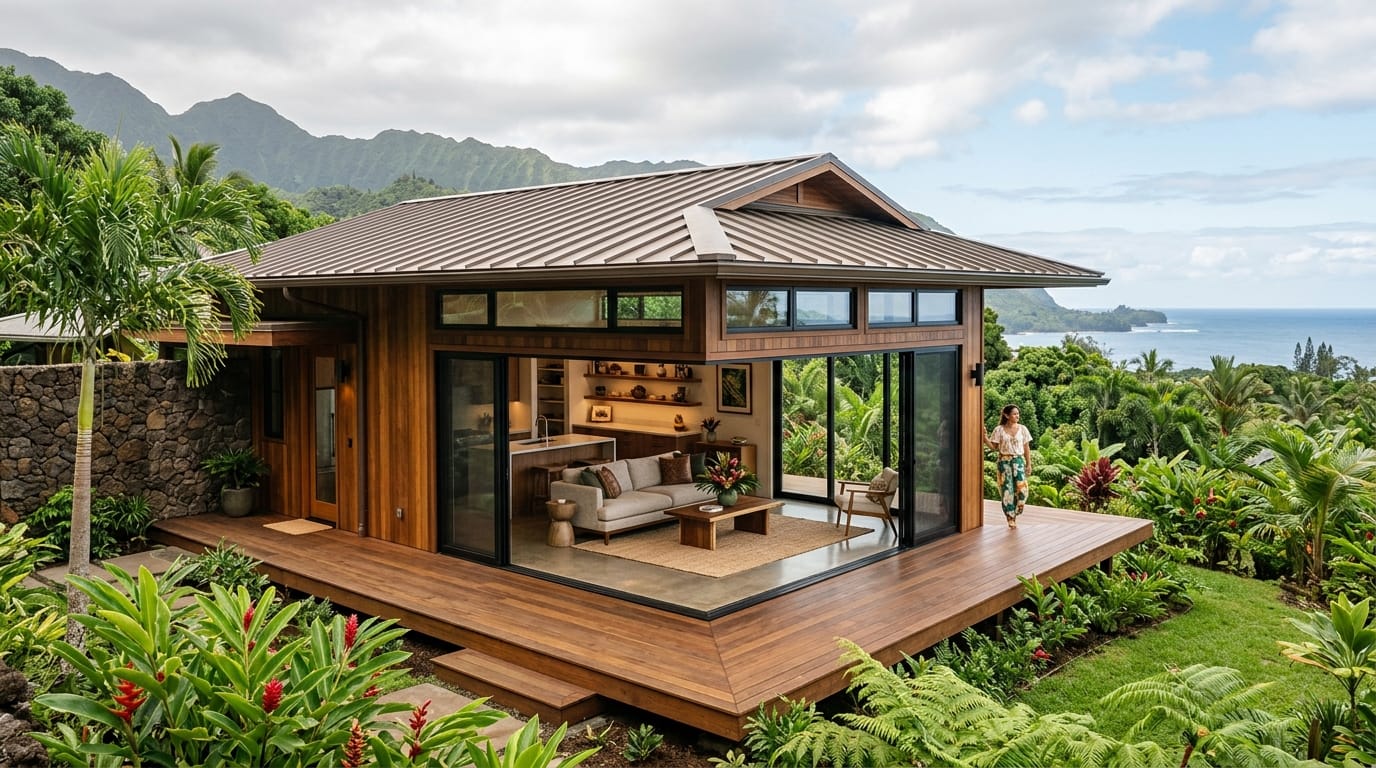
As a dedicated adu builder princeville homeowners have trusted for years, our team at Warrior Construction can tell you this: building an Accessory Dwelling Unit on Kaua’i’s North Shore is a completely different ballgame than anywhere else in Hawaii. For 2026, you can expect a high-quality ADU in Princeville to cost between $425 and $550 per square foot, with a total project timeline stretching from 14 to 21 months from initial design to final walkthrough. This isn’t just about construction; it’s about navigating a unique combination of demanding environmental conditions, stringent community association rules, and the logistical realities of building on a neighbor island. The process requires a depth of local knowledge that can make or break your project’s budget and timeline.
\n\n
For over two decades, we’ve been on the ground here, managing everything from complex hillside foundations to the meticulous finish work demanded by luxury properties. We’ve seen firsthand how the right materials can stand up to the relentless North Shore salt and rain, and how the wrong ones can fail in just a few years. More importantly, we have a long track record of successfully guiding projects through the dual-approval process of both the County of Kaua’i and the notoriously particular Princeville Community Association (PCA). This article breaks down our hard-won insights, giving you the real numbers, timelines, and considerations you need to plan your Princeville ohana unit with confidence. We’ll cover everything from precise 2026 cost breakdowns and permitting hurdles to selecting materials that will last a lifetime in this beautiful but challenging environment.
\n\n
Why Princeville Homeowners Trust Warrior Construction for ADU Builder
\n\n
Building in Princeville isn’t just a matter of following county code; it’s about understanding the specific aesthetic and structural demands of the community. Homeowners trust our team because we bring specialized, on-the-ground experience that a general contractor from another island simply won’t have. Our reputation as a premier adu builder princeville relies on our deep familiarity with the two entities that govern every nail hammered here: The County of Kaua’i and the Princeville Community Association (PCA) Design Review Committee.
\n\n
Successfully navigating the PCA is half the battle. They have strict covenants regarding everything from roof pitch and material to paint color and window placement. We’ve presented dozens of plans to their committee over the years. We know what they look for and how to design an ADU that meets their requirements without compromising your vision or the county’s building codes. For example, on a recent project near the Makai Golf Course, the client wanted a very modern, flat-roof design. We knew from experience the PCA would likely reject it. So, our team worked with the architect to create a low-pitch hipped roof design that still felt contemporary but fit the community’s design language, gaining swift approval and saving the client months of redesign and resubmission headaches.
\n\n
Furthermore, our material selection process is born from years of seeing what withstands the North Shore climate. The combination of intense sun, heavy rainfall, and corrosive salt air is brutal. We don’t just build to code; we build for longevity. This means we specify 316 marine-grade stainless steel for all exterior fasteners, recommend fiberglass or high-end vinyl windows over standard aluminum, and utilize advanced waterproofing systems at every opening. It’s this level of detail that prevents costly repairs down the line. We build every ohana unit as if it were our own, ensuring it stands as a lasting, valuable addition to your property.
\n\n
What Does ADU Builder Cost in Princeville?
\n\n
Let’s get straight to the numbers for 2026. The all-in cost for a turnkey ADU in Princeville typically lands between $300,000 and $550,000, depending on size, site conditions, and level of finish. The most useful metric we use is cost per square foot, which for a quality build on the North Shore runs from $425 to $550 per square foot for the construction itself. This is higher than in Lihue or even on Oahu, driven by island logistics, labor costs, and the higher-grade materials required for the coastal environment.
\n\n
To give you a clearer picture, let’s break down the budget for a hypothetical 700-square-foot, two-bedroom ADU in Princeville:
\n\n
- \n
- Soft Costs (Design & Permitting): $40,000 – $65,000\n
- \n
- Architectural & Engineering Plans: $25,000 – $40,000
- County of Kaua’i Permit Fees (Building, Electrical, Plumbing): ~$5,000 – $8,000
- Princeville Community Association Review Fee: ~$1,000
- Geotechnical Report (if required for slope): $5,000 – $15,000
\n
\n
\n
\n
\n
- Hard Costs (Construction): $297,500 – $385,000\n
- \n
- Calculation: 700 sq ft x $425/sq ft = $297,500 (mid-grade finishes)
- Calculation: 700 sq ft x $550/sq ft = $385,000 (high-end finishes)
\n
\n
\n
- Other Costs: $15,000 – $40,000+\n
- \n
- Utility Connections (Water, Sewer, Electric): $10,000 – $25,000
- Landscaping & Hardscaping: $5,000 – $15,000+
- Contingency (10% is wise): ~$30,000 – $40,000
\n
\n
\n
\n
\n
\n
\n
\n\n
Total Estimated Project Cost: $352,500 – $490,000
\n\n
What drives you to the higher end of that range? Three main factors: site complexity, finish level, and structural requirements. A flat, easily accessible lot will always be cheaper to build on than a sloped lot requiring significant excavation and retaining walls. For finishes, choosing imported Italian tile, custom Koa cabinetry, and high-end appliances will naturally increase the cost compared to quality stock options. Finally, designing for large window walls or wide-open lanais requires more structural steel and engineering, which adds to the budget. As your ADU contractor princeville, we provide detailed, line-item budgets during our preconstruction phase so you know exactly where every dollar is going.
\n\n
How Long Does a ADU Builder Take in Princeville?
\n\n
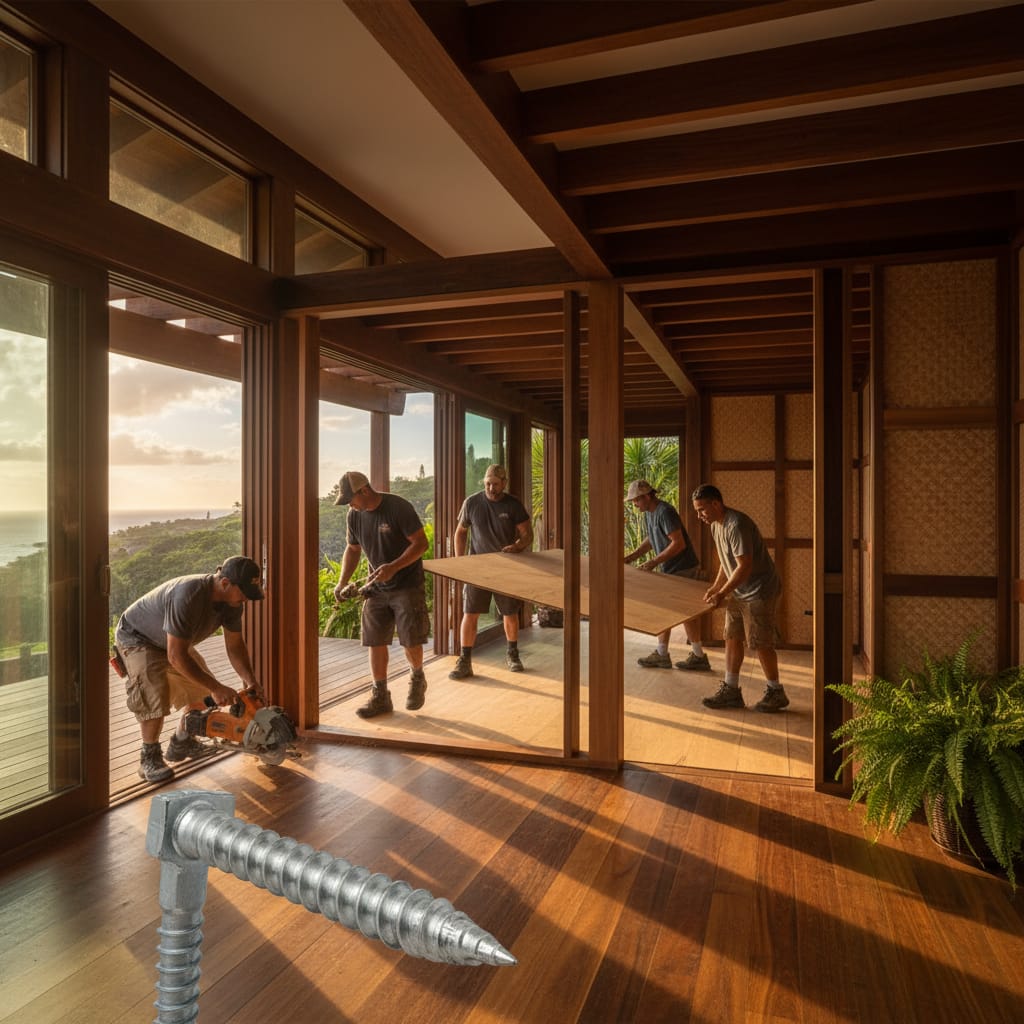
Patience is essential when building on Kaua’i, and especially in Princeville. A realistic timeline from the day you hire an architect to the day you receive your keys is between 14 and 21 months in 2026. This is often the biggest surprise for homeowners, especially those from the mainland where timelines can be shorter. The bottleneck is almost never the actual construction; it’s the extensive pre-construction and permitting phase.
\n\n
Here’s a phase-by-phase breakdown of a typical Princeville ADU project timeline:
\n\n
- \n
- Phase 1: Design & PCA Approval (3-5 Months)\n
- \n
- Initial concepts, schematic design, and material selection with your architect.
- Development of detailed construction documents.
- Submission to the Princeville Community Association Design Review Committee. This can take 6-8 weeks alone, and that’s if they approve it on the first pass. If they require revisions, this phase can easily stretch longer. Our team knows how to prepare a package that anticipates their questions, which helps streamline this critical step.
\n
\n
\n
\n
- Phase 2: County of Kaua’i Permitting (6-9 Months)\n
- \n
- Once the PCA approves the design, we submit the full plan set to the County of Kaua’i Department of Public Works.
- This is the longest and least predictable phase. The plans go through multiple departmental reviews (planning, building, fire, public works). In 2026, the county is still dealing with a significant backlog, and a 6-month wait is considered fast. We’ve seen straightforward projects take up to a year to get a permit.
- During this waiting period, we are busy with final budgeting, material procurement, and scheduling our subcontractors.
\n
\n
\n
\n
- Phase 3: Construction (5-7 Months)\n
- \n
- With permit in hand, we can finally break ground. This is the phase where you see daily progress.
- Site work and foundation: 3-4 weeks
- Framing and roofing: 4-6 weeks
- Rough-in (plumbing, electrical, HVAC): 3-4 weeks
- Exterior and Interior Finishes (windows, drywall, flooring, paint, cabinets): 8-12 weeks
- Final inspections and punch list: 2-3 weeks
\n
\n
\n
\n
\n
\n
\n
\n
\n
\n
\n
The key takeaway is that nearly two-thirds of the total project duration is spent before any construction begins. A builder who isn’t transparent about the permitting timeline isn’t giving you the full picture. We set realistic expectations from our very first meeting.
\n\n
What Permits Do You Need for ADU Builder in Princeville?
\n
Building an ADU in Princeville requires a dual-track approval process that can be complex to manage. You’re not just satisfying the government; you’re also satisfying a private community association with its own set of rigorous standards. As your general contractor, we manage this entire process, but it’s crucial for homeowners to understand what’s involved.
\n\n
First and foremost is the Princeville Community Association (PCA) Design Review Committee Approval. Before you can even think about submitting to the county, your complete plans, including site plan, floor plans, elevations, material specs, and landscaping plan, must be approved by the PCA. They are focused on maintaining the community’s cohesive, high-end aesthetic. They will scrutinize:
\n
- \n
- Architectural Style: Does it align with the established look and feel of Princeville?
- Materials and Colors: They have a palette of approved roofing materials, siding types, and exterior paint colors.
- Building Massing and Scale: Is the ADU proportional to the main house and the lot?
- Landscaping: Your plan must show how the new structure will be integrated into the landscape.
- Setbacks and Height: The PCA’s setback requirements are often stricter than the county’s.
\n
\n
\n
\n
\n
\n\n
Once you have the PCA’s blessing, our team then submits the plans to the County of Kaua’i Department of Public Works. This is the official government permitting process, similar to what you’d find in other jurisdictions like Honolulu’s Department of Planning and Permitting[1]. The required permits include:
\n\n
- \n
- Building Permit: This is the main permit covering all structural and architectural aspects of the project. The plans are reviewed for compliance with the International Building Code (IBC) and local amendments, including Hawaii’s stringent hurricane code requirements.
- Electrical Permit: A separate permit for all wiring, panels, and fixtures, reviewed by the county’s electrical inspector.
- Plumbing Permit: Covers all supply lines, drains, and fixtures, including connections to the sewer or septic system.
- Grading/Grubbing Permit: May be required if your project involves significant site work, excavation, or clearing of vegetation.
\n
\n
\n
\n
\n\n
In some cases, depending on your property’s location, additional approvals might be needed, such as a Shoreline Management Area (SMA) permit for properties near the coast or Department of Health approval for septic system modifications. This is where having an experienced local team is invaluable; we know precisely which permits your specific lot will require, preventing costly delays from incomplete submissions.
\n\n
Princeville-Specific Considerations: Climate, Materials, Regulations
\n
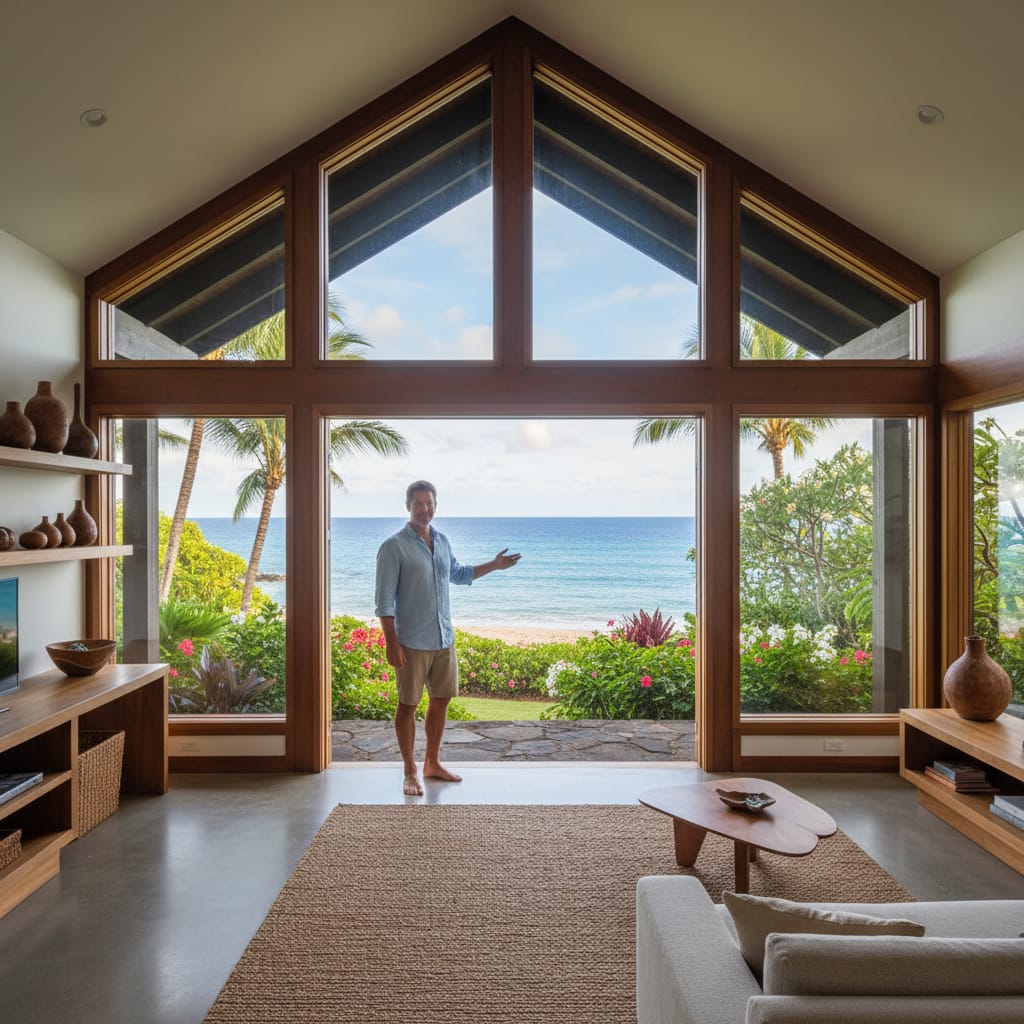
Building on Kaua’i’s North Shore means designing for a specific and demanding microclimate. What works in dry, sunny Kapolei on Oahu will fail quickly in the humid, rainy environment of Princeville. At Warrior Construction, we build with these local realities at the forefront of every decision.
\n\n
Climate and Materials
\n
The number one enemy in Princeville is moisture, both from rainfall and salt-laden air. This dictates our material choices from the ground up.
\n
- \n
- Fasteners and Hardware: We exclusively use 316 marine-grade stainless steel for all exterior screws, nails, and connectors. Standard galvanized hardware will show signs of rust within 18-24 months. For a recent coastal home we built, we even specified stainless steel hinges and locksets on all exterior doors. It’s a small upfront cost that prevents a huge headache later.
- Windows and Doors: We strongly advise against standard aluminum windows, which will corrode and pit. The best choices are fiberglass frames or high-quality vinyl. If a client insists on aluminum for a modern look, it must be AAMA 2605 powder-coated and part of a thermally broken system to handle the humidity.
- Roofing: Standing seam metal roofing with a Kynar 500 paint finish is the gold standard for Princeville. It offers the best resistance to salt spray, UV degradation, and heavy rain. It also meets the PCA’s aesthetic requirements.
- Waterproofing: We employ a “belt and suspenders” approach. This includes peel-and-stick membranes over all roof sheathing, liquid-applied flashing at all window and door openings, and properly sloped lanai decks with multi-layer waterproofing systems beneath the tile or stone.
\n
\n
\n
\n
\n\n
Local Regulations and Ordinances
\n
While some homeowners ask about “Bill 7 ADU princeville,” it’s important to clarify that Bill 7 was a landmark ordinance for the City and County of Honolulu. Kaua’i has its own set of rules, primarily under Kaua’i County Code Chapter 8, which was updated by ordinances like 1033 and 1073 to encourage ADU construction. The key rules for an ADU on Kaua’i in 2026 are:
\n
- \n
- Maximum Size: Typically 800 square feet of living area, though some smaller lots may be restricted to 600 square feet.
- Parking: One additional off-street parking stall is required for the ADU.
- Owner Occupancy: The property owner must reside in either the main dwelling or the ADU. This is a key provision to prevent properties from turning into duplexes owned by off-island investors.
- Setbacks: Standard zoning setbacks apply, but as mentioned, the PCA’s rules are often more restrictive and take precedence.
\n
\n
\n
\n
\n
Understanding the interplay between these county regulations and the private PCA covenants is where a knowledgeable ohana unit builder princeville proves their worth. We ensure your design is compliant with all layers of regulation from day one.
\n\n
How to Choose the Right ADU Builder Contractor in Princeville
\n
Selecting the right contractor is the single most critical decision you will make for your ADU project. A great contractor can make the process smooth and deliver a high-quality product, while the wrong one can lead to budget overruns, endless delays, and constant stress. Here’s what to look for when hiring an ADU contractor princeville.
\n\n
- \n
- Verify Their License and Insurance. This is non-negotiable. Use the Hawaii Department of Commerce and Consumer Affairs (DCCA) Professional & Vocational Licensing (PVL) search to confirm their license is active and in good standing[2]. A contractor’s license number, like our BC-34373, should be on their website and all proposals. Also, ask for certificates of insurance for both General Liability ($2 million minimum) and Worker’s Compensation.
- Demand Princeville-Specific Experience. Don’t just ask if they’ve built on Kaua’i; ask specifically, \”How many projects have you completed *in Princeville*?\” Ask to see a portfolio of these projects. A contractor familiar with the PCA Design Review Committee is invaluable. They will know the unspoken preferences and potential pitfalls of the review process, which can save you months of back-and-forth.
- Check References Thoroughly. Talk to their last three clients. Go beyond \”Were you happy?\” Ask specific questions: \”How was their communication during the project?\” \”How did they handle unexpected problems or change orders?\” \”Was the final project cost close to the initial budget?\” \”How clean did they keep the job site?\”
- Review Their Subcontractor Network. A general contractor is only as good as the plumbers, electricians, and painters they hire. An established local builder will have a network of reliable, high-quality subcontractors they’ve worked with for years. A contractor from off-island may struggle to find skilled labor, leading to delays and quality issues. We’ve used the same core group of Kaua’i-based subs for over a decade because we trust their workmanship.
- Insist on a Detailed, Transparent Contract. A one-page proposal is a major red flag. A professional contract will be many pages long and include a detailed scope of work, a line-item budget, a payment schedule, a project timeline, a change order process, and warranty information. Read it carefully and make sure you understand everything before you sign.
\n
\n
\n
\n
\n
\n\n
Real Princeville ADU Builder Project Example
\n
To illustrate how these pieces come together, let’s walk through a recent project our team completed off Emmalani Drive in Princeville.
\n\n
The Client: A couple from California who had owned their Princeville home for years. They wanted to build an ohana unit for their aging parents to live in during the winter months and to use as a legal rental unit the rest of the year.
\n\n
The Property: A 16,000 square foot lot with a well-maintained main house. The best location for the ADU was in a side yard with a gentle slope, which presented a minor drainage challenge.
\n\n
The Vision: A high-end, 800-square-foot, 2-bedroom, 2-bathroom ADU that didn’t feel like an afterthought. They wanted it to match the main house’s aesthetic, which featured a dark standing-seam metal roof, stucco siding, and Ipe wood lanai decking.
\n\n
The Process & Challenges:\nOur design-build team worked with them to create a plan that met their needs and anticipated the PCA’s requirements. The biggest challenge was the roofing. The PCA has specific guidelines on reflectivity and color. We sourced three different samples of charcoal-gray standing seam metal roofing and included the physical samples with our PCA submission package. This proactive step allowed the committee to see and touch the material, leading to a quick approval. During construction, the North Shore’s famous winter rains began. Our site supervisor recognized that the initial drainage plan wasn’t sufficient for the sloped yard. We proactively engineered and installed a series of French drains tied into a new dry well to protect the foundation, a change order the client readily approved after we explained the long-term benefits.
\n\n
The Numbers:\n
- \n
- Initial Budget: $460,000
- Final Cost: $472,000 (The increase was for the upgraded drainage system)
- Timeline:\n
- \n
- Design & PCA Approval: 4 months
- County Permitting: 7.5 months
- Construction: 6 months
- Total Project Duration: 17.5 months
\n
\n
\n
\n
\n
\n
\n
\n
\n
\n\n
The Outcome: The finished ADU is a seamless extension of the property. The material choices make it look like it was built at the same time as the main house. The parents have a beautiful, comfortable, and accessible place to stay, and the homeowners have a valuable asset that generates significant rental income, easily covering the property taxes and then some. It’s a perfect example of a well-planned and executed Princeville ADU project.
\n\n
What this means for Hawaii homeowners
\n
Building an ADU in Princeville is a significant investment, but it’s one that can provide tremendous value, whether for multi-generational living, hosting guests, or generating rental income. However, success hinges on acknowledging the unique realities of building on Kaua’i’s North Shore. Rushing the process or cutting corners is a recipe for disaster.
\n\n
Here are the key takeaways for any Princeville homeowner considering an ADU in 2026:
\n
- \n
- Plan for a Marathon, Not a Sprint. The 14 to 21-month timeline is realistic. The biggest hurdle is the pre-construction phase, especially county permitting. Start the process long before you hope to break ground and work with a builder who can manage this long-haul process effectively.
- Your Budget Must Reflect Quality and Location. The $425-$550 per square foot cost is not arbitrary. It reflects the price of durable, salt-resistant materials and the cost of skilled labor on Kaua’i. Trying to build for significantly less often means using inferior materials that will require costly replacement in a few years.
- The PCA is Your First and Most Important Hurdle. Do not underestimate the Princeville Community Association’s Design Review Committee. Hire an architect and builder with a proven track record of getting projects approved by the PCA. Their experience is worth its weight in gold and can save you months of delays.
- Hire a True Local Expert. An experienced Princeville ADU builder brings more than just construction skills. They bring established relationships with local suppliers, a network of reliable subcontractors, and an intuitive understanding of how to build structures that will last for generations in this demanding coastal climate.
\n
\n
\n
\n
\n
Ultimately, a well-built ADU is more than just extra square footage. It’s a legacy asset that enhances your property and your lifestyle. Taking the time to plan properly and selecting the right partners are the most important steps in that journey.
\n
\n\n
Frequently Asked Questions About ADU Builder in Princeville
\n
Can I build a two-story ADU in Princeville?
\n
Generally, no. The Princeville Community Association (PCA) has strict height restrictions, typically limiting structures to a single story to preserve views and community character. While some exceptions might be possible on steeply sloped lots where a lower level is built into the hillside, the vast majority of approved ADUs in Princeville are single-level designs.
\n
\n
What are the 2026 size limits for an ADU on Kaua’i?
\n
According to the County of Kaua’i ordinances, the maximum allowable size for an ADU is 800 square feet of living area for lots 10,000 square feet or larger. For lots smaller than 10,000 square feet, the maximum size is typically 600 square feet. This does not include garages, carports, or lanais.
\n
\n
How much value does an ADU add to a Princeville property?
\n
An ADU in Princeville is an excellent investment. In the 2026 market, a well-built 800 sq ft ADU that costs around $450,000 to build can add between $600,000 and $800,000 to your property’s resale value. Additionally, it can generate substantial rental income, often in the range of $4,000 to $6,000 per month for a long-term rental.
\n
\n
Do I need a separate cesspool or septic system for my ADU?
\n
It depends on the capacity and condition of your existing system. A licensed engineer must perform a wastewater capacity calculation. If your current septic system can handle the increased load from the ADU, you can connect to it. If not, you will be required to either upgrade your existing system or install a new, separate one for the ADU, which can be a significant additional cost.
\n
\n
What’s the difference between an ADU and an Ohana Unit?
\n
Legally and officially, the terms are now mostly interchangeable. The County of Kaua’i building code refers to these structures as Accessory Dwelling Units (ADUs). However, the local term \”Ohana Unit\” is still widely used by residents and real estate agents. When you are filing permits, you will be applying to build an ADU.
\n
\n
How does Oahu’s Bill 7 affect my ADU project in Princeville?
\n
It doesn’t. Bill 7 (now Ordinance 19-17) is a law specific to the City and County of Honolulu on the island of Oahu. Kaua’i has its own distinct set of ordinances that govern ADU construction, such as Ordinance 1033. It’s a common point of confusion, and highlights the importance of working with an ADU contractor who knows the specific Kaua’i County regulations.
\n
\n
Are pre-fab or modular ADUs a good option for Princeville?
\n
They can seem appealing, but they present major challenges for Princeville. First, the cost of shipping a modular unit to Nawiliwili Harbor and trucking it to the North Shore can negate much of the savings. Second, and more importantly, most standard pre-fab designs do not meet the strict aesthetic requirements of the PCA. A custom, site-built ADU is almost always the better choice to ensure design approval and long-term durability.
\n
\n
\n\n
Building an ADU in Princeville is a complex but rewarding endeavor. With the right planning and an experienced team on your side, you can add incredible value and utility to your property. At Warrior Construction, we have the local knowledge and expertise to guide you through every step of the process, from navigating the PCA to handing you the keys.
\n
If you’re ready to explore the possibilities for your property, our team is here to help. Learn more about our ADU & Ohana Unit construction services and contact us for a detailed consultation on your Princeville project.
\n\n
References
\n