“
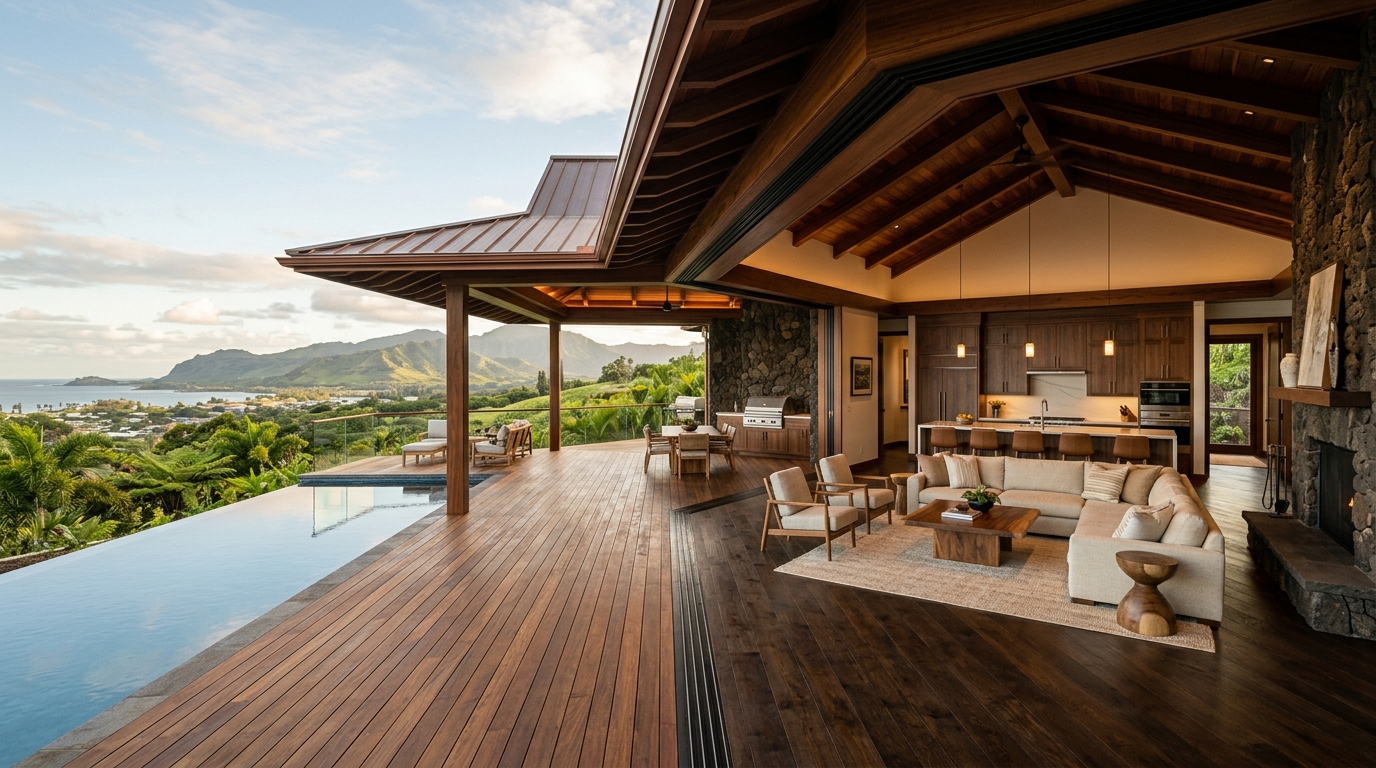
Building a custom home in Lihue, Kaua’i in 2026 typically costs between $550 and $900 per square foot, and the entire process, from initial design to moving in, will likely take 18 to 30 months. As a custom home builder in Lihue with over two decades of experience here in Hawaii, our team at Warrior Construction has seen it all. We understand the unique blend of excitement and anxiety that comes with creating your dream home on the Garden Isle. The reality is, building here isn’t like building on the mainland. You’re dealing with island logistics, a specific climate, and a permitting process that runs on its own schedule. But with the right planning and an experienced team, you can absolutely navigate this process successfully and avoid costly mistakes.
\n\n
The biggest hurdles we see homeowners face are underestimating the timeline for permits from the Kaua’i County Department of Public Works and not fully budgeting for the cost of shipping materials to a neighbor island. It’s one thing to see a price for beautiful Ipe decking online; it’s another to calculate the cost of getting it barged from Honolulu or the West Coast, plus the Hawaii General Excise Tax (GET). Furthermore, understanding the nuances of building for our climate—from specifying 316 stainless steel fasteners to combat salt-air corrosion to engineering foundations for expansive red dirt soils—is not just a good idea; it’s essential for the longevity of your investment. This guide shares eight practical, money-saving tips we’ve learned on job sites right here in Lihue, designed to help you make informed decisions and build a home that stands the test of time.
\n\n
Why Lihue Homeowners Trust Warrior Construction for Custom Home Builder
\n
Choosing a builder for your new home is one of the most significant decisions you’ll make. In Lihue, you need a general contractor who isn’t just skilled with a hammer and nails, but who deeply understands the local landscape. At Warrior Construction (License BC-34373), we’ve built our reputation on being that contractor. Our experience isn’t theoretical; it’s grounded in years of managing projects across Kaua’i and the other islands, giving us first-hand knowledge of the challenges and how to solve them.
\n\n
First and foremost, we are a licensed and insured Hawaii general contractor. You can and should verify any contractor’s license with the Department of Commerce and Consumer Affairs’ Professional and Vocational Licensing (PVL) division.[1] This isn’t just a piece of paper; it’s your assurance that we meet the state’s rigorous standards for financial stability, knowledge, and experience. Consequently, it protects you, the homeowner. We carry comprehensive general liability and workers’ compensation insurance, safeguarding your project from unforeseen accidents or issues.
\n\n
Here’s the thing about building on Kaua’i: local knowledge is everything. We’re not a mainland company trying to figure out Hawaii. Our team knows how to navigate the Kaua’i County permitting process, which has its own rhythm and requirements distinct from Honolulu’s DPP. For example, on a recent project near Puhi, we were able to anticipate a grading permit delay due to heavy winter rains and adjust the construction schedule proactively, saving the client weeks of downtime and associated costs. That’s the kind of foresight that only comes from being on the ground here. We have established relationships with local suppliers, subcontractors, and inspectors, which helps streamline the entire new home construction Lihue process.
\n\n
Our design-build approach is another reason homeowners choose us. Instead of you having to hire an architect, then an engineer, then bid the project out to builders, we bring everyone to the table from day one. This integrated process has several key advantages:\n
- \n
- Budgetary Control: With the builder involved during the design phase, we can provide real-time cost feedback. If an architect draws something that’s beautiful but prohibitively expensive, we can suggest alternative materials or methods to achieve a similar look within your budget.
- Faster Timelines: Design and pre-construction happen concurrently, not sequentially. This collaboration eliminates the finger-pointing that can happen when the architect’s plans don’t align with the builder’s execution, saving significant time.
- Single Point of Responsibility: You have one team, one contract, and one point of contact. If an issue arises, we own it and we solve it. There’s no shuffling of blame between different entities.
\n
\n
\n
\nWe believe in total transparency. Our clients receive detailed budgets, regular progress updates, and open communication throughout the project. Building a home is a partnership, and our job is to be your trusted guide from the first sketch to the final walkthrough.
\n\n
What Does a Custom Home Builder Cost in Lihue?
\n
In 2026, the cost to build a custom home in Lihue ranges from approximately $550 per square foot for quality, standard finishes to over $900 per square foot for a high-end luxury home builder Lihue project with premium materials. For a 2,500-square-foot home, this puts the construction budget between $1.375 million and $2.25 million. This price does not include the cost of the land, architectural design fees, permit fees, or landscaping. It’s a wide range, and understanding what drives those costs is key to creating a realistic budget.
\n\n
Let’s break down where the money goes. We generally categorize costs into three buckets: hard costs, soft costs, and site costs.
\n\n
1. Hard Costs (approx. 65-70% of the budget)
\nThis is the bricks and mortar—the labor and materials needed to physically build your house.\n
- \n
- Foundation: On Kaua’i, this isn’t as simple as just pouring a slab. We often deal with expansive red dirt or volcanic rock. A soil engineering report is crucial. A standard slab-on-grade might cost $25-$35 per square foot, but a post-and-pier foundation or extensive grading can add tens of thousands to the budget right from the start.
- Framing: This is the skeleton of your home. Using termite-treated lumber and hurricane-rated hardware is non-negotiable in Hawaii. Expect framing costs to run $40-$60 per square foot of living space.
- Exterior Finishes: This includes roofing, siding, windows, and doors. A standing-seam metal roof (excellent for our rainy climate) can cost $20-$30 per square foot installed. Impact-rated windows, essential for hurricane preparedness, can be 50-75% more expensive than standard windows.
- Interior Finishes: This is where your personal choices make the biggest impact. Flooring can range from $10/sq ft for luxury vinyl plank to over $35/sq ft for engineered hardwood. A basic kitchen appliance package might be $8,000, while a high-end Sub-Zero/Wolf package can easily top $50,000.
- MEP (Mechanical, Electrical, Plumbing): Systems like HVAC, wiring, and plumbing are critical. A solar water heater and PV system, while expensive upfront ($20,000 – $40,000), offer significant long-term savings on your HECO bill.
\n
\n
\n
\n
\n
\nRemember, every material has to be shipped to Kaua’i, typically through Young Brothers. This adds a “neighbor island premium” of 10-20% on top of mainland material costs. Our team plans logistics meticulously to consolidate shipments and minimize these fees.
\n\n
2. Soft Costs (approx. 15-25% of the budget)
\nThese are the necessary expenses that aren’t part of the physical construction.\n
- \n
- Architectural & Engineering Fees: Typically 8-15% of the construction cost.
- Permit Fees: For Kaua’i County, these are calculated based on the valuation of the project. A $1.5M home could have permit fees in the $20,000 – $30,000 range.
- Hawaii General Excise Tax (GET): Currently 4.712% on Kaua’i for all services and materials. This is a significant line item that must be included in your budget.
- Insurance: You’ll need a builder’s risk policy during construction.
\n
\n
\n
\n
\n\n
3. Site Costs & Landscaping (Can vary dramatically)
\nThis is the biggest variable. A flat, clear lot in a subdivision with utilities already at the street is the most affordable scenario. A sloped, overgrown lot with no utility access is a completely different story. Site work can range from $50,000 to well over $250,000 depending on the conditions. This includes grading, excavation, utility trenching, driveway installation, and septic systems if you’re not on the sewer line. Landscaping can also range from a simple lawn and some plantings ($25,000) to an elaborate tropical oasis with a pool and rock walls ($200,000+).
\n\n
To control costs, focus on the design phase. A simpler roofline is cheaper to build than a complex one with many gables. Every corner you add to the footprint increases foundation and framing costs. As your home builder Lihue, our job in the pre-construction phase is to help you value-engineer the project, finding the sweet spot between your dream design and your real-world budget.
\n\n
How Long Does a Custom Home Builder Take in Lihue?
\n
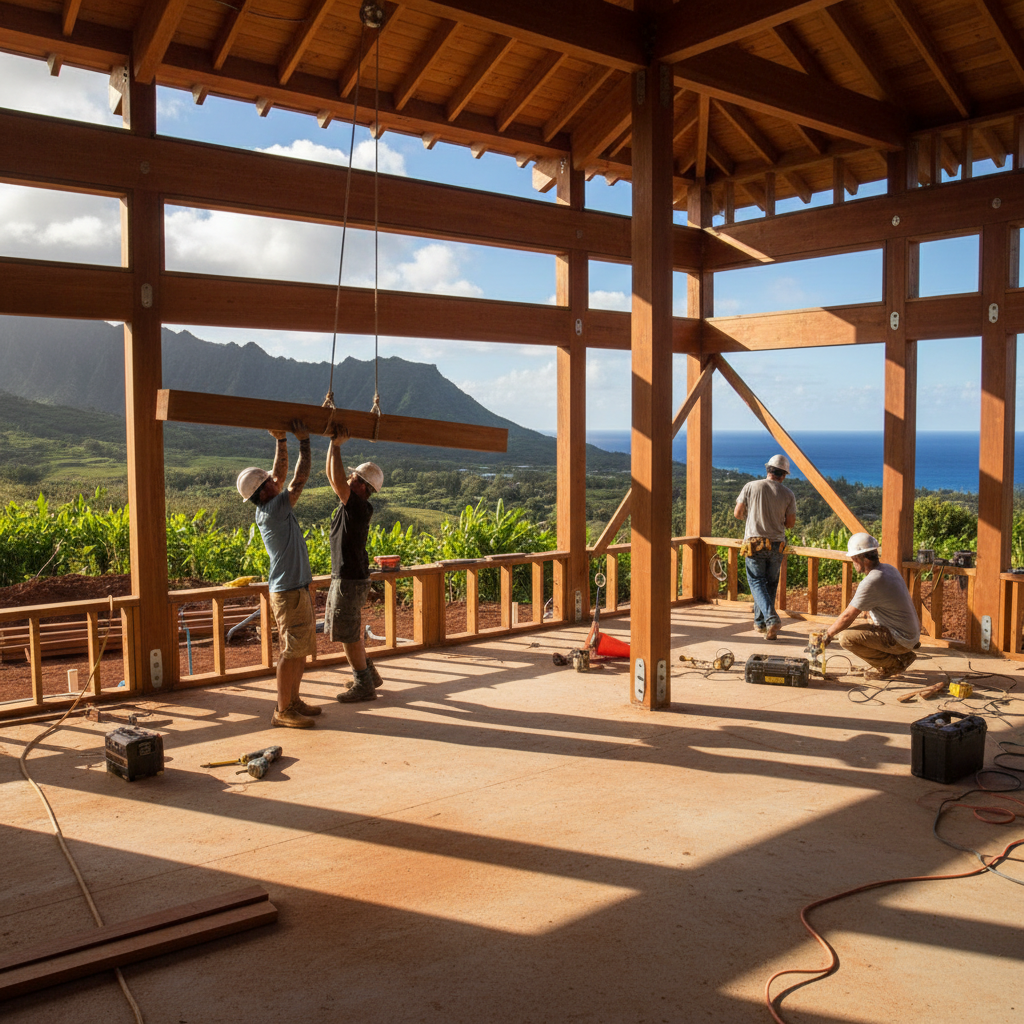
From the first meeting with an architect to getting the keys to your new home in Lihue, you should plan for a timeline of 18 to 30 months. Many homeowners are surprised by this, especially if they’re used to mainland construction schedules. Here in Hawaii, and particularly on a neighbor island like Kaua’i, several factors stretch the timeline. Understanding these phases is the first step to managing your expectations and planning accordingly.
\n\n
We break the entire process into two main parts: Pre-Construction and Construction. It’s common for the pre-construction phase to take as long, or even longer, than the actual build.
\n\n
Phase 1: Pre-Construction (9-18 months)
\n
- \n
- Design & Planning (3-6 months): This is where you work with the architect and our team to develop the vision for your home. It involves initial sketches, detailed floor plans, structural engineering, and selecting major materials and finishes. This is an intensive, collaborative process. Rushing here is a classic mistake; a well-thought-out plan saves immense time and money later.
- Permitting (6-12 months, sometimes longer): This is the biggest variable and often the most frustrating part for homeowners. Submitting plans to the Kaua’i County Department of Public Works starts a multi-departmental review process. They check for compliance with building codes, zoning laws, shoreline regulations, and more. A reviewer might ask for clarifications or revisions, which sends the plans back to the architect, and then back into the queue. We had a project in Koloa where the plans sat in one department for nearly three months before anyone even looked at them. There is no way to speed this up; you have to be patient and ensure the plans submitted are perfect to minimize back-and-forth. This is where an experienced local builder adds tremendous value, as we know the common pitfalls and can prepare a comprehensive submission package.
\n
\n
\n\n
Phase 2: Construction (12-18 months)
\n
Once you have that precious building permit in hand, we can finally break ground. The timeline for the build itself is more predictable, but still subject to Hawaii-specific factors like weather and shipping.
\n
- \n
- Site Work & Foundation (1-2 months): This involves clearing the land, grading, excavating for the foundation, and pouring the concrete slab or setting piers. Heavy winter rains can sometimes cause delays in this phase.
- Framing, Roofing, and Rough-ins (3-5 months): The structure of the house goes up. Walls are framed, the roof is installed, and windows are put in to make the house watertight. Plumbers and electricians then run all the pipes and wires through the open walls.
- Exterior and Interior Finishes (5-8 months): This is the longest phase and where the house starts to feel like a home. Drywall goes up, painting is done, cabinets and countertops are installed, flooring is laid, and tiling is completed. This phase is heavily dependent on material availability. If your custom-ordered tile from Italy is delayed by a month, it can have a domino effect on the entire schedule. We work with clients to order long-lead-time items as early as the design phase to prevent this.
- Final Touches and Landscaping (1-2 months): Light fixtures, plumbing fixtures, and appliances are installed. The driveway is paved, and landscaping begins.
- Final Inspections and Handover (1 month): The county building inspector performs a final walkthrough to ensure everything is built to code and matches the approved plans. Once we get the Certificate of Occupancy, we do a final punch list with you and hand over the keys.
\n
\n
\n
\n
\n
\n
The key takeaway is to be realistic. A one-year build from scratch is highly unlikely in Lihue. Partnering with a builder who gives you an honest, detailed timeline from the start is crucial for a smooth and successful project.
\n\n
What Permits Do You Need for Custom Home Builder in Lihue?
\n
Navigating the permitting process with the Kaua’i County Department of Public Works is a critical step for any custom home build. Attempting this without a seasoned professional is a recipe for long delays and major headaches. For a new single-family home in Lihue, you’re not just getting one permit; you’re getting a series of approvals and permits for different aspects of the job. The main document is the Building Permit, but it relies on many other pieces being in place first.
\n\n
Here’s a look at the typical permits and approvals required for new home construction Lihue:
\n\n
- \n
- Zoning and Land Use Approvals: Before any architectural design begins, we verify that your lot’s zoning allows for the type and size of home you want to build. We check setback requirements from property lines, height restrictions (Kaua’i is very strict about preserving view planes), and lot coverage limits. If your property is near the coast, you may fall within the Special Management Area (SMA), which triggers a whole separate and lengthy review process to protect coastal resources.
- Grading and Grubbing Permit: If your project involves significant earthwork—like cutting into a hillside or leveling a sloped lot—you’ll need a grading permit before you can even start site prep. This requires a detailed civil engineering plan showing erosion control measures to protect against runoff, which is a big concern with Kaua’i’s red dirt.
- Building Permit Application: This is the master application. The package we submit is extensive and includes:\n
- \n
- Fully detailed architectural plans (floor plans, elevations, sections).
- Structural engineering plans and calculations, stamped by a Hawaii-licensed engineer.
- Electrical plans showing all circuits, outlets, and fixtures.
- Plumbing plans showing supply, drain, waste, and vent systems.
- Energy compliance calculations (per Hawaii’s energy code).
- Wastewater system approval (either a connection to the county sewer or plans for a septic system approved by the Department of Health).
\n
\n
\n
\n
\n
\n
\n
- Sub-Permits (Trade Permits): While covered under the main building permit application, the electrical and plumbing work will be inspected separately by specialized county inspectors at various stages of construction (e.g., rough-in, final).
- Driveway Permit: You need a separate permit to create the connection from your property to the public road.
\n
\n
\n
\n
\n
\n\n
The review process at the County of Kaua’i involves multiple departments. Planning, Public Works, Fire, and sometimes Health and Water departments all need to review and sign off on your plans. This is why it can take so long. A simple error or omission on one page can halt the entire process. For instance, we once saw a set of plans get rejected because the architect forgot to specify the hurricane strap model, a tiny detail that caused a six-week delay.
\n\n
As your general contractor, a huge part of our job is to act as your agent in this process. We manage the submission, track the plan review status, and work directly with plan reviewers to address any questions or required corrections efficiently. While getting a permit in Kaua’i takes patience, having a complete and professionally prepared package is the best way to ensure it moves as smoothly as possible. The goal is to get it right the first time to avoid the dreaded cycle of corrections and resubmissions.
\n\n
Lihue-Specific Considerations: Climate, Materials, and Regulations
\n
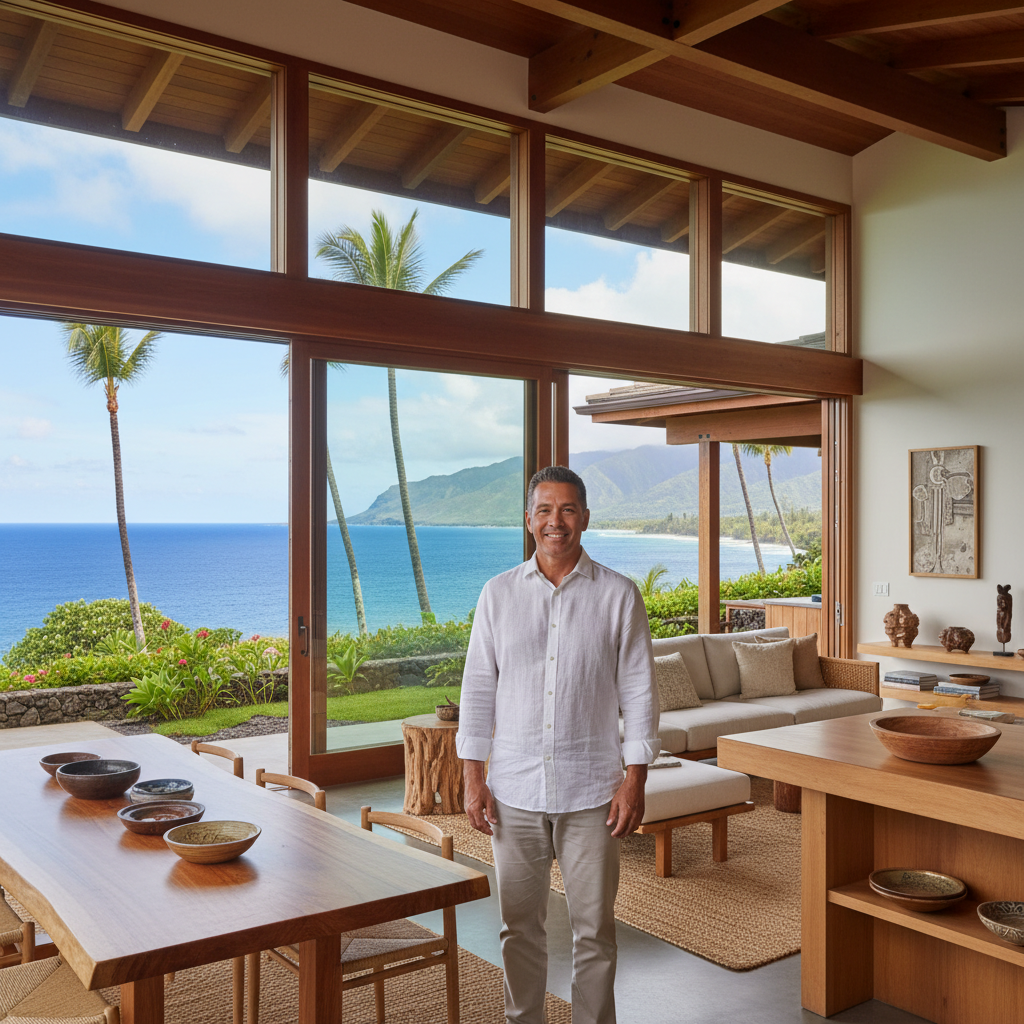
Building on Kaua’i is unlike anywhere else. The unique combination of our tropical climate, island logistics, and post-Iniki building codes creates a specific set of challenges and opportunities. A mainland builder might be excellent in California or Arizona, but they would face a steep learning curve here. A successful project in Lihue requires a deep understanding of these local factors.
\n\n
Climate and Environment:\nLihue sits on the windward side of Kaua’i, which means it gets a fair amount of rain and consistent trade winds. The air is also laden with salt, especially the closer you get to the coast. This environment is tough on building materials.\n
- \n
- Salt-Air Corrosion: Metal rusts. Fast. We never use standard galvanized fasteners or fixtures. Everything on the exterior, from screws and nails to flashing and railings, must be high-grade (316) stainless steel or specialized coated materials. We recently had to replace all the lanai railing hardware on a five-year-old house in Wailua because the original builder used a lower grade of stainless steel, and it was already failing.
- Humidity and Mold: Proper ventilation and moisture management are not optional. We design for excellent cross-ventilation to take advantage of the trade winds. We also use moisture-resistant drywall (green board) in kitchens and baths and ensure the entire building envelope—from the foundation waterproofing to the roof underlayment—is sealed tight against water intrusion.
- Sun Exposure: The tropical sun is intense. We often recommend wider roof overhangs to shade windows, which helps keep the interior cool. We also specify high-quality exterior paints with UV resistance to prevent premature fading and degradation.
\n
\n
\n
\n\n
Materials and Logistics:\nVirtually every piece of your home, from the lumber to the light fixtures, arrives on a barge. This has huge implications for scheduling and cost.\n
- \n
- Lead Times: You can’t just run to a big-box store for everything. Special-order items like custom windows, cabinets, or flooring can have lead times of 12-20 weeks. We identify these long-lead items during the design phase and order them months before they are needed on site. A single delayed shipment can throw the whole construction sequence off track.
- Shipping Costs: The cost of shipping from the mainland and then barging from Honolulu via Young Brothers adds a significant percentage to material costs. We mitigate this by carefully planning and consolidating orders. It’s far more cost-effective to fill a 40-foot container than to ship things piecemeal.
- Local Sourcing: Whenever possible, we try to use local suppliers and materials to reduce shipping costs and support the local economy. However, the reality is that the selection and quantity of materials available on-island are limited, so a majority of materials for a full custom home will need to be shipped in.
\n
\n
\n
\n\n
Regulations and Building Codes:\nKaua’i’s building code is one of the most stringent in the nation, largely due to lessons learned from Hurricane Iniki in 1992.\n
- \n
- Hurricane Code: The entire structure must be designed to withstand high-wind events. This means using specific metal connectors (hurricane straps and ties) to create a continuous load path that ties the roof to the walls and the walls to the foundation. All windows and glass doors must be impact-rated or protected by rated shutters. This is not just a suggestion; it is a code requirement that is closely inspected.
- Kaua’i-Specific Rules: The county has its own set of regulations. For example, the “Kaua’i building height ordinance” is famous for stating that no building can be taller than a coconut tree (roughly four stories). There are also specific rules about shoreline setbacks, septic systems, and agricultural land use that we navigate for our clients.
\n
\n
\nBuilding in Lihue means designing and constructing a home specifically for this place. It’s about respecting the power of the natural environment and building a resilient structure that will last for generations.
\n\n
How to Choose the Right Custom Home Builder Contractor in Lihue
\n
Selecting the right contractor is the single most important decision you will make for your custom home project. The right partner will guide you, protect your budget, and deliver a high-quality home. The wrong one can turn your dream into a nightmare of delays, cost overruns, and shoddy workmanship. Here are the essential steps our team at Warrior Construction recommends every homeowner take.
\n\n
1. Verify They Are Licensed and Insured in Hawaii
\nThis is the absolute baseline. Never work with an unlicensed contractor. A valid license (our is BC-34373) shows they have met the state’s requirements for experience and competency. You can easily check any contractor’s license status online at the Hawaii DCCA PVL website.[1] Ask for certificates of both General Liability insurance and Workers’ Compensation insurance. If a worker gets injured on your property and the contractor isn’t insured, you could be held liable. A professional builder will provide these documents without hesitation.
\n\n
2. Confirm They Have Specific Kaua’i Experience
\nA builder from Oahu or the mainland might be great, but they won’t know the specifics of working with the Kaua’i County permitting office or have established relationships with local subcontractors and suppliers. Ask to see a portfolio of projects they have completed *on Kaua’i*. This demonstrates they understand the logistics and local environment. Ask for references from past Kaua’i clients and actually call them. Ask about their communication, how they handled problems, and if they stayed on budget and on schedule.
\n\n
3. Understand Their Communication and Project Management Process
\nBuilding a home involves thousands of decisions. You will be communicating with your builder constantly for over a year. You need to be comfortable with their style. How do they handle client communication? Do they use project management software? How often will you have site meetings? A good builder will have a clear process for everything from change orders to progress payments. On our projects, we schedule weekly meetings with the homeowner (in person or via video call) to provide updates, answer questions, and discuss upcoming decisions. This consistent communication prevents misunderstandings and keeps you in control.
\n\n
4. Review Their Contract and Bidding Process Carefully
\nDon’t just look at the final price. Look at what’s included. A bid that seems much lower than others might be missing key items or be based on low-quality allowances. We provide a detailed, line-item budget that shows exactly where your money is going. There are two common contract types:\n
- \n
- Fixed-Price (or Lump Sum): You agree on a set price for the entire project based on a detailed set of plans and specifications. This provides cost certainty but can be rigid if you want to make changes.
- Cost-Plus: You pay the actual cost of labor and materials plus a fixed builder’s fee (a percentage of the cost). This is more transparent and flexible but carries more risk for budget overruns if not managed carefully.
\n
\n
\nWe work with clients to determine the best contract structure for their needs. Regardless of the type, make sure the contract is detailed and includes a clear scope of work, a payment schedule, and a process for handling disputes.
\n\n
5. Trust Your Gut
\nUltimately, this is a long-term relationship. Do you trust this person? Do you feel they are listening to you and have your best interests at heart? The builder you choose will be a major part of your life for the next two years. Make sure it’s a team you feel confident and comfortable with. Take your time, do your homework, and choose a true partner for your journey.
\n\n
Real Lihue Custom Home Builder Project Example
\n
To make all this information more concrete, let’s walk through a typical custom home project our team recently completed in the Lihue area. This case study illustrates the process, timeline, and costs involved in building a modern home on Kaua’i.
\n\n
The Client and Vision:
\nA couple from California purchased a 20,000-square-foot lot in a newer subdivision overlooking the Haupu Ridge. They wanted to build their retirement home—a 3,000-square-foot, single-story modern plantation-style house with three bedrooms, an office, and a large, covered lanai for indoor-outdoor living. Key priorities were energy efficiency, low maintenance, and a design that maximized trade wind ventilation and mountain views.
\n\n
Pre-Construction Phase (14 months):
\nWe were brought on in a design-build capacity alongside their chosen architect. This early collaboration was crucial. The initial architectural concept was beautiful but came in about 20% over the clients’ $2 million construction budget. Working together, we identified areas for value engineering. For example, we simplified the complex hip roof design to a more cost-effective series of gables, which saved nearly $70,000 in framing and roofing costs without compromising the aesthetic. We also guided the material selections toward durable, cost-effective options like engineered siding instead of traditional wood, and high-quality vinyl windows instead of more expensive aluminum-clad wood. The permitting process with Kaua’i County took 9 months from submission to approval, which was right in line with our projections.
\n\n
Construction Phase (16 months):
\n
- \n
- The Challenge: The lot had a gentle slope and the geotechnical report revealed a layer of expansive soil. This required an engineered foundation with deeper footings and a structural slab, adding about $45,000 to the budget but ensuring long-term stability.
- The Build: Construction went smoothly, largely due to meticulous planning. We ordered the custom window and door package 8 months in advance, so it arrived on-site exactly when needed. We batched our material orders to fill containers efficiently, minimizing shipping costs from the mainland. The clients lived in California during the build, so we provided weekly progress reports with photos and held bi-weekly video conference calls to keep them fully engaged.
- The Outcome: The final home is a 3,100-square-foot masterpiece of modern island living. It features a standing seam metal roof, a 10-kW photovoltaic system that nearly eliminates their electric bill, and a 40-foot pocketing sliding glass door that opens the great room to the lanai.
\n
\n
\n
\n\n
The Numbers:
\n
- \n
- Total Design & Permitting Time: 14 months
- Total Construction Time: 16 months
- Total Project Duration: 30 months
- Final Construction Cost: $2.05 million
- Cost per Square Foot: Approximately $661
\n
\n
\n
\n
\n
\nThis project showcases the importance of a collaborative design-build process, proactive planning for logistics, and setting realistic expectations for both the timeline and budget when embarking on a custom home build in Lihue.
\n\n
What this means for Hawaii homeowners
\n
Building a custom home in Lihue is a significant undertaking, but it is absolutely achievable with the right mindset and the right team. The process is a marathon, not a sprint, and success hinges on careful planning long before the first shovel of red dirt is turned. For anyone contemplating this journey, the difference between a frustrating, budget-busting experience and a rewarding one comes down to a few key principles.
First, you must embrace the reality of “island time,” not as a cliché, but as a logistical and bureaucratic reality. Your project’s timeline will be dictated more by the permitting queue at the County of Kaua’i and the shipping schedule for your materials than by the speed of the construction crew. Building patience and a flexible timeline into your plan from day one is the single best thing you can do for your peace of mind.
Second, your budget needs to be as resilient as your future home. The numbers we’ve discussed—$550 to $900 per square foot—are a starting point. The real costs are in the details: the engineered foundation required for your specific lot, the 15% neighbor island shipping premium on materials, and the non-negotiable cost of hurricane-rated windows. Here are the actionable steps to take:
\n
- \n
- Budget for a 15-20% Contingency: Do not skip this. This isn’t a “slush fund”; it’s a necessary buffer for unforeseen site conditions, material price increases, or design changes you decide to make along the way.
- Prioritize the Envelope: Spend your money on the things that protect your home from the elements. Invest in a high-quality roof, proper waterproofing, and the best windows you can afford. You can always upgrade countertops later; you can’t easily fix a leaky roof.
- Hire an Experienced Local Pro Early: The best money you can spend is on a qualified, local team. Engaging a builder like Warrior Construction during the design phase allows for value engineering that can save you hundreds of thousands of dollars by making smart choices on paper, before they become expensive changes in the field.
\n
\n
\n
\n
Ultimately, building in Lihue is about creating a home that is in harmony with its environment. It means selecting materials that can withstand the salt and sun, designing for the trade winds, and building a structure strong enough to weather any storm. With realistic expectations and expert guidance, you can create a beautiful, lasting home on the Garden Isle.
\n\n
Frequently Asked Questions About Custom Home Builder in Lihue
\n
What is the number one mistake people make when building a custom home in Lihue?
\n
The most common mistake is underestimating the pre-construction phase. Homeowners often focus on the 12-18 month build time and are shocked when the design and permitting process takes just as long, if not longer. A realistic total timeline from start to finish is 18-30 months, and planning for this patiently from the outset is crucial for a low-stress project.
\n
\n
Is it cheaper to build on Kaua’i than on Oahu?
\n
Generally, no. While land can sometimes be less expensive on Kaua’i, construction costs are often 10-20% higher than on Oahu. This is due to the added logistics and costs of shipping virtually all materials from Honolulu or the mainland, a smaller pool of available subcontractors, and the associated shipping expenses for their equipment and crews.
\n
\n
How much should I budget for overages and contingencies?
\n
Our team strongly recommends a contingency fund of 15-20% of your total construction cost. This is not a ‘nice-to-have’; it’s an essential part of a responsible budget. This fund covers unforeseen challenges like discovering difficult rock during excavation, material price spikes, or any upgrades and changes you decide to make during the construction process.
\n
\n
What are the best building materials for Kaua’i’s salt air and rainy climate?
\n
For longevity in Lihue, we prioritize materials that resist corrosion and moisture. This includes standing-seam metal roofing (aluminum or galvalume), fiberglass or vinyl window frames, 316-grade stainless steel fasteners and hardware, fiber cement siding, and composite decking materials. These may have a higher upfront cost but save a fortune in maintenance and replacement down the line.
\n
\n
Do I need an architect and a builder, or can I just hire one?
\n
You need both, but you can hire them together through a design-build firm like ours. The traditional method is hiring an architect first, then bidding the plans to builders. The design-build model streamlines this by having the architect and builder on the same team from day one. This fosters collaboration, provides real-time cost feedback during design, and gives you a single point of responsibility for the entire project.
\n
\n
How does Kaua’i’s famous red dirt affect my new home’s foundation?
\n
Kaua’i’s red dirt, or lateritic soil, can be expansive, meaning it swells when wet and shrinks when dry. This movement can put immense stress on a foundation. Before any construction, a geotechnical engineer must perform a soil analysis. Based on their report, we will engineer the appropriate foundation, which might include a reinforced monolithic slab, deeper footings, or other techniques to ensure the long-term structural integrity of your home.
\n
\n
What makes a project a \”luxury home build\” in Lihue?
\n
A luxury home builder Lihue project is defined by premium finishes, complex architectural details, and integrated systems. This can include elements like expansive pocketing glass walls, high-end appliances (think Wolf or Miele), custom-built cabinetry and millwork, imported stone or hardwood flooring, smart home automation for lighting and security, and elaborate landscaping with features like pools or water features. Costs for these homes typically start at $800-$900 per square foot and can easily exceed $1,200.
\n
\n
\n\n
Ready to Build Your Dream Home in Lihue?
\n
Building a custom home on Kaua’i is a journey, and having the right guide makes all the difference. At Warrior Construction, we combine decades of statewide experience with the focused, local knowledge needed to succeed on the Garden Isle. Our design-build process is built on transparency, communication, and a commitment to quality that stands up to the Hawaiian elements.
\n
If you’re ready to take the next step and discuss your vision for a new home in Lihue, our team is here to help. We can provide insights on lot selection, preliminary budgeting, and how to get started. Let’s build something that will last. Contact our custom home building team today for a no-obligation consultation.
\n\n
References
\n