“
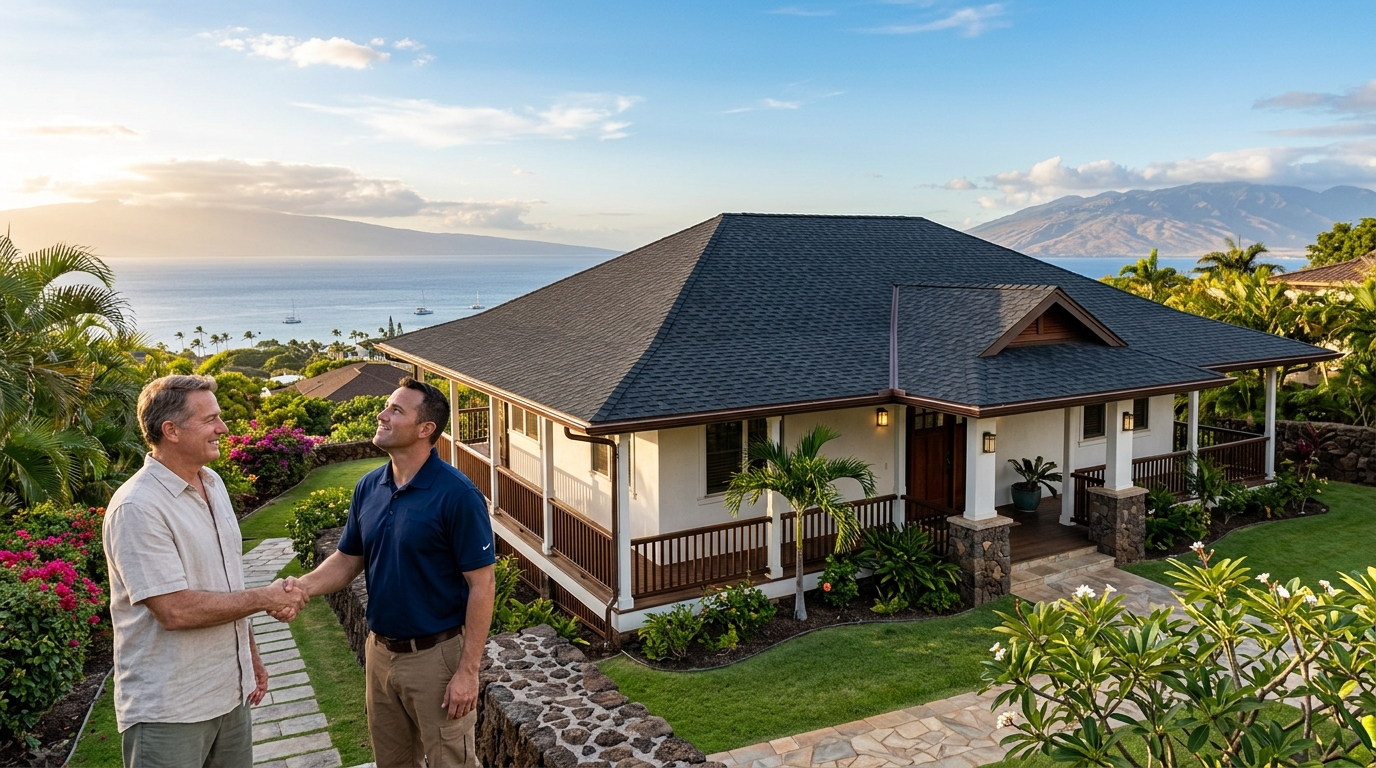
When you need a roofing contractor in Lahaina, you’re not just looking for someone to nail down some shingles. You need a team that understands the unique punishment our West Maui climate dishes out: the intense sun, the corrosive salt air, and the ever-present threat of hurricane-force winds. The right roof in 2026 isn’t just about keeping the rain out; it’s a critical investment in your home’s resilience, energy efficiency, and long-term value. The key upgrades for Lahaina homeowners right now involve embracing hurricane-rated materials like standing seam metal, integrating solar-ready systems, choosing cool-roof technologies to cut down on A/C costs, ensuring proper ventilation to fight moisture, using corrosion-resistant fasteners, and upgrading to robust water barriers beyond basic felt paper. These aren’t just features; they’re necessities for any modern Maui home.
For over two decades, our team at Warrior Construction has been on job sites from Kapalua to Makena, solving the exact roofing challenges Lahaina homeowners face. We’ve seen firsthand what happens when mainland-style roofing methods are used here—they fail. Fasteners rust out in five years, underlayment gets cooked by the UV rays, and poorly secured shingles become projectiles in a heavy wind. That’s why we build to a higher standard, one forged by local experience. This guide isn’t just a list of services; it’s a deep dive into what it really takes to install a roof that will last for decades on Maui. We’ll break down the real costs for 2026, explain the Maui County permitting maze, and detail the specific material choices that stand up to our tropical environment. You’ll get straight talk from a licensed general contractor (BC-34373) who lives and works right here in Hawaii.
\n\n
Why Lahaina Homeowners Trust Warrior Construction for Roofing
\n\n
Choosing a roofing contractor in Lahaina goes beyond finding someone with a truck and a nail gun. It’s about finding a partner who understands the deep responsibility of protecting your family and your biggest investment. At Warrior Construction, we bring over 20 years of hands-on, Hawaii-specific general contracting experience to every project. Our license, BC-34373, isn’t just a number—it’s a testament to a long history of building and renovating homes that are designed to endure the specific challenges of island life. We’re not a mainland company that set up a satellite office; we are a local business built from the ground up, right here in the islands.
\n\n
What sets our team apart is our comprehensive understanding of the entire building envelope. A roof isn’t an isolated system. It works in concert with your home’s framing, ventilation, and waterproofing. For example, on a recent project in Kaanapali, the homeowner was getting recurring leaks that three different roofers couldn’t solve. The issue wasn’t the roofing material itself, but improper flashing around a second-story wall that was channeling wind-driven rain behind the siding and down into the ceiling. As a full-service general contractor, we were able to diagnose the root cause—a structural integration problem—and provide a complete solution, not just a patch. This holistic approach is something a specialized roofing-only company might miss.
\n\n
Here’s what our approach means for your Lahaina roofing project:
\n
- \n
- Deep Local Knowledge: We know the ins and outs of Maui County’s building codes, especially the stringent hurricane requirements that have been in place since Hurricane Iniki. We understand the specific wind zones in West Maui and how to engineer a roof system that exceeds those standards for your peace of mind.
- Material Expertise: We don’t just recommend what’s popular; we recommend what works here. That means guiding you toward standing seam metal roofing with a Kynar 500 finish to resist fading and salt-air corrosion, or specifying the right underlayment that can withstand the high heat on a Lahaina roof without degrading prematurely. We understand the supply chain logistics of getting materials to Maui, factoring in shipping times from the mainland to avoid costly project delays.
- Structural Insight: When we perform a roof replacement in Lahaina, we don’t just cover up old problems. The tear-off phase is a critical inspection opportunity. Our experienced carpenters will thoroughly examine your roof sheathing, trusses, and fascia boards for any signs of termite damage or dry rot—two extremely common issues in Hawaii. If we find damage, we have the in-house expertise to perform structural repairs correctly, ensuring the new roof has a solid foundation to rest on for the next 30-50 years.
- Transparent Communication: From the initial estimate to the final walkthrough, we believe in clear, honest communication. You’ll receive a detailed scope of work that outlines every step of the process, from material delivery and dumpster placement to daily cleanup and inspection schedules. Our project managers are always available to answer your questions and provide updates, so you’re never left wondering about the status of your project.
\n
\n
\n
\n
\n\n
Ultimately, homeowners trust us because we build relationships, not just roofs. We live in these communities, and our reputation is everything. We are committed to delivering a finished product that not only looks great but also provides lasting protection and value for your Lahaina home. Explore our portfolio of past projects to see the quality and craftsmanship we bring to every job site.
\n\n
What Does a Roofing Contractor Cost in Lahaina?
\n\n
Let’s get straight to the point: a full roof replacement in Lahaina in 2026 is a significant investment, and anyone giving you a vague price per square foot without seeing your home is doing you a disservice. Costs on Maui are driven by three main factors: materials shipped from the mainland, the high demand for skilled labor, and the complexity of your specific roof. However, based on our recent projects, we can provide some realistic, all-in budget numbers. For a standard single-story, 2,000-square-foot home in Lahaina, a complete tear-off and replacement using high-quality materials will typically range from $40,000 to $75,000. This works out to approximately $20 to $37.50 per square foot of roof area.
\n\n
So, what creates such a wide range? The primary driver is your choice of roofing material. Here’s a breakdown of what you can expect to pay for different types of tropical roofing in Lahaina, including materials, shipping to Maui, labor, and disposal of the old roof:
\n\n
- \n
- Architectural Asphalt Shingles: This is the most common and budget-friendly option. For a quality, Class A fire-rated, 130-mph wind-rated architectural shingle, you can expect to pay around $20-$26 per square foot installed. While affordable, the intense Lahaina sun tends to shorten their lifespan to about 15-20 years, even for shingles warrantied for 30 years on the mainland.
- Standing Seam Metal Roofing (24-Gauge): This is the gold standard for Hawaii and what we recommend for most Lahaina homes. It offers superior hurricane resistance, longevity (50+ years), and energy efficiency, especially with a light-colored Kynar 500 finish. The cost for a standing seam metal roof replacement is significantly higher, typically running between $30-$40 per square foot installed. The price reflects the higher material cost, the specialized labor required for installation, and the custom fabrication of panels.
- Concrete or Clay Tile: Tile roofs offer a classic look and excellent durability, but they are extremely heavy and may require structural reinforcement of your roof trusses. The material and labor costs are high, and shipping the heavy tiles to Maui adds a significant expense. Expect to budget $35-$50+ per square foot for a tile roof. We often find ourselves replacing older tile roofs with standing seam metal to reduce the load on the structure.
\n
\n
\n
\n\n
Beyond the material itself, several other factors will influence your final cost:
\n\n
Key Cost Factors for Lahaina Roof Replacement
\n
- \n
- Roof Complexity and Pitch: A simple gable roof on a single-story home is the most straightforward and least expensive to work on. A complex roof with multiple hips, valleys, dormers, and a steep pitch (anything over a 6/12 slope) requires more intricate cuts, more safety equipment, and significantly more labor hours, which can add 15-25% to the total cost.
- Structural Repairs: This is the biggest unknown until the old roof is torn off. It’s almost a guarantee that on an older home in Lahaina, we’ll find some sections of plywood sheathing that have delaminated or softened from past leaks. We budget for replacing about 5-10% of the sheathing as a standard contingency. A sheet of 5/8\” plywood, including labor to install, can run $150-$200 per sheet in 2026. If we discover widespread dry rot or termite damage in the trusses or fascia boards, the repair costs could add several thousand dollars to the project.
- Underlayment and Water Barriers: We don’t use standard felt paper. For the Lahaina climate, a high-temperature, self-adhering peel-and-stick membrane is essential, especially in valleys and around penetrations. This premium underlayment can add $1.50-$2.50 per square foot to the material cost but provides a critical secondary layer of water protection that is well worth the investment.
- Ventilation and Accessories: Proper attic ventilation is crucial for reducing heat buildup and moisture, which extends the life of your roof and lowers your cooling bills. Installing new ridge vents, soffit vents, and solar-powered attic fans will add to the initial cost but pay for themselves in energy savings.
\n
\n
\n
\n
\n\n
When you get an estimate from our team, it will be a comprehensive proposal that breaks down all these costs clearly. We want you to understand exactly what you’re paying for—not just a new roof, but a complete, high-performance roofing system designed specifically for your Lahaina home.
\n\n
How Long Does a Roofing Contractor Take in Lahaina?
\n\n
A common question we get from homeowners is, \”How long will my life be disrupted?\” It’s a fair question. A full roof replacement is an invasive process. The timeline for a roofing project in Lahaina depends on the size and complexity of the job, but for a typical 2,000-2,500 square foot home, you can expect the on-site work to take approximately 7 to 14 working days from tear-off to final inspection. However, the total project timeline, from signing the contract to completion, is much longer due to planning, material procurement, and permitting.
\n\n
Here’s a realistic step-by-step timeline for a Lahaina roof replacement in 2026:
\n\n
Phase 1: Pre-Construction (4 to 8 weeks)
\n
- \n
- Week 1: Contract and Planning. Once you approve our proposal, we finalize the contract, make material selections (color, profile, etc.), and our team conducts a detailed site measurement to create the final material order.
- Week 1-2: Permit Application. We prepare and submit the building permit application to the Maui County Department of Public Works. As of 2026, permit review times can vary, but we typically plan for a 3-4 week review period for a straightforward roofing permit.
- Weeks 2-6: Material Procurement. This is often the longest lead time in the process. Most roofing materials, especially specific colors of standing seam metal, are not stocked on Maui. They must be ordered from the mainland, shipped to Honolulu, then barged to Kahului Harbor. We have to account for potential shipping delays and build that into the schedule. This procurement phase can take anywhere from 4 to 7 weeks. We will not schedule the start of your project until we have confirmation that all materials have landed on-island.
\n
\n
\n
\n\n
Phase 2: On-Site Construction (1 to 2 weeks)
\n
- \n
- Day 1: Site Prep and Material Delivery. Our crew arrives to protect your landscaping, lanai, and AC units with tarps and plywood. The materials and a dumpster for debris will be delivered and carefully placed on your property.
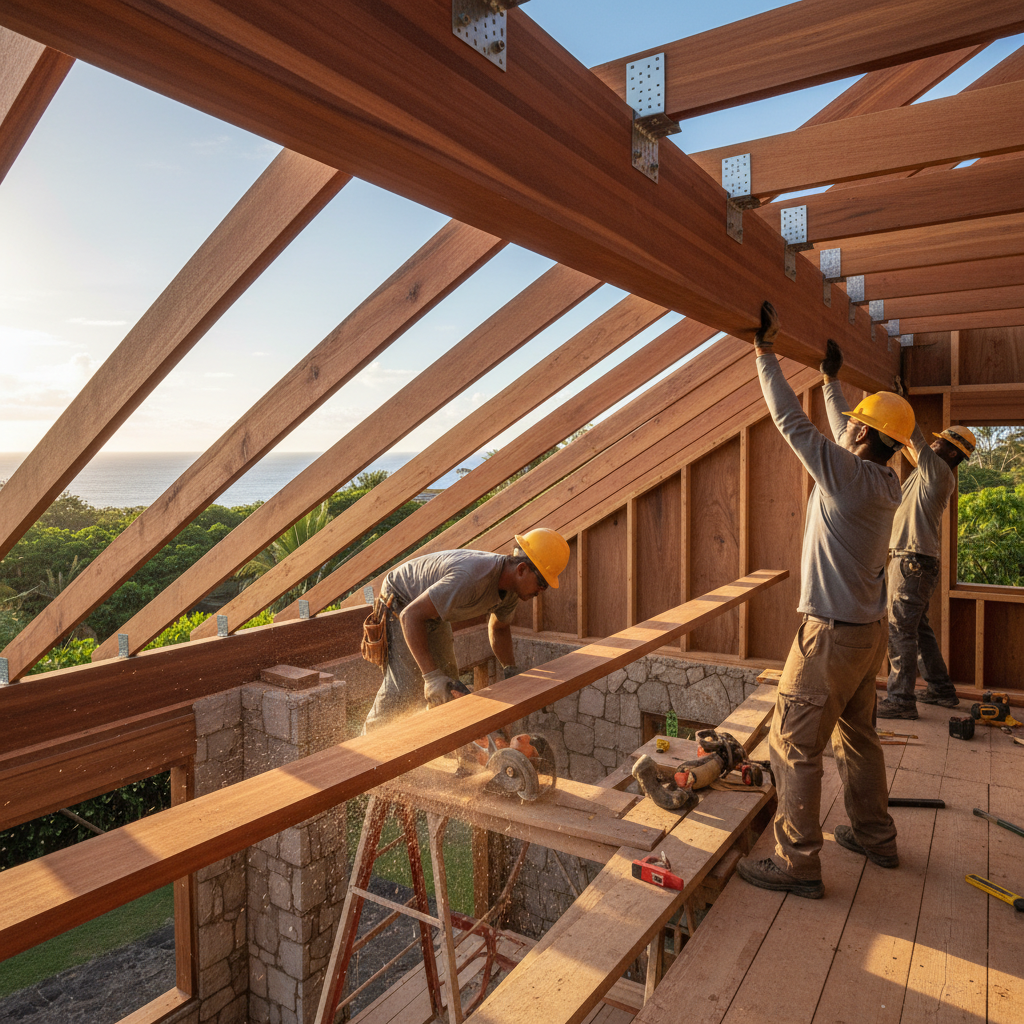
- Days 1-3: Tear-Off and Structural Inspection. This is the noisy and messy part. We systematically remove all old roofing materials down to the plywood sheathing. This is when our crew performs a thorough inspection of the underlying structure. Any necessary repairs to sheathing, fascia, or trusses are completed during this phase. This is a critical step for a proper roof repair in Lahaina.
- Days 3-5: Underlayment and Flashing. Once the substrate is solid, we install the high-temperature, self-adhering ice and water shield. This is the true waterproofing layer of your roof. We then install all new metal flashing in valleys, around chimneys, skylights, and vents. This is a meticulous process that is crucial for preventing leaks.
- Days 5-9: Installation of New Roofing Material. This is when your new roof takes shape. For a standing seam metal roof, our team will be cutting and custom-fitting each panel. For shingles, we follow a precise layout to ensure proper alignment and fastening. This phase requires precision and adherence to manufacturer specifications and local building codes.
- Days 9-12: Ridges, Vents, and Final Details. We install the ridge cap, ventilation systems, and complete any detail work. Our crew performs a thorough cleanup of the job site, using magnetic rollers to pick up stray nails and fasteners from your yard and driveway.
- Day 13-14: Final Walkthrough and Inspection. We conduct a final quality control check and then walk the property with you to ensure you are 100% satisfied. After our internal approval, we schedule the final inspection with the Maui County building inspector to close out the permit.
\n
\n
\n
\n
\n
\n
\n\n
This timeline is a general guide. A larger, more complex roof could take an additional week. Weather is also a factor; while Lahaina is known for its sunshine, a few days of heavy rain or high winds can pause work for safety reasons. Our commitment is to keep you informed every step of the way, ensuring a smooth and efficient process with minimal disruption to your daily life.
\n\n
What Permits Do You Need for Roofing Contractor in Lahaina?
\n\n
Navigating the permitting process for any construction project in Hawaii can feel daunting, and roofing is no exception. In Lahaina, which falls under the jurisdiction of the Maui County Department of Planning and the Department of Public Works, a building permit is almost always required for a full roof replacement. The simple rule is this: if you are removing the existing roofing material down to the sheathing (a tear-off), you need a permit. Minor roof repair in Lahaina, such as replacing a few damaged shingles, typically does not require a permit, but the threshold is low, so it’s always best to check.
\n\n
As your general contractor, Warrior Construction handles the entire permitting process for you. It’s part of our comprehensive service. We prepare the application, submit the required plans and documents, and manage all communications with the county. You won’t have to spend your time waiting in line at the county building. The permit process ensures that the work meets the latest building codes, particularly the stringent hurricane-resistance standards adopted by Hawaii counties. This is a crucial protection for you as a homeowner.
\n\n
Here’s what the permitting process for a Lahaina roofing project generally involves in 2026:
\n
- \n
- Application Submission: We submit a building permit application package to the Maui County DPP.[1] (Note: This links to Honolulu DPP as a representative example of a Hawaii county permitting agency). The package includes the application form, a site plan, and basic roof framing plans. For most re-roofing projects, full architectural plans are not necessary unless we are making structural changes.
- Plan Review: A plans examiner from the county reviews our submission to ensure it complies with the building code. They will verify details such as the type of material being used, the fastening schedule for both the sheathing and the roofing material, and the flashing details. They are paying close attention to the High-Wind Zone requirements.
- Permit Issuance: Once the plans are approved, the permit is issued, and the fee is paid. Permit fees are typically based on the valuation of the project. For a typical Lahaina roof replacement valued at $50,000, the permit fee could be in the range of $500 to $1,000.
- Required Inspections: The building permit will require at least one, and sometimes two, inspections during the construction process. \n
- \n
- Sheathing/Nailing Inspection: After the old roof is torn off and any damaged sheathing is replaced, some inspectors may want to visit the site to verify that the plywood deck is properly nailed to the trusses according to the hurricane code’s uplift requirements.
- Final Inspection: After the new roof is completely installed, a county building inspector will visit the site to conduct a final inspection. They will verify that the materials used and the installation methods match the approved plans. They’ll check the fastening of the roofing, the flashing, and the ventilation.
\n
\n
\n
- Permit Closure: Once the final inspection is passed, the permit is officially closed out. This is a critical final step. An open permit can create problems if you ever decide to sell or refinance your home.
\n
\n
\n
\n
\n
\n\n
A word of caution: be very wary of any \”roofing contractor\” who tells you a permit isn’t needed for a full replacement or suggests doing the work without one to save time or money. Working without a permit is illegal and exposes you to significant risk. The county can issue a stop-work order and impose hefty fines. More importantly, if the work is not inspected, you have no assurance that it was done to code, and your homeowner’s insurance may deny a claim for future damage if it’s related to unpermitted work. Using a properly licensed and insured contractor who insists on permitting is your best protection.
\n\n
Lahaina-Specific Considerations: Climate, Materials, Regulations
\n\n
A roof in Lahaina lives a harder life than almost anywhere on the mainland. The combination of intense, year-round UV radiation, corrosive salt-laden air, and the potential for hurricane-force winds creates a uniquely challenging environment. A successful roofing project here requires a deep understanding of these local factors. Simply using standard materials and techniques is a recipe for premature failure.
\n\n
The Unforgiving Lahaina Climate
\n
The relentless sun is your roof’s first enemy. The surface temperature on a dark asphalt shingle roof in the Lahaina sun can easily exceed 180°F. This extreme heat accelerates the degradation of asphalt, causing it to lose its protective granules and become brittle. It also bakes the life out of standard underlayments, turning them into a cracked, useless layer. Furthermore, the intense UV exposure causes paint finishes on metal roofs to fade and chalk if they are not of sufficient quality. This is why material selection is so critical.
\n\n
The second major factor is the salt. The gentle tradewinds carry a fine mist of salt from the ocean that settles on every surface. This salt, when combined with morning dew or rain, creates a highly corrosive solution that will aggressively attack any unprotected metal. Standard galvanized steel fasteners, vents, or flashing will rust through in a matter of years. We’ve seen entire roofs fail not because the primary material was bad, but because the cheap fasteners holding it down rusted away. This is a classic example of a contractor cutting corners in a way a homeowner won’t notice until it’s too late.
\n\n
Material Choices for Tropical Roofing in Lahaina
\n
Given the climate, we guide our clients toward materials proven to perform in coastal Hawaii:
\n
- \n
- Standing Seam Metal with Kynar 500 Finish: This is our top recommendation. The 24-gauge steel provides exceptional strength against wind uplift. The concealed fastener system protects the screws from the elements. Most importantly, the Kynar 500 (or Hylar 5000) paint finish is a premium fluoropolymer coating that offers the best available resistance to UV degradation and color fading. It comes with a 25- to 35-year warranty against fading and chalking, which is essential in our climate.
- Corrosion-Resistant Fasteners: Every single screw, nail, and clip used on your roof must be rated for a coastal environment. We use stainless steel or specially coated ceramic fasteners exclusively. They cost significantly more than standard galvanized hardware, but they are non-negotiable for a long-lasting roof. This is a detail a reputable roofing contractor in Lahaina will never compromise on.
- High-Temperature Synthetic Underlayment: Instead of traditional asphalt felt paper, we use a multi-layered synthetic underlayment. These products are far more tear-resistant, can be left exposed to the sun for longer during construction without degrading, and are rated for the high temperatures found on a Lahaina roof. For critical areas like eaves, valleys, and penetrations, we use a self-adhering modified bitumen membrane (ice and water shield) for a completely waterproof seal.
- Cool Roofing Technology: Lighter-colored roofs can significantly reduce heat absorption, lowering the temperature in your attic by as much as 30-50 degrees. This translates directly to lower air conditioning bills and less strain on your HVAC system. Many Kynar 500 finishes on metal roofing are considered \”cool roof\” colors because they have special pigments that reflect infrared radiation. This is a smart, passive way to improve your home’s energy efficiency.
\n
\n
\n
\n
\n\n
Local Regulations and Codes
\n
Hawaii’s building codes are some of the strictest in the nation, especially regarding wind resistance. Since Hurricane Iniki devastated Kauai in 1992, the state has continuously updated codes to improve building resilience. For a Lahaina roof, this means:
\n
- \n
- Enhanced Fastening Schedules: The code dictates the specific type, size, and spacing of nails or screws for both the roof sheathing and the final roofing material, based on the home’s location and wind exposure.
- Hurricane Straps and Clips: While not part of the roofing material itself, a re-roofing project is an opportunity to inspect and, if necessary, upgrade the hurricane ties that connect your roof trusses to the walls of your home.
- Product Approvals: All roofing materials must have a Miami-Dade County Notice of Acceptance (NOA) or a similar approval, certifying that they have been tested to withstand hurricane-force wind and water intrusion.
\n
\n
\n
\n\n
Choosing the right materials and adhering to these stringent codes requires expertise and a commitment to quality that goes far beyond a simple installation. It’s about building a complete roofing system engineered for Lahaina.
\n\n
How to Choose the Right Roofing Contractor in Lahaina
\n\n
Selecting the right team for your roof replacement in Lahaina is the most important decision you’ll make in the entire process. A great roof installed by a mediocre contractor will fail. A good roof installed by a great contractor will last a lifetime. With the amount of construction happening on Maui, there are many companies to choose from. Here’s a checklist to help you vet potential contractors and ensure you’re hiring a true professional.
\n\n
1. Verify Licensing and Insurance – The Non-Negotiables
\n
- \n
- License: The first thing you should do is verify their contractor’s license. In Hawaii, a roofing contractor should have a C-42 specialty license, or be a B-General Contractor like Warrior Construction (BC-34373), which allows us to perform roofing and any associated structural repairs. You can verify any license on the Hawaii Department of Commerce and Consumer Affairs (DCCA) Professional & Vocational Licensing (PVL) website.[2] An unlicensed contractor has no accountability and is breaking the law.
- General Liability Insurance: Ask for a certificate of insurance that shows they carry at least $1 million in general liability coverage. This protects your property from any accidental damage that might occur during the project.
- Workers’ Compensation Insurance: This is just as important. It protects you from liability if one of their workers is injured on your property. If they don’t have it, you could be held financially responsible for medical bills. Do not accept a verbal confirmation; ask for the certificate.
\n
\n
\n
\n\n
2. Look for Deep Local Experience
\n
- \n
- Ask for Maui-Specific References: Don’t just ask for references; ask for addresses of recent projects they’ve completed in West Maui. A good contractor will be proud to share them. Take a drive by and look at the quality of their work. Are the lines straight? Is the flashing neat? Does it look professional?
- Inquire About Their Crew: Ask if they use their own employees or if they subcontract the labor. A company that uses its own trained, long-term employees generally has better quality control and consistency. At Warrior, our carpenters and installers are part of our team, not random day laborers.
- Test Their Knowledge: Ask them specific questions about Lahaina’s climate. “What kind of fasteners do you use and why?” “What underlayment do you recommend for our high heat?” “How do you handle ventilation?” Their answers will quickly reveal their level of local expertise.
\n
\n
\n
\n\n
3. Scrutinize the Estimate and Contract
\n
- \n
- Avoid Vague Bids: A professional estimate should be a detailed, multi-page document, not a one-line price on the back of a business card. It should clearly specify the type and brand of all materials being used (shingles, underlayment, flashing, fasteners), the scope of work (tear-off, sheathing replacement allowance, installation, cleanup), and the payment schedule.
- Compare Apples to Apples: When you get multiple bids, make sure you’re comparing the same scope of work and quality of materials. A suspiciously low bid is often a red flag that the contractor is using inferior materials, is unlicensed or uninsured, or plans to hit you with unexpected charges later.
- Read the Fine Print: A professional contract will include details about the warranty (both for materials and workmanship), the process for handling change orders, and a projected start and completion date. Make sure you understand everything before you sign.
\n
\n
\n
\n\n
4. Trust Your Gut
\n
- \n
- Communication is Key: From the first phone call, how does the contractor communicate? Are they responsive? Do they answer your questions clearly and patiently? Or do you feel rushed and pressured? The way they communicate during the sales process is a good indicator of how they’ll communicate during the project.
- Professionalism Matters: Do they have a professional online presence? Do they drive a marked vehicle? These may seem like small things, but they are often signs of a stable, well-run business that takes pride in its reputation.
\n
\n
\n\n
Choosing a contractor is a big decision. Take your time, do your research, and choose a partner you trust to protect your home. Getting a free comprehensive estimate is a great way to start the conversation and see if we’re the right fit for you.
\n\n
Real Lahaina Roofing Project Example
\n\n
To make this all more concrete, let’s walk through a recent, typical project our team completed in Lahaina. The home was a 25-year-old, single-story residence in the Napili area with a 2,200-square-foot roof. The original asphalt shingle roof was well past its prime; the granules were gone, and the homeowners were dealing with several small, persistent leaks.
\n\n
The Homeowner’s Goals:
\n
- \n
- Solve the leak issues permanently.
- Upgrade to a more durable, hurricane-resistant roof.
- Improve the home’s energy efficiency to reduce their high electricity bills.
- Enhance the home’s curb appeal with a modern look.
\n
\n
\n
\n
\n\n
Our Proposed Solution:
\n
After a thorough inspection, we recommended a full tear-off and replacement with a 24-gauge standing seam metal roof system. The specific choice was a 1.5-inch mechanical-lock panel profile, which offers superior wind uplift performance compared to snap-lock panels. We selected a \”Stone White\” Kynar 500 color, which has a high Solar Reflectance Index (SRI) to meet \”cool roof\” standards. The system included all new stainless-steel clips and fasteners, a high-temperature synthetic underlayment over the entire roof deck, and a self-adhering membrane in all valleys and around all penetrations.
\n\n
The Project by the Numbers:
\n
- \n
- Roof Size: 2,200 square feet
- Material: 24-Gauge Standing Seam Metal in Stone White (Kynar 500)
- Project Duration: 6 weeks from contract to completion (4 weeks for permitting and material shipping, 10 working days for on-site construction)
- Total Cost: $74,800 (which breaks down to $34/sq ft)
\n
\n
\n
\n
\n\n
Breakdown of the Cost:
\n
- \n
- Materials: ~$35,000 (Included metal panels, clips, fasteners, underlayment, flashing, butyl tape, etc., plus shipping to Maui)
- Labor: ~$28,000 (Covered a crew of 4-5 for 10 days, including tear-off, installation, and cleanup)
- Contingency/Repairs: ~$4,500 (We needed to replace 20 sheets of water-damaged plywood sheathing, which was slightly more than anticipated)
- Overhead & Profit: ~$7,300 (Covered project management, insurance, permits, dumpster fees, etc.)
\n
\n
\n
\n
\n\n
Challenges and Solutions:
\n
During the tear-off, we discovered that the original builders had improperly flashed the chimney, leading to significant rot in the sheathing and two roof trusses below. As a licensed general contractor, our team was able to immediately address the issue. We had our carpenters sister new truss members alongside the damaged ones and replace a 10×10 foot section of sheathing. A standard roofing-only company would have had to stop work and bring in another contractor, causing delays and additional cost. We handled it seamlessly within our team, keeping the project on schedule.
\n\n
The Outcome:
\n
The homeowners now have a beautiful, modern roof that is watertight, energy-efficient, and engineered to withstand a major storm. They reported an immediate and noticeable difference in their home’s interior temperature during the hot afternoon hours. They also have peace of mind knowing the underlying structural issues were properly repaired. This project is a perfect example of how a roof replacement is much more than a cosmetic upgrade; it’s a comprehensive project that enhances the safety, value, and comfort of a home. This is the standard of work and service we strive for on every one of our construction services projects.
\n\n
What this means for Hawaii homeowners
\n
For any homeowner in Lahaina, understanding these details is crucial for making an informed decision about your roof. Your roof is the single most important line of defense for your home, and in our unique Maui environment, making the right choices from the start can save you tens of thousands of dollars and immense stress down the road. The era of just slapping on another layer of cheap asphalt shingles is over. The combination of stronger building codes, rising insurance standards, and a greater awareness of storm resilience has elevated the expectations for a modern Hawaiian roof.
\n\n
Here are the key takeaways for you as you plan your roofing project:
\n\n
- \n
- Budget for Quality: A cheap roof is the most expensive roof you can buy. It will fail prematurely, require constant repairs, and may not protect your home in a storm. Plan and budget for a high-quality system like standing seam metal. The upfront cost is higher, but the lifecycle cost is far lower, and the peace of mind is priceless.
- Hire a True Professional: Your choice of contractor is more important than your choice of material. Vet them thoroughly. Insist on seeing their Hawaii General Contractor license, proof of liability and workers’ compensation insurance, and references from recent projects on Maui. A true professional will welcome this scrutiny.
- Plan for the Full Timeline: Don’t expect a new roof in a week. The realities of permitting and inter-island shipping mean a well-planned project takes 1-2 months from contract to completion. Be wary of anyone who promises an unrealistic timeline; they are likely cutting corners.
- Think System, Not Shingles: A great roof is a complete system. Pay as much attention to the underlayment, fasteners, flashing, and ventilation as you do to the final color of the metal. These are the components that ensure long-term performance and prevent leaks.
- Prioritize Resilience and Efficiency: Your new roof is an opportunity to make your home safer and more energy-efficient. Investing in hurricane-rated materials and cool-roof technology isn’t just an expense; it’s an investment that pays you back through lower utility bills and potentially lower insurance premiums.
\n
\n
\n
\n
\n
\n\n
Taking on a major project like a roof replacement can feel overwhelming, but it doesn’t have to be. By partnering with an experienced, reputable local contractor, you can navigate the process with confidence, ensuring you get a roof that will protect your Lahaina home for decades to come.
\n
\n\n
Frequently Asked Questions About Roofing in Lahaina
\n
Can I just put a new roof over my old one?
\n
Legally, you can sometimes have up to two layers of asphalt shingles. However, we almost never recommend this in Hawaii. A tear-off is the only way to properly inspect the underlying wood sheathing for rot or termite damage, which is extremely common here. Covering up a problem just hides it and adds unnecessary weight to your roof structure. For a long-lasting, properly warrantied roof, a full tear-off is the only professional approach.
\n
\n
How much can a new ‘cool roof’ really save me on my electric bill in Lahaina?
\n
Based on studies and client feedback, a ‘cool roof’—typically a light-colored standing seam metal roof—can reduce your cooling costs by 15-25%. On a hot Lahaina day, this can translate to significant savings on your HECO bill. By lowering the temperature in your attic, your A/C system doesn’t have to work as hard, which also extends the life of the unit. The savings can be substantial over the 50+ year lifespan of the roof.
\n
\n
What is the best roofing material for dealing with the salt air in Lahaina?
\n
Without a doubt, 24-gauge Galvalume steel with a factory-applied Kynar 500 (PVDF) paint finish is the best choice. The Galvalume substrate (a mix of zinc and aluminum) provides excellent corrosion resistance, and the Kynar 500 finish acts as a durable, fade-resistant barrier against salt and UV rays. It’s also crucial that all fasteners are stainless steel to prevent them from becoming the weak point in the system.
\n
\n
My neighbor got a roof without a permit. Why do I need one?
\n
Your neighbor took a significant risk. A permit ensures the job is done to Hawaii’s strict hurricane code, which is verified by a county inspector. Without a permit, you have no guarantee the work is safe. Furthermore, unpermitted work can lead to fines, problems when you sell your home, and may even cause your insurance company to deny a claim for storm damage.
\n
\n
How long should a standing seam metal roof last in Lahaina?
\n
A properly installed standing seam metal roof with a high-quality Kynar 500 finish should last 50 years or more, even in the harsh Lahaina climate. The material itself won’t corrode, and the color is warrantied against major fading for 25-35 years. The longevity is why it provides such a great return on investment compared to an asphalt shingle roof that might need replacing every 15-20 years.
\n
\n
What happens if you find termite or rot damage after tearing off the old roof?
\n
This is a very common scenario. As a licensed General Contractor (BC-34373), Warrior Construction has in-house carpenters who can perform any necessary structural repairs. We will document the damage with photos, explain the required repairs, and provide a clear change order for your approval before proceeding. This avoids delays and ensures the new roof is built on a solid, safe foundation.
\n
\n
Are metal roofs noisy when it rains?
\n
This is a common myth. When installed correctly over a solid plywood deck with proper underlayment and attic insulation, a modern metal roof is not any noisier than a shingle roof during a rainstorm. The sound is diffused by the layers underneath. The old stereotype comes from rain hitting a metal roof on an open-framed barn or shed, which is a completely different type of construction.
\n
\n
\n\n
Build a Roof That’s Ready for Anything
\n
Your Lahaina home deserves more than just a roof; it deserves a shield. A system engineered to stand up to the sun, salt, and storms that are a part of life on Maui. Investing in a high-quality roof replacement is one of the smartest decisions you can make for your property’s long-term safety and value. Our team at Warrior Construction has the local expertise and commitment to quality to ensure your project is done right, from permitting to the final nail.
\n
If you’re ready to discuss a roofing solution that offers unparalleled protection and peace of mind, let’s talk. Learn more about our approach to building resilient homes and see how we can help you prepare for the future.
\n\n
References
\n