“
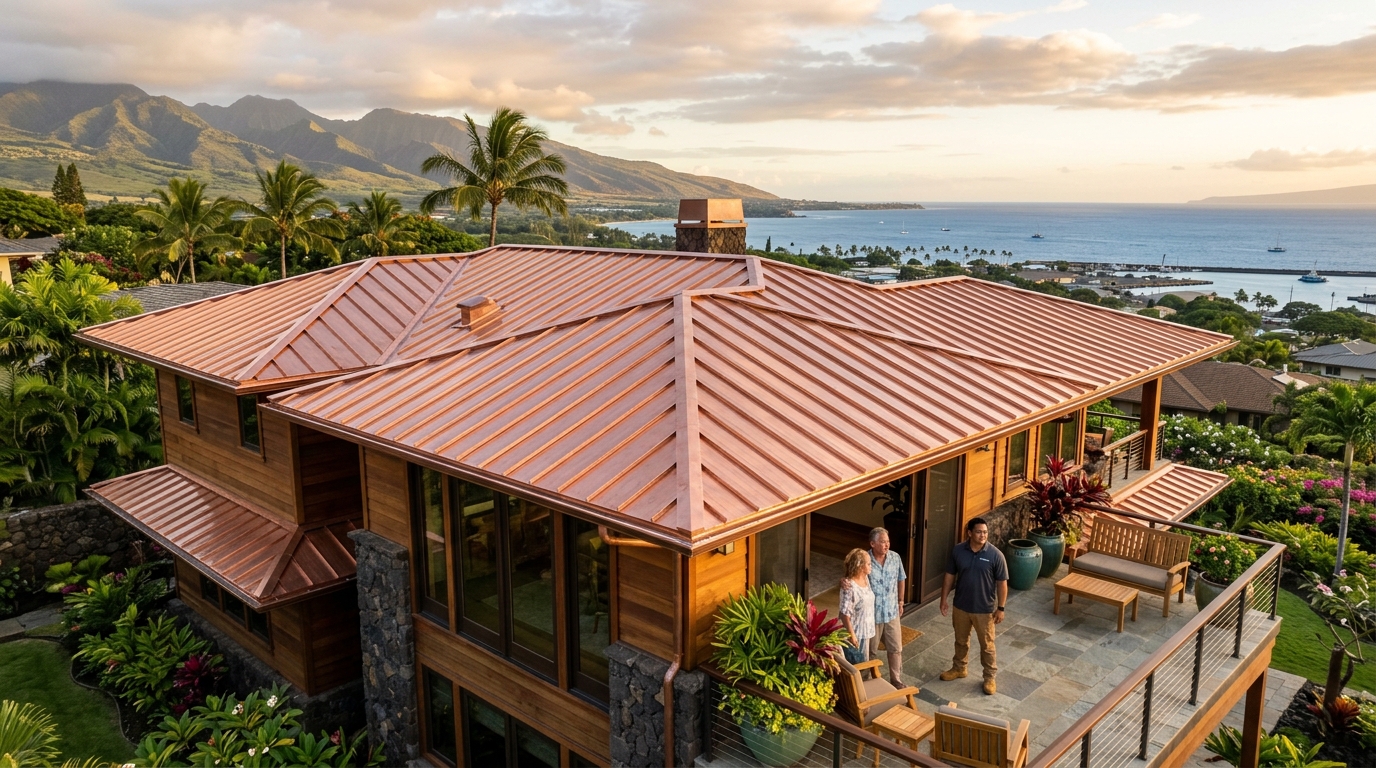
Choosing a roofing contractor in Kahului involves more than just picking someone to nail down shingles. Here on Maui, your roof is the single most important barrier between your family and intense tropical sun, torrential rains, and hurricane-force winds. A roof installed to mainland standards will fail here, period. As a general contractor with over two decades of experience in Hawaii, we’ve seen firsthand what happens when shortcuts are taken: premature rust from salt air, shingles peeling off in high winds, and catastrophic leaks from poorly installed flashing. That’s why we approach every roofing project not just as roofers, but as licensed general contractors (BC-34373) who understand the entire building envelope.
\n\n
This guide is built on our years of experience replacing and repairing roofs across Maui, from the breezy coast of Spreckelsville to the sun-baked neighborhoods inland. We’ll break down the real costs you can expect in 2026, navigate the Maui County permitting process, and explain why the materials and techniques that work in California or Arizona are a recipe for disaster here. You’ll learn the key differences between various roofing systems, how long the process actually takes when you factor in neighbor island logistics, and what specific questions you must ask any contractor before signing a contract. Ultimately, our goal is to give you the knowledge to make a confident decision and invest in a roofing solution that will protect your home for decades to come.
\n\n
Why Kahului Homeowners Trust Warrior Construction for Roofing
\n\n
The main reason homeowners and AOAOs in Kahului trust our team is simple: we aren’t just a roofing company. We are a fully licensed and insured general contractor, and that makes a world of difference. When you hire a contractor with only a C-42 roofing specialty license, their scope is legally limited. If they tear off your old shingles and discover the underlying plywood sheathing is soft from termite damage or that a roof truss is sagging, they have to stop work and tell you to hire a general contractor. This brings your project to a screeching halt. At Warrior Construction, we hold a B-General Contractor license (BC-34373), which means we can seamlessly address any structural issues we find on the spot. This integrated approach saves you time, money, and massive headaches.
\n\n
Furthermore, our two decades of building in Hawaii means we understand Maui’s unique and demanding microclimates. The constant salt spray near Kahului Harbor requires a completely different set of materials and fasteners than a home up in Pukalani. For instance, on a recent project in Spreckelsville, the previous roofer used standard galvanized nails. After only seven years, the nail heads had completely corroded, allowing shingles to lift in high winds. We replaced it using 316 stainless steel fasteners, an upgrade that adds maybe $1,000 to a project but extends the roof’s life by 15 years or more. This is the kind of local, hard-won knowledge we bring to every job. We know that the Central Valley can become a wind tunnel, so we install roofs that meet or exceed the 130 mph wind uplift requirements, a standard that has been critical since Hurricane Iniki reshaped our building codes.
\n\n
Our process is transparent and thorough. It starts with a comprehensive inspection that goes beyond just looking at the shingles. We get in the attic to check for proper ventilation, signs of moisture, and the integrity of the structure. We then provide a detailed, multi-page proposal that specifies everything:\n
- \n
- The exact make and model of the roofing material.
- The type of underlayment (we exclusively use high-temp synthetic peel-and-stick, never standard felt).
- The type of fasteners (stainless steel in coastal areas).
- The ventilation plan to reduce heat and moisture buildup.
- A clear plan for tear-off, disposal, and site cleanup.
- The full cost, with no hidden fees.
\n
\n
\n
\n
\n
\n
\nThis level of detail ensures you know exactly what you’re paying for: a complete roofing system designed and built for Maui.
\n\n\n
What Does a Roofing Contractor Cost in Kahului?
\n\n
Let’s get straight to the numbers. As of 2026, a complete roof replacement in Kahului for a typical 1,600-square-foot, single-story home will cost between $24,000 and $32,000 for high-quality architectural asphalt shingles. If you’re opting for the superior longevity of a standing seam metal roof, you should budget between $48,000 and $64,000. These figures include everything: materials, professional labor, neighbor island shipping, permitting fees, and disposal of the old roof at the Central Maui Landfill.
\n\n
It’s important to understand what drives these costs on Maui. First, materials have to be shipped from Oahu or the mainland via Young Brothers, which can add 10-15% to the total material cost compared to Honolulu. Second, labor rates are higher to account for the cost of living. Finally, doing things the right way to meet hurricane code—with proper sheathing, underlayment, and fasteners—simply costs more than a standard mainland installation. A lowball bid is often a sign a contractor is cutting corners on one of these critical areas.
\n\n
Here’s a more detailed breakdown of what you can expect to pay per square foot, fully installed, for different systems in 2026:
\n\n
| Roofing System | Material Cost / Sq. Ft. | Labor & Logistics / Sq. Ft. | Total Estimated Cost / Sq. Ft. (Kahului) |
|---|---|---|---|
| Architectural Asphalt Shingle | $4.75 – $6.25 | $10.50 – $12.50 | $15.25 – $18.75 |
| Standing Seam Metal (24-Gauge Kynar 500) | $12.50 – $16.00 | $18.50 – $23.00 | $31.00 – $39.00 |
| Concrete Tile | $8.50 – $11.00 | $16.00 – $20.00 | $24.50 – $31.00 |
| Integrated Solar (e.g., GAF Timberline Solar) | $26.00+ | $28.00+ | $54.00+ |
\n\n
Several factors can influence your final price. A steep roof pitch (anything over 6/12) increases labor costs due to safety and staging requirements. A two-story home is more complex and expensive than a single-story. The biggest variable, however, is what we find after tearing off the old roof. On a recent project in Wailuku, we discovered that years of a slow leak had completely rotted out about 30% of the plywood sheathing. Replacing that sheathing added about $4,500 to the project cost. This is why our initial contract always includes a clear cost per sheet for potential plywood replacement, so there are no surprises.
\n\n
How Long Does a Roofing Contractor Take in Kahului?
\n\n
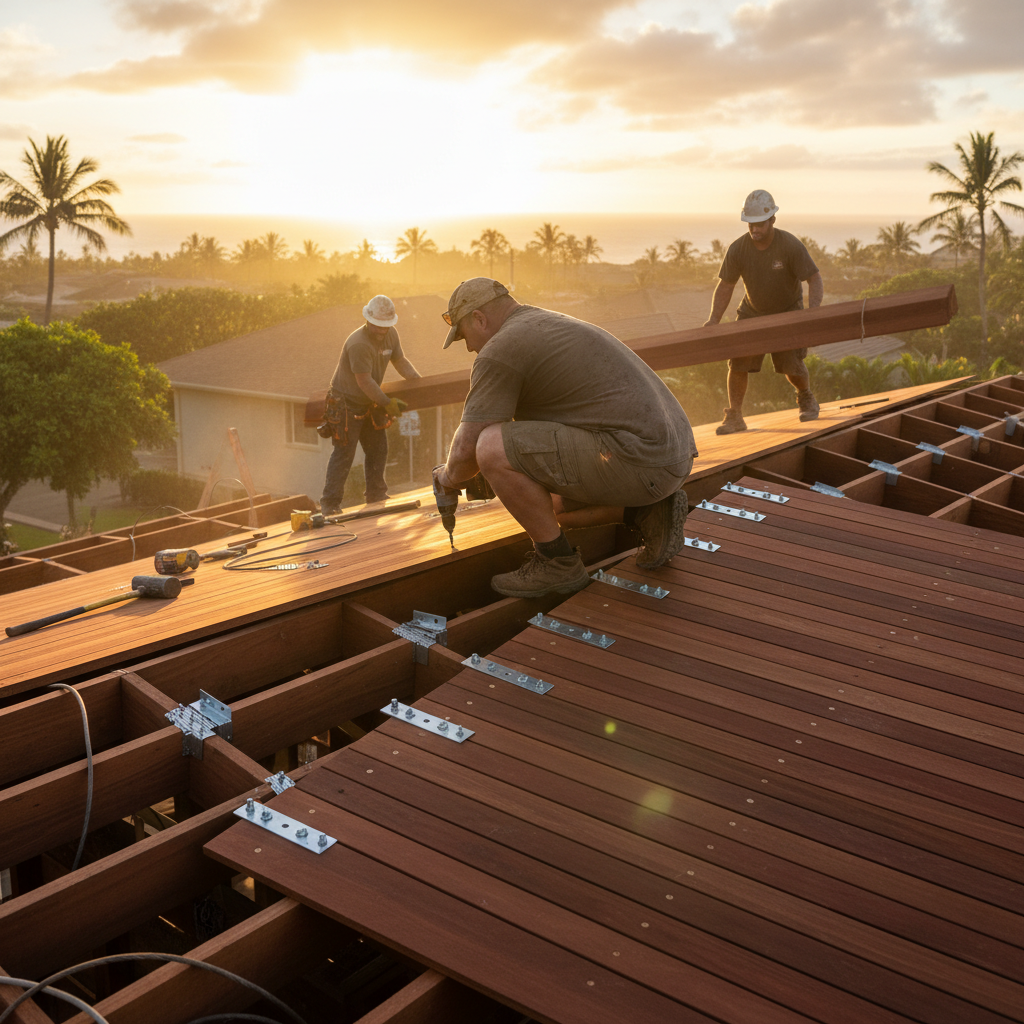
While the actual on-site work of replacing a roof is relatively quick, the entire process from signing a contract to final inspection takes much longer in Hawaii than on the mainland. For a standard 1,600-square-foot home in Kahului, you should plan for a total project duration of 8 to 14 weeks in 2026. The physical tear-off and installation might only take 7 to 12 working days, but the pre-construction phase is where the time adds up.
\n\n
Here’s a realistic step-by-step timeline for a full roof replacement on Maui:
\n
- \n
- Contract, Planning, and Engineering (1-2 weeks): This is where we finalize your material choices, colors, and any specific details. If we’re changing the roof’s weight significantly (like from shingles to tile), we’ll need a structural engineer to review and stamp the plans.
- Permit Application and Review (6-10 weeks): This is typically the longest waiting period. We prepare and submit a full permit package to the Maui County Department of Public Works. The review time can vary depending on their backlog, but planning for two to three months is a safe bet. Rushing this is not an option.
- Material Ordering and Shipping (2-3 weeks): Once the permit is approved, we place the material order. Most specialty roofing products, especially custom-colored metal, must be ordered from Oahu or the mainland. They are then barged over, and this process can be delayed by weather or shipping schedules.
- On-Site Work (7-12 days): This is the phase you’ll see. It includes delivering a container for debris, tearing off the old roof, inspecting and repairing the underlying sheathing, installing the new underlayment and roofing system, and meticulous cleanup.
- Inspections and Finalization (1 week): After our work is complete, we schedule a final inspection with the county building inspector. Once they sign off, the project is officially complete.
\n
\n
\n
\n
\n
\n\n
Weather is another major factor we can’t control. During the winter months, a series of rainy days can pause work for safety reasons. On a North Shore Maui project last year, we had to carefully tarp and secure the exposed roof for four straight days while a kona storm passed through. A professional contractor always has a contingency plan for weather, ensuring your home stays dry even during the installation process. Anyone who promises to start next week without a permit is cutting corners that will cost you dearly later.
\n\n\n
What Permits Do You Need for Roofing Contractor in Kahului?
\n
In Maui County, a building permit is required for almost any significant roofing work. If you are replacing your existing roof—what we call a “tear-off and re-roof”—you absolutely need a permit from the Maui County Department of Public Works. The same applies to any roof repair in Kahului that involves structural components like replacing rafters, trusses, or large sections of sheathing. The only exception might be for very minor repairs, like replacing a few blown-off shingles, but the threshold is low.
\n\n
Attempting to bypass the permitting process is one of the worst mistakes a homeowner can make. The process exists for your protection. A permitted project ensures that:\n
- \n
- The work is done to the current building code, which includes critical hurricane-resistant standards.
- An independent county inspector verifies the quality of the installation at key stages.
- Your homeowner’s insurance will cover the roof in case of future damage. Many insurance companies will deny a claim if the work was unpermitted.
- You won’t face problems when you try to sell your home. Unpermitted work creates major title and disclosure issues.
\n
\n
\n
\n
\n
\n\n
As your general contractor, Warrior Construction manages the entire permitting process from start to finish. We’re familiar with the specific requirements of the Maui County planners. We know how to prepare the plans, what structural calculations they need for wind-load resistance, and how to fill out the paperwork correctly to avoid delays. The system can be complex, similar to the well-known challenges of Honolulu’s DPP[1], and navigating it efficiently requires experience. We submit a comprehensive package that includes the site plan, roofing details, fastener schedules, and product specifications. This diligence upfront prevents back-and-forth questions from the plan reviewer, which is the most common cause of permit delays.
\n\n
Be extremely wary of any contractor who suggests you don’t need a permit or asks you, the homeowner, to pull it yourself. This is a massive red flag. It often means they are unlicensed or uninsured and are trying to avoid scrutiny from the county. The permit fee is a small part of the overall project cost, but the protection it provides is invaluable.
\n\n\n
Kahului-Specific Considerations: Climate, Materials, Regulations
\n
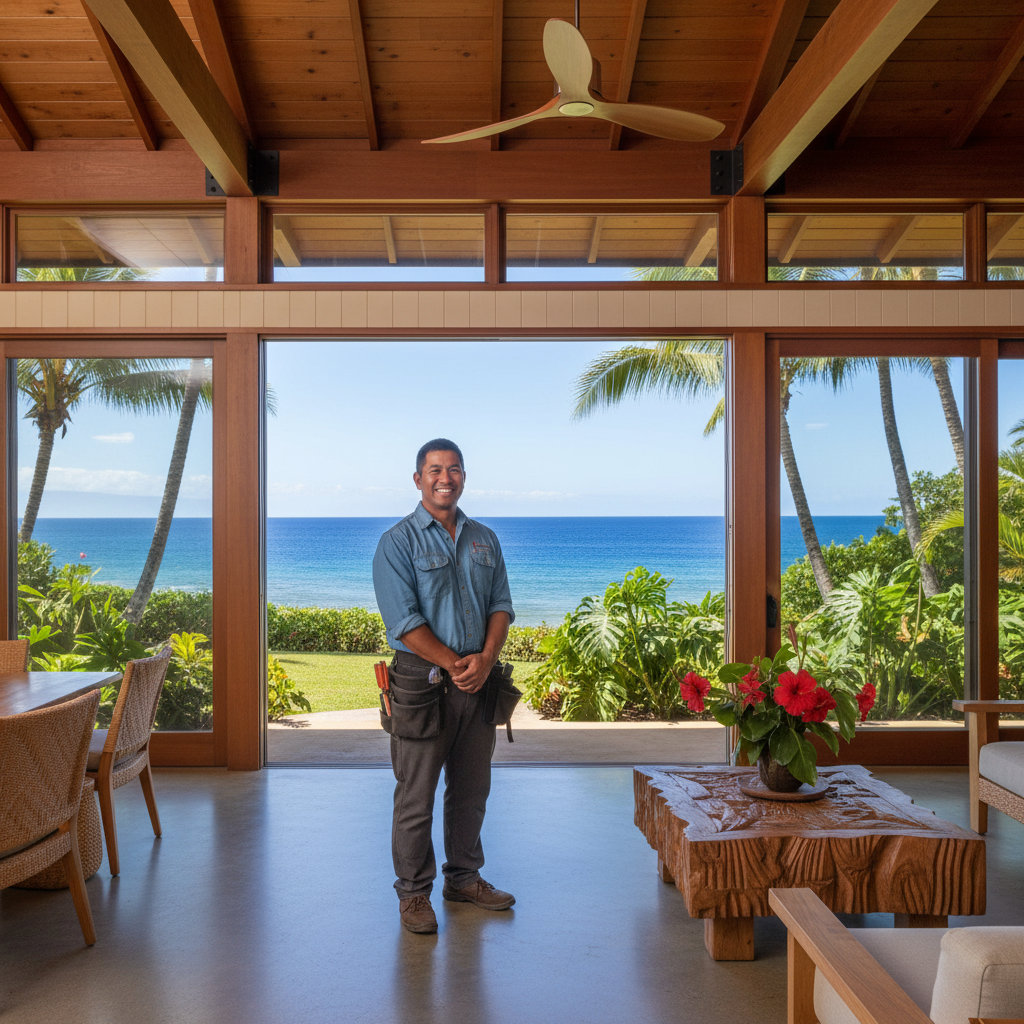
A successful roofing project in Kahului hinges on understanding how our specific environment will attack the materials. A roof here has to fight a multi-front war against sun, salt, wind, and rain every single day. This is why material selection and installation techniques are so critical.
\n\n
Climate Challenges
\n
- \n
- Intense UV Radiation: The sun in Central Maui is relentless. It breaks down the oils in asphalt shingles, causing them to become brittle and crack. This is why we recommend architectural shingles with high-quality, UV-reflective granules, or even better, a standing seam metal roof with a finish designed for high-UV environments. A cheap three-tab shingle might not even last 10 years here.
- Corrosive Salt Air: If you live anywhere near the coast—from Kanaha Beach Park to Spreckelsville—salt-laden air is your roof’s biggest enemy. It will aggressively corrode any exposed metal. This means standard galvanized fasteners, flashings, and vents are guaranteed to fail prematurely. For these areas, we mandate the use of 316-grade stainless steel fasteners and aluminum or copper flashing to prevent rust and ensure the system’s longevity.
- Wind Tunnel Effect: Kahului’s location in the central isthmus of Maui creates a natural wind tunnel. When the tradewinds are blowing, the wind speeds can be significantly higher than in other parts of the island. Your roof must be installed to withstand this. This involves not just meeting the minimum code for hurricane strapping, but also using the correct six-nail pattern on shingles and ensuring proper fastening of the metal panels and trim.
\n
\n
\n
\n\n
Recommended Materials for Tropical Roofing in Kahului
\n
- \n
- Standing Seam Metal: This is, without a doubt, the premium choice for a long-lasting Maui roof. We recommend a 24-gauge G-90 galvanized steel panel with a Kynar 500 (PVDF) paint finish. This multi-layer system provides exceptional resistance to fading, chalking, and corrosion. It’s an investment, but it can easily last 50 years or more.
- High-Grade Architectural Shingles: If metal isn’t in the budget, a top-tier architectural asphalt shingle is a viable alternative. Look for products with a Class 4 impact rating, algae resistance (many have copper granules mixed in), and a high-wind warranty (at least 130 mph). Brands like GAF Timberline HDZ or CertainTeed Landmark Pro are solid choices.
- High-Temperature Synthetic Underlayment: The black felt paper used on the mainland is a poor choice here. It dries out and cracks under the intense heat that builds up under your roof. We exclusively use a synthetic, peel-and-stick underlayment that acts as a secondary water barrier and can withstand extremely high temperatures without degrading.
\n
\n
\n
\n\n
Local Regulations
\n
Maui County’s building code has specific amendments to the International Building Code to account for our conditions. This includes strict requirements for roof-to-wall connections (hurricane straps), minimum wind-load design pressures, and in some areas designated as Wildland-Urban Interface (WUI) zones, requirements for Class A fire-rated roofing materials to protect against embers from brush fires.
\n\n
How to Choose the Right Roofing Contractor in Kahului
\n
Choosing the right contractor is the most critical decision you’ll make for your roofing project. A great roof installed poorly will fail, while a mediocre material installed by an expert can perform well. Here is our six-step checklist for vetting any potential roofing contractor in Kahului.
\n\n
- \n
- Verify Their License and Insurance. This is non-negotiable. Use the Hawaii DCCA Professional & Vocational Licensing (PVL) search tool[2] to confirm their license is active and in good standing. Our license is BC-34373. A C-42 specialty license is for roofing, but a B-General Contractor license, like ours, is better because it allows the contractor to legally handle any structural wood rot or termite damage they uncover. Also, demand to see current certificates for both General Liability and Worker’s Compensation insurance. Without it, you could be financially responsible if a worker is injured on your property.
- Insist on Local, Maui-Based Experience. A contractor from Oahu or the mainland simply won’t have the same understanding of Maui’s logistics, supply chain, and permitting office quirks. Ask for addresses of three recent projects they completed *in Maui County*. Go take a look at their work. A quality job is evident in the details: straight lines, clean flashing work, and no damage to the surrounding property.
- Analyze the Proposal in Detail. A one-line quote that just says \”New roof: $30,000\” is a sign of an amateur. A professional proposal from a company like Warrior Construction will be a multi-page document. It will break down the scope of work and specify the exact materials to be used, from the brand of shingle down to the gauge of the drip edge flashing and the type of fasteners. It should also clearly state the payment schedule, the estimated start and completion dates, and the warranty terms.
- Discuss the Tear-Off and Sheathing Plan. A reputable contractor will always plan for a full tear-off of the old roof. Putting new shingles over old ones is a shortcut that hides potential problems and adds excess weight to your roof structure. Your contract should also specify a per-sheet price for replacing any damaged or rotted plywood sheathing that is discovered after the tear-off. This prevents a huge, unexpected charge in the middle of the project.
- Check Their Safety Plan. Roofing is a dangerous job. Ask the contractor about their safety protocols. Do they use harnesses and fall protection equipment? How do they protect your landscaping, windows, and siding from falling debris? A professional crew takes pride in maintaining a safe and clean job site.
- Trust Your Gut. Do they return your calls promptly? Do they answer your questions clearly and patiently, or do they give you a high-pressure sales pitch? You will be working with this company for several months. Choose a team that you trust and feel comfortable communicating with. At Warrior Construction, we believe in building relationships, not just roofs.
\n
\n
\n
\n
\n
\n
\n\n
Real Kahului Roofing Contractor Project Example
\n
To illustrate how these principles come together, let’s look at a recent project we completed for a family in Kahului, just a few blocks from Maui High School.
\n
The Client: The Akina family, living in a single-story, 1,750-square-foot home built in the early 1990s.
\n
The Problem: Their original asphalt shingle roof was well past its lifespan. It had multiple active leaks, and their insurance carrier had sent them a non-renewal notice, demanding a full roof replacement to meet current hurricane codes before they would offer a new policy. They were concerned about finding a contractor who could handle the whole job, including some visible sagging near one of the eaves.
\n
Our Assessment & Solution: During our initial inspection, we confirmed the shingles were brittle and shedding granules. Inside the attic, we found the source of the sagging: two rafter tails had severe termite damage and rot from a long-term gutter leak. Our comprehensive plan included:
\n
- \n
- A full tear-off of the two existing layers of shingles.
- Surgical replacement of the two damaged rafter tails and the associated fascia board.
- Replacement of approximately 15 sheets (20% of the roof) of delaminated and moisture-damaged plywood sheathing.
- Upgrading the roof-to-wall connections with new H2.5A hurricane ties to bring the home up to modern code.
- Installation of a complete GAF roofing system: high-temperature peel-and-stick underlayment, Pro-Start starter strips, and Timberline HDZ architectural shingles in \”Pewter Gray.\”
- Installation of a new ridge vent system to improve attic ventilation and lower cooling costs.
\n
\n
\n
\n
\n
\n
\n\n
The Process & Outcome: We handled the entire Maui County permitting process, which took about 8 weeks. Once the permit was in hand, our crew was on-site for 10 working days. The total project cost came to approximately $34,500, which included all the structural repairs, materials, labor, and permits. The Akina family now has a safe, beautiful, and code-compliant roof that will last for decades. They were able to secure a new, less expensive homeowner’s insurance policy, and they commented on how much quieter and cooler the house was after the new, properly ventilated roof was installed.
\n\n
What this means for Hawaii homeowners
\n
For anyone owning a home in Kahului or anywhere on Maui, your roof is more than just a component of your house—it’s a critical system shielding your largest investment from some of the harshest weather conditions in the country. Understanding the local nuances isn’t just helpful; it’s essential for avoiding costly mistakes. A roof replacement is a significant financial undertaking, and doing it right the first time is paramount.
\n\nHere are the key takeaways you should focus on:\n
- \n
- Budget for Reality: Costs on Maui are higher than on the mainland due to shipping and labor. A low bid is a major red flag. Use the 2026 cost figures in this guide as a realistic starting point for your budget. Investing in quality materials like standing seam metal or high-end architectural shingles pays for itself in longevity and reduced maintenance.
- Patience is a Virtue: The project timeline is dictated by permitting and logistics, not just the on-site work. A reputable contractor will be upfront about the 8-14 week process and won’t promise an unrealistic start date. Plan accordingly, especially if you have a hard deadline.
- Hire a General Contractor, Not Just a Roofer: The odds of finding underlying structural or termite damage on an older Hawaii home are high. Hiring a licensed B-General Contractor like Warrior Construction (BC-34373) ensures your project won’t be derailed. We can handle everything under one contract, providing a single point of responsibility.
- Demand Materials Suited for the Tropics: Do not let a contractor install standard galvanized fasteners or cheap felt underlayment. Insist on stainless steel fasteners (in coastal areas), high-temperature synthetic underlayment, and roofing materials with proven performance in high-UV, salt-spray environments. These details make all the difference.
\n
\n
\n
\n
\n\nUltimately, your choice of contractor will determine the success of your project. Do your homework, check licenses, and choose a team with a deep, proven track record on Maui.\n\n
Frequently Asked Questions About Roofing Contractor in Kahului
\n
Can I just install a new roof over my old one in Kahului?
\n
Generally, no. This practice, known as a \”layover,\” is strongly discouraged and often not permitted by Maui County building code. A full tear-off is required to properly inspect the underlying wood sheathing for rot, termite damage, or delamination. Hiding old problems with new shingles is a recipe for premature roof failure and can void manufacturer warranties.
\n
\n
How much does a simple roof repair cost in Kahului?
\n
For a minor, non-structural roof repair in Kahului, such as replacing a few dozen blown-off shingles or sealing a leaking vent flashing, you can expect to pay between $850 and $2,500 in 2026. However, a small leak is often a symptom of a larger, systemic issue. We always recommend a thorough inspection to determine the true cause before proceeding with a simple patch.
\n
\n
Will my homeowner’s insurance pay for a new roof?
\n
Insurance typically only covers roof replacement if the damage is from a sudden, specific event, like a hurricane or a fallen tree. It does not cover replacement due to old age or lack of maintenance. However, installing a new, code-compliant roof can often lower your annual insurance premiums, as it reduces the risk for the insurance company.
\n
\n
What is the best material for tropical roofing in Kahului?
\n
For the best combination of longevity, durability, and resistance to salt, sun, and wind, a 24-gauge standing seam metal roof with a Kynar 500 (PVDF) finish is the superior choice for tropical roofing in Kahului. While the upfront cost is higher than asphalt shingles, its 50+ year lifespan offers the best long-term value for homeowners on Maui.
\n
\n
How long does a standing seam metal roof last on Maui?
\n
A properly installed standing seam metal roof with a high-quality Kynar 500 finish can easily last 50 to 70 years on Maui, even in coastal areas. This is in sharp contrast to asphalt shingles, which typically need replacement every 15 to 20 years in our harsh climate. The key is using the right materials, including stainless steel clips and fasteners, to prevent corrosion.
\n
\n
Is a light-colored or ‘cool roof’ better in Kahului?
\n
Absolutely. A light-colored or white roof can reflect a significant amount of solar radiation, keeping your attic and home cooler. This can reduce your air conditioning costs by 15-20%, which provides substantial savings given Maui’s high electricity rates. Many modern metal and shingle products come in ‘cool roof’ certified colors that meet energy efficiency standards.
\n
\n
What warranties should I look for from a roofing contractor?
\n
There are two warranties to consider. First is the manufacturer’s warranty on the material itself, which can be 30 years to lifetime, but it’s often prorated. More importantly is the contractor’s workmanship warranty. This covers leaks or failures due to installation errors. A reputable contractor like Warrior Construction should offer a comprehensive workmanship warranty of at least 10 years.
\n
\n
\n\n
Your Kahului home’s roof faces challenges mainland contractors can’t imagine. From corrosive salt spray to hurricane-force winds, it needs to be built right. At Warrior Construction, we build roofs that last a lifetime in our unique island environment. If you’re ready to protect your biggest investment with a roofing system designed specifically for Maui, learn more about our hurricane-resistant construction services or request a detailed estimate today.
\n
References
\n