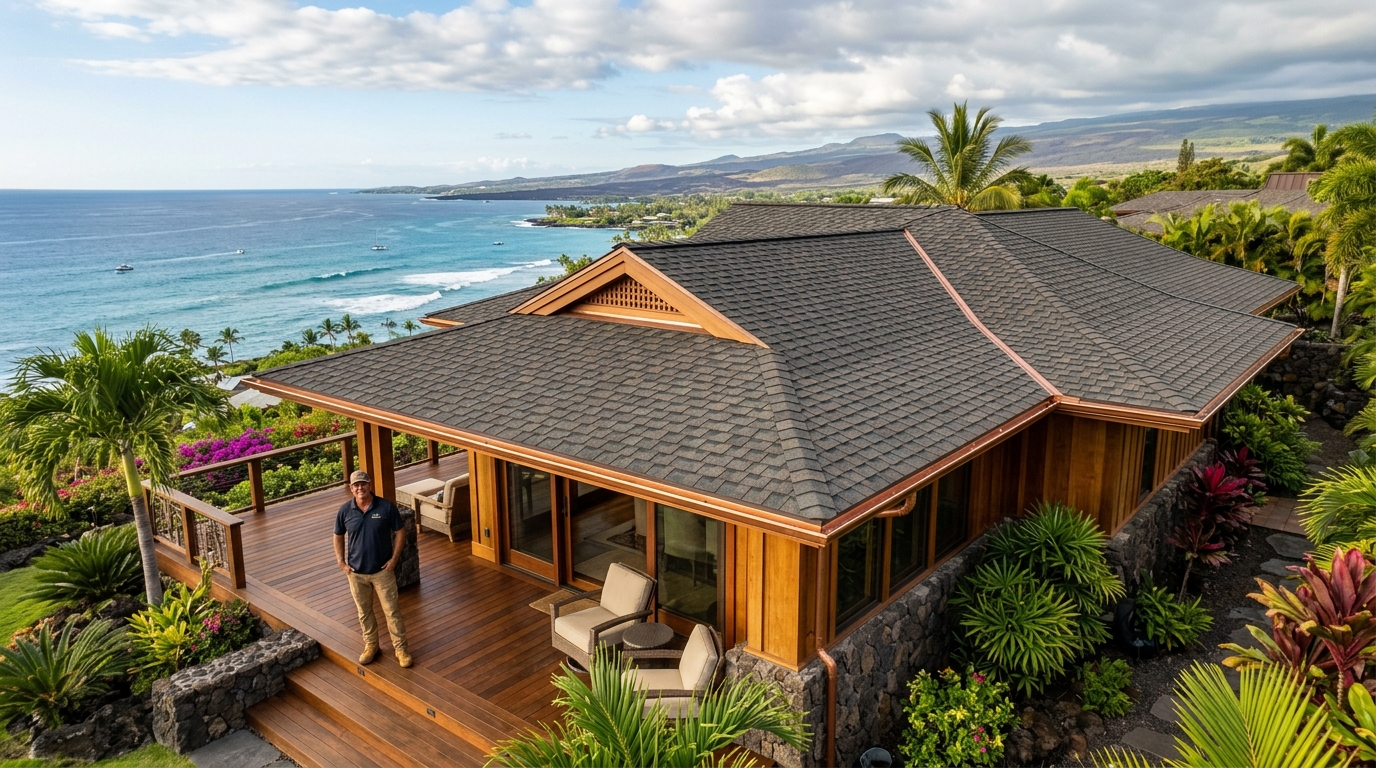
Finding the right roofing contractor in Kailua-Kona for your home is one of the most critical decisions you’ll make as a property owner on the Big Island. Your roof is the primary shield against our intense tropical sun, occasional torrential rains, and high winds. Here in Hawaii, a roof isn’t just a roof; it’s a specialized system engineered to handle salt-air corrosion, vog, and strict hurricane code requirements. With over two decades of experience as a general contractor across the islands, our team at Warrior Construction has seen firsthand what happens when a roof isn’t built for Kona’s unique environment—from rusted fasteners causing leaks within five years to shingles turning brittle under the constant UV assault.
This guide isn’t a generic checklist. It’s a breakdown of what you actually need to know in 2026 to hire a qualified contractor and get a roof that lasts. We’ll get into the real costs you can expect on Hawai’i Island, the lengthy timelines involving permitting and material shipping, and the specific material choices that stand up to the Kona coast. Furthermore, we will walk through the critical questions you must ask any potential contractor before signing a contract. Our goal is to give you the confidence to navigate your roofing project, whether it’s a simple repair or a full-scale replacement, and protect your most valuable investment. The right partner makes all the difference between a 30-year solution and a 10-year headache.
Why Kailua-Kona Homeowners Trust Warrior Construction for Roofing
Homeowners in Kailua-Kona trust Warrior Construction because we are more than just a roofing company; we are a fully licensed (BC-34373) general contractor with deep roots in Hawaii’s unique building environment. A roof is an integrated part of your home’s entire structure and exterior envelope. Our comprehensive understanding of how all the pieces fit together—from the foundation to the ridge cap—ensures your roofing project isn’t just a patch, but a holistic improvement that protects your entire home. Many companies can nail shingles, but few understand the intricate connection between proper attic ventilation, hurricane strap retrofitting, and preventing moisture intrusion specific to our island climate.
For example, on a recent project in Holualoa, just up the hill from Kailua-Kona, we were hired for a roof replacement. During our initial inspection, we identified that the home’s original single-wall construction lacked proper ventilation, causing heat and moisture to build up in the ceiling cavity. A simple roofer might have just replaced the roofing material. As general contractors, our team designed a solution that included installing new ridge vents and soffits, dramatically improving airflow. Consequently, this not only extended the life of the new roof but also lowered the homeowner’s cooling costs by a noticeable margin. It’s this kind of big-picture thinking that sets us apart.
Our experience extends across all the islands, which gives us a unique perspective on logistics and material performance. We know which suppliers in Honolulu have the best inventory of standing seam metal and how to consolidate shipments to the Big Island to minimize those notorious inter-island freight costs. We’ve dealt with the specific challenges of building in varied Kona microclimates, from the salty spray of Ali’i Drive to the cooler, wetter conditions at higher elevations. This broad expertise means we can anticipate problems before they happen, whether it’s specifying 316 stainless steel fasteners for a beachfront property or engineering a roof system to handle the specific wind loads in a high-velocity hurricane zone. We bring the full force of a general contractor’s knowledge to every roofing job, ensuring it’s done right, from the structural connections to the final flashing detail.
What Does a Roofing Contractor Cost in Kailua-Kona?
In 2026, a full roof replacement in Kailua-Kona typically costs between $15 and $30 per square foot, installed. For a standard 2,000-square-foot home, this translates to a total project cost of $30,000 to $60,000. This is often 15-20% higher than on Oahu due to the added expense of shipping materials and mobilizing skilled labor to the Big Island. The final price tag is driven by several key factors, and getting a detailed bid that breaks these down is essential.
The biggest variable is your choice of material. Here’s a realistic breakdown of what you can expect to pay per square foot for common tropical roofing materials in Kona:
- Architectural Asphalt Shingles: $15 – $20 per square foot. This is the most common and affordable option. However, the intense Kona sun can shorten their lifespan to 15-20 years, even for products with a 30-year warranty. We often see shingles in lower-elevation Kona neighborhoods start to lose their granules and become brittle around year 12.
- Standing Seam Metal (24-gauge Galvalume): $22 – $30 per square foot. This is our most recommended material for Hawai’i. A standing seam metal roof with a Kynar 500 paint finish is exceptionally durable, reflective (lowering cooling costs), and can last 50 years or more. The higher upfront cost pays for itself over the long run.
- Concrete or Clay Tile: $25 – $40+ per square foot. While excellent for longevity and aesthetics, tile is extremely heavy. Many older homes in Kona were not framed to support the weight, requiring significant structural engineering and reinforcement, which can add tens of thousands to the project cost.
Beyond the material itself, other costs add up. A complete tear-off of the old roof, which we always recommend, adds $2-$4 per square foot. Disposal fees at the Pu’uanahulu landfill are another factor. The complexity of your roof—its pitch, number of valleys, dormers, and skylights—also significantly impacts labor costs. Finally, expect to see line items for underlayment (a high-temperature synthetic is a must in Kona), new flashing, ridge vents, and potentially upgrades to your hurricane ties to meet current building codes. Our bids are exhaustive because we want you to see exactly where every dollar goes, avoiding surprises down the line.
How Long Does a Roofing Contractor Take in Kailua-Kona?
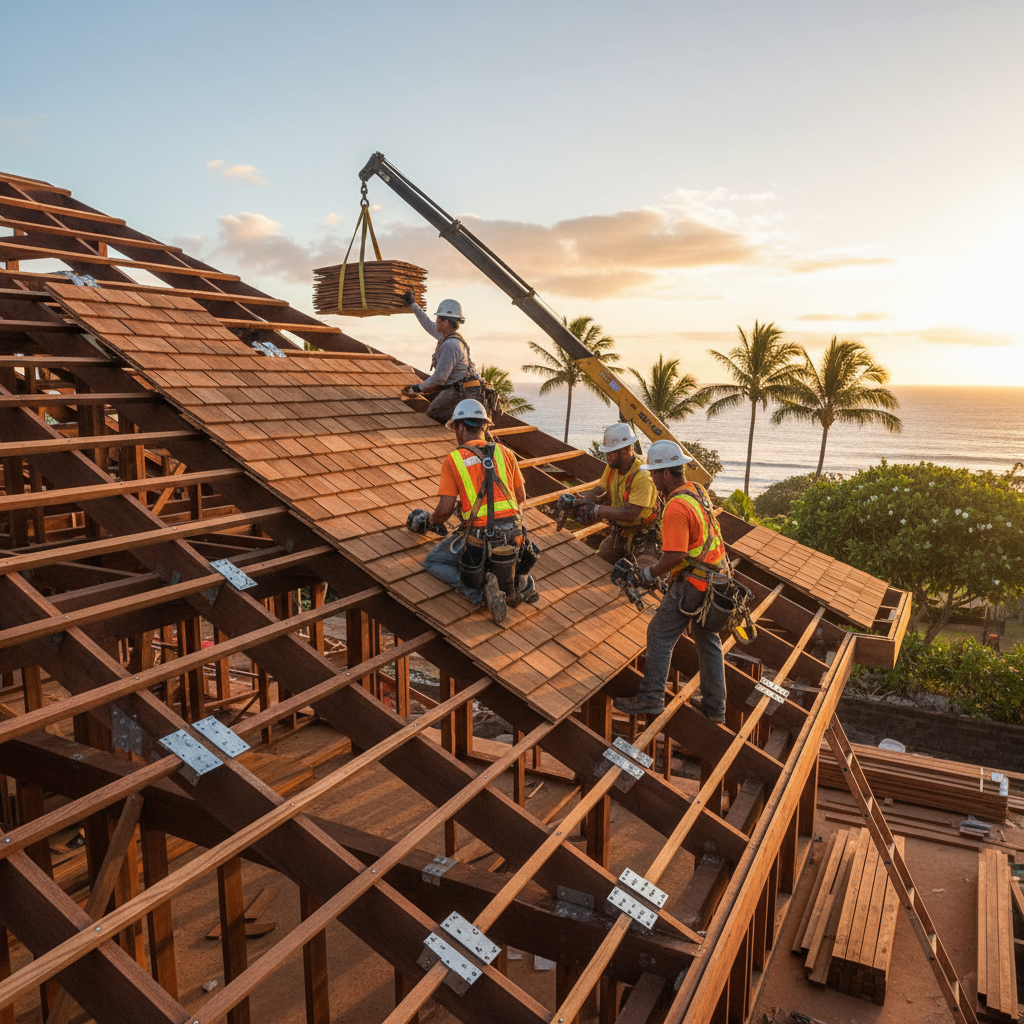
A full roof replacement project in Kailua-Kona, from signing the contract to final inspection, typically takes between 3 to 6 months in 2026. While the on-site construction itself might only last 1 to 3 weeks, the pre-construction phase is where the bulk of the time is spent. Homeowners are often surprised by these timelines, especially if they’re used to mainland schedules. The delays are baked into the realities of building in Hawaii, particularly on a neighbor island.
Here’s a step-by-step breakdown of a realistic timeline for a `roof replacement kailua-kona` project:
- Design & Material Selection (1-2 weeks): This phase involves finalizing the material type, color, and any associated engineering requirements. We work with you to choose the best system for your home and budget.
- Material Ordering & Shipping (4-10 weeks): This is the most significant waiting period. Nearly all roofing materials are shipped from the mainland to Honolulu, then barged over to Kawaihae or Hilo. Custom-colored metal panels or specialty tiles can have lead times of 8 weeks before they even leave the factory. We always advise clients to be flexible on color choices if speed is a priority.
- Permitting (4-12 weeks): Submitting plans to the Hawai’i County Department of Public Works and waiting for approval is a lengthy process. The plans must be reviewed for structural integrity and compliance with the latest building codes, including hurricane-wind resistance. While we handle the entire submission process, the county’s backlog dictates the timeline.
- On-Site Work (1-3 weeks): Once we have the permit and materials on-site, our crew works efficiently. This phase includes tearing off the old roof, making any necessary repairs to the roof deck, installing the new underlayment and roofing material, and finishing all the flashing and detail work. Kailua-Kona’s generally dry weather helps, but an unexpected weather system can add a day or two.
- Inspections & Project Closeout (1 week): This involves scheduling and passing the county’s final inspection. After that, we do a final walkthrough with you and complete all project closeout documentation.
The key takeaway is to plan far ahead. If you notice your roof is nearing the end of its life, start the process of getting bids and choosing a contractor at least six months before you want the work to be completed. Rushing the process almost always leads to compromises on materials or quality.
What Permits Do You Need for Roofing Contractor in Kailua-Kona?
For almost any full roof replacement in Kailua-Kona, you will need a building permit from the Hawaiʻi County Department of Public Works. The rule of thumb is that if you are removing the existing roofing material and sheathing, a permit is required. Simple `roof repair kailua-kona` jobs, like replacing a few shingles or sealing a leak, typically do not require a permit. However, the line can be blurry, which is why working with a licensed contractor who understands county regulations is crucial.
The permitting process in Hawaii is notoriously complex and methodical, and the Big Island is no exception. As your general contractor, Warrior Construction handles this entire process for you. It involves drafting detailed plans that show not only the roofing material but also the type of underlayment, the fastening pattern, flashing details, and crucially, the method of connecting the roof to the walls to resist hurricane-force winds. These plans are then submitted to the county for review by multiple departments. They will check for compliance with the International Building Code as amended by the county.
It’s important to understand why this process is so stringent. It’s about safety. Post-Hurricane Iniki, Hawaii building codes were significantly strengthened to prevent the catastrophic roof failures seen during that storm. The permit ensures that your new roof is structurally sound and attached properly. An inspector will visit the site at least once during the project—typically after the old roof is off and any new sheathing or strapping is installed, but before the new roofing material goes on—to verify the work matches the approved plans. While the permitting process on Oahu, managed by the Honolulu DPP[1], is often cited for its complexity, Hawai’i County has its own thorough procedures that must be respected. Trying to bypass the permit process is a huge mistake. It can result in fines, a stop-work order, and major problems when you try to sell your home in the future.
Kailua-Kona-Specific Considerations: Climate, Materials, Regulations
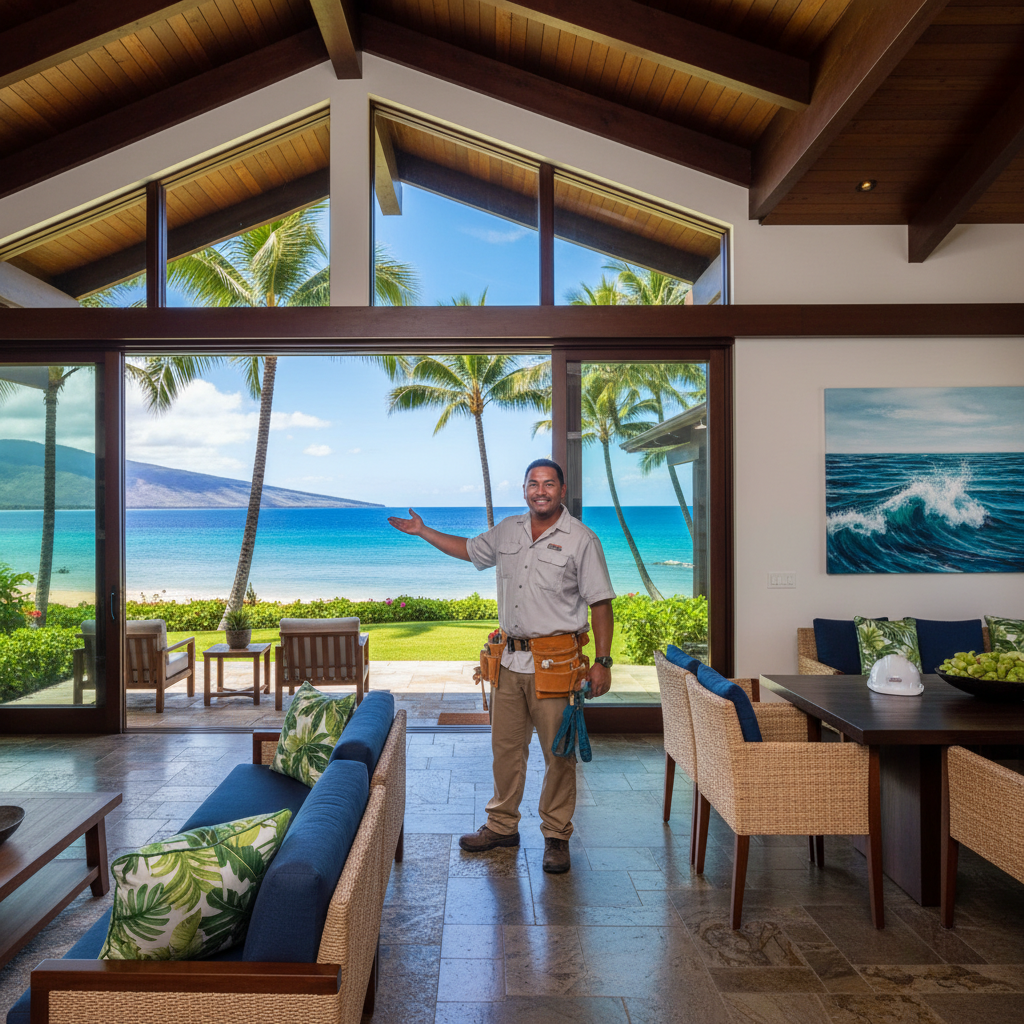
Roofing in Kailua-Kona isn’t like roofing anywhere else in the country. The combination of intense sun, salt air, and specific building codes creates a unique set of challenges that demand local expertise. A mainland contractor simply won’t understand the nuances of building for this environment.
Climate: The Kona Sun and Salt Air
The leeward side of the Big Island gets some of the most intense, direct sun in the United States. This high level of UV radiation is brutal on building materials.
- UV Degradation: Asphalt shingles, especially darker colors, absorb this heat, which accelerates the breakdown of the asphalt and causes the protective granules to flake off. We’ve seen 30-year shingles fail in 15 years. This is why we often recommend lighter-colored standing seam metal with highly reflective Kynar 500 coatings, which can reflect up to 70% of solar radiation.
- Salt-Air Corrosion: If your home is anywhere near the coast—from Keauhou to the Old Airport—salt-laden air is a constant threat. It will aggressively corrode any exposed metal that isn’t properly protected. For metal roofs, this means using a high-quality Galvalume substrate. Even more critical are the fasteners. Using cheap, galvanized screws is a recipe for disaster. They will rust out in 5-7 years, creating entry points for water. We exclusively use 316-grade stainless steel fasteners on all coastal projects.
Materials: Choosing for Longevity
Material selection is about long-term value, not just upfront cost. A cheap roof that fails in a decade is far more expensive than a quality system that lasts for 50 years.
- Standing Seam Metal: This is the champion material for `tropical roofing kailua-kona`. It’s lightweight, extremely wind-resistant when installed correctly, and its baked-on finish withstands the UV and salt. The concealed fastener system protects the screws from the elements, preventing the primary failure point of older metal roofs.
- High-Quality Underlayment: The layer under your roofing material is just as important. We use high-temperature synthetic underlayment, not traditional felt paper. It won’t dry out and crack under the intense heat that builds up under a metal roof, providing a critical secondary water barrier.
Regulations: Hurricane Codes and Insurance
Hawaii’s building codes are designed to protect homes from hurricanes. This means any roof replacement must include verification or upgrades to the roof-to-wall connections.
- Hurricane Straps: We inspect the existing hurricane straps or clips that connect your roof trusses to the top of your walls. If they are corroded or don’t meet modern uplift requirements, they must be replaced. This is a non-negotiable part of a permitted roof replacement.
- Insurance Implications: Many insurance companies in Hawaii now offer discounts for homes with certified hurricane-resistant features. A new, code-compliant roof with upgraded connections can often lead to lower homeowner’s insurance premiums, helping to offset the initial investment.
How to Choose the Right Roofing Contractor in Kailua-Kona
Choosing the right team for your roofing project is the single most important factor for success. A great material installed poorly will fail. In Hawaii’s small community, reputation is everything, but you still need to do your due diligence. Here’s our straightforward advice on how to vet a potential contractor.
-
Verify Their License and Insurance. This is non-negotiable. Anyone you hire must have a valid Hawaii contractor’s license. You can and should verify their status online using the Hawaii Professional & Vocational Licensing (PVL) database[2]. Look for a C-42 specialty license for roofing or a B-General Contractor license like ours (Warrior Construction, BC-34373), which allows us to perform and manage all aspects of the job. Also, ask for a current certificate of general liability insurance and workers’ compensation insurance. If an uninsured worker gets hurt on your property, you could be held liable.
-
Insist on a Detailed, Written Estimate. A one-page quote with a single bottom-line number is a red flag. A professional bid from a reputable `roofing contractor kailua-kona` should be several pages long and break down the costs clearly: material type and manufacturer, labor, tear-off and disposal of the old roof, permit fees, underlayment, flashing, fasteners, and any necessary structural repairs or upgrades like hurricane ties. This protects you from unexpected charges later.
-
Ask About Their Big Island Experience. Ask for specific examples of projects they’ve completed in and around Kailua-Kona. A contractor based primarily on Oahu might not understand the logistical challenges or have the established relationships with local suppliers and inspectors on the Big Island. Ask them how they handle material shipping and what their plan is for waste disposal. Their answers will reveal their level of local knowledge.
-
Review Their Portfolio and Talk to References. Don’t just look at glossy photos on a website. Ask for the addresses of 3-4 recent projects. Take a drive by and look at the quality of the work from the street. Pay attention to the details, like how straight the lines are and how clean the flashing looks. Better yet, ask for the phone numbers of those homeowners and give them a call. Ask how the project went, if the crew was professional, and if they stayed on budget and on schedule.
Real Kailua-Kona Roofing Project Example
To make this practical, let’s walk through a recent, typical project our team completed for a homeowner in Kona Palisades.
- The Property: A 2,200 square-foot, single-story home built in the late 1990s. The original architectural asphalt shingle roof was well past its prime. The intense sun had cooked the shingles; they were brittle, shedding granules into the gutters, and several small leaks had developed around the vents.
- The Problem: The homeowner wanted a permanent solution. They were tired of worrying about leaks every time a big storm was forecast and were also concerned about rising energy bills. The existing roof was dark brown, absorbing a tremendous amount of heat.
- Our Proposed Solution: After a thorough inspection, we recommended a full `roof replacement kailua-kona`. We proposed a 24-gauge standing seam metal roof system from a reputable manufacturer with a 35-year Kynar 500 paint warranty. The chosen color was a light beige, which has high solar reflectivity to help lower cooling costs. The plan also included a full tear-off, replacing two sheets of rotted plywood decking, upgrading all roof-to-wall connections with new hurricane straps, and installing a high-temperature synthetic underlayment.
- The Process and Timeline: The entire process took about 4.5 months. Material selection and contract signing took one week. The custom-colored metal roofing package took 9 weeks to be manufactured and shipped to Kawaihae Harbor. During that time, we submitted the plans to Hawai’i County, and the permit was issued in about 8 weeks, so it was ready when the materials arrived. The on-site work was completed in just 8 working days.
- The Numbers: The total project cost was approximately $61,600. This breaks down to about $28 per square foot, which included all materials, shipping, labor, permitting, and taxes.
- The Outcome: The homeowner now has a beautiful, durable roof that will likely outlast them. They reported an immediate and noticeable drop in their daytime indoor temperatures, reducing their need for air conditioning. They have peace of mind knowing their home is protected by a modern, hurricane-rated system, and they even received a small discount on their homeowner’s insurance policy. This project is a perfect example of investing in a long-term solution tailored to the Kona environment.
What this means for Hawaii homeowners
Navigating a major project like a roof replacement on the Big Island requires a shift in mindset from what you might see on the mainland. The logistics are more complex, the costs are higher, and the stakes of choosing the right materials are greater. Here’s how to translate all this information into an actionable plan.
- Plan for the Timeline: The biggest takeaway should be to start your planning process 6-12 months before you need the roof completed. The long lead times for materials and permits are not something a contractor can rush. If you wait until your roof is actively leaking, you’ll be in an emergency situation and forced to make compromises.
- Budget for Quality: In Kailua-Kona’s harsh environment, a cheap roof is an expensive mistake. Budgeting for a high-quality standing seam metal roof and stainless steel fasteners might cost 40% more upfront than asphalt shingles, but it will last three times as long and provide energy savings along the way. Focus on the 30-year cost, not the 30-day price tag.
- Hire a Licensed General Contractor: Don’t just hire a “roofer.” Hire a licensed general contractor (like Warrior Construction, BC-34373) who understands the entire building envelope. A GC can identify and address underlying structural or ventilation issues that a simple roofer might cover up, ensuring your investment is sound from the trusses to the ridge cap.
- Get Everything in Writing: Your contract is your most important tool. It should specify everything: the exact brand and model of the roofing material, the type of underlayment, the grade of fasteners, payment schedules, and a projected timeline. This document protects both you and the contractor and ensures everyone is on the same page.
Ultimately, your roof is what keeps your family and your investment safe. Treat the process of replacing it with the seriousness it deserves, and you’ll end up with a result that provides security and value for decades to come.
Frequently Asked Questions About Roofing in Kailua-Kona
What is the best and most durable roofing material for the intense Kailua-Kona sun?
Without a doubt, a 24-gauge standing seam metal roof with a Kynar 500 (PVDF) paint finish is the best choice for durability in Kona. This system excels at reflecting solar radiation, which keeps your home cooler and extends the life of the material itself. It’s also highly resistant to wind and corrosion, with a realistic lifespan of 50+ years when installed correctly.
How much does a simple roof repair cost in Kailua-Kona?
A minor `roof repair kailua-kona` for issues like replacing a few blown-off shingles or resealing flashing around a vent pipe typically costs between $750 and $1,500. The cost is driven by the time it takes to diagnose the leak, the accessibility of the repair area, and the materials needed. Keep in mind that many contractors have a minimum service charge for coming out to the neighbor islands if they are based elsewhere.
Can I just install a new roof over my old shingles to save money?
We strongly advise against this practice in Hawaii. Trapping old, deteriorating asphalt shingles under a new roof creates a moisture sandwich that can accelerate rot in your roof deck. It also prevents a contractor from properly inspecting the sheathing for damage and correctly installing new, code-required hurricane straps. A full tear-off is the only professional way to do the job.
Why is roofing so much more expensive on the Big Island compared to Oahu?
The price difference comes down to logistics. Virtually all roofing materials must be shipped from the mainland to Honolulu, then loaded onto a barge for shipment to Kawaihae or Hilo. This adds a significant freight cost that gets passed on. Furthermore, mobilizing and housing a skilled labor force can also be more expensive on the Big Island than on Oahu, where the majority of construction labor is based.
Does my homeowner’s insurance policy cover a new roof?
Typically, insurance covers roof replacement only if it’s damaged by a specific, covered event, like a hurricane or a fire. Policies do not cover replacement due to old age or normal wear and tear. However, investing in a new, code-compliant roof can often qualify you for discounts on your premiums, so you should always talk to your insurance agent after the work is complete.
What are the most common signs that my Kona roof needs replacement?
For asphalt shingle roofs, look for excessive amounts of sand-like granules in your gutters, curled or cracked shingles, and dark streaks (algae). For any roof type, visible sagging, water stains on your interior ceilings, or soft spots when walking on the roof are urgent signs. Generally, if your shingle roof is over 20 years old in Kona, it’s time for a professional inspection.
Do I need an engineer for my roofing project in Kailua-Kona?
It depends. If you are simply replacing the same type of material (e.g., shingles with new shingles), an engineer is usually not required. However, if you are changing to a much heavier material like tile, or if significant structural repairs or changes to the roofline are needed, the county will require a licensed structural engineer to review and stamp the plans before issuing a permit.
Choosing a roofing contractor is a major decision, but it doesn’t have to be overwhelming. By focusing on quality materials, local expertise, and a transparent process, you can ensure your home is protected for decades. At Warrior Construction, we bring our general contracting experience to every roofing project, seeing the whole picture to deliver a result that’s not just beautiful, but built to withstand the unique challenges of the Kona coast.
If you’re ready to discuss your roofing needs, our team is here to provide a detailed, no-obligation estimate. We’ll walk your property, listen to your goals, and develop a comprehensive plan tailored to your home. Explore our residential construction services to see how we build with durability and integrity in mind.