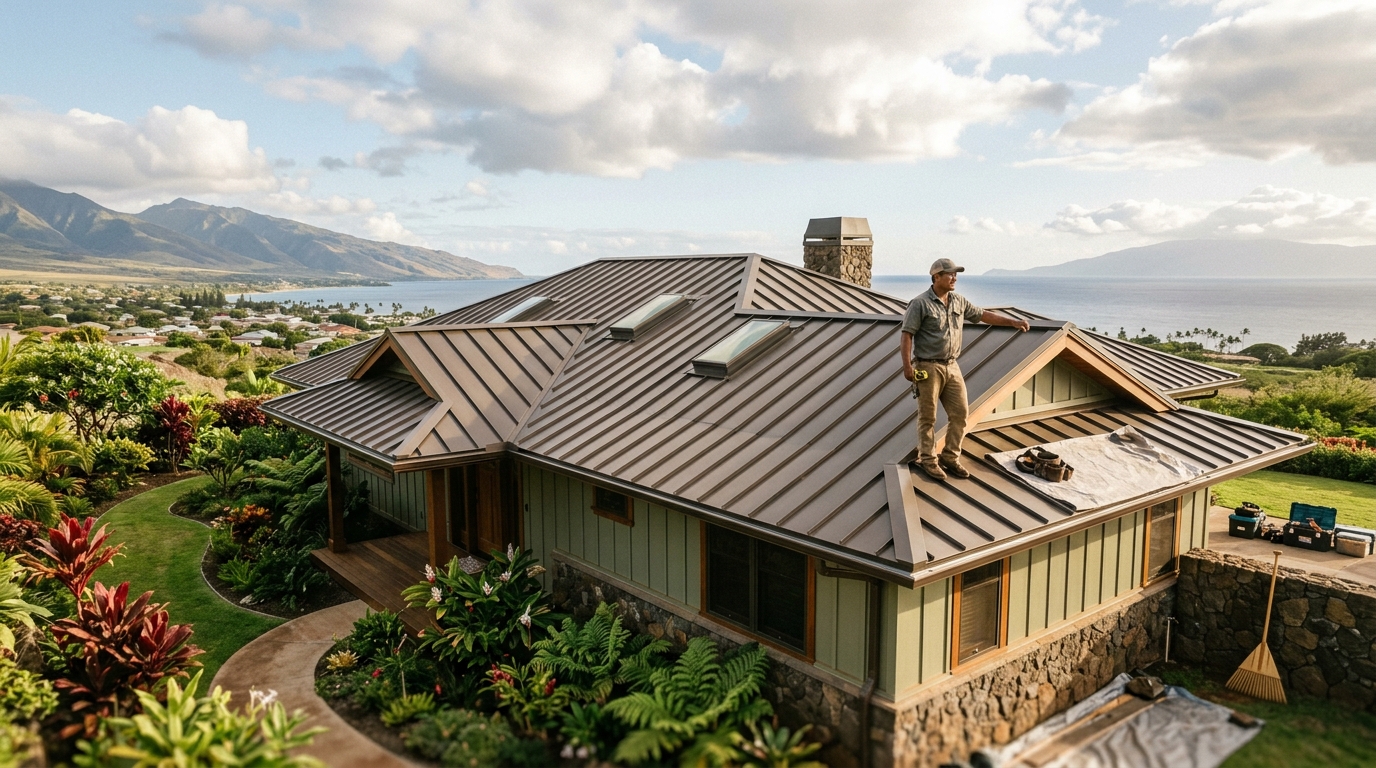
Finding a qualified and reliable roofing contractor in Kaunakakai means looking for a team that truly understands Moloka’i’s unique challenges. It’s not just about nailing shingles; it’s about navigating inter-island logistics, selecting materials that can withstand the constant salt air and intense UV rays, and building to Hawaii’s stringent hurricane codes. The right contractor knows that a roof on Moloka’i is your home’s first line of defense against the elements, and that a job done right involves meticulous planning long before the first barge of materials even leaves Honolulu.
At Warrior Construction, we’ve spent over two decades managing complex projects across the islands, including on Moloka’i. We understand that a successful roof replacement in Kaunakakai isn’t just a construction project—it’s a logistical exercise. From coordinating barge shipments to having the right crew on-island at the right time, every step needs to be planned with precision. This guide breaks down the real costs, timelines, and critical considerations for your 2026 roofing project. We’ll cover the five key solutions every Kaunakakai homeowner needs to know: understanding the real costs including shipping, navigating the permit process, choosing the right materials for the climate, planning a realistic timeline, and selecting a contractor with proven neighbor island experience.
Why Kaunakakai Homeowners Trust Warrior Construction for Roofing Contractor
Choosing a roofing contractor for a project on Moloka’i is a decision that goes far beyond a simple price comparison. Homeowners in Kaunakakai trust our team at Warrior Construction because we bring a depth of experience specifically tailored to the challenges of building on the neighbor islands. Our general contractor license, BC-34373, is more than just a number; it represents two decades of navigating the complexities of Hawaii construction, from the dense urban core of Honolulu to the quiet shores of Moloka’i.
The biggest hurdle for any Moloka’i project is logistics. We’ve seen mainland-based or Oahu-centric companies completely underestimate the challenge. They’ll bid a job based on Honolulu prices, only to realize too late that shipping a 40-foot container of standing seam metal roofing, underlayment, and specialized tools to Kaunakakai isn’t like sending a truck across the H-1. Barge schedules can be unpredictable, materials need to be meticulously inventoried and protected for the journey, and you need a crew that is self-sufficient and prepared for anything, because a quick trip to City Mill for a forgotten tool isn’t an option. Our preconstruction planning process accounts for every single one of these variables. We order materials with ample lead time, consolidate shipments to minimize costs, and our project managers are experts in island-style problem-solving.
Furthermore, our understanding of tropical roofing in Kaunakakai is built on years of hands-on experience. We know that the intense sun on the south shore demands materials with superior UV resistance, and the constant trade winds require fastening systems that exceed the basic building code. We’ve replaced roofs that failed prematurely because the wrong type of fasteners were used—they rusted out from the salt air in less than ten years, compromising the entire system. That’s why we specify stainless steel or ceramic-coated fasteners as a standard, not an upgrade. Our team doesn’t just build to code; we build for the specific microclimate of your home, ensuring your investment is protected for the long haul.
Ultimately, trust is built on transparency and reliability. Our clients on Moloka’i appreciate that we provide detailed, all-inclusive proposals. There are no hidden fees for inter-island travel or shipping. The price we quote is the price you pay. We manage the entire process, from the initial consultation and material selection to permitting with Maui County and the final walkthrough. This comprehensive approach gives homeowners peace of mind, knowing their project is in the hands of a seasoned general contractor who understands what it takes to get the job done right in Kaunakakai.
What Does Roofing Contractor Cost in Kaunakakai?
Let’s get straight to the point: roofing in Kaunakakai in 2026 costs more than on Oahu, and any contractor who says otherwise isn’t being upfront about the realities of inter-island logistics. The base cost of materials and labor is just the starting line. The final figure on your proposal will include significant costs for shipping, specialized labor mobilization, and waste disposal. For a standard 1,800-square-foot single-story home, you should budget for an all-in cost of between $25,000 and $55,000, depending heavily on the material you choose.
Here’s a realistic cost breakdown for different roofing materials, including the Moloka’i-specific factors for 2026:
- Architectural Asphalt Shingles: This is often the most budget-friendly option. For an 1,800 sq. ft. roof, the cost is typically around $14 to $18 per square foot installed. This translates to a total project cost of approximately $25,200 to $32,400. While less expensive upfront, the lifespan is shorter in our climate (15-20 years), and they are more susceptible to wind damage during a major storm. The barge cost for shingles is relatively manageable due to their dense packing.
- Standing Seam Metal Roofing (24-Gauge Galvalume): This is by far the most popular and practical choice for tropical roofing in Kaunakakai. It offers excellent durability against sun, salt, and wind. Expect to pay $22 to $30 per square foot installed. For our example 1,800 sq. ft. home, this comes out to $39,600 to $54,000. The higher cost reflects the premium material, the specialized labor required for proper installation, and the significant shipping costs. Metal panels are bulky and require careful crating and handling, adding a few thousand dollars to the freight bill compared to shingles.
- Presidential Shake (Composite): For homeowners wanting a classic wood shake look without the maintenance, high-end composite materials are an option. However, the material cost is high, and so is the weight. The cost can run from $25 to $35 per square foot installed, putting a project in the $45,000 to $63,000 range. We often advise clients that the cost-to-benefit ratio makes standing seam metal a better long-term investment for the Moloka’i climate.
Key Cost Factors for Moloka’i Roofing Projects:
- Barge & Freight Costs: This is the single biggest variable. A dedicated 20-foot container with all materials, tools, and safety equipment can cost $3,000 – $5,000 to ship from Honolulu to Kaunakakai. This cost must be factored into the per-square-foot price.
- Labor Mobilization: Getting a skilled, experienced roofing crew to Moloka’i involves costs for flights, accommodations, and a per diem. This can add 15-20% to the total labor bill compared to an Oahu-based project.
- Tear-Off and Disposal: Removing the old roof is labor-intensive. On Moloka’i, disposal options are limited and more expensive. Transporting old roofing materials to the island’s landfill has associated fees that will be included in your quote.
- Underlying Structure Repair: During tear-off, it’s common to find hidden damage, like termite-eaten rafters or rotted plywood sheathing. We always budget a small contingency (around 5-10%) for potential structural repairs, which are billed on a time and materials basis. This is a critical part of a transparent roof replacement in Kaunakakai.
A reputable contractor will provide a line-item estimate showing exactly where your money is going. Be wary of any bid that seems too low; it likely means they’ve overlooked the true cost of logistics and are setting you up for change orders later.
How Long Does a Roofing Contractor Take in Kaunakakai?
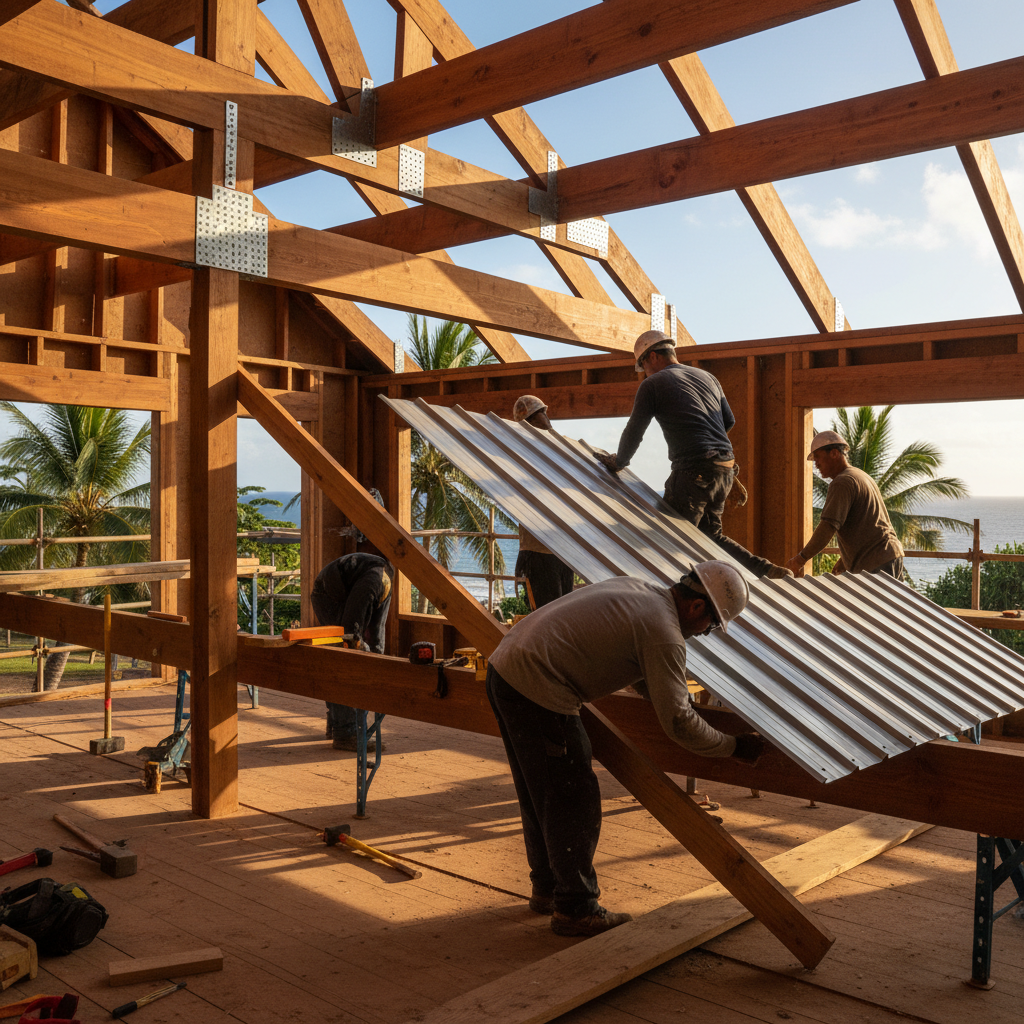
A common question we get is about the project timeline. On Oahu, a straightforward roof replacement might take a week or two. In Kaunakakai, the timeline is longer due to factors that are entirely out of the on-site crew’s control. A realistic timeline for a full roof replacement on a standard home, from signing the contract to final inspection, is between 8 to 14 weeks. The actual on-site construction is only a small fraction of that time.
Here’s how the timeline breaks down into distinct phases:
Phase 1: Planning & Permitting (3-6 Weeks)
- Initial Consultation & Contract: This takes about a week. We’ll meet with you, assess the existing roof, discuss material options, and prepare a detailed proposal.
- Material Ordering: Once the contract is signed, we immediately order all materials. This is a critical step. Custom-colored standing seam metal panels can have a lead time of 4-6 weeks from the mainland factory to the supplier in Honolulu. We don’t book the barge until we have a firm delivery date to the port.
- Permit Application: Simultaneously, we’ll prepare and submit the building permit application to the Maui County Department of Public Works. Even for a straightforward re-roofing project, plan review can take a few weeks.
Phase 2: Logistics & Mobilization (2-4 Weeks)
- Material Consolidation: Once materials arrive in Honolulu, our team stages everything. We create a detailed manifest, from the metal panels and underlayment down to the last box of screws and tubes of sealant. Everything is crated and prepared for ocean transit.
- Barge Scheduling: We book space on the next available barge to Kaunakakai. This can sometimes involve a waiting period of a week or two, depending on cargo schedules.
- Crew Mobilization: We coordinate our crew’s travel and lodging on Moloka’i to align with the material delivery date.
Phase 3: On-Site Construction (1-2 Weeks)
- Day 1: Material Delivery & Site Prep: The container arrives at your property. The crew unloads and stages everything, and sets up safety measures like perimeter guards and ground tarps.
- Days 2-4: Tear-Off & Sheathing Inspection: The old roofing is removed. This is when we inspect the underlying plywood or plank sheathing for any rot or termite damage. Any necessary repairs are made at this stage.
- Days 5-8: Installation: The new underlayment, flashing, and roofing material are installed. This is the most visible part of the job. Our team works methodically to ensure every detail is perfect, from the drip edge to the ridge cap.
- Day 9: Final Details & Cleanup: The crew completes final trim work, seals all penetrations, and conducts a thorough cleanup of the entire property.
Phase 4: Inspection & Closeout (1-2 Weeks)
- County Inspection: We schedule the final inspection with the Maui County building inspector.
- Project Closeout: Once the inspection is passed, we’ll do a final walkthrough with you, hand over all warranty documents, and demobilize our equipment.
The key takeaway is that patience is essential. Rushing the logistics phase is the fastest way to cause expensive delays and mistakes. A professional roofing contractor in Kaunakakai builds a timeline that reflects the reality of island life, not an idealized schedule.
What Permits Do You Need for Roofing Contractor in Kaunakakai?
Navigating the permitting process is a critical task for any legitimate roofing contractor, and it’s something we handle for all our clients. For any roof replacement in Kaunakakai, which falls under the jurisdiction of Maui County, a building permit is almost always required. The idea that you can just tear off an old roof and put on a new one without involving the county is a myth that can lead to major headaches, fines, and problems when you eventually sell your home.
The permit serves several important functions. First, it ensures the proposed work will meet the current building codes, which are especially strict regarding wind resistance and hurricane preparedness. Second, it provides a mechanism for independent inspection by a county official, which protects you, the homeowner. This inspection verifies that the materials specified were used and that the installation methods (like fastener patterns and flashing details) were done correctly.
As your general contractor, we manage the entire permit application process. This involves:
- Preparing the Application Package: This includes the official permit application form, detailed drawings or plans of the roof, and specifications for the new roofing material. We need to show the type of material (e.g., 24-gauge standing seam metal), the underlayment to be used (e.g., synthetic peel-and-stick), and the fastening schedule.
- Submitting to Maui County: The package is submitted to the Maui County Department of Public Works. While their main offices are on Maui, they handle permitting for Moloka’i. The process is handled electronically now, which has streamlined things, but it still requires careful attention to detail.
- Plan Review: A county plan reviewer examines the application to ensure it complies with the International Building Code and any local amendments. For roofing, they are particularly focused on ensuring the new roof system has a product approval for Hawaii’s High-Velocity Hurricane Zone (HVHZ) standards.
- Permit Issuance: Once approved, the permit is issued, and we can post it at the job site. No work can begin before this permit is in hand and visible.
Some homeowners ask if a permit is needed for a simple roof repair in Kaunakakai. The general rule from Maui County is based on scope. If you are replacing a few shingles or patching a small leak, a permit is typically not required. However, if you are replacing the roofing material on a significant portion of the roof (the threshold is often around 100 square feet or one “square” of roofing), a permit is mandatory. Because the line can be blurry, our policy is to consult with the building department to be certain. It’s always better to be safe.
Attempting to bypass the permit process is a major red flag for any contractor. An unlicensed individual might suggest it to save time and money, but they are putting all the risk on you. Without a permit, you have no guarantee the work is up to code, and if there’s a problem later, your homeowner’s insurance may not cover the damage. We ensure everything is done by the book, providing you with the documentation and peace of mind that your investment is sound and fully compliant.
Kaunakakai-Specific Considerations: Climate, Materials, Regulations
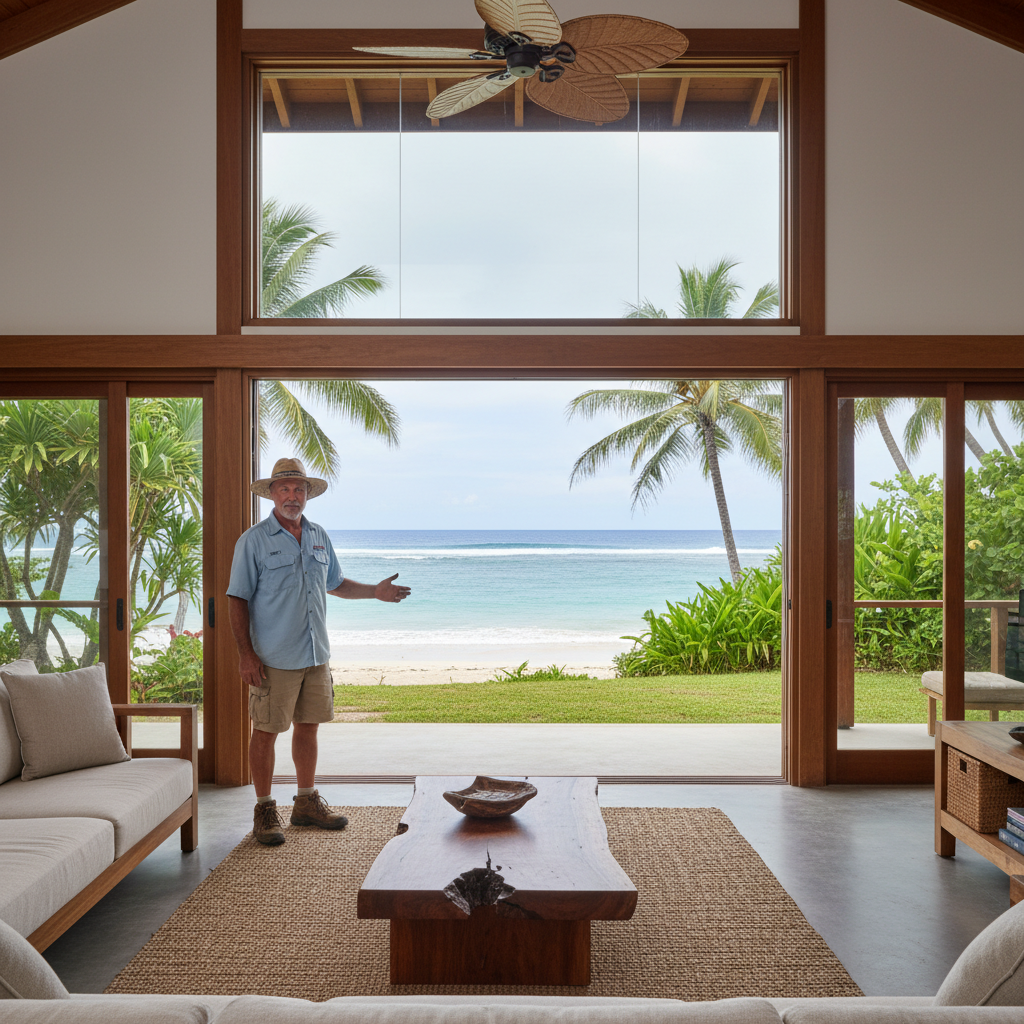
A roof in Kaunakakai is not the same as a roof in, say, Arizona or even California. Our island environment presents a unique combination of challenges that must be addressed with the right materials and techniques. An experienced local or neighbor-island contractor understands these nuances instinctively. Here are the most critical factors we consider for every roofing project on Moloka’ai.
Intense Sun and UV Radiation
Moloka’i gets a tremendous amount of direct sun. This intense ultraviolet (UV) radiation breaks down materials over time. For asphalt shingles, it causes the protective granules to flake off, making the shingle brittle and prone to cracking. For metal roofing, it can cause lower-quality paint finishes to fade, chalk, and peel.
- Solution: We strongly recommend standing seam metal roofs with a Kynar 500 (or similar PVDF) paint finish. This is a high-performance coating that contains a minimum of 70% polyvinylidene fluoride resin. It’s specifically formulated to resist UV degradation and color fading. It’s the gold standard for tropical roofing and will keep its color and protective qualities for decades, far outlasting cheaper acrylic or polyester paints.
Constant Salt-Air Corrosion
Even if you’re not directly on the coast in Kaunakakai, the air is laden with salt spray from the trade winds. This salt is incredibly corrosive. It will aggressively attack any exposed, untreated metal. This is the number one killer of poorly planned roofs in Hawaii.
- Solution: Material selection is everything. We use Galvalume-coated steel panels, which have a protective layer of aluminum and zinc alloy that provides superior corrosion resistance compared to standard galvanized (G-90) steel. Even more critical are the fasteners. Using cheap, electro-galvanized screws is a recipe for disaster. They will rust within a few years, leaving streaks on your roof and creating points of failure. We insist on using 304 or 316 stainless steel or high-grade ceramic-coated fasteners for all our installations. This is a non-negotiable detail for a long-lasting roof.
Hurricane-Force Wind Resistance
Hawaii is in a hurricane zone, and our building codes reflect the lessons learned from storms like Iniki. A roof is a large, flat surface that acts like a sail in high winds. If it isn’t properly secured, it can be peeled off, leading to catastrophic failure of the entire home.
- Solution: The code dictates specific fastening patterns, especially at the corners and edges of the roof where wind uplift forces are strongest. We often go beyond the minimum code requirements. This includes using a closer spacing for clips on metal roofs, ensuring proper nailing patterns for the plywood sheathing beneath, and using high-quality, peel-and-stick synthetic underlayment that seals around every nail and screw. This underlayment acts as a critical secondary water barrier if the primary roofing material is ever damaged. Verifying that a contractor is licensed through the state’s Professional & Vocational Licensing (PVL) division[1] is your first step in ensuring they understand and follow these critical codes.
Regulations and Permitting Nuances
As mentioned, Moloka’i falls under Maui County’s building department. While Honolulu’s Department of Planning and Permitting (DPP)[2] is known for its complexity, Maui County has its own specific procedures. A contractor needs to be familiar with their electronic submission portal and the specific requirements for roofing plans.
- Solution: We have dedicated staff who manage our permit applications. They know exactly what Maui County plan reviewers are looking for, which prevents unnecessary delays. This includes providing the correct product approval numbers, specifying wind-load calculations, and having a valid Hawaii general contractor license (like our BC-34373) in good standing. This expertise in local administration is just as important as the skill of the installers on the roof.
How to Choose the Right Roofing Contractor Contractor in Kaunakakai
Selecting the right team for your roofing project on Moloka’i is arguably the most important decision you’ll make. The unique logistical challenges mean that experience, particularly neighbor island experience, is paramount. A cheap bid from an inexperienced contractor can quickly turn into a costly and prolonged nightmare. Here is a practical checklist to guide your selection process.
-
Verify Their License and Insurance.
This is the absolute first step. Any contractor performing work over $1,000 in Hawaii must have a valid contractor’s license. You can and should verify their license number on the Hawaii Department of Commerce and Consumer Affairs (DCCA) PVL website[1]. Check that the license is active and that there are no unresolved complaints. At Warrior Construction, our license is BC-34373. Also, ask for certificates of general liability insurance and worker’s compensation. Without this, you could be held liable for any accidents on your property.
-
Ask for Specific Moloka’i or Neighbor Island Experience.
This is crucial. Ask them directly: “How many projects have you completed on Moloka’i or Lana’i?” Ask them to walk you through their logistics process. How do they handle material shipping? What is their contingency plan if a barge is delayed? How do they manage their crew’s housing and transportation? A contractor who has done it before will have confident, detailed answers. If they get vague, it’s a major red flag. They should be able to provide references from other neighbor island projects.
-
Get a Detailed, Itemized Proposal.
Do not accept a one-page quote with a single bottom-line number. A professional proposal should be several pages long and break down the costs. It should clearly specify:
- The exact type and brand of roofing material, including gauge and color.
- The type of underlayment to be used.
- The type of fasteners (e.g., stainless steel).
- The scope of work, including tear-off of the old roof.
- The cost of labor, materials, and shipping/freight as separate line items.
- The cost for disposal of old materials.
- A clear payment schedule.
- The estimated start and completion dates.
Comparing detailed proposals is the only way to do an apples-to-apples comparison of different contractors.
-
Discuss Warranties in Detail.
There are two types of warranties: the manufacturer’s warranty on the materials and the contractor’s warranty on their workmanship. The manufacturer’s warranty (e.g., 25-40 years on a metal roof’s paint finish) is only valid if the material is installed exactly according to their specifications. A poor installation can void the warranty. Ask the contractor for their workmanship warranty. A reputable company will offer a warranty of at least 5 to 10 years on their labor. Get it in writing.
-
Communication is Key.
From the first phone call, gauge their professionalism and responsiveness. Do they answer your questions clearly? Do they return calls and emails in a timely manner? During a project on Moloka’i, where you can’t just drive by the site, clear and consistent communication is vital. You want a project manager who will provide you with regular updates, including photos of the progress. This is a standard part of our service at Warrior Construction; we ensure our clients are always informed, no matter which island they are on.
Taking the time to vet your contractor thoroughly using this checklist will save you from the stress and expense of a poorly managed project. Your roof is a long-term investment in your home’s safety and value; choose a partner who treats it that way.
Real Kaunakakai Roofing Contractor Project Example
To make this more concrete, let’s walk through a typical project we recently completed for a homeowner in Kaunakakai. This example illustrates the process, costs, and timeline you can expect.
The Client: A family with a 2,100-square-foot, single-story home built in the late 1980s. Their original asphalt shingle roof was well past its lifespan, showing signs of granule loss, curling, and a few minor leaks during heavy rains.
The Problem: The existing roof was failing and not up to current hurricane code standards. The plywood sheathing underneath was suspect in several areas due to past leaks. The homeowners wanted a permanent solution that would hold up to the Moloka’i climate, improve their home’s energy efficiency, and require minimal maintenance.
Our Proposed Solution: After our initial consultation, we recommended a full roof replacement with a 24-gauge standing seam metal roof system.
- Material: Standing seam panels with a Kynar 500 finish in a light tan color to reflect solar heat.
- Underlayment: A high-temperature, self-adhering (“peel-and-stick”) waterproof membrane over the entire roof deck. This provides a critical secondary water barrier.
- Fasteners: 316 stainless steel clips and screws to prevent corrosion from the salt air.
- Ventilation: A new continuous ridge vent system to improve attic airflow and reduce heat buildup.
- Contingency: We included a budget allowance for replacing up to 10 sheets of 5/8″ plywood sheathing, to be used only if necessary upon inspection after the tear-off.
The Process & Timeline:
- Weeks 1-4: Contract signed, metal roofing materials custom-ordered from the mainland factory. Permit package submitted to Maui County.
- Weeks 5-6: Materials arrived at our Honolulu warehouse. We inventoried everything and coordinated with Young Brothers for barge transport to Kaunakakai.
- Week 7: Our crew of four flew to Moloka’i and checked into their accommodations. The container of materials and tools was delivered to the job site.
- Week 8 (On-Site Work):
- Day 1: Site setup and tear-off of the old asphalt shingles. As expected, we found seven sheets of water-damaged plywood that needed replacement.
- Days 2-3: Replaced the damaged sheathing and installed the new peel-and-stick underlayment over the entire roof.
- Days 4-7: Installed the new standing seam metal panels, trim, flashing, and ridge vent system.
- Day 8: Final cleanup and demobilization.
- Week 9: The Maui County building inspector conducted the final inspection and signed off on the project.
The Final Cost:
- Materials (Metal, Underlayment, Fasteners, etc.): $24,500
- Labor (4-man crew for 8 days, including mobilization): $18,800
- Logistics (Barge, Container, Crew Flights/Lodging): $6,200
- Permits, Disposal & Equipment Rental: $2,900
- Plywood Replacement (7 sheets): $1,120 (from the contingency)
- Total Project Cost: $53,520
The Outcome: The family now has a safe, beautiful, and highly durable roof that will protect their home for the next 50+ years. The lighter color and improved ventilation have noticeably reduced their indoor temperatures during the day. Most importantly, they have the peace of mind that the job was done correctly, to code, by a team that understands how to build in Hawaii.
What this means for Hawaii homeowners
For any homeowner in Kaunakakai considering a new roof in 2026, the key takeaway is that planning and selecting the right partner are more important than anywhere else. The isolation and logistical hurdles of Moloka’i mean that mistakes are magnified, and the cost of fixing them is exorbitant. You cannot afford to work with a contractor who is learning on your dime.
Here are your actionable next steps:
- Budget Realistically: Understand that pricing from Oahu or the mainland doesn’t apply. Your budget must account for the “Moloka’i premium,” which is primarily driven by freight and labor logistics. A standing seam metal roof is a significant investment, but its longevity makes it the most cost-effective solution over the life of your home.
- Prioritize Durability Over Upfront Cost: Resist the temptation to choose a cheaper material like standard asphalt shingles to save money now. The harsh UV rays and salt air will degrade them much faster here. Investing in a high-quality metal roof with a Kynar 500 finish and stainless steel fasteners will save you from having to do this all over again in 15 years.
- Vet Your Contractor’s Logistics Plan: Don’t just ask if they can do the job. Ask *how* they will do the job. A qualified contractor should be able to explain their entire process for material procurement, shipping, crew mobilization, and waste disposal on Moloka’i. This is where experience shows.
- Insist on a Comprehensive, Permitted Project: Ensure your contract specifies that the contractor is responsible for obtaining the Maui County building permit and scheduling all required inspections. This is your primary protection and guarantees the work meets Hawaii’s strict building codes.
Your roof is the most critical component protecting your home and family. By taking a methodical, informed approach, you can ensure your project is a successful, long-term investment in your property’s safety and value.
Frequently Asked Questions About Roofing Contractor in Kaunakakai
Can I use my homeowner’s insurance to pay for a new roof?
You may be able to, but only if the damage is from a specific event covered by your policy, like a hurricane or a fallen tree. Insurance does not cover roof replacement due to old age or lack of maintenance. We can provide all the necessary documentation for you to submit a claim if the damage is from a covered peril.
What is the best color for a roof in Moloka’i to save on energy?
Lighter colors are significantly better for energy efficiency in our sunny climate. White, light tan, beige, or light gray roofs reflect more solar radiation, which keeps your attic and home cooler. This can reduce your reliance on air conditioning. Modern metal roofs with Kynar 500 coatings have high Solar Reflectivity Index (SRI) values even in some medium colors, so you have good options.
How much more does a roof really cost on Moloka’i compared to Oahu in 2026?
You should expect the all-in project cost to be 25-40% higher on Moloka’i than for the identical job in Honolulu. A $35,000 roof replacement in Kapolei could easily cost $45,000 to $49,000 in Kaunakakai. This increase is almost entirely due to barge freight for materials and tools, crew travel and lodging, and higher disposal fees.
What happens if you find termite damage when you remove my old roof?
This is a common occurrence in Hawaii. As your general contractor, we are equipped to handle it. We would immediately stop work in that area, show you the extent of the damage, and provide a change order for the necessary structural repairs, such as replacing rafters or fascia boards. Our contracts include a contingency allowance for this possibility to ensure transparency.
Is standing seam metal roofing too noisy in the rain?
This is a common myth. When installed correctly over a solid plywood deck with proper underlayment and attic insulation, a metal roof is not noticeably louder than any other roof type. The sound of heavy rain is diffused by the layers of material, and the noise level inside the home is very similar to that of an asphalt shingle roof.
Do I need to be home during the on-site roofing work?
No, you don’t need to be present for the entire duration of the on-site work, which typically lasts 1-2 weeks. We do ask that you are available by phone and for an initial walkthrough before we start and a final walkthrough upon completion. Our project manager will provide you with daily photo updates so you can see the progress from anywhere.
How long does a standing seam metal roof last in Kaunakakai?
A properly installed 24-gauge Galvalume standing seam metal roof with a Kynar 500 finish can realistically last 50 years or more, even in Moloka’i’s salt-air environment. The key is proper installation and the use of stainless steel fasteners. In contrast, an asphalt shingle roof might only last 15-20 years in the same conditions before needing a full roof replacement in Kaunakakai.
Choosing the right materials and a contractor with proven neighbor island expertise is the key to a successful project. Your roof needs to be built not just for today, but to withstand decades of sun, salt, and storms. At Warrior Construction, we specialize in building hurricane-resistant homes and structures that are designed for Hawaii’s unique climate.
If you’re ready to invest in a roof that will protect your Kaunakakai home for generations, our team is here to help. Learn more about our approach to hurricane-resistant construction or contact us today to schedule a free, no-obligation estimate.