
A full aging-in-place bathroom remodel on Oahu in 2026 typically costs between $28,000 and $38,000 for a standard 40 to 60-square-foot space. This price reflects the high cost of specialized materials like zero-threshold shower systems, the need for structural reinforcements, and the scarcity of certified, experienced labor on the island. For many Oahu families, planning for kupuna to live safely at home isn’t a luxury; it’s a necessity driven by our island culture of multi-generational living. But making a bathroom truly safe and functional for a lifetime involves much more than just installing a few grab bars. This is a specialized type of construction with specific costs, timelines, and non-negotiable features. For homeowners considering an aging in place bathroom remodel oahu, understanding the real numbers and processes is the first step toward making a smart, long-term investment in your family’s future and your home’s value.
How Much Does an Aging-in-Place Bathroom Remodel Cost on Oahu in 2026?
For a complete, properly executed aging-in-place bathroom remodel on Oahu, homeowners should budget between $28,000 and $38,000. This isn’t a simple cosmetic update. This price range covers a full conversion of a 40-60 sq. ft. bathroom into a universally accessible space, which often includes gutting the room down to the studs, relocating plumbing, upgrading electrical, and installing specialized fixtures. The final cost lands in this range because of specific, high-value components and the expert labor required to install them correctly. Pacific Business News’ latest construction cost analysis confirms this, highlighting that licensed plumber and electrician rates alone are up 8% from last year, significantly impacting the total budget.[1] An aging in place bathroom remodel oahu is a serious project that demands a realistic budget from the start.
Breaking Down the $28,000 – $38,000 Price Tag
So, where does that money actually go? It’s not just in the tile and paint. The numbers tell a story of specialized construction that prioritizes safety and durability over simple aesthetics. Here’s a typical cost breakdown for a project in a place like Mililani or Pearl City:
- Zero-Threshold Shower System: $7,000 – $11,000. This is the single biggest line item. It includes the pre-sloped shower pan, extensive waterproofing membranes (we often use Schluter-KERDI systems), linear drain, and labor.
- Licensed Plumber & Electrician: $6,000 – $9,000. This covers relocating the shower drain, installing a new comfort-height toilet, moving outlets to accessible heights, and adding dedicated circuits for task lighting or heated flooring.
- Structural Blocking & Framing: $2,500 – $4,000. This is the crucial work done behind the walls to ensure grab bars and wall-mounted sinks can support 250-300 pounds of force.
- Fixtures & Finishes: $5,500 – $8,000. This includes non-slip porcelain tile, the comfort-height toilet, a wall-mounted sink, lever-handle faucets, a handheld showerhead, and all grab bars.
- Labor, Project Management & Overhead: $7,000 – $9,500. This covers our skilled carpentry team, daily job site management, insurance, and coordinating all the moving parts.
Why a Zero-Threshold Shower System is a Major Investment
The core of any true aging-in-place bathroom is the curbless, or zero-threshold, shower. This feature alone is a primary driver of the overall project cost. Creating a seamless transition from the main bathroom floor into the shower requires recessing the shower floor structure, which can be complex in homes built on a concrete slab, a common construction style in Ewa Beach and Kapolei. Furthermore, the waterproofing is far more extensive than in a standard tub or curbed shower. We have to create a complete “wet room” environment, with waterproofing membrane running up the walls and across the entire floor. This meticulous process, combined with the cost of a high-quality linear drain, makes the zero threshold shower hawaii system a significant but absolutely essential investment for long-term safety.
The ‘Invisible’ Cost: Structural Blocking for Grab Bars
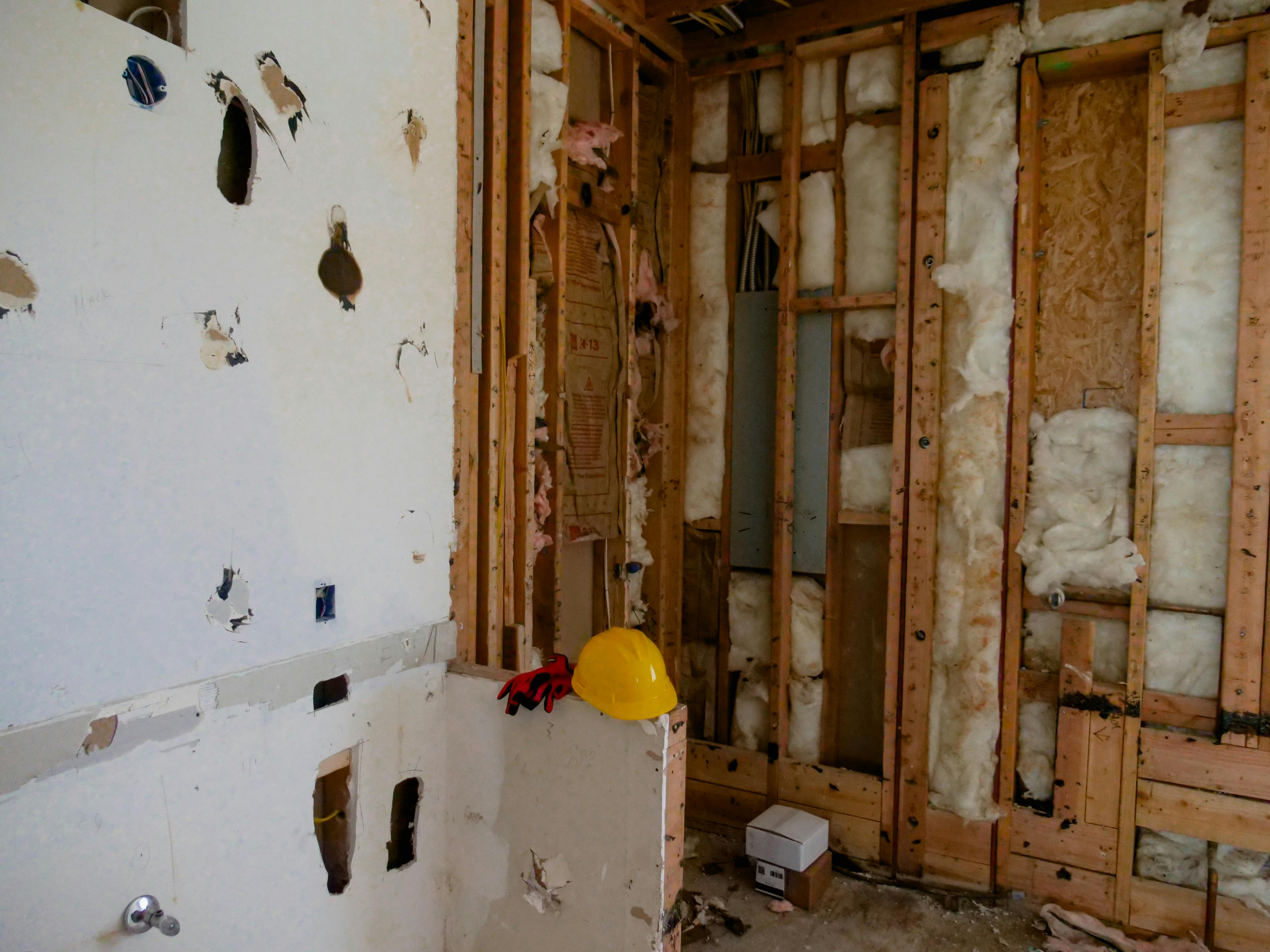
One of the most critical—and often overlooked—costs is what happens inside the walls. Simply screwing a grab bar into drywall or even a stud is a recipe for failure. For true kupuna bathroom safety, we open the walls and install solid 2×8 or 2×10 wood blocking horizontally between the studs everywhere a grab bar will be placed now or in the future. This ensures the bars are anchored to a solid structural member, capable of withstanding hundreds of pounds of sheer force. It’s an invisible upgrade that adds a couple of thousand dollars to the project, but it’s the difference between a grab bar that provides real security and one that creates a dangerous illusion of safety. This is a non-negotiable step in every aging in place bathroom remodel oahu we undertake.
What are the Non-Negotiable Features for a Kupuna-Safe Bathroom?
When our team at Warrior Construction designs an aging-in-place bathroom, we focus on a core set of features that provide maximum safety, comfort, and usability. These aren’t just trendy upgrades; they are evidence-based modifications that address the physical challenges that can come with age. The goal is to create a space that feels empowering, not institutional. It’s about smart design that anticipates future needs while looking beautiful today. A properly planned aging in place bathroom remodel oahu prioritizes function and form equally.
The Curbless Shower: More Than Just Tile
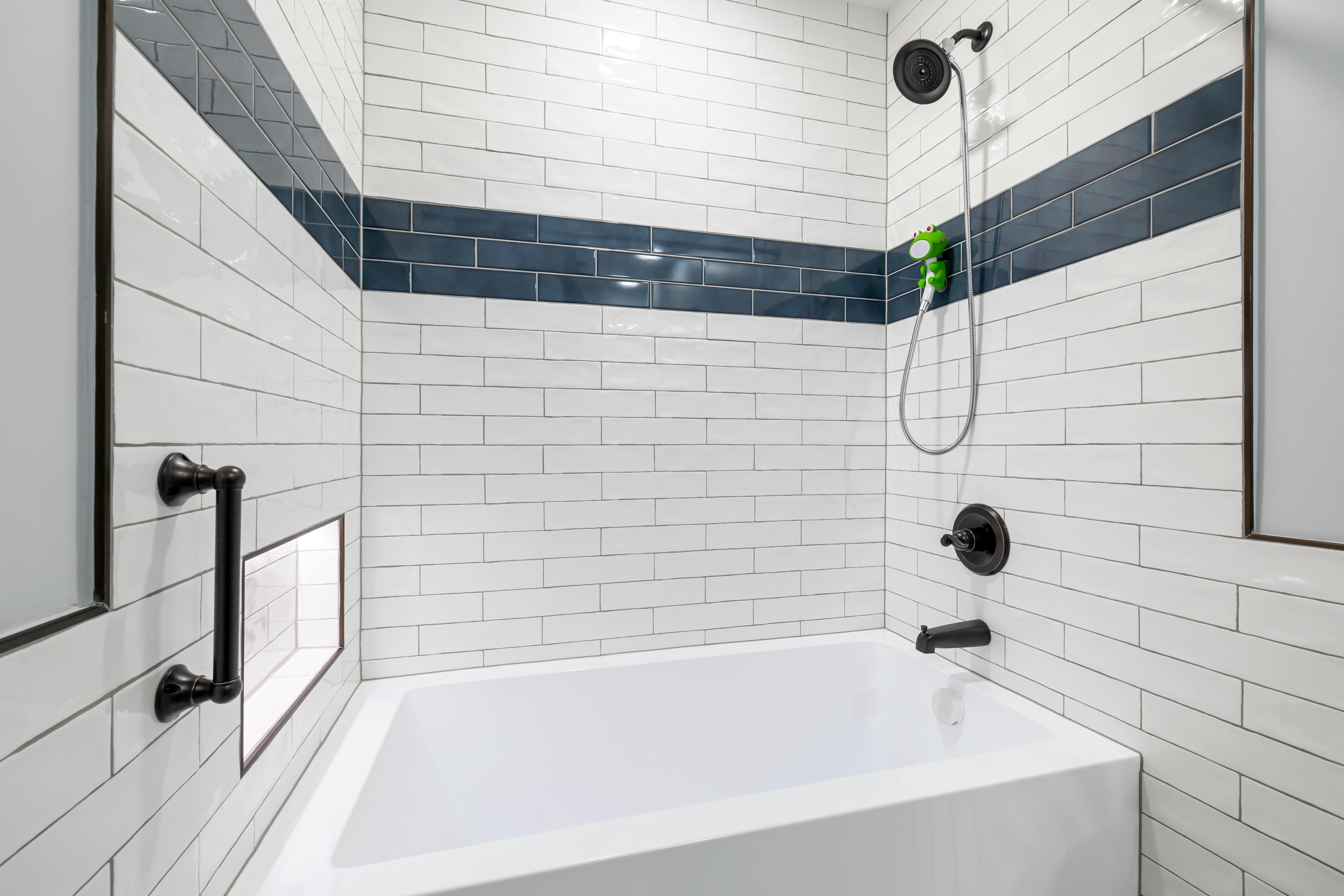
As we mentioned, the zero-threshold shower is the centerpiece. Eliminating the curb of a traditional shower or the high wall of a bathtub is the single most effective way to prevent falls, which the University of Hawaii’s Center on Aging identifies as a major risk for seniors.[2] Beyond the entrance, key features inside the shower include:
- A Built-in or Fold-Down Bench: A sturdy, properly installed bench made of teak or a solid surface material reduces fatigue and provides a stable seating area.
- Adjustable Handheld Showerhead: This allows for comfortable showering while seated and makes it easier for a caregiver to assist if needed.
- Pressure-Balanced, Anti-Scald Valve: This prevents sudden, dangerous changes in water temperature if a toilet is flushed elsewhere in the house.
Grab Bars: Planning for Strength, Not Just Style
Modern grab bars come in a variety of attractive finishes that can double as towel bars or shelving, blending seamlessly into the design. However, their placement and installation are pure science. We install them at specific heights and angles recommended by ADA guidelines to provide support for the most common movements: entering the shower, rising from a seat, and steadying oneself. We always install a vertical bar at the shower entrance, a horizontal bar on the long wall, and another near the shower controls. As discussed, every single one is anchored into solid wood blocking inside the wall, a critical step for any reputable caps contractor oahu.
Lighting for Safety: Task, Ambient, and Night Lights
Vision changes with age, and good lighting is a powerful safety tool. A common mistake is relying on a single overhead light. Our lighting plans incorporate layers for maximum visibility and comfort:
- Task Lighting: Bright, focused lights over the vanity and in the shower eliminate shadows and make tasks like shaving or reading medication labels easier. We prefer sealed, wet-rated LED fixtures for shower spaces.
- Ambient Lighting: A central overhead fixture provides general illumination for the entire room.
- Night Lights: Low-wattage lights installed near the floor or under the vanity kickplate can be left on all night, providing a safe path to the toilet without causing the harsh glare of turning on the main lights.
Comfort-Height Toilets and Non-Slip Flooring
Two final elements round out the essential safety features. A comfort-height (or “right-height”) toilet is typically 17-19 inches high, about two inches taller than a standard toilet. This makes sitting down and standing up significantly easier, reducing strain on knees and backs. When it comes to flooring, we exclusively use porcelain or ceramic tile with a high DCOF (Dynamic Coefficient of Friction) rating. This rating measures how much grip the tile provides when wet. A good non-slip tile is one of the most cost-effective safety features you can install, and it’s a non-negotiable for any walk in shower conversion cost oahu budget.
How Long Does an Aging-in-Place Remodel Take in Honolulu?
One of the biggest surprises for homeowners is the timeline. An aging-in-place bathroom remodel on Oahu is not a quick, two-week project. From the initial consultation to the final walkthrough, the entire process typically takes between 9 and 13 months. This extended timeline is a direct result of three major Hawaii-specific realities: a shortage of specialized contractors, the infamous Honolulu Department of Planning and Permitting (DPP) backlog, and island logistics for materials. Planning ahead is absolutely essential.
The 4-6 Month Wait for a CAPS-Certified Contractor
First, you need to find and book the right team. The demand for builders with a Certified Aging-in-Place Specialist (CAPS) designation is surging across Hawaii. The Hawaii Contractors Association notes a statewide shortage of these qualified professionals, with demand outpacing supply by a wide margin.[3] At Warrior Construction, our schedule for an aging in place bathroom remodel oahu often fills up 4 to 6 months in advance. This lead time is necessary for us to conduct a thorough consultation, develop detailed plans, and prepare the permit application package.
The 5-7 Month Honolulu DPP Permit Gauntlet
Once we have a design, we enter the most unpredictable phase: permitting. Any bathroom remodel that involves moving plumbing, electrical, or walls requires a building permit from the Honolulu DPP. As of 2026, the average review time for a complete and correct residential permit application is a staggering 5 to 7 months.[4] This is the biggest bottleneck in any Honolulu construction project. While the permit fees themselves might be around $1,200-$1,500 for a project of this scale, the real cost is the time spent waiting. There is simply no way to rush this part of the process, and it’s a critical reality to factor into your plans.
The 4-6 Week Build Phase: From Demo to Done
The good news is that once we have the approved permit in hand and all materials on-site, the actual construction phase is relatively quick. A typical bathroom conversion takes our team 4 to 6 weeks. This includes demolition, framing for structural blocking, rough-ins for plumbing and electrical, waterproofing, tile work, installation of fixtures, and painting. We work efficiently because all the planning, material ordering, and scheduling was completed during the long permit wait. On a recent Kailua project, we had every single item—from the linear drain shipped from the mainland to the custom-ordered grab bars—staged and ready to go the day the permit was issued.
Is an Accessible Bathroom Remodel a Good Investment on Oahu?
Absolutely. While the primary motivation for an aging-in-place remodel is always the safety and well-being of family, there is also a clear and compelling financial return on the investment here on Oahu. In a housing market dominated by multi-generational living, a home with a well-designed, accessible bathroom is significantly more attractive to a large segment of buyers. The investment pays off both in direct resale value and, more importantly, in marketability and speed of sale. An aging in place bathroom remodel oahu project is one of the smartest upgrades you can make.
The Real ROI: Selling Your Home 18 Days Faster
While you may not recoup 100% of the renovation cost in a dollar-for-dollar appraisal increase, the true value lies in how quickly your home sells. The Honolulu Board of REALTORS® confirmed in its Q1 2026 report that homes with at least one fully accessible bathroom sold, on average,
18 days faster than comparable homes without these features.[5] In competitive markets like Kailua and Mililani, this is a massive advantage. Reducing your home’s time on the market by nearly three weeks means fewer mortgage payments, lower holding costs, and a much stronger negotiating position. It appeals directly to the powerful demographic of local families looking for a home that can accommodate their kupuna.
Beyond Resale: The Value of Keeping Family Home
The financial ROI is clear, but the intangible value is even greater. The ability for kupuna to remain in their own home, surrounded by family and community, is priceless. An accessible bathroom can be the single most important factor that allows someone to age in place with dignity and independence, delaying or even eliminating the need for assisted living facilities. Considering the high cost of long-term care in Hawaii, the one-time investment in a safe bathroom provides an emotional and financial return that extends for years. This is about more than property values; it’s about preserving family unity and quality of life.
Are There Programs in Hawaii to Help Pay for These Renovations?
Yes, while Hawaii doesn’t have a single, overarching grant program for these specific renovations, there are several avenues homeowners can and should explore to help offset the cost. These programs are often administered at the county or federal level and may have income or age requirements, but they are absolutely worth investigating. It takes some research, but finding the right program can make a significant difference in the project’s affordability.
Checking with Your County’s Office on Aging (HUD Grants)
A great first stop is your local County Office on Aging. These offices are often the administrators for federal funds from the Department of Housing and Urban Development (HUD), such as the Community Development Block Grant (CDBG) program. While HUD rarely gives grants directly to individuals, they fund these local programs which, in turn, can offer low-interest loans or small grants specifically for health and safety-related home modifications. These are designed to help low-to-moderate-income seniors make their homes safer and more accessible. It’s a bit of paperwork, but for those who qualify, it’s an invaluable resource.
Using Home Equity to Fund Your Project
For many Oahu homeowners who have seen significant appreciation in their property value, using home equity is the most direct way to fund an aging-in-place renovation. Options include:
- Home Equity Line of Credit (HELOC): A flexible line of credit you can draw from as needed to pay for the project.
- Cash-Out Refinance: Refinancing your existing mortgage for a larger amount and taking the difference in cash.
- Reverse Mortgage (HECM): For homeowners 62 and older, a Home Equity Conversion Mortgage can provide funds for major renovations without requiring monthly mortgage payments.
We always recommend speaking with a trusted financial advisor or mortgage broker to determine which of these options makes the most sense for your personal financial situation. These tools can make a large project much more manageable.
What this means for Hawaii homeowners
Navigating an aging in place bathroom remodel oahu requires a strategic, long-term approach. The demand is high, and the process is long. Here’s what you need to do right now if you’re considering this project for your family within the next two years.
- Start the Conversation Early: The total timeline, from first call to finished bathroom, is realistically about a year. Don’t wait until the need is urgent. Begin researching and contacting qualified, CAPS-certified contractors like our team at Warrior Construction at least 12-18 months before you need the project completed.
- Budget for the Real Numbers: Understand that the true honolulu ada bathroom cost is in the $28,000 to $38,000 range for a quality job. Be wary of any contractor offering to do it for significantly less. They are likely cutting corners on critical, unseen elements like waterproofing or structural blocking, which can lead to catastrophic failures down the line.
- Think Beyond the Bathroom: While the bathroom is the most critical area, consider other simple modifications that improve kupuna bathroom safety and overall home accessibility. The University of Hawaii’s Center on Aging recommends improvements like better hallway lighting, lever-style door handles, and removing trip hazards like throw rugs. These can be done concurrently with your larger remodel.
- Get Your Documents in Order for Permitting: The 5-7 month wait at the Honolulu DPP is unavoidable, but you can prevent it from being even longer. A complete and accurate submission is key. When you work with a design-build firm like us, we handle the entire architectural plan and permit submission process, ensuring it’s done right the first time to minimize any potential delays from the city.
Frequently Asked Questions
Can I just add grab bars to my existing bathroom for aging in place?
You can, but it’s often insufficient and can be unsafe. True safety requires installing solid wood blocking inside the walls before mounting the grab bars. Simply attaching them to drywall or even a single stud won’t provide the necessary 250-300 lbs. of support needed to prevent a fall. A proper aging in place bathroom remodel oahu addresses this foundational requirement.
What is a CAPS contractor and why do I need one?
CAPS stands for Certified Aging-in-Place Specialist, a designation from the National Association of Home Builders. A caps contractor oahu has specialized training in the unique design and construction needs of seniors. They understand universal design principles, ADA guidelines, and how to build spaces that are not only safe but also comfortable and functional for a lifetime.
How much does just a walk-in shower conversion cost on Oahu?
If you’re only focused on converting an existing tub to a zero-threshold shower, the walk in shower conversion cost oahu is typically between $15,000 and $22,000. This is a significant portion of the total remodel cost because it involves complex plumbing, extensive waterproofing, and skilled tile work. The price includes demo, the full waterproofing system, the linear drain, tile, and all fixtures.
Does Medicare pay for an aging-in-place bathroom remodel?
Unfortunately, Medicare generally does not cover home modifications like bathroom remodels. They consider these improvements to be for comfort or convenience, not direct medical treatment. However, some Medicare Advantage plans may offer supplemental benefits that could contribute, so it’s always worth checking with your specific plan provider.
Do I need a permit for a bathroom remodel in Honolulu?
Yes, you absolutely need a permit from the Honolulu DPP if your remodel involves moving or altering any plumbing, electrical wiring, or structural walls. A simple cosmetic update (like new paint or a faucet swap) does not require one. However, a true aging-in-place conversion almost always involves these trades, making a permit mandatory.
Is a curbless shower more likely to leak?
When installed by an experienced, qualified professional, a curbless shower is no more likely to leak than a traditional one. In fact, modern waterproofing systems like the ones we use create a completely sealed, monolithic waterproof basin under the tile. The risk of leaks comes from improper installation by contractors who don’t understand the specific techniques required for a zero threshold shower hawaii design.
Planning for the future is one of the most important things we can do for our ohana. An aging-in-place bathroom isn’t just a construction project; it’s an investment in independence, safety, and keeping your family together under one roof. The process takes time and a significant budget, but the peace of mind it provides is invaluable.
If you’re ready to start the conversation about making your home safe and accessible for the years to come, our team is here to help. We have the experience and the CAPS certification to guide you through every step, from initial design to final inspection. Let’s work together to create a space that serves your family for a lifetime.
Ready to plan a safe and beautiful bathroom for your kupuna? Learn more about our certified Aging-in-Place Renovation services and schedule a consultation with the Warrior Construction team today.
References
- Pacific Business News, Q2 2026 Construction Cost Analysis
- University of Hawaii Center on Aging, Home Safety Modifications Guidance
- Hawaii Contractors Association, 2026 Market Outlook
- Honolulu Department of Planning and Permitting, 2026 Residential Building Permit Review Times
- Honolulu Board of REALTORS®, Q1 2026 Resale Value Report


