“
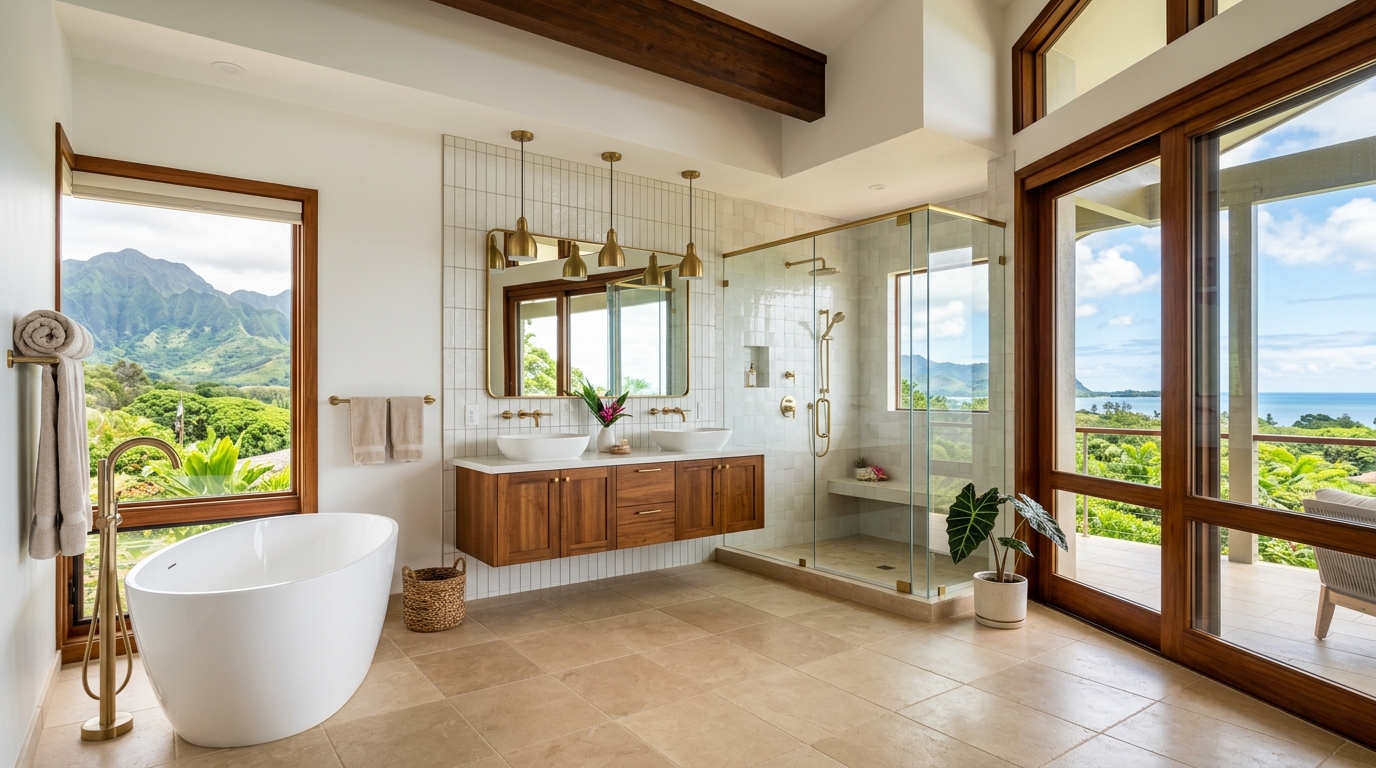
A full bathroom remodel in Kaneohe, as of 2026, typically costs between $25,000 for a basic guest bathroom update and can exceed $70,000 for a high-end master suite renovation. The timeline for the actual construction phase usually runs from 4 to 8 weeks, but you should factor in an additional 4 to 12 weeks for design, material selection, and potential permitting with the Honolulu DPP. Here at Warrior Construction, we’ve been managing these projects on the Windward side for over two decades, and we understand that a Kaneohe remodel isn’t just about picking nice tile; it’s about building a space that can withstand the unique challenges of our beautiful, but demanding, environment.
\n\n
Remodeling a bathroom on O’ahu, especially in an area like Kaneohe with its frequent rain and salt-laden air, requires a different level of expertise than a project on the mainland. You’re not just fighting against wear and tear; you’re fighting against constant humidity, potential water intrusion from wind-driven rain, and the corrosive effects of the nearby ocean. Over the years, our team has seen countless remodels fail prematurely because a contractor from town didn’t account for these hyper-local conditions. They used the wrong fixtures that rusted in a year, or they didn’t properly waterproof a shower, leading to mold problems behind the walls. This guide is built from that experience, sharing the hard-won knowledge every Kaneohe homeowner needs before starting their project.
\n\n
From navigating the specific requirements of the Honolulu Department of Planning and Permitting to selecting materials that won’t succumb to salt-air corrosion, this article breaks down the essential steps for a successful bathroom remodel Kaneohe. We’ll give you real-world cost breakdowns, realistic timelines that account for island logistics, and actionable advice on choosing the right materials and contractor for the job. We want you to be equipped with the same knowledge we use on our job sites every day.
\n\n
Why Kaneohe Homeowners Trust Warrior Construction for Bathroom Remodels
\n
When you decide to invest in a bathroom renovation in Kaneohe, you’re not just hiring someone to hang drywall and lay tile. You’re bringing a partner into your home. For over 20 years, Warrior Construction (Hawaii License BC-34373) has been that trusted partner for homeowners across O’ahu, and particularly here on the Windward side. Our reputation isn’t built on slick marketing; it’s built on hundreds of successfully completed projects and a deep understanding of what it takes to build things that last in Hawaii.
\n\n
Our team lives and works here. We know the difference between a project in a dry, hot Ewa Beach climate and one here in lush, humid Kaneohe. For example, on a recent project near Kaneohe Bay, we opened up a wall in a 1970s home and found the original galvanized plumbing was paper-thin from decades of corrosion. A less experienced contractor might have just worked around it, but we know that’s a ticking time bomb. We advised the client on a partial repipe, replacing the aging lines with modern PEX and copper. It added a bit to the budget, but it prevented a catastrophic failure down the road. That’s the kind of foresight that comes from local experience, not a textbook.
\n\n
What truly sets us apart is our commitment to a transparent and structured process. We operate on a design-build model, which means we handle everything from the initial concept sketches to the final coat of paint. This integrated approach offers several key advantages for our clients:\n
- \n
- Accountability: There’s no finger-pointing between a separate designer and builder. Our team takes full responsibility for the entire project, ensuring the design is buildable within your budget and that the final result matches the vision.
- Efficiency: With design and construction managed under one roof, we can streamline the process significantly. We can order long-lead-time items like custom vanities or tile while the plans are still being finalized, which helps shorten the overall project timeline—a critical factor given Hawaii’s shipping delays.
- Cost Control: We provide detailed, line-item estimates upfront. Because our construction team is involved from the very beginning of the design phase, we can value-engineer the project, suggesting alternative materials or methods to achieve your aesthetic goals without unnecessary expense.
\n
\n
\n
\n
Choosing Warrior Construction means choosing a team that respects your home, your budget, and the unique environment of Kaneohe. We’re not just building bathrooms; we’re building lasting relationships with our neighbors.
\n\n
What Does a Bathroom Remodel Cost in Kaneohe?
\n
In 2026, the cost for a bathroom remodel in Kaneohe is driven by three main factors: the size of the bathroom, the quality of materials you choose, and the complexity of the work (like moving walls or plumbing). Let’s break down what you can expect with real numbers from our recent projects. It’s crucial to remember that these figures account for the “Hawaii premium”—the higher cost of materials and labor on the islands.
\n\n
Cost Breakdown by Project Scope
\n\n
To give you a clear picture, we’ve divided projects into three common tiers:
\n\n
1. Basic Update / Pull-and-Replace (Guest Bath, ~40-60 sq. ft.)\n
- \n
- Estimated Cost: $25,000 – $35,000
- What’s Included: This is a cosmetic-focused remodel where we keep the existing layout. We replace the old vanity with a stock model from a local supplier like Fiddler’s or Home Depot, install a new toilet, and put in a pre-fabricated acrylic or fiberglass tub/shower unit. It also covers new vinyl plank or ceramic tile flooring, a new faucet and showerhead, a pre-fab mirror/medicine cabinet, a new light fixture, and a fresh coat of paint.
- Who It’s For: This is perfect for a secondary bathroom that needs a functional and aesthetic refresh without the expense of a full custom renovation.
\n
\n
\n
\n
\n\n
2. Mid-Range Remodel (Master Bath, ~70-100 sq. ft.)\n
- \n
- Estimated Cost: $40,000 – $65,000
- What’s Included: This is the most common type of bathroom renovation Kaneohe homeowners undertake. It involves a full gut demolition. We typically install a custom tiled walk-in shower with a waterproof system like Schluter-KERDI, a semi-custom or custom vanity with a quartz or granite countertop, and higher-quality fixtures from brands like Moen or Delta. This tier often includes new recessed lighting, a high-performance exhaust fan, and porcelain tile on the floor. We might make minor plumbing or electrical adjustments, but we aren’t moving walls.
- Who It’s For: Homeowners looking to create a more personalized, durable, and luxurious master bathroom that will significantly improve their daily routine and add substantial value to their home.
\n
\n
\n
\n
\n\n
3. High-End / Luxury Remodel (Large Master Bath, 120+ sq. ft.)\n
- \n
- Estimated Cost: $70,000 – $120,000+
- What’s Included: This involves a complete reimagining of the space. We are likely moving walls, relocating the toilet and shower drains, and reconfiguring the entire layout. This budget allows for premium materials like natural stone (marble, travertine), a freestanding soaking tub, a curbless walk-in shower with multiple showerheads, a custom double vanity with high-end countertops, and smart home features like heated floors or a digital shower controller. High-end lighting design and custom cabinetry are standard here.
- Who It’s For: Clients who want to create a true spa-like retreat with top-of-the-line materials and custom features, prioritizing luxury and design above all else.
\n
\n
\n
\n
\n\n
Key Cost Drivers in Hawaii
\n
Beyond the scope, several factors unique to Hawaii will impact your final cost:\n
- \n
- Material Shipping: Nearly everything, from your toilet to your tile, has to be shipped to O’ahu. This can add 15-30% to the material cost compared to the mainland. We always factor this into our estimates.
- Labor Costs: Skilled labor is in high demand in Hawaii, and wages are higher than in many mainland states. This reflects in the overall project cost but ensures you get qualified, licensed professionals working in your home.
- Age of Home: An older home in Kaneohe (built before 1980) often comes with surprises like outdated plumbing, ungrounded electrical, or termite damage that needs to be addressed to meet current building codes, adding to the cost.
- Permitting Fees: If your project requires a permit from the DPP, you’ll have costs for plan drafting, submission fees, and potentially engineering reviews.
\n
\n
\n
\n
\nTo manage these costs, our team focuses on meticulous planning during the design phase to minimize expensive changes once construction has begun.
\n\n\n
How Long Does a Bathroom Remodel Take in Kaneohe?
\n
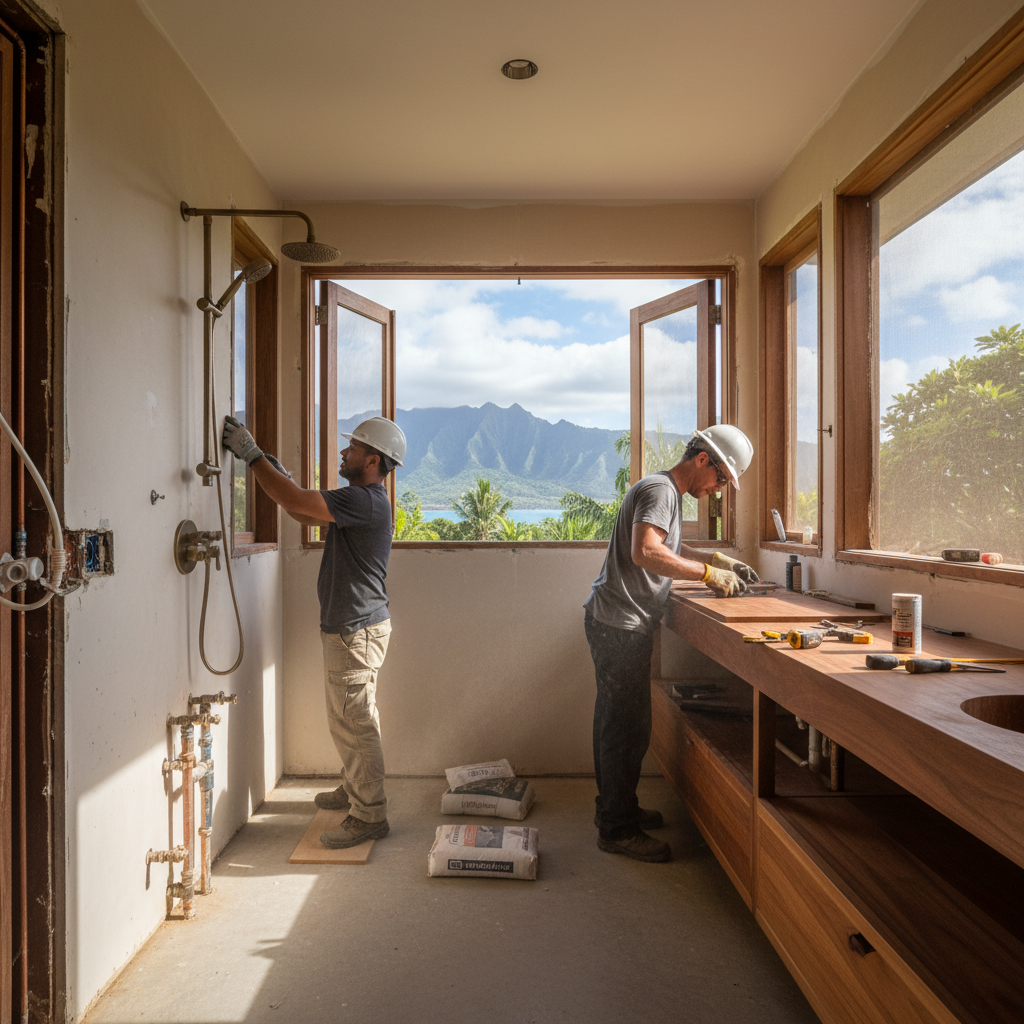
One of the most common questions we get is about the timeline. For a Kaneohe bathroom remodel, the timeline is often longer than what you might see on a mainland TV show. Island logistics and thorough planning simply take more time. A realistic timeline has two distinct parts: the pre-construction phase and the construction phase. Ignoring the first part is a recipe for delays and frustration.
\n\n
Phase 1: Pre-Construction (Planning, Design & Procurement) – 6 to 16 Weeks
\n
This is the most critical phase for a smooth project. Rushing this stage almost always leads to problems later. Here’s what happens before we ever swing a hammer:
\n
- \n
- Initial Consultation & Design (2-4 weeks): We meet with you, discuss your goals, measure the space, and develop a preliminary design and budget. This involves back-and-forth communication to refine the layout and vision.
- Material Selection (2-4 weeks): You’ll work with our team to select every single item: tile, vanity, countertops, fixtures, lighting, paint, etc. This is a detailed process, but making all decisions upfront prevents delays during construction.
- Permitting (If Required, 4-12 weeks): If your remodel involves moving walls, major plumbing, or electrical changes, we must submit architectural plans to the Honolulu Department of Planning and Permitting (DPP). The review process can be unpredictable. We’ve seen simple permits approved in a month, while more complex ones can take three months or more. We manage this entire process for you.
- Material Procurement & Shipping (4-12 weeks): This is a huge factor in Hawaii. A custom vanity from a mainland manufacturer might have a 10-week lead time *before* it even ships. Special order tile can take just as long. We never start demolition until we have confirmation that all major materials are either on-island or on a container with a firm arrival date. A project on hold for a missing faucet is a costly mistake.
\n
\n
\n
\n
\n\n
Phase 2: Construction (The Hands-On Work) – 4 to 8 Weeks
\n
Once all the planning is done and materials are on-site, the physical transformation can begin. For a typical mid-range master bath gut remodel, the construction schedule looks something like this:
\n\n
Week 1: Protection & Demolition\n
We start by protecting your home, laying down floor coverings, and setting up dust barriers. Then, we carefully demolish the existing bathroom down to the studs. This is when we might uncover any hidden issues, like termite damage or leaky pipes.
\n\n
Week 2: Rough-Ins & Framing\n
Our licensed plumbers and electricians come in to run new pipes and wires for any relocated fixtures (toilet, shower, sinks, outlets). If the layout is changing, our carpenters will do any necessary framing for new walls or niches.
\n\n
Week 3-4: Insulation, Drywall & Waterproofing\n
After the rough-in inspections are passed, we install insulation and hang new mold-resistant drywall. Then comes the critical step for a humid Kaneohe climate: waterproofing. For showers, we apply a comprehensive membrane system like Schluter-KERDI over the walls and shower pan. This creates a completely sealed, watertight enclosure—a non-negotiable step for our team.
\n\n
Week 5-6: Tile Installation\n
This is where the new bathroom really starts to take shape. Tiling is a meticulous, time-consuming process. Our setters lay the floor tile and then move to the shower walls. This can easily take a week or more, depending on the complexity of the tile and design. Grouting and sealing follow.
\n\n
Week 7: Major Installations\n
With the tile complete, we can bring in the larger items. The new vanity and countertops are installed, the toilet is set, and the flooring is completed if it wasn’t tiled earlier. Our painters will also do the primary painting during this week.
\n\n
Week 8: Finishes & Final Touches\n
This final week is all about the details. We install the faucets, shower fixtures, light fixtures, mirrors, and towel bars. The custom glass shower door is measured for earlier and typically installed this week. We then conduct a thorough cleaning and complete a final walkthrough with you to create a “punch list” of any minor adjustments needed. After the final inspection, your new bathroom is ready.
\n\n\n
What Permits Do You Need for a Bathroom Remodel in Kaneohe?
\n
Navigating the permitting process with the City and County of Honolulu’s Department of Planning and Permitting (DPP) can be one of the most confusing parts of a remodel for homeowners. The short answer is: it depends on your scope of work. As a licensed general contractor, a huge part of our job is to determine what’s required and handle the entire submission and inspection process for you. Failure to get a required permit can result in fines, stop-work orders, and major problems when you try to sell your home later.[1]
\n\n
When is a Building Permit Required?
\n\n
You will almost certainly need a building permit for your Kaneohe bathroom remodel if your project includes any of the following:
\n
- \n
- Changing the Layout: Any work that involves moving, adding, or removing walls requires a permit. This is a structural change, and the DPP needs to review plans to ensure it’s done safely and to code.
- Relocating Plumbing Fixtures: If you want to move your toilet from one wall to another, or shift your shower drain more than a few feet, you are altering the Drain, Waste, and Vent (DWV) system. This requires a plumbing permit (which is part of the overall building permit).
- Altering Electrical Circuits: Adding a new dedicated circuit for a heated floor, installing new outlets where there were none before, or significantly re-wiring the bathroom will trigger the need for an electrical permit.
- Replacing a Window or Exterior Door: If you’re changing the size of a window or putting one in where none existed, that is a change to the building envelope and absolutely requires a permit. In Kaneohe, that new window will also have to meet current hurricane code requirements.
\n
\n
\n
\n
\n\n
When Might You NOT Need a Permit?
\n\n
For a purely cosmetic, “pull-and-replace” remodel, you often do not need a permit. This type of project is defined as work that doesn’t alter the structural, plumbing, or electrical systems. Examples include:
\n
- \n
- Replacing a vanity in the exact same location.
- Swapping out an old toilet for a new one in the same spot.
- Replacing a faucet or showerhead.
- Re-tiling a shower or floor without changing the underlying plumbing.
- Painting and replacing light fixtures (on the existing electrical box).
\n
\n
\n
\n
\n
\n
However, here’s the thing: many projects start as a simple re-tile, but then we discover the subfloor is rotten or the plumbing behind the wall is corroded. The moment that “repair” work becomes a significant replacement of systems, you’ve crossed into permit territory. That’s why having an experienced contractor on board from the beginning is so important. We can anticipate these issues and advise on the correct path forward.
\n\n
The Permitting Process on O’ahu
\n\n
If your project does require a permit, here’s a simplified overview of the process we manage:
\n
- \n
- Plan Creation: We work with an architect or draftsman to create detailed plans of your existing and proposed bathroom layout, including all structural, electrical, and plumbing details.
- Submission to DPP: The plans are submitted to the DPP for review. This is not a quick process. A plan reviewer will check the drawings for compliance with all applicable building codes.
- Revisions & Approval: It’s common for the DPP to request clarifications or changes. We handle these revisions and resubmit them until the plans are approved and the permit is issued. As of 2026, we budget anywhere from 4 to 12 weeks for this review process, depending on DPP’s workload.
- Inspections: During construction, a DPP inspector will need to visit the site at several key milestones (e.g., after plumbing/electrical rough-in, after framing) to verify the work was done according to the approved plans.
- Final Approval: Once all work is complete, a final inspection is performed to officially “close out” the permit.
\n
\n
\n
\n
\n
\n
While it may seem like a hassle, the permitting process is a crucial consumer protection. It ensures that the work done in your home is safe, up to code, and properly documented.
\n\n
Kaneohe-Specific Considerations: Climate, Materials, Regulations
\n
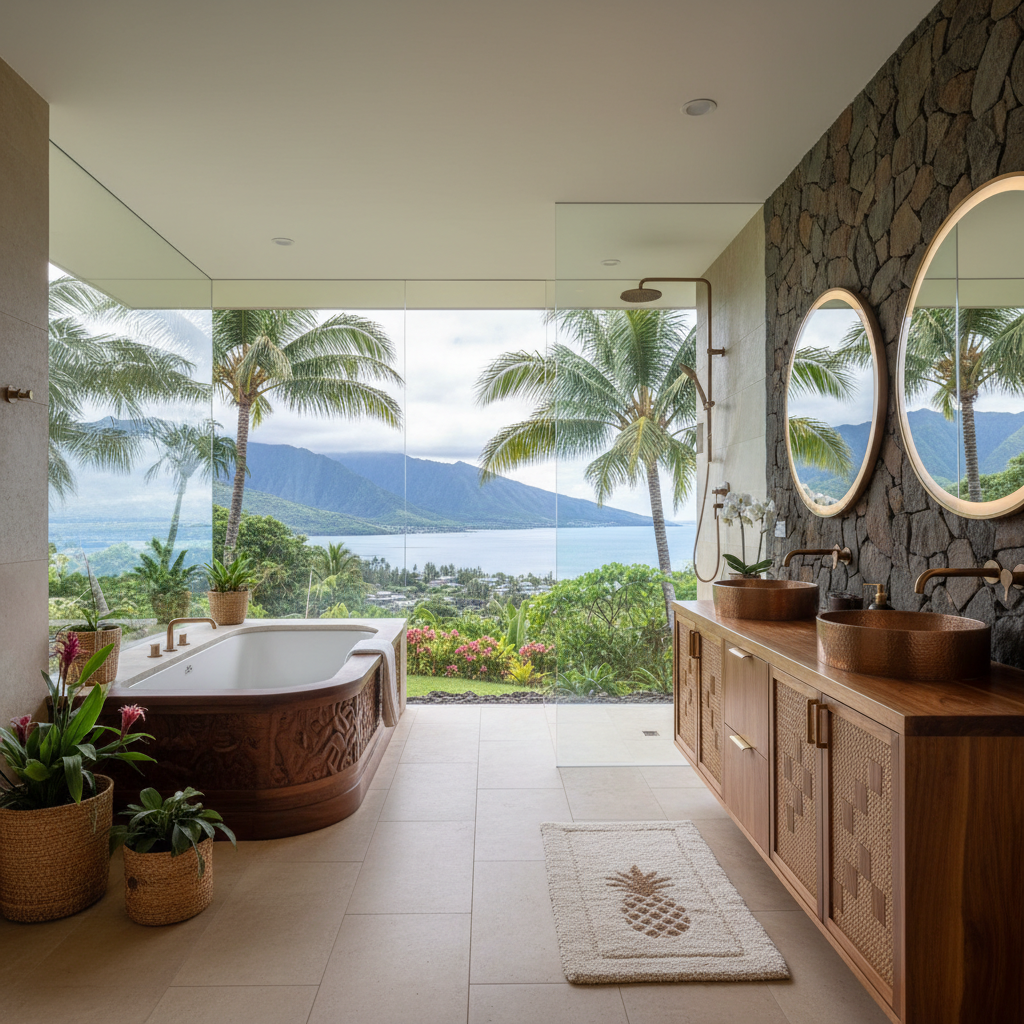
A bathroom remodel in Kaneohe is fundamentally different from one in a dry climate like Kapolei or even a less rainy part of Honolulu. The Windward side’s unique environment—defined by persistent trade showers, high humidity, and corrosive salt air—demands a specialized approach to design and material selection. If your contractor doesn’t understand these nuances, your beautiful new bathroom could start having problems in just a few years. Here’s what our team prioritizes for every Kaneohe project.
\n\n
Battling Salt-Air Corrosion
\n\n
The closer you are to Kaneohe Bay, the more aggressive the salt in the air becomes. This salty moisture gets into everything and relentlessly attacks metal. We’ve seen cheap chrome-plated fixtures from big box stores start to pit and corrode in less than 18 months.
\n
- \n
- Fixture Selection: We strongly advise clients to invest in high-quality fixtures with durable finishes. Look for products with a PVD (Physical Vapor Deposition) finish, which is much more resilient than standard chrome plating. Solid brass, marine-grade 316 stainless steel, and high-quality powder-coated finishes are also excellent choices. They cost more upfront but save you from replacing them in a few years.
- Hardware and Accessories: This applies to everything, not just faucets. Think about your drawer pulls, hinges, towel bars, and even the screws used to mount fixtures. We always use stainless steel screws and hardware to prevent those ugly rust streaks you see in so many coastal homes.
- Lighting: Exterior-rated or marine-rated light fixtures are a smart choice for bathrooms, even indoors. They are built with better seals and more robust materials designed to withstand moisture.
\n
\n
\n
\n\n
Managing Humidity and Preventing Mold
\n\n
With an average annual rainfall of over 50 inches and constant humidity, Kaneohe is a prime environment for mold and mildew. A bathroom is already the wettest room in the house; on the Windward side, it requires an aggressive moisture management strategy.
\n
- \n
- Ventilation is Non-Negotiable: A tiny, noisy fan won’t cut it. We install high-capacity exhaust fans (rated by CFM, or cubic feet per minute) that are properly sized for the square footage of the bathroom. We always vent them directly to the exterior—never into the attic, which just moves the moisture problem elsewhere. We also recommend fans with built-in humidity sensors that turn on automatically when moisture levels get too high.
- Advanced Waterproofing: Behind your beautiful tile, there needs to be an impenetrable waterproof barrier. Old-school methods are no longer sufficient. Our standard practice for every shower and tub surround is to use a full membrane system like Schluter-KERDI or RedGard. These systems create a continuous, seamless barrier that prevents any water or vapor from ever reaching the wall studs, which is the number one cause of mold and rot.
- Mold-Resistant Materials: We use mold-resistant drywall (often called “green board” or “purple board”) throughout the entire bathroom, not just in the shower area. For vanities, we steer clients away from cheap particleboard or MDF, which swell and fall apart in humid conditions. Solid wood, marine-grade polymers (like StarBoard), or high-quality plywood are far better long-term investments.
\n
\n
\n
\n\n
Complying with Local Codes and Regulations
\n\n
Beyond the standard building code, construction in Hawaii has specific requirements related to our environment.
\n
- \n
- Hurricane Code: Since Hurricane Iniki, Hawaii has adopted much stricter building codes for wind resistance. If your bathroom remodel involves replacing an exterior window, that new window must be impact-rated or protected by rated shutters. The installation method, including the specific fasteners and flashing, is also heavily regulated to prevent water intrusion during a major storm.
- Termite-Resistant Building: Ground termites are a major issue on O’ahu. During a gut remodel, we inspect for any signs of termite damage in the framing. All new wood framing that comes into contact with the concrete slab, such as the bottom plate of a wall, must be pressure-treated, termite-resistant lumber.
\n
\n
\n
Building a bathroom in Kaneohe that will stand the test of time is about making smart choices from the inside out. It’s about focusing on the things you don’t see—the waterproofing, the ventilation, the quality of the fasteners—just as much as the beautiful tile and fixtures you do see.
\n\n
How to Choose the Right Bathroom Remodel Contractor in Kaneohe
\n
Choosing the right contractor is the single most important decision you will make for your bathroom remodel. A great contractor can make the process smooth and deliver a high-quality result, while the wrong one can turn your project into a nightmare of delays, cost overruns, and shoddy workmanship. As a bathroom contractor in Kaneohe, we’ve seen the aftermath of bad hires. Here are the key criteria you should use to vet any potential builder.
\n\n
1. Verify License and Insurance – The Non-Negotiables
\n
This is the absolute first step. Never, ever hire an unlicensed contractor. In Hawaii, you can and should verify every contractor’s license status online.
\n
- \n
- Check the License: Go to the Hawaii Department of Commerce and Consumer Affairs (DCCA) Professional & Vocational Licensing (PVL) website.[2] You can search by the company name or the license number. Look for a \”B\” General Building Contractor license, like ours (Warrior Construction, BC-34373). Ensure the license is “Current, Active” and that there are no disciplinary actions against them.
- Ask for Insurance Certificates: A legitimate contractor must carry two types of insurance. Ask to see the certificates before you sign anything. \n
- \n
- General Liability Insurance: This protects your home and property from damage caused by the contractor or their team. We recommend a policy of at least $1,000,000 per occurrence.
- Workers’ Compensation Insurance: This covers the contractor’s employees if they are injured on your job site. Without it, you could be held liable for their medical bills.
\n
\n
\n
\n
\n
\n
Hiring an unlicensed or uninsured individual might seem cheaper initially, but it leaves you with zero protection if something goes wrong.
\n\n
2. Look for Proven Local Experience
\n
Experience is important, but *local* experience is what really matters. A contractor who primarily works in Honolulu or Kapolei may not be prepared for the specific challenges of the Windward side.
\n
- \n
- Ask About Kaneohe Projects: Ask them to show you their portfolio of completed projects specifically in Kaneohe, Kailua, or other Windward areas. This demonstrates their familiarity with the climate and building styles.
- Check Their References: Don’t just look at online reviews. Ask for the phone numbers of 2-3 recent clients, preferably in your area. Call them and ask about their experience. Were they happy with the communication? Did the project stay on budget? How were problems handled?
- Supplier Relationships: A contractor with deep local roots will have strong relationships with Kaneohe and Kailua-area suppliers, which can help in sourcing materials and dealing with logistics.
\n
\n
\n
\n\n
3. Insist on a Detailed, Written Contract
\n
A handshake deal or a one-page estimate is a major red flag. A professional contract protects both you and the contractor by clearly defining expectations. Your contract should include:
\n
- \n
- A Detailed Scope of Work: It should list every single task to be performed, from demolition to the brand and model number of the fixtures to be installed. Vague descriptions like “install new shower” are not enough.
- Total Cost and Payment Schedule: The contract should state the fixed price or cost-plus structure. The payment schedule should be tied to project milestones (e.g., a percentage upon completion of rough-ins, another upon tile completion), not arbitrary dates. Be wary of any contractor who asks for a huge upfront deposit (more than 10-15% is unusual).
- A Project Timeline: It should provide an estimated start and completion date, acknowledging potential delays for things like shipping or inspections.
- Change Order Process: The contract must clearly state how changes to the original scope of work will be handled, including how they will be priced and approved in writing by you before the work begins.
- Warranty Information: A professional contractor will offer a warranty on their workmanship, typically for at least one year.
\n
\n
\n
\n
\n
\n\n
4. Evaluate Communication and Professionalism
\n
This person and their team will be in your home for weeks. You need to be confident in their professionalism and communication style. During the bidding process, pay attention to these details: Do they return your calls promptly? Do they listen to your concerns and answer questions clearly? Do they seem organized? This initial interaction is often a good indicator of how they will behave once the project is underway.
\n\n
Real Kaneohe Bathroom Remodel Project Example
\n
To put all these concepts into a real-world context, let’s walk through a recent project we completed for a family in the Puohala Village neighborhood of Kaneohe. This project is a perfect example of a mid-range master bathroom renovation that addressed both aesthetics and the unique environmental challenges of the area.
\n\n
The Homeowner & The Problem:\nThe clients were a couple living in a classic 1980s Kaneohe home. Their master bathroom was original to the house: a cramped fiberglass tub/shower combo, a single cultured marble vanity, poor lighting, and a tiny, loud fan that did little to combat the humidity. They were tired of the dated look and were starting to see signs of mildew in the shower grout that they couldn’t get rid of—a clear sign of potential moisture issues behind the walls.
\n\n
The Vision:\nThey wanted to create a more open, brighter, and spa-like space. Their main goals were to replace the tub with a large, comfortable walk-in shower, add a double vanity so they would no longer have to jostle for sink space in the morning, and significantly improve the ventilation and lighting.
\n\n
The Warrior Construction Solution & Process:\nOur team performed a full gut demolition of the approximately 90-square-foot bathroom. Once we opened the walls, our suspicions were confirmed: the old drywall around the tub was damp and showed signs of mold due to an improperly sealed tub surround.
\n
- \n
- Layout Change: We removed the old tub and a non-load-bearing linen closet next to it. This allowed us to create a spacious 60\” x 36\” walk-in shower and extend the vanity wall to accommodate a 72\” double-sink vanity.
- Waterproofing & Ventilation: We installed new mold-resistant drywall throughout. For the new shower, we used a full Schluter-KERDI waterproofing system from the pan up to the ceiling, including a pre-sloped shower base and linear drain. We also installed a new Panasonic WhisperCeiling fan, vented directly out through the roof, with a humidity sensor.
- Material Selection: The clients chose a beautiful large-format porcelain tile for the shower walls and floor that mimics the look of natural stone but without the maintenance. We installed a semi-custom solid plywood vanity with shaker-style doors and topped it with a low-maintenance quartz countertop. For fixtures, we used a Moen collection with their Spot Resist brushed nickel finish to combat corrosion.
\n
\n
\n
\n\n
The Numbers:\n
- \n
- Total Project Cost: Approximately $58,000
- Project Timeline: 4 weeks for design and material ordering, followed by 7 weeks of active construction. The project was completed on schedule.
\n
\n
\n
\n\n
The Outcome:\nThe result was a complete transformation. The bathroom is now bright, functional, and feels twice as large as before. Most importantly, it’s built to last in the Kaneohe climate. The homeowners have peace of mind knowing that behind the beautiful new tile and fixtures is a state-of-the-art waterproofing and ventilation system protecting their home from moisture and mold for decades to come. This is the standard of quality we bring to every remodeling project we undertake.
\n\n
What this means for Hawaii homeowners
\n
Undertaking a bathroom remodel in Kaneohe is a significant investment, but it’s also one of the best ways to improve your daily life and increase the value of your home. To ensure your investment pays off, you need to approach it with a clear understanding of our unique island realities. It’s not the same as a project in Arizona or Ohio.
\n\n
Here are the key takeaways and actionable advice for any Kaneohe homeowner considering a renovation:
\n
- \n
- Budget for Reality, Not for TV: Be prepared for the true costs in Hawaii. A realistic budget for a quality mid-range master bath remodel in 2026 will start around $40,000. Always include a 10-15% contingency fund for unexpected issues, like hidden termite damage or corroded plumbing, which are common in older Windward homes.
- Prioritize the Unseen: The most important parts of your remodel are the ones you’ll never see. Allocate a significant portion of your budget to professional-grade waterproofing (like a full membrane system) and powerful, properly vented exhaust fans. Skimping here to afford fancier tile is a mistake that will lead to mold, rot, and costly repairs down the road.
- Plan for Island Time: Patience is essential. Materials take weeks or months to arrive on O’ahu. Don’t let a contractor start demolition until all major components—the vanity, tub, tile, and fixtures—are on the island and in their possession. This single step prevents the vast majority of project delays.
- Hire a Licensed, Local Expert: Your contractor’s license is your first line of defense. Verify it on the DCCA PVL website. Beyond that, hire a team that has extensive experience working specifically in Kaneohe. They will understand the climate, the best local suppliers, and how to build a bathroom that won’t rust, corrode, or grow mold.
- Embrace the Permit Process: If your project involves moving walls or major plumbing, a permit is not optional—it’s protection. A good contractor will manage this entire process for you. While it adds time and cost to the front end of the project, it ensures the work is safe, up to code, and won’t cause issues when you eventually sell your home.
\n
\n
\n
\n
\n
\n
\n\n
Frequently Asked Questions About Bathroom Remodel in Kaneohe
\n
Do I need a permit for a simple shower remodel in Kaneohe?
\n
If you are only re-tiling an existing shower and replacing the fixtures in the same location (a \”pull-and-replace\”), you generally do not need a permit from the Honolulu DPP. However, if you are changing the size of the shower, moving the drain location, or altering any plumbing in the walls, a permit will be required. It’s always best to consult with a licensed contractor to be sure.
\n
\n
How much value does a bathroom remodel add to a Kaneohe home?
\n
While the exact ROI varies, a mid-range bathroom remodel in the Honolulu metro area typically recoups 60-70% of its cost at resale, according to national remodeling data adjusted for our market. More importantly, an updated, modern bathroom is a huge selling point for buyers in Hawaii and can make your home sell much faster than a comparable home with a dated bathroom.
\n
\n
What’s the biggest mistake Kaneohe homeowners make in a bathroom renovation?
\n
The most common and costly mistake is choosing a contractor based solely on the lowest bid. A significantly lower price often means they are cutting corners on crucial elements like insurance, licensing, or proper waterproofing techniques. This can lead to shoddy work, project delays, and expensive repairs in the future to fix mold or water damage. Always prioritize quality, experience, and proper credentials over the cheapest price.
\n
\n
Can I live in my house during the bathroom remodel?
\n
Yes, you can typically stay in your home. If it’s your only bathroom, it becomes more challenging, and we’ll need to coordinate temporary solutions. Our team takes extensive precautions to minimize disruption, including setting up dust barriers, protecting flooring, and cleaning the work area daily. However, you should expect some level of noise, dust, and inconvenience during the 4-8 week construction phase.
\n
\n
How do you handle material shipping delays to O’ahu?
\n
We handle shipping delays through meticulous pre-construction planning. We order all long-lead-time items (vanities, special tile, tubs) months in advance and track their progress closely. We will not begin demolition of your existing bathroom until we have confirmation that all major components have arrived on island and have been inspected for damage. This proactive approach prevents your project from sitting idle while waiting for a crucial part to cross the Pacific.
\n
\n
What are the best flooring options for a humid Kaneohe bathroom?
\n
In Kaneohe’s humid climate, we strongly recommend porcelain or ceramic tile. They are 100% waterproof, incredibly durable, easy to clean, and come in countless styles, including realistic wood-look planks. Luxury Vinyl Plank (LVP) is another excellent waterproof option. We advise against using laminate flooring or porous natural stones like travertine in a bathroom here, as they can be susceptible to moisture damage over time.
\n
\n
Is a tub-to-shower conversion expensive in Hawaii?
\n
A tub-to-shower conversion is one of the most popular projects we do. The cost is comparable to a mid-range bathroom remodel, typically falling in the $20,000 to $35,000 range for the shower area itself. The final price depends on the size, tile choice, fixtures, and whether a custom glass enclosure is added. It requires significant plumbing work to move the drain and install a new shower valve, so it’s a job for a licensed professional.
\n
\n
\n\n
A bathroom remodel is a complex project, but it doesn’t have to be stressful. With the right planning and the right team, you can create a beautiful, durable space that truly enhances your Kaneohe home. The key is working with a contractor who understands the unique challenges and opportunities of building on the Windward side.
\n
If you’re ready to transform your bathroom, our team at Warrior Construction is here to help. We combine decades of local O’ahu experience with a commitment to quality and clear communication. We handle every detail, from navigating DPP permits to ensuring every tile is set perfectly.
\n
Ready to discuss your Kaneohe bathroom remodel? Contact our team today to schedule your free, no-obligation estimate and let’s start building your vision.
\n\n
References
\n