“
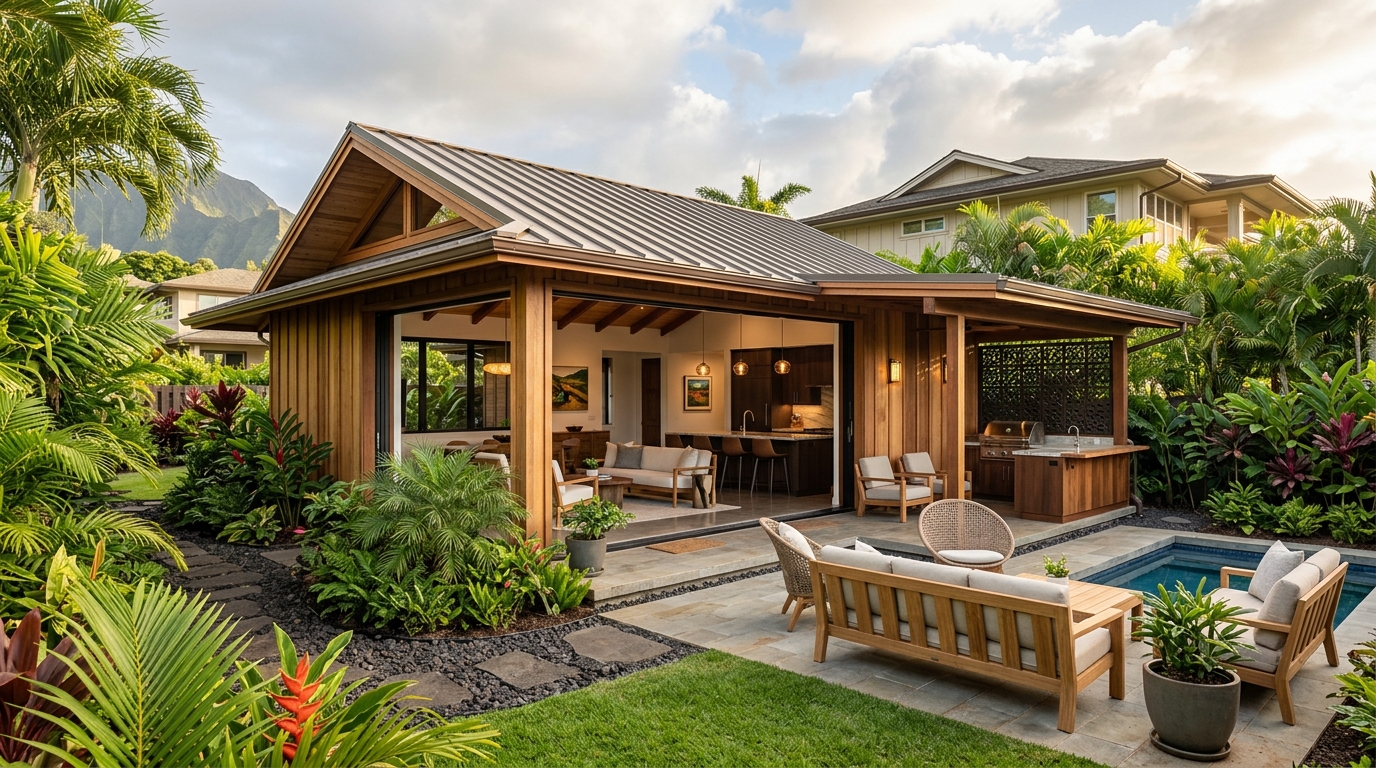
As a Kailua ADU builder, we get calls every week from homeowners looking to add an Accessory Dwelling Unit (ADU) or Ohana unit to their property. The first question is always about the bottom line. For 2026, a professionally built, turnkey 800-square-foot ADU in Kailua typically costs between $360,000 and $480,000. This all-in figure includes design, permitting, site work, and construction. While that’s a significant investment, the benefits—from housing family members to generating substantial rental income—are undeniable in a market like O’ahu’s. Building an ADU is one of the smartest financial moves a Kailua homeowner can make, but only if it’s done right.
\n\n
For over 20 years, our team at Warrior Construction has navigated the unique challenges of building on the Windward side. We’ve seen firsthand how an experienced adu builder kailua can save homeowners tens of thousands of dollars and months of headaches. It’s not just about swinging a hammer; it’s about understanding Kailua’s specific soil conditions, the relentless salt air, the nuances of the Honolulu Department of Planning and Permitting (DPP), and the latest interpretations of Bill 7. This guide breaks down what you actually need to know, based on our real-world experience on Kailua job sites. We’ll cover realistic costs, timelines, permit hurdles, and Kailua-specific material choices that will save you money in the long run.
\n\n
Why Kailua Homeowners Trust Warrior Construction for ADU Builder
\n\n
Choosing an ADU builder in Kailua is about more than just finding the lowest bid. It’s about finding a partner who understands the hyper-local realities of construction on the Windward side. At Warrior Construction (License BC-34373), we’ve built our reputation on transparency and deep local expertise. Our clients trust us because we live and work here; we understand that a project in Kailua is fundamentally different from one in Kapolei or Hawaii Kai. The constant salt spray, the potential for high water tables near the canals, and the specific zoning overlays are all factors we plan for from day one.
\n\n
One of the biggest differentiators is our proactive approach to the design and permitting phase. We don’t just take a set of plans and start building. Our preconstruction process involves a thorough site analysis to identify potential issues before they become costly change orders. For instance, on a recent project near Kaʻelepulu Stream, our initial geotechnical assessment revealed a higher-than-expected water table. Instead of discovering this after excavation began, we were able to adjust the foundation design to a monolithic slab with integrated footings, saving the client an estimated $15,000 and preventing a two-week delay. This is the kind of foresight that comes from decades of local experience.
\n\n
Furthermore, our clients appreciate that we are a full-service general contractor. We manage every aspect of the project, from the initial architectural drawings to the final landscaping. This integrated approach means there are no communication gaps between the architect, the engineer, and the construction crew. We are the single point of accountability. This streamlined process is particularly crucial when dealing with the Honolulu DPP, where a coordinated and professionally prepared submittal can shave months off the notoriously long review times. As your dedicated ADU contractor Kailua, our job is to make a complex process feel straightforward, delivering a high-quality ohana unit that stands up to the Kailua environment and adds lasting value to your property.
\n\n
What Does ADU Builder Cost in Kailua?
\n\n
Let’s get right to the numbers. In 2026, the all-in cost for a new ADU in Kailua ranges from $450 to $600 per square foot. For a standard 800-square-foot unit, this translates to a total project cost of $360,000 to $480,000. For a smaller 400-square-foot studio, you’re looking at $180,000 to $240,000. It’s crucial to understand what “all-in” means. This isn’t just the construction itself; it’s the total cost to get from an idea to a move-in ready home. We always advise clients to budget for the entire scope to avoid surprises.
\n\n
Here’s a typical cost breakdown for an 800 sq. ft. ADU in Kailua:
\n
- \n
- Design & Engineering Fees: $25,000 – $40,000. This covers architectural plans, structural engineering, and any necessary surveys.
- Permitting Fees: $8,000 – $15,000. This includes DPP plan review fees, building permit fees, wastewater system fees, and other municipal charges.
- Site Preparation & Foundation: $35,000 – $70,000. This is a major variable. A flat, clear lot is on the lower end. A sloping lot with significant rock or requiring a complex foundation can easily push this cost higher. On one Kailua project, we had to hammer through a thick layer of blue rock, which added nearly $20,000 to the site work budget.
- Utility Connections: $20,000 – $35,000. This covers trenching and connection fees for water, sewer/septic, and electricity. Tying into an existing septic system is often more complex than a direct sewer connection.
- Vertical Construction (Turnkey): $272,000 – $320,000. This works out to about $340 – $400 per square foot and includes everything from framing and roofing to plumbing, electrical, drywall, windows, doors, and standard-grade finishes (e.g., vinyl plank flooring, solid-surface countertops, basic appliance package).
- Landscaping & Flatwork: $10,000 – $20,000. This covers a basic landscaping package, driveway, and walkways.
\n
\n
\n
\n
\n
\n
\n\n
The biggest factors that can drive your cost up are your choice of finishes and unforeseen site conditions. Upgrading from standard vinyl windows to premium aluminum-clad windows rated for high-wind zones can add $10,000. Opting for high-end appliances, custom cabinetry, and stone countertops can easily add another $30,000-$50,000 compared to builder-grade options. As your ohana unit builder Kailua, we provide a detailed line-item budget early in the process so you can make informed decisions on where to invest and where to save.
\n\n
How Long Does a ADU Builder Take in Kailua?
\n\n
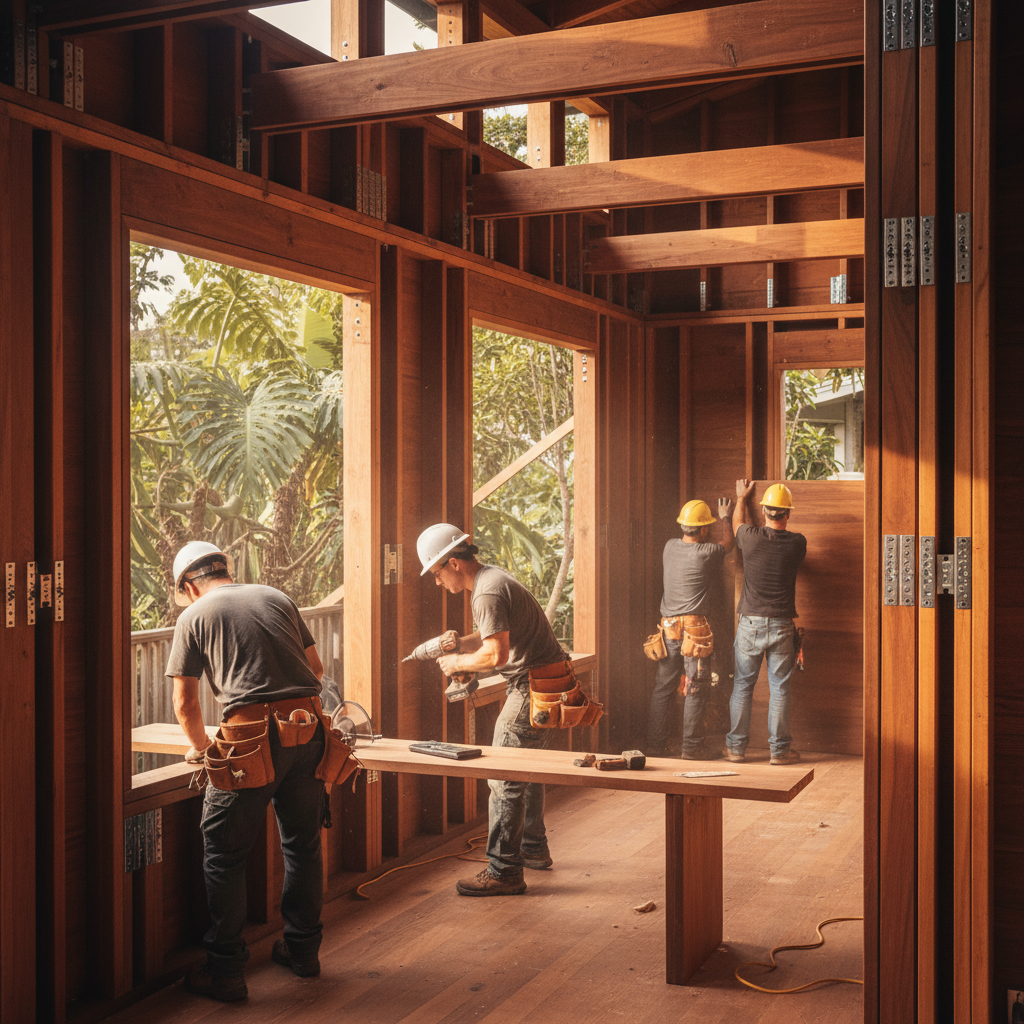
Building an ADU in Kailua is a marathon, not a sprint, and the longest leg of the race happens before we ever break ground. A realistic total timeline, from our first conversation to you handing keys to a tenant or family member, is 18 to 28 months in 2026. Anyone promising a 6-month turnaround is not being honest about the permitting process in Honolulu.
\n\n
Here is a phase-by-phase timeline based on our recent projects:
\n
- \n
- Phase 1: Design and Planning (2-4 months): This is where we work with you and our architectural partners to design a unit that fits your property, budget, and needs. It involves initial concepts, revisions, and the production of detailed construction documents. A decisive homeowner can speed this up, while uncertainty can add weeks.
- Phase 2: Permitting with Honolulu DPP (10-16 months): This is the most significant and often frustrating part of the timeline. Once we submit the completed plans to the Department of Planning and Permitting[1], it enters a queue for review by multiple agencies. The timeline can vary wildly depending on their backlog and the complexity of your project. We had a straightforward ADU permit in Enchanted Lake take 11 months, while another near Kailua Beach with coastal zone considerations took 15 months. A complete, error-free submittal is the best way to keep your application moving.
- Phase 3: Bidding and Contractor Finalization (1 month): Once the permit is approved, we finalize subcontractor bids and material orders. This ensures everything is lined up and ready to go.
- Phase 4: Construction (5-7 months): This is the exciting part where you see daily progress. The actual build-out of an 800 sq. ft. ADU is relatively quick. The timeline breaks down roughly as follows:\n
- \n
- Site Work & Foundation: 3-4 weeks
- Framing & Roofing: 4-6 weeks
- Rough-in (Plumbing, Electrical, HVAC): 3-4 weeks
- Exterior & Drywall: 4-5 weeks
- Interior Finishes (Flooring, Paint, Cabinets): 5-7 weeks
- Final Inspections & Punch List: 2-3 weeks
\n
\n
\n
\n
\n
\n
\n
\n
\n
\n
\n
\n\n
The key takeaway is to start the process long before you actually need the unit. The permitting clock is always ticking, and it’s the biggest bottleneck for any ADU contractor Kailua. Our role is to manage this entire timeline proactively, keeping you informed and ensuring that as soon as that permit is in hand, we are ready to mobilize immediately.
\n\n
What Permits Do You Need for ADU Builder in Kailua?
\n\n
Navigating the permitting process for an ADU in Kailua requires a deep understanding of the City and County of Honolulu’s regulations. It’s not a single permit, but a series of approvals and reviews. As your general contractor, we manage this entire complex process, but it’s important for homeowners to understand what’s involved. The primary regulation governing ADUs on O’ahu is Ordinance 19-1, often discussed in the context of the previous Bill 7. This law sets the rules for size, location, and eligibility.
\n\n
Here are the core permits and reviews your project will go through:
\n
- \n
- Building Permit: This is the main permit issued by the DPP[1]. The application package is substantial and includes architectural plans, structural engineering calculations, electrical plans, plumbing plans, and energy code compliance forms. Every detail, down to the type of hurricane ties used, must be specified and approved.
- Zoning Review: Before issuing a building permit, the DPP will conduct a thorough zoning review to ensure your proposed ADU complies with all requirements, such as:\n
- \n
- Lot Size: Your lot must be at least 3,500 square feet.
- Setbacks: ADUs must meet the same setback requirements as the main house (typically 5-10 feet from side/rear property lines in residential zones).
- Maximum Size: The ADU can be up to 800 square feet on lots 5,000 square feet or larger, or 400 square feet on lots between 3,500 and 4,999 square feet.
- Parking: One dedicated off-street parking stall is required for the ADU.
\n
\n
\n
\n
\n
- Wastewater System Approval: The City’s Department of Environmental Services must approve your plan for wastewater. If you’re connecting to the city sewer, this is relatively straightforward. However, many Kailua properties are on older septic systems or cesspools. You cannot connect a new ADU to a cesspool. This often triggers a requirement to upgrade to a modern septic system or connect to the sewer if available, which can be a significant unexpected cost ($25,000 – $50,000+).
- Grading/Trenching Permit: If your project involves significant site work, excavation, or long utility trenches, a separate permit may be required.
\n
\n
\n
\n
\n\n
The term Bill 7 ADU Kailua is still used by many homeowners, but it’s important to know that the specific rules have evolved. The core intent remains: to encourage the development of rental housing. One key provision is that the property owner must reside on the property—either in the main house or the ADU—for the ADU to be legal. We handle the preparation of all these documents and affidavits to ensure your application is complete and accurate, giving it the best chance of moving through the DPP review process without unnecessary delays or rejections.
\n\n
Kailua-Specific Considerations: Climate, Materials, Regulations
\n\n
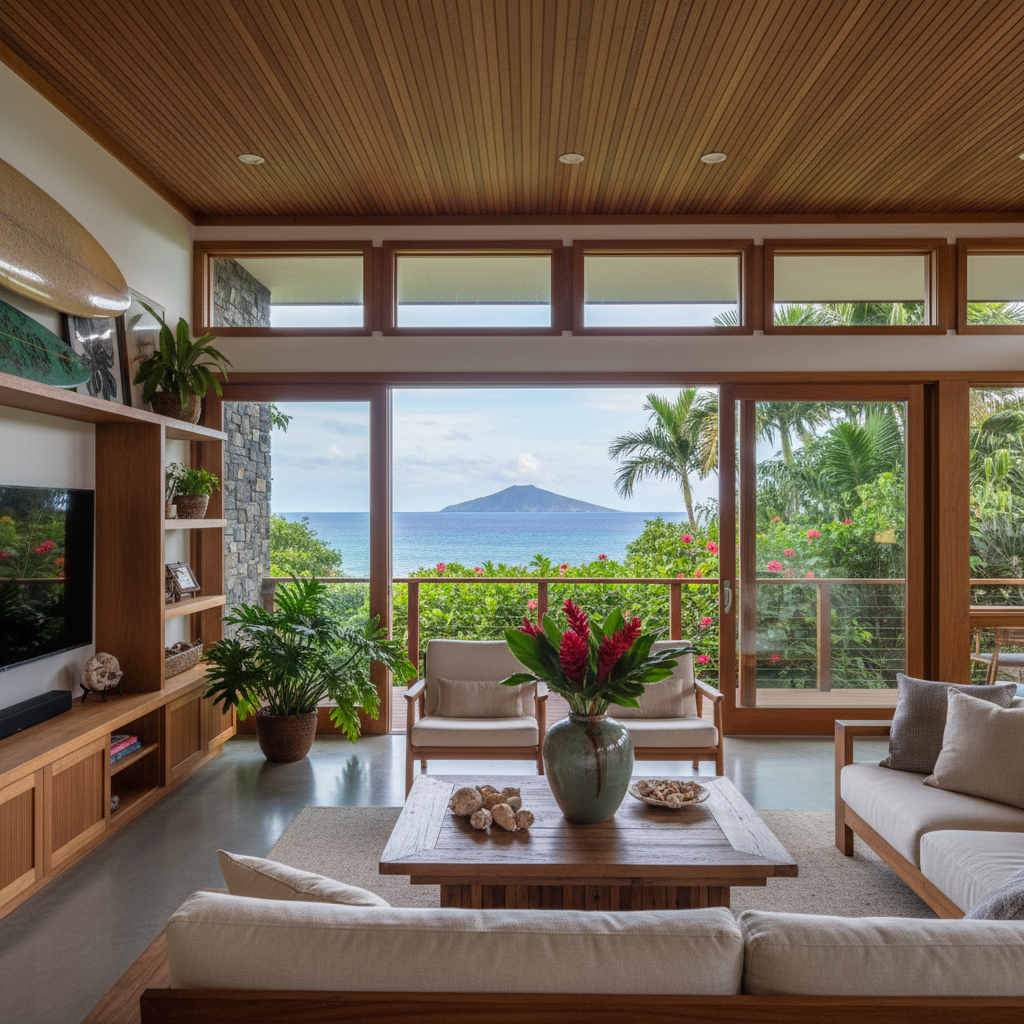
Building in Kailua is not like building anywhere else on O’ahu. The unique microclimate and coastal environment demand specific materials and construction techniques. A builder who uses the same methods in Ewa Beach as they do in Kailua is setting their client up for premature failure and expensive repairs down the road. The combination of wind-driven rain, high humidity, and corrosive salt air is relentless.
\n\n
Here’s what our team focuses on for every Kailua ADU project:
\n\n
1. Combating Salt-Air Corrosion
\n
The air in Kailua is saturated with salt, which aggressively attacks metal components. Standard galvanized hardware will show signs of rust within a year or two.
\n
- \n
- Fasteners and Connectors: We specify 316-grade stainless steel for all exterior fasteners, screws, nails, and critical structural connectors like hurricane ties. It’s a significant material cost increase upfront but prevents structural degradation and rust stains that are inevitable with cheaper galvanized steel.
- Windows and Doors: We recommend fiberglass or high-quality vinyl window frames over aluminum. While aluminum is strong, the powder coating can get scratched during installation, creating a weak point for corrosion to start. If a client insists on the look of aluminum, we use frames with a Kynar finish, a high-performance coating that offers much better corrosion resistance.
- Flashing: All roof and window flashing must be non-corrosive. We use materials like copper or lead-coated copper in critical areas, or high-grade composites designed for coastal applications.
\n
\n
\n
\n\n
2. Managing Moisture and Rain
\n
Kailua gets significant rainfall, often driven sideways by the trade winds. Keeping that water out is paramount.
\n
- \n
- Water-Resistive Barrier (WRB): Standard house wrap isn’t enough. We use a self-adhering membrane (like Blueskin VP160) that seals around every nail and staple penetration, creating a monolithic barrier against water intrusion. It’s like a full GORE-TEX jacket for your ADU.
- Roofing: Standing seam metal roofs are an excellent choice for Kailua as they shed water efficiently and, when installed with the correct clips and fasteners, hold up extremely well in high winds. We ensure the panel finish has a robust coastal warranty.
- Ventilation: Proper attic and roof ventilation is critical to prevent moisture buildup and mold growth. We design systems that encourage airflow, drawing humid air out and keeping the structure dry.
\n
\n
\n
\n\n
3. Hurricane Code Compliance
\n
Since Hurricane Iniki, Hawaii’s building codes have become much stricter. An ADU must be built to withstand hurricane-force winds. This isn’t just a suggestion; it’s a structural requirement. This involves a continuous load path from the roof to the foundation, using specific metal connectors (hurricane straps and clips) at every joint. All windows and doors must be impact-rated or have approved shutter systems. As an experienced adu builder kailua, we build well beyond the minimum code, ensuring your structure is a safe haven during a storm.
\n\n
How to Choose the Right ADU Builder Contractor in Kailua
\n\n
Hiring the right contractor is the single most important decision you’ll make for your ADU project. A great contractor can make the process smooth and deliver a fantastic result, while a bad one can turn your dream into a financial and legal nightmare. The stakes are too high to simply go with the lowest bidder.
\n\n
Here is our recommended checklist for vetting any ADU builder in Kailua:
\n
- \n
- Verify Their License and Insurance: This is non-negotiable. Use the Hawaii Department of Commerce and Consumer Affairs (DCCA) PVL website[2] to look up their license number (ours is BC-34373). Confirm their license is active, in good standing, and that they are a General Contractor (B license). Ask for a copy of their general liability insurance certificate and worker’s compensation insurance. A contractor without proper insurance puts all the liability on you, the homeowner.
- Demand Local, Relevant Experience: Ask to see a portfolio of completed ADUs specifically on O’ahu, and ideally, on the Windward side. A mainland contractor or one who primarily builds in Kapolei won’t have the same nuanced understanding of Kailua’s environment. Ask them, “What specific challenges have you faced building in Kailua and how did you solve them?” Their answer will tell you everything about their experience level.
- Speak with Recent References: Don’t just look at testimonials on a website. Ask for the phone numbers of their last three ADU clients. Call them and ask direct questions: Did they stick to the budget? How did they handle problems or change orders? Was communication clear and consistent? Would you hire them again?
- Review Their Contract Thoroughly: A professional contractor will provide a detailed contract that clearly outlines the scope of work, a payment schedule, a project timeline, and a process for handling changes. Be wary of vague contracts or demands for large upfront payments. A typical payment schedule is tied to construction milestones (e.g., foundation complete, framing complete, etc.).
- Assess Their Communication and Professionalism: From your very first interaction, gauge their responsiveness and clarity. Do they return your calls promptly? Do they answer your questions directly and patiently? Building an ADU is a long-term relationship; you want a partner you can communicate with effectively.
\n
\n
\n
\n
\n
\n
Choosing an ADU contractor Kailua is about finding a team with proven technical skill, deep local knowledge, and a commitment to transparent communication. Take your time with this step, as it will pay dividends throughout the entire project.
\n\n
Real Kailua ADU Builder Project Example
\n\n
To make these concepts more concrete, let’s walk through a typical project our team recently completed in the Coconut Grove neighborhood of Kailua.
\n
The Client: The Tanaka family, who have owned their home since the 1970s. They wanted to build an ADU for their adult daughter and her young family, allowing them to stay in Kailua without the burden of a massive mortgage.
\n
The Project: A new, detached 780-square-foot, 2-bedroom, 1-bathroom ohana unit at the rear of their 8,500 sq. ft. lot.
\n
The Challenge: The primary challenge was the property’s wastewater system. They were on an old, undersized cesspool, which is illegal to connect new construction to. A sewer connection was not available on their street. This required us to engineer and install a brand new, modern septic system sized to handle both the main house and the new ADU. This was a significant scope item that we identified during our initial feasibility study, allowing the family to budget for it from day one.
\n
The Process & Timeline:
\n
- \n
- Months 1-3 (Design): We worked with our architect to design a unit that maximized the small footprint, with an open-concept living area and large windows to capture the trade winds.
- Months 4-16 (Permitting): The plans, including the detailed septic system design, were submitted to the DPP. The review took 12.5 months, slightly longer than average due to the new septic system review by the Department of Health.
- Months 17-23 (Construction): Once the permit was issued, our crew was on-site within two weeks. The build was smooth, taking just under 7 months. We used stainless steel hardware throughout, a standing seam metal roof, and a self-adhering water-resistive barrier to fortify the home against the Kailua climate.
\n
\n
\n
\n\n
The Financials:
\n
- \n
- Initial Budget: $440,000
- Septic System Upgrade: $45,000 (included in budget)
- Final Project Cost: $448,500
- Reason for Overage: The family requested an upgrade to a higher-end appliance package and quartz countertops midway through the build ($8,500 change order).
\n
\n
\n
\n
\n\n
The Outcome: The Tanaka family now has a beautiful, durable, and fully permitted ADU that meets their multigenerational living needs. Their daughter’s family has a safe and comfortable home, and the property value has increased by an estimated $600,000. This project is a perfect example of how careful planning, transparent budgeting, and experienced execution can lead to a successful outcome, even when faced with common Kailua challenges like wastewater system upgrades.
\n\n
What this means for Hawaii homeowners
\n
Building an ADU is one of the most powerful tools available to Kailua homeowners for building wealth and supporting family. But it’s a serious construction project that requires a professional approach. The difference between a successful project and a costly failure often comes down to planning and choosing the right partner.
\n\n
Here are the key takeaways you should focus on:
\n
- \n
- Budget for the Full Scope: Don’t just think about the construction cost. Your true budget must include design, engineering, permits, site work, and utility connections. For 2026, a safe all-in budget estimate is $450-$600 per square foot.
- Start Sooner Than You Think: The Honolulu DPP permitting timeline is the biggest hurdle. With a 10-16 month wait being standard, you should begin the design process at least two years before you need the unit to be move-in ready.
- Prioritize Durability Over Aesthetics: In Kailua’s corrosive, wet climate, your investment in materials matters immensely. Spending more upfront on stainless steel fasteners, superior waterproofing, and impact-rated windows will save you tens of thousands in repairs over the life of the building.
- Vet Your Builder Rigorously: Your choice of an adu builder kailua is critical. Verify their license, check their local references, and ensure they have a deep portfolio of similar projects on the Windward side. This isn’t the time to hire a friend of a friend with a truck.
\n
\n
\n
\n
\n\n
An ADU can provide rental income, a home for aging parents, or a starter home for adult children. By understanding the real costs, timelines, and Kailua-specific challenges, you can navigate the process with confidence and make a smart, lasting investment in your property.
\n\n
Frequently Asked Questions About ADU Builder in Kailua
\n
What is the biggest hidden cost when building an ADU in Kailua?
\n
The most common and significant hidden cost is wastewater system upgrades. Many older Kailua properties have cesspools, which cannot be used for new construction. This triggers a mandatory upgrade to a new septic system or a connection to the city sewer, which can cost anywhere from $25,000 to over $60,000 and is often not included in initial builder estimates.
\n
\n
Can I act as my own general contractor to save money?
\n
While technically possible through an owner-builder exemption, we strongly advise against it unless you have extensive construction management experience. You become legally responsible for the job site, insurance, and compliance with all building codes. The process of hiring and scheduling dozens of subcontractors is incredibly complex, and any mistakes often end up costing far more than hiring a licensed general contractor.
\n
\n
How much rental income can a new ADU in Kailua generate in 2026?
\n
Based on current 2026 rental market data, a new 2-bedroom, 1-bathroom ADU in a desirable Kailua neighborhood can generate between $3,800 and $4,500 per month in rent. A new studio or 1-bedroom unit can typically command $2,500 to $3,200 per month. These figures can help offset the construction cost significantly over time.
\n
\n
Does building an ADU increase my property taxes?
\n
Yes, building an ADU will increase the assessed value of your property, which will in turn increase your property taxes. The increase is based on the value the ADU adds to your property, which is typically a bit less than the cost of construction. You can expect your annual property tax bill to increase by approximately $3,000 to $5,000, depending on the final assessed value.
\n
\n
What’s the difference between an ADU and an ‘Ohana Dwelling’?
\n
Under current Honolulu zoning code, the terms are often used interchangeably, but the legal pathway is through the ADU ordinance (Ordinance 19-1). The older ‘Ohana Dwelling’ zoning had different rules and is largely superseded by the ADU regulations, which were designed to be more permissive to encourage housing. An experienced ADU contractor Kailua will navigate the current ADU rules for your permit.
\n
\n
Do I need a separate electrical meter for my ADU?
\n
You are not required to have a separate meter, but we highly recommend it, especially if you plan to rent the unit. Installing a submeter allows you to accurately track and bill for the ADU’s electricity usage. The cost to add a submeter during construction is relatively low (around $1,500-$2,500), whereas retrofitting one later is much more expensive.
\n
\n
Can I build a two-story ADU in Kailua?
\n
Yes, you can build a two-story ADU provided it meets the city’s height limits for your specific zoning (typically 25-30 feet) and all other setback and lot coverage requirements. A two-story design can be an effective way to maximize living space on a smaller lot footprint or to capture better views and breezes.
\n
\n
\n\n
Building an ADU is a major undertaking, but the rewards for your family and your financial future can be immense. It’s a path to creating multigenerational housing, generating passive income, and significantly increasing the value of your property. The key is to partner with a team that has the local expertise to guide you through every step of the process.
If you’re ready to explore the possibilities for your Kailua property, our team at Warrior Construction can provide a clear roadmap and a detailed, transparent estimate. We’ve helped dozens of families just like yours. Learn more about our specialized approach to building high-quality, long-lasting ADUs and Ohana Units or contact us today to schedule a consultation.
\n\n
References
\n