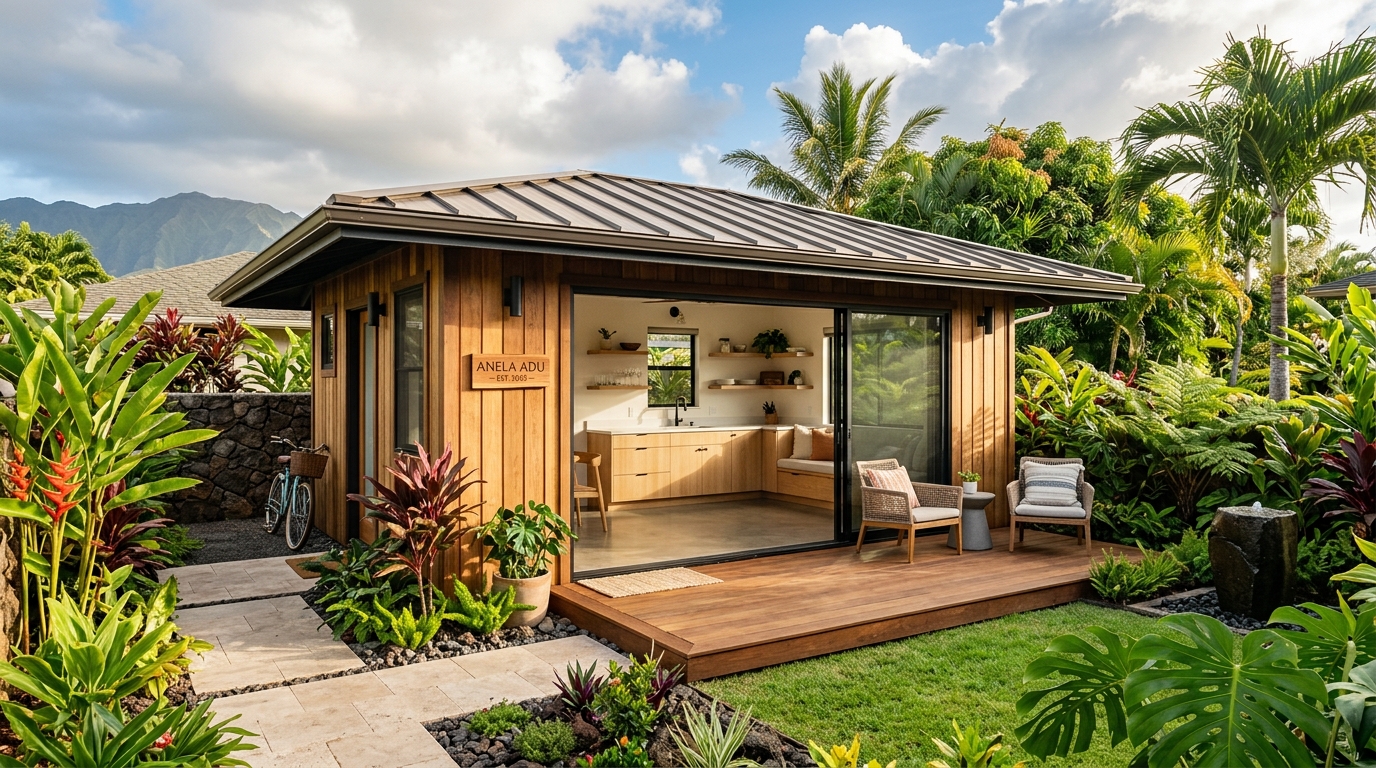
“Building an Accessory Dwelling Unit (ADU) with a professional adu builder mililani is one of the smartest investments a homeowner can make in 2026, offering space for family or generating significant rental income. The key is understanding the real costs, timelines, and local hurdles before you break ground. Here in Mililani, an 800-square-foot ADU, or ohana unit, typically costs between $375,000 and $510,000 from initial design to final walkthrough. This price reflects Hawaii’s unique market, including high material costs due to shipping, skilled labor demand, and a lengthy permitting process with the Honolulu Department of Planning and Permitting (DPP).\n\nAt Warrior Construction, we’ve spent over two decades navigating these challenges for O’ahu families. We’re not just builders; we’re local contractors who understand the nuances of building in communities like Mililani, from the specific covenants of the Mililani Town Association (MTA) to the red dirt soil that requires careful foundation planning. This guide cuts through the noise. We’ll lay out the seven most effective cost-saving strategies we use with our clients, break down the real-world budgets and timelines you can expect in 2026, and show you how to choose a reliable ADU contractor who can get the job done right, on time, and within budget.\n\n
Why Mililani Homeowners Trust Warrior Construction for ADU Builder
\n\nChoosing a general contractor for your Mililani ohana unit is about more than just a license and a quote. It’s about finding a partner who gets it—who understands the local landscape from the ground up. For over 20 years, our team at Warrior Construction (License BC-34373) has been that partner for homeowners across O’ahu. Our reputation is built on transparency and a deep, practical knowledge of what it takes to build successfully in Hawaii, especially in planned communities with their own set of rules.\n\nMililani isn’t like building in Kaka’ako or on the North Shore. You have two layers of approval to navigate: the City & County of Honolulu’s DPP and the Mililani Town Association (MTA). We’ve seen out-of-state or less experienced builders get tripped up by MTA’s aesthetic requirements, leading to costly redesigns and months of delays. Our team has a long track record of working with the MTA, presenting plans that respect the community’s character while still achieving the homeowner’s vision. We know their preferred material palettes, setback nuances, and landscaping guidelines, which means we design for approval from day one.\n\nHere’s a practical example. On a recent project in Mililani Mauka, the lot had a significant slope that complicated the foundation design. Another contractor had proposed a massive, expensive retaining wall. Our team took a different approach. We suggested a split-level design that worked *with* the terrain instead of fighting it. This not only saved the client nearly $45,000 in site work and engineering but also created a more interesting architectural design with better views. That’s the kind of problem-solving that comes from local experience. We understand O’ahu’s volcanic soil, the drainage patterns during heavy rains, and how to build foundations that will last.\n\nFurthermore, our design-build process integrates the architect, engineer, and construction team from the very beginning. This creates a single point of accountability and streamlines the entire project. Instead of you having to manage a separate architect and builder who might blame each other for budget overruns, our team works together under one roof. This collaborative approach allows us to value-engineer the project in real-time, finding cost-effective solutions without compromising quality. When you work with us, you’re not just hiring an **adu builder mililani**; you’re bringing on a dedicated team committed to making your project a success.\n\n
What Does ADU Builder Cost in Mililani?
\n\nLet’s get straight to the numbers. For a standard 800-square-foot, single-story ADU in Mililani in 2026, you should budget for a total project cost between $375,000 and $510,000. Anyone quoting you significantly less is likely leaving something out—usually sitework, permitting fees, or realistic finish allowances. At Warrior Construction, we believe in transparent, all-in pricing so you can plan effectively.\n\nHere’s a typical cost breakdown for an 800 sq. ft. ohana unit:\n\n
- \n
- Soft Costs (Design, Engineering & Permitting): $25,000 – $40,000. This covers architectural plans, structural engineering, soil testing (if needed), and all the fees associated with submitting to the DPP and MTA.
- Site Work & Foundation: $30,000 – $60,000+. This is the most variable part of the budget. It includes grading, trenching for utilities (water, sewer, electric), and pouring the concrete slab foundation. A sloped lot or difficult soil conditions in Mililani can push this number higher.
- Vertical Construction (Turnkey): $300,000 – $400,000. This is the “cost per square foot” number people often talk about, averaging $375 – $500/sq. ft. This covers everything from framing and roofing to electrical, plumbing, insulation, drywall, and exterior finishes.
- Interior Finishes & Appliances: $30,000 – $60,000. This includes flooring, cabinets, countertops, paint, light fixtures, bathroom fixtures, and a basic appliance package. Your choices here have a huge impact on the final cost.
\n
\n
\n
\n
\n\nSo, where do the savings come in? It’s not about cutting corners on quality, which is always a mistake in the long run. It’s about making smart, informed decisions from the very beginning. Here are the 7 key cost-saving strategies we implement with our clients:\n\n
- \n
- Optimize Your Layout: Keep your design simple. A rectangular footprint is far more cost-effective to build than a complex shape with lots of corners and bump-outs. We also design to stack plumbing—placing the kitchen and bathrooms back-to-back or above/below each other to minimize long, expensive plumbing runs.
- Use Standard Material Sizes: Designing around standard material dimensions (like 4×8 sheets of plywood or drywall) minimizes waste and the labor needed to cut custom sizes. This applies to windows and doors, too. Off-the-shelf sizes from local suppliers are always cheaper than custom orders from the mainland.
- Choose a Design-Build Contractor: Working with an integrated design-build firm like ours saves money by ensuring the design is buildable within your budget from the start. An independent architect might design something beautiful that’s $100,000 over budget, forcing expensive redesigns. Our team designs and prices concurrently.
- Plan for Utilities Early: The cost to run new sewer, water, and electrical lines from the main house to the ADU can be shocking if not planned properly. We assess this during our initial site visit to give you a realistic estimate upfront, avoiding surprises later. Sometimes, shifting the ADU’s location by just 10 feet can save $15,000 in trenching costs.
- Select Cost-Effective, Durable Finishes: You don’t need imported Italian marble to create a beautiful, rentable space. We guide clients toward high-quality, durable materials like luxury vinyl plank (LVP) flooring, quartz countertops, and semi-custom cabinets that offer a high-end look without the luxury price tag. These materials also hold up better in Hawaii’s climate.
- Avoid Scope Creep: Make all your decisions on finishes, fixtures, and layouts *before* construction begins. Changing your mind mid-project—what we call \”scope creep\”—is the number one cause of budget overruns. It leads to change order fees, material restocking charges, and labor delays. We create a detailed project plan with you and stick to it.
- Consider Phasing Exterior Work: If the budget is tight, you can sometimes phase certain non-essential exterior work. For example, build the ADU now and complete the extensive landscaping, a fancy deck, or a covered lanai a year or two later. The key is to plan for it in the initial design so adding it later is seamless.
\n
\n
\n
\n
\n
\n
\n
\n\nBy focusing on these practical strategies, a knowledgeable **ohana unit builder mililani** can help you achieve your goal without breaking the bank. It’s about building smart, not cheap.\n\n
How Long Does a ADU Builder Take in Mililani?
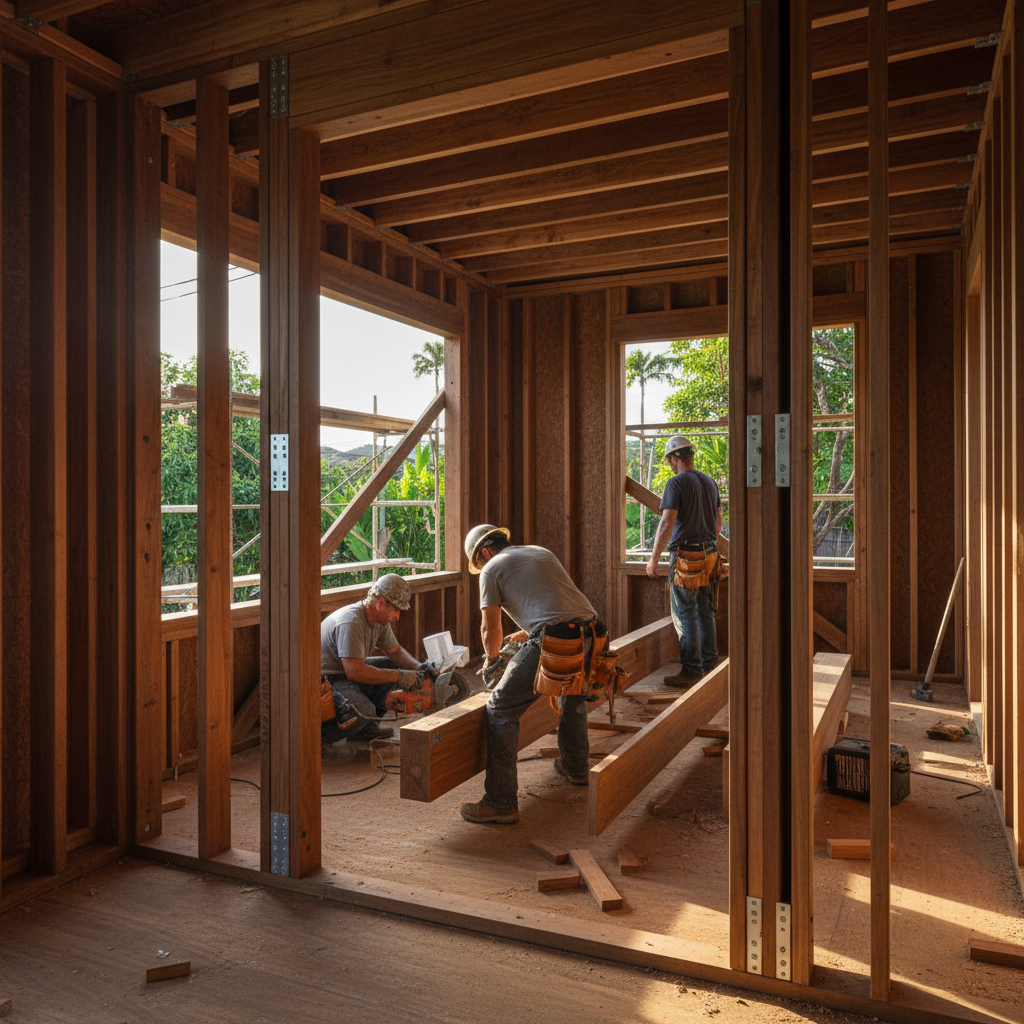
\n\nThe most common question we get after cost is about the timeline. Homeowners are often surprised to learn that the actual construction is not the longest part of the process. In 2026, building an ADU in Mililani is a marathon, not a sprint, with a total timeline ranging from 17 to 28 months from the first design meeting to getting your keys.\n\nHere’s a realistic breakdown of the phases:\n\n
- \n
- Phase 1: Design and Planning (3-5 months)
This is where we work with you to create the vision for your ADU. It involves initial consultations, site analysis, developing schematic designs, and refining them into detailed construction drawings. We also bring in our structural engineer during this phase. This is also when we prepare the initial submission package for the Mililani Town Association to get their preliminary feedback. A good plan in this phase prevents costly changes later. - Phase 2: Permitting (8-14 months)
This is the big one. The Honolulu Department of Planning and Permitting (DPP) is notoriously backlogged. Once we submit your complete set of plans, it enters a queue for review by multiple departments (zoning, building, electrical, plumbing, etc.). Each department may have questions or require minor revisions, and each round of revisions adds time. We tell our clients to be patient here; there is very little any contractor can do to speed up the city’s internal process. An experienced **ADU contractor mililani** knows how to submit a clean, complete package to minimize the number of review rounds, but the wait is unavoidable. - Phase 3: Bidding and Contractor Finalization (1-2 months)
While the plans are at DPP, we use the time to finalize all material selections and get firm quotes from our subcontractors. This ensures that once the permit is in hand, we have a locked-in budget and a team ready to mobilize immediately. - Phase 4: Construction (6-9 months)
This is when you finally see physical progress. The timeline can vary based on the complexity of the project and weather, but a typical 800 sq. ft. ADU build follows this sequence:\n- \n
- Month 1-2: Site preparation, grading, excavation, and foundation.
- Month 2-3: Framing, sheathing, and roofing.
- Month 3-5: Rough-in for plumbing, electrical, and HVAC; insulation and drywall.
- Month 5-7: Exterior finishes (siding, windows, doors), interior finishes (paint, flooring, cabinets).
- Month 7-9: Final fixtures, appliances, inspections, and punch list items.
\n
\n
\n
\n
\n
\n
\n
\n
\n
\n
\n\nOne of the biggest potential delays during construction is material availability. Here in Hawaii, almost everything is shipped in. We had a project in Kapolei where the specific windows the client wanted were back-ordered on the mainland for 10 weeks. This created a cascade effect, delaying our siding and drywall crews. To mitigate this, our team at Warrior Construction orders long-lead-time items like windows, custom cabinetry, and special-order tile the moment the permit is approved. Proactive project management is crucial to keeping an island project on schedule.\n\n
What Permits Do You Need for ADU Builder in Mililani?
\n\nNavigating the permitting process for an ADU in Mililani is a two-front battle: you must satisfy both the City and County of Honolulu and the Mililani Town Association (MTA). This is a critical step where an experienced local contractor is invaluable. Trying to do this yourself or with an off-island architect is a recipe for frustration and delays.\n\nThe primary authority is the Honolulu Department of Planning and Permitting (DPP)[1]. To legally build an ADU, you will need a comprehensive Building Permit package, which typically includes:\n\n
- \n
- Building Permit: The main permit covering the structure itself, from foundation to roof. It ensures the plans comply with the residential building code, including hurricane code requirements for things like hurricane straps and impact-resistant windows.
- Electrical Permit: A separate permit for all wiring, outlets, fixtures, and the new electrical subpanel.
- Plumbing Permit: Covers all supply lines, drain lines, and connections to the main house’s sewer and water systems.
- Grading/Trenching Permit: If you are moving a significant amount of soil or trenching for extensive utility lines, a separate permit may be required.
\n
\n
\n
\n
\n\nTo even apply for these permits, you need a full set of architectural and engineering plans stamped by a Hawaii-licensed architect and engineer. The DPP will review these plans for compliance with zoning laws, especially the rules established by ordinances like the infamous **Bill 7 ADU mililani** regulations. As of 2026, these rules dictate key parameters:\n\n
- \n
- Lot Size: Your lot must be at least 3,500 square feet. Most Mililani lots easily meet this.
- Unit Size: The ADU can be a maximum of 800 square feet of living area on lots 5,000 square feet or larger (or 400 sq. ft. for smaller lots).
- Setbacks: You must maintain specific distances from your property lines, which vary by your zoning designation.
- Parking: One dedicated off-street parking stall is required for the ADU, in addition to the required parking for the main house.
\n
\n
\n
\n
\n\nHowever, getting DPP approval is only half the story in Mililani. Before the DPP will even issue your permit, you must provide them with an approval letter from the Mililani Town Association (MTA). The MTA has its own Design Committee and a detailed set of covenants and guidelines that govern everything from paint color and roofing material to fence design and landscaping. Their review is primarily focused on aesthetics and maintaining the planned community’s cohesive look. We handle this process for our clients by submitting a detailed package to the MTA for their review and approval *before* we make our final submission to the DPP. This avoids a scenario where the DPP approves a plan that the MTA later rejects, forcing a complete restart. It’s a crucial sequencing step that inexperienced builders often miss.\n\n
Mililani-Specific Considerations: Climate, Materials, Regulations
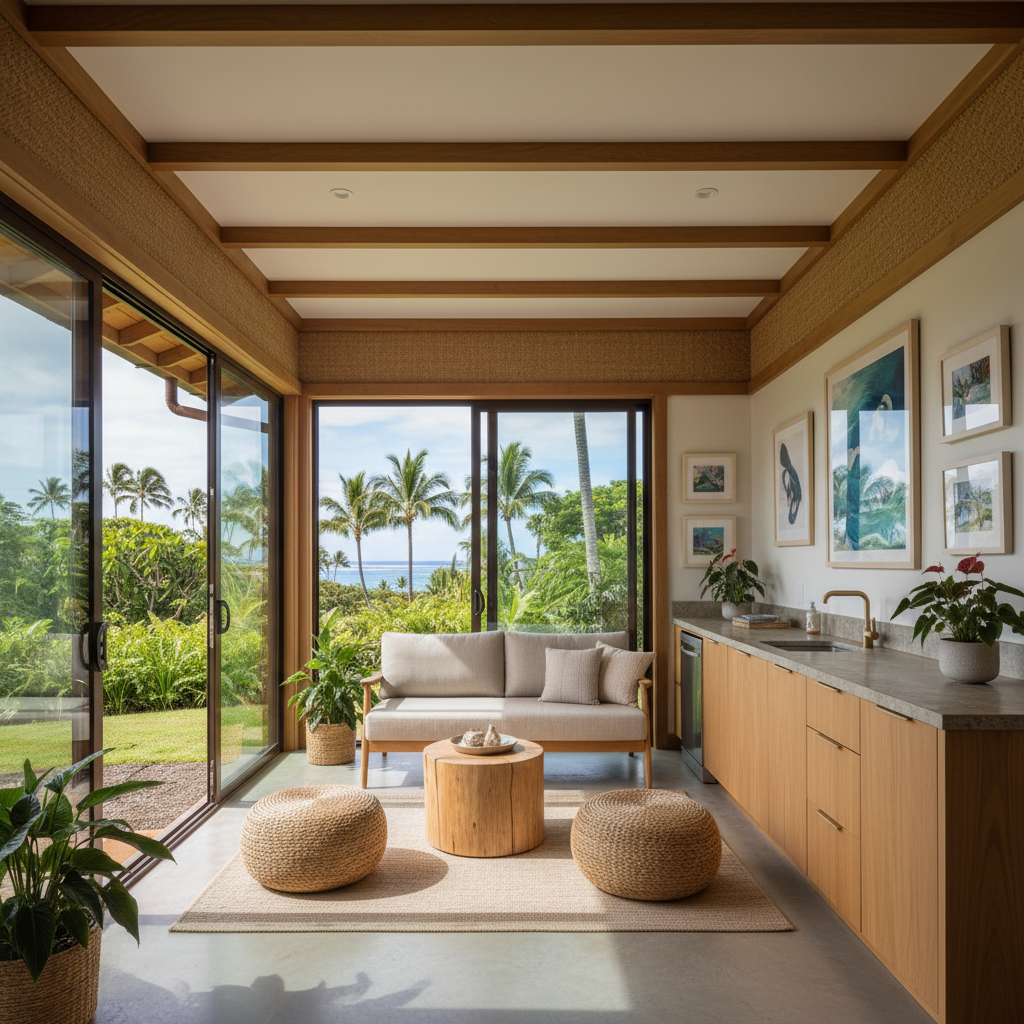
\n\nBuilding in Mililani presents a unique set of challenges and opportunities compared to other parts of O’ahu. It’s not a coastal community like Kailua, where salt-air corrosion is the primary enemy, nor is it a dense urban area like Honolulu. An effective ADU builder in Mililani needs a specific playbook tailored to the area’s climate, soil, and regulations.\n\n
Climate and Environment
\n\nMililani sits on the central plateau of O’ahu, which means it gets more rainfall and has a slightly cooler, more humid climate than leeward areas like Ewa Beach or Kapolei. This has major implications for construction:\n\n
- \n
- Moisture Management: Proper waterproofing and ventilation are non-negotiable. We use high-quality house wraps, self-adhering window flashing, and strategically placed vents to prevent moisture intrusion and mold growth, which can be a huge problem in damp climates.
- Termite Protection: The combination of moisture and wood makes Mililani a prime habitat for ground termites. We insist on pre-treating the soil, using pressure-treated lumber for all framing that touches the foundation (the sill plate), and incorporating physical termite barriers like Termi-Mesh around plumbing penetrations. Building with steel framing is another excellent, albeit more expensive, termite-resistant option.
- Red Dirt and Drainage: The iconic red volcanic soil of central O’ahu drains differently than the sandy soil of the coast. It can become heavily saturated during storms, creating hydrostatic pressure against foundations. We often need to incorporate French drains and design the site grading carefully to ensure water flows away from both the main house and the new ADU.
\n
\n
\n
\n\n
Materials Selection
\n\nOur material recommendations for Mililani are based on decades of seeing what lasts and what doesn’t:\n\n
- \n
- Roofing: Standing-seam metal roofing is an excellent choice. It’s durable, reflects heat, and holds up well to heavy rain. Architectural shingles are a good budget-friendly alternative, but they have a shorter lifespan.
- Siding: We strongly recommend fiber cement siding (like HardiePlank) over wood siding. It’s impervious to termites, doesn’t rot or warp in the humidity, and holds paint exceptionally well. It perfectly mimics the look of traditional wood siding required by the MTA.
- Windows: Vinyl or fiberglass windows are superior to aluminum in this climate. Aluminum windows can “sweat” with condensation on humid days, leading to potential mold issues on window sills and drywall. Vinyl offers better thermal insulation and requires less maintenance.
\n
\n
\n
\n\n
Regulations and Community Covenants
\n\nAs mentioned before, the dual-approval process with DPP and the MTA is the single biggest regulatory hurdle. The MTA’s guidelines are quite specific. For example, they often dictate the pitch of the roof, the type of window grids you can use, and a pre-approved palette of exterior paint colors. A good **adu builder mililani** doesn’t see these as restrictions but as a clear roadmap. We obtain a copy of the specific covenants for your property and design the ADU to comply from the outset. This collaborative approach makes the MTA review process a smooth checkpoint rather than a contentious roadblock.\n\nBy understanding these Mililani-specific factors, we can build an ADU that is not only beautiful and functional but also designed to withstand the local environment for decades to come.\n\n
How to Choose the Right ADU Builder Contractor in Mililani
\n\nChoosing the right contractor is the single most important decision you’ll make in your ADU journey. A great contractor can make the process smooth and deliver a high-quality product, while a bad one can turn your dream project into a financial and emotional nightmare. Here is a practical checklist for vetting any potential **ADU contractor mililani**.\n\n
- \n
- Verify Their License and Insurance. This is the absolute first step. Don’t just take their word for it. Go to the Hawaii Department of Commerce and Consumer Affairs (DCCA) Professional & Vocational Licensing (PVL) website[2] and look up their name or company. Confirm they have an active General Contractor (B) license, like our license, BC-34373. Ask for a copy of their general liability insurance certificate and workers’ compensation certificate. If they can’t provide these immediately, walk away.
- Confirm They Have Recent, Relevant Experience. Ask to see a portfolio of their work. Specifically, ask: \”Have you built ADUs *in Mililani* in the last few years?\” A contractor who primarily builds commercial high-rises in Kaka’ako may not understand the nuances of residential construction or the MTA review process. You want someone who has successfully navigated the exact challenges you’re about to face.
- Speak with at Least Three Recent References. Don’t just rely on written testimonials. Ask for the phone numbers of their last three ADU clients. When you call, ask specific questions:\n
- \n
- Did they finish on time and on budget? If not, why?
- How was their communication throughout the project?
- How did they handle unexpected problems or changes?
- Were you happy with the quality of the work and the professionalism of their crew?
- Would you hire them again?
\n
\n
\n
\n
\n
\n
- Understand Their Process and Communication Style. A professional contractor should be able to clearly explain their entire process, from design and permitting to construction and final walkthrough. How will they keep you updated? Do they use project management software? Who is your primary point of contact? At Warrior Construction, we assign a dedicated project manager to each job to ensure clear and consistent communication.
- Get a Detailed, Itemized Bid. Never accept a one-page bid with a single number on it. A professional bid should be several pages long and break down the costs for each major category: demolition, foundation, framing, plumbing, electrical, finishes, etc. It should also clearly state what is *not* included (e.g., landscaping, appliances, window coverings). Comparing detailed bids allows you to see if one contractor is significantly cheaper because they’re using lower-quality materials or leaving out key scope items.
\n
\n
\n
\n
\n
\n\nUltimately, you are entering into a long-term business relationship. Choose a contractor you trust and with whom you feel comfortable communicating. A slightly higher bid from a professional, experienced, and transparent builder is always a better investment than a lowball offer from someone who raises red flags.\n\n
Real Mililani ADU Builder Project Example
\n\nTo put all this theory into practice, let’s walk through a recent project our team completed. It’s a perfect example of the common challenges and opportunities homeowners face when building an ADU in Mililani.\n\n
The Client: The Tanaka family, who have lived in their Mililani Mauka home for over 25 years. With their parents getting older, they wanted to build a comfortable, accessible ohana unit in their backyard so their parents could age in place while maintaining their independence.
\n\n
The Property: A typical 7,500 sq. ft. lot, but with a pronounced slope in the backyard, dropping about 8 feet from the back of the main house to the rear property line. This made a simple slab-on-grade ADU impossible without massive and costly retaining walls.
\n\n
The Challenge: The primary challenges were threefold: 1) design an 800 sq. ft. ADU that worked with the difficult topography, 2) ensure the design was fully ADA-compliant for aging-in-place, and 3) get the design approved by both the DPP and the notoriously meticulous MTA Design Committee.
\n\n
The Warrior Construction Solution: Our design-build team approached this not as a problem, but as an opportunity. Instead of fighting the slope, we embraced it.\n
- \n
- Design: We designed a \”step-down\” structure. The front portion of the ADU, containing the garage and storage, was built into the hillside at the higher elevation. The main living area was then stepped down, creating a single-story living space at the lower elevation with a beautiful, private lanai overlooking the garden. This eliminated the need for a massive retaining wall, saving over $40,000 in site costs.
- Accessibility: We connected the main house to the ADU with a gently sloping, paved walkway instead of stairs. Inside the ADU, we designed wider 36-inch doorways, a zero-threshold walk-in shower, and reinforced walls in the bathroom for future grab bar installation.
- Approval Strategy: Before even drafting the full construction documents, we created a 3D rendering and material board that we presented in a preliminary meeting with the MTA. We used pre-approved paint colors and specified the exact siding and roofing materials we knew they preferred. By engaging them early and showing we respected their guidelines, we secured their conceptual approval quickly, which made the final formal approval seamless.
\n
\n
\n
\n
\n\n
The Results:\n
- \n
- Total Cost: $492,000 (including all design, permits, and construction)
- Permitting Timeline: 12 months with DPP.
- Construction Timeline: 8.5 months.
- Outcome: The Tanaka family now has a beautiful, functional, and safe home for their parents. The design not only solved the site challenges but also enhanced the overall property value and created a multi-generational living solution that will serve their family for years to come. It’s a testament to how a thoughtful, site-specific design can overcome obstacles and deliver incredible results.
\n
\n
\n
\n
\n\n
What this means for Hawaii homeowners
\n\nFor a homeowner in Mililani considering an ADU in 2026, this all boils down to a few key takeaways. Building an ohana unit is a fantastic way to increase your property’s value and utility, but it’s a major construction project that requires patience, planning, and professional guidance. It is not a quick or simple undertaking.\n\nHere is your action plan:\n
- \n
- Start with a Realistic Financial Plan. Understand that a quality ADU in Mililani will cost between $375,000 and $510,000. Secure your financing early, whether it’s through a home equity line of credit (HELOC), a cash-out refinance, or a construction loan. Having your finances in order is the first step.
- Embrace the Timeline. The 17- to 28-month timeline is real, and the biggest portion of that is waiting for permits. Adjust your expectations accordingly. If you want to break ground next summer, you need to be starting the design process *now*. Don’t get discouraged by the wait; use the time to meticulously plan every detail of your ADU to avoid costly changes later.
- Prioritize Local Expertise. Do not underestimate the value of a contractor who has extensive experience specifically in Mililani. Their knowledge of the MTA’s preferences, their relationships at the DPP, and their understanding of the local soil and climate conditions can save you tens of thousands of dollars and months of headaches.
- Design for the Long Term. Think beyond just getting the structure built. Consider materials that will withstand Hawaii’s climate to minimize future maintenance. Think about how the ADU will be used in 10 or 20 years. Designing for durability and flexibility is the smartest investment you can make.
\n
\n
\n
\n
\n\nBuilding an ADU is a significant journey, but with the right team and the right plan, the destination is well worth it. It provides a lasting asset for your family and your financial future.\n
\n\n
Frequently Asked Questions About ADU Builder in Mililani
\n
How much value does an ADU add to a home in Mililani?
\n
While it varies, a well-built 800 sq. ft. ADU in Mililani can add anywhere from $300,000 to $450,000 or more to your property value, often providing a positive return on investment. More importantly, it can generate significant rental income, with 2-bedroom units in the area fetching $2,800 to $3,500 per month in 2026, which can help cover mortgage costs and build equity faster.
\n
\n
Can I build a two-story ADU in Mililani?
\n
Yes, you can, provided it meets height restrictions (typically 25 feet) and doesn’t exceed the maximum 800 sq. ft. of living space. A two-story design (e.g., 400 sq. ft. downstairs, 400 sq. ft. upstairs) is a great way to preserve yard space on a smaller lot. However, it is typically more expensive per square foot to build than a single-story structure due to the need for stairs, more complex engineering, and additional structural support.
\n
\n
What is the biggest mistake homeowners make when building an ADU?
\n
The most common and costly mistake is choosing a contractor based solely on the lowest bid. A significantly lower price often means they’ve missed key scope items, are using substandard materials, or aren’t properly licensed and insured. This can lead to massive cost overruns, poor quality work, and even legal trouble. Always vet your contractor thoroughly for experience, licensing, and references.
\n
\n
How does Bill 7 affect my ADU plans in Mililani for 2026?
\n
The regulations stemming from Bill 7 are now fully integrated into the Honolulu Land Use Ordinance (LUO). The key impacts for a **Bill 7 ADU mililani** project are the formalization of the 800 sq. ft. size limit for lots over 5,000 sq. ft., the requirement for one dedicated off-street parking stall, and rules preventing the use of an ADU for short-term vacation rentals (minimum 30-day lease). It also clarified setback and utility connection requirements, which your contractor must follow precisely.
\n
\n
Is a prefab or modular ADU cheaper in Hawaii?
\n
On paper, the unit itself might seem cheaper, but the \”all-in\” cost is often comparable to or even more than a traditional stick-built ADU in Hawaii. The sticker price for a prefab unit doesn’t include the substantial costs of shipping to the islands, crane rental for placement, foundation work, and utility connections, which are the same regardless of build type. We find that stick-building on-site often provides more design flexibility and better value for the final cost.
\n
\n
Do I have to live on the property to build and rent out an ADU?
\n
Yes, the City and County of Honolulu requires owner-occupancy. This means the property owner must live in either the primary dwelling or the ADU as their primary residence. You cannot be an absentee landlord living on the mainland or another island and rent out both units. This is a key regulation intended to increase long-term housing supply, not investment properties.
\n
\n
What are the Mililani Town Association’s (MTA) biggest concerns with ADUs?
\n
The MTA is primarily concerned with maintaining the aesthetic harmony and character of the community. Their biggest review points are ensuring the ADU’s exterior materials, paint colors, and architectural style (like roof pitch) are compatible with the main house and the neighborhood. They also scrutinize parking plans and landscaping to ensure the new unit doesn’t negatively impact street parking or the visual appeal of the property.
\n
\n
\n\n
Ready to Explore an ADU for Your Mililani Property?
\n
Building an ADU is a major step, but you don’t have to navigate it alone. With over 20 years of experience as a trusted O’ahu general contractor, our team at Warrior Construction (BC-34373) has the local knowledge and expertise to guide you through every phase of the process, from initial design and MTA approvals to final construction.
\n
If you’re ready for a transparent, no-obligation discussion about your project, we’re here to help. Get a detailed estimate for your Mililani ADU project and let’s start planning how to unlock the potential of your property.
\n
\n\n
References
\n