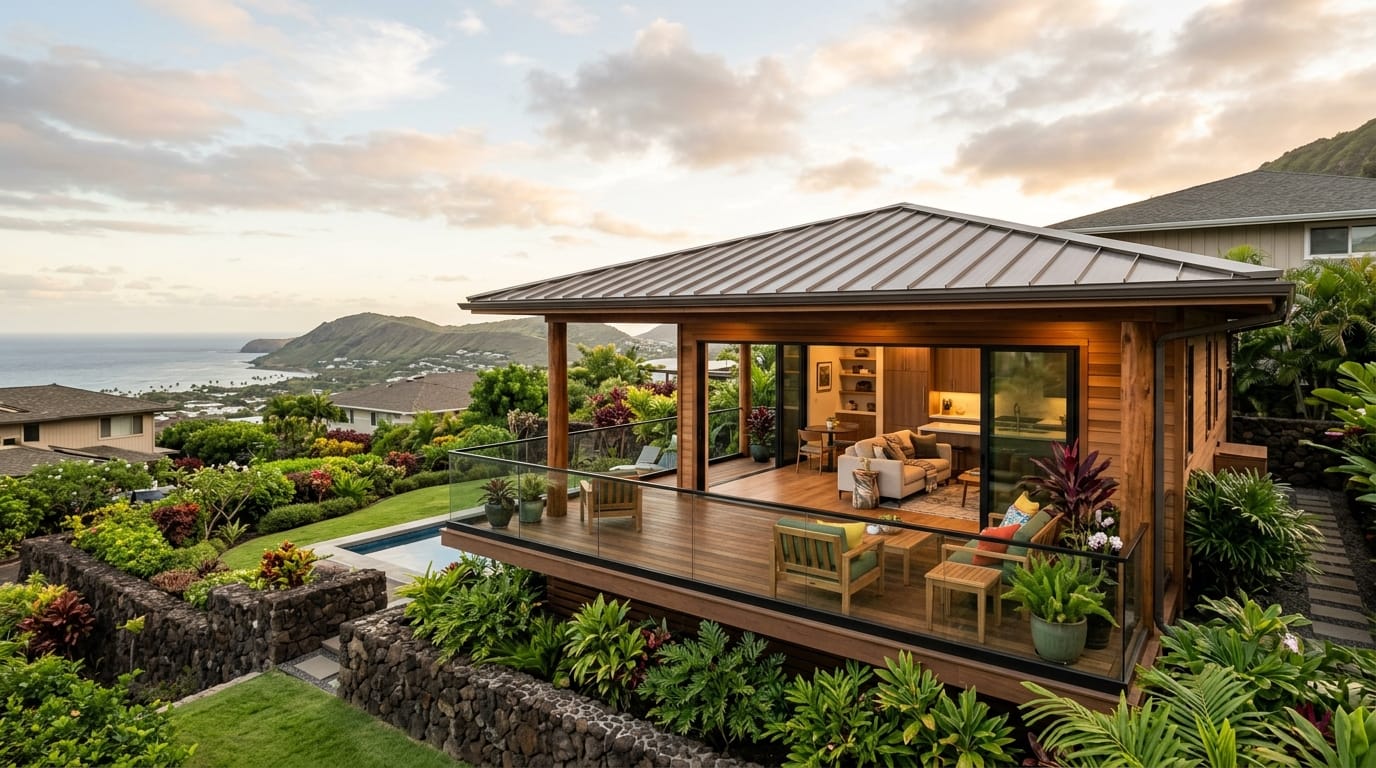
Building an Accessory Dwelling Unit (ADU) in Hawaii Kai is one of the smartest investments a homeowner on O’ahu can make in 2026. A well-built ADU, or ohana unit, can generate substantial rental income, provide a home for family, or simply increase your property value significantly. The straightforward answer is this: a quality ADU in Hawaii Kai will cost between $375,000 and $575,000 and take roughly 13 to 20 months from initial design to final walkthrough, factoring in the current Honolulu Department of Planning and Permitting (DPP) timelines. These numbers aren’t guesses; they’re based on decades of our team at Warrior Construction building right here in East Honolulu. Navigating this process requires more than just a good set of plans. It demands a deep understanding of local conditions, from the corrosive salt air blowing off Maunalua Bay to the specific zoning quirks of Mariners Ridge and Koko Marina. As a licensed adu builder hawaii kai homeowners have trusted for years, we’ve seen it all. This guide breaks down our time-tested strategies for getting your ADU project done right, on time, and on budget.
Why Hawaii Kai Homeowners Trust Warrior Construction for ADU Builder
When you decide to build an ADU, you’re not just hiring a crew with hammers and saws; you’re partnering with a team that needs to be an expert in logistics, regulations, and local engineering challenges. At Warrior Construction (License BC-34373), we’ve built our reputation on being that partner for Hawaii Kai homeowners. Our experience isn’t theoretical; it’s earned on job sites from Portlock to Kalama Valley. We understand that building here is different. For example, on a recent project on a sloped lot overlooking Koko Head, the soil report came back showing expansive clay we don’t typically see in other parts of the island. A mainland contractor might have been stumped, but our team immediately knew to engineer a specialized post-and-pier foundation to ensure long-term stability without breaking the client’s budget on massive excavation.
This localized expertise is critical. We know which materials hold up to the constant salt spray and which ones will be a rusty mess in five years. We use 316-grade stainless steel fasteners, recommend fiberglass window frames over standard aluminum, and understand the proper waterproofing techniques for homes that get hit with wind-driven rain. Furthermore, our relationships with local suppliers mean we can better manage the island’s notorious shipping and material logistics, mitigating delays that can plague less experienced builders. Our team handles the entire process, from initial design consultation to navigating the complexities of the DPP, ensuring a smoother journey for our clients. We are an `ADU contractor hawaii kai` residents can rely on because we live and work in the same community, and our name is on every project we build.
Our commitment goes beyond just the physical construction. We believe in transparent communication. You’ll have a dedicated project manager and direct access to our team, so you’re never in the dark about progress or decisions. We’ve seen homeowners get frustrated with builders who disappear for days or present surprise change orders. That’s not how we operate. Building an ADU is a significant financial and emotional investment, and we honor that by providing clear, consistent updates and detailed financial reporting. This approach has made us the go-to `ohana unit builder hawaii kai` families recommend to their friends and neighbors.
What Does ADU Builder Cost in Hawaii Kai?
The most common question we get is, understandably, about the bottom line. In 2026, a realistic all-in budget for building an ADU in Hawaii Kai ranges from $475 to over $700 per square foot, depending on site conditions, complexity, and finish levels. For a standard 800-square-foot, 2-bedroom, 1-bathroom ADU, this puts the total project cost between approximately $375,000 and $575,000. It’s crucial to understand where that money goes, because a cheap bid often means corners are being cut.
Here’s a typical cost breakdown for an 800 sq. ft. ADU on a relatively flat lot in Hawaii Kai:
- Soft Costs (Design, Engineering & Permitting): $30,000 – $50,000. This includes architectural plans, structural engineering (especially important for hurricane code compliance), soil reports if needed, and all the fees and legwork associated with getting your permit from the DPP. Our team manages this entire phase.
- Site Work & Foundation: $40,000 – $75,000. This can vary dramatically. A flat lot in a newer part of Hawaii Kai might be on the lower end. A sloped lot in Mariners Cove or a property with challenging access could easily push this higher due to excavation, retaining walls, and more complex concrete work.
- Hard Costs (Vertical Construction): $250,000 – $350,000. This is the core of the build – framing, roofing, windows, electrical, plumbing, insulation, and drywall. The cost per square foot here is driven by material choices, such as using steel framing for termite resistance or installing high-performance, impact-rated windows for storm safety.
- Finishes & Appliances: $50,000 – $90,000. This is where you have the most control over the budget. It covers everything from flooring and paint to cabinets, countertops, light fixtures, and appliances. We help clients select durable, attractive finishes that provide good value and stand up to the Hawaii climate.
- Contingency: We always recommend homeowners carry a 10% contingency fund. In Hawaii, unexpected issues like discovering a lava rock shelf during excavation or a sudden spike in shipping costs for a specific material can happen. A contingency ensures these surprises don’t derail the project.
Remember, these are 2026 costs. Shipping logistics to O’ahu and skilled labor shortages continue to put pressure on pricing. Any builder quoting significantly less is likely leaving something out or using substandard materials that will cost you more in the long run with repairs and maintenance. We provide a detailed, line-item estimate so you see exactly what you’re paying for.
How Long Does a ADU Builder Take in Hawaii Kai?
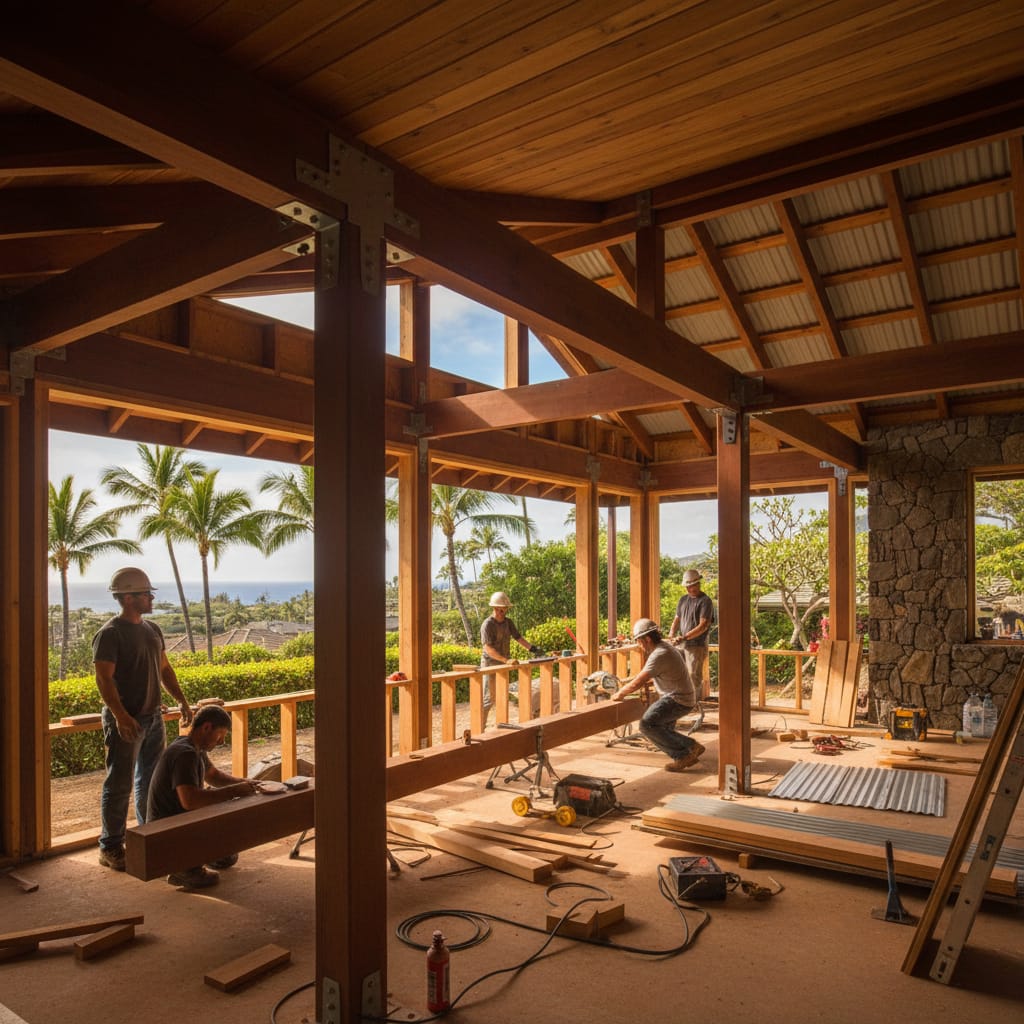
Patience is a virtue in Hawaii construction, especially when dealing with permitting. The construction itself is often the fastest part of the process. A realistic timeline for an ADU project in Hawaii Kai, from the day you hire a builder to the day you get your keys, is between 13 and 20 months in 2026. Anyone promising a 6-month turnaround is not being honest about the realities of the Honolulu DPP.
Here’s how that timeline typically breaks down:
1. Phase 1: Design & Planning (2-4 Months)
This phase involves working with an architect and our team to create the plans for your ADU. We’ll conduct a site analysis, develop floor plans, create 3D renderings, and select major materials. This is a collaborative process where we finalize the design to meet your needs, your budget, and all zoning requirements. We move as fast as you can make decisions.
2. Phase 2: Permitting with Honolulu DPP (6-10 Months)
This is the big variable and the most common source of delays. Once we submit the complete set of plans to the Department of Planning and Permitting, it enters a queue for review.[1] The plans are routed through multiple departments—planning, building, electrical, plumbing, fire—and each one can have comments or require revisions. Our in-house permit specialists and our relationships with DPP staff help expedite this as much as possible, but the 6-10 month timeframe is the current reality for most residential projects in 2026. There is very little any contractor can do to speed this up beyond submitting a perfect application package from the start.
3. Phase 3: Construction (5-7 Months)
Once we have the approved permit in hand, our crew can finally break ground. This phase moves relatively quickly. It includes site preparation, foundation pouring, framing, roofing, plumbing and electrical rough-in, insulation, drywall, and then all the finish work like painting, flooring, cabinet installation, and fixtures. Regular city inspections happen at key milestones, and a good contractor schedules these efficiently to avoid downtime. Bad weather or material shipping delays can add a few weeks, but this part of the schedule is far more predictable than permitting.
So, while the actual build is about half a year, the total process is much longer. It’s essential for homeowners to have realistic expectations. At Warrior Construction, we map out this entire timeline for you at the beginning and provide regular updates so you always know where your project stands.
What Permits Do You Need for ADU Builder in Hawaii Kai?
Building an ADU in Hawaii Kai legally requires a series of permits from the City and County of Honolulu’s Department of Planning and Permitting (DPP). Attempting to build without them can result in massive fines, stop-work orders, and even orders to tear down the unpermitted structure. As your general contractor, we manage this entire complex process, but it’s important for homeowners to understand what’s involved.
The primary permit is the **Building Permit**. This single application package actually covers multiple aspects of the project and is reviewed by various city agencies. The package we submit on your behalf will include:
- Architectural Plans: Detailed drawings of the floor plan, elevations, roof plan, and construction details.
- Structural Plans: Engineering calculations and drawings that show how the structure will be built to withstand gravity loads and, critically in Hawaii, hurricane-force winds.
- Site Plan: A drawing showing the location of the new ADU on your property, property lines, setbacks, utility connections, and parking.
- Supporting Documents: This can include a land survey, soil report, drainage plan, and electrical load calculations.
Within the main building permit process, separate reviews and sign-offs are required for:
- Zoning Review: To ensure the ADU complies with local ordinances, including the `Bill 7 ADU hawaii kai` rules. This covers size (up to 800 sq. ft. on lots over 5,000 sq. ft.), height, and setbacks from property lines.
- Electrical Permit: For all wiring, outlets, and the service panel.
- Plumbing Permit: For all supply lines, drains, and sewer connections.
- Mechanical Permit: If you are installing a split-AC system or other complex ventilation.
Navigating the DPP’s online portal and responding to examiner comments requires experience. A single missing document or incorrect detail can send your application to the back of the line, adding months to your wait. Our team has a streamlined process and dedicated staff who focus solely on preparing and tracking permit applications, which is a significant advantage. We ensure every ‘i’ is dotted and ‘t’ is crossed before submission to minimize the chances of a lengthy back-and-forth with the city.
Hawaii Kai-Specific Considerations: Climate, Materials, Regulations
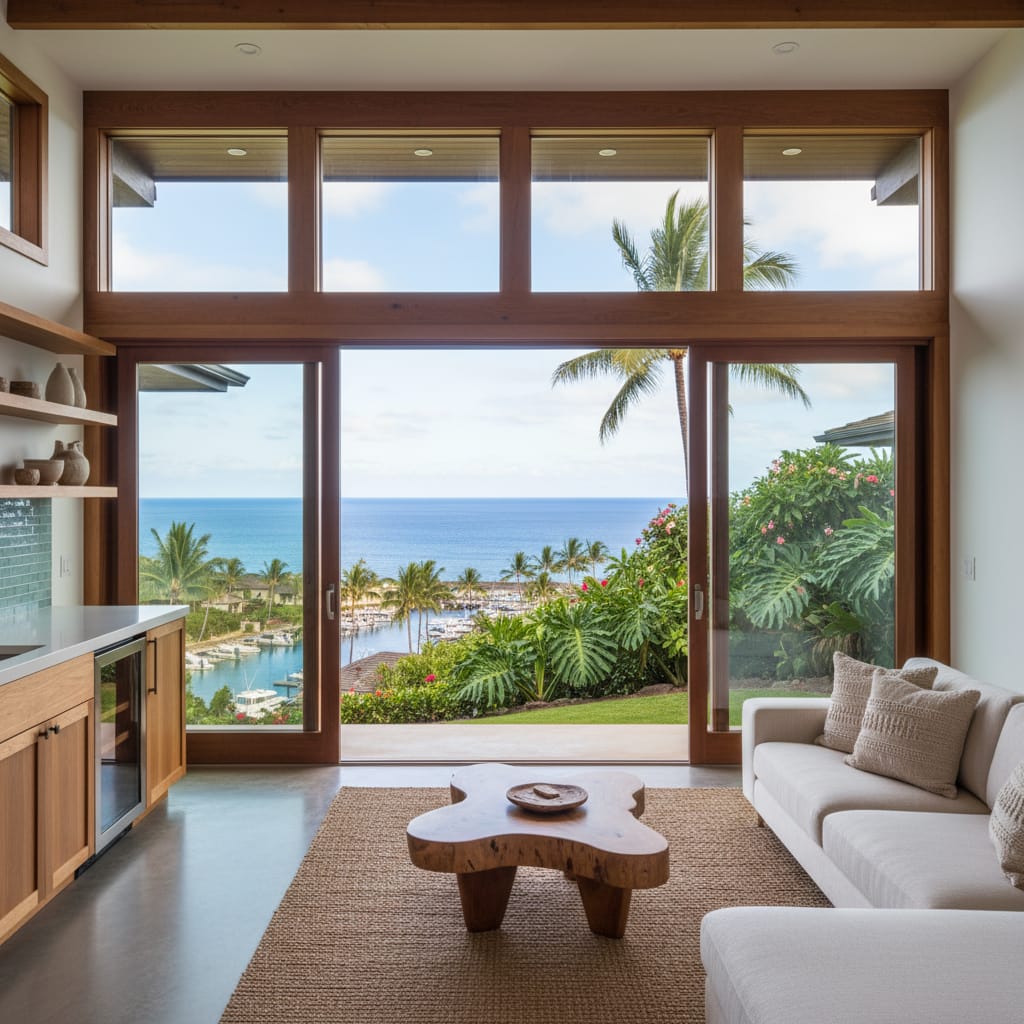
Building in Hawaii Kai is not like building in Mililani or Kapolei. The unique microclimate and community regulations demand a specialized approach. An experienced `adu builder hawaii kai` knows these nuances aren’t optional—they’re essential for a structure that lasts.
### Climate and Materials
The number one environmental factor in Hawaii Kai is the constant, corrosive salt air. It’s carried on the trade winds and settles on every surface, relentlessly attacking metal. We’ve been called to repair lanais on multi-million dollar homes where a mainland-style contractor used standard galvanized steel connectors instead of stainless steel, and they had rusted through in under a decade. For any ADU we build in Hawaii Kai, we insist on a “coastal package” of materials:
- Fasteners & Connectors: All nails, screws, hurricane straps, and structural connectors must be 316-grade stainless steel. It costs more upfront but prevents catastrophic structural failure down the road.
- Windows & Doors: We strongly recommend fiberglass or high-quality vinyl window frames. Standard aluminum frames, even with a powder coat finish, will eventually pit and corrode. Impact-rated glass is also a must for hurricane preparedness.
- Siding & Roofing: HardiePlank fiber cement siding paired with a quality elastomeric paint offers excellent resistance to salt, moisture, and termites. For roofing, a standing seam metal roof with a Kynar 500 finish provides the best long-term durability against UV rays and salt corrosion.
- Termite Protection: Ground termites are a huge issue across O’ahu. We build with either pressure-treated lumber for the entire frame (not just the sill plate) or light-gauge steel framing. We also incorporate a Termimesh physical barrier in the foundation.
### Regulations and Community Rules
Beyond the city’s building codes, many neighborhoods within Hawaii Kai have their own set of rules governed by homeowner associations (HOAs) or covenants. For example, some areas have specific paint color palettes, roofing material requirements, or stricter setback rules than the city mandates. A good contractor will perform due diligence on these private regulations before even starting the design. We’ve seen projects get shut down by an HOA because the builder didn’t get the required architectural review board approval. We handle this verification as part of our pre-construction services. Additionally, properties along the marina have specific shoreline setback requirements that must be carefully observed. Our portfolio of local projects showcases our ability to build within these complex constraints.
How to Choose the Right ADU Builder Contractor in Hawaii Kai
Choosing the right builder is the single most important decision you’ll make for your ADU project. A great contractor can make the process smooth and deliver a high-quality product, while a bad one can turn your dream into a financial and legal nightmare. Here’s a checklist to use when vetting potential builders:
1. Verify Their License and Insurance. First and foremost, check that they have a valid Hawaii General Contractor (BC) license. You can and should verify this on the Department of Commerce and Consumer Affairs (DCCA) Professional & Vocational Licensing website.[2] Our license is BC-34373. Ask for a copy of their general liability and workers’ compensation insurance certificates. Never work with an unlicensed or uninsured contractor.
2. Confirm They Have Local Hawaii Kai Experience. Ask to see addresses of ADUs or similar projects they have completed *in Hawaii Kai*. A contractor based in West O’ahu might do great work there, but they may not be familiar with the unique challenges of building on the windward side. Ask them about salt air mitigation and how they handle sloped lots—their answers will reveal their level of local expertise.
3. Request a Detailed, Itemized Bid. Beware of contractors who give you a single, lump-sum price. A professional bid should be several pages long, breaking down the costs for each phase of the project: demolition, foundation, framing, plumbing, electrical, finishes, etc. This transparency prevents misunderstandings and makes it easier to compare bids apples-to-apples.
4. Evaluate Their Communication and Process. During the interview process, pay attention to how they communicate. Do they answer your questions clearly? Do they explain their process for project management, change orders, and communication? Ask who your primary point of contact will be. A well-organized company like Warrior Construction will have a clear system in place to keep you informed every step of the way.
5. Check References. Don’t just rely on online reviews. Ask the contractor for the phone numbers of 2-3 of their most recent ADU clients. Call them and ask about their experience. Were they happy with the quality? Did the project stay on budget? How did the contractor handle problems when they arose? The feedback from past clients is invaluable.
Real Hawaii Kai ADU Builder Project Example
To make this all concrete, let’s walk through a typical project our team recently completed in 2026. The Smiths, a local family living in the Hahaione Valley area of Hawaii Kai, wanted to build an ADU for their aging parents.
* The Property: A 9,000 sq. ft. lot with a moderate upslope at the back of the property.
* The Goal: An 800 sq. ft., single-level, 2-bedroom, 1-bathroom ohana unit that was accessible and built to last in the Hawaii Kai climate.
* The Challenge: The slope required a fairly substantial retaining wall to create a flat building pad. Additionally, access for heavy equipment was tight, requiring careful coordination with neighbors.
Our Process & Solution:
We started with a detailed site analysis and worked with our structural engineer to design a cost-effective cut-and-fill plan with a reinforced concrete masonry (CMU) retaining wall. This created a safe, level area for the ADU while managing drainage from the hillside above. For the structure itself, we specified light-gauge steel framing for 100% termite resistance and a standing seam metal roof with a marine-grade coating to handle the salt air. The interior was designed for aging-in-place, with a zero-threshold shower, wider doorways, and grab bars.
Timeline & Budget:
- Design & Engineering: 3 months (February – April 2025)
- DPP Permit Submission: May 2025
- DPP Permit Approval: March 2026 (A 10-month wait, which is typical)
- Construction Start: April 2026
- Project Completion: October 2026 (6.5 months of construction)
Total Project Duration: 20 months from initial design contract to final inspection.
The final project cost came in at **$525,000**. This included all design, permitting, site work, construction, and high-quality, durable finishes. The Smiths were thrilled with the result, and their parents now have a safe, comfortable, and beautiful home just steps away.
What this means for Hawaii homeowners
Building an ADU in Hawaii Kai is a marathon, not a sprint. The potential rewards are immense, but success hinges on going into the process with open eyes and the right professional partner. The single biggest mistake we see homeowners make is focusing solely on the lowest bid without understanding the long-term implications of cutting corners in this harsh coastal environment.
Here are the key takeaways you should focus on:
* **Budget Realistically:** Understand that in 2026, a quality ADU will cost upwards of $400,000. Plan for this amount and include a 10% contingency. If a price seems too good to be true, it absolutely is.
* **Embrace the Timeline:** The Honolulu DPP permitting process is long and largely out of anyone’s control. Acknowledge that it will likely take 6-10 months to get a permit. Start the design process long before you hope to break ground.
* **Prioritize a Local Expert:** Hire an `ADU contractor hawaii kai` who lives and breathes this specific environment. Their knowledge of salt-air mitigation, hillside construction, and local HOA rules is worth its weight in gold. A mainland approach will fail here.
* **Invest in a ‘Coastal Build’ Package:** Do not skimp on materials. Insist on stainless steel hardware, termite-resistant framing, and corrosion-resistant windows and roofing. The extra cost upfront will save you tens of thousands in repairs down the line.
* **Plan for the Future:** Whether it’s for rental income or family, think about the long-term use. Incorporating elements like wider doors or a zero-threshold shower can add immense value and flexibility for future occupants.
Building an ohana unit is one of the best ways to maximize your Hawaii Kai property. By following these strategies and partnering with an experienced, licensed contractor, you can ensure your investment is a lasting success.
Helpful resources:
City & County of Honolulu DPP ·
Hawaii DCCA Licensing
Frequently Asked Questions About ADU Builder in Hawaii Kai
What’s the biggest mistake homeowners make when building an ADU in Hawaii Kai?
The most common and costly mistake is underestimating the Honolulu DPP permit timeline and the total project budget. Many people anchor on a low-ball construction estimate that doesn’t include soft costs, site work, or a contingency. This leads to major financial stress and frustration. A realistic timeline of 13-20 months and a comprehensive budget from the start are critical.
Can I build a two-story ADU in Hawaii Kai?
Yes, in many cases you can. The ability to build a two-story ADU depends on your property’s specific zoning and the 25-foot to 30-foot height limit typical for residential areas in Hawaii Kai. We would need to review your property survey and local zoning regulations, but it’s definitely a feasible option to maximize space and potentially capture better views.
How much rental income can an ADU in Hawaii Kai generate in 2026?
Rental income varies by size, quality, and location, but it’s substantial. In 2026, a new, well-built 2-bedroom ADU in a desirable part of Hawaii Kai can realistically command $3,500 to $4,500 per month in rent. This makes building an ADU a very powerful financial tool for homeowners looking to offset their mortgage or generate passive income.
What are the Bill 7 ADU parking requirements in Hawaii Kai?
Under the rules established by Bill 7, an ADU is required to have one dedicated off-street parking stall. This is in addition to the required parking for the main house. The stall must be a standard size (typically 8.5′ x 18′). However, there are some exceptions if the property is located within a half-mile of a rail station, but this generally doesn’t apply to Hawaii Kai.
Are prefab or modular ADUs a good option for Hawaii?
While prefab ADUs can seem appealing, the logistics for Hawaii often make them less practical than they appear. The cost of shipping the modules from the mainland can be extremely high, often negating any initial savings. Furthermore, you still need a local general contractor to handle the foundation, utility connections, and all on-site assembly, which is a significant portion of the total cost.
How does an ADU affect my property taxes?
Building an ADU will increase the assessed value of your property, and as a result, your property taxes will go up. The City and County of Honolulu’s Real Property Assessment Division will reassess your property after the ADU is completed. The increase is based on the added value, which is generally a positive sign of the return on your investment.
Can I connect an ADU to my existing home?
Yes, you can build an attached ADU. The rules for attached ADUs are slightly different, often requiring a fire-rated wall between the main house and the new unit. This can be a great option for creating an in-law suite while saving some yard space. We can help you explore whether an attached or detached ADU is a better fit for your property and family needs.
Building an ADU is a complex but rewarding process. If you’re considering adding an ohana unit to your Hawaii Kai property, the first step is a conversation with a team that has the local knowledge to guide you. At Warrior Construction, we’re more than just builders; we’re your neighbors and partners in creating lasting value for your family.
Our team provides comprehensive ADU and Ohana Unit services, from initial feasibility studies and design to permitting and construction. We invite you to request a free, no-obligation estimate to discuss your project. Let us show you how our experience can make your vision a reality.