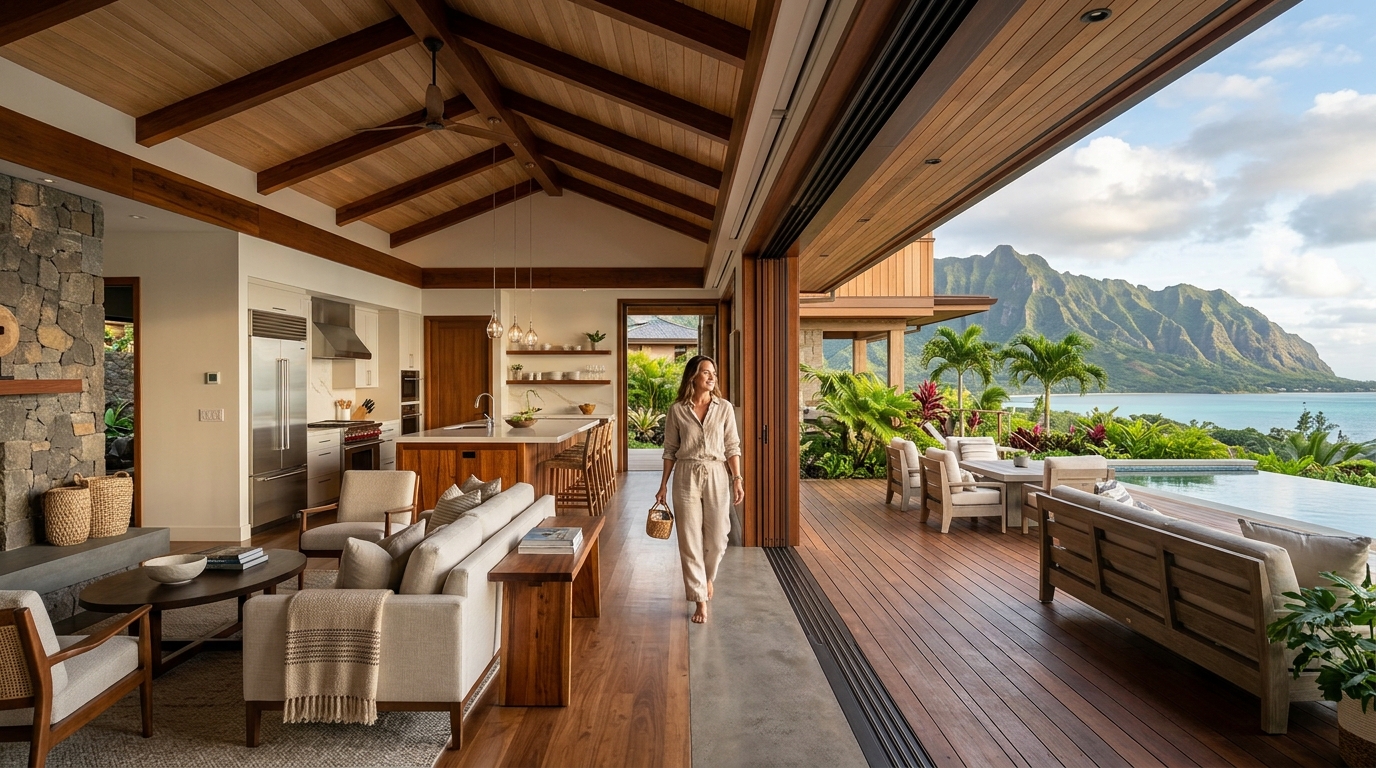
“Building a custom home in Kaneohe is one of the most rewarding projects a family can undertake, but it’s a process filled with unique challenges you won’t find on the mainland. As a custom home builder in Kaneohe for over two decades, our team at Warrior Construction has seen it all: from navigating the steep, rain-soaked lots overlooking the bay to sourcing materials that can withstand the relentless salt air. The key to success isn’t just finding a builder; it’s finding a local partner who understands the specific land, climate, and regulatory hurdles of the Windward side.\n\nThis isn’t about slapping together a mainland-style house and hoping for the best. Building here requires a deep understanding of hydrostatic pressure from hillside runoff, specifying marine-grade hardware to fight corrosion, and planning for a permitting process at the Honolulu Department of Planning and Permitting (DPP) that can test anyone’s patience. Over the years, we’ve developed a process that anticipates these issues, saving our clients significant time and money. In this guide, we’ll pull back the curtain and share six critical tips every prospective homeowner in Kaneohe needs to know before breaking ground. We’ll cover real 2026 costs, accurate timelines, material selection for our wet climate, and how to properly vet your general contractor to ensure your dream home doesn’t become a nightmare.\n\n
Why Kaneohe Homeowners Trust Warrior Construction for Custom Home Builder
\n\nWhen you decide to build a home in Kaneohe, you’re not just hiring a contractor; you’re entrusting someone with your family’s future and one of your largest investments. Homeowners on the Windward side choose our team at Warrior Construction (License BC-34373) because we’re not just builders—we’re specialists in this unique O’ahu environment. We’ve spent more than 20 years navigating the specific challenges that make Kaneohe a beautiful but demanding place to build. Our experience isn’t theoretical; it’s earned on job sites from Haiku Plantation to the neighborhoods along Kaneohe Bay Drive.\n\nOne of the biggest differentiators is our proactive approach to Kaneohe’s climate. The area gets, on average, three times more rain than Honolulu. A mainland builder might not fully appreciate what that means for a project. For us, it’s second nature. We plan our site work around the weather, implement robust erosion control from day one, and design foundations and drainage systems specifically to manage the sheer volume of water. On a recent project on a sloped lot near Ho’omaluhia Botanical Garden, our pre-construction soil analysis and drainage plan prevented a massive potential washout during a winter storm, saving the client tens of thousands in remediation and delays. This is the kind of foresight that comes only from local experience.\n\nFurthermore, our relationships with local architects, engineers, and DPP plan reviewers are invaluable. The permitting process in Honolulu is notoriously slow, but knowing the people and the process helps streamline it as much as humanly possible. We know which details the plan checkers focus on, what structural requirements are common for Kaneohe’s varied soil types, and how to prepare a submission package that minimizes back-and-forth. This isn’t about cutting corners; it’s about professional preparation and respect for the system, which ultimately gets your project moving faster. As your dedicated home builder in Kaneohe, we manage this entire complex process, providing a single point of responsibility and clear communication from the first sketch to the final walkthrough.\n\n
What Does Custom Home Builder Cost in Kaneohe?
\n\nLet’s get straight to the point, because this is the number one question every client asks. In 2026, building a custom home in Kaneohe is a significant investment, and anyone who gives you a vague answer isn’t being straight with you. Based on our recent projects, you should budget for total project costs ranging from $525 to over $900 per square foot. It’s critical to understand how this breaks down, because the house itself is only part of the equation.\n\nWe typically separate costs into two main categories:\n\n
- \n
- Soft Costs (15-25% of total): This covers everything before we even break ground. Think architectural and engineering fees, surveyor costs, special inspections, and most importantly, Honolulu DPP permit fees. For a 3,000 sq. ft. home, you can expect soft costs to land somewhere between $75 and $125 per square foot, or $225,000 to $375,000. This is where a good design-build team can save you money by integrating the design and construction process, catching costly engineering conflicts before they become expensive change orders.
- Hard Costs (75-85% of total): This is the actual construction—the labor and materials. In Kaneohe, hard costs in 2026 are running from $450 to $700+ per square foot. A well-built, mid-range home will be in the $450-$550/sqft range. A true luxury home builder in Kaneohe, with high-end finishes, complex architecture, and premium materials, will see costs push toward $700/sqft and beyond. For that same 3,000 sq. ft. home, you’re looking at $1,350,000 to $2,100,000 in hard costs.
\n
\n
\n\nSo, why the high cost and wide range? Several factors are at play here in Hawaii:\n\n1. Island Logistics: Nearly everything, from specialty lumber to high-end appliances, has to be shipped in. This adds a baseline 15-20% to material costs compared to the mainland. We factor these logistics and potential shipping delays into our project schedules from the very beginning.\n2. Labor Costs: Skilled labor is in high demand on O’ahu, and wages reflect that. We believe in paying our team of carpenters, electricians, and plumbers a fair wage, which ensures we have the best talent on our job sites.\n3. Site Conditions: Many desirable lots in Kaneohe are on hillsides with challenging volcanic or clay soils. Site prep can be a huge variable. A flat, easy-to-access lot might have site work costs of $50,000. A steep, difficult lot requiring extensive grading, retaining walls, and soil remediation could easily exceed $250,000 before the foundation is even poured. We saw this on a Lilipuna Road project where the cost for a complex series of tiered retaining walls was almost 15% of the total build cost.\n\nWhen we provide a budget during our preconstruction planning phase, it’s a detailed, line-item estimate. This transparency allows you to see exactly where your money is going and make informed decisions on finishes, features, and design to align the project with your budget.\n\n
How Long Does a Custom Home Builder Take in Kaneohe?
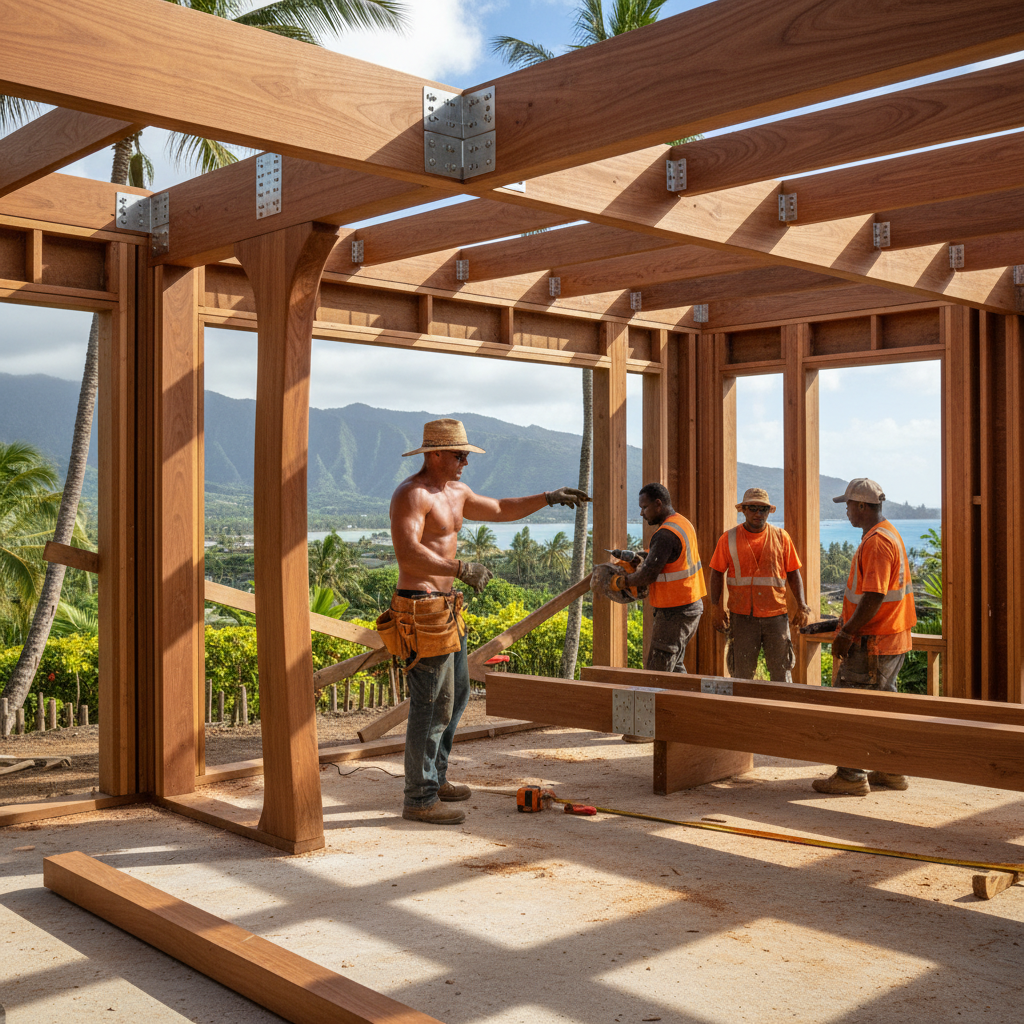
\n\nBuilding a custom home on O’ahu is a marathon, not a sprint. The second most common question we get is about the timeline, and it’s often longer than people expect. A realistic timeline for new home construction in Kaneohe, from initial design concepts to moving in, is typically between 21 and 42 months in 2026. Yes, that can be up to three and a half years. It’s crucial to have this expectation set correctly from the start.\n\nHere’s a realistic breakdown of the phases:\n\n
- \n
- Phase 1: Design & Pre-Construction (9-18 months). This is the most underestimated phase. It involves finding your lot, assembling your team (architect, engineer, and us as your builder), and going through the entire design process. This includes schematic design, design development, and finally, creating the construction documents. It also involves geotechnical reports, surveys, and making key decisions on materials and finishes. Rushing this phase is the single biggest mistake you can make. A well-planned project saves immense time and money during construction.
- Phase 2: Permitting (6-12+ months). Once the construction documents are complete, we submit them to the Honolulu Department of Planning and Permitting (DPP)[1]. This is, frankly, the biggest bottleneck in the entire process. The DPP is understaffed, and the review process is meticulous. A simple plan might get through in 6 months, but a complex hillside home or a project with zoning variances can easily take a year or more. Our role as your general contractor is to manage this process actively, responding to comments from plan reviewers quickly and accurately to keep things moving forward.
- Phase 3: Construction (12-24 months). The actual build time depends heavily on the home’s size, complexity, and site conditions. A straightforward 2,500 sq. ft. home on a flat lot might take 12-14 months. A 5,000 sq. ft. luxury home on a challenging slope with a pool and extensive landscaping could take 20-24 months. Weather is a big factor in Kaneohe. We build buffer days into our schedule for heavy rain, especially during the winter months, which can halt excavation, concrete pours, and exterior work. Supply chain issues can also pop up, but we mitigate this by ordering long-lead-time items like windows, custom cabinetry, and trusses as soon as the permits are issued.
\n
\n
\n
\n\nThe total timeline adds up quickly: 9 months of design + 9 months of permitting + 14 months of construction = 32 months. This is a very typical scenario. Having a builder involved from the very beginning of the design phase allows us to provide constructibility reviews and long-lead material advice, which can help tighten this timeline considerably.\n\n
What Permits Do You Need for Custom Home Builder in Kaneohe?
\n\nNavigating the permitting maze at the Honolulu Department of Planning and Permitting (DPP) is a critical part of any custom home build. It’s a complex, bureaucratic process that can easily frustrate homeowners. As your general contractor, a huge part of our job is to manage this for you, ensuring every ‘i’ is dotted and ‘t’ is crossed. A complete and correct permit application is the foundation for a successful project.\n\nFor a typical new home construction in Kaneohe, you’ll need a comprehensive permit package that usually includes several components rolled into one main building permit application. Here are the core permits and plans involved:\n\n1. Building Permit: This is the master permit for the project. The application package includes architectural plans, structural engineering plans, soil reports, and energy code compliance forms. The DPP reviews these for compliance with the building code, zoning regulations, and hurricane-resistant construction standards.\n2. Electrical Permit: A separate permit, filed by a licensed electrical contractor, that details the home’s entire electrical system, from the service panel to the location of every outlet and switch.\n3. Plumbing Permit: Similar to the electrical permit, this is filed by a licensed plumber and shows the complete water supply and drainage system, including connections to the Board of Water Supply or a septic system.\n4. Grading Permit: If your project involves moving a significant amount of dirt—very common on Kaneohe’s hillside lots—you’ll need a grading permit. This requires a detailed civil engineering plan showing erosion control measures, drainage patterns, and how the final grade of the lot will be stabilized.\n5. Demolition Permit: If there’s an existing structure on the property that needs to be removed, a separate demolition permit is required before any new work can begin.\n\nBeyond these standard permits, your specific lot in Kaneohe might trigger additional requirements:\n\n
- \n
- Shoreline Management Area (SMA) Permit: If your property is close to the coastline, as many are near Kaneohe Bay, you may fall within the SMA. This requires a special use permit to ensure the project doesn’t negatively impact coastal resources, which adds another layer of review and time to the process.
- Special District Permits: Certain areas have specific design guidelines or preservation rules that must be followed.
\n
\n
\n\nThe process starts with submitting the complete set of plans to the DPP[1]. The plans then go through a series of reviews by different departments: zoning, structural, electrical, plumbing, fire, and public works. If any reviewer has a question or requires a correction, they issue a comment. We then work with the architect and engineers to address the comment and resubmit. This back-and-forth is what can stretch the permitting timeline. Our expertise helps us anticipate common comments and design the plans to address them from the start, which is a key part of getting shovels in the ground faster.\n\n
Kaneohe-Specific Considerations: Climate, Materials, Regulations
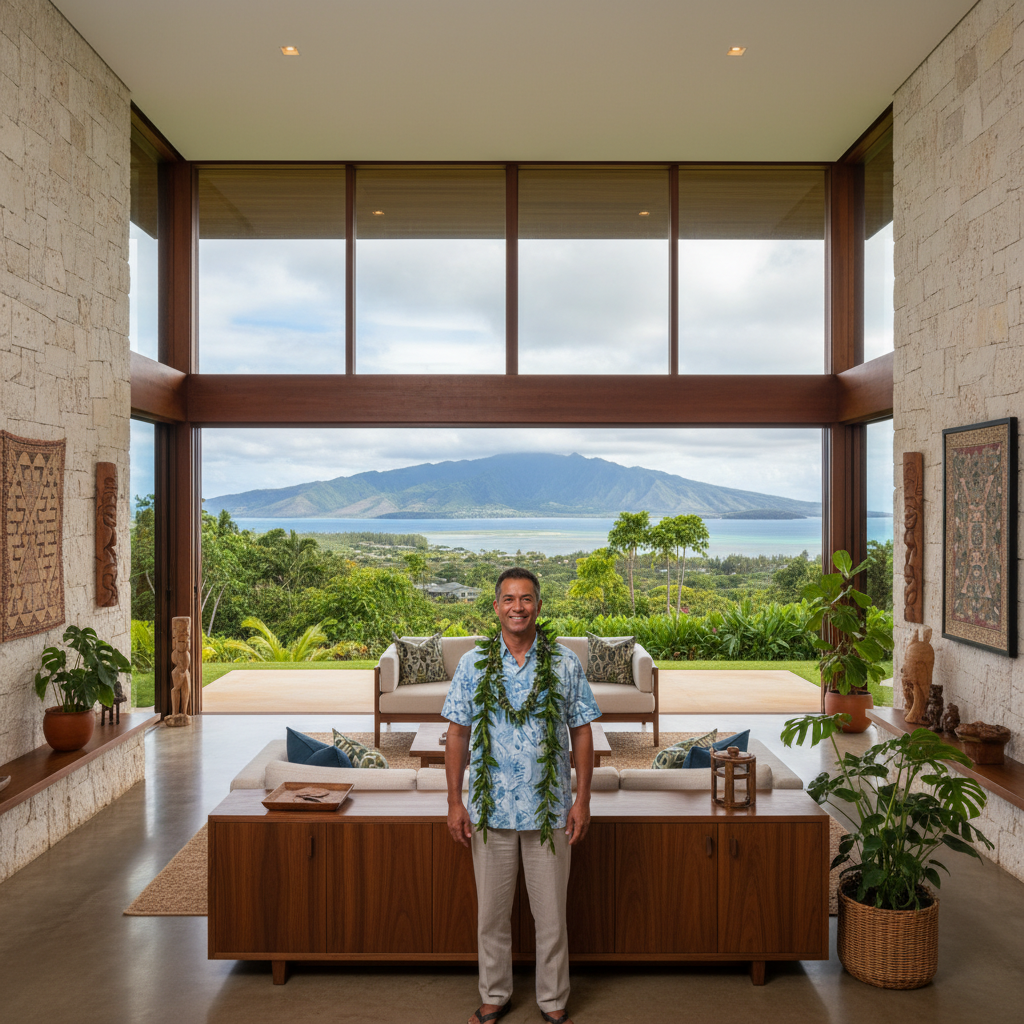
\n\nBuilding in Kaneohe is unlike anywhere else on O’ahu, and a successful project hinges on respecting its unique environment. A house designed for Ewa Beach or Kapolei would fail quickly here without significant modifications. As a local home builder in Kaneohe, we engineer every project to handle the specific challenges of the Windward side.\n\n
Climate and Environmental Factors
\n\nThe dominant force in Kaneohe is water. The constant rain, high humidity, and salt-laden air from the bay create a highly corrosive environment that relentlessly attacks building materials.\n
- \n
- Rain and Drainage: We design for water management from the ground up. This means using robust foundation waterproofing, installing French drains, and carefully grading the site to direct water away from the home. For hillsides, this often involves engineered retaining walls with integrated drainage systems to relieve hydrostatic pressure.
- Salt-Air Corrosion: Even miles from the bay, the wind carries a fine salt mist. This will destroy standard galvanized metal fasteners, fixtures, and window frames in a few years. We specify 316-grade stainless steel for all exterior fasteners and hardware. We also recommend aluminum or fiberglass window frames over vinyl, and high-performance paint coatings for any metal elements, like railings or structural steel.
- Humidity and Mold: Proper ventilation is non-negotiable. We design for good cross-breezes and often recommend whole-house dehumidifier systems integrated with the AC. Material choices are also key: mold-resistant drywall, fiber cement siding instead of wood, and avoiding materials that trap moisture are all part of our standard practice.
\n
\n
\n
\n\n
Material Selection for Longevity
\n\nYour choice of materials will determine your home’s long-term maintenance costs. Here are our top recommendations for a Kaneohe build:\n
- \n
- Roofing: A standing-seam metal roof with a Kynar finish is the gold standard. It offers a 40-50 year lifespan, reflects solar heat, and stands up to both heavy rain and high winds.
- Siding: Fiber cement siding (like James Hardie) is an excellent choice. It’s impervious to termites, won’t rot or swell with moisture, and holds paint exceptionally well. For a more traditional look, properly treated wood siding can work, but it requires a diligent maintenance schedule.
- Windows and Doors: We recommend high-quality fiberglass or aluminum-clad wood windows with impact-rated glass. These resist warping, hold up to salt air, and meet hurricane code requirements.
- Decking: Tropical hardwoods like Ipe or Cumaru are fantastic for their natural resistance to rot and insects. Composite decking is another great, low-maintenance option. Avoid standard pressure-treated pine, as it just doesn’t last in our climate.
\n
\n
\n
\n
\n\n
Local Regulations and Codes
\n\nBeyond the standard building code, we have to pay close attention to Hawaii-specific regulations:\n
- \n
- Hurricane Code: Ever since Hurricane Iniki in 1992, Hawaii has had stringent building codes for high-wind areas. This dictates the use of hurricane straps to tie the roof structure to the walls and the walls to the foundation, as well as requirements for impact-rated windows and doors.
- Bill 7 and ADUs: While primarily focused on Accessory Dwelling Units (ADUs), recent changes in Honolulu zoning laws can affect lot coverage and setback requirements for new builds. We stay current on these evolving regulations to ensure your design is compliant.
- Termite Protection: Ground-termite protection is mandatory. This involves treating the soil before the foundation is poured and using termite-resistant materials like treated lumber (Borate or Hi-Bor) for the framing, especially the sill plates in contact with the foundation.
\n
\n
\n
\n\nBuilding a home that will not just survive but thrive in Kaneohe means integrating these considerations into the design from day one. It costs a little more upfront to use the right materials, but it saves a fortune in repairs and maintenance down the line.\n\n
How to Choose the Right Custom Home Builder Contractor in Kaneohe
\n\nChoosing your builder is the single most important decision you’ll make in the entire process. A great contractor can make a complex project feel manageable, while the wrong one can turn your dream into a disaster. Here in Hawaii, a contractor’s local reputation and specific experience are paramount. Here’s our insider’s guide to vetting and selecting the right partner for your Kaneohe custom home.\n\n1. Verify Their License and Insurance.\nThis is non-negotiable. Any legitimate contractor in Hawaii must have a valid license. You can and should verify any contractor’s license status on the Hawaii Department of Commerce and Consumer Affairs (DCCA) Professional & Vocational Licensing (PVL) website[2]. Our license, for example, is Warrior Construction, BC-34373. A valid license means they have met the state’s requirements for experience, passed exams, and are legally able to perform the work. Also, ask for proof of general liability insurance and workers’ compensation insurance. Without these, you, the homeowner, could be liable for any accidents on your property.\n\n2. Demand Kaneohe-Specific Experience.\nDon’t just ask if they’ve built custom homes. Ask if they’ve built custom homes *in Kaneohe*. A contractor based in Kapolei might do great work, but they may not have firsthand experience dealing with the daily rains, the unique soil conditions, or the specific challenges of hillside construction on the Windward side. Ask for a portfolio of projects specifically in Kaneohe, Kailua, or similar Windward locations. Better yet, ask for addresses of homes they’ve built so you can do a drive-by and see how their work is holding up after a few years in the elements.\n\n3. Talk to Their Past Clients.\nA good builder will be happy to provide you with a list of recent references. Don’t just ask one or two. Ask for at least three clients whose projects were similar in scope and budget to yours, and who completed their builds in the last couple of years.\nWhen you call them, ask pointed questions:\n
- \n
- How was the communication throughout the project?
- How did the builder handle unexpected problems or changes?
- Was the project completed on budget? If not, why? Were the overages due to homeowner changes or contractor issues?
- How was the quality of the final product and the follow-up service after move-in?
- Would you hire them again?
\n
\n
\n
\n
\n
\nThe answers to these questions will tell you more than any glossy brochure.\n\n4. Understand Their Process and Communication Style.\nYou will be in a close relationship with your builder for two to three years. You need to be sure your communication styles align. Do they use project management software? How often will you have site meetings? Who is your primary point of contact? At Warrior Construction, we assign a dedicated project manager to each build, and our clients have access to a portal with daily logs, progress photos, and financial tracking. This level of transparency is what you should expect from any top-tier luxury home builder in Kaneohe.\n\n5. Review Their Bid in Detail.\nNever choose a builder based on price alone. A suspiciously low bid is a massive red flag. It often means they’ve missed something in the scope of work, are using substandard materials, or plan to make up the difference with expensive change orders later. A professional bid will be detailed and transparent, breaking down costs by category. Compare the bids you receive line-by-line. If one is significantly different, ask them to explain why. A trustworthy contractor will be able to justify their numbers and explain their value.\n\n
Real Kaneohe Custom Home Builder Project Example
\n\nTo make all this information concrete, let’s walk through a recent, typical new home construction in Kaneohe that our team completed. This provides a real-world look at the process, the numbers, and the challenges involved.\n\nThe Client & The Vision: A family of four living in a townhouse in town wanted to build their forever home. They purchased a 12,000 sq. ft. lot on a sloped hillside in the Castle Hills neighborhood with beautiful views of the Ko’olau mountains. Their vision was a modern, 3,200 sq. ft. single-story home with a large covered lanai, an open-concept living area, and materials that would be durable and low-maintenance.\n\nPre-Construction & Design (14 months):\nWe were brought on board during the architect selection process. This early collaboration was key. The initial designs were beautiful but featured a complex roofline and a cantilevered deck that were pushing the budget. Working with the architect and engineer, we suggested value-engineering options, like simplifying the roof structure and using a more conventional deck foundation, which saved nearly $150,000 without sacrificing the home’s core aesthetic. The challenging slope required a detailed geotechnical report, which revealed expansive clay soil. This meant we had to engineer a post-and-pier foundation instead of a simple slab-on-grade, a crucial decision made during design, not as a surprise during excavation.\n\nPermitting (11 months):\nThe plans, including the specialized foundation and a large retaining wall, were submitted to the DPP. The process took nearly a year, with two rounds of comments from the structural and grading review departments. Our dedicated permit runner and project manager worked closely with the City reviewers and our engineering team to provide clarifications and revised details promptly, which kept the project from stalling completely.\n\nConstruction (18 months):\n
- \n
- Site Work & Foundation (3 months): This was the most challenging phase. We had to cut into the hillside, export over 100 truckloads of soil, and build a 12-foot-high, engineered CMU retaining wall. The constant Kaneohe rain meant we had to be meticulous with our erosion control and site drainage plan.
- Framing & Dry-In (5 months): The structure was framed with termite-treated lumber. We used a standing-seam metal roof and installed the windows and ZIP System sheathing quickly to get the house “dried in” and protected from the elements.
- Interior & Finishes (8 months): Once the interior was protected, work could proceed regardless of the weather. This phase included plumbing, electrical, insulation, drywall, flooring, custom cabinetry, and painting. We specified high-end but durable finishes, like quartz countertops, porcelain tile, and marine-grade stainless steel hardware throughout.
- Exterior & Landscaping (2 months): The home was finished with fiber cement siding, an Ipe wood deck for the lanai, and a native-focused landscaping plan designed to minimize erosion.
\n
\n
\n
\n
\n\nThe Final Numbers:\n
- \n
- Soft Costs (Design, Engineering, Permits): $310,000
- Hard Costs (Construction): $1,690,000
- Total Project Cost: $2,000,000
- Cost per Square Foot: $625/sqft
- Total Project Duration: 43 months (from first architect meeting to move-in)
\n
\n
\n
\n
\n
\nThis project is a perfect example of how a collaborative team, realistic expectations, and a deep understanding of Kaneohe’s specific building challenges lead to a successful outcome and a beautiful home built to last generations.\n\n
What this means for Hawaii homeowners
\nBuilding a custom home in Kaneohe is a complex but achievable dream. The key is to go into the process with your eyes wide open, armed with local knowledge and a realistic understanding of the costs and timelines involved. For anyone considering this journey in 2026, the stakes are high, and preparation is everything.\n\nYour success will not be determined by a lucky break at the permit office or a surprise drop in material costs. It will be determined by the quality of your planning and the expertise of the team you assemble. The most critical takeaway is that you cannot simply import a mainland building mindset or budget and expect it to work here. The unique pressures of our island supply chain, our specific climate challenges on the Windward side, and our demanding regulatory environment require a tailored approach.\n\nHere are your immediate, actionable steps:\n\n
- \n
- Budget Realistically: Start with a baseline assumption of at least $525 per square foot for the total project cost. For higher-end finishes or a challenging lot, that number can easily climb to $700-$900 per square foot. Having this number in mind from day one prevents painful redesigns and disappointment later.
- Plan for the Long Haul: Accept that a 2.5 to 3.5-year timeline is normal. The 12-18 months of design and permitting are not a delay; they are an essential part of the process. Use this time wisely to make thoughtful decisions and finalize every detail before construction begins.
- Prioritize Durability Over Trends: When selecting materials, think in terms of decades, not years. Investing in 316-grade stainless steel, a high-quality metal roof, and robust waterproofing isn’t a luxury; it’s a necessity to protect your investment from Kaneohe’s rain and salt air.
- Hire Your Builder Early: Bring a qualified, Kaneohe-experienced general contractor onto your team during the design phase. Their input on constructibility and budgeting can save you tens of thousands of dollars and months of time. This is the single best way to de-risk your project.
\n
\n
\n
\n
\n\nUltimately, building a home here is about creating a sanctuary that works in harmony with our beautiful but powerful environment. Making the right choices upfront ensures you’ll be enjoying that sanctuary for years to come, instead of constantly battling the elements.\n\n
Frequently Asked Questions About Custom Home Builder in Kaneohe
\n
Is it cheaper to buy an existing home or build a new one in Kaneohe in 2026?
\n
In most cases, buying an existing home is initially cheaper than building a custom one from the ground up. However, the true cost difference narrows when you factor in the potential need for extensive renovations on an older home to meet modern hurricane codes, update corroded plumbing and electrical, and address potential termite damage. A new build gives you exactly what you want, built to the latest codes with all new materials, which means significantly lower maintenance costs for the first 10-15 years. It’s a trade-off between a lower upfront cost versus a higher-quality, fully customized home built for longevity.
\n
\n
What is the biggest unexpected cost when building a custom home in Kaneohe?
\n
The most common and significant unexpected cost is related to site work, especially on hillside lots. Issues like unforeseen hard rock during excavation, the need for extensive soil remediation due to poor soil quality, or the requirement for larger-than-anticipated retaining walls can add $50,000 to $200,000+ to a project budget. This is why a thorough geotechnical report during the design phase is absolutely critical to minimize these surprises.
\n
\n
How much should I budget for landscaping in my new home construction project?
\n
Homeowners often underestimate this cost. For a new build in Kaneohe, a good rule of thumb is to budget 5% to 10% of your total construction cost for landscaping. For a $1.5 million build, that’s $75,000 to $150,000. This covers not just plants and sod, but also essential elements like grading, drainage systems, irrigation, hardscaping (walkways and patios), and potentially small retaining walls. Proper landscaping is also your first line of defense against erosion on sloped lots.
\n
\n
What is the difference between a design-build firm and hiring a separate architect and contractor?
\n
With the traditional method, you hire an architect to design the home and then bid the plans out to several contractors. In a design-build model, like the one we offer at Warrior Construction, one company is responsible for both design and construction. The primary advantage is a single point of responsibility, which streamlines communication and can often lead to faster project delivery and better cost control, as the construction team provides input on budget and feasibility throughout the design process.
\n
\n
Can construction continue during Kaneohe’s rainy season?
\n
Yes, but it requires careful planning. We can’t pour a foundation or do major exterior work during a downpour. However, once the home is framed, roofed, and wrapped (a stage called \”dry-in\”), all interior work—electrical, plumbing, drywall, painting, finishes—can proceed uninterrupted by the weather. A good project schedule from an experienced local builder will account for potential rain delays during the initial phases of construction.
\n
\n
Do I really need hurricane straps and impact windows for my Kaneohe home?
\n
Absolutely, yes. It’s not just a good idea; it’s required by the Honolulu building code. Since Hurricane Iniki, Hawaii has adopted stringent standards for wind-resistant construction. Hurricane straps create a continuous load path from the roof to the foundation, preventing the roof from lifting off in high winds. Impact-rated windows and doors are designed to resist breaking from flying debris, which is a major cause of home pressurization and failure during a hurricane. These are critical safety features for any new home construction in Kaneohe.
\n
\n
How does the permitting process in Honolulu compare to other cities?
\n
The Honolulu DPP permitting process is known for being one of the most rigorous and lengthy in the nation. As of 2026, timelines for new single-family homes are routinely 6 to 12 months, and sometimes longer for complex projects. This is significantly longer than many mainland jurisdictions. Success requires submitting a meticulously detailed and complete plan set and having a team that can respond to reviewer comments quickly and efficiently.
\n
\n
\n\n
Ready to Build Your Custom Home in Kaneohe?
\n\nBuilding a custom home on O’ahu is a journey, and having the right guide makes all the difference. Our team at Warrior Construction combines decades of on-the-ground experience with a commitment to transparent communication and quality craftsmanship. We understand the unique demands of building on the Windward side and have the expertise to navigate your project from a simple idea to a stunning reality.\n\nIf you’re ready to discuss your vision, we invite you to learn more about our process. Explore our custom home building services and see how our dedicated approach can bring your Kaneohe dream home to life.\n\n
References
\n