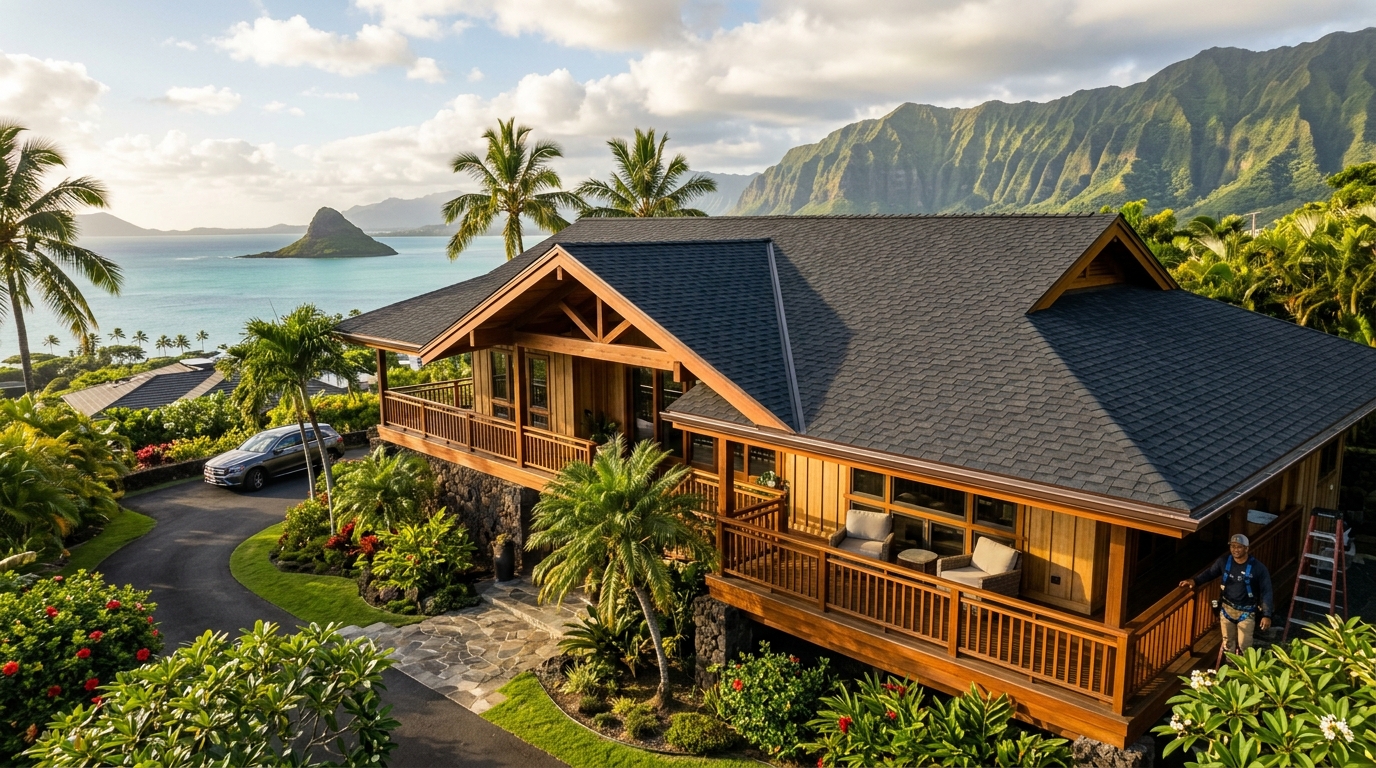
“
When you’re looking for a roofing contractor in Kaneohe, you’re not just buying shingles; you’re investing in protection against some of the most unique and demanding weather in the country. Here in 2026, the cost for a professional roof replacement in Kaneohe for a typical 2,000-square-foot home runs between $28,000 for architectural shingles and upwards of $50,000 for a standing seam metal system. The process, from signing a contract to final inspection, typically takes 10 to 14 weeks, with the majority of that time spent navigating the Honolulu DPP permitting process. This isn’t just about keeping the rain out. It’s about fighting constant humidity, salt-air corrosion from Kaneohe Bay, and winds that funnel down from the Koʻolau mountains. A cheap job done by the wrong crew will fail here, guaranteed. It will leak, rust, and could be a major liability in a hurricane.
\n\n
At Warrior Construction, we’ve spent over two decades putting roofs over families’ heads on the Windward side. We’ve seen it all, from poorly installed flashing around vents causing ceiling damage in Ahuimanu to entire roofs needing replacement after only 10 years because a mainland-style contractor used the wrong fasteners that rusted straight through. The truth is, roofing in Kaneohe is a specialized skill. The money-saving tactics aren’t about cutting corners, but about making smart, long-term decisions that prevent costly failures down the line. We’re going to walk you through the real costs, the timelines you can actually expect in 2026, the critical permit process, and the specific material choices that stand up to our beautiful but brutal climate. This is the insider knowledge you need to choose the right team and protect your home for decades to come.
\n\n
Why Kaneohe Homeowners Trust Warrior Construction for Roofing
\n\n
Choosing a roofing contractor isn’t like picking a painter. The stakes are incredibly high. A leak doesn’t just stain a ceiling; it can lead to mold, structural rot, and catastrophic failure during a storm. For years, homeowners across the Windward side, from Kāneʻohe to Kailua, have trusted our team at Warrior Construction (License BC-34373) because we’re not just builders; we’re O’ahu residents who understand this environment firsthand. We build every roof as if it were for our own family, knowing it has to withstand years of sun, driving rain, and the ever-present salt spray.
\n\n
Our experience is rooted in solving problems specific to this area. For example, on a recent project in the Haiku Village neighborhood, we were called in to inspect a 7-year-old roof that was already showing significant signs of failure. The previous contractor, a crew without deep local experience, had used standard electro-galvanized nails. In a dry climate like Arizona, those might last 20 years. Here in Kaneohe, the constant moisture and salt air had corroded them completely. Rust streaks were running down the fascia, and dozens of shingles were lifting because the fasteners had lost their holding power. It was a classic case of a small detail leading to a major problem. We had to perform a full roof replacement, this time using stainless steel fasteners and installing a high-temperature ice-and-water shield in all the valleys—the right way to do a tropical roofing project in Kaneohe.
\n\n
This commitment to detail is what sets us apart. We understand that:
\n
- \n
- Material selection is paramount. We guide you to the best options for your specific location. A home right on the water has different needs than one tucked further back in a valley. We know which metal coatings (like Kynar 500) hold up to UV and salt, and which underlayments prevent moisture intrusion from wind-driven rain.
- Code compliance is the bare minimum. The Honolulu building code, especially after the updates from Bill 7, sets a high bar for hurricane-readiness. We don’t just meet that bar; we exceed it. Our team ensures every hurricane strap is properly engaged, every fastener is placed correctly, and every piece of flashing is custom-fabricated for a perfect seal.
- Communication is key. A roof replacement is a major undertaking. Our project managers provide clear, consistent updates. You’ll know when materials are arriving, when the crew will be on-site, and when inspections are scheduled. We handle the entire permitting process with the DPP, so you don’t have to deal with the paperwork and long waits.
\n
\n
\n
\n\n
As a licensed general contractor (BC-34373), our reputation is built on long-term performance, not quick fixes. We’re not the cheapest bid you’ll find, because we refuse to use subpar materials or cut corners on installation. The trust we’ve earned comes from homeowners knowing that a Warrior Construction roof is a 30- to 50-year investment in safety, security, and peace of mind.
\n\n
What Does a Roofing Contractor Cost in Kaneohe?
\n\n
Let’s get straight to the numbers. In 2026, a full roof replacement in Kaneohe is a significant investment, and anyone giving you a price without a thorough inspection is just guessing. However, based on our recent projects, we can provide a solid baseline for budgeting. For a standard 2,000-square-foot, single-story home with a moderate pitch, you can expect costs to fall in these ranges:
\n
- \n
- Architectural Asphalt Shingles: $28,000 – $35,000. This is the most common choice and offers a great blend of performance and value. This price includes full tear-off of the old roof, new synthetic underlayment, all new flashing, and proper ridge ventilation.
- Standing Seam Metal Roofing: $45,000 – $60,000+. This is the premium choice for longevity and durability in Hawaii. The price reflects the higher material cost of 24-gauge steel or aluminum, specialized installation techniques, and a significantly longer lifespan (50+ years).
- Concrete or Clay Tile: $60,000 – $85,000+. While beautiful, tile roofs are heavy and often require structural engineering and reinforcement, adding to the overall project cost. They are less common on typical Kaneohe homes but offer excellent durability.
\n
\n
\n
\n\n
It’s critical to understand what drives these costs. It’s not just the square footage. The final price for your roof replacement in Kaneohe will depend on several factors:
\n\n
- \n
- Roof Complexity and Pitch: A simple gable roof is far less expensive to work on than a roof with multiple valleys, dormers, and steep pitches. More angles mean more custom cutting, more flashing, and more labor hours.
- Underlying Deck Condition: When we tear off your old roof, we inspect the plywood or plank decking underneath. If we find soft spots, termite damage, or rot from old leaks, that decking must be replaced at an additional cost, typically around $150 – $250 per sheet of plywood installed.
- Material Choice: The jump from shingles to metal is the biggest price variable. Within metal, an unpainted Galvalume finish is less expensive than a multi-layer Kynar 500 painted finish designed to resist fading and chalking in our intense sun.
- Hurricane Code Upgrades: Current building codes require robust connections from the roof all the way down to the foundation. This can involve retrofitting hurricane clips or straps, which adds labor and material costs but is non-negotiable for safety and permit approval.
- Site Accessibility: A home in a tight spot in Kaneohe town where we can’t get a dumpster close to the house requires more labor to carry debris, which can slightly increase the cost compared to a home with wide-open access.
\n
\n
\n
\n
\n
\n\n
A word of caution on low bids: if a quote seems too good to be true, it is. It likely means the contractor is using inferior materials (like cheaper underlayment that will break down in the heat), uninsured labor, or isn’t pulling the required permits. A cheap roof will cost you far more in the long run through repairs and premature replacement. Our estimates are comprehensive, detailing every line item so you know exactly what you’re paying for: quality materials, skilled labor, full insurance coverage, and a roof built to last on the Windward side.
\n\n
How Long Does a Roofing Contractor Take in Kaneohe?
\n\n
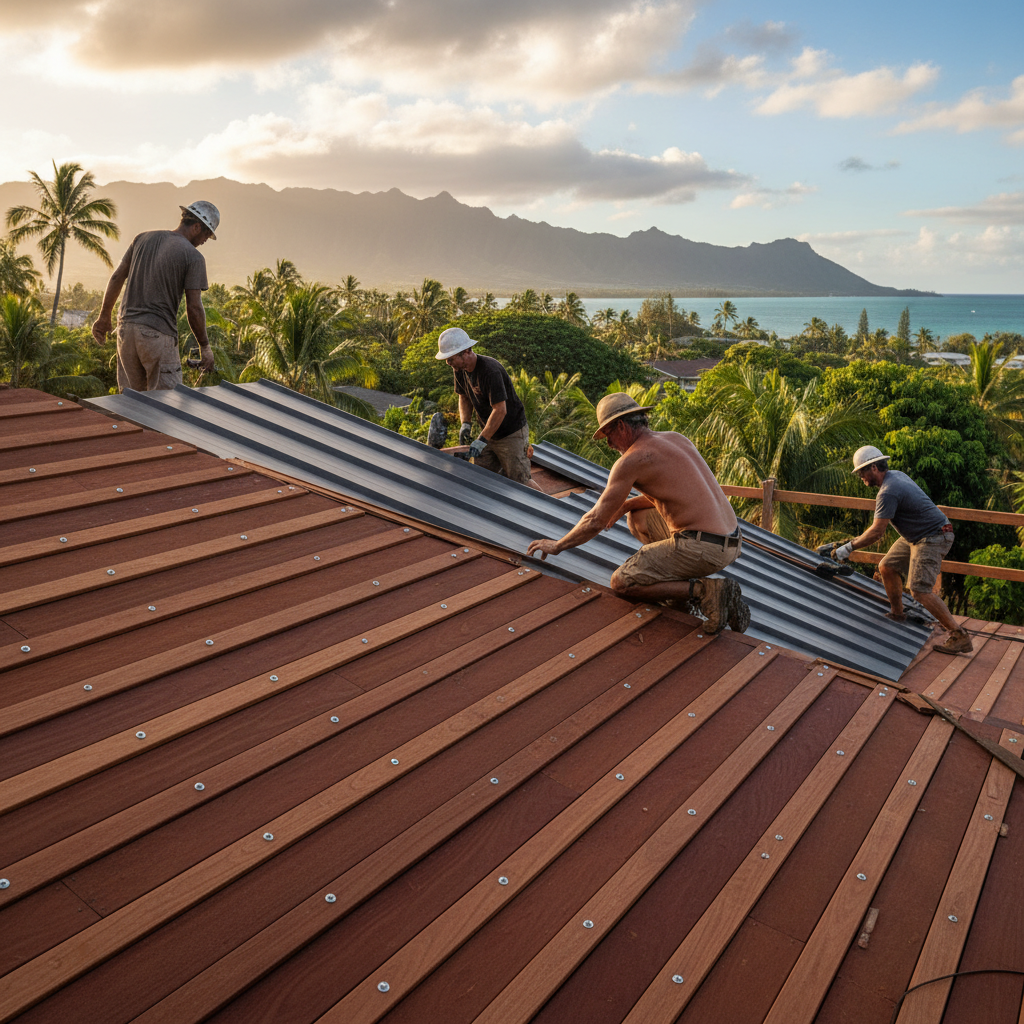
This is one of the most common questions we get, and the answer often surprises homeowners. While the actual on-site work of tearing off an old roof and installing a new one might only take 5-10 days, the total project timeline from contract signing to final inspection is much longer in 2026. A realistic timeframe for a full roof replacement in Kaneohe is **10 to 14 weeks**.
\n
The biggest factor is not labor or weather; it’s the administrative process, specifically permitting with the Honolulu Department of Planning and Permitting (DPP). Here’s a typical project timeline breakdown:
\n\n
- \n
- Week 1: Contract, Planning & Material Ordering. Once you sign the contract, we get to work immediately. We conduct a final detailed measurement of your roof, order all the necessary materials (shingles, metal panels, underlayment, fasteners), and prepare the architectural drawings and permit application package. Ordering materials is a critical first step due to island logistics; some specialty items or colors can take several weeks to arrive from the mainland.
- Weeks 2-10: DPP Permit Review. This is the longest and most unpredictable phase. We submit your permit application to the DPP[1], and it enters their queue for review. In 2026, the average wait time for a residential roofing permit review is 6 to 10 weeks. Our team’s familiarity with the DPP’s requirements helps streamline this, as we ensure the application is complete and accurate from the start to avoid delays from corrections. However, we are ultimately subject to the city’s workload and timeline.
- Week 11: On-Site Work Begins. Once the permit is issued, we schedule your project. This is the part you’ll see. A typical on-site phase looks like this:\n
- \n
- Day 1: Material delivery and site preparation. We protect your landscaping, siding, and windows.
- Days 2-3: Tear-off of the old roofing material and inspection of the underlying wood decking. Any necessary repairs to the decking are made at this time.
- Days 4-7: Installation of the new roof system. This includes the underlayment, flashing, vents, and the primary roofing material (shingles or metal).
- Day 8: Final detailing, cleanup, and our internal quality control inspection.
\n
\n
\n
\n
\n
- Week 12-14: Inspections and Project Closeout. After our work is complete, we schedule the required city inspections. A DPP inspector will visit the site to ensure the work was done to code. Once the inspection passes, we can officially close the permit and provide you with all your warranty documentation.
\n
\n
\n
\n
\n\n
It’s important to set realistic expectations. While we work as efficiently as possible on-site, the permitting bottleneck is a reality of construction in Honolulu. A contractor who promises to start next week without a permit is breaking the law and putting you, the homeowner, at significant risk. We manage the entire process transparently, providing you with updates as we clear each milestone, so you’re never left wondering about the status of your project.
\n\n
What Permits Do You Need for Roofing in Kaneohe?
\n\n
Navigating the permitting process is one of the most critical services a professional roofing contractor provides. In Kaneohe, as in all of Oahu, you absolutely need a building permit from the Honolulu Department of Planning and Permitting (DPP) for a complete roof replacement. Simply covering over old shingles (a practice we strongly advise against) or performing a small roof repair on less than one square (100 square feet) of roofing might not require a permit, but any project involving the tear-off and replacement of the roofing system requires a full permit.
\n\n
Attempting to do this work without a permit is a serious mistake. If the city discovers unpermitted work, they can issue a stop-work order, levy significant fines, and may even require you to tear off the new roof. Furthermore, when you go to sell your home, the lack of a closed permit for a major improvement like a new roof can derail the entire transaction. It also gives your insurance company a reason to deny a claim if the unpermitted work fails during a storm.
\n\n
As your general contractor, our team at Warrior Construction handles the entire permitting process from start to finish. Here’s what it involves:
\n
- \n
- Application Preparation: We complete and submit the full building permit application package to the DPP. This includes architectural drawings showing the roof plan, cross-sections, and critical details like flashing and fastener patterns.
- Code Compliance Review: The plans must demonstrate compliance with the 2018 International Building Code, as amended by the County of Honolulu. This includes specific requirements for our High-Velocity Hurricane Zone (HVHZ) designation. For roofing, this governs everything from the type and spacing of nails to the wind-uplift rating of the chosen materials.
- Plan Review Process: A DPP plan reviewer examines our submission. This is the phase that typically takes 6-10 weeks. If they have questions or require clarifications, they issue comments, which our team addresses promptly to keep the process moving.
- Permit Issuance: Once the plans are approved, the permit is issued, and only then can we begin on-site work. The permit must be clearly posted at the job site for the duration of the project.
- Required Inspections: The DPP requires at least one, and sometimes multiple, inspections during the project. A city inspector will visit the site to verify that the work is being done according to the approved plans and meets all code requirements. They’ll check things like the nailing pattern and the installation of hurricane straps.
- Finalization: After the work is complete and passes the final inspection, the permit is officially closed out. This creates a permanent record with the city that the work was done legally and to code, protecting your investment and your property’s value.
\n
\n
\n
\n
\n
\n
\n\n
Working with an experienced, licensed contractor (our license is BC-34373, which you can verify anytime[2]) ensures this entire process is handled correctly. We know the codes, we know the people at the DPP, and we know how to prepare a package that gets approved with minimal delays.
\n\n
Kaneohe-Specific Considerations: Climate, Materials, and Regulations
\n\n
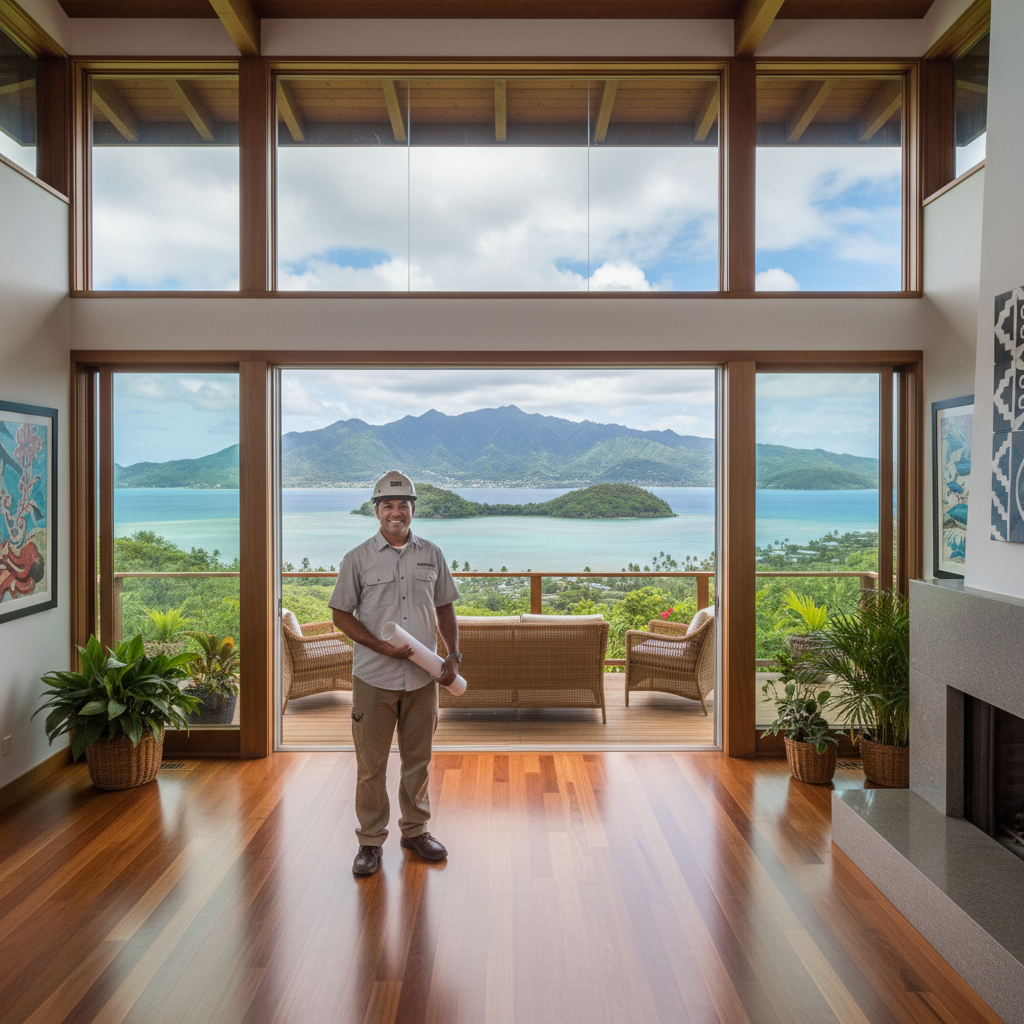
Roofing on the Windward side is a different ballgame than roofing in Kapolei or Ewa Beach. The unique microclimate of Kaneohe, nestled between the Koʻolau Range and the Pacific, presents a specific set of challenges that your roofing system must be designed to handle. A mainland approach will not work here. After decades of working in this area, our team has identified several critical factors every Kaneohe homeowner must consider.
\n\n
The Constant Moisture Challenge
\n
Kaneohe is green for a reason: it rains. A lot. This isn’t just about heavy downpours; it’s the constant light drizzle, the misty mornings, and the high humidity. This persistent moisture is incredibly aggressive at finding any weakness in a roof. This is why we insist on a “belt and suspenders” approach to waterproofing.
\n
- \n
- Premium Underlayment: Standard roofing felt isn’t enough. We use a high-quality synthetic underlayment across the entire roof deck. More importantly, in all valleys, around all penetrations (vents, pipes), and along the eaves, we install a self-adhering ice-and-water shield. This membrane seals around the shanks of roofing nails, providing a secondary waterproof barrier that is absolutely essential.
- Expert Flashing: Leaks almost never happen in the middle of a roof field. They happen where the roof meets a wall, a chimney, or a vent. Our flashing is custom-bent on-site from heavy-gauge metal to ensure a perfect, watertight fit. We don’t rely on caulk, which will break down under our UV exposure; we rely on properly overlapped, mechanically fastened metal.
\n
\n
\n\n
The Battle Against Salt-Air Corrosion
\n
The gentle breezes coming off Kaneohe Bay carry a fine mist of salt. Over time, this salt is incredibly corrosive to metal. On a recent inspection near the Kaneohe Yacht Club, we saw a metal roof that was only 12 years old but had fasteners that were completely rusted through. The panels were still good, but the fasteners had failed, creating hundreds of potential leak points. This is a costly and entirely preventable mistake.
\n
- \n
- Fastener Choice is Non-Negotiable: We use stainless steel or ceramic-coated fasteners exclusively on all our Windward projects. They cost more upfront, but they will last as long as the roof itself. Using cheaper electro-galvanized or even hot-dip galvanized fasteners is asking for trouble within a decade.
- Material Finishes: For metal roofs, the finish is the first line of defense. We recommend panels with a Kynar 500 (PVDF) paint finish. This is a high-performance coating that offers superior resistance to fading, chalking, and corrosion from salt spray compared to cheaper silicone-modified polyester (SMP) finishes.
\n
\n
\n\n
High Winds and Hurricane Code
\n
The Koʻolau mountains can create powerful, gusting winds that put immense stress on a roof. The edges, eaves, and ridge are particularly vulnerable to uplift forces. Since Hurricane Iniki, Hawaii’s building codes have become some of the strictest in the nation, and for good reason.
\n
- \n
- Enhanced Fastening Patterns: We don’t just use the standard 4 nails per shingle. In high-wind zones like Kaneohe, the code requires 6 nails per shingle, placed in a specific pattern. For metal roofs, we ensure the clip spacing and fastener type meet or exceed the engineering specifications for our wind speeds.
- Roof-to-Wall Connection: A roof is only as strong as its connection to the house. We inspect and, if necessary, upgrade the hurricane straps that tie your roof trusses to the wall framing. This is a critical component of the home’s structural integrity during a major storm event.
\n
\n
\n\n
How to Choose the Right Roofing Contractor in Kaneohe
\n\n
Choosing your contractor is the single most important decision you’ll make for your roofing project. The best materials in the world will fail if installed improperly. In Hawaii’s construction market, it pays to do your homework. Here is a straightforward checklist our team at Warrior Construction recommends you use when vetting any potential roofing contractor.
\n\n
- \n
- Verify Their License and Specialization.\n
This is the first and most crucial step. Any contractor performing work over $1,000 in Hawaii must be licensed. For roofing, you want to see a C-42 Roofing specialty license or a BC General Contractor license. You can and should verify any contractor’s license status on the Hawaii Department of Commerce and Consumer Affairs (DCCA) Professional & Vocational Licensing (PVL) website[2]. Our license, Warrior Construction, is BC-34373. An unlicensed contractor has no accountability and likely no insurance, putting all the risk on you.
\n
- Confirm They Carry Proper Hawaii Insurance.\n
A license is not enough. The contractor must have two key insurance policies: General Liability and Worker’s Compensation. Ask for a Certificate of Insurance (COI) and make sure it’s current. General Liability protects your property from damage, and Worker’s Comp protects you from being sued if one of their employees gets injured on your property. If they can’t produce a valid COI, walk away immediately.
\n
- Ask for Local, Windward-Side References.\n
A mainland company with a new satellite office in Honolulu won’t have the same depth of experience as a team that has been working in Kaneohe for years. Ask for names and addresses of recent projects completed in Kaneohe, Kailua, or Waimanalo. A reputable contractor will be proud to share their work. Take a drive by and see the quality of their craftsmanship for yourself.
\n
- Insist on a Detailed, Itemized Proposal.\n
Never accept a one-page quote with a single bottom-line number. A professional proposal should be several pages long and break down the entire project. It should specify:\n
- \n
- The exact type and brand of material being used (e.g., \”CertainTeed Landmark Pro Architectural Shingles in Moire Black\”).
- The type of underlayment and any ice-and-water shield products.
- The scope of work, including full tear-off and disposal of old material.
- Details on flashing, ventilation, and fasteners.
- The cost for replacing any damaged roof decking (e.g., per-sheet price).
- Clear terms for payment schedule, warranty information (both material and workmanship), and the estimated start and completion dates.
\n
\n
\n
\n
\n
\n
\n
\n
- Evaluate Their Communication and Professionalism.\n
From the very first phone call, gauge how they operate. Do they answer your questions clearly? Do they return calls and emails promptly? Do they take the time to explain your options without high-pressure sales tactics? The way a company communicates during the sales process is a strong indicator of how they will communicate once they have your deposit and are working on your home. A roofing project requires a strong partnership, and you need to feel confident in the team you choose.
\n
\n
\n
\n
\n
\n
\n\n
By following this checklist, you can significantly reduce your risk and ensure you hire a true professional who will deliver a high-quality roof that protects your Kaneohe home for years to come.
\n\n
Real Kaneohe Roofing Project Example
\n\n
To make this tangible, let’s walk through a typical project our team recently completed in the Puohala Village area of Kaneohe. This provides a real-world look at the process, costs, and results of a professional roof replacement.
\n\n
The Property: A 2,200-square-foot, single-story home built in 1988. The original asphalt shingle roof was well past its lifespan. The granules were gone, the shingles were brittle, and the homeowners had been dealing with several small but persistent leaks during the winter rains.
\n\n
The Problem: During our initial inspection, we identified not only the failing shingles but also several code and durability issues. The existing ventilation was inadequate, leading to heat buildup in the attic. The flashing around the chimney was heavily corroded, and much of the plywood decking near the eaves felt soft and spongy due to long-term moisture exposure.
\n\n
Our Solution & Proposal: We proposed a complete roof replacement designed for long-term Windward Oahu performance. The key components were:
\n
- \n
- Full tear-off of the two existing layers of old shingles.
- Replacement of approximately 12 sheets of rotted plywood decking, primarily along the lower roof edges.
- Installation of a high-temperature, self-adhering ice-and-water shield on the first three feet of all eaves and in all roof valleys.
- Installation of a premium synthetic underlayment across the entire remaining roof deck.
- A new 24-gauge standing seam metal roof system with a Kynar 500 paint finish in a light gray color to improve reflectivity. This material choice offers a 50+ year lifespan and superior resistance to wind and corrosion.
- Upgraded ventilation with a new continuous ridge vent and properly sized soffit vents to create a balanced attic airflow system.
- All new, custom-fabricated Z-alloy flashing around the chimney and all roof penetrations.
- Stainless steel, color-matched fasteners for all panels and trim to prevent future corrosion.
\n
\n
\n
\n
\n
\n
\n
\n
\n\n
The Numbers:
\n
- \n
- Total Project Cost: $54,500
- Project Timeline: 13 weeks from contract signing to final inspection. This included 9 weeks for the DPP permit to be approved and 8 working days of on-site construction.
\n
\n
\n\n
The Outcome: The homeowners now have a secure, watertight, and beautiful roof that is built to last for half a century. The improved ventilation has made their home noticeably cooler, reducing their reliance on air conditioning. Most importantly, their homeowner’s insurance provider gave them a significant discount on their premium due to the new, code-compliant, hurricane-rated metal roof. They have total peace of mind knowing their home is protected, and they won’t have to think about their roof again for decades.
\n\n
What this means for Hawaii homeowners
\n
For a homeowner in Kaneohe, a new roof in 2026 is more than just a home improvement project; it’s a critical investment in your property’s safety, value, and resilience. The key takeaway from all this information isn’t to be intimidated, but to be prepared. Understanding the local realities allows you to make smarter decisions and avoid the costly mistakes we so often see.
\n\n
Here are the actionable steps you should take:
\n
- \n
- Prioritize Long-Term Value Over Upfront Cost. The Kaneohe climate is unforgiving to cheap materials and poor workmanship. Spending 20-30% more on a standing seam metal roof with stainless steel fasteners versus a basic asphalt shingle roof can mean the difference between a 15-year roof and a 50-year roof. The long-term cost of ownership is far lower with quality materials.
- Build the Permit Timeline into Your Plans. Do not expect to have a new roof next month. The 8-10 week (or longer) wait for DPP permit approval is the new normal. If you have a known leak or are planning to sell your home, you need to start the process with a contractor 3-4 months before you need the work done.
- Hire a True Windward Expert. Do not hire a contractor whose primary experience is in the dry, leeward parts of the island. Ask specific questions about their approach to salt spray, wind-driven rain, and high humidity. A contractor who can’t explain why they use stainless steel fasteners over galvanized ones is not the right choice for your Kaneohe home.
- View Your Roof as a System. It’s not just the shingles or metal panels. It’s the decking, the underlayment, the flashing, the ventilation, and the fasteners. All these components must work together. A great contractor will explain how this system functions to protect your home and why each piece is important.
\n
\n
\n
\n
\n\n
Ultimately, a successful roofing project in Kaneohe comes down to hiring a licensed, insured, and experienced local professional who refuses to cut corners. Your home is likely your largest asset, and its primary shield against the elements deserves the highest standard of quality.
\n\n
Frequently Asked Questions About Roofing in Kaneohe
\n
How much does a simple roof repair cost in Kaneohe?
\n
For a small, straightforward roof repair in Kaneohe, such as replacing a few blown-off shingles or sealing a leaking vent flashing, you can expect to pay between $750 and $1,500 in 2026. This cost covers a service call, materials, and a few hours of skilled labor. However, if the repair reveals a larger underlying issue like rotted decking, the cost can increase as it becomes a more involved job.
\n
\n
Can I just put a new roof over my old shingles?
\n
While some building codes technically allow for a second layer of shingles, we at Warrior Construction strongly advise against it in Hawaii. A layover adds significant weight to your roof structure and, more importantly, it prevents a contractor from properly inspecting the wood decking underneath for rot or termite damage. It’s a corner-cutting tactic that almost always leads to major problems later on. A full tear-off is the only professional way to do the job right.
\n
\n
What is the best roofing material for installing solar panels in Hawaii?
\n
Standing seam metal roofing is by far the best choice for homes planning to install photovoltaic (PV) solar panels. The solar panels can be attached to the standing seams using non-penetrating clamps. This means no holes are drilled into your roof, virtually eliminating the risk of leaks. With an asphalt shingle roof, every solar panel mount requires a penetration that must be heavily sealed, creating potential failure points over the life of the system.
\n
\n
Does my homeowner’s insurance cover a roof replacement?
\n
It depends on the cause of the damage. If your roof is damaged in a specific event like a hurricane, a major storm, or a fire, your insurance will likely cover the replacement cost (minus your deductible). However, insurance does not cover roof replacement due to old age, lack of maintenance, or normal wear and tear. That’s why it’s so important to proactively replace your roof when it reaches the end of its intended service life.
\n
\n
What is a ‘cool roof’ and do I need one in Kaneohe?
\n
A ‘cool roof’ is a roof designed to reflect more sunlight and absorb less heat than a standard roof. In Hawaii, this can significantly reduce your home’s cooling costs. Lighter-colored metal roofs with special reflective pigments are excellent cool roofs. While Kaneohe’s frequent cloud cover makes them slightly less critical than in sunny Ewa Beach, they are still a very smart investment for lowering energy bills and improving indoor comfort.
\n
\n
How long does a new metal roof really last in Kaneohe’s salt air?
\n
The lifespan depends entirely on the material and finish. A lower-grade Galvalume metal roof with inferior fasteners might only last 15-20 years before showing significant corrosion. However, a high-quality, 24-gauge steel or aluminum standing seam roof with a Kynar 500 (PVDF) finish and stainless steel fasteners can realistically last 50 years or more, even with the constant salt spray on the Windward side. The initial investment in quality materials pays off immensely over time.
\n
\n
Do I need an engineer for my roofing project?
\n
For a standard re-roofing project where you are replacing like-for-like materials (e.g., shingles with new shingles), an engineer is typically not required. However, if you are making a significant change, such as switching from lightweight asphalt shingles to very heavy concrete tiles, the DPP will require a licensed structural engineer to verify that your existing roof framing can support the additional load. As general contractors, we manage this process if it’s necessary for your project.
\n
\n
\n\n
Your roof is your home’s first and most important line of defense against the elements. On the Windward side, that defense is tested daily. Ensuring it’s built to withstand the unique challenges of our environment is one of the most important investments you can make. A properly installed, high-quality roofing system not only protects your family but also enhances your home’s value and resilience for decades.
\n\n
If you’re considering a roof repair or replacement, our experienced team at Warrior Construction is here to help. We provide detailed, transparent estimates and guide you through every step of the process. We’re proud to build roofs that meet Hawaii’s toughest codes and our own high standards.
\n\n
Ready to ensure your Kaneohe home is protected by a roof built to last? Learn more about our hurricane-resistant construction practices or schedule your free, no-obligation estimate today.
\n\n
References
\n