“
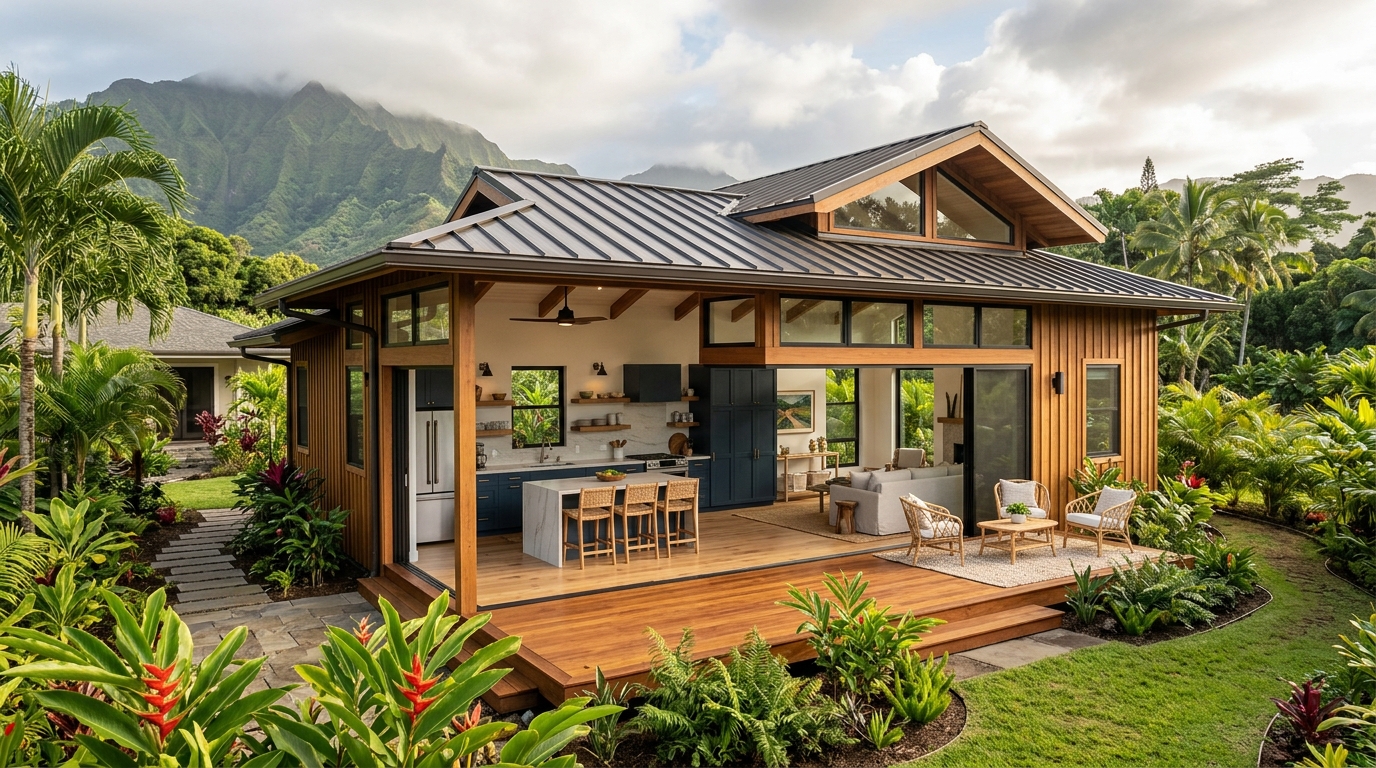
Building an Accessory Dwelling Unit (ADU) in Hanalei is one of the smartest investments a Kaua’i homeowner can make in 2026. A well-built ohana unit can provide steady rental income, house extended family, or serve as a private workspace. But as a seasoned adu builder hanalei residents trust, we know that success hinges on navigating Kaua’i’s unique building environment — from the North Shore’s heavy rainfall to the island’s specific permitting process. The key isn’t just building an ADU; it’s building one smartly to control costs without sacrificing quality or durability against our island elements. Our team at Warrior Construction specializes in just that, leveraging two decades of on-the-ground experience to manage these projects effectively.
\n\n
This guide breaks down the real costs, timelines, and regulations you’ll face. More importantly, we’ll walk through six specific cost-saving solutions that can save you tens of thousands of dollars on your Hanalei ADU project. These aren’t generic tips you can find online; they are hard-won lessons from years of building on Kaua’i’s North Shore. We’ll cover everything from efficient design choices and material selections that stand up to salt air, to navigating the Kaua’i County Planning Department and understanding the local implications of statewide rules like Bill 7. By the end, you’ll have a clear, realistic picture of what it takes to bring your ohana unit from a dream to a reality right here in Hanalei.
\n\n
Why Hanalei Homeowners Trust Warrior Construction for ADU Builder
\n\n
Choosing an ADU builder in a place as unique as Hanalei is about more than just a license and a portfolio. It’s about finding a team that truly understands the North Shore of Kaua’i. We’re not a mainland company with a satellite office; we live here, we build here, and our reputation is on every job site. For over 20 years, Warrior Construction has been that team for homeowners across the islands, and our experience in Hanalei is specific and deep. We’ve dealt with the red volcanic soil, the flash flood advisories, and the logistical challenge of getting high-quality materials barged in and delivered past the Hanalei bridge. This local knowledge is our biggest asset and your greatest advantage.
\n\n
Our approach is built on a design-build philosophy. This means we manage your project from the initial sketch to the final coat of paint, integrating the design and construction phases. For a Hanalei homeowner, this is a massive benefit. It eliminates the common friction between architects and builders, which often leads to delays and budget overruns. For instance, on a recent project near Weke Road, the initial architectural plans didn’t fully account for the area’s high water table. Because our construction team was involved from day one, we identified this early and redesigned the foundation to a raised pier system, saving the client a potential six-figure cost and months of delays. This is the kind of proactive problem-solving that defines our work as an ADU contractor hanalei families rely on.
\n\n
Furthermore, our commitment is to transparency and communication. Every project has its surprises, especially on an island. You need a general contractor who picks up the phone and gives you straight answers. We provide detailed budgets, realistic schedules, and regular updates. Our license, BC-34373, is a mark of our professionalism, but the trust we’ve built in the Hanalei community comes from treating every ADU project—whether it’s a 500-square-foot studio or an 800-square-foot family cottage—with the same level of respect and attention to detail as a multi-million dollar custom home. We understand building an ohana unit is a significant investment, and our goal is to ensure it pays off for your family for generations to come.
\n\n
What Does ADU Builder Cost in Hanalei?
\n\n
Let’s get straight to the point: building an ADU in Hanalei in 2026 is a significant investment, and anyone who tells you otherwise isn’t being realistic about North Shore Kaua’i construction costs. Based on our recent projects, you should budget for a total project cost between $575 and $800 per square foot. For a standard 600-square-foot, 1-bedroom ADU, this translates to a turnkey cost of approximately $345,000 to $480,000. This figure includes both hard costs (labor, materials) and soft costs (design, engineering, permits).
\n\n
Why so high? A few key factors drive costs on Kaua’i’s North Shore:
\n
- \n
- Island Logistics: Nearly everything, from lumber to windows to appliances, has to be shipped from the mainland to Honolulu, then barged over to Nawiliwili Harbor and trucked to Hanalei. This adds a solid 15-20% to material costs compared to a similar build in California.
- Labor Market: Kaua’i has a smaller pool of skilled tradespeople than Oahu. Good subcontractors are in high demand, and their rates reflect that.
- Site-Specific Challenges: Many Hanalei lots are in flood zones, have challenging slopes, or require extensive drainage work. Site preparation costs can easily run $25,000 to $50,000 before we even pour a foundation.
- Hurricane Code & Climate Demands: We build beyond the basic code to ensure your home lasts. This means stainless steel hardware, hurricane straps, impact-resistant windows, and advanced waterproofing systems—all of which carry a higher price tag.
\n
\n
\n
\n
\n\n
Now for the good news. Here are six concrete, cost-saving solutions we implement with our clients to manage these costs effectively:
\n
- \n
- Optimize the Footprint: Keep the design simple. A rectangular 20’x30′ ADU is far more cost-effective to build than a complex L-shaped structure with multiple rooflines. Every corner adds cost to foundation, framing, and roofing.
- Leverage Stock Plans: While we do full custom designs, starting with a pre-designed ADU plan and making minor modifications can save you $10,000-$15,000 in architectural and engineering fees right off the bat.
- Smart Material Selection: Instead of expensive Ipe decking, which needs to be shipped in, we might recommend a high-quality composite decking that is more readily available and offers better long-term performance in our wet climate. Choosing standing-seam metal roofing is a smart investment that lasts 50+ years, saving you from re-roofing costs down the line.
- Plan Utility Connections Carefully: The distance from your ADU to the main house’s sewer, water, and electrical connections is a major cost driver. We analyze the site to find the most direct and least disruptive path, potentially saving thousands in trenching and plumbing costs.
- Finish Selections with a Budget: The difference between mid-range and luxury finishes (cabinets, countertops, flooring, fixtures) can be over $50,000 for an ADU. We help clients choose durable, beautiful materials that fit a realistic budget.
- Embrace Indoor/Outdoor Living: A well-designed covered lanai can add significant living space for a fraction of the cost of enclosed, air-conditioned square footage. This is a classic Hawaii design strategy that works perfectly for ADUs.
\n
\n
\n
\n
\n
\n
\n\n
By working with an experienced ohana unit builder hanalei families trust, you can strategically apply these solutions to bring your project in at the lower end of the cost spectrum without compromising on the quality or integrity of your new home.
\n\n
How Long Does a ADU Builder Take in Hanalei?
\n\n
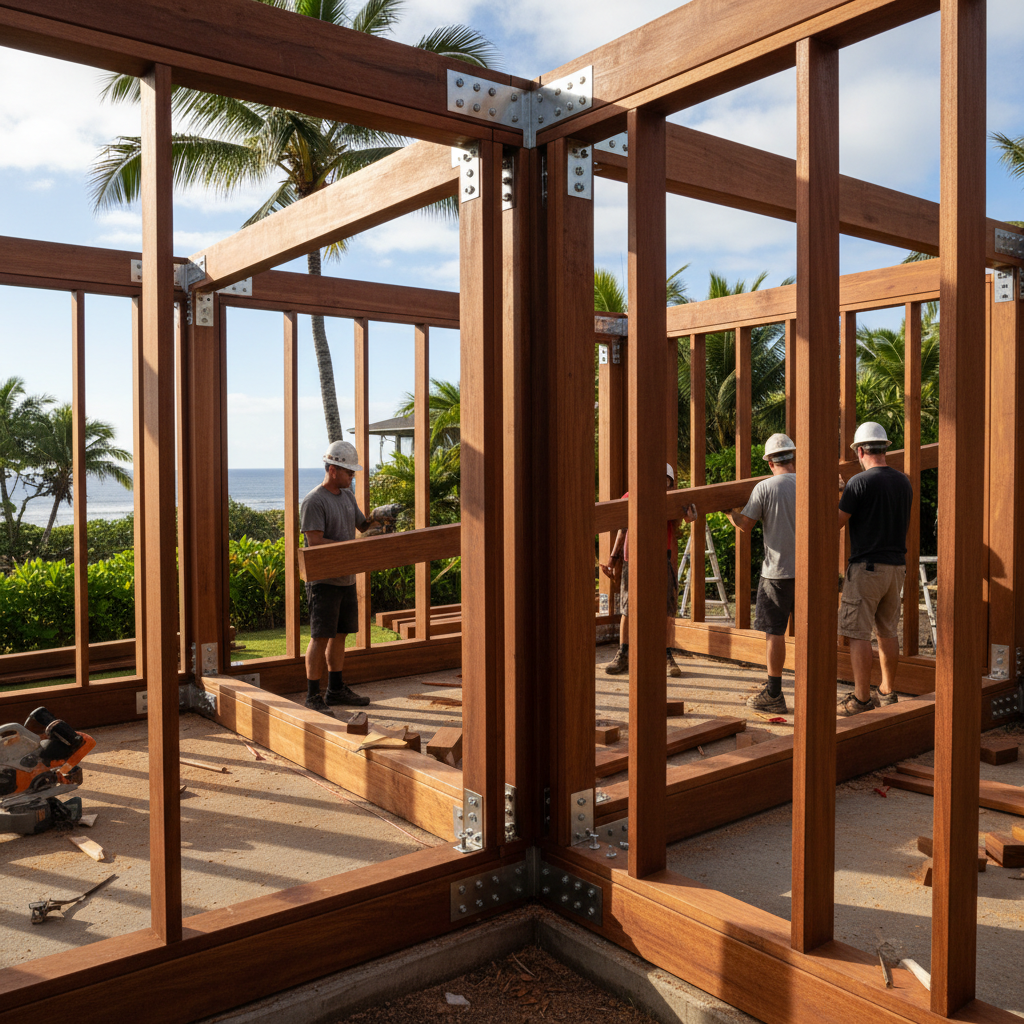
Patience is a virtue in Hawaii construction, and this is especially true for building on Kaua’i’s North Shore. A realistic timeline for completing an ADU project in Hanalei, from our first conversation to you getting the keys, is between 15 and 24 months in 2026. Anyone promising a 6-month turnaround is likely not accounting for the realities of the Kaua’i permitting process and island logistics.
\n\n
Let’s break down a typical project timeline:
\n
- \n
- Phase 1: Design & Planning (2-4 months): This is where we work with you to define the scope, develop architectural drawings, and get structural engineering. We move quickly, but good design takes time. Rushing this phase is the #1 cause of costly changes later on.
- Phase 2: Permitting (7-12 months): This is the biggest variable and the part that surprises most homeowners. The County of Kaua’i Planning Department is thorough, and getting a building permit for a new dwelling is a multi-step process. Reviews from different departments (planning, wastewater, public works) all have to be completed. A simple, well-prepared application on a straightforward lot might get through in 7 months. A more complex project, perhaps with shoreline setback or flood zone issues, can easily take a year or more.
- Phase 3: Site Prep & Foundation (1-2 months): Once the permit is in hand, we can break ground. This involves clearing, grading, excavation, and pouring the foundation. In Hanalei, this phase can be heavily impacted by weather. A week of heavy rain can mean a week of delays.
- Phase 4: Construction (5-7 months): This is the vertical construction phase: framing, roofing, plumbing, electrical, drywall, and finishes. We manage our subcontractor schedules tightly to keep things moving. However, we’re still subject to material availability. If a specific type of window or appliance is backordered on the mainland, it can add weeks to the timeline as we wait for the next barge.
- Phase 5: Final Inspections & Punch List (1 month): After construction is complete, the county inspectors must sign off on all work. We then do a final walkthrough with you to identify and correct any minor issues (the “punch list”) before handover.
\n
\n
\n
\n
\n
\n\n
A real-world example illustrates this perfectly. We recently completed an ohana unit in Princeville. The design and construction phases went smoothly, taking about 9 months total. However, the permit process took 11 months because the lot was near a sensitive drainage area, requiring additional environmental reviews and a detailed drainage plan. The total project time was 20 months. This is a typical scenario. As your adu builder hanalei partner, our job is to manage this timeline proactively, submitting complete and accurate permit applications to minimize delays and keeping you informed every step of the way.
\n\n
What Permits Do You Need for ADU Builder in Hanalei?
\n\n
Navigating the permitting process is one of the most critical services an ADU builder provides, and in Hanalei, it requires deep local knowledge. You can’t just walk into the County office and expect a permit in a week. It’s a formal process that involves multiple agencies and strict adherence to zoning and building codes. As your general contractor, we manage this entire process for you.
\n\n
Here are the primary permits and approvals required for a typical Hanalei ADU in 2026:
\n
- \n
- Building Permit: This is the main permit issued by the County of Kaua’i Department of Public Works, Building Division. The application package is substantial and must include:
- Fully engineered architectural and structural plans.
- Site plan showing setbacks, topography, and utility connections.
- Wastewater system approval (see below).
- Energy code compliance calculations.
- Zoning Clearance: Before the building permit is even reviewed, the Kaua’i County Planning Department must confirm that your project complies with all local zoning regulations. This includes rules on lot size, setbacks from property lines, maximum building height, and ensuring the ADU size (typically limited to 800 sq. ft.) is compliant.
- Wastewater System Approval: This is a big one in many parts of Hanalei. If your property is on the county sewer system, this is relatively straightforward. However, many North Shore properties use septic systems or cesspools. Building an ADU often requires upgrading your existing septic system or installing a new one, which is a separate and complex approval process with the State of Hawaii Department of Health. This can add significant time and cost.
- Grading/Grubbing Permit: If your project involves significant earthwork (moving more than 100 cubic yards of soil), a separate grading permit may be required.
- Electrical and Plumbing Permits: These are subsidiary permits that are typically pulled by our licensed electrical and plumbing subcontractors under the umbrella of the main building permit.
\n
- \n
\n
\n
\n
\n
\n
\n
\n
\n
\n
\n\n
It’s important to understand that while the process across the Hawaiian islands shares similarities—for example, Honolulu’s Department of Planning and Permitting (DPP) has its own robust online system[1]—each county has its own specific procedures, forms, and review timelines. What works on Oahu doesn’t automatically apply on Kaua’i. Our team’s experience is with the Kaua’i County offices in Lihue. We know the staff, the submission requirements, and how to anticipate questions from plan reviewers, which helps streamline the process considerably.
\n\n
We also keep a close eye on any changes to regulations, such as the local interpretation of statewide initiatives like Bill 7 ADU hanalei rules. While Bill 7 was aimed at increasing housing density, its implementation is shaped by county-level zoning. We can advise you on how these rules apply to your specific property, ensuring your ADU is fully compliant from the start and avoiding costly enforcement issues later.
\n\n
Hanalei-Specific Considerations: Climate, Materials, Regulations
\n\n
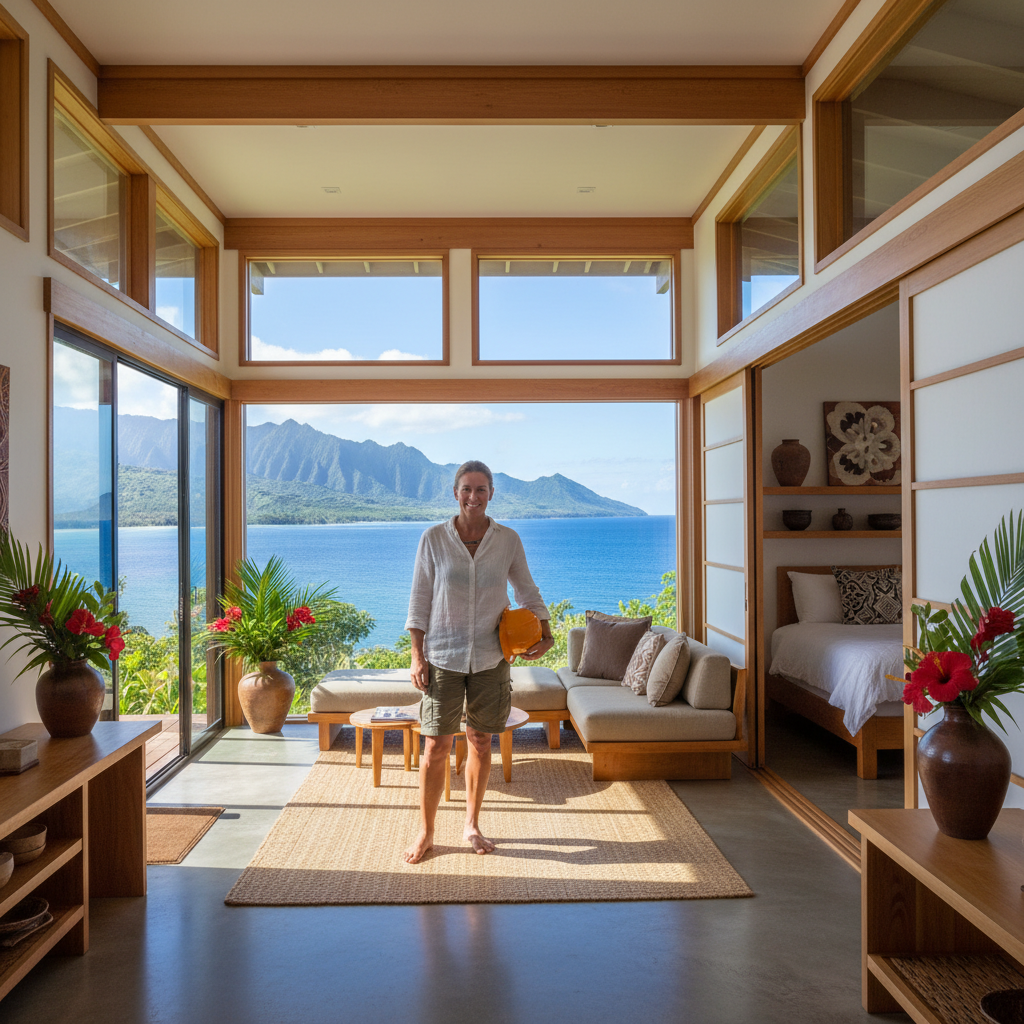
Building in Hanalei is unlike building anywhere else, even compared to other parts of Hawaii. The unique combination of intense sun, heavy rainfall, salt-laden air, and specific local regulations demands a specialized approach. As your adu builder hanalei expert, we design and build specifically for these conditions, ensuring your investment stands the test of time.
\n\n
Climate: The Hanalei Rain Machine
\n
Hanalei is one of the wettest places on earth. This constant moisture is the single biggest threat to a building’s longevity. Our building strategy is centered around managing water.
\n
- \n
- Waterproofing: We use a multi-layered approach. This includes robust foundation waterproofing, properly flashed windows and doors using high-quality butyl tape, and commercial-grade peel-and-stick membranes under roofing and on lanais. Simply relying on house wrap isn’t enough here.
- Ventilation: To combat humidity and prevent mold, we design for excellent cross-ventilation. We also specify high-quality, quiet bathroom fans with humidity sensors and often recommend whole-house dehumidifier systems for ultimate climate control.
- Drainage: Proper site grading is non-negotiable. We design French drains, grassy swales, and use permeable materials for driveways and walkways to direct the immense volume of rainwater away from the foundation.
\n
\n
\n
\n\n
Materials: Fighting the Salt and Sun
\n
The gentle trade winds feel great, but they carry corrosive salt that relentlessly attacks building materials. Combined with intense UV radiation, this environment can destroy inferior products in just a few years.
\n
- \n
- Fasteners and Hardware: We use only 316-grade stainless steel for all exterior screws, nails, and connectors. It’s more expensive than galvanized, but galvanized hardware will rust and fail within 5-10 years on the North Shore.
- Roofing: A standing-seam metal roof with a Kynar 500 paint finish is our standard recommendation. It reflects solar heat, withstands high winds, and offers a 50+ year lifespan against the elements.
- Siding and Trim: We favor fiber cement siding (like HardiePlank) and cellular PVC trim boards. These materials are impervious to moisture, termites, and won’t rot, warp, or delaminate like wood can in our climate.
- Windows and Doors: We specify windows with fiberglass or high-grade vinyl frames, as they don’t corrode like aluminum. Laminated, impact-resistant glass is also crucial for hurricane code compliance and safety.
\n
\n
\n
\n
\n\n
Regulations: Navigating Local Rules
\n
Beyond the standard building code, Hanalei has specific overlays and requirements that can trip up inexperienced builders.
\n
- \n
- Flood Zones: Much of Hanalei lies within a designated flood zone (often Zone AE). This means the ADU’s finished floor must be elevated above the Base Flood Elevation (BFE), often requiring it to be built on stilts or a raised foundation. We handle the elevation certificates and design requirements for flood-zone construction.
- Tsunami Evacuation Zone: Related to the flood zone, these areas have specific building requirements designed to improve structural resilience. We are well-versed in these enhanced building standards.
- Special Management Area (SMA): If your property is close to the shoreline, it may fall within the SMA, triggering an additional layer of environmental review and permitting to protect coastal resources.
\n
\n
\n
\n
Successfully building in Hanalei means integrating these considerations from the very first design sketch. It’s not about applying a standard building plan; it’s about creating a structure that is in harmony with and resilient to this beautiful but demanding environment.
\n\n
How to Choose the Right ADU Builder Contractor in Hanalei
\n\n
Selecting the right ADU contractor is the single most important decision you’ll make for your project. A good contractor will save you money, time, and stress, while a bad one can turn your dream into a nightmare. Here in Hanalei, where the challenges are unique, your choice is even more critical. Here is a practical, no-nonsense checklist for vetting potential builders.
\n\n
1. Verify Their License and Insurance – No Exceptions.
\n
This is the absolute baseline. Any legitimate contractor must have a valid Hawaii General Contractor license (a B-License). You can and should verify any contractor’s license, including ours (Warrior Construction, BC-34373), directly on the state’s Professional & Vocational Licensing search portal[2]. Also, ask for proof of general liability insurance and workers’ compensation insurance. If they can’t provide these documents immediately, walk away. Hiring an unlicensed or uninsured contractor puts all the risk directly on you, the homeowner.
\n\n
2. Demand Kaua’i-Specific, North Shore Experience.
\n
Don’t just ask if they’ve built ADUs. Ask if they’ve built them in Hanalei, Princeville, or Kilauea. Ask to see addresses of completed projects (not just photos). A contractor from Honolulu or Maui might be excellent, but they won’t have the established relationships with Kaua’i building inspectors or the firsthand experience with North Shore’s unique soil and weather conditions. Ask them specific questions: “How do you handle drainage for a lot with a high water table near the Hanalei River?” or “What specific brand of stainless steel fasteners do you use for exterior trim?” Their answers will reveal their depth of local expertise.
\n\n
3. Evaluate Their Team and Subcontractor Network.
\n
A general contractor is only as good as their team of subcontractors—the plumbers, electricians, roofers, and painters. On Kaua’i, the pool of top-tier subs is small and they are incredibly busy. A well-established GC like Warrior Construction has long-standing relationships with the best tradespeople on the island. This means our projects get prioritized, and the quality of work is consistently high. Ask a potential builder who their primary plumber and electrician are. If they are hesitant to answer, it might be a red flag that they don’t have a stable, reliable team.
\n\n
4. Review Their Communication and Project Management Process.
\n
How will they keep you updated? Do they use any project management software? How often will you have site meetings? A successful project requires constant communication. At Warrior Construction, we provide our clients with regular progress reports, photos, and a clear point of contact for any questions. You should feel like a partner in the process, not an outsider. During the interview process, pay attention to how quickly they respond to your calls and emails. This is often a good indicator of how they’ll communicate once the project is underway.
\n\n
Choosing the right ADU contractor hanalei homeowners can depend on comes down to diligence. Take your time, ask tough questions, and check references thoroughly. This upfront effort will pay massive dividends over the life of your project.
\n\n
Real Hanalei ADU Builder Project Example
\n\n
To make all this information concrete, let’s walk through a representative ADU project our team recently completed in Hanalei. This example captures the typical challenges, costs, and solutions we encounter on the North Shore.
\n\n
The Project: A 720-square-foot, 2-bedroom, 1-bathroom detached ohana unit for a family wanting to house their aging parents.
\n
The Location: A half-acre lot off a side street, within the Hanalei Special Flood Hazard Area (Zone AE).
\n\n
The Challenge: The primary challenge was the flood zone designation. The County required the finished floor of the new ADU to be elevated two feet above the Base Flood Elevation, which meant building the structure on a post-and-pier foundation nearly eight feet off the ground. This had major implications for the design, structural engineering, and budget. A secondary challenge was the presence of a large, beautiful monkeypod tree that the homeowners desperately wanted to save, which constrained the available building envelope.
\n\n
Our Solution & Process:
\n
- \n
- Integrated Design: Working closely with our architect, we designed a simple rectangular footprint to control costs. We positioned the ADU carefully to avoid the tree’s critical root zone. The elevated design was turned into a feature, creating a massive, covered, all-weather space underneath the unit for parking, storage, and a lanai.
- Material Resilience: We specified a standing-seam metal roof, fiber cement siding, and fiberglass windows to withstand the moist, salt-heavy air. The entire elevated structure was cross-braced and tied down with stainless steel hurricane hardware to exceed hurricane code requirements.
- Permitting Strategy: We submitted a comprehensive permit package that included a detailed site plan, a flood elevation certificate from a licensed surveyor, and structural plans engineered specifically for the raised foundation. By providing a complete and thorough application, we navigated the County review process in just under 9 months.
\n
\n
\n
\n\n
The Numbers:
\n
- \n
- Total Project Duration: 19 months (3 months design, 9 months permitting, 7 months construction)
- Total Construction Cost: $489,600
- Cost Per Square Foot: $680/sq ft
- Breakdown: Soft costs (design, engineering, permits) accounted for roughly $55,000. Site work and the specialized foundation were $95,000. The structure itself (vertical build) was approximately $339,600.
\n
\n
\n
\n
\n\n
The Outcome: The family now has a beautiful, safe, and incredibly durable ADU that perfectly meets their needs. The space underneath has become the family’s favorite gathering spot. Most importantly, by investing in the right foundation and materials from the start, their home is protected from future flooding and the harsh Hanalei climate, ensuring it will serve their ohana for decades. This project is a testament to the fact that while building on the North Shore has its hurdles, a knowledgeable and experienced adu builder hanalei team can deliver exceptional results.
\n\n
What this means for Hawaii homeowners
\n
Building an ADU in Hanalei is a fantastic opportunity, but it requires a clear-eyed approach. The dream of passive rental income or a home for your family is achievable, but you must plan for the specific realities of building on Kaua’i’s North Shore. Underestimating the timeline for permits or the budget needed for climate-appropriate materials are the most common and costly mistakes we see.
\n\n
Here is your action plan:
\n
- \n
- Budget Realistically: Use the $575-$800 per square foot figure as a starting point for your financial planning in 2026. This includes everything – permits, design, construction, and basic landscaping. Secure your financing based on this all-in number.
- Start Early: Because the permitting process alone can take up to a year, you should begin conversations with a builder 18-24 months before you hope to have the ADU completed. This is not a fast process.
- Prioritize Durability Over Flash: Your building budget is best spent on the things that protect your home from the elements: a high-quality roof, proper waterproofing, stainless steel fasteners, and a solid foundation. These are not areas to cut corners in Hanalei. You can always upgrade countertops later.
- Hire a Local Pro: Your success is almost entirely dependent on the team you hire. Choose a licensed, insured general contractor with a portfolio of recently completed projects specifically on the North Shore of Kaua’i. Their local knowledge is invaluable and will save you from countless headaches.
\n
\n
\n
\n
\n\n
By following this advice, you can approach your Hanalei ADU project with confidence, knowing you are prepared for the journey ahead and are making a wise, long-term investment in your property.
\n
\n\n
Frequently Asked Questions About ADU Builder in Hanalei
\n
What’s the biggest mistake people make when building an ADU in Hanalei?
\n
The most common and costly mistake is underestimating moisture and water management. Homeowners, or inexperienced builders, often try to apply mainland building techniques that fail spectacularly in Hanalei’s wet climate. This leads to mold, rot, and structural issues within a few years. Prioritizing a robust waterproofing system, proper site drainage, and materials impervious to moisture is non-negotiable for a long-lasting structure.
\n
\n
How do statewide laws like Bill 7 affect building an ADU in Hanalei?
\n
State laws like Bill 7 set a framework to encourage ADU construction, but the County of Kaua’i has its own specific zoning code that dictates the rules for your property. For example, while the state may allow certain things, Kaua’i’s rules on setbacks, maximum size (typically 800 sq. ft.), and parking requirements still apply. An experienced Bill 7 ADU hanalei builder knows how to harmonize both sets of regulations to maximize your property’s potential while ensuring full compliance.
\n
\n
How much rental income can a new Hanalei ADU generate in 2026?
\n
While rental markets fluctuate, a new, well-built 1- or 2-bedroom ADU in Hanalei can realistically generate between $3,800 and $5,500 per month in long-term rental income in 2026. This depends on size, quality of finishes, and specific location. It’s a significant return, which is why so many homeowners see ADUs as a powerful investment vehicle.
\n
\n
Do I need an architect and a separate ADU builder?
\n
You don’t have to hire them separately. We recommend a design-build approach, where one company, like Warrior Construction, manages both the architectural design and the construction. This integrated process is more efficient, leads to fewer costly errors, and creates a single point of accountability for the entire project, which is a huge stress-reducer for the homeowner.
\n
\n
Are prefab or modular ADUs a cheaper option for Kaua’i?
\n
Not necessarily. While the factory-built structure itself might seem less expensive, the costs of shipping the modules to Kaua’i, crane rental for placement, and extensive site-specific work (foundation, utility connections) can often make the all-in cost of a prefab ADU comparable to, or even more than, a traditional stick-built home. We can price out both options for you, but for most Hanalei lots, custom stick-building provides more flexibility and better value.
\n
\n
Can I attach my ADU to my main house?
\n
Yes, you can build an attached ADU, which is often called a ‘junior ADU’ or ‘JADU’. This can sometimes save money on foundation and utility connections. However, it requires careful engineering to ensure the connection is structurally sound and properly fire-rated according to the building code. We can help you evaluate whether an attached or detached ADU is the better fit for your property and family’s needs.
\n
\n
What are the wastewater requirements for an ohana unit in Hanalei?
\n
This is a critical question for the North Shore. If you are on a septic system, you will almost certainly need to upgrade it to handle the additional load from the ADU. This involves working with a civil engineer to design a new system that meets State Department of Health standards. This process alone can take 6 months and cost $20,000-$40,000, so it must be factored into the budget and timeline from day one.
\n
\n
\n\n
Build Your Hanalei Ohana Unit the Right Way
\n
Building an ADU in Hanalei is a complex but rewarding project. Doing it right requires local expertise, meticulous planning, and a deep understanding of how to build for our unique North Shore environment. If you’re ready to explore the potential of an ohana unit for your property, our team at Warrior Construction is here to provide the guidance and craftsmanship you need.
\n
Let’s talk about your project. Reach out today to schedule a consultation and receive a free, no-obligation estimate for your Hanalei ADU.
\n
\n
\n\n
References
\n