“
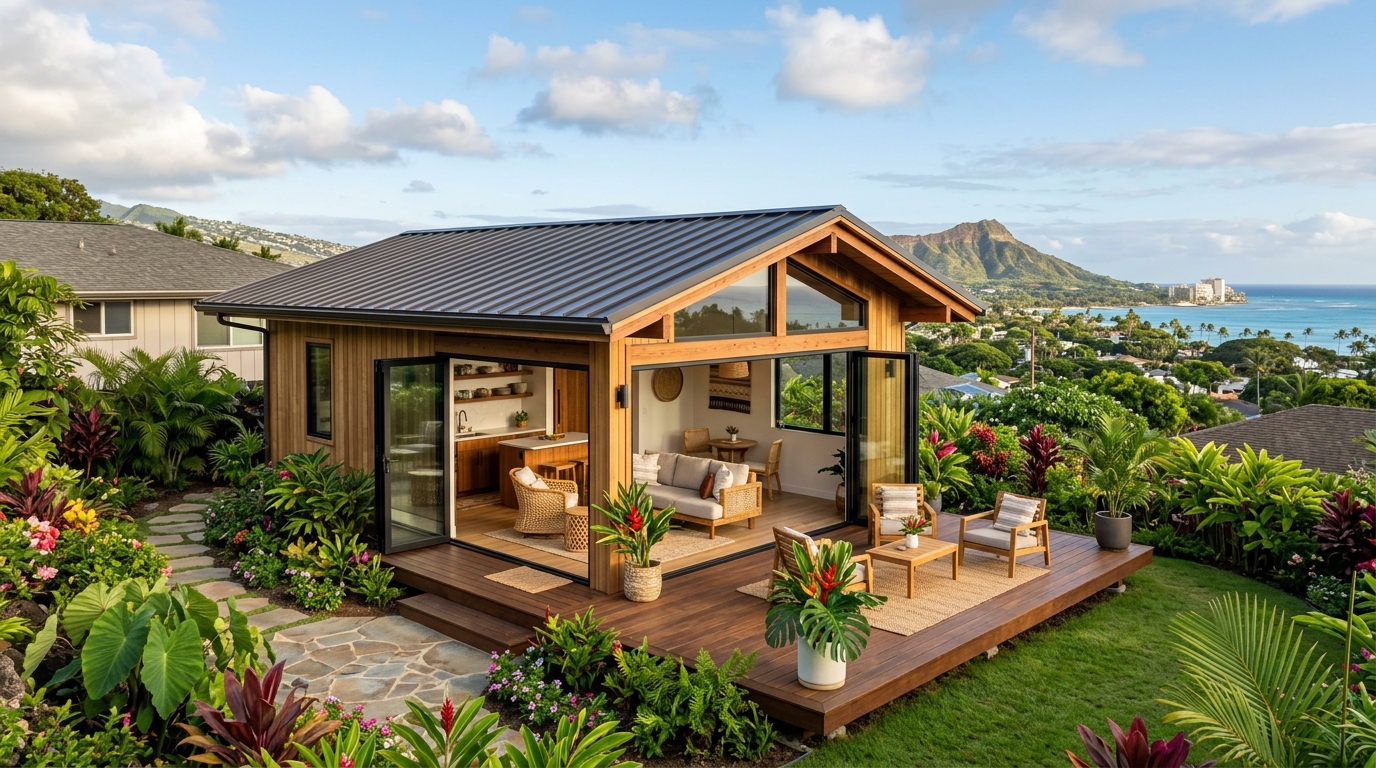
Choosing the right adu builder honolulu is one of the most significant decisions you’ll make for your property. It’s not just about adding square footage; it’s about navigating Honolulu’s unique construction landscape, from the Department of Planning and Permitting (DPP) to material choices that can withstand our salt air and intense sun. The right builder understands that an Accessory Dwelling Unit (ADU) here isn’t just a mainland design plopped onto a local lot—it’s a structure that needs to respect our island’s climate, regulations, and way of life. At Warrior Construction, with over two decades of building across O’ahu, we’ve seen firsthand what separates a successful ADU project from a costly, frustrating ordeal.
\n\n
The truth is, building an ADU in Honolulu in 2026 is a complex process that demands local expertise. You need a partner who can give you a realistic budget that accounts for inter-island shipping, who has a direct line to reliable local subcontractors, and who has spent years building relationships at the DPP. A mainland contractor simply can’t compete with that ground-level knowledge. This article breaks down everything we’ve learned into nine critical tips. We’ll cover the real costs you can expect, the actual timeline from design to completion, Honolulu-specific building considerations, and how to vet a contractor to ensure they’re the right fit for your ohana. Think of this as the conversation we’d have over coffee before we even start talking about floor plans.
\n\n
Why Honolulu Homeowners Trust Warrior Construction for ADU Builder
\n
When you’re looking for an ADU builder, you’re not just hiring someone to pour concrete and frame walls. You’re hiring a guide to navigate a complex, often frustrating system. Our clients choose Warrior Construction (License BC-34373) because we’ve built our reputation on O’ahu by mastering that system. We aren’t a mainland company with a satellite office; we live here, we build here, and we understand the unique challenges from the ground up. Our deep experience with the Honolulu DPP is probably the single biggest reason homeowners trust us. We know the process, the people, and the potential pitfalls. We’ve seen countless projects get stuck in review for months because of small, avoidable errors. Our team has a meticulous pre-check process to ensure that the plans we submit are complete and compliant from day one, which can shave significant time off the approval process.
\n\n
Furthermore, our approach is rooted in practical, on-the-ground reality. For example, on a recent project in Manoa, the lot had significant slope and drainage issues that weren’t obvious at first glance. Another contractor might have started with a standard plan, only to run into massive, budget-busting site work costs later. Because we start with a thorough site feasibility study, we identified these challenges early. We worked with our geotechnical engineer to design a foundation and drainage system that handled the water runoff effectively, preventing future problems and keeping the project on track. This proactive problem-solving is what sets a seasoned local builder apart. It’s not just about building the ADU; it’s about building it right for *your specific lot* and our island environment.
\n\n
Here’s what our local experience means for your ADU project:
\n
- \n
- Deep Permitting Knowledge: We don’t just submit plans; we manage the entire DPP process. We know how to prepare for zoning reviews, structural checks, and wastewater management requirements, especially under the current Bill 7 ADU honolulu regulations.
- Trusted Subcontractor Network: In Hawaii, your relationships are everything. We have a crew of plumbers, electricians, and finishers who we’ve worked with for years. They’re reliable, they show up, and they do quality work. This is a huge advantage when scheduling is tight and labor is in high demand.
- Material Expertise: We know which materials stand up to our salt air, humidity, and termite pressure. We guide homeowners toward choices like stainless steel fasteners, vinyl windows for coastal areas, and properly treated lumber that add years to the life of their investment.
- Transparent Budgeting: Our estimates include realistic allowances for things like GE Tax, inter-island shipping costs, and potential site challenges. We believe in telling you the true, all-in cost upfront, so there are no surprises down the road.
\n
\n
\n
\n
\n
Ultimately, homeowners hire us because we provide peace of mind. They know they have a licensed, insured, and deeply experienced ADU contractor honolulu handling every detail. We take the stress of the process off your shoulders so you can focus on the exciting part: creating a new home for your family. See our work for yourself.
\n\n
What Does ADU Builder Cost in Honolulu?
\n
Let’s get straight to the point: building an ADU in Honolulu is more expensive than on the mainland, and any builder who tells you otherwise isn’t being honest. In 2026, you should budget for total project costs ranging from $450 to $700 per square foot. For a standard 800-square-foot ADU, that means an all-in cost of $360,000 to $560,000. This number often surprises homeowners, but it’s crucial to understand what drives it. It’s a combination of high labor costs, the expense of shipping virtually every single material to the island, and significant soft costs related to design and permitting.
\n\n
The costs can be broken down into three main categories:
\n
- \n
- Hard Costs (The Actual Construction): This is the largest part of your budget, typically 65-75% of the total. It covers labor, materials, foundation, framing, roofing, electrical, plumbing, and interior finishes. A typical 600 sq. ft. ADU might have hard costs around $270,000 – $360,000.
- Soft Costs (The Prep Work): These are the necessary expenses before any ground is broken. They include architectural design fees, structural engineering, surveys, and permitting fees with the Honolulu DPP.[1] Plan on soft costs eating up 15-25% of your budget. For our 600 sq. ft. example, that’s another $60,000 to $90,000.
- Site Work & Utilities (The \”Hidden\” Costs): This is the category that most often blows a homeowner’s budget. It includes grading the land, trenching for utilities, connecting to the Board of Water Supply and sewer lines, and any necessary retaining walls or drainage systems. Depending on the complexity of your lot, this can easily add another $25,000 to $75,000 or more. On a recent project in Kapolei with a flat, clear lot, utility connections were straightforward and cost about $30,000. In contrast, a hillside lot in Aina Haina required extensive grading and a new septic connection, pushing site work costs over $80,000.
\n
\n
\n
\n\n
Sample Budget for a 600 sq. ft. ADU in Honolulu (2026)
\n
| Cost Category | Estimated Cost Range | Notes |
|---|---|---|
| Soft Costs (Design, Engineering, Permits) | $60,000 – $90,000 | Includes architectural plans, structural calculations, and all DPP filing fees. |
| Site Work & Utility Hookups | $30,000 – $75,000 | Highly variable. Depends on lot slope, soil conditions, and distance to main lines. |
| Hard Costs (Construction) | $270,000 – $360,000 | At $450-$600/sq. ft. for labor and materials. Finishes can push this higher. |
| Contingency (10-15%) | $36,000 – $64,500 | Non-negotiable in Hawaii. Covers unexpected issues like termite damage to the main house or unforeseen rock during excavation. |
| Total Estimated Project Cost | $396,000 – $589,500 | This is a realistic, all-in number for a quality build on O’ahu. |
\n\n
Remember to factor in Hawaii’s General Excise Tax (GET), which is 4.5% on O’ahu. It applies to nearly every transaction, from your architect’s fee to the final construction draw. A good contractor will include this in their line-item budget, but you should always confirm. Understanding these real-world numbers is the first step in planning a successful ADU project.
\n\n
How Long Does a ADU Builder Take in Honolulu?
\n
This is the second question every homeowner asks, and the answer is almost always longer than they hope. From the first design sketch to the day you get your keys, a typical ADU project in Honolulu takes between 12 to 21 months. The biggest factor, by far, is not the construction time itself but the permitting process at the Honolulu Department of Planning and Permitting (DPP). A seasoned adu builder honolulu can’t speed up the city’s review timeline, but we can prevent unforced errors that send your application to the back of the line.
\n\n
Let’s break down a realistic 2026 timeline:
\n
- \n
- \n Phase 1: Design and Planning (1 – 3 months)\n
This is where we work with you to design the ADU, get it engineered, and prepare all the documents for the permit application. This phase includes site surveys, architectural drawings, structural calculations, and sometimes a drainage plan. We move as quickly as you can make decisions, but a thoughtful design process takes time. We’re not just drawing boxes; we’re figuring out the best placement on your lot for privacy, airflow, and utility connections.
\n
- \n Phase 2: Permitting at Honolulu DPP (6 – 12 months)\n
This is the great waiting game. As of 2026, the backlog at the DPP is significant. Even a perfectly prepared application for a straightforward ADU can take six months to get through all the reviews (zoning, building, electrical, plumbing, etc.). If there are any complexities—like being in a flood zone, needing a zoning variance, or having an unusual lot configuration—it can easily stretch to a year or more. A recent project of ours in Kailua, which was in a Special Management Area (SMA), took 14 months just to get the permit. This is the single biggest bottleneck and why starting the process early is so critical.
\n
- \n Phase 3: Construction (4 – 7 months)\n
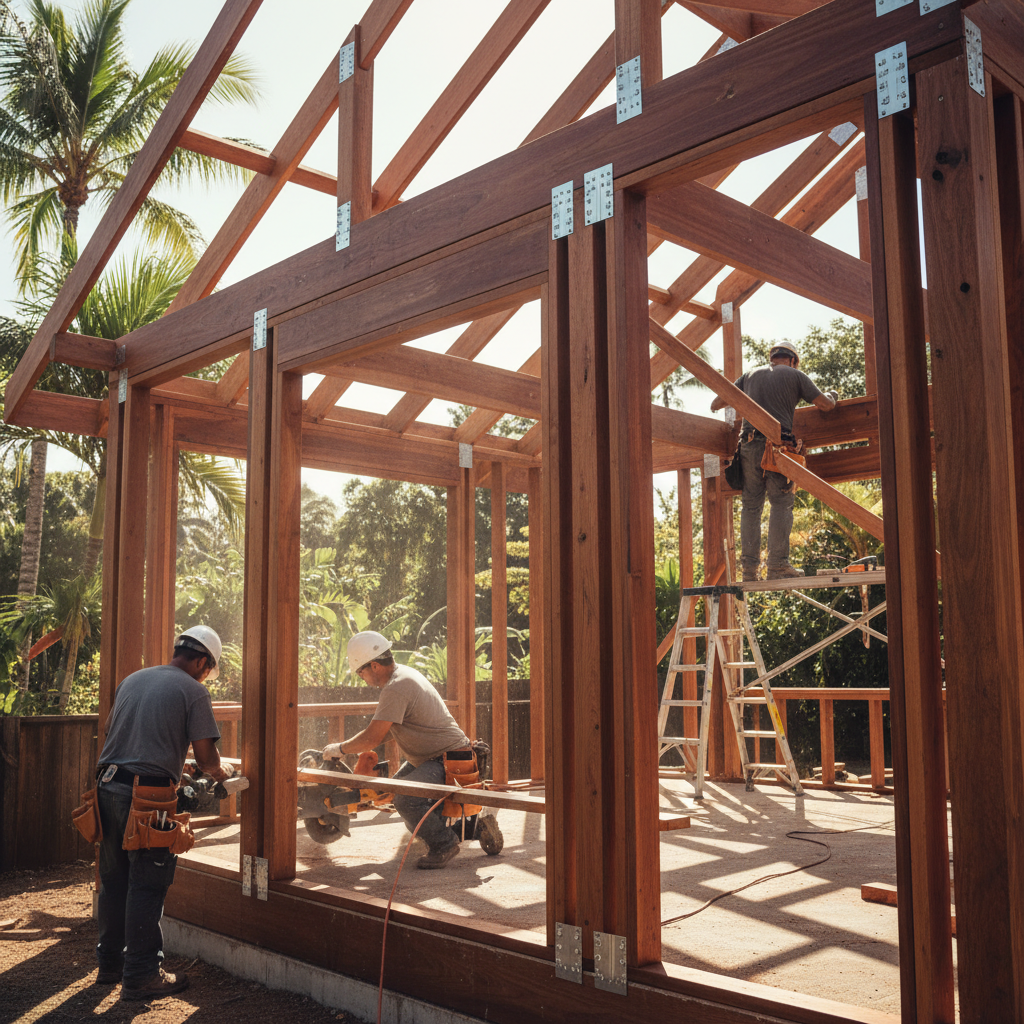
Once we have the approved permit in hand, things move relatively quickly. The actual building of a standard 500-800 sq. ft. ADU is a 4 to 7-month process. This includes site prep, foundation, framing, roofing, utilities rough-in, drywall, and all the interior and exterior finishes. The timeline here can be affected by weather (especially during the rainy season) and material availability. We often order long-lead-time items like windows and custom cabinetry the moment the permit is approved to minimize delays. Shipping from the mainland can take 4-8 weeks, so careful logistics planning is key.
\n
\n
\n
\n
\n\n
So, the total timeline looks like this:
\n
1-3 months (Design) + 6-12 months (Permitting) + 4-7 months (Construction) = 11 to 22 months total.
\n\n
An experienced builder helps manage this timeline by anticipating problems. We know to check for unpermitted structures on the property that could derail a new permit. We know how to package the application for the DPP reviewers to make their job easier. And we know how to schedule our crews and material orders to hit the ground running the day the permit is issued. Managing the timeline is just as important as managing the budget.
\n\n
What Permits Do You Need for ADU Builder in Honolulu?
\n
Navigating the permitting process for an ADU in Honolulu is a job in itself, and it’s a primary reason to hire an experienced local general contractor. You can’t just start building. Any structure with plumbing and electrical requires a full building permit from the City and County of Honolulu’s Department of Planning and Permitting (DPP).[1] This isn’t just a simple form; it’s a comprehensive package of architectural plans, structural engineering calculations, and site plans that must be reviewed and approved by multiple city agencies.
\n\n
At Warrior Construction, a huge part of our service is managing this entire process. For a typical ADU project, here is what the permitting journey involves:
\n
- \n
- Pre-Check and Application Submittal: Before we even officially submit, we run the plans through a rigorous internal pre-check. Then, we submit the package to the DPP. The application itself must include detailed drawings for every aspect of the build.
- Multi-Agency Review: This is where the long wait happens. The plans are routed to various departments for approval. This includes: \n
- \n
- Zoning Review: They check for compliance with setbacks, lot coverage, height limits, and parking requirements under ordinances like Bill 7.
- Building/Structural Review: A city engineer reviews the structural plans to ensure they meet Hawaii’s building code, including all hurricane and seismic requirements.
- Electrical Review: For compliance with the electrical code.
- Plumbing/Wastewater Review: They review the plans for connecting to the city sewer or a septic system and ensure compliance with Board of Water Supply regulations.
- Fire Department Review: In some cases, to check for access and safety requirements.
\n
\n
\n
\n
\n
\n
- Corrections and Resubmittal: It’s common for the city to return plans with comments or required corrections. A good builder anticipates these and responds quickly and accurately to avoid getting pushed to the back of the queue.
- Permit Issuance: Once all departments have signed off, the building permit is issued. Only then can construction legally begin.
\n
\n
\n
\n
\n\n
A key piece of legislation to understand is the city’s ADU ordinance, often referred to as Bill 7 ADU honolulu. This set of rules was designed to encourage the construction of ADUs to help with the housing shortage. Some of the key provisions a homeowner should know about are:
\n
- \n
- Size Limits: ADUs can be up to 800 square feet on lots of 5,000 square feet or more, and up to 400 square feet on lots between 3,500 and 4,999 square feet.
- Parking Waivers: This is a big one. The ordinance waives the requirement for an additional off-street parking stall for the ADU, which was a major barrier for homeowners with small lots.
- No Sewer Requirement (in some cases): The ordinance also allows for alternatives to sewer connections where capacity is an issue, although this requires Health Department approval and can be complex.
\n
\n
\n
\n\n
An experienced ADU contractor honolulu will not only understand these rules inside and out but will also know how the DPP interprets them in practice. This local knowledge is invaluable and can be the difference between getting your permit in 8 months versus 18 months.
\n\n
Honolulu-Specific Considerations: Climate, Materials, Regulations
\n
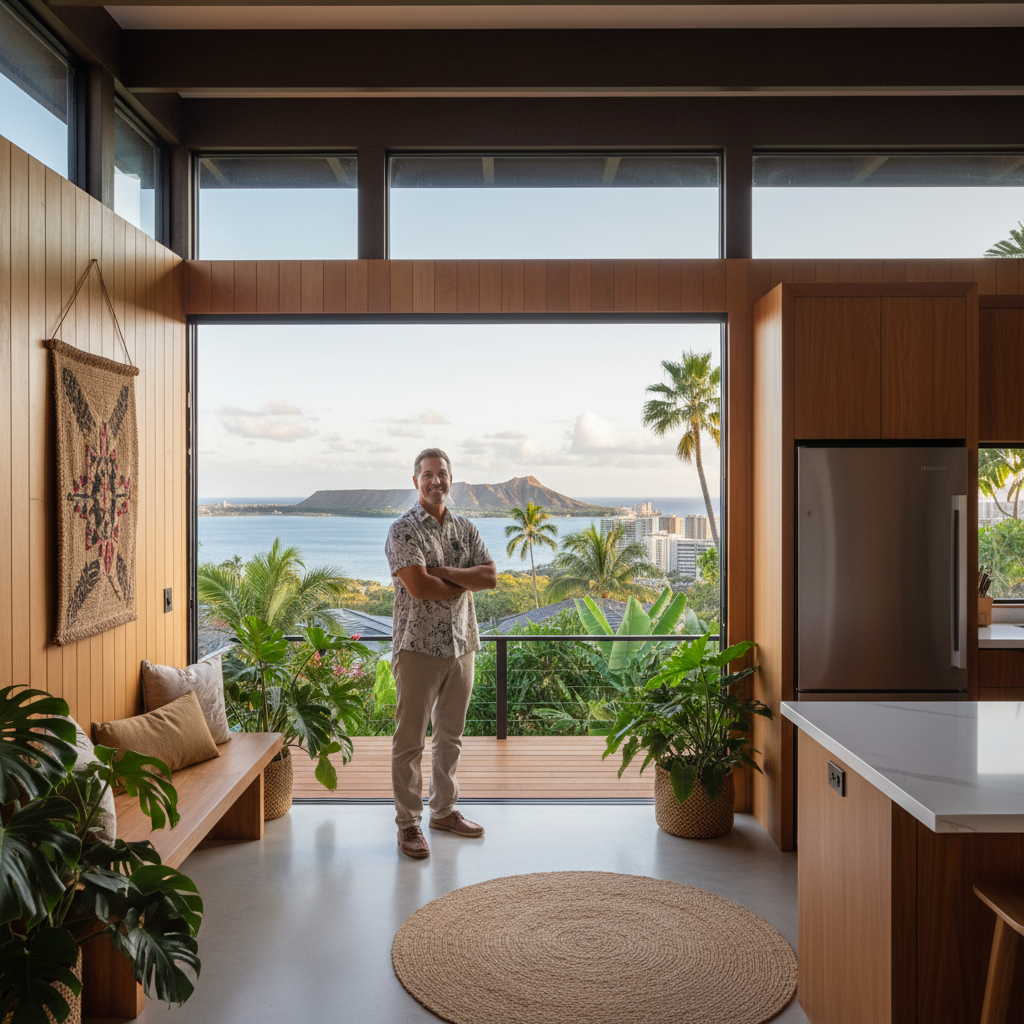
Building on an island in the middle of the Pacific presents challenges you just don’t face on the mainland. A successful ADU project in Honolulu isn’t just about a good floor plan; it’s about building a structure that can handle everything our unique environment throws at it. At Warrior Construction, we design and build with these factors at the forefront. Ignoring them leads to premature aging, costly repairs, and a structure that just doesn’t last.
\n\n
Climate: The Salt Air and Sun are Relentless
\n
The number one enemy of any building on O’ahu is salt-air corrosion. If your property is anywhere near the coast—and on an island, most places are—the salty, humid air will attack metal components relentlessly. We saw this on a recent project in Kailua, where an older home had cheap galvanized metal fasteners that had completely rusted through in less than 10 years, compromising the siding. For our new ADU build on that property, we mandated the use of 316-grade stainless steel for all screws, nails, and structural connectors. It costs more upfront, but it prevents catastrophic failure down the road.
\n
- \n
- Fasteners and Connectors: Always use stainless steel or heavily hot-dip galvanized hardware. Anything less will rust and fail.
- Windows and Doors: We strongly recommend fiberglass or vinyl window frames over aluminum, especially on the Windward side. Aluminum pits and corrodes quickly in the salt spray.
- Paint and Coatings: A high-quality exterior paint job is your first line of defense. We use paints specifically formulated for marine environments that resist fading from the intense UV radiation and prevent moisture intrusion.
\n
\n
\n
\n\n
Materials: Battling Termites and Shipping Costs
\n
Hawaii is home to some of the most destructive subterranean termites in the world. Building without termite resistance in mind is asking for trouble. Additionally, every single 2×4, sheet of drywall, and box of tile has to be shipped thousands of miles across the ocean. This impacts both cost and schedule.
\n
- \n
- Termite-Resistant Building: We build almost exclusively on a concrete slab foundation with termite barriers. For framing, we use pressure-treated lumber (specifically with borate, like Hi-bor®) for the sill plates and often recommend steel framing as a durable, termite-proof alternative.
- Material Logistics: The cost of shipping a 40-foot container from the mainland to Honolulu adds thousands of dollars to a project. More importantly, it adds 4-8 weeks of lead time. We have to plan our material orders far in advance to keep the project moving. An inexperienced builder can find their entire project stalled for months waiting for a window package to arrive from the West Coast.
\n
\n
\n\n
Regulations: Building for Hurricanes
\n
Since Hurricane Iniki devastated Kaua’i in 1992, Hawaii’s building codes have become some of the strictest in the nation regarding wind resistance. An ADU must be built to withstand hurricane-force winds. This isn’t optional; it’s required by code and rigorously checked by DPP inspectors.
\n
- \n
- Structural Connections: The entire structure, from the foundation to the roof rafters, must be tied together with a continuous load path using metal hurricane straps and ties. This ensures the roof doesn’t lift off in high winds.
- Roofing: We use high-wind-rated shingles or metal roofing, attached with specified nailing patterns to reinforced roof sheathing.
- Windows and Openings: All windows and large doors must be impact-rated or have approved hurricane shutters. This prevents wind from breaching the building envelope, which can cause the structure to pressurize and fail from the inside out.
\n
\n
\n
\n\n
Building an ADU that will truly last in Honolulu requires a deep understanding of these local conditions. It’s an expertise that can only be earned through years of experience on job sites across O’ahu.
\n\n
How to Choose the Right ADU Builder Contractor in Honolulu
\n
Choosing your ADU builder is the single most important decision you will make in this entire process. A great contractor will be your partner, advocate, and problem-solver. A bad one can turn your dream project into a nightmare of delays, cost overruns, and shoddy workmanship. After more than 20 years in the business, we’ve seen what separates the professionals from the rest. Here’s a checklist to help you find a trustworthy ohana unit builder honolulu.
\n\n
1. Verify Their License and Insurance—No Exceptions.
\n
This is non-negotiable. Anyone you consider must have a current Hawaii General Contractor license (a \”B\” license). You can and should verify this yourself on the Hawaii Department of Commerce and Consumer Affairs (DCCA) Professional & Vocational Licensing (PVL) website.[2] Our license, for example, is BC-34373. Also, ask for proof of general liability insurance and workers’ compensation insurance. If a worker gets hurt on your property and the contractor isn’t insured, you could be held liable.
\n\n
2. Ask for Specific ADU Experience and a Local Portfolio.
\n
Don’t just ask if they’ve built homes; ask specifically how many ADUs they have built in Honolulu in the last few years. Ask for the addresses of three recent projects. Drive by them. Do they look well-built? Even better, ask if you can speak with one or two of their past ADU clients. A reputable builder will be happy to provide references. Ask those references about communication, budget adherence, and how problems were handled.
\n\n
3. Gauge Their Knowledge of the Honolulu DPP.
\n
During your initial conversations, ask direct questions about the permitting process. “What’s your strategy for getting plans through the DPP efficiently?” “What’s the longest you’ve seen a permit take, and why?” “How familiar are you with the latest interpretations of Bill 7?” Their answers will reveal their level of experience. A vague answer is a red flag. An experienced local builder will be able to talk in detail about the specific challenges and nuances of the Honolulu permitting system.
\n\n
4. Evaluate Their Communication and Professionalism.
\n
Are they responsive to your calls and emails? Do they provide clear, detailed answers to your questions? A construction project is a long-term relationship. You need a builder who communicates clearly and regularly. The initial meetings are a good indicator of how they will behave once the project is underway. If they’re hard to get a hold of when they’re trying to win your business, it will only get worse once they have your deposit.
\n\n
5. Insist on a Detailed, Itemized Contract.
\n
Never sign a one-page estimate. A professional contract will be many pages long and will detail the full scope of work, a payment schedule (draw schedule), specific materials to be used, allowances for items you’ll choose later (like flooring and countertops), and a projected timeline. It should also outline the process for handling change orders. A clear, comprehensive contract protects both you and the builder and is the hallmark of a professional operation.
\n\n
Taking the time to vet your builder thoroughly is the best investment you can make in your project’s success. Don’t rush this step. The right partner will make all the difference.
\n\n
Real Honolulu ADU Builder Project Example
\n
To make all this information more concrete, let’s walk through a recent, typical ADU project our team completed. This case study illustrates the real-world challenges and outcomes of building an ohana unit in Honolulu’s current environment.
\n\n
The Client and Goal: A multi-generational family in Kaneohe. Their goal was to build a safe, accessible, and comfortable 2-bedroom ADU for their aging parents (kupuna) in their backyard. They wanted a space that allowed for independent living while keeping the family close.
\n\n
The Property and Challenges: The property was a standard 7,500 sq. ft. lot, but it had two key challenges. First, it was on the Windward side, meaning high humidity and constant exposure to corrosive salt air. Second, the backyard had a gentle but consistent slope, which would require careful site work to ensure proper drainage and create a level building pad. Finally, the main house’s electrical panel was outdated and didn’t have the capacity to support a new dwelling unit.
\n\n
The Warrior Construction Solution & Process:
\n
- \n
- Design Phase (2 Months): Our design team worked with the family to create a 780 sq. ft. floor plan that was ADA-friendly, with wider doorways, a zero-threshold shower, and grab bars. We paid special attention to ventilation, orienting the windows to capture the trade winds. For materials, we specified vinyl windows, fiber cement siding, and 316 stainless steel connectors to combat the salt air.
- Permitting Phase (9 Months): We submitted a comprehensive permit package to the Honolulu DPP. The review process was lengthy, as is typical. We received one round of corrections related to the drainage plan for the sloped lot, which our civil engineer addressed within a week. After nine months of waiting and diligent follow-up, the permit was approved.
- Construction Phase (6 Months):\n
- \n
- Month 1: Site work and foundation. This involved excavating and grading the slope to create the building pad, pouring the concrete slab, and installing all underground plumbing and electrical conduits.
- Month 2-3: Framing, roofing, and windows. The structure went up quickly. We used borate-treated lumber for the framing to ensure termite resistance.
- Month 4: Utility upgrades and rough-ins. We coordinated with HECO to upgrade the main electrical service to the property—a critical step. Our electricians and plumbers then ran all the new wiring and pipes.
- Month 5-6: Insulation, drywall, and finishes. The interior took shape with paint, flooring, cabinets, and fixtures. We managed the final inspections with the DPP throughout this phase.
\n
\n
\n
\n
\n
\n
\n
\n
\n\n
The Outcome:
\n
- \n
- Timeline: Total project duration was 17 months from initial design meeting to final occupancy.
- Cost: The final project cost, including all design, permitting, utility upgrades, and construction, was approximately $495,000. This came in on budget.
- Result: The family now has a beautiful, durable, and safe home for their kupuna. The ADU seamlessly integrates with their property and is built to last for decades in the harsh Windward O’ahu climate. This project is a perfect example of how careful planning, material selection, and expert navigation of the city process lead to a successful outcome.
\n
\n
\n
\n\n
What this means for Hawaii homeowners
\n
Building an ADU is a fantastic way to create space for family or generate rental income, but it’s a serious undertaking in Honolulu. The path is filled with unique local challenges that can easily overwhelm an unprepared homeowner. Success hinges on a clear understanding of the three pillars of any O’ahu construction project: realistic budgeting, patient timeline management, and hiring true local expertise.
\n
Here’s the bottom line for anyone considering this journey in 2026:
\n
- \n
- \n Your budget must be comprehensive. Don’t get fixated on a simple cost-per-square-foot number. Your all-in budget must account for design fees, the six-to-twelve-month wait for a DPP permit, major utility connection costs (HECO, BWS), site preparation on potentially tricky volcanic soil, and a mandatory 10-15% contingency fund. A builder who gives you a lowball number without discussing these items is not setting you up for success.\n
- \n Patience is not a virtue; it’s a requirement. The biggest mistake we see is homeowners expecting a mainland timeline. The Honolulu DPP permitting process is the single largest factor in your project’s duration. A one-year-plus timeline from design to move-in is normal. Accept this reality and plan accordingly. Rushing the design or trying to pressure the permitting process will only lead to mistakes and further delays.\n
- \n Local knowledge is your most valuable asset. An ADU builder’s real value isn’t just in their construction skill but in their ability to navigate the local ecosystem. This means knowing how to prepare a permit application that DPP reviewers can approve efficiently, having a list of reliable subcontractors who will actually show up, and knowing which materials will survive the salt air and which will corrode in five years. Don’t underestimate the power of this on-the-ground experience.\n
- \n Vet your contractor rigorously. Check their license with the DCCA.[2] Visit their past projects. Talk to their former clients. A few hours of due diligence can save you a year of headaches and tens of thousands of dollars. Choose a partner, not just the lowest bidder.
\n
\n
\n
\n
\n
Moving forward with an ADU is a smart investment in your property and your family’s future. By arming yourself with this knowledge, you can approach the project with confidence and choose a building partner who will help you achieve your goals successfully.
\n\n
Frequently Asked Questions About ADU Builder in Honolulu
\n
What’s the difference between an ADU and an Ohana Unit in Honolulu?
\n
Legally, the term \”Ohana Dwelling\” refers to units permitted under an older set of zoning laws. The current, more flexible regulations fall under the \”Accessory Dwelling Unit\” (ADU) ordinance. While many locals still use the terms interchangeably, any new unit you build today will legally be an ADU and must follow the current rules regarding size, setbacks, and parking as laid out by the city.
\n
\n
Can I build an ADU on my lot in Honolulu?
\n
It depends on your zoning and lot size. Generally, your lot must be zoned for residential use (like R-3.5, R-5, R-7.5, etc.) and be at least 3,500 square feet. A qualified ADU builder can perform a quick feasibility check using your TMK (Tax Map Key) to confirm your property’s eligibility and identify any potential red flags like being in a flood zone or historic district.
\n
\n
How much value does an ADU add to my Honolulu property?
\n
An ADU is one of the best ROI projects for a Hawaii home. While it varies by neighborhood, a well-built ADU can add $300,000 to $500,000 or more to your property value. Additionally, as of 2026, a 2-bedroom ADU in areas like Kailua or Kaimuki can generate $3,000 – $4,500 per month in rental income, paying for itself over time while building significant equity.
\n
\n
Is it cheaper to build an attached or a detached ADU?
\n
Generally, an attached ADU or a conversion (like a garage) can be slightly cheaper per square foot because you can leverage existing foundation and walls. However, the cost savings aren’t always dramatic. A detached ADU offers more privacy for both the main house and the unit, which can be a major benefit for rental income or family harmony. We often find that the added utility of a detached unit outweighs the modest cost savings of an attached one.
\n
\n
Do I need an architect for my ADU project?
\n
You absolutely need a set of professionally designed and engineered plans to submit for a permit. You can hire an architect separately, or you can work with a design-build firm like Warrior Construction. We have in-house design capabilities and relationships with trusted architects and engineers, which streamlines the process and ensures the design is practical and buildable from the start.
\n
\n
What are the biggest hidden costs when building an ADU in Honolulu?
\n
The two biggest surprises for homeowners are utility connection fees and site preparation. Connecting to the Board of Water Supply and city sewer can cost tens of thousands of dollars alone. If your lot isn’t perfectly flat, the cost of excavation, grading, and potential retaining walls can also add up quickly. A good contractor will investigate these costs upfront and include a realistic allowance in your budget.
\n
\n
How have the 2026 Bill 7 ADU honolulu rules affected my project?
\n
The rules under Bill 7 (and its predecessors) have made building an ADU more feasible for many. The most significant change was waiving the requirement for an extra off-street parking stall, which was a major obstacle for smaller lots. The rules also clarified size limits (up to 800 sq. ft. on lots over 5,000 sq. ft.) and setback requirements. An experienced ADU builder will be completely up-to-date on these regulations and can design your project to take full advantage of them.
\n
\n
\n\n
Building an ADU is one of the smartest investments a Honolulu homeowner can make. It creates flexibility for your family, generates passive income, and adds significant value to your property. But it’s a complex process that demands a builder with deep local roots and technical expertise.
\n
At Warrior Construction, we’ve spent over 20 years mastering the art of building on Oʻahu. We know the permitting maze at the DPP, we know which materials will last in our salt-air climate, and we have the skilled team to bring your vision to life. If you’re ready to explore what’s possible on your property, let’s start the conversation.
\n
Ready to take the next step? Our team can provide a detailed consultation and estimate for your project. Learn more about our specialized ADU & Ohana Unit construction services and let’s build something lasting together.
\n\n
References
\n