“\n
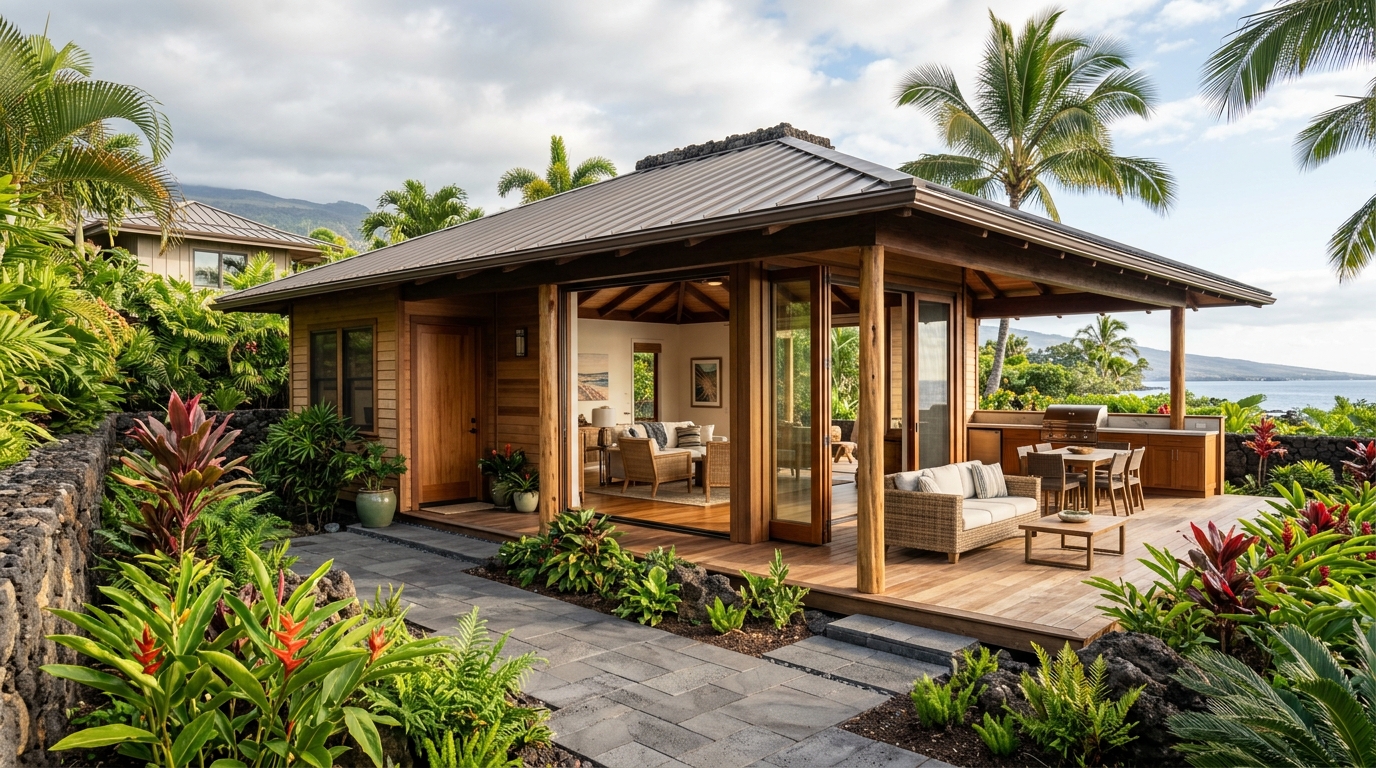
Building an Accessory Dwelling Unit (ADU) in Kailua-Kona in 2026 is a smart move, but you need to go in with your eyes open. As a general contractor here for over two decades, we can tell you that a realistic all-in cost for a quality ADU on the Big Island now runs between $475 and $650 per square foot, with a total project timeline of 12 to 18 months from initial design to handing you the keys. The biggest variable isn’t construction; it’s waiting for Hawaii County permit approval, which can easily take 6 to 9 months alone. For any homeowner on the Kona coast considering this, finding the right adu builder kailua-kona who understands the local landscape is the single most important decision you’ll make. It’s the difference between a smooth process and a project bogged down by unforeseen costs and delays.
\n
Many homeowners are looking to build ADUs—or ohana units as we’ve called them for generations—for family members, aging parents, or to generate much-needed rental income. The potential is huge, but so are the pitfalls if you’re not prepared. You have to account for everything from the volcanic rock under your soil to the corrosive salt air coming off the Pacific and the logistical challenge of getting every single 2×4 and window shipped to the island. In this guide, our team at Warrior Construction will walk you through the real numbers, timelines, and critical considerations for your Kailua-Kona ADU project. We’ll cover costs, permits, material choices suited for the Kona climate, and how to select an ADU contractor who won’t let you down.
\n\n
Why Kailua-Kona Homeowners Trust Warrior Construction as Their ADU Builder
\n
Choosing a contractor for your ADU project is about more than just a license and a quote; it’s about finding a team with proven, on-the-ground experience right here in West Hawai’i. At Warrior Construction, we’ve been building on the Big Island for years, and we understand the unique challenges that a Kailua-Kona project presents. Our license, BC-34373, is more than just a number; it represents a long history of successfully completed projects and satisfied clients from Keauhou to Holualoa.
\n
What sets us apart is our deep understanding of the local environment. We’re not just a paper contractor managing subs from an office in Honolulu. Our team has dealt firsthand with the tough realities of building here. For example, we know that excavating for a foundation in Kona isn’t just digging dirt. You’re often dealing with dense pāhoehoe or sharp, crumbly ʻaʻā lava rock, which requires specialized equipment and adds time and cost that mainland-based builders would never anticipate. On a recent project just above Ali’i Drive, we budgeted an extra $18,000 for rock hammering and excavation, a cost that would have been a painful surprise change order for a less experienced contractor.
\n
Furthermore, our relationships with local suppliers like HPM and Honsador, and our established logistics for getting materials from the mainland through Kawaihae Harbor, mean we can manage the island’s challenging supply chain more effectively. We know which materials hold up to Kona’s intense sun and salt air and which ones will fail in five years. We specify 316-grade stainless steel fasteners, standing-seam metal roofing with Kynar finishing, and fiber cement siding not because they’re trendy, but because we’ve seen what happens when you don’t. Our focus is on building an ohana unit that not only looks great but will stand the test of time in our demanding coastal climate. As your dedicated ADU contractor in Kailua-Kona, our job is to anticipate these issues, plan for them, and build you a home that lasts.
\n\n
What Does an ADU Builder Cost in Kailua-Kona?
\n
Let’s get straight to the point: in 2026, the average cost to build a turnkey ADU in Kailua-Kona is between $475 and $650 per square foot. For a standard 800-square-foot, 2-bedroom ADU, you should budget for a total project cost between $380,000 and $520,000. This all-in number includes design, engineering, permits, site work, construction, and basic finishes. Anyone quoting you significantly less is likely cutting corners or not including the full scope of work.
\n
The costs on the Big Island are higher than on the mainland for a few key reasons: inter-island shipping for all materials, a limited pool of skilled labor, and site conditions unique to our volcanic landscape. Here’s a realistic breakdown of where that money goes for a typical 800 sq. ft. ADU:
\n
- \n
- Soft Costs (Design, Engineering, Permits): $30,000 – $45,000. This includes architectural plans, structural engineering (critical for hurricane code compliance), and all the fees for Hawaii County’s Planning Department and Department of Public Works.
- Site Prep & Foundation: $40,000 – $75,000. This is a major variable. A flat, clear lot might be on the lower end. A sloping lot with heavy lava rock requiring extensive excavation and retaining walls can easily push this cost higher.
- Framing & Structure: $60,000 – $90,000. This includes all lumber, hurricane straps, shear walls, and roof trusses needed to meet current building codes.
- Exterior Finishes (Roofing, Siding, Windows): $55,000 – $80,000. We strongly recommend investing in quality here. A standing seam metal roof, impact-rated windows, and fiber cement siding will cost more upfront but save you thousands in maintenance against the Kona sun and salt.
- Interior Systems (Plumbing, Electrical, HVAC): $45,000 – $70,000. This covers everything from wiring and panel installation to plumbing for the kitchen and bathrooms. If you need a new septic system, that alone can add $20,000-$30,000.
- Interior Finishes (Drywall, Flooring, Cabinets, Paint): $80,000 – $130,000. This is where your personal taste has the biggest impact on the budget. Custom cabinets, stone countertops, and high-end tile will be at the top of this range.
- General Contractor Fee & Contingency (25-30%): This covers project management, insurance, and a crucial 10-15% contingency fund. On an island, you never start a project without a healthy contingency for shipping delays or unexpected site issues.
\n
\n
\n
\n
\n
\n
\n
\n
To put it in perspective, here is a cost comparison for two common ADU sizes in Kona:
\n
| Cost Component | 500 sq. ft. (1-Bed/1-Bath) ADU | 800 sq. ft. (2-Bed/1-Bath) ADU |
|---|---|---|
| Estimated Cost per sq. ft. | $550 – $650 | $475 – $600 |
| Total Estimated Project Cost | $275,000 – $325,000 | $380,000 – $480,000 |
| Typical Construction Timeline | 4-5 Months | 5-7 Months |
\n
Remember, smaller projects often have a higher per-square-foot cost because fixed expenses like permitting and utility hookups are spread over less area. An experienced ohana unit builder kailua-kona will provide a detailed, line-item budget so you can see exactly where your money is going.
\n\n
How Long Does an ADU Builder Take in Kailua-Kona?
\n
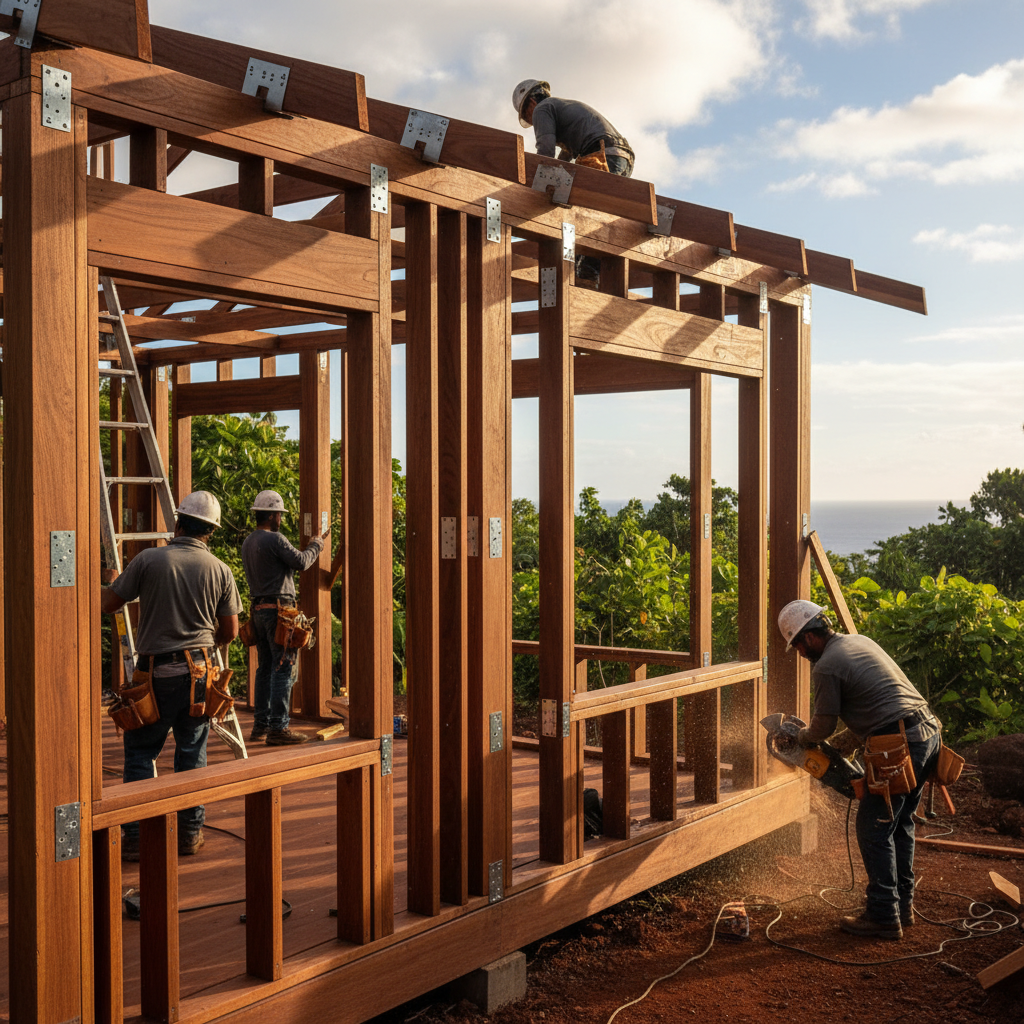
The most common misconception we encounter is about the timeline. While the physical construction might only take 5-7 months, the entire process from our first meeting to you moving in will likely span 12 to 18 months in 2026. The biggest factor is not swinging hammers; it’s pushing paper through the county’s permitting system.
\n
As a seasoned ADU contractor in Kailua-Kona, we guide our clients through a predictable four-phase process. Here’s a realistic timeline you can expect:
\n
Phase 1: Design and Pre-Construction (2-4 Months)
\n
- \n
- Initial Consultation & Feasibility: We meet with you, analyze your property for zoning compliance, setbacks, and utility access. We establish a preliminary budget and scope. (2-4 weeks)
- Architectural Design: Our design partners or your architect will create the schematic designs, floor plans, and elevations. This involves back-and-forth revisions to get it just right. (4-8 weeks)
- Engineering & Construction Documents: Once the design is locked, a structural engineer must create drawings that comply with Hawaii’s stringent hurricane and seismic codes. We also finalize all the detailed construction plans needed for the permit application. (4-6 weeks)
\n
\n
\n
\n
Phase 2: Permitting with Hawaii County (6-10 Months)
\n
This is the longest and least predictable phase. Once we submit the complete set of plans to the Hawaii County Planning Department and Department of Public Works, it enters a review queue. The plans are checked by multiple departments for zoning, building code, plumbing, electrical, and sometimes health department (for septic) compliance. Each department may have comments or require revisions, which can add weeks or months to the process. We’ve seen straightforward permits take 6 months, while more complex ones on challenging lots can stretch to a year. Patience is key here.
\n
Phase 3: Site Work and Construction (5-7 Months)
\n
Once we have the permit in hand, things start to move quickly.
\n
- \n
- Site Preparation & Foundation: Excavation, grading, utility trenching, and pouring the concrete slab or setting piers. (3-5 weeks)
- Framing & Rough-Ins: The structure goes up, the roof is put on, and windows are installed. Plumbers and electricians run all the pipes and wires inside the walls. (6-8 weeks)
- Exterior & Interior Finishes: Siding, roofing, drywall, flooring, painting, cabinet installation, and tiling. (8-12 weeks)
- Finals: Installation of fixtures, appliances, and final touch-ups. County inspectors will visit at various stages to sign off on the work. (2-4 weeks)
\n
\n
\n
\n
\n
Phase 4: Final Inspections and Handover (2-3 Weeks)
\n
After the last coat of paint is dry, we schedule the final building, electrical, and plumbing inspections with the county. Once all inspections are passed, we receive the Certificate of Occupancy. We then do a final walkthrough with you, hand over the keys, and your new ADU is ready to live in.
\n\n
What Permits Do You Need for ADU Builder in Kailua-Kona?
\n
Navigating the permitting process for an ADU in Hawaii County is a complex task that absolutely requires a professional. You can’t just start building an ohana unit in your backyard. The entire project must be planned, engineered, and submitted for review and approval by the Hawaii County Planning Department and Department of Public Works. A failure to get the proper permits can result in massive fines, stop-work orders, and even orders to tear down unpermitted structures.
\n
While some people hear about Oahu’s “Bill 7” and assume there’s a simple, streamlined process, the reality on the Big Island is governed by our own set of county ordinances. The term for ADUs here is often an “Ohana Dwelling Unit,” and the rules can be just as strict. As your adu builder kailua-kona, we handle this entire process. Generally, a complete permit application package will include:
\n
- \n
- Building Permit Application: The main application form detailing the scope of work, property details, and valuation.
- Construction Plans: Multiple sets of detailed architectural and structural plans, stamped by a Hawaii-licensed architect and engineer. These must show floor plans, elevations, cross-sections, foundation details, and hurricane-resistant connections.
- Site Plan: A drawing showing the location of the new ADU on your property, including setbacks from property lines, the primary dwelling, and any other structures.
- Plumbing & Electrical Plans: Separate drawings detailing the schematics for all plumbing and electrical systems, often requiring their own sub-permits.
- Wastewater System Approval: If your property is not connected to the county sewer, you will need approval from the Department of Health for a new septic system or to verify the existing system can handle the additional load. This can be a major hurdle and expense.
- Grading & Grubbing Permits: If your project involves significant earthmoving, you may need a separate permit for that work before the building permit is even issued.
\n
\n
\n
\n
\n
\n
\n
The review process is multi-layered. A plan reviewer from each relevant department will scrutinize your submission. For example, the Planning Department checks for zoning compliance (lot size, setbacks, unit size), while a building plan reviewer checks for structural code compliance (hurricane straps, foundation specs, etc.). It’s common to receive a sheet of comments or corrections that must be addressed by your architect or engineer and resubmitted. This back-and-forth is what extends the timeline. An experienced local contractor will have established relationships with plan reviewers and understand their common concerns, which can help anticipate and address potential issues before the initial submission, saving valuable time.
\n\n
Kailua-Kona-Specific Considerations: Climate, Materials, Regulations
\n
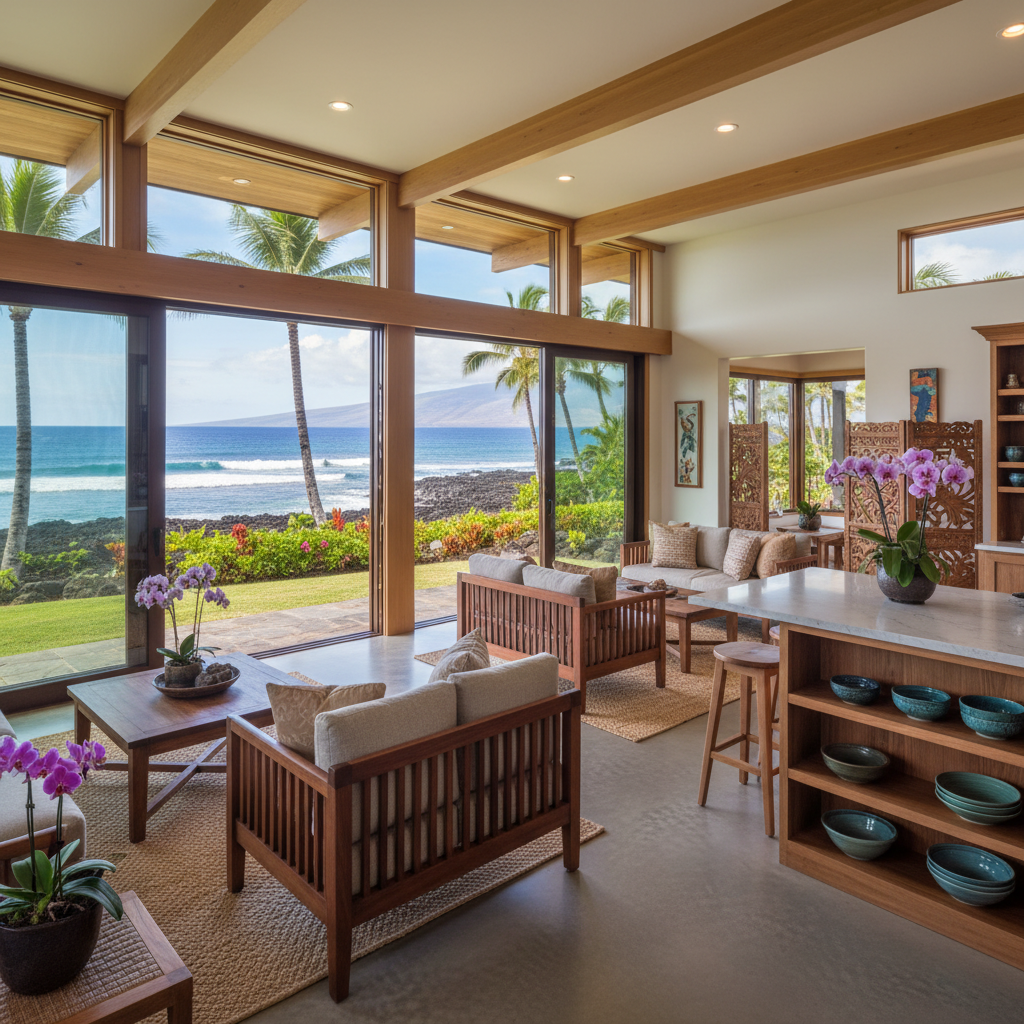
Building on the Kona coast is unlike anywhere else. You can’t just use standard mainland construction methods and expect them to hold up. An expert ADU builder in Kailua-Kona understands that our unique environment demands specific materials, techniques, and regulatory knowledge.
\n\n
Climate and Materials
\n
The two biggest environmental factors in Kona are the relentless sun and the corrosive salt air. Anything built near the coast is in a constant battle with rust and UV degradation.
\n
- \n
- Metal Components: We will never use standard galvanized fasteners or hardware on an exterior here. They will rust and fail within a few years. We specify 316-grade stainless steel for all screws, nails, and structural connectors. It’s a significant material cost increase, but it’s non-negotiable for longevity.
- Roofing: An asphalt shingle roof might last 10-15 years here before the sun cooks it and it becomes brittle. We almost always recommend a 24-gauge standing seam metal roof with a Kynar 500 paint finish. It reflects solar heat better, withstands high winds, and can last 40-50 years, even with the salt spray.
- Siding: Wood siding looks beautiful but requires constant maintenance. For a low-maintenance ADU, we use fiber cement siding (like James Hardie products). It’s impervious to termites, won’t rot or warp, and holds paint exceptionally well under the intense UV exposure.
- Windows and Doors: We recommend vinyl or fiberglass window frames over aluminum, as they don’t corrode. If a client wants aluminum for its slim profile, it must be AAMA 2605 powder-coated for protection. All glass should be impact-rated to meet hurricane code and have a low-E coating to block heat and protect interiors from sun damage.
\n
\n
\n
\n
\n\n
Geology and Site Work
\n
Your property’s geology is a huge factor. Much of Kona is built on old lava flows. Breaking ground can mean hitting solid blue rock just inches below the surface. This requires heavy equipment like hydraulic hammers, which significantly increases the cost and timeline for trenching utilities and digging foundations compared to a property with deep soil.
\n\n
Local Regulations
\n
Hawaii County has its own specific rules for Ohana Dwelling Units that differ from Oahu or Maui. As of 2026, key regulations include:
\n
- \n
- Lot Size: The minimum lot size required to build a detached ohana unit can vary by zoning, but is often 10,000 square feet or more.
- Unit Size: The maximum size of the ADU is also dictated by your lot size, typically capped at a percentage of the main home’s living area or a fixed square footage like 800 or 1,000 sq. ft.
- Ownership: The property owner must occupy either the main house or the ohana unit. This is intended to prevent lots from being turned into de facto duplexes by absentee landlords.
- Parking: You are typically required to provide at least one additional off-street parking stall for the ADU.
\n
\n
\n
\n
\n
An experienced local contractor will verify all these details for your specific TMK (Tax Map Key) number during the feasibility phase, ensuring your project is compliant from day one.
\n\n
How to Choose the Right ADU Builder Contractor in Kailua-Kona
\n
Choosing the right contractor is the most critical step in your ADU journey. A good general contractor can make the process smooth and predictable, while a bad one can turn your dream into a nightmare of delays, cost overruns, and shoddy work. Here are the key things we advise homeowners to look for:
\n
- \n
- Verify Their License and Insurance. This is non-negotiable. Any legitimate contractor in Hawaii must have a license issued by the Department of Commerce and Consumer Affairs (DCCA). You can and should verify their license status online.[1] Our license is Warrior Construction, BC-34373. Also, ask for certificates of general liability and worker’s compensation insurance. Without these, you could be held liable for any accidents on your property.
- Demand Big Island Experience. Don’t hire an Oahu-based company with a slick website but no real track record here in Kona. Ask potential builders: \”How many ADUs have you built in Kailua-Kona in the last three years?\” Ask to see a portfolio of their local work and for the addresses of completed projects so you can drive by. They should be able to speak fluently about dealing with Hawaii County inspectors, navigating the Kawaihae harbor for materials, and the challenges of building on lava rock.
- Get a Detailed, Itemized Bid. Never accept a one-page quote with a single lump-sum number. A professional bid should be several pages long, breaking down the costs for each phase of the project: demolition, foundation, framing, plumbing, electrical, finishes, etc. This transparency allows you to compare bids accurately and shows that the contractor has thoroughly thought through your project.
- Check Their References. Talk to their last three clients. Don’t just ask if they were happy. Ask specific questions: Did the project stay on budget? How were change orders handled? How was the communication throughout the project? Was the job site kept clean and safe? Did they finish on time?
- Assess Their Communication Style. Building an ADU is a long-term relationship. You will be communicating with your contractor for over a year. Do they answer your calls? Do they respond to emails promptly? Do they explain complex construction issues in a way you can understand? You need a partner you can trust and communicate with openly.
- Trust Your Gut. After you’ve done all your due diligence, trust your instincts. If a bid seems too good to be true, it is. If you get a bad feeling from a contractor, it’s better to walk away and find someone you feel comfortable entrusting with a half-million-dollar project on your property.
\n
\n
\n
\n
\n
\n
\n\n
Real Kailua-Kona ADU Builder Project Example
\n
To make all of this more concrete, let’s look at a typical project we recently completed. It perfectly illustrates the process and realities of building an ADU in Kona today.
\n
The Client: A retired couple living in Kealakekua, on a half-acre lot zoned for agriculture. Their goal was to build a comfortable, single-level, 750-square-foot ohana unit for their daughter and her young son to live in, allowing for multi-generational living while maintaining privacy.
\n
The Challenge: The chosen building site on their property was on a 15-degree slope and covered in dense, old ʻaʻā lava. A standard concrete slab foundation would have required massive, cost-prohibitive excavation and retaining walls. Furthermore, their existing septic system was old and would not be approved by the health department to support a second dwelling.
\n
Our Solution as their ADU Builder:
\n
- \n
- Foundation: Instead of a slab-on-grade, we designed a post-and-pier foundation. This technique minimizes site disturbance by creating a level floor system elevated on concrete piers anchored into the lava rock. This saved the client over $30,000 in excavation and concrete work.
- Wastewater: We worked with a local civil engineer to design and install a new, modern septic system appropriately sized for both homes. While this added $25,000 to the budget, it was a necessary step for permit approval and the long-term health of the property.
- Design: We designed a simple but elegant 2-bedroom, 1-bathroom unit with a large covered lanai oriented to capture the mauka-makai breezes for natural ventilation, reducing the need for constant air conditioning.
\n
\n
\n
\n
The Numbers and Timeline:
\n
- \n
- Total Project Cost: $412,500 (approx. $550/sq. ft.)
- Permitting Time: 8 months from submission to approval by Hawaii County.
- Construction Time: 6 months from breaking ground to final walkthrough.
- Total Duration: 14 months.
\n
\n
\n
\n
\n
The Outcome: The family now has a beautiful, durable, and fully permitted ohana unit that meets their needs perfectly. By identifying the key challenges—slope, lava rock, and septic—during the pre-construction phase, we were able to engineer solutions and provide a firm, transparent budget with no major surprises. This is the value an experienced local ADU contractor brings to the table.
\n\n
What this means for Hawaii homeowners
\n
Building an ADU in Kailua-Kona is a significant investment, but it’s one of the best ways to enhance your property’s value and utility. Whether for family or for rental income, it’s a project that can pay dividends for decades. However, success depends entirely on proper planning and execution. The idyllic vision of a simple backyard cottage can quickly become a complex, expensive ordeal if you’re not prepared for the realities of construction on the Big Island.
\n
Here are the most important takeaways for any homeowner considering this path in 2026:
\n
- \n
- Start Early: The 12-18 month timeline is real. If you want your ADU ready by summer 2028, you need to be selecting your builder and starting the design process right now in mid-2026. The long permitting queue at the county office is the primary driver of this timeline.
- Budget Realistically: Hope is not a strategy. Use the $475-$650 per square foot range as a starting point for your financial planning. Secure your financing well in advance and always include a 15% contingency fund for unexpected costs. Supply chain hiccups or tricky excavation can easily eat up that buffer.
- Hire a Local Pro: Your single most important decision is choosing a licensed, insured, and experienced local general contractor. An ADU builder who primarily works in Kona will know the permitting clerks, understand the soil conditions, have relationships with suppliers, and build to withstand our specific climate. This local expertise is invaluable.
- Invest in Durability: Don’t try to save a few thousand dollars by using cheaper, mainland-grade materials. Investing in stainless steel hardware, high-quality roofing, and impact-rated windows will save you tens of thousands in repairs and maintenance down the road. Build it right the first time.
\n
\n
\n
\n
\n
An ADU project is a marathon, not a sprint. By approaching it with a clear-eyed view of the costs, timeline, and local challenges, you can navigate the process successfully and create a valuable addition to your Kailua-Kona home.
\n\n
Frequently Asked Questions About ADU Builder in Kailua-Kona
\n
What’s the maximum size for an ADU in Hawaii County?
\n
As of 2026, the maximum size of an ADU or \”Ohana Dwelling Unit\” in Hawaii County depends on your lot size and zoning. For most residential lots, it’s typically capped at 800 or 1,000 square feet of living area, not including garages or lanais. However, the rules are nuanced, so it’s critical to have your specific property (TMK) reviewed by a professional to confirm what you’re allowed to build.
\n
\n
Can I build an ADU on my agricultural-zoned land in Kona?
\n
Yes, in many cases you can. Hawaii County ordinances often allow for an additional dwelling unit on agricultural-zoned lots, sometimes with different size restrictions than residential lots. This is a great way to house farm workers or family. However, the permitting process may have extra steps, including verification of your agricultural activities, so it’s important to work with a contractor familiar with ag land regulations.
\n
\n
How much value does an ADU add to a Kailua-Kona property?
\n
While it varies, a permitted, well-built ADU almost always adds significant value, often more than its cost to build. In addition to the direct appraisal value increase, it creates an income-generating asset. With rents in Kona being what they are, a 2-bedroom ADU can potentially generate $2,500-$3,500 per month in rental income, which dramatically impacts your property’s overall financial value and appeal to future buyers.
\n
\n
What’s the biggest unexpected cost homeowners face?
\n
The most common surprise costs are related to site work. Homeowners see a clear patch of land, but we see what’s underneath. Hitting solid lava rock that requires days of hammering can add $15,000-$25,000 to a project. The other major one is discovering you need to install a completely new septic system, which can be a $20,000-$30,000 expense that wasn’t initially on your radar.
\n
\n
Does my ADU need its own separate utility meters?
\n
Typically, no. In most cases, the electrical and water for the ADU can be sub-metered from the main house’s service. This is much more cost-effective than paying HELCO or the Department of Water Supply for a completely new service connection and meter, which can cost tens of thousands. An experienced ADU contractor in Kailua-Kona will advise on the most efficient way to set up utilities.
\n
\n
How does the lava zone of my property affect my ADU project?
\n
Lava zones are a critical factor on the Big Island. If your property is in Lava Zone 1 or 2 (the highest risk areas), it can be extremely difficult and expensive to get financing and homeowners insurance for new construction. Most residential areas in Kailua-Kona are in Zone 4, which is considered much lower risk and generally doesn’t pose a major obstacle to building or insuring an ADU.
\n
\n
Is it cheaper to use a prefab or modular ADU kit?
\n
Sometimes, but not always. While the kit itself might seem cheaper, the costs of shipping it to Kona, crane rental for placement, extensive site-specific foundation work, and hooking up all the utilities can quickly erode those savings. By the time it’s all said and done, a custom-built ADU is often comparable in price but allows for a design that perfectly fits your lot and your needs.
\n
\n
\n\n
Building an ADU is a complex but rewarding process. If you’re ready to explore the possibility of adding an ohana unit to your Kailua-Kona property, the first step is a professional assessment.
\n
Our team at Warrior Construction (BC-34373) has the local experience to guide you from concept to completion, ensuring your project is built to last in our unique island environment. We can help you understand what’s possible on your lot and provide a realistic budget and timeline for your vision.
\n
Ready to start the conversation? Learn more about our ADU & Ohana Unit construction services or request a free, no-obligation estimate today.
\n\n
References
\n