“
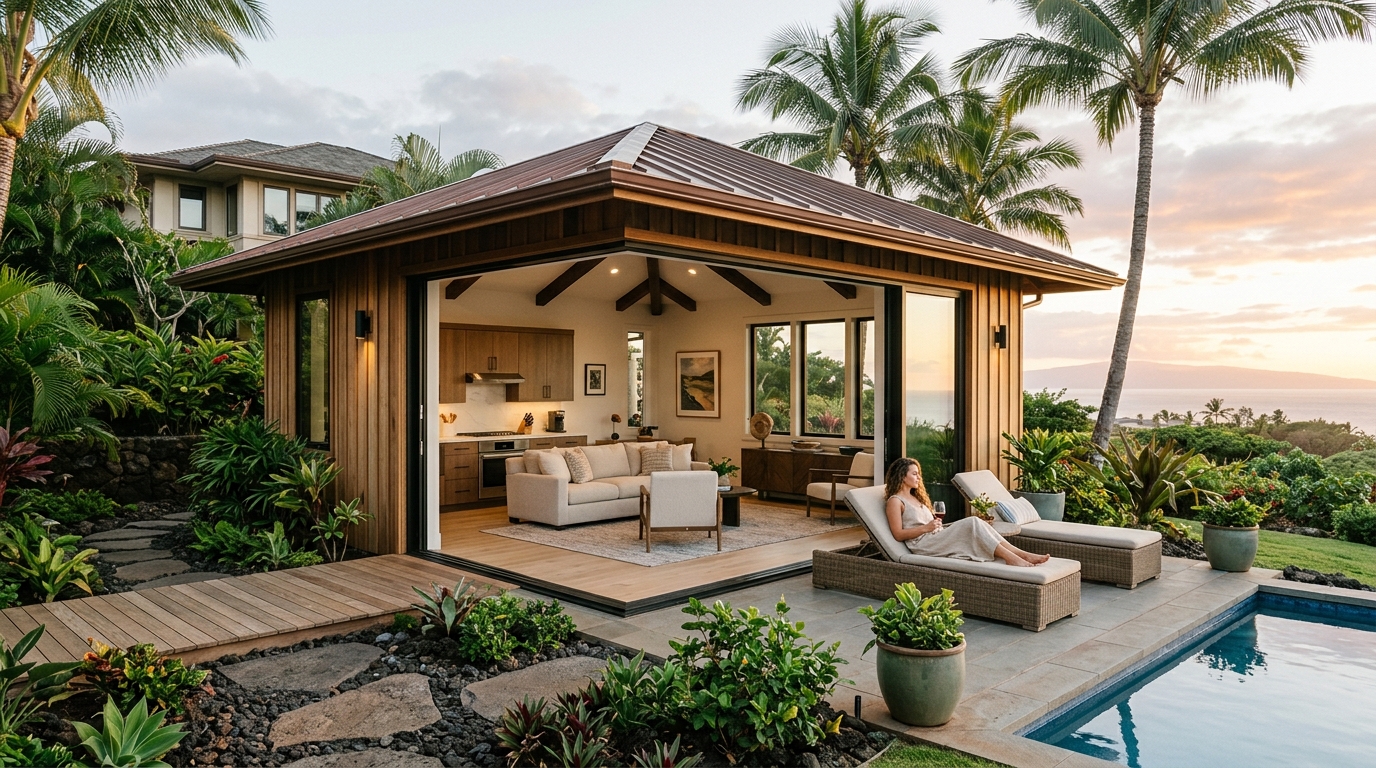
Building an Accessory Dwelling Unit (ADU) in Kapalua in 2026 is a significant investment, but one with incredible potential. The straight answer is that a well-built 800-square-foot ADU in this part of West Maui will typically cost between $400,000 and $650,000, and the entire process from initial design to moving in will take roughly 14 to 20 months. Those numbers can be startling, but they reflect the reality of building luxury-grade construction on a neighbor island with demanding terrain and exacting community standards. As a dedicated adu builder kapalua, we’ve seen it all, and our goal is to give you the clear, no-nonsense information you need to make a smart decision.
\n\n
This isn’t like building a simple shed in the backyard. Kapalua’s unique environment—from its salty sea breezes to its sloping volcanic landscapes and strict design covenants—presents challenges that mainland contractors simply don’t understand. Furthermore, navigating the Maui County permitting process requires patience and local knowledge. This guide is built from our 20+ years of on-the-ground experience right here in Hawaii. We’ll walk you through realistic costs, timelines, permit hurdles, and the specific material choices that will ensure your investment stands the test of time against the elements. You’ll learn why a cheap bid is often the most expensive one in the long run and how to select a contractor who can deliver a true Kapalua-quality ohana unit.
\n\n
Why Kapalua Homeowners Trust Warrior Construction for ADU Builder
\n\n
When you’re looking for an ADU builder in Kapalua, you’re not just hiring someone to stack lumber; you’re entrusting them with a major addition to your most valuable asset. Homeowners in this area choose our team at Warrior Construction (License BC-34373) because we bring a specific combination of statewide capability and deep-rooted Maui expertise. We’re not an Oahu-based company trying to figure out neighbor island logistics on the fly. We have established relationships with Maui’s best subcontractors, suppliers, and, critically, the plan reviewers at the Maui County offices in Wailuku.
\n\n
Here’s the thing: building in Kapalua is a different animal. On a recent project near the Plantation Estates, we had to coordinate with the Kapalua Resort Association’s Design Review Committee for three months *before* we even submitted plans to the county. Their standards for exterior finishes, rooflines, and even landscape integration were more stringent than the county’s building code. A contractor without that specific experience would have faced months of delays and redesign costs. We anticipate these hurdles and build them into our preconstruction schedule. This proactive approach saves our clients time and money.
\n\n
Our process is transparent from day one. We start with a thorough feasibility study of your property. We’ll assess the topography, utility access, and zoning setbacks to give you a realistic picture of what’s possible. We don’t just give you a number; we provide a detailed cost breakdown so you can see exactly where your money is going. This level of detail is crucial for a project of this scale. You need a partner who understands that building an ohana unit in Kapalua isn’t just about adding square footage—it’s about enhancing a lifestyle and protecting your property’s value for decades to come. Our commitment to using the right materials for the coastal environment and our unwavering focus on build quality are why discerning homeowners trust us with their projects.
\n\n
What Does ADU Builder Cost in Kapalua?
\n\n
Let’s get straight to the numbers for 2026. For a high-quality, 800-square-foot detached ADU in Kapalua, you should budget for a total project cost of approximately $480,000 to $640,000. This works out to a range of $600 to $800 per square foot. While that might seem high compared to mainland figures or even other parts of Hawaii, it’s a realistic reflection of the costs associated with building to Kapalua’s standards, dealing with Maui logistics, and accounting for site-specific challenges.
\n\n
The total cost is broken down into several key areas:
\n\n
- \n
- Soft Costs (10-15%): $48,000 – $96,000. This is everything that happens before we break ground. It includes architectural design, structural engineering (especially important for sloped lots), surveying, HOA review fees, and the substantial Maui County permit fees. For a typical ADU, you can expect county permit fees alone to be in the $15,000 – $25,000 range.
- Site Work & Foundation (15-20%): $72,000 – $128,000. Kapalua is not flat. Many properties require significant excavation, grading, and retaining walls just to create a level building pad. The volcanic rock and soil can make this work complex and expensive. Pouring a concrete slab foundation with proper footings designed for the local soil conditions falls into this category.
- Hard Costs (50-60%): $240,000 – $384,000. This is the core construction: framing, roofing, windows, doors, electrical, plumbing, insulation, drywall, and exterior finishes. The key here is material selection. In Kapalua, we strongly advise against standard aluminum windows that will pit and corrode in months. We specify fiberglass or high-end vinyl windows, 316 stainless steel fasteners, and robust waterproofing systems. These choices add cost upfront but save you from expensive repairs down the line.
- Interior Finishes & Landscaping (10-15%): $48,000 – $96,000. This is where you have the most control over the budget. A basic appliance package might cost $8,000, while a high-end Sub-Zero and Wolf package could easily exceed $40,000. The same goes for flooring, cabinetry, countertops, and tile. We also factor in a budget for basic landscaping and irrigation to meet HOA requirements.
\n
\n
\n
\n
\n\n
The “Maui premium” is a real factor. Nearly everything, from lumber to specialty fixtures, has to be shipped over from the mainland or Oahu. This adds 15-25% to material costs compared to a project in Honolulu. For a recent ADU we built in Kapalua, the barge shipping costs for the lumber package and windows alone added over $22,000 to the project budget. An experienced Maui builder knows how to manage this supply chain efficiently, bundling shipments and working with local suppliers to mitigate these costs as much as possible. A less experienced ADU contractor kapalua might underestimate these costs, leading to painful change orders later.
\n\n
How Long Does a ADU Builder Take in Kapalua?
\n\n
From the moment you decide to build an ADU to the day you hand over the keys, you should plan for a total timeline of 14 to 20 months in Kapalua. Many homeowners are surprised by this, expecting a 6-month construction project. The reality is that the actual building is often the shortest part of the process. The long pole in the tent is, without a doubt, the permitting phase with Maui County.
\n\n
Here’s a realistic breakdown of the timeline for a 2026 project:
\n\n
- \n
- Phase 1: Design and Planning (3-5 months). This is where we work with you and our architectural partners to create the perfect design for your property. It involves initial concepts, detailed construction drawings, structural engineering calculations, and selecting all your materials and finishes. For Kapalua projects, this phase also includes preparing a submission package for your community association’s design review board, which can add another 4-6 weeks of back-and-forth revisions before they approve the design.
- Phase 2: Permitting (8-12 months). This is the most frustrating and unpredictable phase for homeowners. Once we submit the completed plans to the Maui County Department of Planning and Department of Public Works, they enter a long queue for review. In 2026, the backlog is significant. A plan reviewer might take 3-4 months just to provide the first round of comments. We then address those comments and resubmit, which puts us back in the queue. It’s a slow, methodical process. For example, on a project near Fleming Beach, we waited seven months just to get the initial feedback from the county, which included a request for a revised drainage plan due to proximity to a gulch. An experienced local builder knows the reviewers and can often anticipate their comments, which helps streamline the process, but the long wait times are unavoidable.
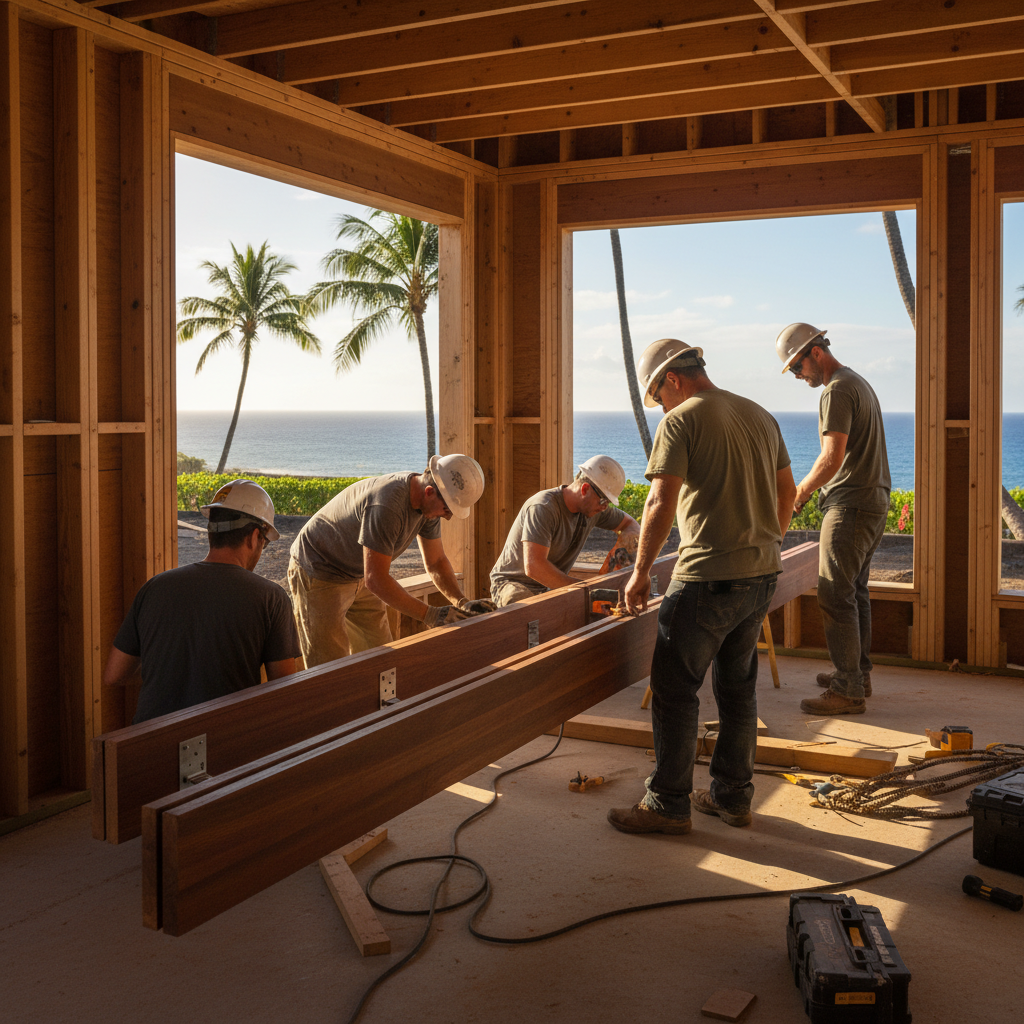
- Phase 3: Construction (6-8 months). Once we have the permit in hand, things move quickly. This is the “boots on the ground” phase that includes excavation, foundation, framing, roofing, and all interior and exterior work. The timeline here is more predictable, but can still be affected by weather (especially during the rainy season) and the availability of specialized subcontractors on Maui. We build a detailed schedule and manage our crews and subs tightly to keep the project on track.
\n
\n
\n
\n\n
So, while the physical construction might only take half a year, the total journey is much longer. It’s critical to partner with an ADU builder who sets realistic expectations from the start and has the experience to navigate the long and winding road of Maui County permitting. We can’t make the county move faster, but we can ensure your plans are complete and correct on the first submission to avoid unnecessary delays.
\n\n
What Permits Do You Need for ADU Builder in Kapalua?
\n\n
Building a legal ADU in Kapalua requires a stack of approvals, and attempting to bypass this process is a recipe for disaster. The Maui County Planning Department is vigilant, and unpermitted structures can result in hefty fines, demolition orders, and major problems when you try to sell your property. As your general contractor, we manage the entire permitting process, but it’s important for homeowners to understand what’s involved.
\n\n
For a standard detached ohana unit, you will need a comprehensive Building Permit from the Maui County Department of Public Works. This single permit application actually encompasses multiple disciplines and requires a full set of stamped architectural and engineering plans. The county will review the plans for compliance with a wide range of codes, including:
\n\n
- \n
- Zoning Compliance: Checked by the Planning Department to ensure the ADU meets setback requirements, lot coverage limits, and size restrictions (typically 800 square feet for a detached unit on Maui).
- Structural Integrity: The plans must be stamped by a Hawaii-licensed structural engineer, verifying the foundation, walls, and roof are designed to withstand local conditions, including hurricane-force winds.
- Electrical Code: A full electrical plan showing circuits, outlets, and panel location is required.
- Plumbing Code: The plans must detail all water supply lines, drain, waste, and vent (DWV) systems.
- Energy Code: The design must meet Hawaii’s energy efficiency standards.
\n
\n
\n
\n
\n
\n\n
In addition to the main building permit, separate permits are often required for:
\n\n
- \n
- Grading and Grubbing: If your project involves moving a significant amount of dirt (common on Kapalua’s sloped lots), a separate grading permit is necessary.
- Wastewater System: You must provide a plan showing how the ADU will connect to the county sewer system or an approved septic system. This involves calculations to ensure the existing infrastructure can handle the additional load.
\n
\n
\n\n
While Honolulu’s Bill 7 was a landmark piece of legislation that spurred ADU development on Oahu[1], it’s crucial to understand that Maui has its own distinct set of rules. The spirit is similar—to encourage more housing—but the specifics of Maui County’s ordinance are what govern a Kapalua project. A common mistake we see is homeowners reading an article about Honolulu ADUs and assuming the same rules apply. For a Bill 7 ADU Kapalua search, it’s more accurate to look up the Maui County ADU ordinance. Our team stays current on every amendment to ensure your plans are compliant from day one. This deep local knowledge is non-negotiable for a smooth permitting process.
\n\n
Kapalua-Specific Considerations: Climate, Materials, Regulations
\n\n
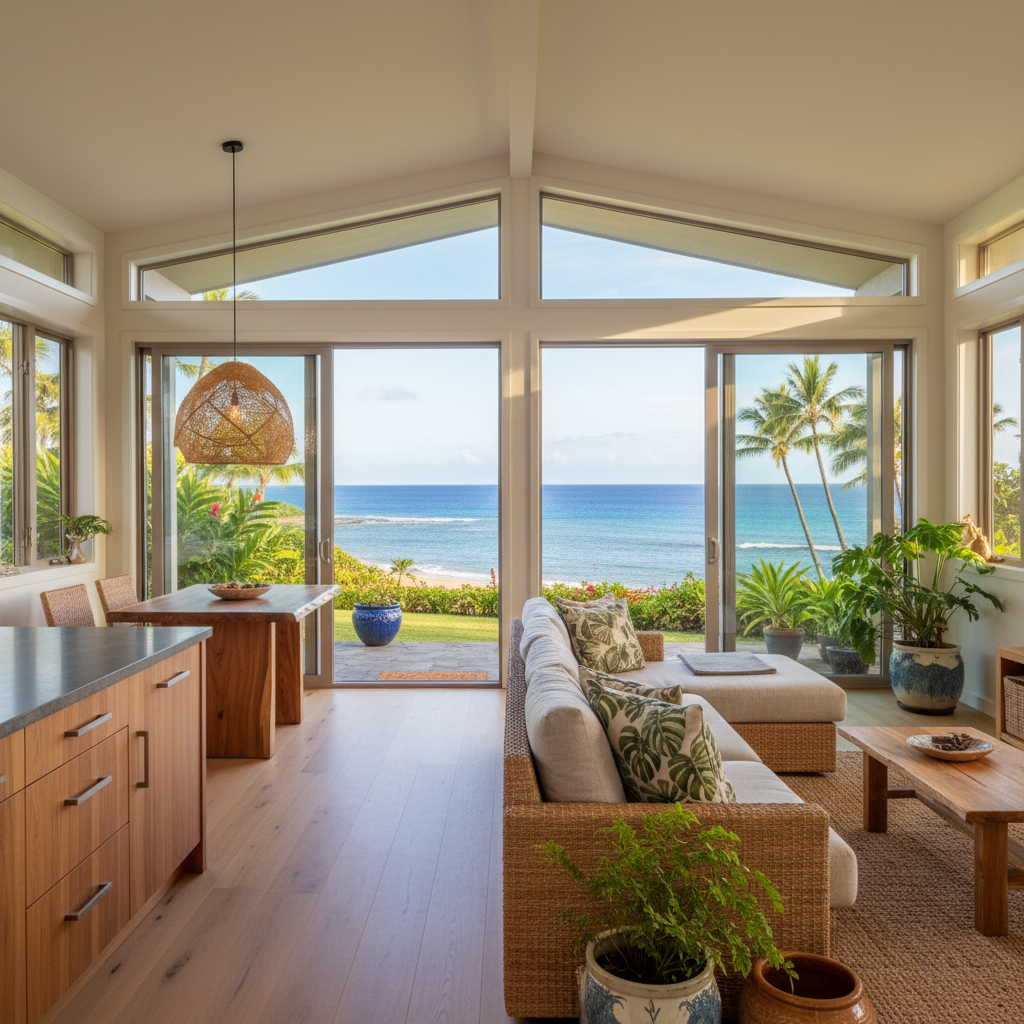
Building in Kapalua is not like building anywhere else, not even other parts of Maui. This area has a unique microclimate and a regulatory environment that demands specialized knowledge. A contractor who uses the same methods and materials here as they would in Central Maui or on Oahu is setting you up for long-term problems.
\n\n
Climate and Materials
\n
The number one enemy of any structure in Kapalua is the relentless, salt-laden ocean air. It’s incredibly corrosive. We’ve been called to inspect homes less than 10 years old where standard aluminum window frames were pitted and failing, and exterior steel light fixtures had rusted into oblivion. For any ADU we build here, we have a non-negotiable list of material upgrades:
\n
- \n
- Fasteners: All exterior nails, screws, and structural connectors must be 316-grade stainless steel. It’s a significant cost increase over standard galvanized hardware, but anything less will rust and fail, compromising the structural integrity of your home.
- Windows and Doors: We recommend high-performance fiberglass or vinyl frames. They are impervious to salt corrosion and offer excellent energy efficiency. If a client insists on aluminum for aesthetic reasons, we specify only AAMA 2605-rated powder coatings, the highest grade available for salt spray resistance.
- Roofing: Standing seam metal roofing is popular, but it must have a Kynar 500 or Hylar 5000 finish to resist fading and corrosion from the intense UV exposure and salt air.
- Waterproofing: With the frequent wind-driven rain, we use a robust system of peel-and-stick membranes around all window and door openings, integrated with a high-quality weather-resistive barrier (WRB) on the walls. This creates a bulletproof exterior envelope.
\n
\n
\n
\n
\n\n
Topography and Site Work
\n
Kapalua’s stunning views come from its dramatic topography. Most buildable lots have some degree of slope. This means site work is a major part of the project. We often have to engineer and build substantial retaining walls to create a stable building pad. Drainage is also critical. We design comprehensive systems with French drains and proper grading to channel the heavy tropical rains away from the foundation, preventing erosion and water intrusion issues.
\n\n
Regulations and Community Associations
\n
Before you even think about the county permit, you have to get past the Kapalua Resort Association (KRA) or your specific subdivision’s Design Review Committee. Their covenants, conditions, and restrictions (CC&Rs) are legally binding and often dictate everything from the color of your roof to the type of plants you can use in your landscaping. We have extensive experience preparing detailed submission packages for these committees. On a project in Pineapple Hill, we had to provide paint color samples, roofing material samples, and a full landscape plan for their approval. It’s an extra layer of bureaucracy, but it’s essential for maintaining the aesthetic and property values of the community. A builder who isn’t familiar with this process can cause significant delays and friction with your neighbors and the association.
\n\n
How to Choose the Right ADU Builder Contractor in Kapalua
\n\n
Selecting the right contractor is the single most important decision you’ll make in your ADU project. The right partner will guide you through the complexities, while the wrong one can turn your dream into a nightmare of delays, cost overruns, and shoddy workmanship. Here’s a checklist for vetting any potential ADU contractor kapalua.
\n\n
- \n
- Verify Their License and Insurance. This is non-negotiable. Any legitimate contractor in Hawaii will have a license number, like ours: BC-34373. You can and should verify this number on the Hawaii Department of Commerce and Consumer Affairs (DCCA) Professional & Vocational Licensing (PVL) website[2]. Ensure their license is active and they have no unresolved complaints. Also, ask for proof of general liability insurance and workers’ compensation insurance. Without it, you could be held liable for any accidents on your property.
- Insist on Maui-Specific Experience. Don’t be tempted by an Oahu-based company that claims they can work on Maui. The logistics are completely different. A local Maui builder has established relationships with the local building inspectors, which is invaluable. They know which suppliers on-island have the best materials and who to call when a specialized sub, like a good plasterer or tiler, is needed. Ask them: \”How many ADUs have you completed *in West Maui* in the last three years?\”
- Review a Portfolio of Similar Work. Ask to see photos and addresses of completed ADUs in the Kapalua or Lahaina area. A quality builder will be proud to show off their work. Look at the details—the alignment of the siding, the cleanliness of the paint lines, the quality of the finishes. Better yet, ask if you can speak with a few of their past clients. Ask those homeowners about the contractor’s communication, their process for handling changes, and whether they stayed on budget and on schedule. Check out our portfolio to see the quality we deliver.
- Demand a Detailed, Itemized Bid. Be very wary of a contractor who gives you a single, lump-sum price on a napkin. A professional bid will be several pages long, breaking down the costs for each phase of the project: demolition, site work, foundation, framing, plumbing, electrical, finishes, etc. This transparency not only shows you where your money is going but also allows for a fair comparison between different bids. It also becomes the basis for a solid contract.
- Evaluate Their Communication Style. During the bidding process, pay attention to how they communicate. Do they return your calls promptly? Do they answer your questions clearly and patiently? Building an ADU is a long-term relationship. You will be communicating with your contractor for over a year. You need to feel comfortable that they are responsive, professional, and will keep you informed every step of the way.
\n
\n
\n
\n
\n
\n\n
Real Kapalua ADU Builder Project Example
\n\n
To make this tangible, let’s walk through a recent project our team completed. It provides a clear picture of the process and the challenges involved in building an ohana unit in Kapalua.
\n\n
The Client: A couple with a home in the Kapalua Golf Villas community. They wanted to build a detached ohana unit for their aging parents, allowing them to live close by while maintaining their independence.
\n\n
The Goal: A 750-square-foot, single-level, 1-bedroom, 1.5-bathroom ADU designed for aging-in-place. Key features included a zero-threshold walk-in shower, wider doorways, and an open-concept living area. The aesthetic had to perfectly match the main home to comply with the strict Golf Villas AOAO design guidelines.
\n\n
The Challenges:
\n
- \n
- AOAO Approval: The Golf Villas Association had a multi-stage review process that required samples of all exterior materials, including the specific brand and color of stucco, the profile of the concrete roof tile, and the model of the exterior light fixtures.
- Sloped Lot: The only viable location for the ADU was on a portion of the property with a 15% grade. This required a complex foundation design and a significant retaining wall.
- Utility Connections: Tying into the existing sewer line required trenching across a meticulously landscaped yard. We had to carefully excavate and then restore the landscaping to its original condition.
\n
\n
\n
\n\n
Warrior Construction’s Solution:
\n
Our preconstruction team took the lead on the AOAO submittal package, working closely with the association’s architect to get every detail approved before we even approached the county. This saved at least three months of potential back-and-forth. For the foundation, our engineers designed a stepped concrete footing and slab that minimized the amount of costly excavation and fill. We brought in a landscape specialist at the beginning of the project to create a plan for carefully removing and preserving the valuable tropical plants before trenching for the utilities, then replanting them upon completion.
\n\n
The Outcome:
\n
- \n
- Total Timeline: 17 months (4 months for design/AOAO approval, 9 months for county permitting, 4 months for construction).
- Total Cost: $565,000, which came in just 2% over the original budget due to a client-requested upgrade to the kitchen appliances.
- Result: A beautiful, functional, and fully compliant ADU that blended seamlessly with the main residence. The clients’ parents were able to move in, and the property value increased significantly. This project highlights the importance of an experienced team that can manage not just construction, but the complex approvals and site challenges specific to Kapalua.
\n
\n
\n
\n\n
What this means for Hawaii homeowners
\n
Building an ADU in Kapalua is a fantastic way to create multi-generational living space, generate rental income, or simply enhance your property. However, it’s a serious undertaking that requires careful planning and a realistic understanding of the local landscape. The high costs and long timelines aren’t meant to discourage you, but to prepare you for a successful project.
\n\n
Here are the key takeaways you should focus on:
\n
- \n
- Budget Realistically: Use a figure of $600-$800 per square foot as your starting point for a quality build in 2026. This includes everything from design fees to final landscaping. A lower bid likely means corners are being cut on materials or labor, which will cost you more in the long run.
- Plan for the Wait: The 8-12 month permitting timeline with Maui County is real. Don’t make any financial or family plans that depend on a faster schedule. Start the design and permitting process as early as possible.
- Hire a True Maui Expert: Your contractor’s experience with the Kapalua Resort Association, West Maui’s climate, and the personalities at the Wailuku planning office is more valuable than any other qualification. This local knowledge is the key to navigating the inevitable challenges smoothly.
- Invest in a Resilient Structure: Don’t skimp on materials. The extra cost for stainless steel fasteners, fiberglass windows, and premium waterproofing will pay for itself many times over by avoiding premature failure and costly repairs in Kapalua’s harsh coastal environment.
\n
\n
\n
\n
\n\n
Ultimately, a well-designed and properly constructed ADU is a legacy asset. By approaching the project with the right budget, timeline, and expert team, you can create a valuable and enduring addition to your Kapalua home.
\n\n
Frequently Asked Questions About ADU Builder in Kapalua
\n
Can I build an ADU on my property in Kapalua?
\n
Most likely, yes, if you have a residential-zoned lot of at least 7,500 square feet. Maui County’s ADU ordinance allows for one detached ADU on qualifying lots. However, the final determination depends on your specific lot’s setbacks, existing structures, and any additional restrictions from your local community association, which can be stricter than county rules.
\n
\n
What is the maximum size for an ADU in Kapalua?
\n
Under current Maui County ordinances for 2026, the maximum size for a detached ADU is typically 800 square feet of living area. This does not include garages, carports, or lanais. It’s crucial to have a professional survey done to confirm your buildable area, as lot coverage limitations and setbacks can sometimes restrict you from building to the full 800 square feet.
\n
\n
How much value does an ADU add to a Kapalua home?
\n
While it varies, a professionally built, permitted ADU can add significant value, often more than its cost to build. In a high-demand area like Kapalua, a legal 800 sq ft ADU could add anywhere from $700,000 to over $1,000,000 to your property’s resale value, in addition to any potential rental income, which could easily be $5,000-$7,000 per month for a luxury unit.
\n
\n
Does Honolulu’s Bill 7 apply to my project in Kapalua?
\n
No, not directly. Bill 7 was a City and County of Honolulu ordinance that dramatically changed ADU rules on Oahu. While it inspired other counties to update their own rules, Maui County has its own specific ADU ordinance. Citing Bill 7 to a Maui plan reviewer is incorrect; you must adhere strictly to the Maui County code.
\n
\n
What are the biggest hidden costs when building an ohana unit?
\n
The most common unforeseen costs are related to site work and utilities. If your lot has significant slope or hard volcanic rock, excavation and foundation costs can escalate. Additionally, the cost to run new water, sewer, and electrical lines from the street or main house to the ADU site can be substantial, sometimes requiring extensive trenching and landscape restoration, easily adding $25,000 to $50,000 to the budget.
\n
\n
Can I phase the construction to save money?
\n
Generally, no. Phasing construction is almost always more expensive. Each time you stop and restart, you incur remobilization costs for labor and equipment. It’s far more efficient and cost-effective to complete the entire project under a single building permit and construction schedule from start to finish. Financing is also structured to be disbursed based on project milestones, which requires continuous work.
\n
\n
Do I need a separate electrical meter for my ADU?
\n
You have a choice. You can install a subpanel that runs off the main house’s meter, which is simpler and cheaper upfront. However, installing a separate meter from Hawaiian Electric, while more expensive initially (often $10,000-$15,000), is highly recommended, especially if you plan to rent the unit. It provides clean billing and makes the unit more attractive to tenants or future buyers.
\n
\n
\n\n
Building an ADU in Kapalua is a complex but rewarding journey. It requires a contractor with the right blend of technical skill, local knowledge, and unwavering commitment to quality. At Warrior Construction, we have a proven track record of delivering exceptional ohana units across Maui, tailored to the unique demands of each property and community.
\n
If you’re ready to explore the possibility of adding an ADU to your Kapalua home, our team is here to provide the expert guidance you need. We can help you navigate the entire process, from initial feasibility and design to permitting and construction. Contact us today to start the conversation and get a clear, comprehensive estimate for your project. Let us show you how a professionally managed ADU project can be a seamless and successful addition to your property.
\n
Ready to build your Kapalua ohana unit? Learn more about our specialized ADU & Ohana Unit construction services and let’s start planning your project.
\n\n
References
\n