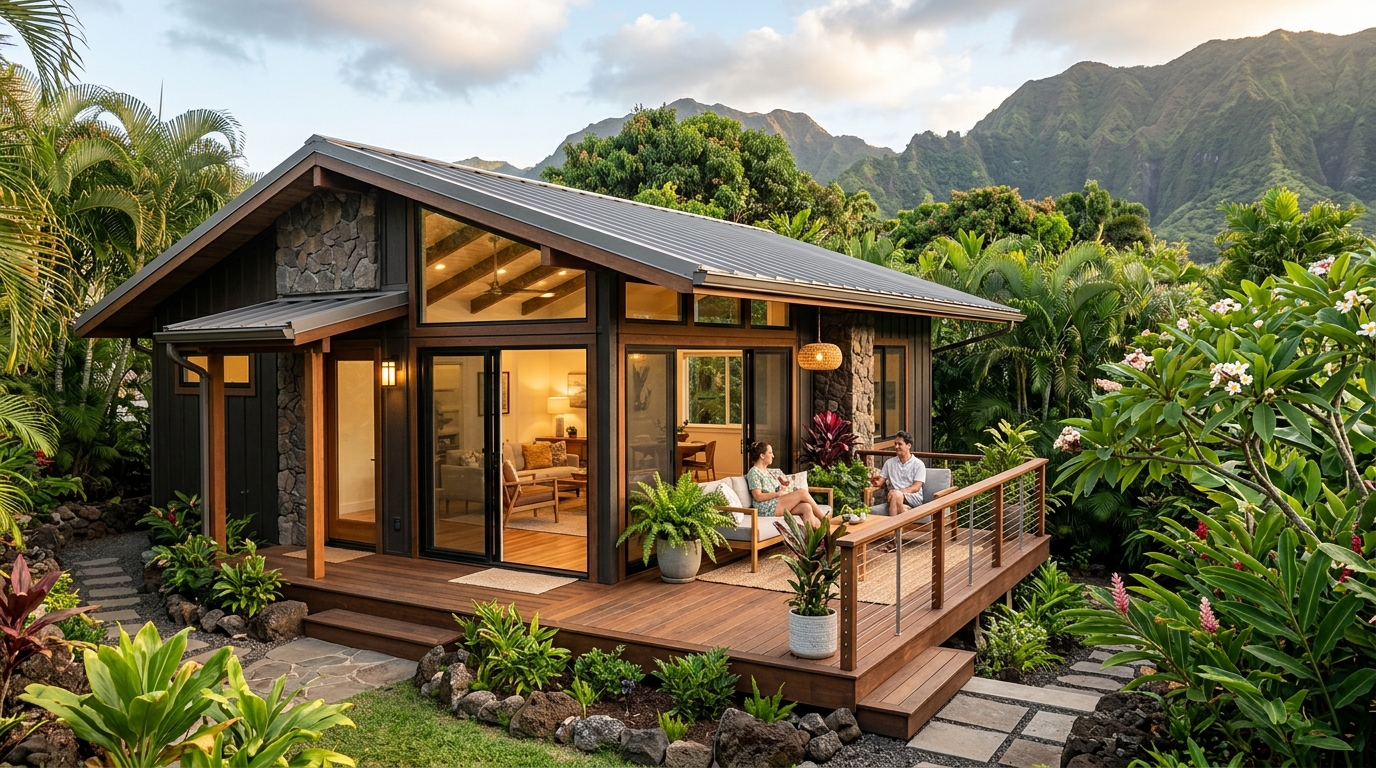
“Building an Accessory Dwelling Unit (ADU) in Manoa is one of the smartest investments a homeowner on O’ahu can make in 2026, but it’s not like building on the flatlands of Ewa. As a specialized adu builder manoa, our team at Warrior Construction has navigated the unique challenges of this area for decades—from the steep, rain-soaked lots to the quirks of Honolulu’s Department of Planning and Permitting (DPP). This isn’t just about adding a rental unit; it’s about correctly engineering a structure that can handle Manoa’s specific climate and terrain while adding significant value to your property. Success hinges on a deep understanding of local soil conditions, moisture management, and the intricate permitting process.\n\nOver the years, we’ve seen homeowners get stuck with plans that look great on paper but are impossible or wildly expensive to build on a sloped Manoa lot. We’ve also seen projects stall for a year or more in permitting because their architect didn’t understand the nuances of Bill 7 or the specific requirements of the Manoa Neighborhood Board. The difference between a smooth project and a costly nightmare often comes down to the experience of your general contractor. In this guide, we’ll walk you through the six critical strategies for building an ADU in Manoa, covering real-world costs, timelines, permitting hurdles, and how to select the right team for the job. We’re going to pull back the curtain and give you the numbers and insights you won’t find anywhere else, based on our boots-on-the-ground experience right here in the valley.\n\n
Why Manoa Homeowners Trust Warrior Construction for ADU Builder
\n\nManoa is different. It’s not Kapolei, it’s not Hawaii Kai. The soil is different, the rainfall is relentless, and many of the properties have been in families for generations, with complex site histories. Homeowners in Manoa trust our team because we don’t just build ADUs; we build *for Manoa*. We understand the specific challenges that can derail a project before the first footing is even poured. Our experience as a long-time ADU contractor in Manoa means we anticipate problems instead of just reacting to them.\n\nFor example, on a recent project near the Lyon Arboretum, the initial plans from an mainland architect called for a standard slab-on-grade foundation. We knew immediately that wouldn’t work. Manoa’s expansive clay soil, combined with the sheer volume of water runoff, would cause a standard slab to crack and shift within years. Our team value-engineered a solution using a pier and beam foundation with deep footings and an integrated French drain system. It cost slightly more upfront, but it saved the homeowner from a future of catastrophic foundation repairs. That’s the kind of foresight you get from a builder who has actually dug into Manoa soil.\n\nHere’s what our specialized experience means for your project:\n\n* **Terrain & Foundation Expertise:** We have engineered foundations for some of the steepest lots in the valley. We know how to properly grade a site to manage water flow, build effective retaining walls, and design foundations that account for soil movement and hydrostatic pressure. We don’t use a one-size-fits-all approach.\n* **DPP Navigation:** The permitting process in Honolulu is notoriously slow, but knowing the people and the process makes a difference. We have long-standing relationships with plan reviewers and inspectors at the DPP. We know how to package a permit application specifically for a Manoa ADU—addressing potential red flags like wastewater connections, parking requirements under Bill 7, and property line setbacks before the application is even submitted. This helps shorten that agonizing wait time.\n* **Moisture Management Systems:** We treat every Manoa home like it’s in a rainforest, because it is. Our building envelope systems go beyond code minimums. We use advanced waterproofing membranes, high-quality sealants, and design for cross-ventilation to prevent the mold and rot that plague so many homes in the valley. We’ll recommend specific materials, like fiber cement siding and composite decking, that hold up to constant moisture.\n* **Transparent & Detailed Bidding:** As an experienced ohana unit builder manoa, we provide itemized bids that break down every cost. You’ll see the exact figures for excavation, concrete, framing, plumbing, electrical, and finishes. We do this so you can make informed decisions and avoid the dreaded change orders that come from vague, one-page estimates. Our reputation is built on trust, and that starts with financial transparency.\n\nChoosing Warrior Construction (License BC-34373) means partnering with a team that respects the unique character of Manoa and has the technical skill to build a lasting, valuable addition to your home.\n\n
What Does ADU Builder Cost in Manoa?
\n\nIn 2026, a turnkey ADU in Manoa typically costs between **$450 and $650 per square foot**, all-in. For a standard 800-square-foot unit, you should budget for a total project cost of **$360,000 to $520,000**. This figure is often higher than quotes you might see for other parts of O’ahu, and there are specific, tangible reasons for that. The primary cost drivers in Manoa are site work for sloped lots, the complexity of utility connections, and the higher-grade materials needed to combat the constant moisture.\n\nLet’s break down a realistic budget for a hypothetical 700-square-foot, 2-bedroom ADU on a moderately sloped lot in Manoa:\n\n* **Soft Costs (Design, Engineering & Permitting): $35,000 – $50,000**\n * Architectural Plans: $15,000 – $25,000\n * Structural Engineering (critical for sloped lots): $8,000 – $12,000\n * DPP Permit Fees & Expediting: $7,000 – $13,000\n* **Site Work & Foundation: $40,000 – $75,000**\n * This is the big variable. A flat lot in Pearl City might be $25,000. A steep Manoa lot requiring excavation, grading, and a small retaining wall can easily hit $75,000 or more before you’ve even poured concrete.\n* **Hard Costs (Vertical Construction): $250,000 – $315,000 ($350 – $450/sqft)**\n * Framing & Structure (termite-treated lumber or steel): $50,000\n * Exterior (Siding, Roofing, Windows, Doors): $60,000\n * MEP (Mechanical, Electrical, Plumbing): $55,000\n * Interior Finishes (Drywall, Flooring, Paint, Cabinets, Counters): $85,000+\n* **Utility Connections: $20,000 – $35,000**\n * Connecting to Board of Water Supply and sewer lines can be complex and expensive, especially if the main line is far from the ADU site. This includes trenching and city connection fees.\n * HECO connection fees and any necessary transformer upgrades.\n* **Contingency (10-15%): $35,000 – $50,000**\n * This is non-negotiable, especially in Manoa. You might hit unexpected large rocks during excavation or discover an old, undocumented cesspool that needs to be properly decommissioned. Your contingency fund is what keeps the project moving without financial panic.\n\n**Total Estimated Cost: $380,000 – $525,000**\n\nIt’s crucial to understand that these are real 2026 numbers. Any contractor quoting under $400 per square foot for a finished ADU in Manoa is likely cutting corners on materials, insurance, or labor—or they’re planning to hit you with change orders later. Our process is to provide a comprehensive bid that covers everything, so the price we agree on is the price you pay.\n\n
How Long Does a ADU Builder Take in Manoa?
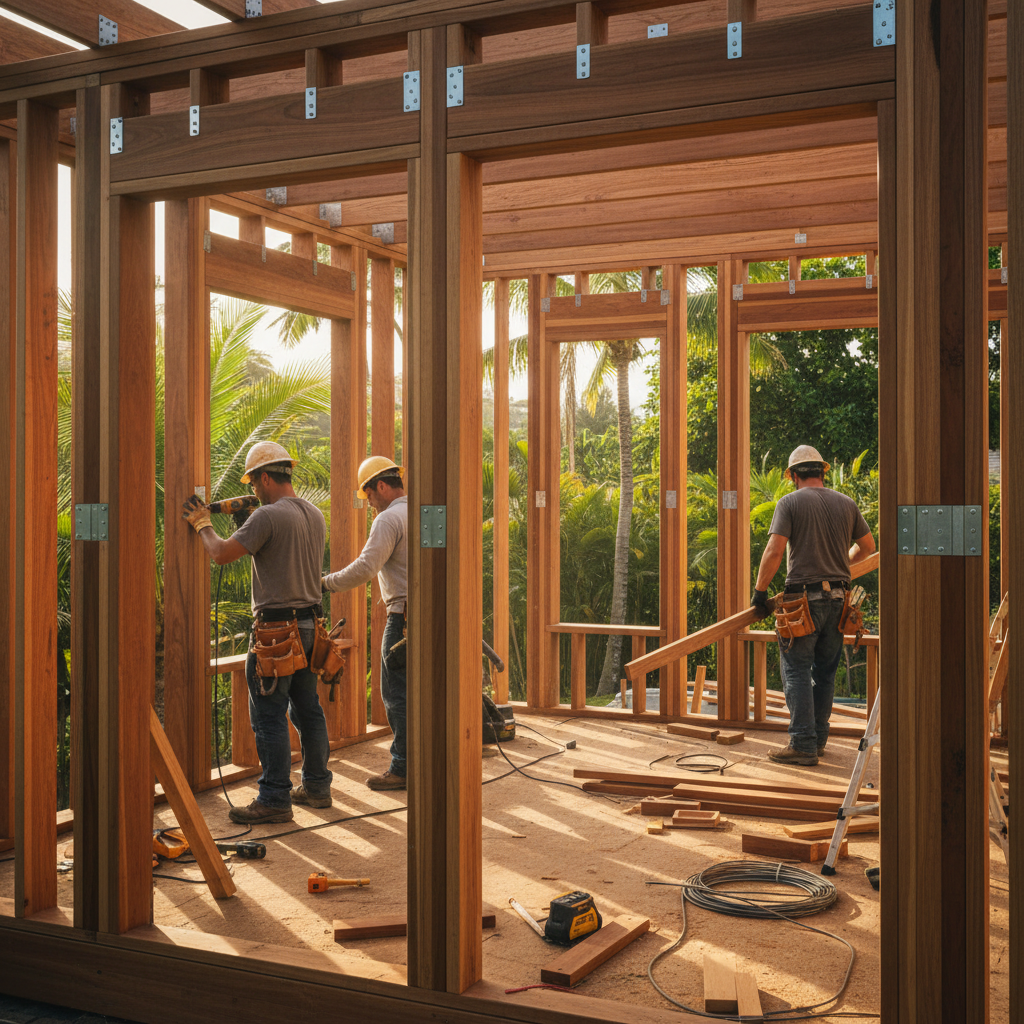
\n\nFrom the day you sign a contract with an architect to the day you get your final Certificate of Occupancy, you should plan for a Manoa ADU project to take **16 to 24 months** in 2026. The actual construction is the fastest part of the process. The biggest hurdle, by far, is the design and permitting phase with the Honolulu DPP. Many homeowners are shocked by this timeline, but it’s the reality on O’ahu right now.\n\nHere is a realistic project timeline, broken down into phases:\n\n* **Phase 1: Design & Engineering (3-5 months)**\n * This involves initial consultations, site surveys, developing schematic designs, and then creating detailed construction documents. For a sloped Manoa lot, the structural engineering portion can add several weeks as calculations for the foundation and retaining walls must be precise.\n* **Phase 2: DPP Permitting (8-12 months)**\n * This is the great bottleneck. Even with a perfect set of plans, the backlog at the DPP is significant.[1] Your application will go through multiple departments for review: zoning, building, electrical, plumbing, and sometimes public works if you’re impacting the sidewalk or street. An error in any section can send your application to the back of the line. An experienced ADU contractor in Manoa knows how to prepare a submission package that anticipates reviewers’ questions, which can shave precious time off this phase.\n* **Phase 3: Construction (5-7 months)**\n * Once the permit is in hand, things move relatively quickly. This is where you see daily progress.\n * **Month 1:** Site prep, excavation, foundation pour.\n * **Month 2:** Framing, sheathing, and roofing.\n * **Month 3:** Window/door installation, exterior siding, and MEP rough-in.\n * **Month 4:** Insulation, drywall, and initial paint.\n * **Month 5:** Flooring, cabinets, countertops, and fixtures.\n * **Month 6:** Final paint, appliance installation, and site cleanup.\n* **Phase 4: Final Inspections & Occupancy (1-2 months)**\n * After construction is complete, a series of final inspections are required from the city. Once all inspections are passed, the DPP issues a Certificate of Occupancy, and the ADU is officially legal to live in.\n\nJust last year, we worked on an ohana unit in upper Manoa where the homeowner wanted a specific type of German-engineered window. The lead time was 16 weeks from the mainland. We had to expertly sequence our construction schedule around that single delay. This is why having a contractor who understands island logistics is so critical. We build these potential delays into our project schedule from day one to give you a realistic completion date.\n\n
What Permits Do You Need for ADU Builder in Manoa?
\n\nNavigating the permitting maze at the Honolulu Department of Planning and Permitting (DPP) is arguably the most challenging part of building an ADU. It’s not just one permit; it’s a comprehensive package of approvals that must be secured before any work begins. As your ADU builder, our team manages this entire process, but it’s important for you, the homeowner, to understand what’s involved.\n\nThe core of your application is the **Building Permit**. This single permit, however, is contingent on approvals from multiple disciplines. The package we submit to the DPP on your behalf includes:\n\n1. **Full Architectural Plans:** These are the detailed blueprints showing floor plans, elevations, sections, and all construction details.\n2. **Structural Engineering Plans & Calculations:** Stamped by a Hawaii-licensed structural engineer, these plans detail the foundation, load-bearing walls, and roof structure. In Manoa, this is scrutinized heavily due to soil and slope conditions.\n3. **Electrical Plans:** Showing all wiring, outlets, fixtures, and the panel location.\n4. **Plumbing Plans:** Detailing all supply lines, drain-waste-vent (DWV) systems, and connections to the main sewer or septic system.\n5. **Site Plan:** This shows the location of the new ADU on your property, setbacks from property lines, parking spaces, and drainage.\n6. **Form ADU-1:** This is the specific Accessory Dwelling Unit checklist from the DPP, ensuring your project complies with all current zoning regulations.\n\nFurthermore, the plans must show compliance with **Bill 7 ADU Manoa** regulations. This ordinance, passed to encourage ADU construction, has specific rules we must follow:\n\n* **Lot Size:** Your lot must be at least 3,500 square feet for an ADU up to 400 square feet, and at least 5,000 square feet for an ADU up to 800 square feet.\n* **Setbacks:** The ADU must be at least 5 feet from side and rear property lines and 10 feet away from any other structure on the lot.\n* **Parking:** Bill 7 removed the requirement for an additional parking stall for the ADU, which was a huge help for tight Manoa lots. However, you must maintain the required parking for the primary dwelling.\n* **Owner Occupancy:** The property owner must occupy either the primary dwelling or the ADU.\n\nOn a project off East Manoa Road, we had to get a zoning waiver because the proposed location was 4.5 feet from the property line, not the required 5 feet. It was the only feasible spot on the property. Because we have experience with the waiver process, we were able to successfully argue the case based on the lot’s unique topography and get it approved. A less experienced builder might have just told the homeowner it was impossible. Knowing the rules is one thing; knowing how to navigate the exceptions is what sets a true professional apart.\n\n
Manoa-Specific Considerations: Climate, Materials, Regulations
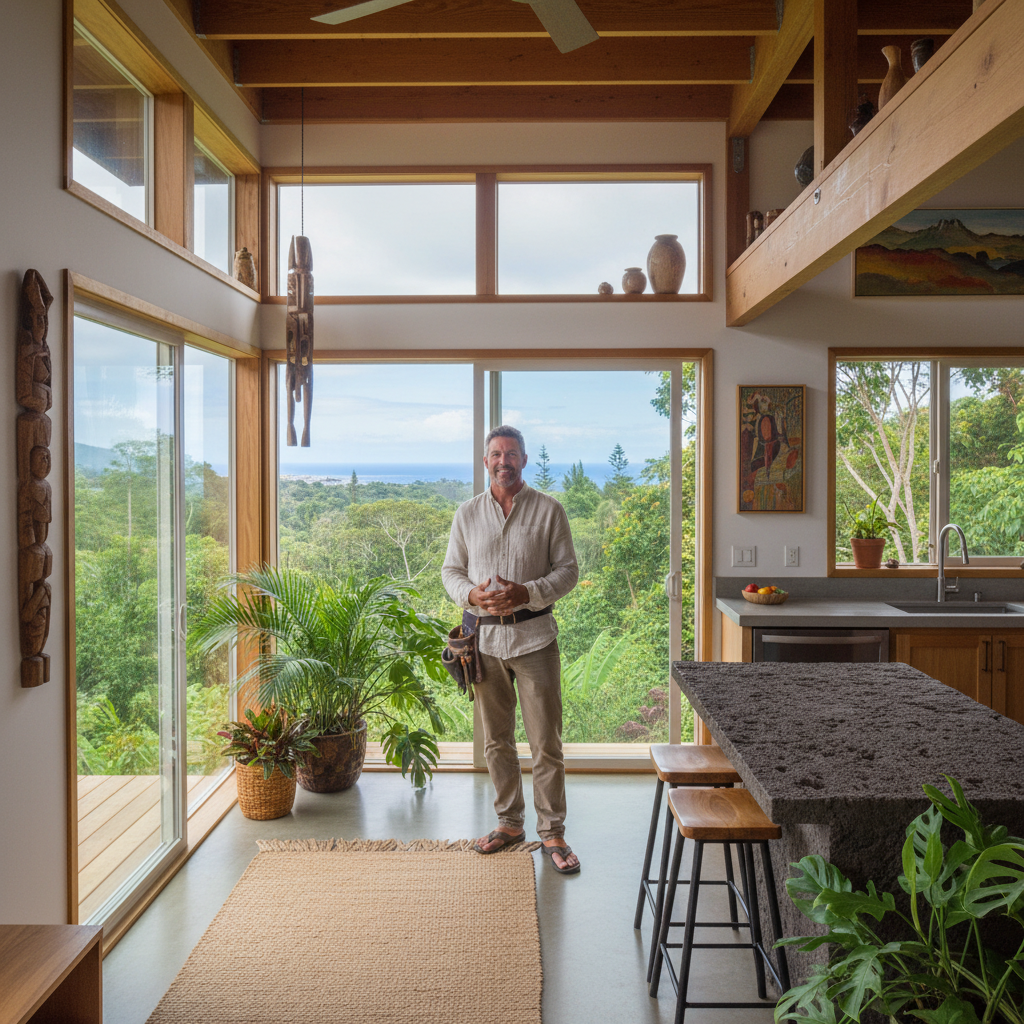
\n\nBuilding successfully in Manoa requires a deep respect for the valley’s unique environment. A design that works perfectly in Kailua or Kapolei can fail spectacularly here. As a dedicated **adu builder manoa**, we design and build with these three core factors in mind: the relentless rain, the hungry termites, and the character of the existing neighborhood.\n\n### Climate: Managing Manoa’s Water\n\nManoa is one of the wettest spots on O’ahu, receiving over 150 inches of rain annually in its upper regions. Water management is not an option; it is the single most important design consideration. \n\n* **Foundation & Drainage:** We never recommend a simple slab-on-grade foundation in Manoa. We favor elevated pier and beam foundations or heavily waterproofed basement/garage walls. Every project includes a robust perimeter drainage system, like French drains connected to solid pipes that carry water far away from the foundation. Gutters and downspouts are oversized and routed to discharge well away from the structure.\n* **Building Envelope:** We use a ‘belt and suspenders’ approach to waterproofing. This includes high-quality house wraps like Tyvek, peel-and-stick membranes at all window and door openings, and rainscreen siding systems that create an air gap for moisture to drain and dry. This prevents water from getting trapped in the walls, which is the leading cause of rot and mold.\n* **Ventilation:** Good design encourages passive airflow. We strategically place operable windows and often recommend ceiling fans or whole-house fans to keep air moving and reduce the humidity that leads to mildew.\n\n### Materials: Building to Last\n\nThe combination of moisture and termites in Hawaii demands careful material selection. We’re not just building for 2026; we’re building for 2056.\n\n* **Termite Resistance:** We build exclusively with either pressure-treated lumber for the entire structure or, for clients wanting the ultimate protection, light-gauge steel framing. While steel has a higher upfront cost, it’s impervious to termites and rot. We also insist on physical termite barriers like Termimesh around plumbing penetrations and a ground treatment before the foundation is poured.\n* **Exterior Finishes:** Fiber cement siding (like James Hardie) is our go-to choice for Manoa. It doesn’t rot, termites can’t eat it, and it holds paint exceptionally well in the damp climate. For decks and lanais, we use composite materials instead of wood to avoid constant maintenance and eventual rot.\n* **Hardware:** It’s a small detail that makes a big difference. All exterior fasteners, hurricane ties, and hardware must be stainless steel or hot-dip galvanized. Standard nails and screws will corrode and fail surprisingly quickly in Manoa’s humid air.\n\n### Regulations & Neighborhood Character\n\nManoa is an older, established neighborhood. Construction must be done with respect for the community.\n\n* **Tight Access:** Many Manoa streets are narrow, and lots have limited space. Our project planning includes detailed logistics for material delivery, staging, and parking for our crew to minimize disruption to your neighbors. Sometimes this means using smaller trucks and making more frequent deliveries.\n* **Aesthetics:** A well-designed ADU should complement the main house and the neighborhood’s architectural style, not stick out like a sore thumb. We work with clients to select colors, rooflines, and materials that feel appropriate for Manoa’s historic character.\n* **Existing Structures:** It’s common to find old, unpermitted sheds or carports on Manoa properties. These must be addressed—either permitted or demolished—before the DPP will issue a permit for the new ADU. We help homeowners navigate this often-unforeseen complication.\n\n
How to Choose the Right ADU Builder Contractor in Manoa
\n\nSelecting the right general contractor is the most important decision you will make for your ADU project. A good **ADU contractor manoa** will save you money, time, and stress. A bad one can turn your dream project into a financial and legal disaster. Here’s a checklist to use when vetting potential builders for your Manoa project.\n\n1. **Verify Their License and Insurance.** This is the absolute first step. Don’t just take their word for it. Go to the Hawaii Department of Commerce and Consumer Affairs (DCCA) Professional & Vocational Licensing (PVL) website.[2] You can search by contractor name or license number. Confirm their license (like ours, BC-34373) is “Active” and in good standing. Ask for a copy of their general liability insurance certificate and their workers’ compensation insurance. If a worker gets hurt on your property and the contractor isn’t insured, you could be held liable.\n\n2. **Demand Manoa-Specific Experience.** Ask to see a portfolio of completed ADUs specifically in Manoa or similar high-rainfall, sloped-lot areas like Tantalus or St. Louis Heights. Ask for the addresses so you can drive by. A contractor who has only built on flat lots in Ewa will not be prepared for the drainage and foundation challenges of Manoa.\n\n3. **Call Their References.** Don’t just ask for a list of references; actually call them. Ask the previous clients specific questions:\n * Did the project finish on time and on budget?\n * How did the contractor handle unexpected problems or changes?\n * Was the communication clear and consistent?\n * Was the job site kept clean and safe?\n * Would you hire them again?\n The answers to these questions are more telling than any marketing brochure.\n\n4. **Review Their Contract and Bid Thoroughly.** A legitimate contractor will provide a detailed, itemized bid that breaks down the costs for each phase of the project. Be wary of a simple, one-page estimate with a single number. This is a red flag that they haven’t thought through the details and are likely to hit you with change orders. The contract should clearly specify the scope of work, a payment schedule, a projected timeline, and a process for handling changes.\n\n5. **Assess Their Communication Style.** During your initial meetings, pay attention to how they communicate. Do they listen to your concerns? Do they explain complex construction concepts in a way you can understand? Do they respond to your calls or emails in a timely manner? Building an ADU is a long-term relationship. You want a partner you can trust and communicate with effectively for the next 18-24 months.\n\nAt Warrior Construction, we encourage homeowners to do this due diligence. We’re confident that our track record, transparency, and deep expertise in Manoa’s unique building environment make us the right partner for your project.\n\n
Real Manoa ADU Builder Project Example
\n\nTo make these concepts concrete, let’s walk through a recent project we completed off Lowrey Avenue in Manoa. It’s a perfect example of the challenges and solutions inherent to building an ohana unit in this unique part of O’ahu.\n\n**The Homeowner’s Goal:** A multi-generational family wanted to build a comfortable, accessible 800 sq. ft. 2-bedroom, 1-bathroom ADU for their elderly parents. The key requirements were single-level living (no stairs), wide doorways for potential wheelchair access, and a design that felt connected to the beautiful garden but also private from the main house.\n\n**The Challenges:**\n1. **The Lot:** The property had a significant slope, dropping nearly 15 feet from the back of the main house to the proposed ADU site.\n2. **Access:** The only access to the backyard was a narrow 6-foot pathway along the side of the house, making it impossible for large equipment like excavators or concrete trucks.\n3. **An Old Mango Tree:** A beloved, mature mango tree stood right in the middle of the ideal building footprint.\n\n**Warrior Construction’s Solution:**\nOur design-build process was critical here. Instead of having separate architects and engineers, our integrated team tackled the problems holistically from day one.\n\n* **Foundation & Site Work:** A traditional foundation was out. We engineered a specialized steel pier and beam foundation. This required us to hand-dig 20 deep footings rather than mass-excavating the whole site, which preserved the landscape and was manageable with smaller equipment. We used a concrete pump with a long hose that could reach from the street all the way to the backyard.\n* **Logistics:** We created a detailed phasing plan. All materials, from lumber to drywall, had to be brought in through the narrow side yard. We scheduled smaller, more frequent deliveries to avoid overwhelming the small staging area. This required meticulous coordination but kept the project moving and minimized disruption to the neighbors.\n* **The Mango Tree:** We worked with an arborist and our structural engineer to design the foundation piers *around* the tree’s main root system. The ADU now has a beautiful deck that cantilevers out, incorporating the mango tree as a central feature. It saved the tree and created a stunning architectural element.\n\n**The Outcome:**\nThe project was completed in 19 months from our initial meeting to the final inspection. The total cost came in at $495,000, which included the complex foundation work and high-end, aging-in-place fixtures. The family’s parents now have a safe, beautiful home, and the property’s value has increased by an estimated $700,000. This is the kind of problem-solving and value creation that a truly experienced Manoa ADU builder brings to the table.\n\n
What this means for Hawaii homeowners
\nBuilding an ADU in Manoa is a fantastic way to create space for ohana, generate rental income, and significantly increase your property’s value. However, it’s a major construction project that requires careful planning, a realistic budget, and the right team. Underestimating the unique challenges of Manoa’s terrain and the complexities of the DPP is the most common path to a stressful and over-budget experience.\n\nHere are the key takeaways you should focus on as you begin your journey:\n\n* **Start Planning Now:** With a realistic timeline of 16-24 months, you should begin conversations with builders and designers at least two years before you hope to have the unit completed.\n* **Budget Realistically:** Understand that per-square-foot costs in Manoa are higher than in other parts of O’ahu. Secure your financing early and always include a 10-15% contingency fund for unforeseen site conditions. Don’t fall for a lowball bid that seems too good to be true.\n* **Prioritize a Builder’s Local Experience:** Your contractor’s experience with Manoa’s specific challenges (rain, slopes, soil) and their familiarity with the Honolulu DPP process is more valuable than almost any other factor. This specific expertise is what keeps a project on track.\n* **Design for the Environment:** Don’t just pick a floor plan you like online. Your ADU must be designed to handle immense amounts of water. Invest in a quality foundation, proper drainage, and materials that resist moisture and termites. This upfront investment will save you tens of thousands in repairs down the road.\n* **Embrace the Process:** The permitting phase will test your patience. Acknowledge this upfront and partner with a builder who communicates clearly and can shepherd your project through the bureaucracy. The end result—a beautiful, functional new space for your family—is well worth the wait when done correctly.\n\nThinking through these points will put you in a strong position to make smart decisions and ensure your Manoa ADU project is a resounding success.\n\n
Frequently Asked Questions About ADU Builder in Manoa
\n
Can I build a two-story ADU in Manoa?
\n
Generally, yes, but it depends on your specific lot’s zoning and the height restrictions for your neighborhood. In most residential zones in Manoa, the height limit is 25 feet. A two-story ADU is feasible as long as the design stays within this envelope and meets all other setback and lot coverage requirements. We always perform a thorough zoning analysis before starting design to confirm what’s possible on your property.
\n
\n
How much value does an ADU add to a Manoa property in 2026?
\n
While it varies, a well-built, permitted 800 sq. ft. ADU in Manoa can add between $500,000 and $750,000 to your property value. Given a typical project cost of $400,000 to $520,000, the return on investment is immediate and substantial. This doesn’t even account for potential rental income, which can be $3,000-$4,000 per month for a new 2-bedroom unit in the area.
\n
\n
What’s the biggest mistake homeowners make when building an ADU in Manoa?
\n
The most common mistake is underestimating the timeline and complexity of the DPP permitting process. Homeowners often think that once they have drawings, construction can start in a few weeks. In reality, the 8-12 month wait for a permit is standard. The second biggest mistake is not budgeting enough for site work and a proper foundation designed to handle Manoa’s rain and soil.
\n
\n
Do I need a separate address and utility meters for my ohana unit?
\n
Yes. The Honolulu DPP will assign a separate address for the ADU (e.g., 123 Manoa Rd, Unit B). You are also required to have separate utility meters for electricity and water. This is beneficial for tracking usage, especially if you plan to have a long-term renter. The cost for these new connections can range from $20,000 to $35,000, a figure that should be included in your initial budget.
\n
\n
How does Bill 7 ADU Manoa specifically help my project?
\n
The most significant benefit of Bill 7 for Manoa homeowners is the waiver of the additional parking requirement. On older, smaller lots, finding space for another parking stall was often impossible and killed many projects. Bill 7 also allows for ADUs on more lots and standardized the review process, although the DPP is still very backlogged. It also clarified rules on sewer connections, which can save money compared to the old regulations.
\n
\n
Can I convert my existing garage into an ADU in Manoa?
\n
Yes, a garage conversion is often a great option and can sometimes be faster and more cost-effective than a new build. However, the existing structure must be brought up to current building codes. This often involves reinforcing the foundation, re-framing walls, and ensuring proper ceiling height, insulation, and egress. We would need to assess your specific garage to see if it’s a good candidate for conversion.
\n
\n
Can I act as my own general contractor to save money?
\n
While legally possible with an owner-builder permit, we strongly advise against it for a project as complex as a Manoa ADU. You become legally responsible for the job site, insurance, and ensuring all work meets code. More importantly, you lose the benefit of a professional’s experience in managing subcontractors, navigating the DPP, and solving the inevitable problems that arise. The small amount you might save is often lost through delays, mistakes, and failed inspections.
\n
\n
\n\nBuilding an ADU is a journey, but you don’t have to take it alone. With over two decades of experience as a trusted Hawaii general contractor, our team at Warrior Construction has the expertise to guide your Manoa ADU project from concept to completion. We handle the complexities of design, engineering, and permitting so you can focus on the exciting parts.\n\nIf you’re ready to explore the possibilities for your property, the next step is a conversation. Let’s discuss your vision and see how we can build a beautiful, lasting ohana unit for your family. Learn more about our ADU & Ohana Unit construction services and schedule your free, no-obligation estimate today.\n\n
References
\n