“
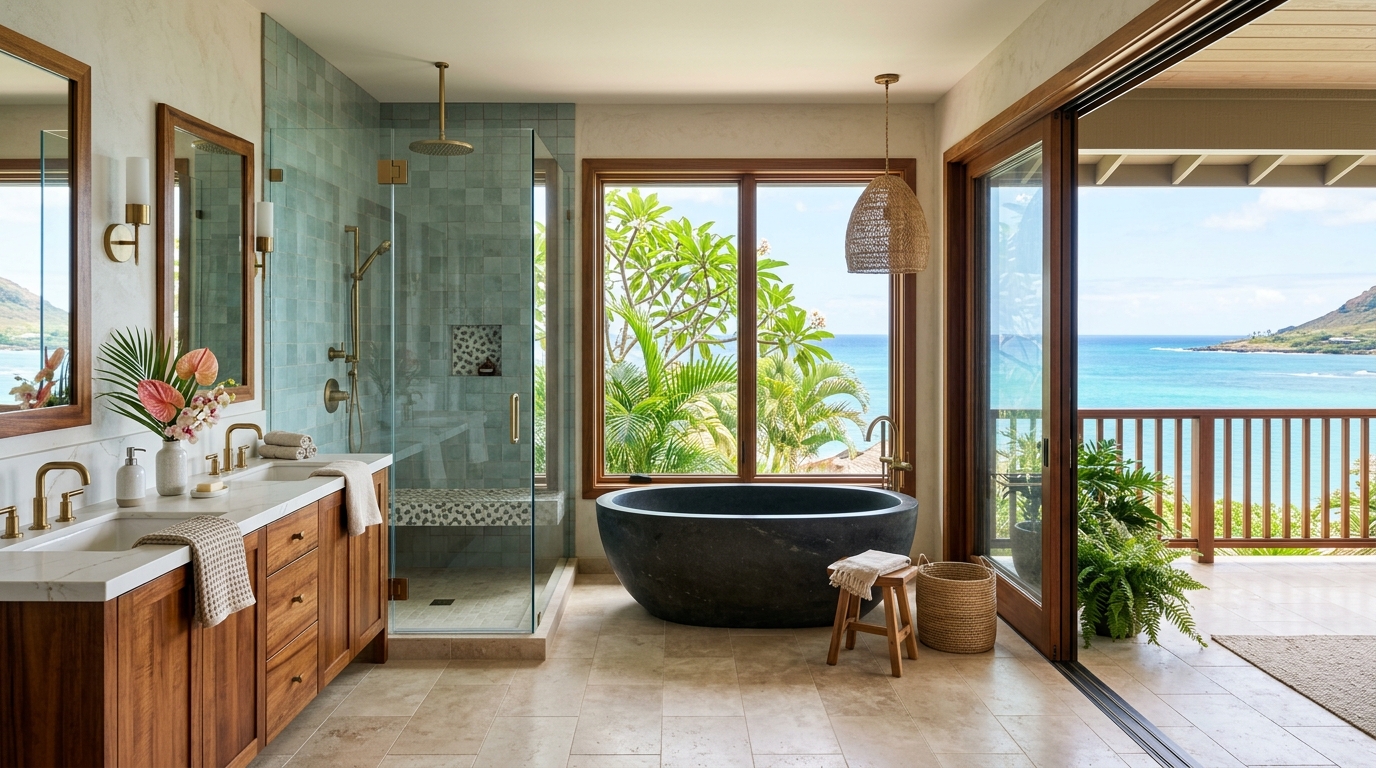
A successful bathroom remodel Hawaii Kai homeowners will love involves more than just picking out pretty tile. In 2026, a standard 5×8 guest bathroom refresh in the area will start around $25,000-$30,000, while a full master suite gut renovation in a Portlock home can easily exceed $80,000. The timeline, from initial design to final walkthrough, typically spans 6 to 12 weeks for construction alone, but you need to factor in another 3 to 6 months for planning, material procurement, and the all-important Honolulu DPP permitting process. Here at Warrior Construction, we’ve been navigating these projects in East Oʻahu for over two decades, and we understand the unique challenges—from relentless salt-air corrosion to the quirks of 1970s plumbing found in many local homes.
\n\n
This isn’t just about making things look new; it’s about building them to last in our demanding island environment. We’re talking about using the right waterproofing membranes to prevent leaks, selecting fixtures that won’t pit and rust after a year, and ensuring ventilation is powerful enough to handle our tropical humidity. This article will walk you through the real costs, timelines, and critical considerations for your project. We’ll cover everything from navigating the permit office to selecting materials that stand up to the Hawaii Kai climate, ensuring your investment is both beautiful and durable. Let’s get into the specifics of what it takes to do this right.
\n\n
Why Hawaii Kai Homeowners Trust Warrior Construction for Bathroom Remodels
\n
When you undertake a bathroom renovation in Hawaii Kai, you’re not just hiring a crew; you’re partnering with a team that needs to understand the very bones of your home. Many of the houses and townhomes in this area, from Mariner’s Cove to Koko Head, were built between the 1960s and 1980s. This means we’re often dealing with original single-wall construction, old cast-iron or galvanized plumbing, and electrical systems that weren’t designed for today’s demands. Our team at Warrior Construction (License BC-34373) has spent years working specifically in these neighborhoods. We know what to look for behind the walls before we even start demolition.
\n\n
For example, on a recent project in the West Marina neighborhood, we were tasked with a master bathroom expansion. The homeowner’s plans were beautiful, but our initial inspection revealed the main plumbing stack was cast iron and located inside a load-bearing wall they wanted to move. A less experienced contractor might have started swinging a sledgehammer and run into a massive, costly problem. Instead, our pre-construction process identified this challenge upfront. We worked with our structural engineer to redesign the support and coordinated with our licensed plumbers to replace the entire stack with modern PVC, all while keeping the project on a predictable schedule and budget. This proactive, experience-based approach is why homeowners trust us.
\n\n
Furthermore, our deep local knowledge extends to navigating the complexities unique to Hawaii Kai. This includes:
\n
- \n
- AOAO and HOA Relations: Many Hawaii Kai residents live in communities with strict Architectural and Design Committees. We have established relationships and a clear process for submitting plans, getting approvals, and adhering to work-hour restrictions and noise ordinances, which saves our clients major headaches.
- Material Logistics: We have a robust supply chain and understanding of lead times for materials coming to the island. We know which local suppliers have quality inventory and which specialty items need to be ordered from the mainland 12-16 weeks in advance. This prevents the common scenario where a project stalls for months waiting on a single vanity or a specific tile.
- Specialized Expertise: A bathroom project isn’t just about carpentry and tile. It requires a coordinated team of licensed plumbers, electricians, waterproofers, and finishers. Our in-house team and trusted subcontractors have worked together for years, creating a seamless workflow that minimizes delays and ensures every detail, from the waterproofing membrane to the final paint touch-up, is executed to the highest standard. We are the dedicated bathroom contractor Hawaii Kai residents can rely on for a comprehensive solution.
\n
\n
\n
\n
Ultimately, trust is built on transparency and consistent results. Our clients receive detailed proposals, regular communication through our project management system, and the peace of mind that comes from working with a licensed, insured general contractor who lives and works in their community. We’re not just building bathrooms; we’re building long-term relationships, one successful project at a time.
\n\n
What Does a Bathroom Remodel Cost in Hawaii Kai?
\n
Let’s talk numbers, because that’s the first question on every homeowner’s mind. In 2026, the cost of a bathroom remodel in Hawaii Kai is significantly influenced by Hawaii’s unique economic factors: the high cost of shipping, the 4.5% General Excise Tax applied to everything, and the demand for skilled labor. A mainland cost calculator will be wildly inaccurate. Here’s a realistic breakdown of what our team at Warrior Construction typically sees for projects in East Oʻahu.
\n\n
We generally categorize projects into three tiers. These are real-world figures, not sticker-shock estimates.
\n\n
Tier 1: The Cosmetic Refresh (Approx. $25,000 – $40,000)
\n
This is a “pull-and-replace” project for a standard 5’x8′ guest bathroom where we don’t move any walls or plumbing. It’s about maximizing impact without major structural changes.\n
- \n
- Scope: Replace the vanity with a pre-fabricated unit from a local supplier like Ferguson or Home Depot, install a new toilet and fixtures, lay down new porcelain tile or luxury vinyl plank (LVP) flooring, reglaze the existing tub, and give everything a fresh coat of paint.
- Materials: Good quality, but standard-sized and readily available on-island materials. Think brands like Kohler, Moen, and Daltile.
- Labor: The cost is primarily driven by professional labor for demolition, installation, plumbing connections, and finishing. This accounts for roughly 50-60% of the budget.
- Real-World Example: For a condo in the Esplanade, this level of refresh modernizes the space, improves functionality, and can be completed relatively quickly.
\n
\n
\n
\n
\n\n
Tier 2: The Mid-Range Renovation (Approx. $40,000 – $75,000)
\n
This is the most common bathroom renovation Hawaii Kai project we undertake. It involves more customization and often includes converting a tub to a walk-in shower—a very popular upgrade here.\n
- \n
- Scope: This involves a full gut of the bathroom. We might move the toilet or vanity location slightly (requiring plumbing and electrical work), build a custom curbless walk-in shower with a modern waterproofing system like Schluter-KERDI, install a semi-custom vanity, add new lighting, and upgrade ventilation significantly.
- Materials: Higher-end porcelain tiles, quartz countertops, frameless glass shower doors, and better-quality fixtures. Material sourcing becomes critical here, with some items needing to be ordered from the mainland.
- Permits: Because plumbing and electrical are being moved, a building permit from the DPP is required, adding time and cost to the project.
- Noteworthy Cost: A proper shower remodel Hawaii Kai with full waterproofing, a niche, bench, and frameless glass can alone account for $15,000 – $25,000 of the total budget. It’s the most labor-intensive part of the project.
\n
\n
\n
\n
\n\n
Tier 3: The Luxury Master Suite Overhaul (Approx. $80,000 and Up)
\n
For high-end homes, particularly in areas like Portlock or on the marina, this involves creating a true spa-like retreat. The budget can go as high as the client’s imagination.\n
- \n
- Scope: Everything is on the table. Moving walls to expand the footprint, adding a window, installing a freestanding soaking tub, a steam shower with multiple heads, custom-built cabinetry, high-end stone or tile, and sophisticated lighting and smart-home features.
- Materials: Designer fixtures from brands like Brizo or Waterworks, natural stone slabs, custom millwork, and specialty items that must be shipped in crates to the island. Shipping and handling for a heavy stone tub alone can add thousands.
- Professional Services: This level of project almost always requires an architect or interior designer to create detailed plans, which adds to the “soft costs” but is essential for a successful outcome.
\n
\n
\n
\n\n
Cost Breakdown for a Typical Mid-Range Project ($55,000):
\n
| Category | Percentage of Budget | Estimated Cost | Notes |
|---|---|---|---|
| Labor (Plumbing, Electrical, Tile, etc.) | 50% | $27,500 | Skilled labor is the biggest cost driver in Hawaii. |
| Materials (Vanity, Tile, Fixtures) | 30% | $16,500 | Includes freight costs from the mainland. |
| Permits, Design & Admin | 5% | $2,750 | Includes fees for DPP plan review and inspections. |
| Contingency Fund | 15% | $8,250 | Essential for unforeseen issues like dry rot or old plumbing. |
\n
The key takeaway is to budget realistically. The numbers you see on mainland reality TV shows don’t apply here. Plan for quality, plan for logistics, and always, always have a contingency fund. This ensures your project moves forward smoothly without financial surprises.
\n\n
How Long Does a Bathroom Remodel Take in Hawaii Kai?
\n
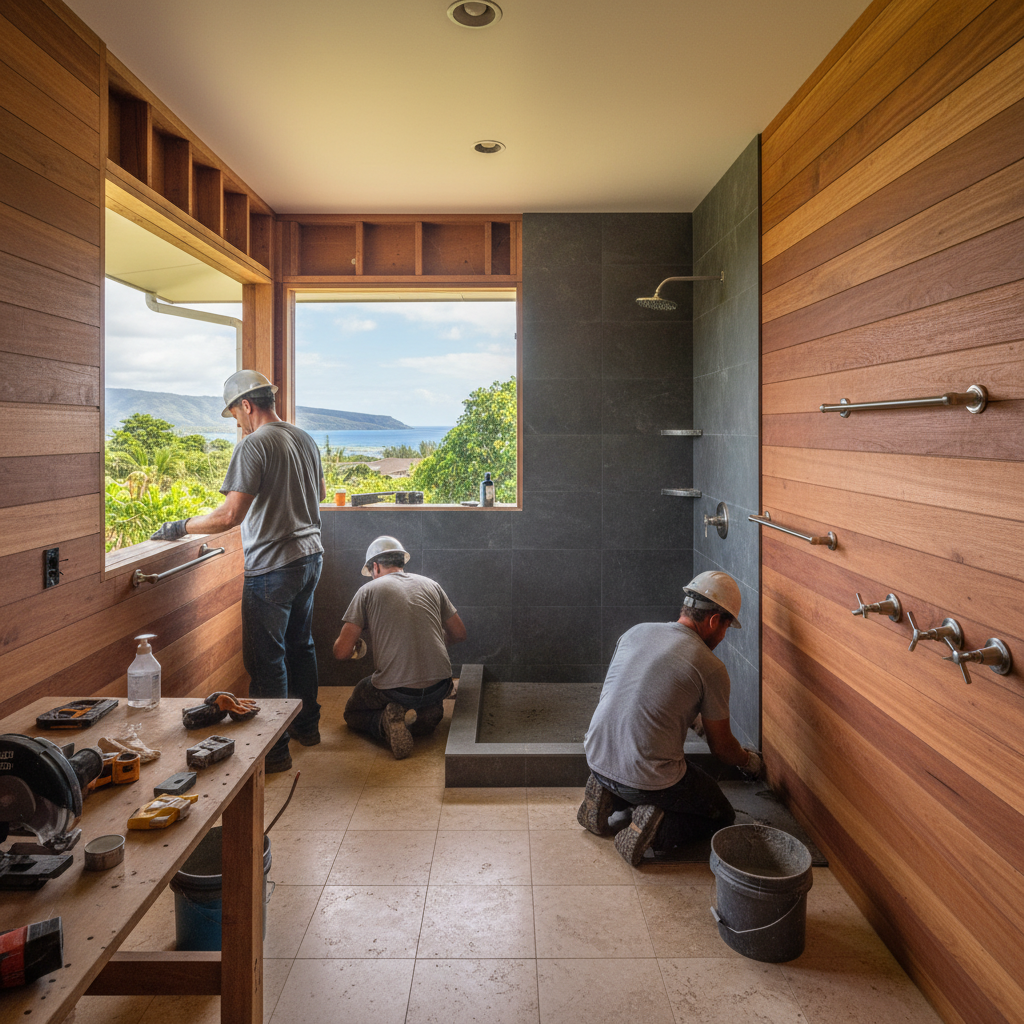
This is the second-most-asked question, right after cost. And just like cost, the timeline for a Hawaii Kai bathroom remodel has some unique island-specific variables that can surprise homeowners. A common mistake is only thinking about the construction phase. The reality is that the pre-construction process—planning, permitting, and procurement—often takes longer than the actual work on site. At Warrior Construction, we are transparent about this from day one to set clear expectations.
\n\n
Here’s a phase-by-phase breakdown of a typical mid-range bathroom renovation timeline in 2026:
\n\n
Phase 1: Planning, Design, and Selections (4-8 Weeks)
\n
This is where the foundation for a smooth project is laid. Rushing this phase is the single biggest cause of delays and budget overruns later.\n
- \n
- Weeks 1-2: Initial consultation, scope definition, and preliminary budget development. We meet with you, measure the space, and discuss your goals and aesthetic.
- Weeks 3-5: Design development and material selection. This is the fun part for homeowners, but it requires decisive action. You’ll be selecting everything from tile and countertops to the exact model of your faucet and toilet. We guide you to our trusted local vendors to see and feel the materials.
- Weeks 6-8: Finalizing the plans, signing the construction agreement, and preparing the permit application package. All materials must be finalized before we can submit for permits or order anything.
\n
\n
\n
\n\n
Phase 2: Permitting with Honolulu DPP (8-16 Weeks)
\n
This is the great variable and a major bottleneck on Oʻahu. If your project involves moving any plumbing, electrical wires, or walls, you need a permit. The Honolulu Department of Planning and Permitting (DPP) is thorough, but their review queues are long.[1]\n
- \n
- We prepare and submit detailed architectural plans as required.
- The plans go into a review queue. The timeline can fluctuate based on the DPP’s workload, but 2-4 months is a realistic window to expect in 2026 for a straightforward bathroom permit.
- Important Note: No demolition or construction can begin until we have the approved, stamped permit in hand.
\n
\n
\n
\n\n
Phase 3: Material Procurement & Staging (4-12 Weeks)
\n
This phase runs concurrently with the permitting phase. The moment the design is finalized, we start ordering.\n
- \n
- On-Island Items (2-4 weeks): Some basic materials like standard tile or in-stock vanities can be sourced locally.
- Mainland Orders (8-12+ weeks): This is the big one. Semi-custom vanities, special-order tile, designer fixtures, and frameless glass doors are often fabricated on the mainland and shipped via ocean freight. We have to account for manufacturing time, transit time on the water, and potential port delays. We saw this on a Kailua project where a specific soaking tub took 14 weeks to arrive, and we had to build the schedule around its delivery.
- Staging: We do not start demolition until every single item—down to the last box of tile and the final light fixture—has arrived and been inspected for damage at our warehouse. This prevents your home from being a construction zone while we wait for a missing part.
\n
\n
\n
\n\n
Phase 4: Construction (4-8 Weeks)
\n
Once permits are approved and all materials are on-site, our crew can finally get to work. This is the part you see on TV, and it moves relatively quickly because of all the upfront planning.\n
- \n
- Week 1: Demolition, site protection, and plumbing/electrical rough-in.
- Week 2: Rough-in inspections from the city inspector, insulation, and drywall installation.
- Weeks 3-4: Waterproofing, tile installation, and grouting. This is a meticulous, time-consuming process if done correctly.
- Week 5: Installation of vanity, countertops, and major fixtures.
- Week 6: Finish plumbing (faucets, showerheads), finish electrical (lights, fans), and painting.
- Week 7: Installation of glass shower doors, mirrors, and accessories.
- Week 8: Final city inspections, touch-ups, and a thorough final cleaning before the project walkthrough with you.
\n
\n
\n
\n
\n
\n
\n
\n
Adding it all up, a well-managed project can take 5-9 months from the first phone call to completion. The key is to partner with a contractor who understands these phases and manages them proactively, rather than reacting to problems as they arise.
\n\n
What Permits Do You Need for a Bathroom Remodel in Hawaii Kai?
\n
Navigating the permitting process with the City and County of Honolulu’s Department of Planning and Permitting (DPP) is one of the most critical and often underestimated aspects of a bathroom remodel. Many homeowners wonder if they can just skip it for a seemingly simple project. The short answer is: if you’re touching plumbing, electrical, or structural elements, you absolutely need a permit. Failure to do so can result in fines, stop-work orders, and major problems with insurance or when you try to sell your home.
\n\n
At Warrior Construction, we handle the entire permitting process as part of our service. It’s our job to know the code and deal with the paperwork so you don’t have to. Here’s a clear breakdown of what’s involved.
\n\n
When is a Permit Required?
\n
According to the DPP’s guidelines, a building permit is necessary for any work that involves:[1]
\n
- \n
- Moving or Adding Plumbing: This includes changing the location of a toilet, converting a tub to a shower, or adding a new sink. The city needs to ensure all drain, waste, and vent (DWV) lines are correctly installed to prevent health hazards.
- Altering Electrical Systems: Adding a new circuit for heated floors, installing new outlets, or even moving a light switch requires an electrical permit and inspection. This is a critical safety measure to prevent fires.
- Changing the Layout: Any work that involves moving, removing, or adding walls—even non-load-bearing ones—requires a permit to ensure the structure remains sound and meets egress requirements.
- Exterior Changes: If you’re adding a new window to your bathroom, it falls under the building code. The new window must meet current standards for waterproofing and, importantly, hurricane resistance.
\n
\n
\n
\n
\n\n
When is a Permit NOT Required?
\n
For purely cosmetic updates, you generally do not need a permit. These are the “pull-and-replace” tasks we discussed earlier:
\n
- \n
- Replacing a faucet or showerhead in the same location.
- Swapping out a vanity or toilet in the exact same spot without altering the plumbing pipes in the wall.
- Painting the walls.
- Laying down new tile or flooring over the existing subfloor.
- Replacing a light fixture on the existing electrical box.
\n
\n
\n
\n
\n
\n
Here’s the thing: many projects start cosmetic but can quickly uncover issues that require permitted work. For example, we once started a simple vanity replacement in a Hawaii Kai townhouse and found the wall behind it was riddled with termite damage and the drainpipe was severely corroded. This immediately turned into a permitted project involving structural repair and plumbing replacement. This is why having a contingency plan and working with a licensed general contractor is so important.
\n\n
The Permitting Process in 2026
\n
The process is detailed and requires precision. A small error on the application can send it to the back of the line.
\n
- \n
- Plan Creation: For any significant layout change, we work with our draftsman or an architect to create detailed floor plans, plumbing schematics, and electrical layouts that conform to the current building code.
- Application Submission: We submit the complete package, including all drawings and forms, to the DPP’s electronic system.
- Plan Review: This is the waiting game. A plan reviewer from each relevant department (building, electrical, plumbing) will examine the submission. They may issue comments or corrections that need to be addressed and resubmitted. This back-and-forth can add weeks to the timeline.
- Permit Issuance: Once all departments have approved the plans, the permit is issued, and we can pay the fees and post it at the job site.
- Inspections: During construction, a city inspector must visit the site at critical milestones (e.g., after plumbing rough-in but before walls are closed) to verify the work was done to code.
- Final Approval: After the final inspection, the permit is “closed,” officially documenting that the work was completed safely and legally.
\n
\n
\n
\n
\n
\n
\n
Navigating the DPP is a core competency for any legitimate general contractor in Hawaii. It’s not something a homeowner should attempt to handle on their own for a complex renovation. We see it as a crucial part of protecting your investment and ensuring the safety and value of your home.
\n\n
Hawaii Kai-Specific Considerations: Climate, Materials, and Regulations
\n
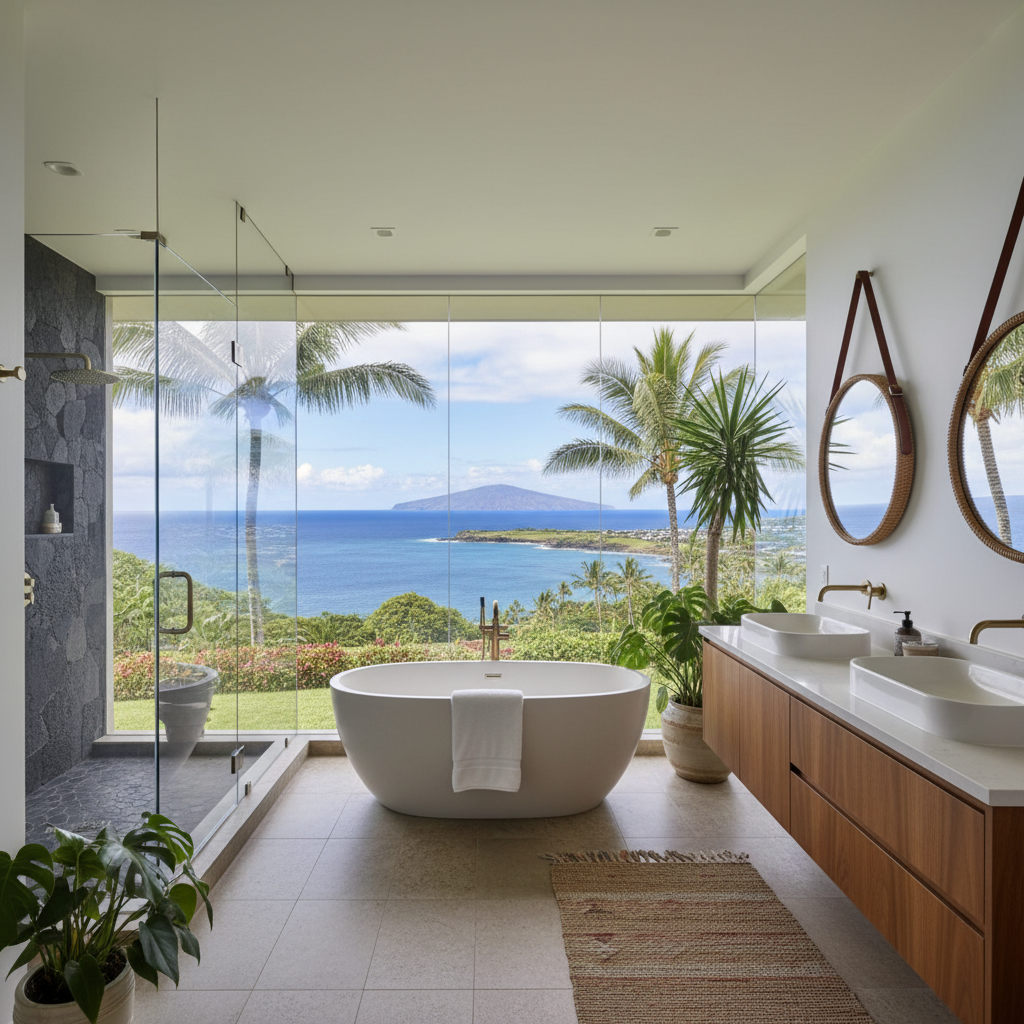
Remodeling a bathroom in Hawaii Kai is not the same as in, say, Arizona or even on the leeward side of Oʻahu like Kapolei. This beautiful marina community has a unique microclimate and housing stock that demands specific expertise. Ignoring these factors leads to remodels that look great for a year or two, then quickly fail. At Warrior Construction, we build with these local realities in mind every day.
\n\n
The Battle Against Salt-Air Corrosion
\n
Hawaii Kai is defined by its proximity to the ocean and Maunalua Bay. The constant trade winds carry a fine, salty mist that is incredibly corrosive. This is the number one enemy of any exterior or poorly protected metal component in your bathroom.\n
- \n
- Fixtures and Finishes: We see it all the time—cheap chrome-plated fixtures that start pitting and flaking within 18 months. For our projects, we strongly recommend finishes like PVD (Physical Vapor Deposition) or specifying marine-grade 316 stainless steel for faucets, showerheads, and hardware. They cost more upfront but last exponentially longer.
- Window and Door Frames: If your bathroom has an exterior window, vinyl or high-quality powder-coated aluminum frames are essential. A standard aluminum frame will oxidize and fail. All new windows must also meet current hurricane code requirements, including impact resistance, which adds a layer of safety and durability.
- Hidden Metals: Corrosion doesn’t just happen where you can see it. We use stainless steel screws, coated fasteners, and protect any structural connectors to prevent them from rusting away inside your walls. On a recent project near Koko Marina, we had to replace an entire window header because the original nails had rusted through from years of salt air intrusion.
\n
\n
\n
\n\n
Humidity, Ventilation, and Waterproofing
\n
Our tropical humidity is relentless, making bathrooms a prime breeding ground for mold and mildew. Proper ventilation and waterproofing aren’t just good ideas; they’re non-negotiable.\n
- \n
- Ventilation: A cheap, noisy fan from a big-box store won’t cut it. We specify high-capacity fans (measured in CFM, or cubic feet per minute) correctly sized for the bathroom’s volume. More importantly, we ensure they are ducted all the way to the exterior of the home, not just into the attic space, which is a common shortcut that just moves the moisture problem elsewhere. Brands like Panasonic’s Whisper series are our standard.
- Waterproofing: This is where we are absolutely meticulous. Behind your beautiful tile, a robust waterproofing membrane is the most critical component. We use modern systems like Schluter-KERDI or Laticrete Hydro Ban, applying them not just in the shower but also on the bathroom floor and up the walls in wet areas. A failed waterproofing job can lead to thousands in dry rot and structural damage.
\n
\n
\n\n
Older Housing Stock & AOAO Rules
\n
Many homes in Hawaii Kai have their original plumbing and were built before modern codes were in place. Additionally, the area has many townhouses and condos with their own set of rules.\n
- \n
- Plumbing Issues: We often encounter original cast-iron drain lines that are corroded and prone to cracking, or galvanized steel water lines that are choked with mineral buildup. During a gut renovation, it’s often the most cost-effective time to replace these aging pipes back to the main line, preventing future emergencies.
- AOAO (Association of Apartment Owners) Regulations: For projects in communities like the Kuapa Isle or Kalele Kai, the AOAO has its own review process. This can include restrictions on work hours (e.g., 9 AM to 4 PM only), designated parking for contractors, and specific insurance requirements. We manage all AOAO submittals and communications to ensure compliance and maintain good relationships with your neighbors and property management.
- Bill 7 Compliance: While more focused on ADUs, the city’s evolving regulations, like those stemming from Bill 7, show a trend towards stricter land use and building rules. We stay current on all Honolulu City Council ordinances to ensure your project is compliant from the start.
\n
\n
\n
\n
Building for Hawaii Kai means building smarter. It requires a deep understanding of how our environment interacts with building materials and a commitment to using the right techniques to ensure your remodel is a lasting investment.
\n\n
How to Choose the Right Bathroom Remodel Contractor in Hawaii Kai
\n
Choosing your contractor is the single most important decision you will make for your bathroom remodel. The right partner will make the process smooth, predictable, and result in a high-quality finished product. The wrong one can lead to budget overruns, endless delays, and shoddy workmanship. As a licensed general contractor myself, here’s the insider advice I give to friends and family on how to properly vet a potential builder for a project in Hawaii Kai.
\n\n
1. Verify Their License and Insurance—No Excuses
\n
This is the absolute baseline. Do not even consider a contractor who cannot immediately provide their license number and proof of insurance.\n
- \n
- License Check: Every legitimate contractor in Hawaii must have a license issued by the Department of Commerce and Consumer Affairs (DCCA). You can and should verify their license status online at the Professional & Vocational Licensing (PVL) search page.[2] Our license, for example, is BC-34373. Look for a C-5 (Cabinet, Millwork, and Carpentry Remodeling and Repairs) or, ideally, a B-General Building Contractor license, which is required for projects involving multiple trades.
- Insurance Verification: Ask for a current Certificate of Insurance (COI). They must have two key policies: General Liability (to cover property damage) and Worker’s Compensation (to cover their employees if they get injured on your property). Without this, you could be held financially responsible for accidents. A minimum of $1 million in general liability is standard.
\n
\n
\n\n
2. Look for Deep, Local Experience
\n
A contractor from the mainland or even one who primarily works in town (Honolulu) may not fully grasp the specifics of building in Hawaii Kai. You want a team that understands the local climate, housing stock, and supply chain.\n
- \n
- Portfolio of Similar Work: Ask to see photos and details of recent bathroom remodels they’ve completed specifically in East Oʻahu. Their portfolio should reflect the type of project you want to do.
- Local References: Don’t just rely on online reviews. Ask for the names and numbers of 2-3 past clients from the last year. Call them and ask about their experience. Were they happy with the communication? Did the project stay on budget? How were problems handled?
\n
\n
\n\n
3. Evaluate Their Communication and Professionalism
\n
A remodel is a long-term relationship. You need a partner who is organized, responsive, and transparent. Their process during the bidding phase is a strong indicator of how they’ll perform during the project.\n
- \n
- The Proposal: A professional proposal is not a one-page estimate. It should be a detailed document outlining the specific scope of work, material allowances, payment schedule, and project timeline. If a bid seems unusually low, it’s likely because they’ve left things out.
- Responsiveness: How quickly and thoroughly do they respond to your questions? Do they have a dedicated project manager? At Warrior Construction, we use project management software to give clients a single point of contact and daily updates.
- Change Order Process: Ask them how they handle change orders. Changes are inevitable in remodeling. A good contractor will have a clear, written process for pricing and approving any changes before the work is done, so there are no surprises on your final bill.
\n
\n
\n
\n\n
4. Don’t Let Price Be the Only Factor
\n
It’s tempting to go with the lowest bid, but in construction, you almost always get what you pay for. A rock-bottom price can be a major red flag, often indicating that the contractor is unlicensed, uninsured, using substandard materials, or plans to hit you with a string of expensive change orders later.\n\n
Compare the detailed proposals from at least three qualified contractors. Look at the quality of materials they specify, the thoroughness of their scope of work, and their professional reputation. The right contractor provides value, not just a low price. They are the ones who will ensure your bathroom contractor Hawaii Kai experience is a positive one, delivering a beautiful and durable space that adds lasting value to your home.
\n\n
Real Hawaii Kai Bathroom Remodel Project Example
\n
To bring all these concepts together, let’s walk through a real-world project our team at Warrior Construction recently completed. This provides a tangible look at the process, the numbers, and the solutions we implement.
\n\n
- \n
- Location: A single-family home built in 1982 in the Hahaʻione Valley area of Hawaii Kai.
- Client: A family who had lived in the home for 15 years and was tired of their dark, cramped, and failing master bathroom.
- The Problem: The original bathroom had a classic 80s layout with a small, enclosed fiberglass shower stall, a bulky cultured marble vanity, and poor lighting. Worse, the homeowners noticed a musty smell and some soft spots in the floor near the shower, indicating a potential leak. The original jalousie window was corroded and difficult to operate.
\n
\n
\n
\n\n
Our Proposed Solution: A Modern & Durable Transformation
\n
The family wanted a brighter, more open space that felt like a retreat and was built to withstand the Hawaii Kai environment. Our design-build plan focused on both aesthetics and long-term performance.
\n\n
- \n
- Complete Gut & Reconfiguration: We started with a full demolition down to the studs. This confirmed our suspicions: the original shower pan had failed, causing significant dry rot in the subfloor and bottom wall plates. This discovery, while unfortunate, was covered by the project’s 15% contingency fund.
- Spacious Walk-in Shower: We eliminated the old tub/shower combo and created a large, open-concept walk-in shower. We framed a new half-wall for privacy and installed a linear drain for a clean, modern look. The entire wet area was waterproofed using the Schluter-KERDI system, including a custom-built niche for toiletries and a comfortable bench.
- Material Selection for Durability: We guided the clients to select materials suited for the salt air. This included large-format porcelain tiles (less grout to clean and maintain), a quartz countertop, PVD-coated fixtures from Brizo, and custom cabinetry made from marine-grade plywood boxes to resist moisture.
- Improved Light & Ventilation: We replaced the old jalousie window with a new, double-pane vinyl window that met current hurricane codes. We also added recessed LED lighting on a dimmer switch and installed a high-powered, quiet Panasonic ventilation fan vented properly to the exterior.
\n
\n
\n
\n
\n\n
The Numbers: Budget & Timeline
\n
- \n
- Initial Budget: $65,000
- Final Project Cost: $71,200 (The increase was due to the necessary structural repairs for the dry rot, which was approved via a formal change order).
- Planning & Permitting Phase: 14 weeks.
- Material Lead Time: The custom vanity and special-order tile took 10 weeks to arrive.
- On-Site Construction: 9 weeks from demolition to final walkthrough.
\n
\n
\n
\n
\n
\n\n
The Outcome
\n
The result was a complete transformation. The bathroom is now bright, functional, and feels twice as large without any major expansion. The homeowners have peace of mind knowing that the work was permitted, inspected, and built with high-quality waterproofing and materials designed to last. This project is a perfect example of a successful shower remodel Hawaii Kai that addressed underlying issues, improved the home’s value, and dramatically enhanced the owners’ daily lives.
\n\n
What this means for Hawaii homeowners
\n
For anyone in Hawaii Kai considering a bathroom remodel in 2026, the path to a successful project is paved with realistic expectations and careful planning. The unique combination of our island’s logistics, climate, and regulatory environment means you can’t approach this like a project on the mainland. Understanding these local realities is the key to protecting your investment and ensuring you get a bathroom that is not only beautiful but also durable and built to code.
\n\n
Here are the essential takeaways you should focus on:
\n
- \n
- Budget for Reality: Your budget must account for the “paradise tax”—the higher cost of materials, shipping, and skilled labor in Hawaii. A comprehensive mid-range bathroom remodel will likely fall in the $40,000 to $75,000 range. Crucially, you must include a 15-20% contingency fund specifically for unforeseen issues common in older Hawaii Kai homes, like rusted pipes, termite damage, or dry rot.
- Embrace the Timeline: Patience is a virtue in Hawaii construction. The total project timeline, from your first call to a contractor to the final inspection, will realistically be 5-9 months. The majority of this time is spent in pre-construction: designing, getting permits from the Honolulu DPP, and waiting for materials to be shipped across the Pacific. Do not start demolition until every single component is on the island.
- Prioritize Performance Over Aesthetics: While choosing beautiful tile is exciting, the most important investments are the ones you can’t see. Allocate a significant portion of your budget to high-quality waterproofing systems, proper ventilation, and plumbing/electrical upgrades. Select fixtures and finishes specifically rated for a marine environment (like 316 stainless steel or PVD coatings) to combat salt-air corrosion.
- Hire a Licensed, Local Pro: This is non-negotiable. Your contractor must be a licensed Hawaii general contractor (check their license on the PVL website) with full insurance coverage. More than that, they should have a portfolio of work specifically in Hawaii Kai or similar coastal Oʻahu communities. A contractor who understands local conditions and has strong relationships with suppliers and the DPP is your most valuable asset.
\n
\n
\n
\n
\n
By focusing on these four pillars—realistic budgeting, patient timeline planning, performance-based material selection, and professional vetting—you set your Hawaii Kai bathroom remodel up for success. It transforms the project from a potentially stressful ordeal into a well-managed process that adds significant value and enjoyment to your home.
\n
\n\n
Frequently Asked Questions About Bathroom Remodel in Hawaii Kai
\n
Can I really remodel my bathroom for under $20,000 in Hawaii Kai?
\n
In 2026, a sub-$20,000 budget is extremely challenging, even for a small bathroom in Hawaii Kai. This price point would only cover cosmetic, DIY-heavy updates like painting, replacing a faucet, and installing a new pre-fab vanity yourself. It would not cover professional labor for tile work, plumbing, or electrical, which are the main cost drivers. A professional, permitted \”pull-and-replace\” remodel starts closer to $25,000.
\n
\n
Do I need an architect for a simple bathroom remodel?
\n
You typically do not need to hire a separate architect if you are not moving load-bearing walls or changing the exterior footprint of your home. A reputable design-build general contractor like Warrior Construction has in-house design capabilities and draftsmen who can produce the necessary drawings for permitting a standard bathroom remodel. An architect becomes necessary for major reconfigurations or home additions.
\n
\n
How much value does a mid-range bathroom remodel add to a Hawaii Kai home?
\n
While numbers fluctuate, homeowners in the Honolulu market can typically expect to recoup around 60-70% of the cost of a mid-range bathroom renovation at resale. For a $60,000 remodel, that’s an added value of $36,000 to $42,000. However, the primary return is the immediate improvement in your quality of life, functionality, and enjoyment of your home.
\n
\n
What is the biggest mistake homeowners make during a bathroom renovation?
\n
The most common and costly mistake is hiring the cheapest contractor without proper vetting. This often leads to unpermitted work, poor craftsmanship (especially in critical areas like waterproofing), and a project that goes over budget with endless change orders. The second biggest mistake is changing your mind on materials after they have been ordered, which causes significant delays and restocking fees.
\n
\n
How long do DPP permits for a bathroom remodel really take in 2026?
\n
For a standard bathroom remodel that involves moving plumbing or electrical, you should realistically budget 8 to 16 weeks for the permit review process with the Honolulu DPP after the application is submitted. This is just the review time and doesn’t include the weeks it takes to prepare the architectural drawings for submission. Any corrections or revisions requested by the DPP will extend this timeline.
\n
\n
Are curbless, walk-in showers a good idea in Hawaii?
\n
Yes, curbless or “zero-entry” showers are an excellent choice for Hawaii homes. They are great for aging-in-place, are easier to clean, and provide a sleek, modern aesthetic. However, they require meticulous waterproofing and proper floor sloping to ensure correct drainage. This is not a DIY-friendly project and must be done by an experienced tile setter and waterproofer.
\n
\n
Is a tub or a large shower better for resale value in Hawaii Kai?
\n
The trend heavily favors large, luxurious walk-in showers over large soaking tubs. However, the standard real estate advice is to always have at least one bathtub in the house, especially for families with young children. If your master bathroom is the only one with a tub, think carefully before removing it. If you have another tub in a guest bathroom, converting the master to a walk-in shower is almost always a smart upgrade.
\n
\n
\n\n
Ready to Transform Your Hawaii Kai Bathroom?
\n
A bathroom remodel is a major investment in your home and your quality of life. Doing it right requires a team with the local experience, technical expertise, and commitment to quality to navigate the unique challenges of building in Hawaii. At Warrior Construction, we’ve built our reputation on transparency, craftsmanship, and a deep understanding of what it takes to create beautiful, lasting spaces in our island community.
\n
If you’re ready to start the conversation about your own bathroom renovation, our team is here to help. We offer detailed consultations and estimates to help you understand the real costs and possibilities for your home. Let’s build something great together.
\n
Explore our award-winning approach to bathroom remodeling on Oʻahu and schedule your free, no-obligation estimate today.
\n
\n\n
References
\n