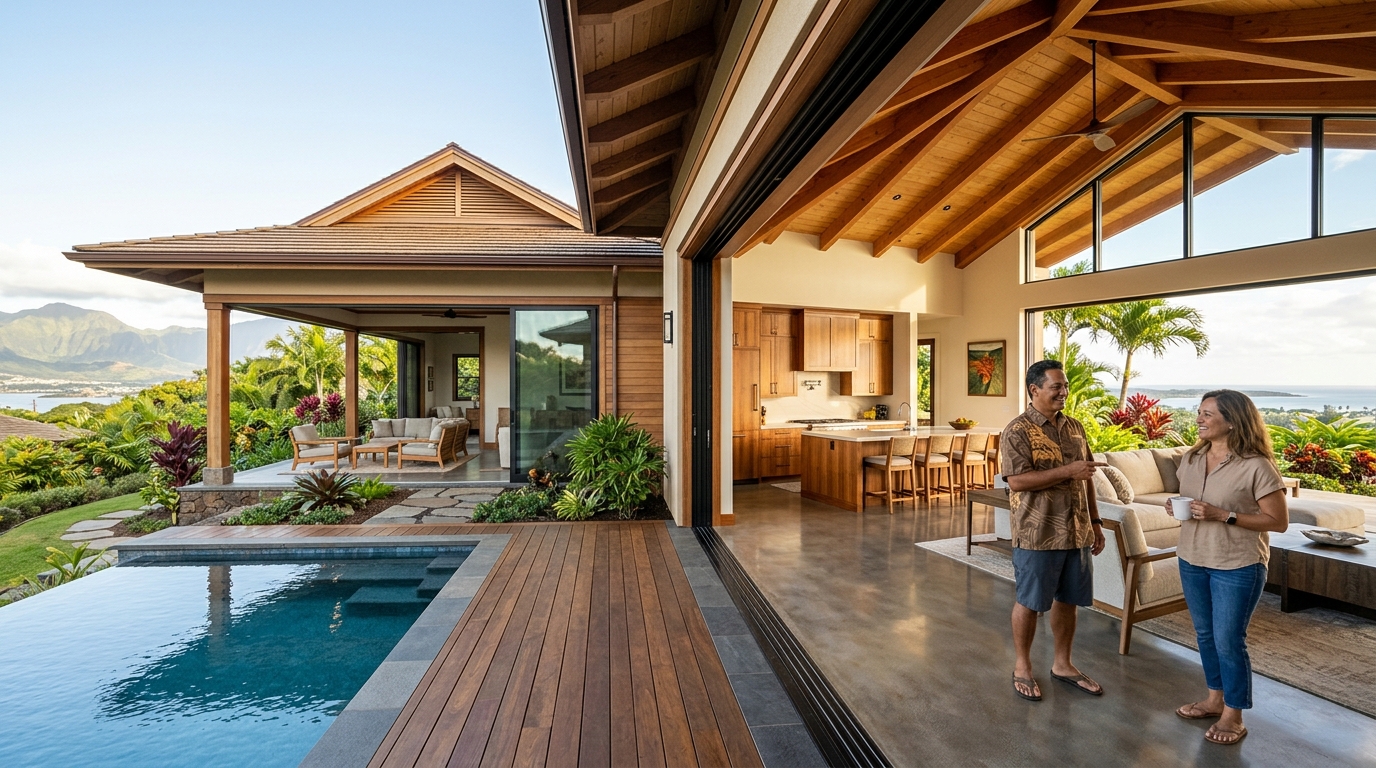
Building a custom home in Pearl City in 2026 means navigating a unique set of local challenges and opportunities. As a custom home builder in Pearl City, our team at Warrior Construction projects that total hard construction costs will typically range from $450 to over $650 per square foot, with a full project timeline of 30 to 42 months from initial design to moving in. This timeframe is heavily influenced by the Honolulu Department of Planning and Permitting (DPP), which is currently taking 9 to 14 months to approve new home construction plans. Understanding these realities upfront is the single most important factor for a successful build on O’ahu.
For over two decades, our team has been on job sites across the island, from the salt spray of the North Shore to the expanding communities of Kapolei. We’ve seen firsthand how O’ahu’s unique environment impacts every phase of construction. Pearl City, with its established neighborhoods, hillside lots, and central location, presents its own specific considerations. You’re not just building a house; you’re creating a home designed to withstand Hawaii’s climate, respect its history, and fit into a community fabric that’s been woven over decades. This guide breaks down the real costs, timelines, and expert recommendations we share with our clients every day. We’ll cover everything from navigating the DPP to selecting materials that will last for generations in our island environment.
Why Pearl City Homeowners Trust Warrior Construction for Custom Home Builder
Choosing a contractor is about more than just a license number and a bid. It’s about finding a partner who understands the local ground, both literally and figuratively. At Warrior Construction (License BC-34373), we’ve built our reputation over 20+ years by being that partner for O’ahu families. We’re not a mainland company with a satellite office; we live here, we build here, and we understand what makes a home in Pearl City different from one in Hawaii Kai or Kailua.
One of the biggest differentiators is our deep familiarity with Pearl City’s specific housing stock and topography. Many projects here involve tearing down a 1960s or 1970s single-wall construction home. These lots often come with surprises, like old cesspools that need proper decommissioning, unexpected retaining walls, or drainage issues from decades of development uphill. Just last year, on a project in Pearl City Heights, we uncovered an old, undocumented retaining wall buried on the property line during excavation. An inexperienced builder might see a massive delay and a change order. Because we’ve seen it before, we had our structural engineer on-site the next day with a solution that integrated a new, properly engineered wall into the foundation plan, keeping the project on track with minimal delay. This is the kind of boots-on-the-ground experience that makes a difference.
Furthermore, our design-build approach streamlines the entire process. Instead of you, the homeowner, having to manage an architect, an engineer, and a general contractor separately, our team provides a single point of contact and accountability. This integration is crucial in a place like Honolulu where the permitting process can be so challenging. Our pre-construction team works directly with the architect and engineers to value-engineer the plans, ensuring the design is not only beautiful but also buildable within your budget and compliant with all current building codes, including hurricane-resistant standards. This collaborative method prevents the classic scenario where you fall in love with a design only to find out it’s $200,000 over budget or won’t pass DPP review. We solve those problems before a single shovelful of dirt is moved, saving you time, money, and a lot of headaches.
What Does Custom Home Builder Cost in Pearl City?
Let’s get straight to the numbers for 2026, because that’s what every homeowner wants to know. Building a custom home in Pearl City involves several cost categories, and it’s essential to budget for all of them. The biggest mistake we see is homeowners focusing only on the construction cost per square foot and getting caught off guard by soft costs and site prep.
Here’s a realistic breakdown for a typical 2,500 square foot custom home in a neighborhood like Waimalu or Pearl City Highlands:
Hard Construction Costs: $450 – $650+ per square foot
This is the cost to physically build the house itself. The price is driven almost entirely by the level of finishes you select. At Warrior Construction, we break it down into three general tiers:
- Builder-Grade ($450-$525/sq ft): This gets you a solid, well-built home. Think luxury vinyl tile (LVT) flooring, stock cabinetry from a local supplier, quartz countertops, reliable but standard appliance packages (like GE or Frigidaire), and standard plumbing fixtures. This is a great option for a durable, attractive family home.
- Mid-Grade ($525-$650/sq ft): This tier allows for more customization. You might see engineered hardwood floors, semi-custom cabinetry, higher-end appliances (like Bosch or KitchenAid), more intricate tile work in bathrooms, and designer light fixtures. This is the most common category for a new home construction in Pearl City.
- Luxury-Grade ($650+/sq ft): This is for a true luxury home builder in Pearl City. We’re talking about premium materials like imported stone, fully custom millwork and cabinetry, professional-grade appliances (Sub-Zero, Wolf), smart home automation integrated throughout, and custom window and door packages. The sky’s the limit here.
Soft Costs: 15% – 25% of Hard Costs
These are the necessary expenses that happen before we break ground. Don’t underestimate them.
- Architectural & Engineering Fees: Typically 8-15% of the construction budget. For a $1.25 million build, that’s $100,000 – $187,500.
- DPP Permitting Fees: For a new single-family home in Honolulu, budget around $25,000 – $40,000. This includes plan review, various permit fees, and wastewater system fees.[1]
- Surveys & Reports: You’ll need a topographical survey, soil testing, and possibly other reports. Budget $5,000 – $15,000.
Site Work & Demolition: $40,000 – $100,000+
This is highly variable based on your lot. If you’re tearing down an old home, demolition and haul-away alone can be $25,000 – $40,000. If your lot is on a slope, like many in Aiea Heights, you could have significant costs for grading and retaining walls. Utility connections (water, sewer, electric) can also add up, especially if the existing infrastructure is old.
For a 2,500 sq ft mid-grade home, a realistic all-in budget in 2026 would be around $1.6 million. That’s (2,500 sq ft x $550/sq ft) = $1,375,000 in hard costs, plus ~$225,000 in soft costs and site work. Planning for this total number from the beginning is the key to avoiding financial stress down the road.
How Long Does a Custom Home Builder Take in Pearl City?
Patience is a virtue in Hawaii construction, especially on O’ahu. The fantasy of breaking ground a month after you have a design is just not the reality here in 2026. A realistic timeline from the first meeting with your builder to receiving the keys to your new home is roughly 30 to 42 months. Anyone who tells you they can do it in 18 months is either new to the island or not being honest about the permitting process.
Our team manages every stage of this timeline, providing clients with regular updates so they always know where we are in the process. Here’s how it breaks down:
Phase 1: Design and Pre-Construction (6-9 months)
This phase is all about planning. It’s where your vision takes shape. It involves:
- Initial consultations and budget development.
- Selecting an architect and starting on schematic designs.
- Developing detailed construction drawings and engineering plans (structural, mechanical, electrical, plumbing).
- Making key material selections for things like windows, roofing, and siding. Finalizing these early is critical to avoid delays later, given the 6-12 week shipping times for many items from the mainland.
Phase 2: Permitting with Honolulu DPP (9-14 months)
This is the longest and often most frustrating phase for homeowners. Once we submit the complete set of plans to the Department of Planning and Permitting, the waiting game begins. The plans go through multiple reviews by different departments—building, zoning, electrical, plumbing, fire, and sometimes public works. If any department requests a clarification or a change, the clock can reset. As of 2026, the backlog at the DPP means a 9-month approval is considered fast for new home construction in Pearl City. We’ve seen complex projects take over a year. Our role as your general contractor is to proactively communicate with the plan reviewers and respond to any inquiries immediately to keep the process moving as efficiently as possible.
Phase 3: Construction (12-18 months)
This is when you finally see your home come to life. The timeline here depends on the complexity of the build, weather, and material availability.
- Months 1-3: Demolition (if needed), site work, excavation, and pouring the foundation.
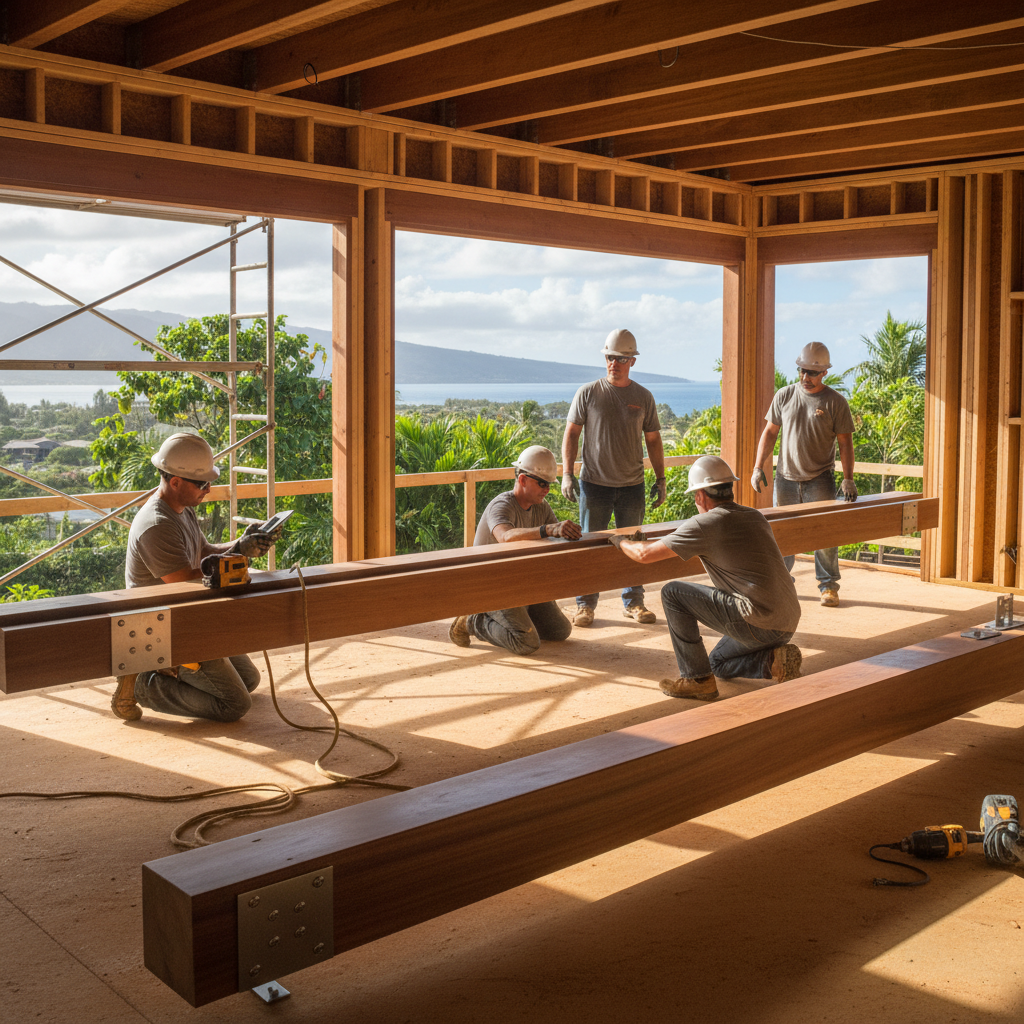
- Months 3-6: Framing the structure, sheathing, and installing the roof. This is when it starts to look like a house.
- Months 6-10: Rough-in for plumbing, electrical, and HVAC. Installing windows and doors. Applying exterior finishes like siding and trim.
- Months 10-15: Drywall, interior painting, flooring installation, cabinet and countertop setting.
- Months 15-18: Finish work—installing fixtures, appliances, tile, and final details. Landscaping, final inspections, and punch list completion.
A seasoned home builder in Pearl City knows how to schedule these phases to minimize downtime. For example, we order long-lead-time items like custom windows or appliances the day the permit is issued, not when we’re ready to install them, to account for shipping to Hawaii.
What Permits Do You Need for Custom Home Builder in Pearl City?
Navigating the permitting process is one of the most critical services a qualified general contractor provides. For a new custom home in Pearl City, you aren’t just getting one permit; you’re getting a whole package of them from the Honolulu Department of Planning and Permitting (DPP). The system is complex, and a single mistake on an application can set your project back for months. Our team has an in-house permit specialist who deals with the DPP daily, and that relationship is invaluable.
Here are the primary permits required for a ground-up new home construction in Pearl City:
- Building Permit: This is the master permit that covers the structure of the house itself. The application package for this is substantial, including full architectural plans, structural engineering calculations, energy compliance forms, and more. It won’t be issued until all other relevant departments have signed off.
- Demolition Permit: If you’re tearing down an existing structure, this is the first permit you’ll need. It requires a certified asbestos survey and a plan for disconnecting all utilities safely.
- Grading Permit: Any significant earthmoving on your lot requires a grading permit. This is common in the hillside areas of Pearl City and Aiea. It requires a civil engineering plan that shows how you’ll manage soil erosion and drainage during and after construction.
- Electrical Permit: A separate permit, filed by a licensed electrical contractor, is required for all the wiring, panels, and fixtures in the home.
- Plumbing Permit: Similar to electrical, a licensed plumber must file for a permit covering all supply lines, drains, vents, and fixtures.
- Sewer Connection Permit: If you are connecting to the city sewer system for the first time or modifying an existing connection, this is handled through the Department of Environmental Services. Many older Pearl City homes on cesspools require this upgrade during a teardown and rebuild.
As your general contractor, Warrior Construction manages the submission and tracking of all these permits. We coordinate with the architect, engineers, and our licensed subcontractors to ensure every application is complete and accurate. We use the city’s online portal but also know when a phone call or an in-person visit to the Fasi Municipal Building is needed to clarify a reviewer’s comment. This proactive management is key to getting through the DPP labyrinth as smoothly as possible.[1]
Pearl City-Specific Considerations: Climate, Materials, Regulations
Building on O’ahu isn’t like building anywhere else in the world, and even within the island, each area has its quirks. A home designed for the rainy, cool climate of Manoa would be uncomfortable in the hot, sunny plains of Ewa Beach. Pearl City sits in a unique middle ground—it’s not battered by the constant salt-air corrosion of the Windward side, but it’s not as dry as the Leeward coast either. Here are the specific factors we plan for when building a custom home here.
Climate and Design
Pearl City gets plenty of sunshine and is generally warmer and less rainy than areas closer to the Koʻolau mountains. This informs our design choices:
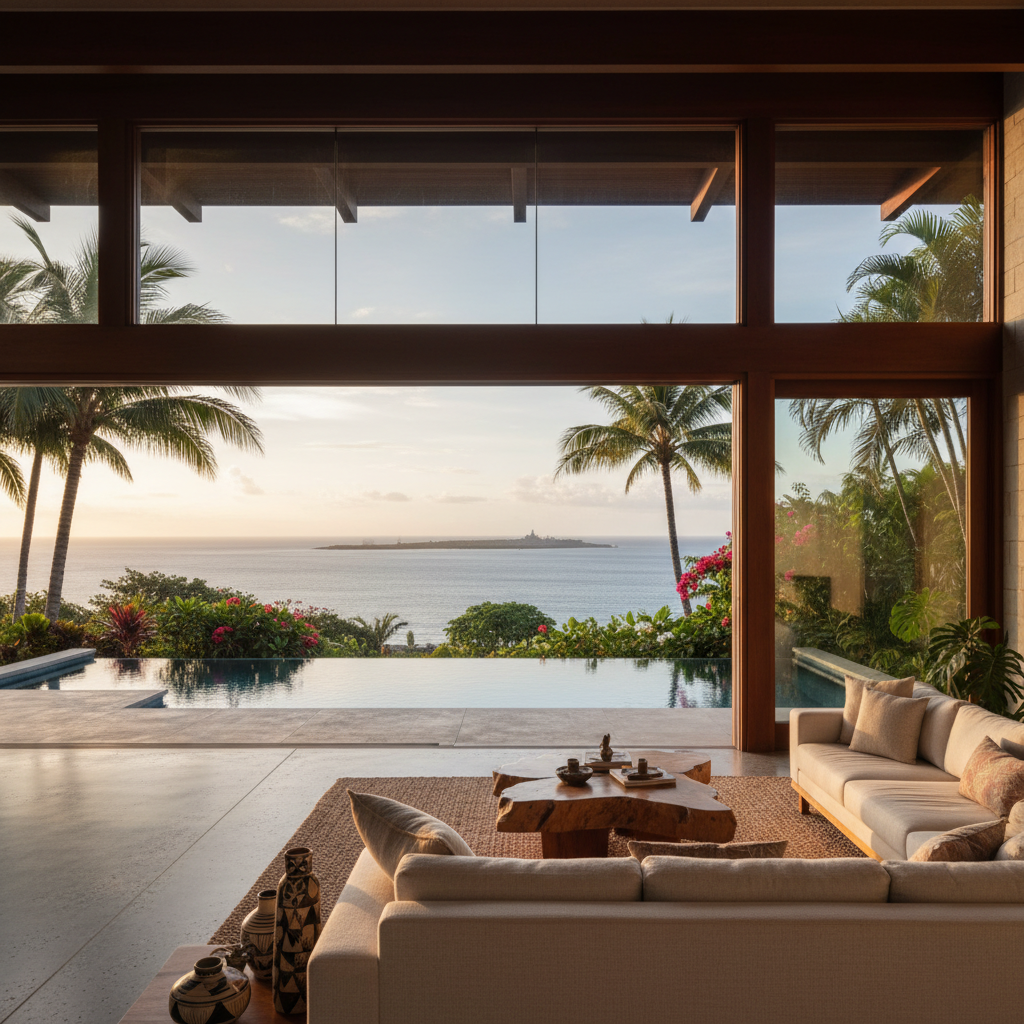
- Ventilation is Key: We design homes to capture the prevailing tradewinds. This means careful placement of large operable windows, jalousies, and lanai doors to promote cross-ventilation, reducing the need for air conditioning.
- Sun Protection: We often incorporate wide roof overhangs (eaves) and covered lanais, especially on the west-facing and south-facing sides of the home. This blocks the harsh afternoon sun from heating up the interior, which is critical for comfort and energy efficiency.
- Roofing Materials: While asphalt shingles are common on the mainland, they don’t last long under the intense Hawaii sun. We almost always recommend a standing-seam metal roof for new builds. It reflects solar heat, lasts 50+ years, and holds up much better in a hurricane.
Materials for Durability
Our material selections are driven by two main enemies in Hawaii: termites and moisture.
- Termite-Resistant Construction: Ground termites are a constant threat. All lumber that touches the concrete slab (mudsill) must be pressure-treated. We use Borate-treated lumber for framing whenever possible, and for the foundation, we always recommend a physical termite barrier like a Termimesh system, installed before the slab is poured. It’s a small upfront cost that prevents catastrophic damage later.
- Fighting Corrosion: Even though Pearl City isn’t beachfront, the air still has a higher salt content than on the mainland. We specify stainless steel or hot-dip galvanized fasteners, connectors, and hurricane straps. Using cheaper, electroplated hardware is a classic shortcut that leads to rust and structural failure within 10-15 years.
Local Regulations and Codes
Beyond the standard building code, we have to stay on top of local Honolulu regulations.
- Hurricane Code: Ever since Hurricane Iniki in 1992, Hawaii’s building codes for wind resistance are some of the strictest in the nation. This dictates everything from the type of hurricane straps we use to connect the roof to the walls, all the way down to the foundation, to the pressure ratings required for windows and doors. We build every home to meet or exceed these hurricane code requirements.
- ADU Potential (Bill 7): Many clients building a new home want to plan for the future. Honolulu’s housing regulations encourage the construction of Accessory Dwelling Units (ADUs or ‘ohana units). When designing a custom home, we can plan the lot layout and utility connections to make adding a separate ADU in the future much easier and more cost-effective.
How to Choose the Right Custom Home Builder Contractor in Pearl City
Choosing your builder is the most important decision you’ll make in the entire process. The right contractor can make a complex journey feel manageable, while the wrong one can turn your dream into a nightmare of delays, cost overruns, and shoddy workmanship. Here is our professional advice on how to vet a potential builder.
- Verify Their License and Insurance. This is non-negotiable. First, go to the Hawaii Department of Commerce and Consumer Affairs (DCCA) Professional & Vocational Licensing (PVL) search website.[2] Enter the company name or license number. For example, you can look up Warrior Construction and see our license, BC-34373, is active and in good standing. Ask for a copy of their general liability insurance certificate and their workers’ compensation insurance certificate. A legitimate contractor will provide these without hesitation.
- Look for a Local, Established Portfolio. You want a builder who has extensive experience on O’ahu, specifically with projects similar to yours. Ask to see a portfolio of their completed custom homes. Pay attention to the quality of the finish work. Do they have projects in Pearl City or nearby areas like Aiea or Waipahu? A mainland company might have a great portfolio, but if those homes were built in Arizona, they don’t understand how to build for Hawaii’s climate.
- Speak with Past Clients. References are crucial. Don’t just ask for a list; ask for references from projects completed in the last 2-3 years. Ask these homeowners specific questions: How was the communication during the project? Did they stick to the budget? How did they handle unexpected problems? Were you happy with the quality of the final product?
- Evaluate Their Communication and Process. During your initial meetings, pay close attention to how they operate. Do they listen to your vision? Do they explain the process clearly? Do they use project management software to keep you updated? A good builder should feel like a partner and a guide. If you feel pressured or confused in the sales process, imagine how you’ll feel during construction.
- Insist on a Detailed, Itemized Bid. Never accept a one-page estimate that just gives you a single number. A professional bid will be many pages long, breaking down the costs by construction phase (e.g., foundation, framing, electrical, finishes). This transparency is a sign of a well-organized company and allows you to see exactly where your money is going. It also makes it possible to compare bids from different contractors on an apples-to-apples basis.
Taking the time to do this due diligence upfront will pay massive dividends throughout your project.
Real Pearl City Custom Home Builder Project Example
To make all these numbers and timelines concrete, let’s walk through a typical project we recently completed in the Pearl City area. This provides a real-world look at how a custom home builder in Pearl City takes a project from an old house to a new dream home.
The Client and Property: A local family with three children had inherited their grandparents’ old home on a 7,500 square foot lot in Waiau. The original home was a 1,200 sq ft single-wall construction house from 1968 that was showing its age with termite damage and an outdated layout.
The Vision: Their goal was to build a modern, two-story, 3,000 square foot home that was open, energy-efficient, and had space for the kids and visiting family. They wanted a large, open-concept kitchen and living area that flowed onto a covered lanai for indoor-outdoor living. They also prioritized durable, low-maintenance materials.
The Challenges: The lot had a gentle slope that required some grading and a small retaining wall to create a flat building pad. The existing electrical service was undersized and needed a full upgrade from the street. Finally, the budget was firm, so value engineering during the design phase was critical.
The Warrior Construction Process & Solution:
- Design-Build Collaboration: We brought in our partner architect from day one. By working together, we designed a home that met the family’s vision while staying within the structural and financial constraints. For example, we adjusted the roofline to simplify the framing, which saved nearly $25,000 without sacrificing the aesthetic.
- Permit Management: Our team handled the entire DPP submission. The plans were submitted, and after a 10-month review process with a few minor revisions, we secured the building permit.
- Construction Highlights: We demolished the old house and regraded the lot. We specified a standing-seam metal roof, fiber cement siding, and vinyl windows to handle the Pearl City climate. Inside, we used luxury vinyl plank flooring throughout for durability and ease of maintenance with the kids.
The Final Numbers:
- Hard Construction Cost: 3,000 sq ft @ $540/sq ft = $1,620,000
- Soft Costs (Design, Engineering, Permits): $195,000
- Site Work (Demo, Grading, Retaining Wall, Utility Upgrade): $85,000
- Total Project Investment: $1,900,000
- Total Timeline: 36 months (7 months design, 11 months permitting, 18 months construction)
The result was a beautiful, functional home perfectly suited to the family and built to last for generations on O’ahu.
What this means for Hawaii homeowners
Embarking on a custom home build in Pearl City is a significant undertaking, but with the right knowledge and the right team, it’s an incredibly rewarding one. The process here is fundamentally different than on the mainland, and success hinges on embracing the local realities rather than fighting against them.
Here are the key takeaways you should focus on as you begin your journey:
- Budget Comprehensively: Your true project cost is not just the price per square foot. You must account for soft costs (design, permits) and site work, which can easily add 20-30% to your construction budget. Create a total project budget from the start.
- Embrace the Timeline: The 9-14 month wait for DPP permits is real and largely out of anyone’s control. Acknowledge this upfront and build it into your life plan. A builder who promises a magically fast permit is a red flag. True local expertise means navigating the existing system efficiently, not circumventing it.
- Hire a True Local Expert: Your general contractor must have years of experience building on O’ahu. They will understand how to design for the tradewinds, what materials stand up to our sun and humidity, how to manage island logistics, and most importantly, how to successfully navigate the Honolulu permitting process.
- Invest in Durability: Don’t cut corners on the things that protect your home from the elements. Spend the extra money on a metal roof, termite-treated lumber, and corrosion-resistant hardware. These are not upgrades in Hawaii; they are necessities for a home that will last.
- Plan for the Long-Lead: Material shipping to Hawaii adds time. A well-managed project involves ordering windows, doors, cabinets, and appliances months in advance. Your contractor’s logistics and scheduling skills are just as important as their building skills.
Building your own home is the chance to create a space that perfectly fits your family’s life. By starting with a realistic understanding of the costs, timeline, and unique challenges of building in Pearl City, you set yourself up for a successful and ultimately joyful experience.
Frequently Asked Questions About Custom Home Builder in Pearl City
What is the average cost per square foot for a new custom home in Pearl City in 2026?
In 2026, you should budget for hard construction costs between $450 and $650 per square foot. A builder-grade home will be closer to the $450-$525 range, while a mid-grade home with more custom features will be in the $525-$650 range. A high-end luxury home can easily exceed $700 per square foot. Remember, this does not include design fees, permits, or site preparation.
How long does it really take to get a building permit in Pearl City?
For a new single-family home, the current realistic timeline for getting a building permit from the Honolulu DPP is 9 to 14 months. This is after your architectural and engineering plans are fully complete and submitted. The wait is due to city staffing levels and the comprehensive review process across multiple departments. Any reputable builder will be transparent about this timeline.
Can I build an ADU or ‘ohana unit at the same time as my custom home?
Yes, you can. It’s often more cost-effective to permit and build an attached or detached ADU at the same time as the main house. This allows for efficiencies in site work, foundation, and utility connections. Honolulu’s regulations are favorable to ADUs, making it a great way to add value and housing for family members.
What are the biggest unforeseen costs in a Pearl City custom build?
The most common surprises come from the ground. On older lots, we often find unexpected issues like old cesspools that need to be properly filled and abandoned, deteriorating retaining walls, or challenging soil conditions that require extra foundation engineering. This is why a contingency fund of 10-15% of your construction budget is highly recommended.
Do I need to hire an architect before I hire a builder?
You can, but we recommend a design-build approach where the builder and architect are part of the same team from the beginning. This ensures the design is aligned with your budget from day one. It prevents the common problem of falling in love with a set of architectural plans that are too expensive to actually build.
Is it more expensive to build in Hawaii compared to the mainland?
Yes, significantly. Nearly all building materials must be shipped to the islands, which adds to the cost. Furthermore, we have a higher cost of labor and stricter building codes for hurricanes and termites. As a result, construction costs in Hawaii can be 50-100% higher than in many mainland cities.
How important is termite-resistant construction?
It is absolutely critical. Hawaii has both aggressive ground and drywood termites that can cause devastating structural damage. Building with termite-treated lumber, especially for the framing, and installing physical and chemical barriers at the foundation stage is not an optional upgrade; it is essential for protecting your investment.
Building a home from the ground up is a major commitment of your time and resources. At Warrior Construction, our goal is to be your trusted partner through every step, providing the expertise and transparent communication needed to bring your vision to life. If you’re ready to discuss your plans for a custom home in Pearl City, our team is here to help.
Learn more about our detailed approach to new home construction on O’ahu and see how our experience can make your project a success.