
If you’re on an AOAO board in Hawaii, the question isn’t *if* you’ll face a full building re-pipe, but *when*. The hard number for a full building condo re-piping Hawaii project in 2026 is between $18,000 and $25,000 per unit. That’s a massive capital expenditure, and frankly, it catches many boards by surprise. For decades, galvanized steel and cast iron pipes were the standard. Now, with a huge portion of Oahu’s high-rise condo stock hitting 45, 50, even 60 years old, those original systems are failing.[1] We see it every week: a pinhole leak in one unit becomes a multi-floor flood, turning a manageable capital project into a seven-figure emergency repair and insurance nightmare. This isn’t just a maintenance issue; it’s a critical financial and logistical challenge that requires years of planning.
Consequently, boards and property managers need a realistic, no-nonsense breakdown of what this massive undertaking actually involves here on the islands. It’s more than just replacing pipes. It’s about navigating Honolulu permitting, securing a qualified contractor in a backlogged market, choosing the right materials for our salt-air environment, and managing the intense disruption to residents’ lives. Most importantly, understanding the real timelines and costs is the only way to plan effectively, update your reserve study, and avoid the sticker shock that derails so many of these essential AOAO capital projects. As a general contractor who specializes in these complex jobs, we’ve guided dozens of AOAOs through this process. Here’s what you need to know to get it right.
What is the real cost of a full building re-pipe in Hawaii?
The straight answer is that in 2026, AOAO boards should budget between $18,000 to $25,000 per unit for a full building re-pipe, covering both supply (potable water) and drain (DWV – Drain, Waste, Vent) lines. For a 150-unit building in Honolulu, you’re looking at a $2.7 to $3.75 million project. This figure isn’t just for pipes and labor. It also includes engineering, permitting, drywall repair, texturing, priming, and painting to return each unit to its original condition. What it often *doesn’t* include are major surprises like asbestos abatement, which can add thousands per unit, or optional homeowner upgrades like replacing fixtures or renovating a whole bathroom while the walls are open.
The Per-Unit Budget: What to Expect in 2026
The final cost per door is driven by several key factors unique to each building:
- Number of Stacks: A building with many smaller units and more vertical plumbing stacks (kitchens and baths) will cost more per unit than one with larger units and fewer stacks. More stacks mean more core drilling and more in-unit disruption.
- Building Complexity: Post-tension slabs, complex floor plans, and limited access for new pipe runs can significantly increase labor costs. We have to get creative with routing, sometimes using soffits or chases that weren’t in the original design.
- Asbestos & Lead: For any building constructed before the 1980s, asbestos abatement is a near certainty. Testing is mandatory before we can cut into any drywall. If found, abatement adds significant cost and time to the project, easily another $2,000-$5,000 per affected area.
- Scope of Work: Is this a full replacement of supply and drain lines? Or just the cast iron drain lines that are failing? A full re-pipe is more disruptive but ultimately more cost-effective than coming back in 10 years to do the supply lines.
Why Your Old Reserve Study is Probably Wrong
One of the biggest shocks for boards is realizing their reserve study, even one from five years ago, is woefully underfunded for a re-piping project. The reality is that construction costs in Hawaii have escalated dramatically. According to UHERO’s latest forecast, we’re seeing sustained cost increases driven by labor shortages and shipping logistics.[2] A study that projected a $1.5 million re-pipe in 2020 is now looking at a $2.5 million price tag in 2026. Therefore, it’s critical to have a specialized engineering firm conduct a plumbing assessment and provide a current cost estimate. This expert opinion is the foundation for updating your reserves and justifying a special assessment if needed. Without it, you’re planning with outdated, dangerous numbers.
Material Choices: Copper vs. PEX in a Salt-Air Environment
The big debate for supply lines is always Copper vs. PEX (cross-linked polyethylene). For years, Type L copper was the gold standard. It’s durable and has a long track record. However, in Hawaii’s salt-laden air, especially in buildings along the coast in Kailua or Waikiki, copper is susceptible to corrosion over time, particularly at the joints. We’ve seen 20-year-old copper lines fail from pinhole leaks caused by constant salt exposure.
PEX, on the other hand, is a flexible polymer piping that is completely resistant to corrosion and scale buildup. This makes it an excellent choice for our environment. Its flexibility also means we can often run new lines with fewer fittings and less drywall demolition, which saves on labor and repair costs. For drain lines, the choice is typically to replace old cast iron with modern ABS or PVC plastic piping, which is the standard for any high-rise plumbing replacement today. The conversation about which material is best for your specific building is a crucial part of the preconstruction process with your general contractor.
How long does a condo re-piping project actually take on Oahu?
The physical work of a condo re-piping in Hawaii might take 12 to 24 months, but the total timeline from the board’s first vote to the final punch list can easily be three to four years. This is a marathon, not a sprint, and the biggest delays happen long before a single pipe is cut. Acknowledging this reality is the first step to a successful project. AOAO re-piping Honolulu projects are particularly subject to these extended timelines.

The Planning Phase: Contractor Backlogs Are No Joke
First, you need to plan. This involves hiring an engineering consultant to assess the plumbing systems, develop a scope of work, and prepare bid documents. This can take 6-9 months. Once you have a plan, you need to select a qualified general contractor. Here’s the catch: the best GCs who specialize in these large-scale AOAO capital projects are in high demand. The Hawaii Contractors Association’s 2026 survey shows that the average project backlog for firms like ours is a staggering 20 months.[3] This means even after you sign a contract, we might not be able to mobilize a team to your site for nearly two years. You must get in the queue early.
The Permitting Phase: The 12-Month Wait at Honolulu DPP
Once your contractor is on board and the final plans are drawn, we enter the permitting phase. This is perhaps the most frustrating and unpredictable part of any major construction project on Oahu. As of Q1 2026, the Honolulu Department of Permitting and Planning (DPP) has an average review time of 9-12 months for major commercial alteration permits like a full re-pipe.[4] We advise all our AOAO clients to budget a full year for permitting. There is simply no way to rush this process. It involves multiple departmental reviews (plumbing, electrical, structural, fire), and any requested revisions can reset the clock. We manage this process closely, but the timeline is ultimately out of our hands and must be factored into the master schedule.
The Execution Phase: A Stack-by-Stack Approach
After years of planning and waiting, the actual construction begins. To minimize disruption, we execute the project on a vertical, stack-by-stack basis. This means we work on all units in a single vertical line (e.g., all the ‘-01’ units from the top floor down) at the same time. A typical in-unit workflow looks like this:
- Notice & Prep: Residents receive ample notice (typically 2-3 weeks) to clear out work areas (under sinks, access panels).
- Demolition & Abatement: Our crews set up dust protection, then open the necessary walls and ceilings. If asbestos is present, this is when the certified abatement team comes in.
- Re-Piping: The old pipes are removed, and the new PEX/ABS/PVC system is installed and pressure tested. This is the core of the condo re-piping Hawaii work.
- Inspections: A city inspector must sign off on the new plumbing before we can close the walls.
- Restoration: We install new drywall, match the existing texture, prime, and paint, returning the unit to its original state.
This process takes about 5-7 working days *inside* each unit, though the work on the entire stack can take 3-4 weeks. Then we move to the next stack, repeating the process until the entire building is complete.
What are the warning signs our building needs a re-pipe?
The plumbing system is the circulatory system of your building, and when it starts to fail, the symptoms can range from minor annoyances to catastrophic emergencies. As an AOAO board member, recognizing these early signs is key to shifting from a reactive, emergency-based mindset to a proactive, planned one. Delaying a necessary cast iron pipe replacement Hawaii project only guarantees higher costs and more damage down the road.
Pin-hole Leaks and Catastrophic Failures
This is the most obvious sign. It often starts small. A resident reports a slow drip under their kitchen sink, which turns out to be a pinhole leak in a corroded galvanized supply line. Or a musty smell in a wall reveals a slow leak from a cracked cast iron drain stack. These small leaks are canaries in the coal mine. They indicate that the entire system is reaching the end of its service life. The real danger is a catastrophic failure—a main drain line on an upper floor cracking wide open, flooding dozens of units below and causing hundreds of thousands of dollars in damage. We were recently called to a building in Makiki where a single failure led to over $1.2 million in water damage and restoration costs, not to mention multiple displaced residents. That one event would have paid for nearly a third of their planned re-pipe project.
Discolored Water & Low Pressure Complaints
Are residents frequently complaining about brown or yellow water when they first turn on the tap? That’s rust and sediment breaking loose from the inside of aging galvanized pipes. It’s not just unsightly; it’s a clear indicator of advanced interior corrosion. Similarly, if multiple residents report a noticeable drop in water pressure, it’s often because those same pipes are so clogged with scale and corrosion that water can no longer flow freely. These aren’t isolated plumbing issues; they are systemic problems that can’t be fixed with a simple drain snake. This is a clear signal that the building’s plumbing needs a full assessment, and it affects the condo plumbing repair cost Oahu boards must consider.
The Insurance Factor: When Carriers Start Asking Questions
Your insurance carrier might be the first one to force the issue. Insurers are getting smarter about risk in Hawaii’s aging condo market. When your building comes up for renewal, they may ask pointed questions: What is the age of your plumbing system? Have you had a professional assessment? Do you have a funded plan for replacement? A recent study highlighted that AOAOs that defer critical maintenance are seeing insurance premium increases of 40% or more upon renewal.[5] In some cases, carriers are refusing to renew coverage altogether for buildings with a documented history of plumbing failures and no plan in place. This can trigger a crisis, as financing and sales in the building can grind to a halt without adequate insurance.
How should an AOAO board communicate this project to residents?
A full building re-pipe is one of the most invasive capital projects a condominium will ever undertake. Success depends as much on clear, consistent communication as it does on skilled plumbing work. Homeowners will have their lives disrupted, and they will have a lot of questions about costs, schedules, and the impact on their homes. A well-thought-out communication strategy is non-negotiable.
Starting Early: Town Halls and Clear Financials
Communication should begin the moment the board starts seriously considering the project—potentially years before work starts. Start with informational town hall meetings. Bring in the engineering consultant to explain *why* the project is necessary, showing photos or videos from a
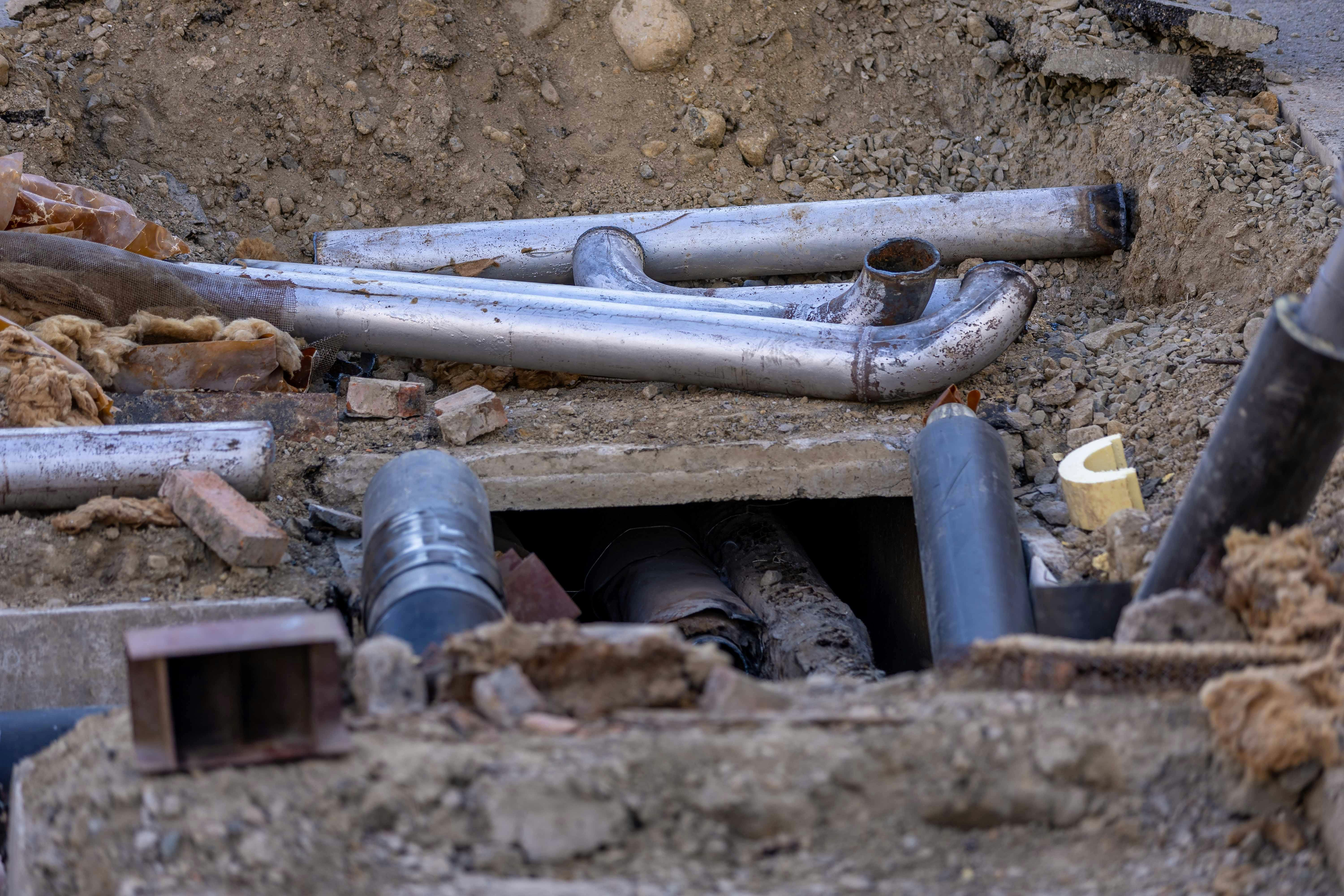
camera inspection of the current pipes. Present the preliminary cost estimates and explain the financial plan, whether it’s through a special assessment, a loan, or a combination. Be transparent about the long road ahead, including the permitting and contractor backlog delays. The more information homeowners have upfront, the more likely they are to support the project when it comes time for a vote.
During the Project: Setting Expectations for In-Unit Work
Once the project is underway, communication needs to become tactical and highly specific. Nobody likes surprises. Residents need to know exactly when their stack is scheduled, what they need to do to prepare their unit, how long workers will be in their home, and who to contact with problems. A good communication plan during execution includes:
- A Master Schedule: A clear, building-wide schedule published well in advance.
- Stack-Specific Notices: Detailed notices delivered to each unit 2-3 weeks before their work begins.
- Daily Updates: A simple notice on the door each day letting the resident know if work is complete for the day or if crews will be returning tomorrow.
- A Designated Point of Contact: A single person, often the site superintendent or a designated resident liaison, who can answer questions and resolve issues quickly.
Partnering with Your GC on a Communication Plan
Your general contractor should be your partner in communication. At Warrior Construction, we see this as part of our job. We attend board meetings and town halls to answer technical questions directly. We help draft the notices and schedules. Our on-site superintendent becomes the face of the project, building trust with residents. When you’re vetting contractors, ask them specifically about their communication process. How do they handle resident complaints? Can they show you examples of communication materials from past projects? A contractor who makes communication a priority is one who understands the unique challenges of working in an occupied building.
What this means for Hawaii homeowners
For AOAO board members and property managers in Hawaii, a building-wide re-pipe is a defining challenge that requires long-range vision and proactive leadership. The data on our aging buildings, contractor backlogs, and permitting delays isn’t meant to be discouraging; it’s a call to action. Procrastination is your single greatest enemy.
Here are the immediate steps you should be taking:
- Commission a Professional Assessment Now: Don’t wait for catastrophic leaks. Hire a qualified mechanical engineering firm to perform a comprehensive assessment of your plumbing systems. This report is the bedrock of all future planning.
- Get Your Reserve Study Updated: Take that engineering report and give it to your reserve study specialist. You need a study that reflects 2026 construction costs and timelines, not numbers from five or ten years ago. This is crucial for sound financial planning.
- Start the Conversation Early: Begin educating homeowners about the inevitable need for a re-pipe. Use town halls and newsletters to explain the condition of the pipes, the risks of failure, and the long-term plan. Building consensus takes time.
- Engage with Contractors Sooner Than You Think: Given the 20-month backlogs for qualified GCs, you should start the interview and selection process at least two years before you anticipate needing work to start. A good contractor can also provide valuable preconstruction advice that saves money in the long run. Thinking about AOAO capital improvement projects requires a long-term strategy.
- Plan for the Unseen: Always include a healthy contingency in your budget—at least 10-15%. In older buildings, we almost always find unforeseen conditions like hidden asbestos, structural issues, or unpermitted previous alterations once we open the walls.
Facing a multi-million dollar condo re-piping in Hawaii can feel overwhelming, but a planned, phased approach is infinitely better than an emergency response after a flood.
Frequently Asked Questions
What’s the difference between re-piping supply lines vs. drain lines (DWV)?
Supply lines bring pressurized potable (clean) water into your unit for sinks, showers, and toilets. These are typically smaller copper or galvanized pipes. Drain, Waste, and Vent (DWV) lines are larger, gravity-fed pipes (usually cast iron in older buildings) that carry wastewater away. Often, the cast iron DWV lines fail first due to corrosion, but it’s most cost-effective to replace both systems at the same time since the walls are already open.
How much disruption can residents expect during in-unit work?
Residents can typically expect crews to be actively working inside their unit for 5 to 7 full workdays. This is not always consecutive, as we need to wait for inspections. During this time, water will be shut off to the unit, and work areas will be covered in plastic. While disruptive, it’s a short period compared to the overall project length, and a good GC will provide a clear daily schedule.
Is asbestos testing required for a condo re-piping in Hawaii?
Yes, for any building constructed before the 1980s, Hawaii state law (DOH) requires testing for asbestos-containing materials (ACMs) in drywall, joint compound, and acoustic “popcorn” ceilings before any demolition. If ACMs are found, a licensed abatement contractor must handle removal, which adds to the project cost and schedule. We budget for this as a likely expense in most older Honolulu high-rises.
Can our AOAO get a loan to fund a re-piping project?
Absolutely. Many AOAOs finance large capital projects like a re-pipe through a loan from a bank that specializes in community association lending. This allows the cost to be spread out over 10-15 years, paid back via a predictable increase in maintenance fees or a special assessment. This is often more palatable for homeowners than a single, large lump-sum assessment.
Does a full re-pipe increase my condo’s resale value?
While it might not add value in the same way a new kitchen does, it absolutely protects your property’s value. A building with brand new plumbing is a huge selling point, as it removes a major unknown for potential buyers. Conversely, a building with known, failing plumbing can see property values decrease and units become difficult to sell or finance.
If your AOAO board is grappling with the looming reality of failing pipes, the time to act is now. The planning, budgeting, and scheduling for a successful condo re-piping Hawaii project takes years of foresight. Our team at Warrior Construction has the expertise in complex DWV repipe projects and other major AOAO capital improvements to guide you from initial assessment to final completion. We understand the unique challenges of working in occupied buildings in Hawaii and can help your board develop a realistic plan that protects your investment and minimizes disruption for residents. Contact us to start the conversation.
References
- Analysis of Hawaii’s Aging Condominium Stock, DBEDT
- Hawaii Construction Forecast, UHERO
- 2026 Member Survey Project Backlog Report, Hawaii Contractors Association
- Q1 2026 Commercial Alteration Permit Review Timeline, Honolulu DPP
- Condo Insurance and Maintenance Impact Study, Honolulu Board of REALTORS®


