
Building a new home here on Oahu in 2026 means embracing a new standard of energy efficiency, not as an add-on, but as a core requirement. The most crucial thing for homeowners to understand is that creating a truly energy efficient home Hawaii style is a three-part system: it requires mandatory active systems like solar with battery storage, smart passive design that works with our island climate, and specific building materials mandated by the latest codes. The upfront investment, particularly for the now-required solar and battery systems which run between $35,000 and $45,000 for a typical home, is significant. However, with HECO’s residential electricity rates hovering around $0.42 per kilowatt-hour, the payback period is a surprisingly fast 7 to 9 years.[1]
For over two decades, our team at Warrior Construction has been navigating the evolving landscape of building on Oahu. We’ve moved from treating green features as upgrades to integrating them as the baseline for any new construction. Consequently, we’ve seen firsthand how a well-designed, energy-efficient home not only saves you thousands on your electric bill but also creates a more comfortable, resilient, and valuable property. This guide breaks down the real costs, the specific requirements from the Honolulu Department of Planning and Permitting (DPP), and the practical strategies we use to build homes that are truly optimized for island life.
What Does an ‘Energy-Efficient’ Home on Oahu Actually Require in 2026?
In 2026, an energy-efficient home on Oahu is an interconnected system, not just a collection of green gadgets. The code and market demand a three-part approach: mandatory active energy systems (solar PV and battery storage), intelligent passive design that uses our natural climate to your advantage, and specific, high-performance building materials for the home’s exterior envelope. You can’t just excel in one area and ignore the others; they all work together to lower your long-term cost of living.
It’s a Three-Legged Stool: Passive Design, Active Systems, and Code-Mandated Materials
Think of it like a three-legged stool. If one leg is weak, the whole thing is unstable. We see people get fixated on just one aspect, usually the solar panels, but that’s a mistake.
- Passive Design: This is the first and most important leg. It’s about making smart decisions before we even break ground. For instance, we orient the house to capture the trade winds for natural ventilation and design roof overhangs to block the high summer sun. This is the foundation of an energy efficient home Hawaii residents will find comfortable year-round. These choices drastically reduce how much you’ll ever need to run an air conditioner.
- Active Systems: This is the technology you add to the house. As of 2026, a solar photovoltaic (PV) system with a Battery Energy Storage System (BESS) is no longer an option for new builds—it’s a requirement. This system generates your power during the day and stores it for use at night, making you largely independent from the grid. This is also where a significant part of the initial Oahu new build cost is concentrated.
- Code-Mandated Materials: The final leg is the physical shell of your home. The 2026 Hawaii building codes now dictate the use of specific materials that prevent heat from getting in. This includes things like standing-seam ‘cool roofs’ with high reflectivity and double-pane, low-emissivity (Low-E) windows that block solar heat gain.[2] These materials ensure that the work done by your passive design isn’t wasted.
Ultimately, a successful project integrates all three from day one. Passive design reduces your energy needs, the code-mandated materials keep your home naturally cool, and the active solar system then has a much smaller energy load to cover. That synergy is the key.
How Much Does a Solar and Battery System Cost for a New Build on Oahu?
For a typical 2,500 square foot new home on Oahu, you should budget between $35,000 and $45,000 for a code-compliant solar and battery Hawaii system. This isn’t an estimate for just the panels; this is the all-in cost for the complete system including a 10kWh battery, inverter, permitting, and installation, which is now essentially mandatory for new single-family home construction. This has become a standard and significant line item in every new home budget we create.
Budgeting the Real Cost: $35,000 to $45,000 for a Typical Home
Let’s break that number down. The Honolulu DPP is now strictly enforcing the rules that push all new builds toward PV systems, and the grid management programs from Hawaiian Electric (HECO) make battery storage a practical necessity.[3] A decade ago, a battery was a luxury add-on. Today, a 10kWh battery like a Tesla Powerwall 3 or an Enphase 5P is standard issue. The battery alone accounts for $15,000 to $20,000 of the total system cost.
Here’s what that $35k-$45k budget typically covers:
- A 6-8 kW solar panel array (number of panels depends on brand and efficiency).
- A 10kWh battery energy storage system (BESS).
- A hybrid inverter that can manage power from the panels, the battery, and the grid.
- All necessary racking, wiring, and safety components.
- Engineering, permitting with the DPP, and HECO interconnection applications.
- Full installation and commissioning by a licensed electrical contractor.
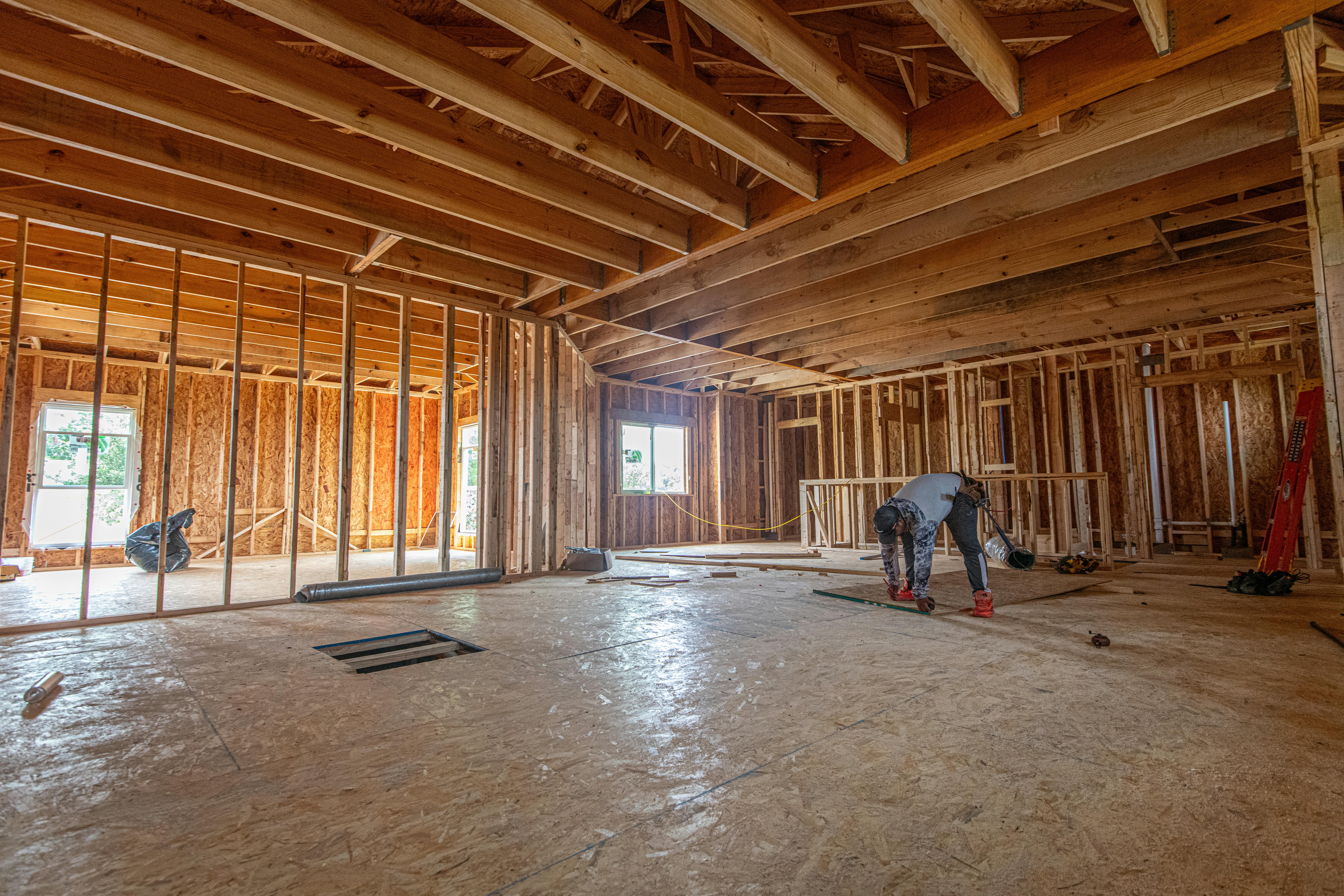
Furthermore, integrating this system during the initial build is far more efficient. We can run conduit inside the walls before the drywall goes up, making for a cleaner installation and avoiding the higher costs of a retrofit later.
Understanding Hawaii’s Solar Tax Credits & The 7-9 Year Payback
The upfront cost can feel daunting, but the financial incentives are substantial and the payback is surprisingly quick. The reason for this is simple: HECO rates are among the highest in the nation. With the current residential rate at about $0.42/kWh, every kilowatt-hour you generate and use yourself is a direct saving.[1]
Here’s how the math works out:
- Federal Investment Tax Credit (ITC): You can claim a tax credit for 30% of the total system cost. On a $40,000 system, that’s a $12,000 credit.
- Hawaii State Tax Credit: The state offers a credit of 35% of the system cost, though it’s capped at $5,000 for a single-family home.
When you combine these credits, a $40,000 system has an actual post-credit cost of $23,000. Based on our clients’ typical energy usage and the high HECO rates, that investment is usually paid back in energy savings within 7 to 9 years. After that, you’re essentially generating free electricity for the life of the system, which is typically warrantied for 25 years. This payback timeline is a key reason why an energy efficient home Hawaii build is a wise long-term investment.
What is Passive Design and How Does It Cut Cooling Costs?
Passive design is the art and science of building a home that works with Hawaii’s climate, not against it. It uses smart, often low-tech strategies like home orientation, window placement, and roof design to keep the interior cool and comfortable without relying on mechanical air conditioning. A well-executed passive cooling design Hawaii strategy can reduce a home’s cooling load by up to 40%, a figure we’ve seen confirmed in recent university studies and on our own projects.[4]
Orienting Your Home for Trade Winds: The First and Most Critical Step
The single most important passive design decision costs nothing: orienting your house correctly on its lot. The goal is to maximize your exposure to our prevailing trade winds. We design the home with the main living areas and windows facing into the trades, creating a natural wind tunnel that pulls cool air through the house. For example, on a recent custom home we built in Kailua, we angled the entire footprint of the house about 15 degrees. It looked a little unusual on the initial site plan, but the result is a home where the owners rarely, if ever, use their AC, even on hot summer days.
This means placing large, operable windows or lanai doors on the windward side and smaller windows on the leeward (downwind) side to create a pressure differential that pulls air through. It’s a simple concept, but it requires careful planning with the architect and builder before a single shovel of dirt is moved. As a result of this planning, you get a more comfortable and energy efficient home Hawaii style.
Why Overhangs and Louvered Windows Can Reduce AC Needs by 40%
After orientation, overhangs and windows do the heavy lifting. In Hawaii, the sun is our biggest source of heat gain. The strategy is to block it before it ever hits your windows.
- Engineered Overhangs: We design roof overhangs to be wide enough to block the high, intense sun of the summer months. At the same time, they’re calculated to allow the lower-angled winter sun to penetrate and provide natural light and warmth when desired. A standard 24-inch overhang is often not enough; we frequently engineer 36- or 48-inch overhangs for south- and west-facing walls.
- Modern Louvered Windows: The classic jalousie window has been updated. Modern louvered windows offer nearly 100% openable area for ventilation, unlike sliding or single-hung windows which are only 50% open at best. This allows for maximum cross-ventilation. When paired with proper home orientation, they are incredibly effective at keeping interior temperatures down. They are a signature feature in many projects seeking to build a truly energy efficient home Hawaii residents can appreciate.
The Upfront Cost (5-7%) vs. The Long-Term Appraisal Value (10-15%)
Incorporating these advanced passive design strategies—things like larger overhangs, higher-quality windows, and potentially a more complex roofline—can add about 5-7% to the initial construction cost.[4] However, the payoff comes in two forms. First, your monthly utility bills are drastically lower for the life of the home. Second, and just as important, the market recognizes this value. Recent analysis and our own experience with appraisers show that homes with demonstrable energy-efficient and passive cooling features appraise for 10-15% higher than their conventional counterparts. It’s an investment that pays you back month after month and again when you sell.
What Building Materials Are Now Required for an Energy Efficient Home in Hawaii?
The 2026 Hawaii building codes 2026 are very specific about the materials we must use for the building envelope—the roof, walls, and windows—to create an energy efficient home in Hawaii. These aren’t suggestions; they are mandates. The code focuses on preventing solar heat from entering the home in the first place. For homeowners, this means two key components are now standard: standing-seam ‘cool roofs’ and high-performance, double-pane Low-E glass windows.
Why Standing-Seam ‘Cool Roofs’ Are the New Standard
A ‘cool roof’ is simply a roofing material with high solar reflectance, meaning it reflects more of the sun’s energy instead of absorbing it as heat. The code measures this using the Solar Reflectance Index (SRI). For the steep-slope roofs typical of residential homes, the cod
e now requires a minimum SRI of 29.[2]
This requirement has effectively made pre-painted, standing-seam metal roofing the default choice for new construction. While asphalt shingles might be cheaper upfront, even the lightest colors struggle to meet the SRI mandate. A light-colored metal roof, on the other hand, easily exceeds this requirement. It also offers superior durability in our salt-laden air and high-wind environment, a topic we cover in our guide to building a Hawaii-proof home. It’s an investment in both energy efficiency and long-term resilience.
Decoding Window Ratings: Your Guide to U-Factor and Low-E Glass
Windows are essentially holes in your home’s insulation. The new energy code aims to make those holes as small as possible from a thermal perspective. Every window we install on a new build must have a sticker from the National Fenestration Rating Council (NFRC) that shows two key numbers:
- U-Factor: This measures how well the window prevents heat from escaping. In our case, it’s more about preventing heat from entering. The lower the number, the better the insulator. The code now mandates a maximum U-factor of 0.40.
- Solar Heat Gain Coefficient (SHGC): This measures how much of the sun’s heat radiation is blocked from passing through the window. Again, lower is better. The Hawaii code sets the maximum SHGC at a very strict 0.25.
To meet these numbers, the standard is now double-pane glass with a Low-E (low-emissivity) coating. This is a microscopically thin, transparent metallic coating on one of the glass surfaces that reflects thermal radiation. It keeps the heat out while letting visible light in. Single-pane glass, which was common for decades, simply cannot meet the 2026 code requirements for an energy efficient home Hawaii project.
Are There Sustainable, Locally-Sourced Materials We Can Use?
This is a question we get from many clients who want to build a truly ‘green’ or energy efficient home in Hawaii, and the answer is complex. For high-end interior finishes, yes, we can source beautiful local hardwoods. But for the structural bones of the house, the reality of our island logistics means over 90% of materials are imported from the mainland via barge.
The Reality of Island Logistics: Where We Can (and Can’t) Source Locally
The hard truth is that Hawaii has very little heavy industry for producing construction materials. All of our structural lumber, engineered beams, steel, insulation, and even the cement powder for our concrete arrives on a ship. This reliance on shipping has a massive impact on both cost and the embodied carbon of a project. A recent DBEDT report highlighted this challenge, noting that we are almost entirely dependent on imports for the core components of a home.[5]
While we can’t get local 2x6s for framing, we can make smart choices with what we import. For example, using engineered wood products can often make more efficient use of resources than traditional solid-sawn lumber. There are also some interesting local innovations, like using crushed recycled glass as a partial substitute for aggregate in concrete slabs, which our team has successfully used on several projects.
Where we can truly embrace local sourcing is in the finishes. We have great relationships with local mills that can provide stunning mango, monkeypod, or koa for flooring, cabinetry, and architectural details. Using these materials not only supports our local economy but also gives a home a character and beauty that is uniquely Hawaiian. However, clients need to understand that these are finish materials, not structural ones, and they represent a smaller fraction of the overall material budget. Building an energy efficient home Hawaii style involves being realistic about these supply chain constraints.
What this means for Hawaii homeowners
Navigating the requirements for a new energy-efficient home in 2026 can seem complex, but it boils down to a new baseline for quality and performance. These aren’t just ‘nice-to-have’ upgrades anymore; they are the required standard for any new single-family home on Oahu. Understanding this shift in mindset is the key to a successful project.
Here are the most important takeaways for anyone planning a new build:
- Budget for the Complete System: When planning your finances, you must include a $35,000-$45,000 line item for a complete solar and battery system. It’s as fundamental to your budget now as the foundation or the roof. Don’t think of it as an option.
- Prioritize Design Over Gadgets: The most impactful energy-saving decisions are made in the design phase, long before construction begins. Investing time with your architect and builder to perfect the home’s orientation and passive cooling features will yield far greater comfort and savings than simply adding a larger solar array later.
- Understand the ‘Pay For Itself’ Timeline: The upfront costs are real, but so are the savings. With a 7-9 year payback period on the solar system and lifetime savings from passive design, you are making a long-term financial investment, not just an expenditure. These features will also significantly increase your home’s resale value.
- There is No ‘Opting Out’: The Honolulu DPP and the Hawaii State Energy Code are serious about enforcement. The material specifications for roofing and windows, along with the solar mandate, are non-negotiable for securing a building permit for new construction. Working with a contractor who understands these codes inside and out is critical to avoiding costly delays, a topic we explore in our guide to navigating Oahu building permits.
Ultimately, the move toward building a more energy efficient home Hawaii wide is a positive one. It creates more comfortable, resilient, and affordable homes for the long run, and it’s our kuleana to build in a way that respects our island resources.
Frequently Asked Questions
What is the total cost premium for building an energy-efficient home on Oahu?
The passive design elements and upgraded materials like cool roofs and Low-E windows typically add about 5-7% to the total construction cost. The mandatory solar and battery system is a separate, required line item that you should budget at $35,000 to $45,000 for a standard 2,500 sq. ft. home.
Can I opt out of the solar and battery mandate for a new build?
For a new single-family home on Oahu, the answer is almost certainly no. The Honolulu DPP is enforcing this as a baseline requirement for permits. Extremely rare variances might exist for exceptionally shaded lots, but they are difficult to obtain and you should plan for the system to be mandatory.
How long does the payback for solar really take with current HECO rates?
As of 2026, with HECO’s residential rates around $0.42/kWh, the payback period for a new solar and battery system, after federal and state tax credits, is a very realistic 7 to 9 years. After that period, the energy you produce is essentially free for the warrantied 25-year life of the system.
Do these energy-efficient features help during a hurricane?
Absolutely. The battery storage system provides critical backup power to run refrigerators, lights, and medical devices when the grid goes down. Furthermore, required materials like standing-seam metal roofs and impact-rated windows (if specified) offer superior resistance to high winds compared to older building standards.
Is it better to put more money into passive design or a bigger solar system?
Always prioritize passive design first. It’s the most cost-effective way to reduce your home’s fundamental energy demand. A well-designed home may only need a 6kW solar system, while a poorly designed ‘hot box’ might need a 10kW system to achieve the same result, costing you thousands more upfront.
How does the Honolulu permitting process affect these energy systems?
The solar and battery system requires its own electrical permit, which, while on a dedicated track, can still take around 45 days for review by the DPP. The passive design elements and specified materials are reviewed as part of the main building permit application, which is a much longer process, often taking 12-18 months for approval.
Ready to Plan Your High-Performance Island Home?
Building an energy-efficient home in Hawaii is a smart investment in your future comfort and financial well-being. It requires a contractor who understands the intricate dance between design, materials, and technology. If you’re ready to start the conversation about your new home, our team at Warrior Construction has the local experience to guide you through every step of the process.
Let’s talk about building a home that’s not just beautiful, but built for a sustainable future in Hawaii. Contact our team to schedule a consultation on our custom home building services and we can start planning your project today.


