
On Oahu in 2026, a high-end 400 sq. ft. covered lanai with a fully integrated outdoor kitchen costs between $160,000 and $190,000. That works out to a realistic budget of $400 to $475 per square foot for a project built to last in our island environment. This isn’t just a deck with a grill; it’s a true extension of your home—a seamless indoor-outdoor space with high-performance materials, sophisticated appliances, and a roof system designed for both our intense sun and sudden downpours. After more than two decades of building these spaces from Portlock to the North Shore, we’ve seen them evolve from simple additions to the most valuable square footage in a Hawaii home. This comprehensive Oahu outdoor living guide is designed to walk you through the real numbers, the features that provide genuine returns, the materials that withstand our climate, and the realities of the permitting process.
For many homeowners, the initial sticker shock can be surprising. However, these figures reflect the real-world challenges and quality standards of building in Hawaii. Furthermore, we’re dealing with ever-increasing material and labor costs, compounded by island logistics and strict building codes designed for hurricane zones. Throughout this guide, we’ll break down where that money goes—from stamped engineering plans and the long wait at the Honolulu DPP to the 316 marine-grade stainless steel hardware that keeps your investment from rusting away in a few years. We’ll explore why an automated louvered roof might be the single best investment you can make and why choosing the right countertop is about more than just aesthetics. Consider this your contractor’s perspective on planning a project that adds significant lifestyle and financial value to your property.
How Much Does a High-End Lanai and Outdoor Kitchen Cost on Oahu?
The bottom line is that a well-appointed, high-end covered lanai and outdoor kitchen is a major construction project, and the price reflects that. For 2026, we are consistently seeing all-in costs land between $400 and $475 per square foot. Consequently, a comfortable 400-square-foot space—large enough for a dining area and a separate lounge zone with a full kitchen build-out—will realistically land in the $160,000 to $190,000 range. This is a significant investment, so it’s critical to understand what’s driving that number.
The Real-World Numbers: A 400 sq. ft. Project Breakdown for 2026
To make this tangible, let’s break down a hypothetical but very typical $180,000 project. This isn’t a vague estimate; these are the percentages we see on our project budgets every day. Remember, this is more than just lumber and a barbecue; it’s a complex system that must be engineered to handle everything from torrential rain to hurricane-force winds.
- Design, Engineering & Permitting (15% – $27,000): This covers architectural plans, structural engineering calculations (especially for wind loads and foundations), and the tedious process of navigating the Honolulu Department of Planning and Permitting (DPP). This phase is non-negotiable and sets the foundation for the entire project.
- Foundation & Site Work (10% – $18,000): This could involve breaking up an old concrete slab, excavation, and pouring new concrete footings designed to support the roof structure. If you’re on a sloped lot in Manoa or dealing with volcanic rock in Hawaii Loa Ridge, these costs can be higher.
- Framing & Structure (20% – $36,000): This includes all the pressure-treated lumber for the structure, engineered beams for long spans, and the skilled labor to assemble it. It also includes the extensive hurricane strapping and connectors now required by code.
- Roofing System (15% – $27,000): For a standard standing-seam metal or high-quality asphalt shingle roof tied into your existing home. If you opt for an automated louvered roof, this line item can easily double.
- Decking & Finishes (15% – $27,000): High-end decking like Ipe or premium composites, railings, ceiling finish (like tongue-and-groove cedar), paint, and trim. The price of ipe decking in Hawaii alone can be a major factor here.
- Outdoor Kitchen & Appliances (15% – $27,000): This covers the cabinetry (often specialized polymer or stainless steel), countertops (like Dekton or granite), a high-quality built-in grill, under-counter marine-grade refrigerator, sink, and potentially a pizza oven or side burners. The Oahu outdoor kitchen cost is heavily influenced by appliance selection.
- Electrical & Plumbing (10% – $18,000): Running new gas and water lines, drainage for the sink, and all electrical for outlets, lighting, ceiling fans, and appliances. This work requires licensed subcontractors and separate inspections.
Why Material & Labor Costs Keep Rising in Hawaii
Hawaii construction costs for 2026 continue to climb, and it’s for reasons unique to our islands. First, nearly every piece of material, from engineered lumber to specialty appliances, arrives on a boat. Neighbor island shipping surcharges add a baseline of 15-20% to the landed cost before a single nail is hammered.[1] Second, we have a persistent shortage of skilled labor. Experienced carpenters, electricians, and plumbers are in high demand, and their wages reflect that. We’re not just competing with other residential projects; we’re competing with massive military and commercial developments that pull from the same talent pool. As a result, labor can account for nearly 50% of the total project cost.
Is It a Good Investment? The 5-8% ROI We See at Resale
Beyond the immediate lifestyle upgrade, a professionally designed and built outdoor living space offers a solid return on investment. Recent market analysis from Pacific Business News shows that Oahu homes with high-quality covered lanais can command a 5-8% premium at resale.[2] For a $2 million home in Kailua, that’s a potential value add of $100,000 to $160,000. For the first time, the Honolulu Board of REALTORS’ annual survey ranked a functional outdoor living space as more desirable to high-end buyers than an updated primary bathroom. It’s no longer a bonus feature; it’s an expectation. Buyers see these spaces and immediately envision family gatherings and entertaining, recognizing it as usable, year-round living area, not just a patio.
What High-End Features Are Actually Worth the Investment?
When you’re investing six figures into an outdoor space, you want to focus on features that deliver daily utility and long-term value. It’s easy to get carried away, but after years of building these projects, we see a few key upgrades that homeowners consistently say were worth every penny. These aren’t just about aesthetics; they’re about fundamentally changing how you can use your property year-round.
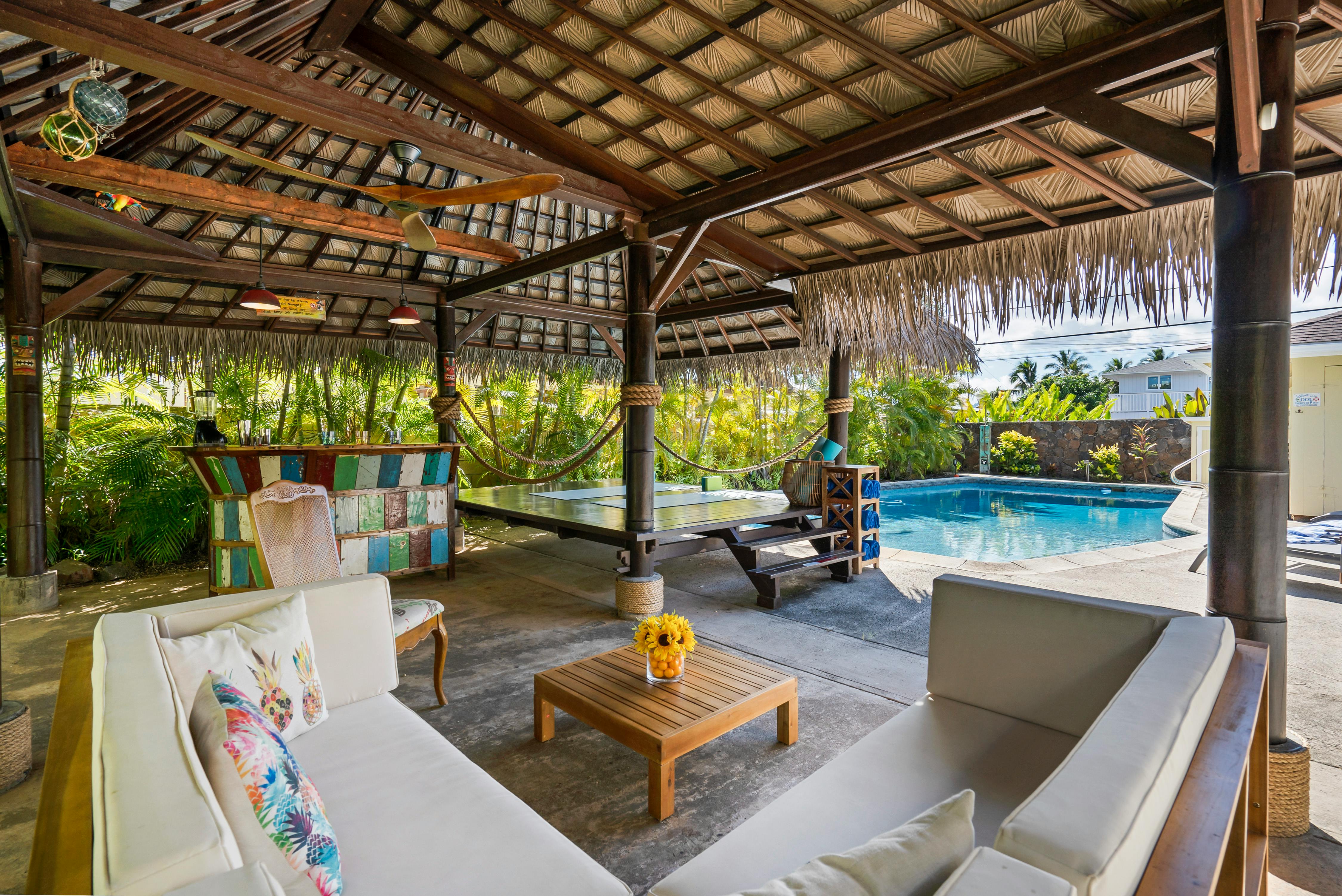
The Ultimate Upgrade: Automated Louvered Roofs for Sun and Rain
If there’s one feature that truly transforms a lanai, it’s an automated louvered roof system. These are aluminum roofs with motorized louvers that can pivot from fully closed (and watertight) to fully open at the touch of a button. They offer complete control over sun, shade, and ventilation. On a hot, sunny Kapolei afternoon, you can angle them to block direct sun while allowing airflow. When a sudden Manoa shower rolls in, you can close them completely and stay dry. This flexibility eliminates the biggest drawback of a traditional solid roof, which can make the space and the adjoining rooms inside feel dark. The louvered roof system cost is significant—it can easily add $50,000 or more to the project compared to a standard roof—but it effectively doubles the usability of your lanai, making it a true all-weather room.
Beyond the BBQ: Designing a True Outdoor Kitchen with Pizza Ovens & Marine-Grade Fridges
The concept of an outdoor kitchen has moved far beyond a standalone grill on the deck. Today’s high-end spaces are designed as fully functional secondary kitchens. This means planning for more than just the grill itself. Key components we integrate into our designs include:
- Marine-Grade Refrigeration: Standard stainless steel refrigerators aren’t built for our humid, salty air. We specify 316L marine-grade stainless steel appliances, like those from Sub-Zero or True Residential, that are designed to resist corrosion. This includes under-counter refrigerators, freezers, and wine coolers.
- Dedicated Work Zones: A proper kitchen needs dedicated space for prep, cooking, and serving. This means extensive countertop space, a deep sink with hot and cold water for cleanup, and integrated trash and recycling pull-outs.
- Specialty Appliances: The new must-have is a high-performance pizza oven. Gas-fired models can reach temperature in 20 minutes and cook a pizza in 90 seconds. We’re also installing more induction side burners, which are great for sauces or side dishes without heating up the whole area.
- Smart Storage: We use polymer (HDPE) cabinetry that is completely waterproof and won’t warp or delaminate like wood. Features like sealed pantries and deep drawers keep everything clean, dry, and organized.
A complete setup like this is what drives the Oahu outdoor kitchen cost, but it’s also what makes the space genuinely functional for entertaining.
Creating Seamless Flow with Large-Format Pocketing Doors
The goal of a great outdoor living space is to erase the boundary between inside and out. The most effective way to do this is with large-format pocketing or multi-slide glass doors. Instead of a standard 6-foot sliding door, we’re often installing 16-foot or even 20-foot openings that disappear completely into the wall. When open, the living room and lanai become one continuous space. This requires significant structural work—we have to install a massive steel or engineered wood beam to carry the load above the opening—but the effect is dramatic. On a recent project in Lanikai, we installed a 24-foot multi-slide door system. The engineering and installation added about $45,000 to the budget, but the homeowners say it completely redefined how they live in and use their home.
What Are the Best Building Materials for Oahu’s Salt Air and Sun?
Material selection is arguably the most critical factor for longevity in Hawaii. Our environment is relentless. The combination of intense UV radiation, high humidity, and salt-laden air, especially on the Windward side, can destroy standard building materials in a shockingly short amount of time. Choosing materials specifically designed for this environment isn’t an upgrade; it’s a necessity to protect your investment.
Decking Decisions: Ipe vs. Modern Composites in a Tropical Climate
The decking is the surface you’ll interact with every day, and it takes the most abuse. The two premium choices we recommend are Ipe and high-end composites.
- Ipe (Brazilian Hardwood): Ipe is one of the densest hardwoods on the planet, making it incredibly resistant to rot, insects (including our voracious Formosan termites), and wear. It has a beautiful, rich color that can be maintained with annual oiling or allowed to weather to a handsome silver-gray. The downside is cost and maintenance. Sourcing quality **ipe decking hawaii** is expensive, and installation is labor-intensive because it’s so hard you have to pre-drill every screw.
- High-End Composites (Trex, AZEK): Modern PVC and composite decking has come a long way. The best lines have multi-tonal colors and grain patterns that are very convincing. Their biggest advantage is low maintenance—no sanding or sealing required, just occasional cleaning. They are also highly resistant to stains and fading. The main drawback in Hawaii is heat absorption. Darker colored composites can get uncomfortably hot in the direct sun, so we always guide clients toward lighter color options.
Ultimately, the choice comes down to aesthetics and your tolerance for maintenance. Both are excellent, durable options when installed correctly.
The Only Hardware to Use: Why 316 Stainless Steel is Non-Negotiable
This is a point we will not compromise on. Every single piece of metal—every screw, nail, bolt, joist hanger, and hurricane connector—must be 316-grade (or “marine-grade”) stainless steel. Standard galvanized hardware, or even lower-grade 304 stainless, will show signs of rust within a year or two, especially in places like Kailua or along the Kahala coast. Those rust stains will then bleed into your beautiful decking and structure. A few years later, the corrosion will compromise the structural integrity of the connection. Upgrading the entire hardware package for a 400 sq. ft. lanai to 316 stainless might add $5,000-$7,000 to the material cost, but it’s the cheapest insurance you can buy against premature failure. We’ve been called in to repair lanais that were only five years old where the ledger board was pulling away from the house because the builder used the wrong bolts. It’s a costly and dangerous mistake.
Countertop Choices like Dekton that Stand Up to the Elements
For outdoor kitchen countertops, you need a material that is non-porous and UV-stable. Many popular indoor choices don’t make the cut. Polished granite can lose its sheen, and many types of quartz will yellow and degrade in direct sunlight. Our top recommendations are:
- Dekton or Sintered Stone: These are ultra-compact surfaces made by fusing minerals under intense heat and pressure. They are virtually indestructible, completely non-porous (so they won’t stain), and 100% UV-stable. The color you install is the color it will be in 20 years.
- Honed or Leathered Granite: If you love natural stone, choose a dense granite with a non-reflective finish. The honing or leathering process makes it less susceptible to showing wear from the sun and elements. You will need to seal it periodically to prevent staining.
Avoid marble, limestone, or other soft, porous stones, as they will stain and etch easily in an outdoor setting.
How Long Does It Take to Permit and Build a Lanai on Oahu?
One of the biggest misconceptions homeowners have is the timeline. This isn’t a weekend project. From the day you sign a contract with a designer to the day you’re grilling on your new lanai, you should realistically plan for a 7- to 10-month process. The bulk of that time is spent in pre-construction, specifically waiting for the building permit.
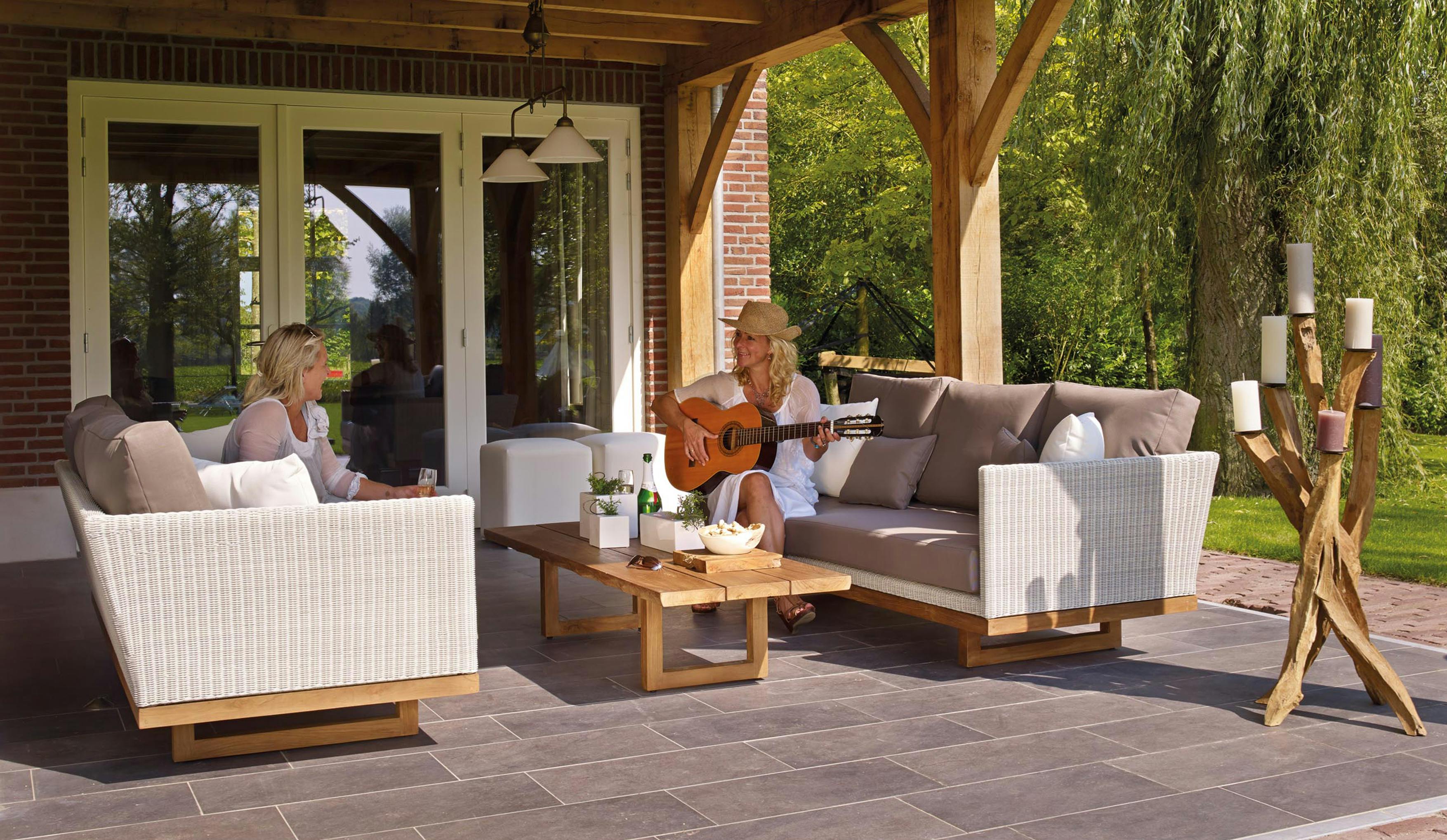
Our Project Roadmap: From First Draft to Final Walkthrough
A well-managed project follows a clear sequence of events. Here’s the typical timeline we provide to our clients:
- Phase 1: Design & Engineering (6-8 weeks): This is where we work with you and an architect to create the plans. Once the design is set, a structural engineer calculates all the loads and specifies the foundation and framing requirements.
- Phase 2: Permitting (12-16 weeks): We submit the full set of stamped plans to the Honolulu DPP. This is the big waiting game. It’s largely out of our hands as the plans go through multiple departmental reviews. This is the reality of the **lanai permit honolulu** process.
- Phase 3: Construction (10-14 weeks): Once the permit is in hand, we can finally break ground. This phase includes demolition, foundation work, framing, roofing, installation of decking and finishes, and all the subcontractor work for electrical and plumbing.
- Phase 4: Final Inspections & Walkthrough (1 week): We schedule final inspections with the city to close out the permit and then conduct a final walkthrough with you to ensure every detail is perfect.
Navigating the DPP: The Reality of the 12-16 Week Plan Review
The 12- to 16-week estimate for the DPP plan review is not an exaggeration. The department is dealing with a significant backlog, and any new structure attached to a home requires a full building permit. According to the Honolulu DPP’s own guides, a lanai with a roof is considered a residential addition and must go through the complete review process.[3] Even a small error on the application or a question from a plan reviewer can send your project to the back of the line, adding another 4-6 weeks to the wait. This is why we dedicate significant resources to preparing meticulous, highly detailed plan sets. Our goal is to answer every potential question before it’s asked to ensure a smooth, one-cycle review.
The New Hurdle: Site Drainage Plans for Spaces Over 500 sq. ft.
A recent change in DPP regulations has added another layer of complexity. For any new impervious surface—which includes a covered lanai—exceeding 500 square feet, a separate and detailed site drainage plan is now required. This means we have to hire a civil engineer to calculate stormwater runoff and design a system to manage it on-site. This might involve installing permeable pavers, rain gardens, or underground dry wells. This new requirement, highlighted by the Hawaii Contractors Association, is intended to reduce the strain on public storm drains but adds several thousand dollars and a few extra weeks to the pre-construction phase.[4] It’s a critical detail that an inexperienced contractor might overlook, causing major delays when the DPP inevitably rejects the permit application.
What this means for Hawaii homeowners
Understanding the costs, materials, and timelines outlined in this Oahu outdoor living guide is the first step toward a successful project. Building a high-end lanai is a major undertaking, but with proper planning, it’s one of the most rewarding improvements you can make to your home in Hawaii. The key is to approach it with realistic expectations and a clear strategy.
Here are our direct recommendations for any Oahu homeowner considering this type of project in 2026:
- Budget for Reality, Not Hope: Use the $400-$475 per square foot range as your starting point for a high-quality build. On top of that, insist on a 15% contingency fund in your overall budget. This isn’t just for ‘surprises’; it covers things like material price increases during the long permitting phase or deciding to upgrade a finish mid-project.
- Start Sooner Than You Think: The pre-construction phase (design, engineering, and permitting) will take at least 5-6 months. If you want to be enjoying your new lanai next summer, you need to be hiring a design-build team this fall. Don’t underestimate the DPP timeline.
- Prioritize the Unseen: Allocate your budget to the things that ensure longevity before you pick out the fancy grill. This means insisting on 316 stainless steel hardware, proper waterproofing where the lanai attaches to the house, and a foundation that is engineered for your specific soil conditions.
- Hire a Professional Team: This is not a project for a handyman. You need a licensed general contractor with a verifiable track record of building complex outdoor structures on Oahu. Ask to see their portfolio, check their license (our is BC-34373), and, most importantly, ask how they manage the DPP permitting process. Their answer will tell you everything you need to know.
By focusing on a durable structure, high-performance materials, and a design that truly fits your lifestyle, you can create an outdoor living space that will serve your family and enhance your home’s value for decades to come.
Frequently Asked Questions
Can I build a covered lanai without a permit on Oahu?
Absolutely not. In 2026, any new lanai with a roof structure that is attached to your home requires a full building permit from the Honolulu DPP. It’s treated as a home addition, regardless of size. Attempting to build without a permit can result in stop-work orders, fines, and the potential need to tear down the structure.
What is the real covered lanai cost hawaii for a basic vs. a luxury build?
A basic, builder-grade covered lanai using standard pressure-treated decking and a simple asphalt shingle roof might cost around $250-$300 per square foot. In contrast, a luxury build in the $400-$475+ per square foot range includes premium materials like Ipe decking, 316 stainless hardware, an integrated outdoor kitchen, and high-end features like an automated louvered roof system.
How much value does an outdoor kitchen really add to my Oahu home?
According to real estate market data from 2026, a well-designed outdoor living space with a functional kitchen can add 5-8% to your home’s resale value. For a median single-family home in an area like Hawaii Kai or Kailua, this can translate into a tangible value increase of over $100,000, making it one of the higher ROI renovation projects.
Why does the lanai permit in Honolulu take 12-16 weeks?
The long wait time is due to a combination of factors. The Honolulu DPP has ongoing staffing shortages, and every plan set must be reviewed by multiple departments (structural, zoning, etc.). New, more complex requirements like mandatory site drainage plans for lanais over 500 sq. ft. have also added to the review workload, creating a persistent backlog.
Is Ipe decking really worth the higher cost in Hawaii?
For many homeowners, yes. While the upfront cost for ipe decking in Hawaii is higher than composites, its incredible density makes it naturally resistant to our two biggest threats: Formosan termites and rot from moisture. With annual oiling, it can last over 50 years. It’s a long-term investment in durability and classic aesthetics.
What’s the biggest hidden cost in an Oahu outdoor living project?
The most common unforeseen cost is related to site conditions. This could be hitting unexpected blue rock during foundation excavation, which requires expensive hydraulic breaking, or discovering that your property has poor drainage, necessitating a more extensive and costly stormwater management system than initially planned to satisfy DPP requirements.
How much more does an automated louvered roof system cost?
A quality automated louvered roof system will typically cost $125 to $175 per square foot installed. For a 400 sq. ft. lanai, that’s an additional $50,000 to $70,000 compared to a standard standing-seam metal roof, which might cost around $30-$40 per square foot. The premium is for the motors, rain sensors, and the extreme flexibility it provides.
Building an outdoor space that truly captures the spirit of island living is a complex but incredibly rewarding process. It requires a deep understanding of our unique climate, a forward-thinking approach to material science, and the patience to navigate Honolulu’s intricate permitting system. If you’re ready to transform your backyard into the most-used room of your house, the next step is to partner with a team that has the experience to bring that vision to life.
At Warrior Construction, we specialize in creating durable, beautiful, and highly functional outdoor living spaces tailored to Oahu’s environment. If you’re considering a project of this scope, we invite you to start a conversation with our team. We can help you navigate the process from initial design concepts and realistic budgeting all the way through permitting and construction. Let’s discuss how a well-planned home addition can enhance your lifestyle and add lasting value to your property.


