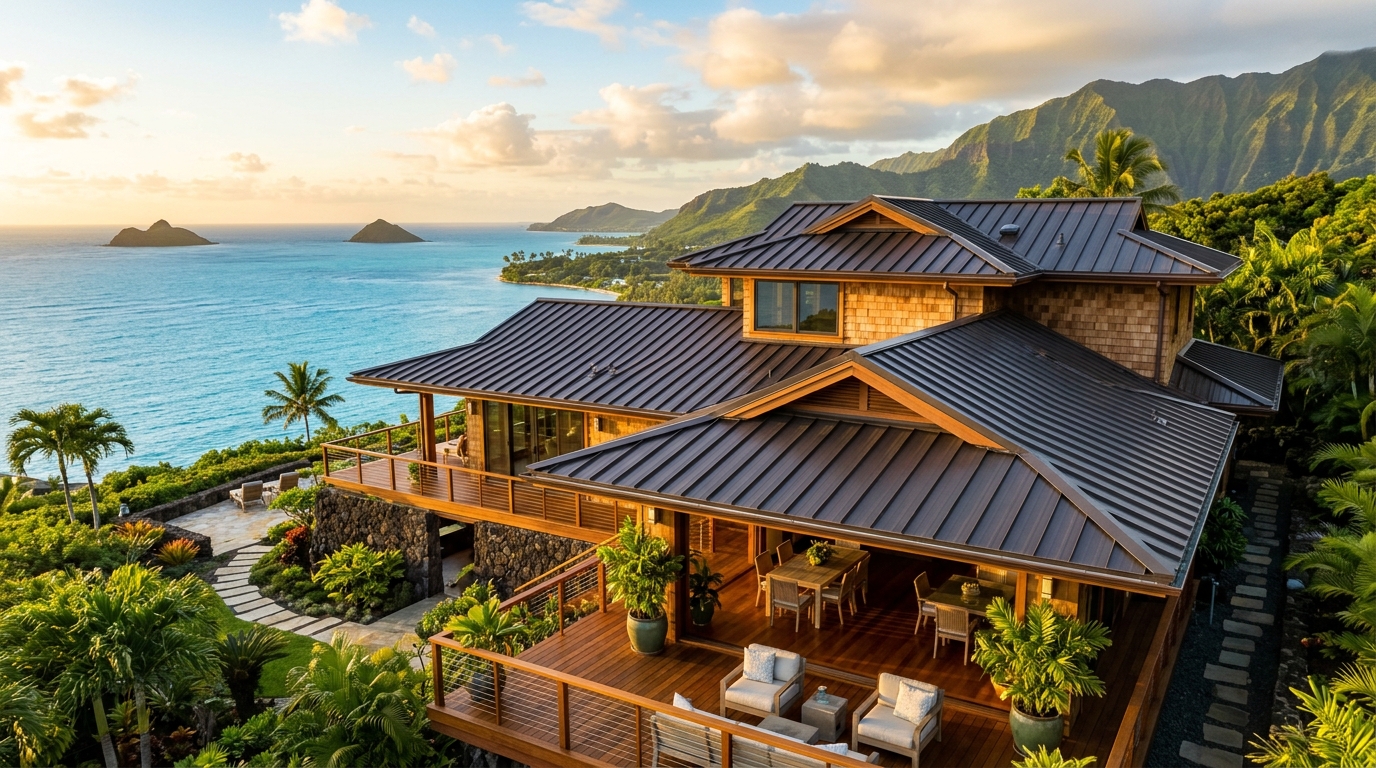
Hiring a roofing contractor in Kailua is one of the most critical decisions you’ll make for your home. The right team protects your property from our unique Windward O’ahu weather, while the wrong one can lead to leaks, rot, and thousands in future repairs. In 2026, a full roof replacement in Kailua typically costs between $18 and $25 per square foot for high-quality architectural asphalt shingles, with the entire process, including permitting, taking 4 to 7 months. The biggest factor isn’t just the material—it’s hiring a local, licensed contractor who understands the nuances of salt air, hurricane codes, and Honolulu’s permitting process.
For over 20 years, our team at Warrior Construction has been on roofs from Lanikai to Enchanted Lake. We’ve seen firsthand what happens when mainland techniques are applied to our tropical climate. Fasteners rust out in five years, underlayment fails under constant moisture, and improper ventilation turns attics into mold factories. This isn’t just about nailing down shingles; it’s about building a complete roofing system designed specifically for Kailua’s environment. Here are the six biggest reasons—and potential cost-savers—why local expertise is non-negotiable for your roof.
Why Kailua Homeowners Trust Warrior Construction for Roofing
When you’re looking for a roofing contractor, you’re not just buying a product; you’re investing in a team’s experience. Our license, BC-34373, is more than just a number—it represents decades of work right here on Oʻahu, specifically navigating the challenges of Windward-side construction. We’re not a mainland company with a satellite office; we live here, our kids go to school here, and our reputation is built on every job we do, from simple roof repairs in Kailua to complex, full-scale replacements.
Our approach is rooted in understanding Kailua’s unique microclimates. A roof in Maunawili, with its higher rainfall and surrounding foliage, has different ventilation and debris-shedding needs than a home on the water in Lanikai, which is battling constant salt spray. We’ve seen standard galvanized nails completely disintegrate from salt corrosion in under a decade. Consequently, for any project within a mile of the coast, we insist on using stainless steel fasteners and flashings. It’s a slightly higher upfront cost that saves a homeowner from a premature roof failure down the line. It’s this kind of preventative, location-specific planning that sets our team apart.
Furthermore, we manage the entire process. This includes not just the physical work but the mountain of paperwork that comes with it. We handle the permit application with the Honolulu Department of Planning and Permitting (DPP), ensuring all drawings and specifications meet the latest building codes, including hurricane-tie requirements and cool roof regulations under Bill 7. We coordinate material deliveries, mindful of neighborhood access and traffic, and we implement rigorous site protection to ensure your landscaping, driveway, and lanais are kept clean and undamaged throughout the project. Our history of successful projects in Kailua, which you can see in our portfolio, gives homeowners peace of mind that we know the land, the laws, and the logistics.
What Does a Roof Replacement Cost in Kailua?
Let’s get straight to the numbers. In 2026, the cost for a professional roof replacement in Kailua isn’t just about the shingles. It’s a comprehensive price that includes labor, materials shipped to the island, permitting, disposal fees, and robust warranties. A vague estimate is a red flag. At Warrior Construction, we provide a detailed breakdown so you know exactly where your money is going.
Here’s a realistic look at per-square-foot costs for a full tear-off and replacement on a typical single-story Kailua home:
- Architectural Asphalt Shingles (GAF Timberline HDZ or similar): $18 – $25 per square foot. For a 2,000 sq. ft. roof, you’re looking at a total project cost of $36,000 to $50,000. This is the most common choice for its balance of durability, aesthetics, and cost.
- Standing Seam Metal (Aluminum or Steel): $30 – $45 per square foot. That same 2,000 sq. ft. roof would be in the $60,000 to $90,000 range. While the initial investment is higher, a properly installed Kynar-coated aluminum roof can last over 50 years, making it the superior choice for homes close to the water due to its incredible resistance to salt-air corrosion.
- Presidential Shake Shingles: $28 – $38 per square foot. These are thicker, luxury asphalt shingles that mimic wood shake. A 2,000 sq. ft. roof would cost approximately $56,000 to $76,000. They offer a high-end look and excellent wind resistance.
- Concrete or Clay Tile: $35 – $50+ per square foot. This is a premium option, often requiring structural engineering to ensure the existing roof structure can handle the weight. The cost can easily exceed $100,000 for an average-sized home.
What drives these costs? First, all materials are shipped to Hawaii, adding 15-25% compared to mainland prices. Second, labor is expensive here, and skilled, licensed roofers are in high demand. Third, we don’t cut corners. Our estimates for tropical roofing in Kailua always include:
- Full Tear-Off: We never recommend a “roof-over.” Removing the old layers lets us inspect the underlying sheathing for rot or termite damage, which is common in older Kailua homes.
- Premium Underlayment: We use a high-temperature, self-adhering ice and water shield on the entire roof deck, not just the eaves and valleys. This creates a secondary waterproof barrier that’s critical during a hurricane.
- Stainless Steel Fasteners: As mentioned, this is non-negotiable for coastal durability.
- Proper Ventilation: Installing ridge vents and ensuring soffit vents are clear is key to preventing heat and moisture buildup in the attic, extending the life of the roof and lowering your cooling bills.
- Permit and Disposal Fees: We handle the DPP permitting process and the fees for hauling and disposing of old materials at the appropriate facilities.
A lowball bid almost always means one of these critical components is missing. Saving a few thousand dollars now by hiring a cheap contractor can easily lead to a $20,000 repair bill for interior water damage in a few years.
How Long Does a Roofing Contractor Take in Kailua?
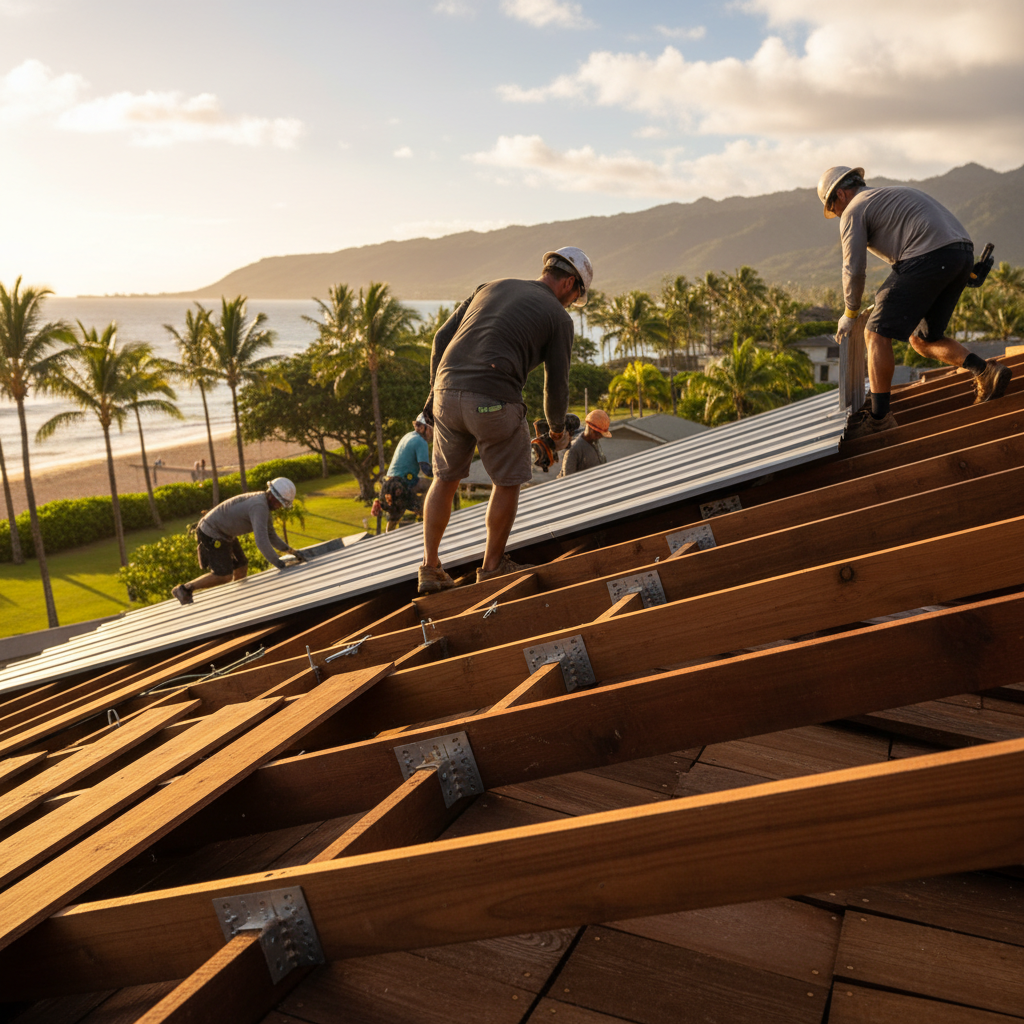
The actual on-site work of replacing a roof is surprisingly fast. The part that requires patience is everything that happens before our crew steps on your property. For a standard roof replacement in Kailua, the timeline in 2026 is dominated by permitting and material procurement.
Here’s a typical project schedule from start to finish:
- Design & Contract Phase (1-2 weeks): This is where we meet with you, assess the existing roof, discuss material options, and finalize a detailed contract.
- Permitting with Honolulu DPP (3-6 months): This is the biggest variable. We submit architectural plans and permit applications to the Department of Planning and Permitting.[1] Even for a straightforward roofing project, the review queue can be lengthy. A contractor who promises to start next week without a permit is breaking the law and putting you at risk.
- Material Ordering & Shipping (4-8 weeks): Once the permit is approved, we order the materials. While some common shingle colors are stocked locally, most metal roofing and specialty products are fabricated on the mainland and shipped over. This lead time is a reality of island life and needs to be factored in.
- On-Site Work (1-2 weeks): For an average-sized home (1,800-2,500 sq. ft.), the physical replacement process is efficient.
- Day 1-2: Material delivery and site prep. We protect your landscaping and set up safety lines.
- Day 2-4: Tear-off of the old roof and inspection of the sheathing. Any necessary repairs to the wood deck are done at this stage.
- Day 5-6: Installation of new underlayment, drip edge, and flashing. This is the “dry-in” phase, making the house watertight.
- Day 7-10: Installation of the primary roofing material (shingles, metal panels, etc.) and ventilation system.
- Day 11-12: Final detailing, cleanup, and site demobilization.
- Final Inspections (1-2 weeks): After our work is complete, we schedule the final inspection with the DPP building inspector to officially close out the permit.
So, from the day you sign the contract to the final sign-off, a typical Kailua roof replacement project takes 4 to 7 months. We had a project in Enchanted Lake recently where the specific color of standing seam metal the homeowner wanted was on a 12-week backorder from the factory. We communicated this upfront and built it into the schedule. A good local contractor understands these logistical hurdles and manages your expectations honestly.
What Permits Do You Need for Roofing Contractor in Kailua?
Navigating the permitting process for a Kailua roofing project is a critical task that a professional contractor handles for you. The rules are clear: any time you are replacing more than one square of roofing (a 10×10 foot area, or 100 square feet), you are required to obtain a building permit from the City and County of Honolulu’s Department of Planning and Permitting (DPP). A simple roof repair in Kailua on a small area may not require a permit, but a full replacement absolutely does.
Attempting to re-roof without a permit is a costly mistake. If a city inspector sees the work, they can issue a stop-work order, levy significant fines, and even require you to tear off the new, unpermitted roof. Furthermore, when you go to sell your home, the lack of a closed-out permit for a major improvement like a new roof can derail the entire transaction.
The permit application process involves:
- Completing the Building Permit Application: This form details the scope of work, property information, and contractor details.
- Providing Plans: For a roof replacement, this typically includes a site plan showing the home’s location on the lot and a roof plan detailing the materials, fastening patterns, flashing details, and ventilation specifications. These plans must demonstrate compliance with the current building code.
- Contractor Verification: Only a licensed contractor in the state of Hawaii, like Warrior Construction (BC-34373), can be listed as the builder of record and pull the permit. You can and should verify any contractor’s license status on the Department of Commerce and Consumer Affairs (DCCA) Professional & Vocational Licensing website.[2]
On a recent project near Kailua Beach Park, the home was in a Special Management Area (SMA), which added another layer of review to the process. Our experience with the DPP allowed us to anticipate the required documentation and prevent unnecessary delays. A contractor unfamiliar with these local zoning overlays can get a project stuck in review for months. We manage this entire bureaucratic process, from submission to scheduling inspections, so you don’t have to. It’s a core part of the service a qualified roofing contractor in Kailua provides.
Kailua-Specific Considerations: Climate, Materials, and Regulations
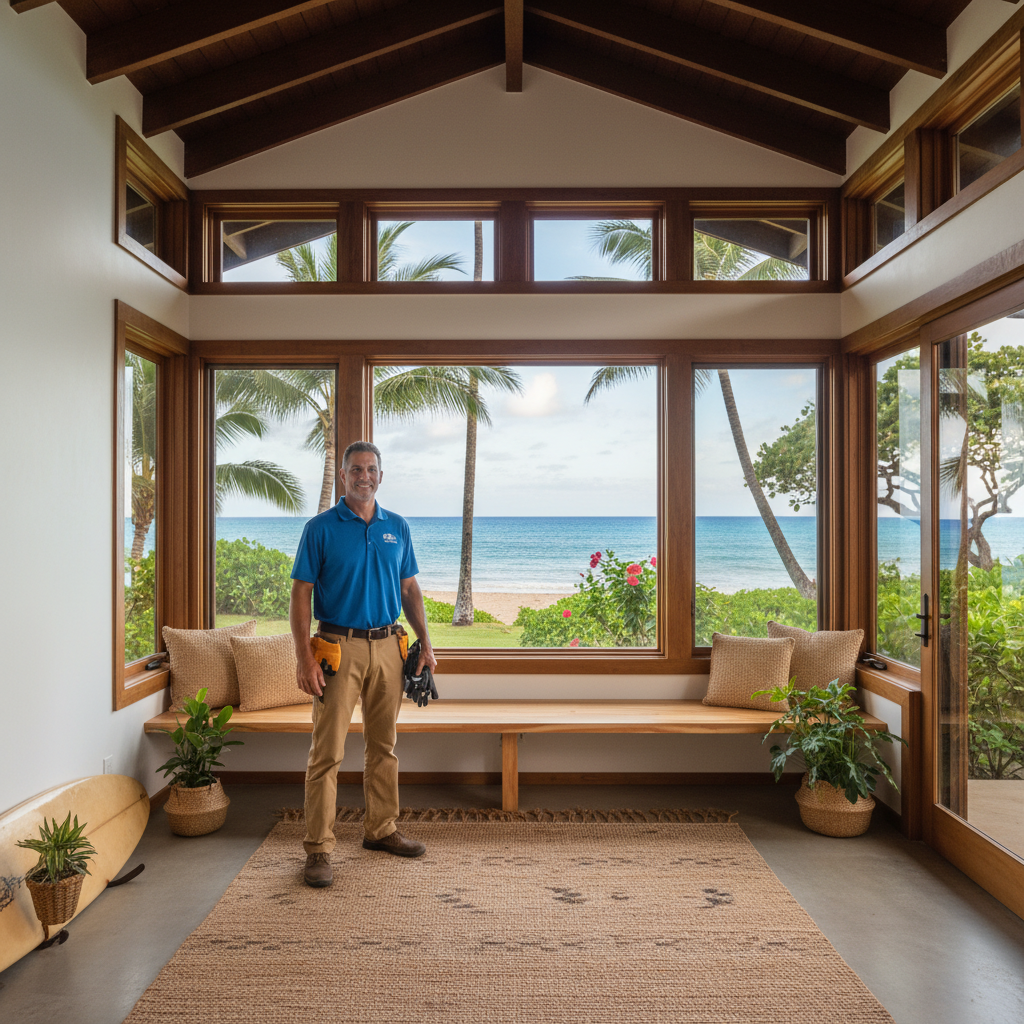
Kailua is not like the mainland, and it’s not even like Kapolei. The Windward side has a unique combination of intense sun, persistent trade winds, high humidity, and corrosive salt air that will destroy a poorly planned roof. As a Kailua-based general contractor, we design our roofing systems specifically to combat these elements.
Climate: The Salt Air and Sun Combination
Salt-air corrosion is the number one enemy of any exterior metal on a Kailua home. It attacks flashing, fasteners, and gutters. Using standard galvanized steel is a recipe for failure. Within 5-7 years, you’ll see rust streaks running down the roof, and the fasteners holding the shingles or panels down will begin to fail. This is why our standard practice includes:
- Stainless Steel or Coated Aluminum Flashing: For all valleys, vents, and roof penetrations.
- Stainless Steel Fasteners: Every screw and nail must be rated for a marine environment.
- Kynar 500 Coated Metal Roofing: This high-performance resin finish provides the best available protection against salt spray and UV degradation, which causes fading and chalking.
Materials: Choosing for Longevity
The best roofing material is the one that provides the best long-term value for our specific climate. For asphalt shingles, we recommend products with high wind ratings (130 mph+), Class 4 impact resistance, and algae-resistant granules to combat the black streaks (Gloeocapsa magma algae) that thrive in our humidity. For metal roofing, we favor standing seam aluminum panels because aluminum naturally forms a protective oxide layer and cannot rust, unlike steel which can rust if the coating is scratched.
Regulations: Hurricane Code and Cool Roofs
Hawaii’s building codes were significantly strengthened after Hurricane Iniki in 1992. For roofing, this means strict requirements for how the roof deck is attached to the trusses and how the roofing material is attached to the deck. This includes mandatory hurricane straps, specific nail sizes and spacing, and reinforced roof edges. A local contractor knows these codes inside and out; an out-of-state roofer might not.
Additionally, Honolulu’s “cool roof” ordinance (originally Bill 7) mandates that roofing materials meet certain solar reflectance standards to reduce the urban heat island effect. This means we must use products that are certified by the Cool Roof Rating Council (CRRC). Many standard dark-colored shingles don’t meet this requirement. We help homeowners select compliant materials that not only meet the code but can also lower their home’s internal temperature and reduce air conditioning costs. It’s this deep, localized knowledge that ensures your new roof is not only beautiful but also durable, compliant, and efficient.
How to Choose the Right Roofing Contractor in Kailua
Choosing the right contractor is the most important step in the entire process. A great product installed incorrectly will fail. Here is a simple checklist to vet any potential roofing contractor in Kailua.
- Verify Their License. This is the absolute first step. Go to the Hawaii DCCA PVL search page and look up their company name or license number. They should have a current, active C-42 Roofing specialty license or a BC General Contractor license like ours (Warrior Construction, BC-34373). If they aren’t listed, walk away.
- Confirm Their Insurance. Ask for a certificate of insurance showing they carry both General Liability and Worker’s Compensation. General Liability protects your property from damage, and Worker’s Comp protects you from being sued if one of their employees gets injured on your job site. Without it, you are personally liable.
- Ask for Kailua-Specific References. Don’t just ask for references; ask for references in your area. A contractor who has recently completed jobs in Kailua, Kaneohe, or Waimanalo will understand the local conditions and logistics. Ask those references if the crew was professional, if they kept the site clean, and if they stuck to the schedule.
- Get a Detailed, Written Estimate. A one-page quote with a single number is a red flag. A professional estimate should be multiple pages long and clearly itemize the scope of work: tear-off, sheathing inspection/replacement allowance, underlayment type, specific roofing material manufacturer and model, flashing material (stainless steel!), ventilation plan, permit fees, and warranty details.
- Question Lowball Bids. In construction, you get what you pay for. If one bid is significantly lower than the others, it’s because they are cutting corners somewhere—unlicensed labor, cheaper materials, no insurance, or skipping the permit. That initial savings will be dwarfed by the cost of future repairs.
- Assess Their Communication. From the first phone call, are they responsive? Do they answer your questions clearly and directly? A contractor who is difficult to communicate with during the sales process will only be worse once they have your deposit.
Real Kailua Roofing Contractor Project Example
To make this tangible, let’s walk through a recent project we completed in the Coconut Grove neighborhood of Kailua.
The Homeowner: The Tanaka family, who have owned their 1960s single-wall construction home for over 30 years.
The Problem: Their existing three-tab asphalt shingle roof was well past its 20-year lifespan. They had a persistent leak around a plumbing vent stack that had caused staining on their ceiling, and many of the shingles were cracked and losing granules. They were also concerned about the upcoming hurricane season.
Our Assessment: During our initial inspection, we noted heavy algae growth, multiple areas of failed sealant around penetrations, and severely rusted galvanized flashing. We used a thermal camera inside to confirm the extent of the moisture intrusion in the attic. It was clear a simple roof repair in Kailua wouldn’t be enough; a full replacement was necessary to protect the home’s structure.
The Warrior Construction Solution:
- We proposed a complete tear-off of the two existing layers of roofing.
- We specified replacing any damaged plywood sheathing (we budgeted for up to 5 sheets in the contract).
- We installed a full deck of GAF Deck-Armor, a premium synthetic underlayment that breathes, preventing moisture trapping.
- For the primary roofing, the Tanakas chose GAF Timberline HDZ architectural shingles in `Pewter Gray`, which meets Honolulu’s cool roof requirements and comes with a 130-mph wind warranty.
- Crucially, we replaced all existing roof-to-wall and vent flashing with custom-bent, 26-gauge stainless steel.
- We added a GAF Cobra ridge vent system to improve attic airflow and reduce heat buildup.
The Results:
- Total Project Cost: $42,500 for the 2,100 square foot roof.
- Timeline: The project took 5 months from contract signing to final inspection. This included a 3.5-month wait for the DPP permit approval. The on-site work was completed in 9 working days.
- Outcome: The Tanaka family now has a secure, watertight, and code-compliant roofing system that will protect them for the next 25-30 years. Their home is better prepared for a hurricane, and they even noted a small decrease in their electric bill from the improved attic ventilation. They have peace of mind knowing the job was done right by a licensed, local team.
What this means for Hawaii homeowners
For a Kailua homeowner, tackling a roofing project means prioritizing local expertise over a low price tag. The unique combination of salt air, intense UV exposure, and hurricane-force wind potential makes our island environment one of the harshest in the country for building materials. A roof is your home’s first and most important line of defense, and cutting corners here has severe consequences.
Your action plan should be straightforward:
- Budget Realistically: Understand that in 2026, a quality roof replacement will be a significant investment, likely in the $35,000 to $60,000 range for an average-sized home. Be wary of any quote that is dramatically lower.
- Plan for the Timeline: Don’t wait until you have an active leak to start the process. Because of the 3-6 month permitting delay, you should begin contacting contractors at least 6-8 months before you want the work done.
- Vet Your Contractor Rigorously: Use the checklist provided above. Verify their license on the DCCA website, ask for proof of insurance, and check Kailua-specific references. This is the single most important decision you will make.
- Insist on the Right Materials: Don’t let a contractor talk you out of stainless steel fasteners or premium, fully synthetic underlayment to save a few hundred dollars. These material choices are what separate a 10-year roof from a 30-year roof in Kailua.
- Ensure a Permit is Pulled: Never agree to do the work without a permit. A professional contractor will insist on it as it protects both you and them.
Ultimately, investing in a well-built roofing system from a reputable local contractor is one of the smartest financial decisions you can make for your Hawaii home. It protects your property, enhances its value, and provides invaluable peace of mind.
Frequently Asked Questions About Roofing in Kailua
What is the #1 mistake Kailua homeowners make with roofing?
The most common and costly mistake is hiring an unlicensed or off-island contractor to save money. They often use cheaper, non-stainless fasteners that rust out, fail to pull permits, and are gone when the roof inevitably leaks. Always verify your contractor’s license (BC or C-42) on the Hawaii DCCA PVL website before signing anything.
Is a metal roof worth the extra cost in Kailua?
For many homes, especially those close to the ocean, the answer is a resounding yes. A Kynar-coated standing seam aluminum roof can cost nearly double what shingles cost upfront, but its lifespan can be 50+ years compared to 20-25 for asphalt. Its superior resistance to salt corrosion and high winds often makes it the better long-term financial investment.
How much does a simple roof repair cost in Kailua?
For a professional, licensed contractor to come out for a small repair, you should expect a minimum service charge of $1,500 to $2,500 in 2026. This typically covers a few hours of labor to diagnose the leak, replace a few shingles, and properly seal a flashing or vent. More extensive repairs will be quoted based on time and materials.
Do I need to replace my gutters when I replace my roof?
It is highly recommended. Your gutters are an integral part of your roofing system. Old, clogged, or rusted gutters can cause water to back up under the eaves, leading to rot. Installing new seamless aluminum gutters at the same time as the roof ensures the entire water-shedding system is new and functioning correctly.
How does Honolulu’s ‘cool roof’ ordinance affect my choices?
Honolulu’s ordinance requires roofing materials to meet a minimum Solar Reflectance Index (SRI) value to help reduce heat absorption. This means you can’t just pick any dark shingle. Your contractor must provide you with compliant options, which are readily available in a variety of colors from major manufacturers. It’s a code requirement we automatically factor into our material selections.
Can I just install a new roof over my old shingles?
While some places allow this, we strongly advise against it in Hawaii. Trapping old, potentially moist shingles under a new layer can accelerate rot in the roof deck. It also prevents your contractor from properly inspecting the sheathing for termite damage or weak spots, and the extra weight can stress your home’s structure. A full tear-off is always the right way to do it here.
How long should a new roof actually last in Kailua’s climate?
With professional installation and proper materials, a high-quality architectural asphalt shingle roof should last 20 to 25 years. A standing seam metal roof can last 40 to 50 years or even longer. The key is using materials suited for our marine environment and a contractor who understands the specific installation techniques required for high wind and rain.
Protect Your Kailua Home with a Roof Built to Last
Your roof is too important to leave to chance. If you’re seeing signs of wear or planning for the future, our team at Warrior Construction is here to help. With decades of experience on Windward Oʻahu, we build roofing systems that stand up to the salt, sun, and storms. We handle everything from permitting to final inspection, ensuring a seamless process and a result that protects your family and your investment.
Ready to discuss your project? Learn more about our hurricane-resistant construction practices or contact us today for a comprehensive, no-obligation estimate.