“\n
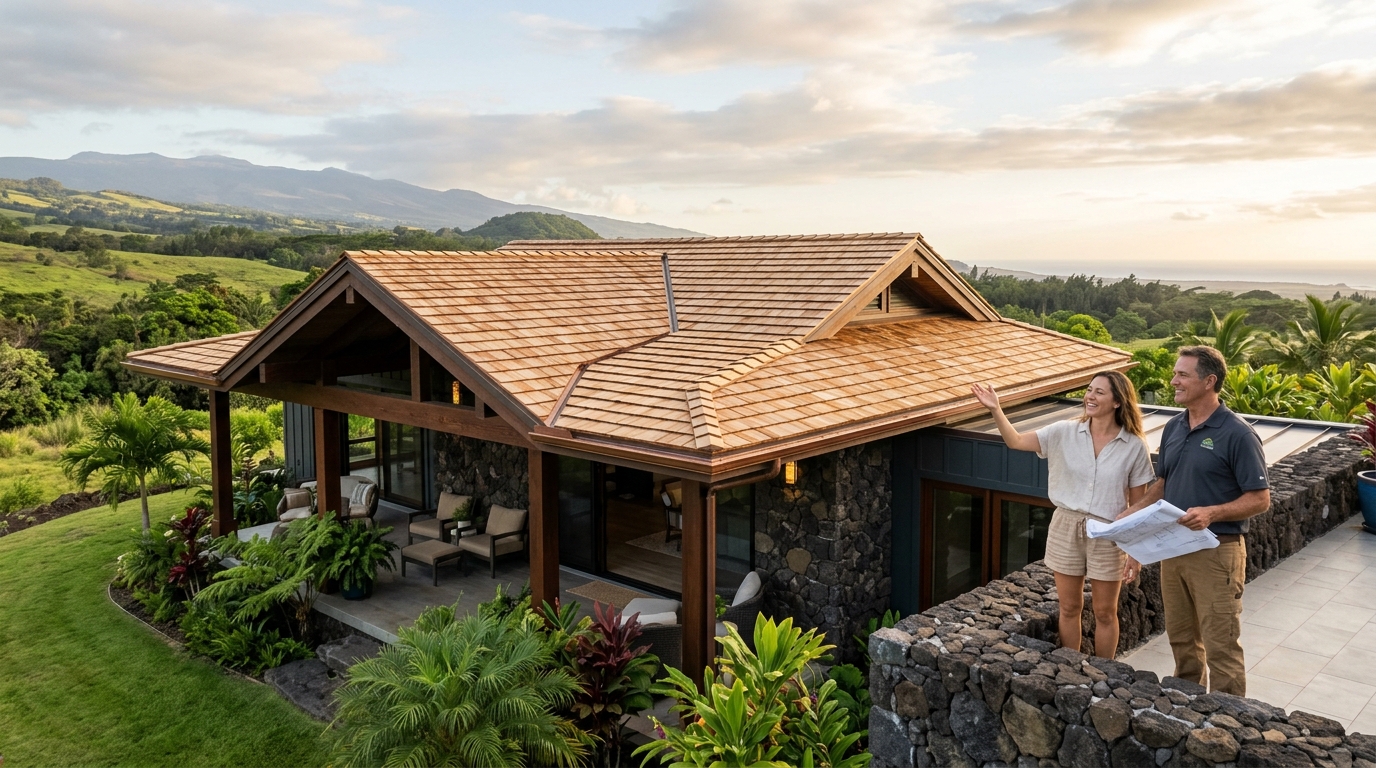
As a roofing contractor in Waimea, the first thing we tell homeowners is that a roof here isn’t just a cover—it’s your home’s first line of defense against some of the most unique weather in Hawaii. From the persistent dampness on the wet side to the powerful winds whipping down from Kohala, a Waimea roof has to perform. A full roof replacement in Waimea in 2026 typically costs between $28,000 for a basic asphalt shingle job on a 1,500 sq. ft. home and can exceed $75,000 for a high-end standing seam metal roof on a larger property, with most projects landing in the $35,000 to $55,000 range. This investment protects your family and your property from the elements, so getting it right is non-negotiable.
\n\n
Over our 20+ years as a general contractor in Hawaii, we’ve seen it all, especially on the Big Island. We’ve torn off roofs that were improperly installed just five years prior, with rusted-out fasteners and water damage that had seeped into the trusses. Conversely, we’ve inspected roofs we installed 15 years ago that look almost as good as the day we finished. The difference comes down to understanding the specific microclimate of Waimea, choosing the right materials for tropical roofing, and using installation techniques that meet and exceed Hawaii’s stringent hurricane codes. In this guide, our team at Warrior Construction will walk you through the essential things you need to know before hiring a contractor, from real costs and timelines to navigating Big Island permits and choosing a team you can trust. Let’s get started.
\n\n
Why Waimea Homeowners Trust Warrior Construction for Roofing
\n\n
Choosing a roofing contractor in Waimea isn’t just about finding someone who can nail down shingles. It’s about partnering with a team that understands the unique challenges of building on the Big Island, from the ground up. At Warrior Construction, we’re not just a roofing company; we are a fully licensed (BC-34373) general contractor with decades of experience across all the islands. This gives us a perspective that specialized roofers often lack. We don’t just see a roof; we see the entire building envelope and how every component works together.
\n\n
For example, on a recent project near Pu’u Kapu, we were called for a simple roof replacement. During our initial inspection, we noticed signs of water staining on the eaves that seemed disproportionate to the state of the roof itself. A typical roofer might have just replaced the roof and called it a day. But with our general contracting background, our team investigated further. We found that the home’s gutters were undersized for the rainfall on the wet side of Waimea and improperly sloped, causing water to back up under the fascia and into the soffits. The ‘roof leak’ was actually a symptom of a larger water management problem. We were able to design a comprehensive solution that included a new standing seam metal roof, correctly sized seamless gutters, and repairs to the water-damaged rafter tails. The homeowner got a permanent solution, not a temporary fix. That’s the Warrior Construction difference.
\n\n
Our commitment to homeowners is built on three pillars:
\n
- \n
- Local Expertise: We aren’t a mainland company with a satellite office. We live and work here. We know the difference between the dry, windy conditions of Waimea’s west side versus the misty, damp environment towards the east. This knowledge directly informs our material recommendations for true tropical roofing, from the gauge of the metal panels to the type of corrosion-resistant fasteners we use.
- Uncompromising Quality: We treat every project like it’s our own home. This means using premium underlayment, meticulously sealing every penetration, and ensuring our flashing details are bomb-proof. We build to hurricane code not because we have to, but because it’s the right way to build in Hawaii. Our reputation across the islands is our most valuable asset, and we protect it on every job site.
- Transparent Communication: You’ll never be in the dark about your project. From the initial detailed estimate to weekly progress updates, you’ll have a direct line to our project managers. We understand that a roof replacement is a major undertaking, and we do everything possible to make the process smooth and predictable. We explain the ‘why’ behind our recommendations, so you can make informed decisions about your investment.
\n
\n
\n
\n
Ultimately, homeowners trust us because we provide peace of mind. They know that when our team is on the job, the work will be done right the first time, with no shortcuts and no surprises.
\n\n
What Does a Roofing Contractor Cost in Waimea?
\n\n
Let’s get straight to the numbers, because that’s what every homeowner wants to know. In 2026, the cost for a professional roof replacement in Waimea ranges from approximately $18 to $45 per square foot, installed. A simple, single-story 1,500 sq. ft. ranch home might be on the lower end, while a complex, two-story home with numerous valleys, dormers, and a steep pitch will be on the higher end. The biggest variables are the material you choose and the complexity of your roof’s structure.
\n\n
Here’s a realistic breakdown of what you can expect for a standard 2,000 square-foot roof in Waimea:
\n\n
- \n
- Architectural Asphalt Shingles: This is a common and cost-effective option. For a quality shingle like CertainTeed Landmark PRO, you can expect to pay around $36,000 to $50,000 ($18 – $25/sq. ft.). This price includes tear-off of the old roof, disposal, new synthetic underlayment, the shingles themselves, all necessary flashing, and labor.
- Standing Seam Metal Roofing: This is our team’s top recommendation for Waimea’s climate due to its incredible durability against wind and rain. For a 24-gauge Galvalume standing seam system with a Kynar 500 paint finish (critical for longevity and color retention), the cost will be significantly higher: $58,000 to $90,000 ($29 – $45/sq. ft.). While the upfront cost is more, a metal roof can last 50+ years, two to three times longer than asphalt shingles.
- Corrugated Metal Roofing: A more budget-friendly metal option, corrugated panels lack the hidden fasteners and sleek look of standing seam. Costs typically fall between asphalt and standing seam, around $44,000 to $64,000 ($22 – $32/sq. ft.). It’s a solid choice, but requires more maintenance as the screw-down fasteners can loosen over time.
\n
\n
\n
\n\n
What’s included in these prices? It’s more than just materials. A professional quote from our team at Warrior Construction breaks down these key components:
\n\n
- \n
- Materials: This is the roofing itself, but also the high-temperature synthetic underlayment, ice & water shield for valleys, drip edge, flashing, ridge caps, vents, and stainless steel fasteners. Remember, everything has to be shipped to the Big Island, which adds 15-20% to the material cost compared to the mainland.
- Labor: This is the cost for our skilled, insured, and licensed crew to safely tear off the old roof, inspect and repair any damaged decking, install the new system to manufacturer and code specifications, and clean up the site meticulously. Labor rates are higher in Hawaii due to the high cost of living.
- Overhead & Disposal: This covers project management, insurance (liability and worker’s comp), and the significant cost of legally disposing of old roofing materials at the county transfer station.
- Permitting: We handle the entire permitting process with the Hawai’i County Department of Public Works. The permit fee itself is usually a few hundred dollars, but the time and expertise to prepare and submit the plans are factored into the project cost.
\n
\n
\n
\n
\n\n
A quick note on roof repair in Waimea: For smaller issues like replacing a few blown-off shingles or sealing a leaking vent flashing, you can expect a service call to cost between $500 and $1,500. However, if the repair requires sourcing matching materials or involves more than a small patch, the costs can rise. Often, if a roof is over 15-20 years old and is experiencing multiple small leaks, a full replacement is the more cost-effective long-term solution.
\n\n
How Long Does a Roofing Contractor Take in Waimea?
\n\n
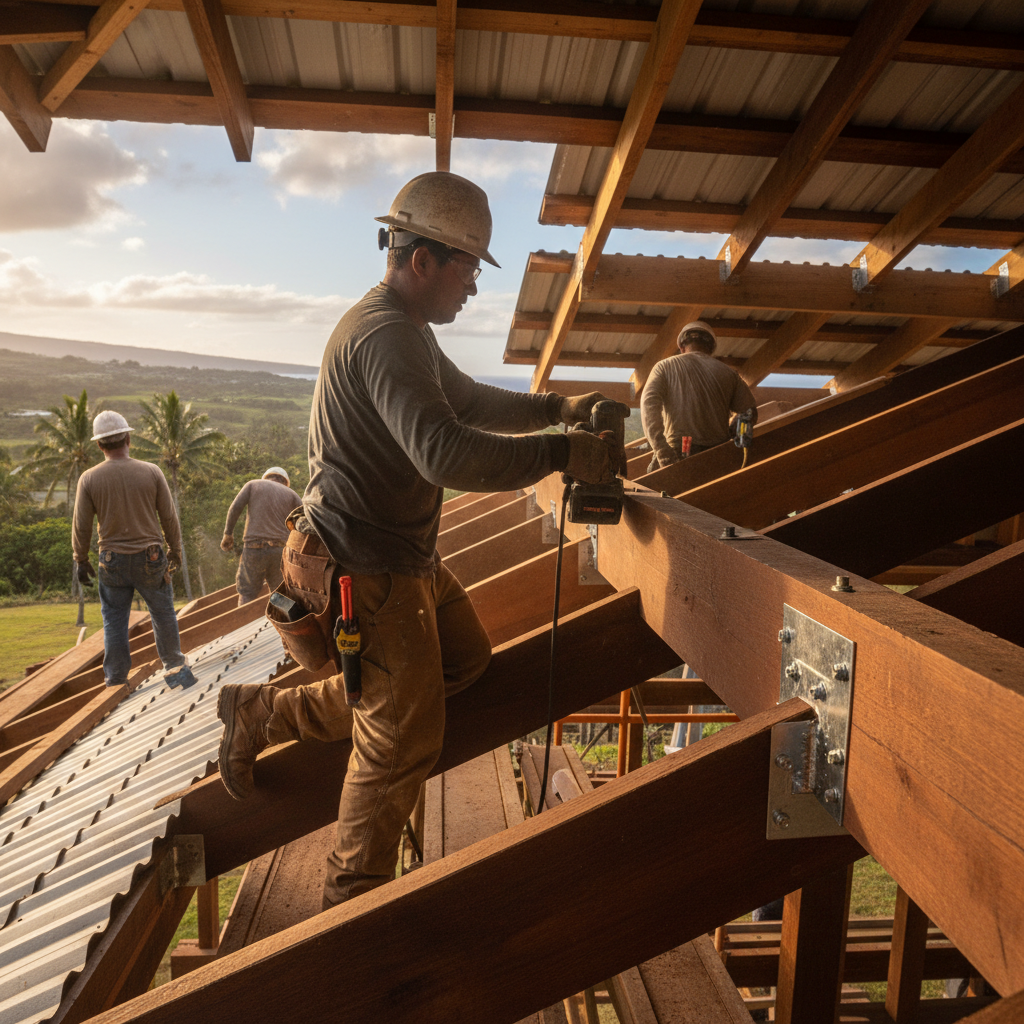
Once you sign a contract, a full roof replacement on a typical Waimea home takes about 4 to 7 weeks from start to finish. I know that sounds longer than the “we’ll be done in 3 days” promises you might see from mainland companies, but island logistics are a completely different ballgame. Rushing the process is how mistakes happen, and a roof is the last place you want to cut corners.
\n\n
Here’s a realistic step-by-step timeline our team follows for a successful roof replacement project:
\n\n
Week 1: Planning and Permitting\n
- \n
- Day 1-2: Final measurements are confirmed, and we place material orders. This is critical. We can’t just run to a big box store if we’re short on a specific color of metal trim; it has to come from Oahu or the mainland on a barge. We order everything, down to the last box of screws, upfront.
- Day 3-5: Our team prepares the permit application package for the Hawai’i County Department of Public Works. This includes drawings and specifications proving the new roof will meet or exceed current building codes for wind resistance and water intrusion.
\n
\n
\n
\n\n
Weeks 2-4: The Waiting Game (Permit & Materials)\n
- \n
- This is the part that requires patience. It typically takes Hawai’i County 2 to 4 weeks to review and approve a standard residential roofing permit in 2026. There’s simply no way to speed this up.
- Simultaneously, our materials are being shipped. They are consolidated, put on a barge in Honolulu or California, shipped to Kawaihae or Hilo harbor, and then trucked up to Waimea. This process alone can take 2-3 weeks. We coordinate everything so the materials and the permit arrive at roughly the same time.
\n
\n
\n
\n\n
Week 5-6: On-Site Work (The Action)\n
- \n
- Day 1: Site preparation. We protect your landscaping, siding, and windows. The material and a dumpster are delivered to your property.
- Day 2-3: Tear-off. The old roofing material is removed. This is the moment of truth where we get a clear look at the underlying wood decking.
- Day 3-4: Decking Repair and Preparation. We replace any water-damaged or soft plywood or planking. This is a crucial step that many low-bid contractors skip. We then install new drip edge and the high-performance synthetic underlayment.
- Day 5-10: Installation. This is the main event. Our crew installs the new roofing system, whether it’s architectural shingles or standing seam metal. We pay meticulous attention to flashing around chimneys, skylights, and vents, as this is where 90% of all roof leaks occur. For a 2,000 sq. ft. home, this phase takes about 4 to 6 working days, depending on weather. Waimea’s afternoon showers can sometimes cause short delays.
\n
\n
\n
\n
\n
\n\n
Week 7: Final Touches and Inspections\n
- \n
- Day 1: Final cleanup. Our team does a final sweep of the property, including a magnetic sweep for any stray nails or screws.
- Day 2-3: County Inspection. We schedule the final inspection with the county building inspector. They verify that the installation meets all code requirements.
- Day 4: Project Closeout. Once we have the green light from the inspector, we’ll do a final walkthrough with you, provide all warranty documentation, and you can enjoy the peace of mind that comes with a professionally installed new roof.
\n
\n
\n
\nThis schedule ensures every step is done correctly without rushing. The pre-planning and waiting for permits and materials take the most time, but they are essential for a smooth and successful project on the Big Island.
\n\n
What Permits Do You Need for Roofing in Waimea?
\n\n
Navigating the permitting process is one of the most important jobs for a qualified roofing contractor in Waimea. Here on the Big Island, any full roof replacement—what the county calls a \”re-roof\”—requires a building permit from the Hawai’i County Department of Public Works (DPW) Building Division. This is not optional. A contractor who tells you a permit isn’t needed for a full replacement is a major red flag.
\n\n
Here’s the breakdown of what’s required in 2026:
\n\n
- \n
- When a Permit is Required: You need a permit if you are removing the existing roofing material down to the wood deck sheathing and installing a new system. This applies to changing materials (e.g., shingle to metal) or replacing with the same material.
- When a Permit Might NOT Be Required: Very minor repairs, like replacing a handful of shingles or sealing a vent, generally do not require a permit. Additionally, if you are doing a \”layover\”—installing a new layer of shingles over a single existing layer—a permit may not be required. However, we at Warrior Construction almost never recommend layovers in Hawaii. They trap heat, hide potential rot in the decking, and the second layer is never as secure as a proper installation. It’s a short-term saving for a long-term risk.
\n
\n
\n\n
The permitting process on the Big Island involves more than just filling out a form. As your general contractor, we handle all of it:
\n\n
- \n
- Plan Preparation: We prepare detailed plans and documents for the DPW. This includes specifying the type of materials to be used (e.g., 24-gauge standing seam metal panels), the underlayment (e.g., GAF Tiger Paw synthetic), the fastener type and pattern (e.g., 1.5\” stainless steel pancake head screws at 12\” on center), and flashing details.
- Code Compliance: The plans must demonstrate that the new roof will meet the latest Hawaii State Building Code, which includes stringent requirements for wind uplift resistance. Since Hurricane Iniki, these codes are serious business. We have to show how the roof sheathing is secured to the trusses and how the whole system is tied down to the walls.
- Submission and Follow-Up: We submit the complete package to the DPW office in Hilo or Kona. Then, we actively follow up with the plan reviewers to answer any questions and keep the process moving. In 2026, the review time for a straightforward residential roofing permit is running about 4 to 8 weeks.
- Inspection Scheduling: Once the permit is issued and work begins, we coordinate with the county building inspectors for any required inspections. This usually includes a final inspection after the work is complete to ensure it matches the approved plans.
\n
\n
\n
\n
\n\n
Why is the permit so important? First, it’s the law. Work done without a permit can result in fines, stop-work orders, and major headaches when you try to sell your home. Second, and more importantly, the permit and inspection process is your assurance that the job is being done to the minimum safety and quality standards set by the county. It protects you, the homeowner, from shoddy work. A reputable contractor will insist on pulling a permit for any major roof replacement in Waimea.
\n\n
Waimea-Specific Considerations: Climate, Materials, Regulations
\n\n
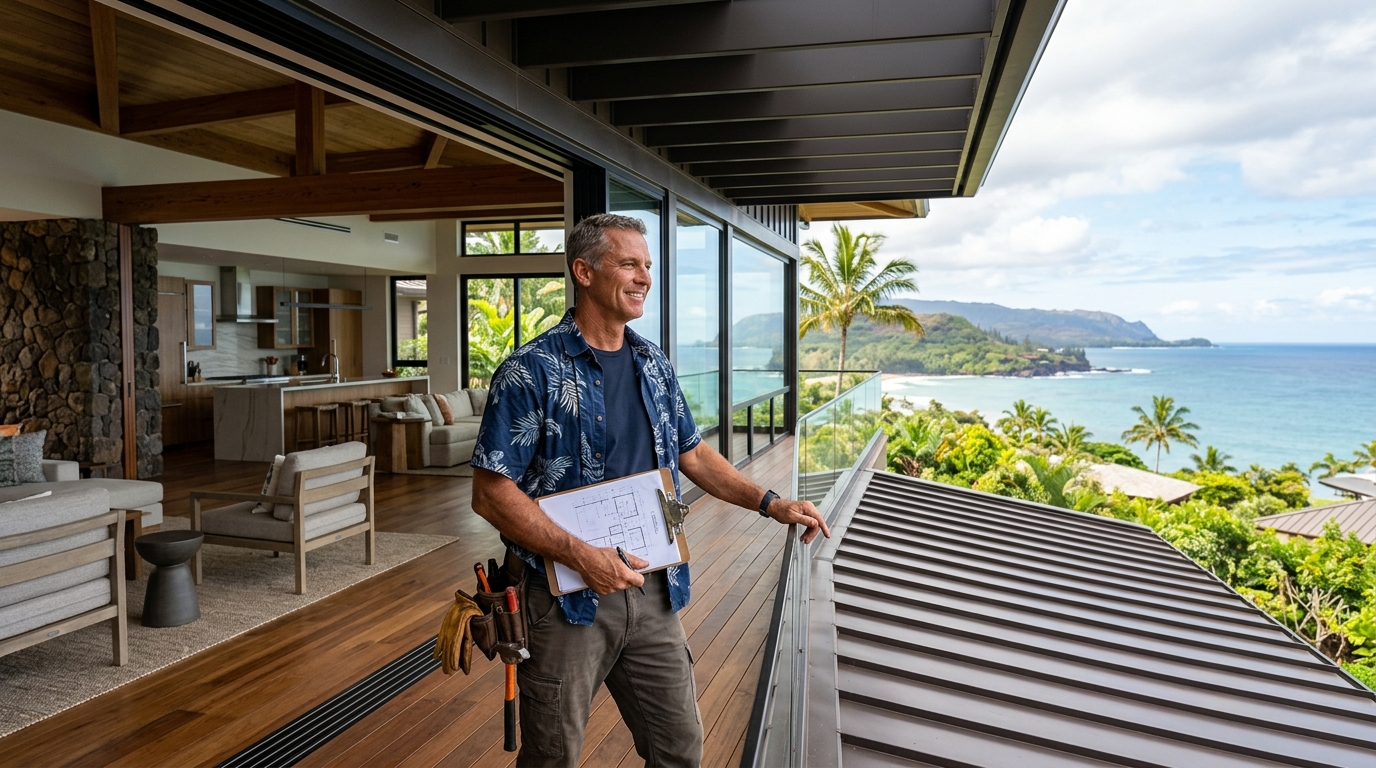
A roof in Waimea is not like a roof in Honolulu or even Kona. The unique elevation and position between the Kohala Mountains and Mauna Kea create a set of microclimates that demand specific roofing strategies. As your local roofing contractor in Waimea, we engineer every roof to handle these distinct conditions.
\n\n
The Tale of Two Waimeas: Wet Side vs. Dry Side
\n
You can’t talk about Waimea without acknowledging the stark difference between its two sides. \n
- \n
- Wet Side (East): Closer to Honoka’a, this area gets significantly more rain, mist, and fog. The constant moisture is the enemy of a roof. Here, material choice is paramount. We strongly recommend standing seam metal with a high-quality Kynar 500 finish. The slick, non-porous surface sheds water quickly and resists the growth of algae and moss that can degrade asphalt shingles over time. Proper ventilation is also key to prevent moisture buildup in the attic space, which can lead to rot and mildew.
- Dry Side (West): Towards the Kohala Coast, the conditions are sunnier but much windier. The powerful, gusty winds that Waimea is famous for can be devastating to improperly installed roofing. This is where installation technique is everything. For asphalt shingles, we use a six-nail pattern instead of the standard four for a higher wind rating. For metal roofs, we ensure the panel clips and fasteners are rated for high wind uplift and spaced correctly. The intense sun also means UV resistance is a factor, which is another reason the Kynar 500 paint finish on metal roofing is superior; it resists fading and chalking for decades.
\n
\n
\n
\n\n
Material Choices for Tropical Roofing
\n
Given Waimea’s climate, here’s our professional take on the best materials:
\n\n
1. Standing Seam Metal: The Champion
\n – Pros: Unmatched durability (50+ year lifespan), superior wind and rain resistance, energy efficient (cool roof colors reflect solar heat), low maintenance. The interlocking panels and hidden fasteners create a monolithic, watertight surface.
\n – Cons: Highest upfront cost.
\n – Best For: Anyone in Waimea, but especially on the wet side or in high-wind areas. It’s the ultimate ‘install it and forget it’ solution for Hawaii.
\n\n
2. Architectural Asphalt Shingles: The Workhorse
\n – Pros: Good performance for the cost, wide variety of colors, familiar aesthetic. Modern architectural shingles have a wind rating of up to 130 mph when installed correctly.
\n – Cons: Shorter lifespan (15-25 years in Hawaii’s sun), susceptible to algae staining on the wet side, granules can be scoured off by heavy rain and wind over time.
\n – Best For: Homeowners on a tighter budget, particularly on the dryer side of town. We always recommend shingles with built-in algae resistance.
\n\n
3. Materials to Avoid in Waimea:
\n – Wood Shake: While beautiful, wood is a terrible choice for the damp Waimea climate. It’s prone to rot, mildew, and termites. It’s also a significant fire hazard, especially on the dry side.
\n – Clay/Concrete Tile: Extremely heavy, requiring a reinforced roof structure. While durable, tiles can be brittle and crack, and they are notoriously difficult to make watertight against Hawaii’s wind-driven rain compared to a well-installed metal roof.
\n\n
Regulations and Local Nuances
\n
Beyond the county building code, some communities in and around Waimea have their own design guidelines or covenants (CC&Rs) that might restrict roofing materials or colors. For example, some planned communities like Waikoloa Village or parts of Kohala Ranch have specific rules to maintain a cohesive look. Part of our job at Warrior Construction is to perform due diligence and ensure your new roof complies with any and all local regulations, saving you from a potential dispute with a homeowners’ association.
\n\n
How to Choose the Right Roofing Contractor in Waimea
\n\n
Hiring the right team is the single most important decision you’ll make for your roofing project. A great roof installed poorly will fail. A good roof installed by experts will last for decades. Here is the checklist our team at Warrior Construction recommends every Waimea homeowner use to vet potential contractors.
\n\n
1. Verify Their License and Insurance—No Excuses.\nThis is non-negotiable. The contractor must have a valid Hawaii Contractor’s License. Ours is BC-34373. You can and should verify any contractor’s license on the state’s Professional & Vocational Licensing (PVL) website[1]. Ask to see their certificate of insurance for both General Liability and Worker’s Compensation. If a worker gets hurt on your property and the contractor isn’t insured, you could be held liable. A legitimate contractor will provide these documents without hesitation.
\n\n
2. Look for Deep Local, Big Island Experience.\nA company based in Honolulu that sends a crew over for a week doesn’t have the same investment or understanding of the community as a contractor with a long-standing presence on the Big Island. Ask them: \”How many roofs have you installed in Waimea specifically?\” They should be able to talk confidently about the wet side vs. dry side challenges, know the permitting staff at the county office, and have established relationships with local material suppliers. Ask for addresses of projects they’ve completed in the area so you can drive by and see their work.
\n\n
3. Get a Detailed, Written Proposal.\nA one-page estimate with a single number is a red flag. A professional proposal should be several pages long and clearly itemize the scope of work. It should specify:\n
- \n
- The exact roofing material being used (brand, model, color).
- The type of underlayment and flashing.
- Details on tear-off and disposal of the old roof.
- Procedures for replacing any damaged decking (and the cost per sheet).
- The payment schedule.
- Start and estimated completion dates.
- Warranty information (both for materials and workmanship).
\n
\n
\n
\n
\n
\n
\n
\nThis document protects both you and the contractor by setting clear expectations from the start.
\n\n
4. Don’t Let Price Be the Only Factor.\nIt’s tempting to jump on the lowest bid, but in construction, you almost always get what you pay for. A suspiciously low bid often means the contractor is cutting corners somewhere—uninsured labor, subpar materials, no permit, or skipping critical steps like replacing rotted wood. We once had to do a complete roof repair in Waimea on a roof that was only three years old because the low-bidder used cheap, electro-galvanized nails instead of stainless steel. They had completely rusted through, and shingles were literally sliding off the roof. The homeowner ended up paying twice. A fair price from a reputable company is an investment in quality that will save you money in the long run.
\n\n
5. Check Their Communication and Professionalism.\nFrom the very first phone call, are they responsive? Do they answer your questions clearly and patiently? Do they show up on time for appointments? This initial interaction is often a preview of how they’ll behave once the project starts. You’re entering a partnership that will last for several weeks; make sure it’s with a team you feel comfortable and confident with.
\n\n
Real Waimea Roofing Project Example
\n\n
To make this all concrete, let’s walk through a typical project we completed in 2025 on the wet side of Waimea for a family in a 1980s-era ranch home.
\n\n
The Homeowner’s Problem: The original cedar shake roof was well past its lifespan. It was covered in moss, had several slow leaks that had stained the ceiling in the living room, and their insurance company had warned them they would be dropped if the roof wasn’t replaced. They wanted a permanent solution that would stand up to Waimea’s rain and look great on their classic paniolo-style home.
\n\n
Our Assessment and Proposal:\n
- \n
- Home Size: Approximately 2,200 sq. ft. of roof area.
- Our Recommendation: A 24-gauge standing seam metal roof in a dark bronze Kynar 500 finish. We explained how this would provide the best long-term protection against moisture and prevent moss/algae growth. We also proposed adding a ridge vent system to improve attic ventilation, which the original home lacked.
- The Scope: The proposal included a full tear-off of the old cedar shakes and underlying materials, inspection and replacement of any water-damaged plywood decking (we budgeted for up to 10 sheets), installation of high-temperature waterproof underlayment, and the complete new metal roof system with all custom flashing and trim.
- The Quote: The total project cost came in at $81,400. This was higher than the shingle quotes they received, but we walked them through the 50-year lifespan and near-zero maintenance, showing them the long-term value.
\n
\n
\n
\n
\n
\n\n
The Project Timeline in Action:\n
- \n
- Weeks 1-4: We handled the permitting with Hawai’i County and ordered the custom-rolled metal panels from our supplier on Oahu.
- Week 5: Materials arrived at Kawaihae harbor and were delivered to the site. Our crew began by protecting the property and tearing off the old wood shake roof. As suspected, we found about eight sheets of delaminated and soft plywood near the main leak areas, which we replaced.
- Week 6: The new underlayment was installed, and our team began expertly laying the new metal panels, paying close attention to the custom flashing around their stone chimney.
- Week 7: Installation was completed, including the new ridge vent and gutters. The site was thoroughly cleaned. The county inspector came out, reviewed the work, and signed off on the final inspection.
\n
\n
\n
\n
\n
\n\n
The Outcome: The homeowners were thrilled. Their house was completely transformed, not only in appearance but in performance. The first heavy Waimea rain came a few weeks later, and they reported their home was quieter and, most importantly, completely dry. They now have a beautiful, durable roof that will likely outlast them, increasing their home’s value and giving them total peace of mind. Check out similar transformations in our portfolio.
\n\n
What this means for Hawaii homeowners
\n
For homeowners in Waimea, selecting a roofing contractor requires a higher level of diligence than on the mainland. The combination of intense sun, wind-driven rain, and island logistics means that both the materials you choose and the team you hire have long-term consequences. An improperly installed roof won’t just fail; it can cause catastrophic water damage to your home’s structure. As a homeowner, your priority should be finding a contractor who demonstrates a deep understanding of these specific local challenges.
\n\n
Here’s your action plan and decision framework:
\n
- \n
- Prioritize Durability Over Upfront Cost: While a $40,000 architectural shingle roof is a significant investment, a $70,000 standing seam metal roof that lasts three times as long is often the better financial decision over the life of your home. Think of it as total cost of ownership, not just the initial price tag.
- Insist on a Local, Licensed General Contractor: Don’t just hire a \”roofer.\” A licensed general contractor like Warrior Construction (BC-34373) understands the entire building system. We can identify and fix underlying structural issues, ventilation problems, or gutter deficiencies that a specialized roofer might miss, ensuring a comprehensive, long-lasting solution. Verify their license with the state PVL.[1]
- Question Anyone Who Says a Permit Isn’t Needed: The permitting process is your protection. An unpermitted roof can void your homeowner’s insurance and create major problems when you sell. A professional contractor will always manage the permitting process with Hawai’i County as a standard part of their service.[2]
- Demand Specificity in Your Contract: Your contract should read like a recipe, not a vague summary. It must specify the exact brand and type of roofing, underlayment, and fasteners. This protects you from a bait-and-switch where a contractor substitutes lower-quality materials to increase their profit margin.
\n
\n
\n
\n
\n
Your roof is arguably the most critical component of your home. Taking the time to follow these steps will ensure you partner with a high-quality contractor who will deliver a system built to last in Waimea’s unique environment.
\n
\n\n
Frequently Asked Questions About Roofing in Waimea
\n
How do I know if I need a full roof replacement or just a repair?
\n
If your roof is over 20 years old (for asphalt shingles), has widespread issues like curling or cracking shingles, extensive granule loss, or multiple leaks, a replacement is usually the most cost-effective solution. A single, isolated leak on a younger roof can often be repaired. Our team can provide an honest assessment to help you decide.
\n
\n
What is the best type of roof for Waimea’s windy conditions?
\n
Standing seam metal roofing is hands-down the best choice for Waimea’s high winds. The panels are interlocked and secured with hidden clips, creating a system with exceptional wind uplift resistance, often rated for winds well over 140 mph. Architectural shingles installed with a six-nail pattern are a good alternative, but metal offers superior long-term performance.
\n
\n
How much more does a roof cost on the Big Island compared to the mainland?
\n
You can expect roofing costs in Hawaii to be 30-50% higher than on the mainland. This is due to a few key factors: the high cost of shipping all materials via barge, higher labor costs due to the cost of living, and the requirement for more robust, corrosion-resistant materials to withstand our tropical climate and meet hurricane codes.
\n
\n
Will my homeowner’s insurance cover a new roof?
\n
Insurance typically covers roof replacement only if it’s damaged by a specific, covered event, like a hurricane or a fallen tree. It does not cover replacement due to old age or normal wear and tear. In fact, many insurers in Hawaii will require you to replace an aging roof at your own expense to maintain your coverage.
\n
\n
Can you install a new roof during the rainy season in Waimea?
\n
Yes, we can. Our experienced crews are experts at working with Waimea’s weather. We work in sections, only tearing off what we can make watertight by the end of the day. While a heavy downpour might cause a short delay, we build weather contingencies into our schedule and never leave your home exposed to the elements overnight.
\n
\n
What does the warranty cover on a new roof?
\n
There are two warranties. The manufacturer’s warranty covers defects in the roofing material itself, often for 30 years to a lifetime. The more important one is the contractor’s workmanship warranty. Warrior Construction provides a comprehensive workmanship warranty that covers any issues related to our installation, giving you peace of mind that if a leak were to occur due to our work, we’d be there to fix it.
\n
\n
\n\n
Protect Your Waimea Home with a Roof Built to Last
\n
Your home is your sanctuary, and a solid, well-built roof is its ultimate shield. Here in Waimea, that shield has to be tougher than most. At Warrior Construction, we combine decades of local Hawaii experience with an unwavering commitment to quality craftsmanship. We don’t just build roofs; we build lasting protection and peace of mind for our neighbors.
\n
If you’re considering a roof replacement or need an expert opinion on the state of your current roof, our team is ready to help. We understand the investment you’re making and are committed to delivering a solution that protects your home for decades to come. Learn more about our approach to building durable, storm-ready homes by exploring our Hurricane-Resistant Construction services.
\n
Ready to get started? Contact Warrior Construction today for a free, no-obligation estimate. Let’s build something great together.
\n\n
References
\n