
“
How Long Does a Major Kitchen Remodel *Really* Take on Oahu?
A major Oahu kitchen remodel timeline is, realistically, about nine months from our first conversation to your first meal. That number often surprises homeowners who are used to mainland construction shows where entire homes are flipped in a matter of weeks. Here in Hawaii, we operate on a different clock, one dictated by ocean freight, a strained permitting office, and a high demand for skilled labor. The actual on-site construction might only be three months, but the critical prep work that happens beforehand takes up the majority of the schedule. Understanding this upfront is the single most important factor in having a smooth, low-stress renovation experience.
Many homeowners focus solely on cost, which we’ve broken down in detail in our Oahu kitchen remodel cost guide. But the timeline is just as crucial. A miscalculation here doesn’t just mean eating takeout for a few extra weeks; it can throw off financing, living arrangements, and your entire family’s routine. This guide isn’t about vague estimates. It’s a detailed, step-by-step breakdown of a real-world Hawaii construction schedule, built from our 20+ years of experience managing projects right here on Oahu. We’ll walk you through the three distinct phases and explain exactly why nine months is the new standard for a significant kitchen overhaul in 2026.
Understanding the Three Main Phases
We break every major project, especially a complex kitchen, into three distinct stages. Thinking about your project this way helps make the long schedule feel more manageable.
- Phase 1: Design & Planning (Months 1-2): This is the creative and strategic stage. We work with you to finalize layouts, select every material from cabinets to drawer pulls, and, most importantly, get our trusted subcontractors booked.
- Phase 2: Permitting & Procurement (Months 2-6): This is the “hurry up and wait” phase and the longest part of the entire Oahu kitchen remodel timeline. While we navigate the Honolulu Department of Planning and Permitting (DPP), we are also ordering all your long-lead-time items like cabinets and appliances.
- Phase 3: Active Construction (Months 6-9): This is when the magic happens at your home. From demolition to the final coat of paint, our team is on-site, bringing the vision to life. This is the fastest, most visible part of the process.
Let’s dive into what actually happens during each of these phases.
Phase 1: What Happens During Design & Planning? (Months 1-2)
The first two months are the most collaborative part of the entire Oahu kitchen remodel timeline. This is where your vision takes shape and we translate it into a buildable set of plans. Rushing this stage is the number one mistake we see homeowners make. A well-planned project saves immense time and money down the road. Every decision made here prevents a costly and time-consuming change order during construction.
Solidifying Your Layout for Multi-Generational Living
Here in Hawaii, the kitchen is truly the heart of the home, especially with the rise of multi-generational living. According to recent data, more and more families are living together, which completely changes the demands on a kitchen.[1] We’re not just designing for a couple anymore; we’re creating a space for multiple cooks, kids doing homework, and tutus helping with prep.
During this phase, we move beyond basic sketches. We’re asking critical questions:
- Can we fit an oversized island with seating for six?
- Where can we build a dedicated pantry for those Costco runs?
- Does the layout allow for easy flow from the kitchen to the lanai for indoor-outdoor living?
- Do we need a second prep sink to accommodate two people cooking at once?
On a recent project in Mililani, our clients wanted a kitchen that could handle Sunday dinners for 15 people. We ended up removing a non-load-bearing wall to combine the kitchen and dining area, creating a massive 12-foot island that became the central hub for the entire family. Finalizing this architectural plan is the first major milestone of the design phase.
Selecting Finishes Built for Hawaii’s Salt Air
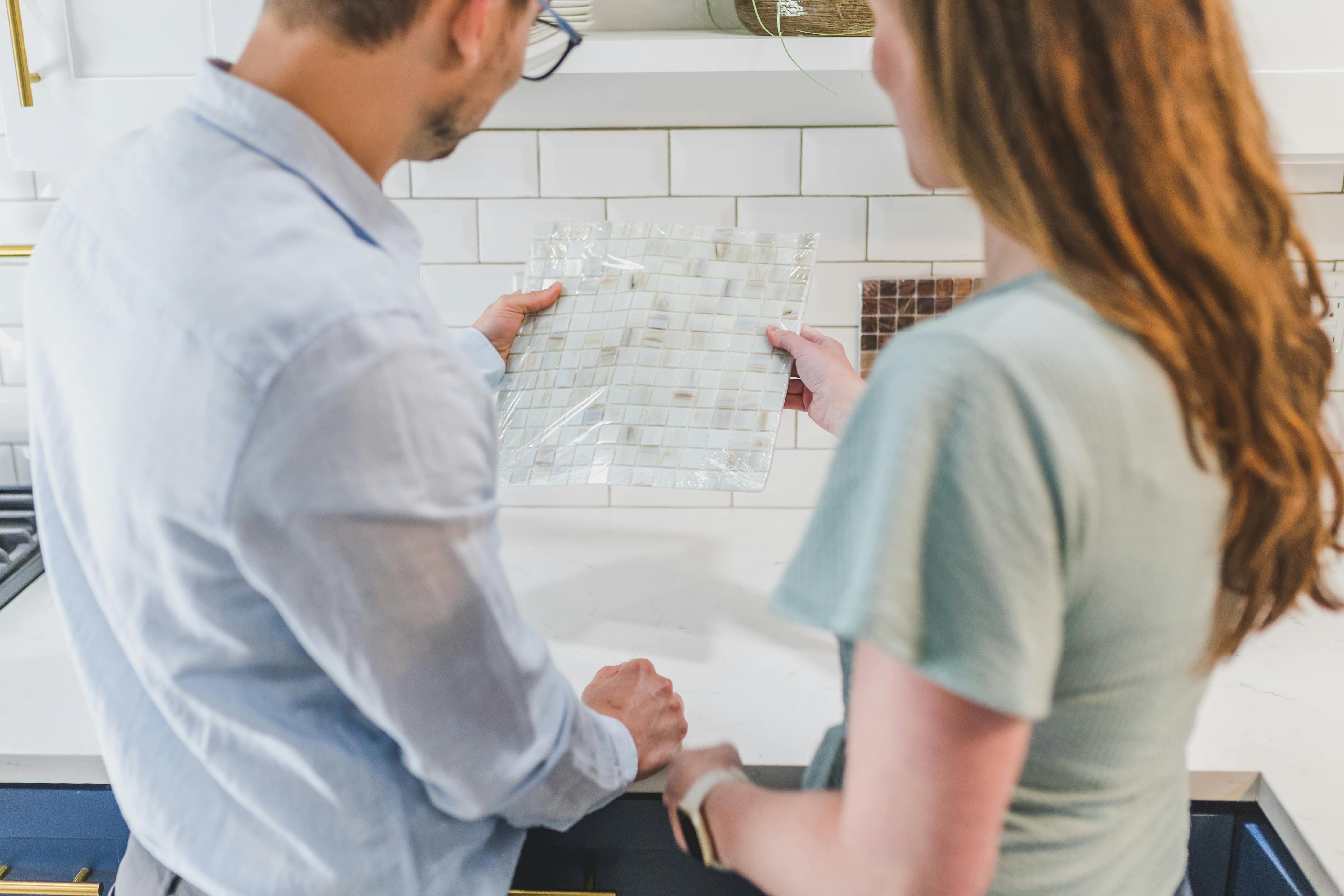
Once the layout is locked, we move to the fun part: selecting materials. But in Hawaii, this is about more than just aesthetics. It’s about durability. The constant salt air, humidity, and intense UV exposure can wreak havoc on standard materials. We guide our clients toward finishes that will look great for years to come.
Our material selection process is incredibly detailed:
- Cabinetry: We discuss the pros and cons of solid wood versus high-quality laminates that resist warping in our humid climate.
- Hardware: We strongly recommend marine-grade 316 stainless steel for drawer pulls and hinges, especially for homes on the Windward side in places like Kailua or Kaneohe. It costs more upfront but prevents the ugly rust spots that appear on cheaper metals.
- Countertops: Engineered quartz is now our go-to recommendation. Unlike natural stone, it’s non-porous (so it won’t stain from soy sauce or coffee) and its color won’t fade from sunlight pouring through your windows.[2]
- Appliances: We’ll need the exact model numbers for your refrigerator, range, dishwasher, and microwave vent hood. These dimensions are critical for the cabinet makers.
By the end of month two, we have a binder with every single selection finalized. This is non-negotiable. Why? Because we can’t get an accurate permit or start ordering materials without these exact specifications.
Getting on the Schedule with Our Subcontractor Team
Here’s an insider secret about how to keep a Hawaii construction schedule on track: you book your tradespeople months in advance. The construction boom and skilled labor shortage mean the best licensed electricians, plumbers, and drywallers are in high demand. As UHERO’s latest report confirms, we have to book our key subcontractors at least three months out.[3]
As soon as we have a finalized design and a signed contract, we’re on the phone with our team. We tentatively schedule them for the projected construction start date. This ensures that when the permit is finally approved and the materials arrive, we don’t have to wait another two months for a good electrician to become available. This proactive scheduling is a huge part of our job as a general contractor and is essential to managing the overall Oahu kitchen remodel timeline.
Phase 2: Why Does Permitting and Procurement Take So Long? (Months 2-6)
Welcome to the longest, most invisible, and often most frustrating phase of any major renovation in Honolulu. For roughly four months, it might seem like nothing is happening. Your house is untouched, and you’re just… waiting. But behind the scenes, our team is managing two of the biggest logistical hurdles in Hawaii construction: the Honolulu DPP and trans-Pacific shipping. How we manage this phase determines the success of the entire project.
The Honolulu DPP Permitting Reality: A 10-14 Week Wait
Any kitchen remodel that involves moving walls, altering plumbing, or changing electrical layouts requires a building permit from the Honolulu Department of Planning and Permitting (DPP). There is no way around this. The average kitchen remodel permit time Oahu homeowners can expect is significant.
As of Spring 2026, the DPP’s own data shows an initial plan review time of 10-14 weeks.[4] This is just the first look. It’s common for the city plan reviewer to have questions or require clarifications on the architectural drawings. This is called a “correction.” Responding to corrections and getting the plans re-reviewed can easily add another 6-8 weeks to the process. So, a realistic permitting timeline is four to five months. On a recent Kapolei project, a simple question about a shear wall location added seven weeks to our permit approval time.
This is why the detail in Phase 1 is so critical. A complete, accurate, and highly detailed set of plans is the best tool we have to minimize these delays. We submit everything correctly the first time to reduce the chance of a lengthy back-and-forth with the city. This is a crucial part of the Honolulu kitchen renovation process.
Ordering Materials: The 16-20 Week Wait for Shipping
At the same time we submit your plans to the DPP, we place the orders for all your materials with long lead times. For a kitchen, this primarily means two things: custom cabinetry and appliances. Almost all of these items are coming from the mainland, and they don’t arrive overnight.
The supply chain reality in 2026 is that you should expect a 16-20 week lead time from the day you order your cabinets to the day they are delivered to your job site on Oahu.[3]
Here’s a breakdown of that journey:
- Manufacturing (6-8 weeks): The cabinet company builds your custom order.
- Crating & Mainland Freight (2-3 weeks): The cabinets are carefully crated and shipped by truck to a port in California or Washington.
- Ocean Freight (3-4 weeks): The container is loaded onto a Matson or Pasha vessel for the trip across the Pacific to Honolulu Harbor.
- Port Unloading & Delivery (1-2 weeks): The container is offloaded, processed, and then delivered by truck to your home.
We have to time this perfectly. We want the cabinets to arrive just as we are finishing drywall and ready to install them. Ordering too early means they sit around and could get damaged; ordering too late brings the entire job to a screeching halt. This logistical dance is a key element of managing the Oahu kitchen remodel timeline.
Project Prep: What Our Team Does While We Wait
This four-month waiting period isn’t downtime for us. Our project management team is busy setting the stage for a smooth construction phase.
Here’s what’s happening behind the scenes:
- Finalizing Subcontractor Schedules: We confirm the dates we penciled in with our electrician, plumber, drywaller, and painter.
- Creating a Detailed Construction Calendar: We build a week-by-week schedule for Phase 3, outlining every task from demolition to final cleanup.
- Ordering Local Materials: We order all materials we can source on-island, like lumber, drywall, and concrete, and schedule their delivery.
- Weekly Updates: We provide you with a weekly status update on both the permit and the estimated arrival date of your materials, so you’re never in the dark.
Phase 3: What Does the Active Construction Schedule Look Like? (Months 6-9)
After months of planning and waiting, this is where the tangible transformation happens. The active construction phase for a major kitchen remodel typically takes about 12 weeks, or three months. This part of the Oahu kitchen remodel timeline is fast-paced and exciting. We’ve spent four months lining up every domino, and now we get to watch them fall perfectly into place. Here’s a typical week-by-week breakdown of how long to remodel a kitchen in Hawaii once boots are on the ground.
Weeks 1-2: Demolition and Site Prep
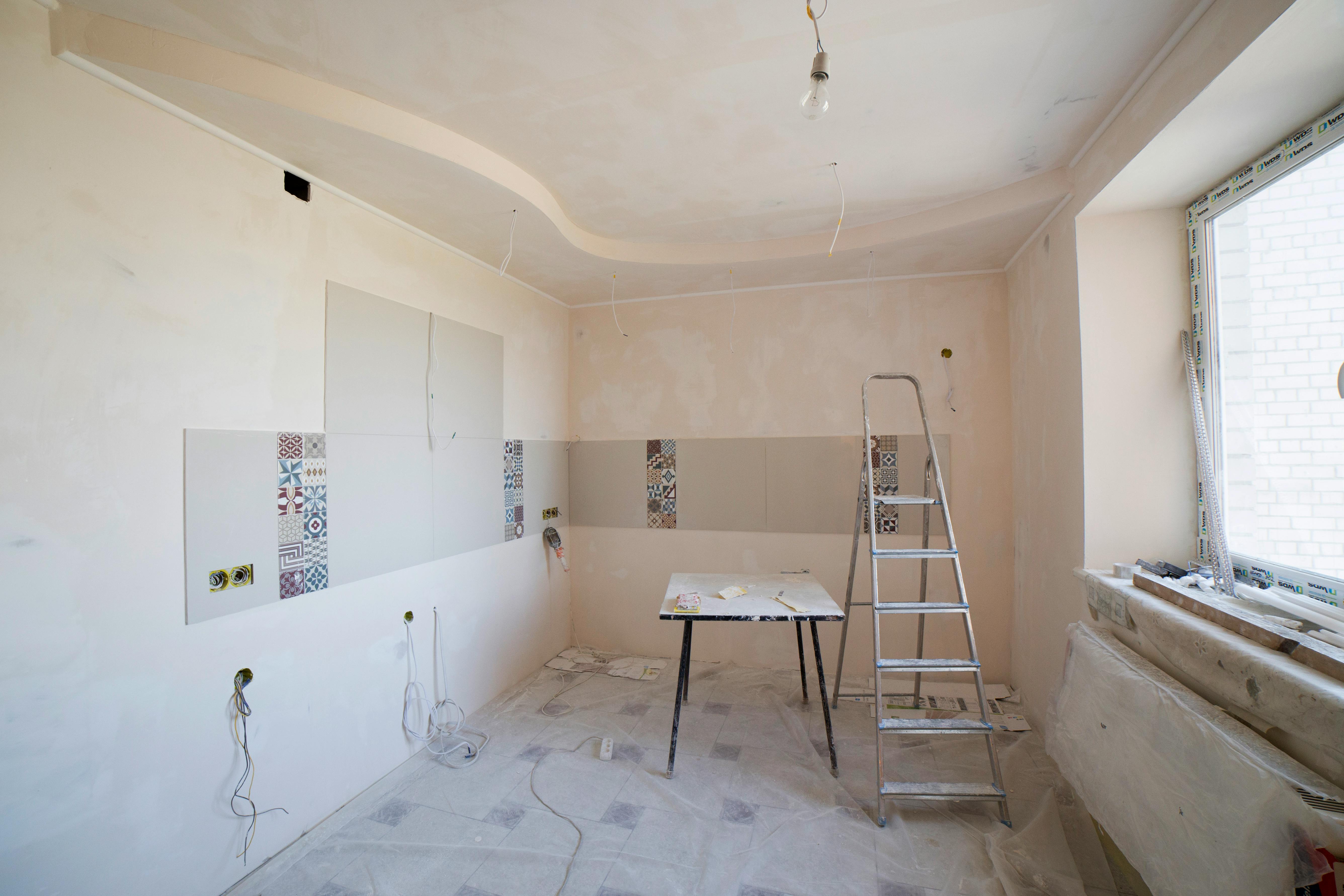
The first few days are loud and dusty. Before we touch a single thing in the kitchen, our first priority is protecting the rest of your home. We put down floor protection, seal off doorways with plastic sheeting, and often use air scrubbers to control dust.
Then, the demolition begins. Old cabinets, countertops, appliances, flooring, and sometimes even walls come down. It looks like chaos, but it’s organized chaos. We’re carefully disconnecting plumbing and electrical lines and inspecting what’s behind the walls. This is where we might uncover unforeseen issues, like old termite damage or outdated wiring, that need to be addressed. We build a small contingency into our Hawaii construction schedule for these common surprises.
Weeks 3-5: Rough-In, Framing, and Inspections
Once the space is a blank slate, the “rough-in” work starts. This is the new skeleton of your kitchen. Our framers will build any new walls or soffits. Then, the electrician and plumber come in to run new wires and pipes inside the open walls. This is for all the new outlets, can lights, island plumbing, and appliance connections you planned for back in Phase 1.
This stage concludes with a critical milestone: the city inspections. A Honolulu building inspector will visit the site to verify that all the new framing, electrical, and plumbing work is done correctly and up to code. We cannot cover the walls with drywall until we pass this inspection. A failed inspection can easily add a week or more to the timeline, which is why we only work with top-tier, licensed tradespeople who get it right the first time.
Weeks 6-9: Drywall, Cabinets, and Countertops
With inspections passed, the kitchen starts to take shape again. The drywall goes up, and our finishing crew will tape, mud, and sand the seams to create a perfectly smooth surface for painting. This is a multi-day process as each layer of joint compound needs to dry completely.
Once the drywall is primed, the moment you’ve been waiting for arrives: cabinet installation. This is a precise job that can take several days. As soon as the base cabinets are in place, the countertop fabricator comes to the site to create a digital template. They use this laser measurement to custom-cut your quartz or granite slab at their shop. The fabrication and installation process for countertops usually takes about 7-10 days.
Weeks 10-12: Finishes, Fixtures, and Final Walkthrough
The final three weeks are all about the details. Our crew will be busy with a flurry of activity:
- Flooring Installation: The new tile or luxury vinyl plank flooring is laid.
- Painting: The walls, ceiling, and trim get their final coats of paint.
- Appliance & Fixture Installation: The refrigerator, dishwasher, range, and microwave are installed. The plumber and electrician return to hook up the sink, faucet, garbage disposal, and all the light fixtures and switches.
- Backsplash Tiling: The tile backsplash is installed between the countertops and upper cabinets.
- Hardware & Punch List: We install all the cabinet pulls and drawer handles. We then go through the entire kitchen and create a “punch list” of any tiny adjustments or touch-ups needed.
The very last step is the final inspection from the city and our own final walkthrough with you. We’ll hand you the keys to your brand new kitchen and show you how everything works. This final part of the Honolulu kitchen renovation process is the most rewarding.
Why Can’t We Just Start Demo While Waiting for the Permit?
This is a question we hear from almost every excited homeowner during the long wait in Phase 2. It’s tempting to want to get a head start. But as your licensed general contractor, our answer is always a firm no. Starting work before a permit is issued is one of the riskiest things you can do on a construction project in Hawaii. It can derail the entire Oahu kitchen remodel timeline.
Here’s why we insist on waiting for that official permit stamp:
- Stop Work Orders and Fines: If a city inspector sees unpermitted work, they will issue a Stop Work Order. This red tag immediately halts all activity on your property. You’ll likely face fines, and your permit application may be sent to the back of the queue, adding months of delay.
- Uncovering Issues We Can’t Fix: What if we demolish a wall and discover a major structural issue or severely outdated electrical wiring? Without an approved set of plans and a permit, we legally cannot perform the necessary repairs. Your home would be left in a hazardous, partially demolished state while we wait for an emergency permit, which doesn’t exist.
- Insurance and Liability: Your homeowner’s insurance policy may not cover property damage or injuries that occur on an unpermitted construction site. This exposes you to massive financial and legal risk. Our company’s liability insurance also requires all work to be properly permitted.
- Future Resale Problems: When you sell your home, you have to disclose all work done. Unpermitted renovations are a huge red flag for potential buyers and can torpedo a sale. It often leads to the new owner requiring you to retroactively permit the work, which can be an expensive and bureaucratic nightmare.
The wait is hard, but it’s a non-negotiable part of a professional, legal, and safe renovation. Protecting you, your home, and your investment is our top priority. The entire timeline is structured around doing things the right way.
Case Study: A 9.5-Month Kailua Kitchen Remodel
To make the Oahu kitchen remodel timeline concrete, let’s look at a real-world (though anonymized) example. We recently worked with a family in Kailua to transform their cramped, outdated 1980s kitchen into an open-concept space fit for their multi-generational family.
- Project Scope: A 350-square-foot major kitchen gut and remodel, including removing a load-bearing wall to connect to the living room.
- Initial Meeting: January 15, 2026
- Phase 1 (Design & Selections): January-March. The family worked with our designer to finalize the new layout with a large island and select all their finishes, including salt-air-resistant hardware for their coastal location.
- Phase 2 (Permitting & Procurement): The permit was submitted to Honolulu DPP on March 20th. We simultaneously ordered the custom cabinets and high-end appliances.
- The Delay: In June, the DPP reviewer came back with a correction notice asking for additional structural calculations for the new beam replacing the load-bearing wall. This is a common request. Our engineer provided the calculations, but the re-review process added nearly 7 weeks.
- Permit Issued: August 5, 2026. (Total permit time: 4.5 months)
- Materials Arrived: The cabinets, which had a 18-week lead time, arrived at Honolulu Harbor the last week of July and were delivered to the site on August 7th.
- Phase 3 (Active Construction):
- Demolition Start: August 12, 2026
- Construction Duration: 13 weeks. The project moved smoothly because all materials were on-site and the subcontractors were scheduled and ready.
- Final Walkthrough: November 8, 2026
- Total Project Duration: 9 months and 24 days.
This project is a perfect example of a typical, successful Oahu kitchen remodel. Even with a minor permit delay, the project finished close to the 9-month schedule because we anticipated these common Hawaii-specific bottlenecks from the very beginning.
What this means for Hawaii homeowners
Understanding this realistic 9-month timeline is the key to a successful renovation. It allows you to plan your finances, living arrangements, and expectations accordingly. Rushing the process or trying to take shortcuts inevitably leads to more stress and higher costs. The entire Honolulu kitchen renovation process is a marathon, not a sprint.
Here is our best advice based on this timeline:
- Start Planning 12 Months Ahead: If you want to be cooking in your new kitchen by Christmas of 2027, you should be calling a contractor in January of 2027. The Oahu kitchen remodel timeline begins with your very first inquiry.
- Finalize All Decisions Before We File the Permit: This is the most important piece of advice we can give. Every single finish, fixture, and appliance must be selected and finalized during Phase 1. A change made after the permit is filed can trigger a chain reaction of re-engineering, permit revisions, and material re-orders that can add months to your project.
- Build a Timeline Contingency: Just as you build a 10-15% contingency into your budget for unforeseen costs, you should build a 4-6 week contingency into your mental timeline. Unpredictable things like shipping delays or a backlog at the permit office can happen. Planning for them makes them manageable instead of stressful.
- Trust Your General Contractor: The long waiting period in Phase 2 can be unsettling. A good GC will provide you with regular, transparent updates on permit status and material tracking. We understand the wait is difficult, but we manage this process every day. Our job is to absorb the logistical headaches so you can focus on the exciting transformation to come.
By embracing this realistic schedule, you set your project up for success from day one.
Frequently Asked Questions
How long does an Oahu kitchen remodel really take in 2026?
A major Oahu kitchen remodel takes an average of nine months from the initial design meeting to the final walkthrough. This includes about two months for design, four to five months for permitting and material shipping, and three months for the active on-site construction.
Why is the kitchen remodel permit time Oahu so long?
The Honolulu Department of Planning and Permitting (DPP) is currently facing a significant backlog. As of 2026, you can expect an initial plan review to take 10-14 weeks. If the city requires any corrections or clarifications, which is common, that can add another 6-8 weeks, bringing the total permit time to four to five months.
Can I live in my home during the kitchen renovation?
While it’s technically possible, we strongly advise against it. The active construction phase is extremely disruptive, with significant dust, noise, and a lack of cooking facilities. Most clients find it more comfortable to arrange temporary accommodations, especially during the first few weeks of demolition and the dusty drywall phase.
How much should I budget for an Oahu kitchen remodel?
For a mid-to-high-end kitchen remodel on Oahu in 2026, you should budget between $325 to $500 per square foot. For a typical 200-square-foot kitchen, this means a construction budget of $65,000 to $100,000, not including high-end appliances which can add significantly to the cost.
What’s the biggest cause of delays in a Hawaii construction schedule?
The two biggest factors that extend a Hawaii construction schedule are material shipping and permitting. The 16-20 week lead time for cabinets and appliances from the mainland is often the longest single item on the timeline. This is closely followed by the four-to-five-month wait for a building permit from the Honolulu DPP.
Do I need a permit for a simple kitchen refresh in Honolulu?
It depends on the scope. If you are doing a direct, one-for-one replacement of cabinets, countertops, and appliances in their existing locations without altering any plumbing or electrical, you typically do not need a permit. However, the moment you move a wall, add an outlet, or relocate a sink, a permit is required. We always verify with the DPP for each specific project.
How can I speed up my Oahu kitchen remodel timeline?
The single biggest factor a homeowner controls is decision-making. Having 100% of your material and fixture selections finalized before we even submit for a permit is the best way to prevent delays. Any change during the permitting or construction phase will have a ripple effect, causing delays and increasing costs. Decisiveness is your best tool for a faster project.
Ready to Start Your Project?
Get a free, no-obligation estimate from Hawaii’s most trusted licensed general contractor. We bring 20+ years of island-specific construction expertise to every project.


